广告
加载中

嘉御资本卫哲:创始人必须“肉身出海”!体感比任何报告都准

马蹄社 2026-03-16 16:32
马蹄社 2026/03/16 16:32

邦小白快读

EN
全文速览

文章提供了创始人成功出海的实操干货,核心是强调亲自体验市场的重要性,并给出具体管理建议。

1. 创始人必须“肉身出海”,亲自去目标市场生活而非出差,例如当家庭主妇超市买菜,以获得真实消费者体感,避免空想失误。

2. 全球化人才管理首选“一代移民”,他们兼具本地文化和拼搏精神,并实行“一司两制”,如给海外总经理40%股份转化为创业关系,激发主人翁意识。

3. 团队建设应互补而非追求全才,采用“铁三角”或“双子星”结构,如技术极客配操盘手,参考影石、Anker等成功案例。

文章启示品牌商如何通过体感优化品牌策略和产品研发,应对全球化挑战。

1. 品牌营销需基于对海外消费者的深度体感,创始人亲自生活观察消费习惯,指导产品设计和定价策略,避免报告依赖。

2. 产品研发应结合用户行为观察,如通过生活场景了解厨房用品需求,提升产品本地化竞争力。

3. 消费趋势和渠道建设可借鉴先驱企业如华为、海信培养的人才,利用一司两制模式强化品牌落地,案例Anker展示互补团队优势。

文章提示出海卖家可学习的机会和风险应对措施,强调利用现有资源。

1. 风险提示包括不亲自出海导致产品失败,机会提示是借助华为等先驱培养的人才,减少从零开始成本。

2. 可学习点如实行一司两制合作模式,给海外负责人股份,转化为创业关系,激发团队积极性。

3. 增长市场机会在于团队互补结构,如技术极客配操盘手模式,参考影石案例,正面影响是提升企业竞争力。

文章为工厂提供产品设计需求和商业机会启示,推动出海实践。

1. 产品生产和设计需求强调创始人亲自生活体验海外消费习惯,例如超市观察,指导产品本地化优化。

2. 商业机会在于全球化市场潜力,可学习先驱企业如联想经验,利用一代移民人才推进合作。

3. 推进数字化和电商启示来自研修班模式,提供学习平台帮助工厂提升管理效率,规避风险。

文章揭示行业发展趋势和客户痛点解决方案,助力服务商提供支持。

1. 行业发展趋势是企业出海需强化体感,解决客户痛点如缺乏市场理解,导致产品失误。

2. 解决方案包括创始人肉身出海获得真实体感,并优化人才管理,如采用一代移民和一司两制模式。

3. 新技术启示间接来自研修班,强调通过培训提升决策系统,应对全球化挑战。

文章启示平台如何满足企业需求并优化运营管理,支持出海业务。

1. 商业对平台的需求包括培训支持,如研修班提供决策系统,帮助企业规避风险提升竞争力。

2. 平台的最新做法可借鉴招商和运营管理,通过类似课程吸引企业合作,强化平台价值。

3. 风向规避提示企业需亲自出海获得体感,平台可提供资源如人才库,参考华为经验减少失误。

文章探讨产业新动向和商业模式创新,提供研究启示。

1. 产业新动向是全球化进入深水区,需新方法如创始人肉身出海,解决新问题跨文化管理。

2. 商业模式创新包括一司两制合伙机制和团队互补结构,如双子星模式,案例Anker展示成功实践。

3. 政策法规建议间接来自企业家认知提升,启示研究者关注决策系统优化,推动产业可持续发展。

返回默认

声明:快读内容全程由AI生成,请注意甄别信息。如您发现问题,请发送邮件至 run@ebrun.com 。

我是 品牌商 卖家 工厂 服务商 平台商 研究者 帮我再读一遍。

Quick Summary

The article provides practical insights for founders succeeding in global expansion, emphasizing the importance of firsthand market experience and offering specific management advice.

1. Founders must "physically immerse" themselves in target markets—living there rather than just visiting—to gain genuine consumer insights, such as observing daily shopping habits, and avoid speculative errors.

2. Prioritize "first-generation immigrants" for global talent management, as they combine local cultural understanding with entrepreneurial drive. Implement a "dual-system" approach, e.g., granting overseas general managers 40% equity to foster ownership.

3. Build complementary teams instead of seeking all-rounders; adopt structures like "iron triangle" or "twin-star" models, pairing technical experts with operators, as seen in successful cases like Insta360 and Anker.

The article offers brands insights on refining strategies and product development through immersive experience to tackle globalization challenges.

1. Brand marketing should be grounded in deep consumer insights gained from founders living abroad, guiding product design and pricing to reduce reliance on reports.

2. Product R&D should integrate observations of user behavior, such as understanding kitchenware needs through daily scenarios, to enhance localization.

3. Leverage talent trained by pioneers like Huawei and Hisense, and adopt dual-system models to strengthen brand execution, as demonstrated by Anker's complementary team approach.

The article highlights opportunities and risk mitigation strategies for cross-border sellers, stressing resource utilization.

1. Risks include product failures due to lack of firsthand market exposure; opportunities involve tapping talent from companies like Huawei to lower startup costs.

2. Learn from practices like dual-system partnerships, offering equity to local leads to incentivize entrepreneurship.

3. Growth opportunities lie in complementary team structures, e.g., pairing tech experts with operators, as seen with Insta360, to boost competitiveness.

The article guides factories on product design demands and business opportunities to advance global expansion.

1. Production and design must align with consumer habits observed firsthand by founders, such as supermarket visits, to optimize localization.

2. Business opportunities arise from global market potential; learn from pioneers like Lenovo and collaborate with first-generation immigrant talent.

3. Digital and e-commerce insights from training programs offer platforms to enhance management efficiency and mitigate risks.

The article reveals industry trends and solutions to client pain points, aiding service providers in offering support.

1. Trends show companies need deeper market immersion to address issues like product misalignment due to poor consumer understanding.

2. Solutions include founders living abroad for authentic insights and optimizing talent management with immigrant hires and dual-system models.

3. Indirect insights from training programs emphasize decision-system upgrades to navigate globalization challenges.

The article informs platforms on meeting enterprise needs and optimizing operations to support global expansion.

1. Demand includes training support, such as programs improving decision systems, to help businesses reduce risks and compete effectively.

2. Platforms can enhance recruitment and management by offering similar courses to attract partners and add value.

3. Mitigation strategies involve encouraging firsthand market immersion; platforms can provide resources like talent pools, leveraging Huawei's experience to minimize errors.

The article explores industry shifts and business model innovations, offering research implications.

1. New trends include globalization entering a complex phase, requiring methods like founder immersion to address cross-cultural management issues.

2. Innovations feature dual-system partnerships and complementary team structures, e.g., twin-star models, with Anker exemplifying success.

3. Policy insights stem from elevated entrepreneurial awareness, suggesting researchers focus on decision-system optimization for sustainable industry growth.

Disclaimer: The "Quick Summary" content is entirely generated by AI. Please exercise discretion when interpreting the information. For issues or corrections, please email run@ebrun.com .

I am a Brand Seller Factory Service Provider Marketplace Seller Researcher Read it again.

【亿邦原创】很多老板坐在国内办公室,看着咨询公司的PPT,就觉得自己理解了海外市场。但嘉御资本创始合伙人、董事长卫哲直言:差远了。

驾驭全球化品牌,创始人最缺的是什么?只有两个字:体感。

卫哲

嘉御资本创始合伙人、董事长

马蹄社×嘉御资本全球CEO研修班核心导师

第一,对海外消费者的“体感”。

卫哲经常问出海创业者两个问题:你的手机里装Instagram了吗?你会用WhatsApp吗?如果连这些国民级应用你都不会用,你凭什么说你理解当地的年轻人?

他给的建议非常直接:去你的目标市场生活一阵子,不是走马观花地出差,要去生活。他见过有的创始人,直接去海外当起了“家庭主妇”,亲自去超市买菜、做饭,在真实的生活场景中,自然就对当地的厨房用品、消费习惯了如指掌。这种“肉身出海”换来的体感,比任何调研报告都精准。只是坐在国内办公室里空想,永远做不出好产品。

第二,对全球化人才的“体感”。

很多企业出海最大的误区,是觉得自己是孤军奋战,一切要从零开始。其实,华为、海信、联想这些先驱已经替你耕耘了几十年,替你培养了大量成熟的人才。

但怎么用这些人才?卫哲有两条铁律:

首选“一代移民”。无论在欧美还是其他地区,第一代移民往往是极佳的选择。他们既懂当地文化,又保留了中国人那种想扎根、想拼搏的饥饿感。二代、三代往往太本土化,反而失去了那股狼性。

实行“一司两制”。海外团队不能简单套用国内的管理模式。他非常推崇“公司合营”机制,甚至敢于给海外总经理40%的股份,让他真正成为当地的合伙人,把传统的雇佣关系彻底转化为创业关系。这样才能真正激发海外负责人的主人翁意识。

第三,团队要互补,别指望全才。

卫哲认为,能操盘全球化品牌的,很少是一个“完人”,而是一个互补的“铁三角”或“双子星”。他复盘了中国最成功的那批新一代出海品牌,比如影石、Anker、xTool,几乎都有一个稳固的“双人联创”结构:一个有着极强的产品和研发直觉的“技术极客”,配一个能补齐全球化合规、资本运作、海外落地能力的“操盘手”。

所以,别再独自苦修、妄图成为完美CEO了,该“肉身出海”的去一线感受市场,该找搭档的去寻觅合伙人。品牌全球化,从来不是靠一个人单打独斗就能赢的。

(来自亿邦动力马蹄社2026年1月对话嘉御资本全球CEO决策研修班卫哲老师内容)

一个时代有一个时代的命题,一代企业家有一代企业家的长征。

当“野蛮生长”的红利出尽,当“模式创新”的简单牌局终结,当全球化的棋局进入更复杂、更莫测的深水区——我们面临一个所有中国企业家都必须回答的时代之问:

在下一个十年,什么样的企业能够穿越周期?什么样的领导者,能带领自己的品牌真正赢得世界的尊重?

我们坚信,答案不再指向任何外部的“风口”与“秘籍”,而是回归到企业家自身你的认知边界,就是企业唯一的边界;你的决策系统,就是企业最终的操作系统。

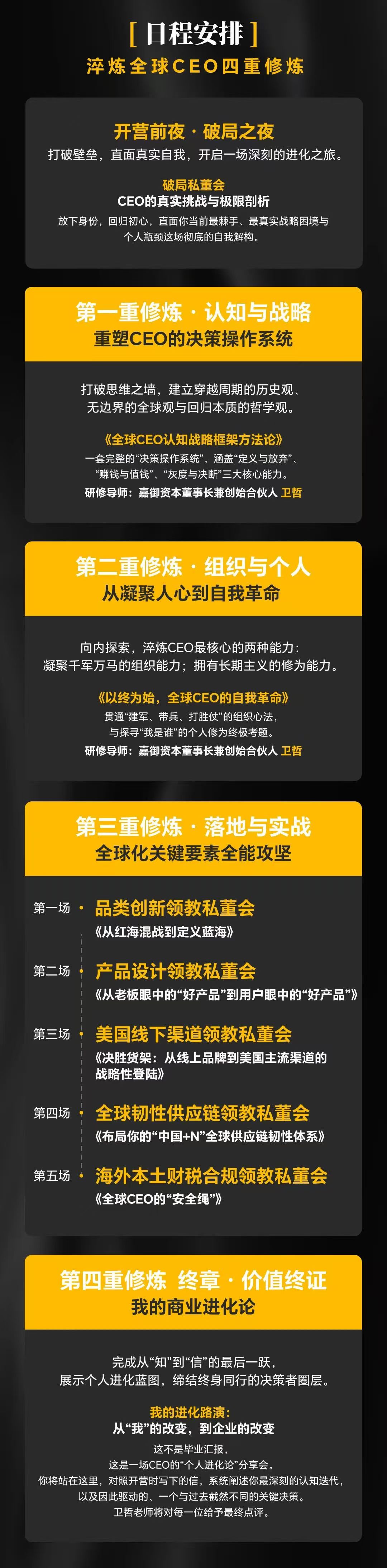
马蹄社联合嘉御资本正式发起“嘉御资本全球CEO决策研修班”。这并非又一个商学院课程,而是一场深度修行与淬炼。我们将与志同道合的创业者一起,回归商业本质,直面真实挑战,共同锻造一个能带领企业穿越未来的,全新的“决策操作系统”。

这段征程的终点,不是一份商业计划书,而是进化后的你与可持续增长的企业。


为什么卫哲的课,是所有CEO的必修课?

因为在中国,你很难找到第二位像他一样,在“全球零售、中国互联网、顶级投资”三个完全不同的战场上,都亲手打赢过百亿级战役的统帅。他曾将世界500强百安居(B&Q)带出泥潭,曾带领数万铁军将阿里巴巴送上神坛,如今作为嘉御资本创始人,他又深度赋能了安克创新、泡泡玛特等新一代全球化标杆。

他将用最犀利的方式,把他30年穿越周期的决策智慧,浓缩为一套可被你即刻使用的"CEO决策操作系统"。


见卫哲,就来马蹄社

报名详询:


文章来源:亿邦动力

广告
微信
朋友圈

FAQ回顾

企业出海创始人如何准确理解海外市场?

卫哲建议创始人必须‘肉身出海’,亲自到目标市场生活,而非仅凭报告。例如亲自体验当地消费场景,使用Instagram、WhatsApp等国民应用,以获得比调研报告更精准的市场体感。

企业出海应如何选用和管理全球化人才?

卫哲提出两条铁律:首选‘一代移民’,因其兼具文化理解与拼搏精神;实行‘一司两制’,通过公司合营(如给予40%股份)将雇佣关系转为创业关系,激发海外负责人主人翁意识。

成功的全球化品牌团队应具备什么结构?

卫哲认为成功品牌多采用‘铁三角’或‘双子星’互补结构,如影石、Anker的联创模式:技术极客负责产品研发,搭配擅长合规、资本与落地的操盘手,而非依赖单一全才CEO。

这么好看,分享一下?

朋友圈 分享

APP内打开

赞 +1
+1
微信好友 朋友圈 新浪微博 QQ空间
关闭
收藏成功
发送
/140 0