广告
加载中

联合利华旗下高端护肤品牌 入驻仅5年就“败走”中国?

张从容 2025-04-08 16:27
张从容 2025/04/08 16:27

邦小白快读

EN
全文速览

文章重点信息包括品牌退出和背景数据。

1. 联合利华高端护肤品牌TATCHA将于2024年4月30日关闭天猫海外旗舰店,抖音官方旗舰店已清空所有商品,但未完全退出中国,消费者仍可通过丝芙兰、天猫国际自营等第三方渠道购买产品。

2. TATCHA品牌由美籍华人于2009年在美国创立,灵感源自日本艺伎护肤传统,2020年进入中国市场,仅运营5年就调整渠道。2024年营销活动涉及徐海乔和李佳琦担任推荐官,邀请力丸直播推广,并获李佳琦和章小蕙推荐。

3. 联合利华2024年财报显示,TATCHA实现两位数增长,但公司整体营业额608亿欧元(同比增1.9%),营业利润94亿欧元(降3.7%),净利润64亿欧元(降10.8%),营业利润和净利润连续三年下降;亚太非地区营业额260亿欧元(降0.8%),是唯一负增长市场。

品牌营销和渠道建设是核心关注点。

1. 品牌营销方面,TATCHA在2024年采用明星和KOL策略,如徐海乔与李佳琦担任宝藏推荐官,邀请偶像力丸直播推广,并进入李佳琦直播间,获得美妆博主章小蕙背书,这体现了高端护肤品牌利用影响力人物提升曝光。

2. 品牌渠道建设上,TATCHA关闭自主电商渠道(天猫和抖音旗舰店),但保留第三方渠道如丝芙兰和天猫国际自营,显示渠道策略从直接运营转向平台合作,可能因成本或效率调整。

3. 消费趋势和用户行为观察,基于联合利华数据,TATCHA实现两位数增长,表明高端纯净护肤有需求,但整体亚太非市场负增长(降0.8%),反映区域竞争加剧和用户偏好变化。

4. 产品研发和品牌定价,品牌灵感源自日本艺伎传统,定位高端,结合营销活动,可能影响价格竞争策略;联合利华整体业绩下滑(营业利润降3.7%,净利润降10.8%),提示品牌需平衡创新与成本。

市场机会和风险提示是重点。

1. 增长市场和消费需求变化,亚太非地区是联合利华最大市场但唯一负增长(营业额降0.8%),TATCHA虽两位数增长,但关闭自主渠道,显示高端护肤需求存在,但渠道模式需调整;事件如明星推广(徐海乔、李佳琦)可学习为营销机会。

2. 事件应对措施和风险提示,TATCHA突然关闭旗舰店,应对措施是转向第三方销售(如丝芙兰),正面影响是降低运营成本,负面影响是品牌信任风险;机会提示在第三方合作模式,如天猫国际自营,可借鉴为低风险增长路径。

3. 政策解读和可学习点,基于财报,联合利华营业利润连续三年下降,营业利润率5年最低,提示卖家需关注企业财务健康;最新商业模式如直播带货(力丸参与)和KOL推荐,可作为高效销售方式学习;扶持政策未提及,但第三方平台提供现成渠道支持。

产品需求和电商启示是关键。

1. 产品生产和设计需求,TATCHA灵感源自日本艺伎护肤传统,定位高端纯净护肤,这启示工厂需关注文化融合和品质设计,以满足品牌研发需求;联合利华财报显示TATCHA增长,表明此类产品有市场潜力。

2. 商业机会方面,品牌转向第三方渠道如丝芙兰和天猫国际,工厂可探索代工或供应链合作机会,利用这些平台销售产品;亚太非市场负增长(降0.8%),但TATCHA成功,提示工厂聚焦高增长细分领域。

3. 推进数字化和电商的启示,TATCHA关闭自主电商渠道,显示直接运营挑战,启示工厂优先第三方平台合作,减少风险;案例中抖音店清空商品,体现电商管理需灵活应对变化。

行业趋势和客户痛点是焦点。

1. 行业发展趋势,高端护肤品牌如TATCHA退出自主电商渠道(关闭天猫和抖音店),转向第三方平台,显示趋势是品牌减少直接运营,依赖服务商提供渠道解决方案;联合利华整体业绩下滑(营业利润降3.7%),反映行业竞争加剧。

2. 客户痛点,TATCHA案例暴露痛点:自主渠道管理成本高、风险大(如突然关闭),以及区域市场波动(亚太非负增长0.8%);新技术未提及,但直播推广(如力丸参与)暗示数字化营销痛点。

3. 解决方案,服务商可提供第三方平台整合服务,如丝芙兰或天猫国际合作模式,帮助品牌降低运营风险;数据如TATCHA两位数增长,表明服务需聚焦高潜力品类。

平台运营和需求管理是核心。

1. 商业对平台的需求和问题,TATCHA关闭天猫海外旗舰店和清空抖音商品,显示品牌对平台如天猫、抖音的需求变化,问题包括运营成本和用户留存;平台招商机会在第三方渠道如天猫国际自营,吸引品牌入驻。

2. 平台的最新做法,案例中TATCHA终止运营,平台需管理清退流程(如商品清空);风向规避提示风险,如联合利华业绩下滑(净利润降10.8%),平台应监控品牌财务健康。

3. 运营管理,基于事件,平台需优化招商策略,强调第三方合作优势;数据如亚太非市场负增长(降0.8%),但TATCHA增长,平台可针对高增长细分市场调整政策。

产业动向和商业模式是重点。

1. 产业新动向,TATCHA作为高端品牌仅5年就退出自主电商渠道,显示中国市场快速变化动向;新问题包括联合利华营业利润连续三年下降,营业利润率5年最低,亚太非地区唯一负增长(降0.8%),提示区域经济挑战。

2. 商业模式分析,TATCHA转向第三方销售(如丝芙兰),对比直接运营,启示轻资产模式优势;政策法规建议未提及,但案例可引申监管对电商渠道的影响。

3. 数据支撑,联合利华2024年财报:营业额608亿欧元(增1.9%),但净利润降10.8%;TATCHA两位数增长,体现子品牌表现差异,为研究提供实证案例。

返回默认

声明:快读内容全程由AI生成,请注意甄别信息。如您发现问题,请发送邮件至 run@ebrun.com 。

我是 品牌商 卖家 工厂 服务商 平台商 研究者 帮我再读一遍。

Quick Summary

Key developments include a brand's partial exit and contextual financial data.

1. Unilever's premium skincare brand TATCHA will close its Tmall Global flagship store on April 30, 2024. Its Douyin flagship store has already removed all products, but the brand is not fully exiting China. Consumers can still purchase products via third-party channels like Sephora and Tmall Global Direct.

2. TATCHA was founded in the US in 2009 by a Chinese-American, drawing inspiration from Japanese geisha skincare traditions. It entered the Chinese market in 2020 and is adjusting its channel strategy after just five years. In 2024, its marketing involved ambassadors Xu Haiqiao and Li Jiaqi, a livestream with RiKIMARU, and endorsements from Li Jiaqi and Zhang Xiaohui.

3. Unilever's 2024 financial report shows TATCHA achieved double-digit growth. However, the company's overall turnover was €60.8 billion (up 1.9% YoY), operating profit was €9.4 billion (down 3.7%), and net profit was €6.4 billion (down 10.8%), with operating and net profits declining for three consecutive years. The Asia Pacific & Africa region saw turnover of €26 billion (down 0.8%), making it the only market with negative growth.

Brand marketing and channel strategy are the core focus.

1. In terms of marketing, TATCHA employed a celebrity and KOL strategy in 2024, with Xu Haiqiao and Li Jiaqi as ambassadors, a livestream with idol RiKIMARU, and endorsements from beauty blogger Zhang Xiaohui. This demonstrates how premium skincare brands leverage influencers to boost visibility.

2. Regarding channel strategy, TATCHA is closing its owned e-commerce channels (Tmall and Douyin flagships) but retaining third-party channels like Sephora and Tmall Global Direct. This indicates a shift from direct operation to platform partnerships, likely due to cost or efficiency adjustments.

3. Consumer trends and behavior: Based on Unilever data, TATCHA's double-digit growth signals demand for premium, clean skincare. However, the overall Asia Pacific & Africa market declined by 0.8%, reflecting intensified regional competition and shifting consumer preferences.

4. Product R&D and pricing: The brand's inspiration from Japanese geisha traditions and premium positioning, combined with its marketing activities, may influence its pricing strategy. Unilever's overall performance decline (operating profit down 3.7%, net profit down 10.8%) highlights the need for brands to balance innovation with cost control.

Market opportunities and risk warnings are the key points.

1. Growth markets and changing demand: The Asia Pacific & Africa region is Unilever's largest market but was the only one with negative growth (turnover down 0.8%). While TATCHA achieved double-digit growth, its closure of owned channels indicates that demand for premium skincare exists, but channel models require adjustment. Marketing events like celebrity promotions (Xu Haiqiao, Li Jiaqi) can be studied as potential opportunities.

2. Response measures and risks: TATCHA's sudden closure of its flagships is being addressed by shifting to third-party sales (e.g., Sephora). The positive impact is reduced operational costs, but the negative is potential brand trust risk. The opportunity lies in third-party partnership models like Tmall Global Direct, which can serve as a lower-risk growth path.

3. Policy interpretation and learnings: Unilever's financial report shows operating profit has declined for three consecutive years, with the operating profit margin at a 5-year low, signaling that sellers should monitor corporate financial health. New business models like livestream sales (with RiKIMARU) and KOL recommendations can be adopted as efficient sales methods. While no specific support policies are mentioned, third-party platforms offer ready-made channel support.

Product demand and e-commerce implications are crucial.

1. Production and design needs: TATCHA's inspiration from Japanese geisha skincare traditions and its positioning in premium, clean skincare indicate that factories should focus on cultural integration and quality design to meet brand R&D needs. Unilever's report showing TATCHA's growth confirms market potential for such products.

2. Business opportunities: The brand's shift to third-party channels like Sephora and Tmall Global Direct presents opportunities for factories to explore OEM or supply chain partnerships, leveraging these platforms to sell products. Although the Asia Pacific & Africa market declined by 0.8%, TATCHA's success suggests factories should focus on high-growth niches.

3. Digital and e-commerce insights: TATCHA's closure of its owned e-commerce channels highlights the challenges of direct operation, suggesting factories should prioritize third-party platform collaborations to reduce risk. The case of Douyin store products being removed demonstrates the need for flexibility in e-commerce management.

Industry trends and client pain points are the focus.

1. Industry trends: Premium skincare brands like TATCHA exiting owned e-commerce channels (closing Tmall and Douyin stores) and shifting to third-party platforms indicate a trend towards brands reducing direct operations and relying on service providers for channel solutions. Unilever's overall performance decline (operating profit down 3.7%) reflects intensifying industry competition.

2. Client pain points: The TATCHA case exposes pain points such as high costs and risks of managing owned channels (e.g., sudden closures) and regional market volatility (Asia Pacific & Africa down 0.8%). While not explicitly mentioned, livestream promotions (e.g., with RiKIMARU) imply pain points in digital marketing.

3. Solutions: Service providers can offer third-party platform integration services, like the Sephora or Tmall Global Direct models, to help brands reduce operational risks. Data such as TATCHA's double-digit growth indicates that services should focus on high-potential categories.

Platform operations and demand management are core.

1. Merchant needs and issues: TATCHA's closure of its Tmall Global flagship and removal of Douyin products indicate changing merchant demands for platforms like Tmall and Douyin, including issues like operational costs and user retention. Platform recruitment opportunities lie in third-party channels like Tmall Global Direct to attract brands.

2. Platform practices: In this case, TATCHA's termination of operations requires platforms to manage exit processes (e.g., product removals). Risk warnings, such as Unilever's performance decline (net profit down 10.8%), suggest platforms should monitor brand financial health.

3. Operational management: Based on this event, platforms need to optimize merchant recruitment strategies, emphasizing the advantages of third-party partnerships. Data like the Asia Pacific & Africa market's negative growth (down 0.8%) alongside TATCHA's growth indicates platforms should adjust policies for high-growth segments.

Industry dynamics and business models are the focus.

1. Industry developments: TATCHA, a premium brand, exited its owned e-commerce channels after just five years in China, indicating rapid market changes. New issues include Unilever's operating profit declining for three consecutive years, with the operating profit margin at a 5-year low, and the Asia Pacific & Africa region being the only market with negative growth (down 0.8%), suggesting regional economic challenges.

2. Business model analysis: TATCHA's shift to third-party sales (e.g., Sephora), compared to direct operation, highlights the advantages of asset-light models. While policy and regulatory implications are not mentioned, the case could inform research on e-commerce channel regulations.

3. Data support: Unilever's 2024 financial report shows turnover of €60.8 billion (up 1.9%) but a net profit decline of 10.8%. TATCHA's double-digit growth demonstrates sub-brand performance variation, providing an empirical case for research.

Disclaimer: The "Quick Summary" content is entirely generated by AI. Please exercise discretion when interpreting the information. For issues or corrections, please email run@ebrun.com .

I am a Brand Seller Factory Service Provider Marketplace Seller Researcher Read it again.

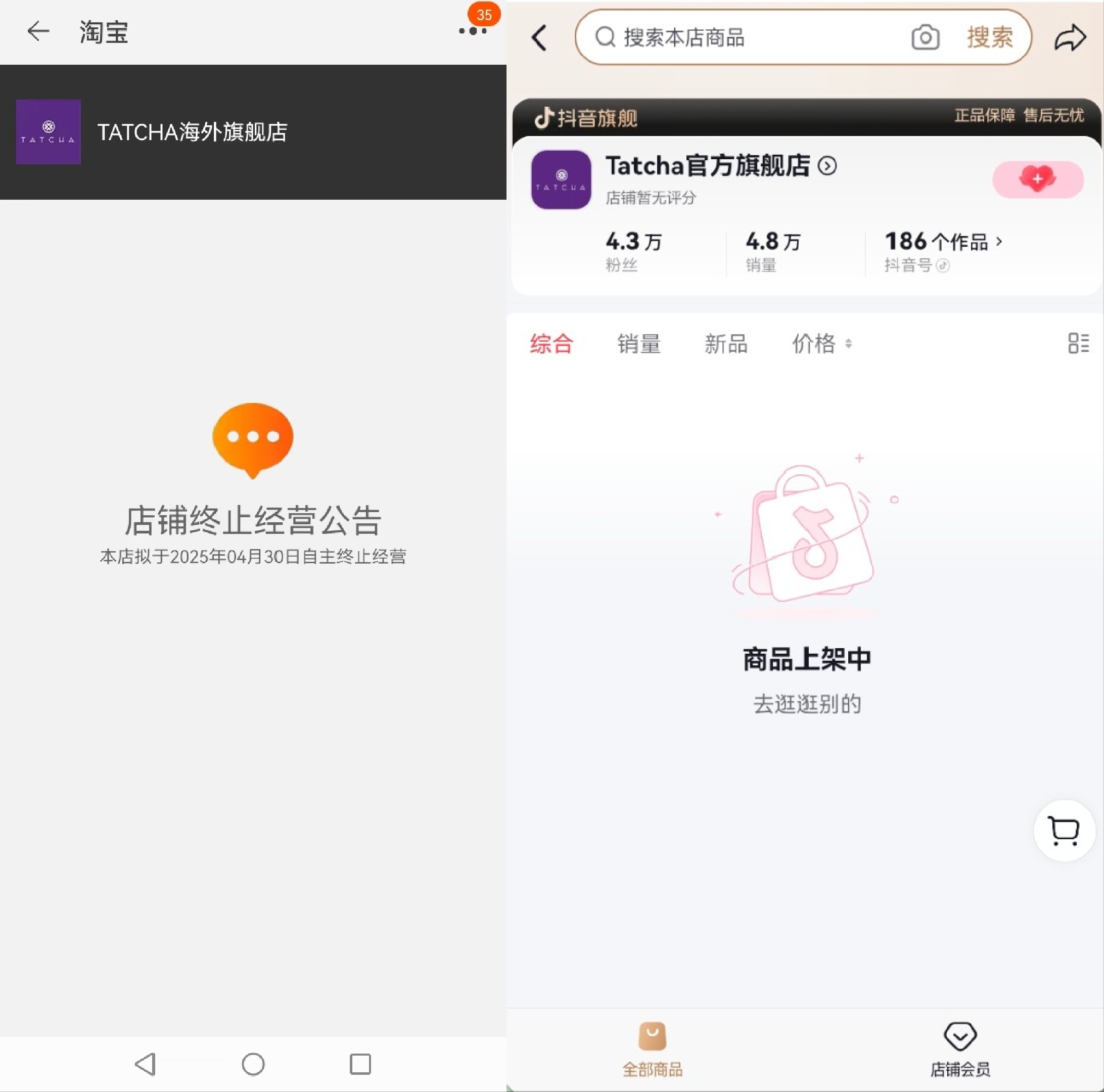
【亿邦原创】日前,联合利华旗下高端纯净护肤品牌TATCHA,将于今年4月30日终止天猫海外旗舰店的运营。其抖音官方旗舰店目前已清空商品。值得注意的是,该品牌并未完全退出中国市场,消费者仍可以在丝芙兰、天猫国际自营等第三方渠道购买产品。

据悉,TATCHA由美籍华人于2009年在美国成立,品牌灵感源自日本艺伎护肤传统,2020年进入中国市场。这意味着该品牌在进驻中国仅5年后,就选择关闭自主运营的电商渠道。

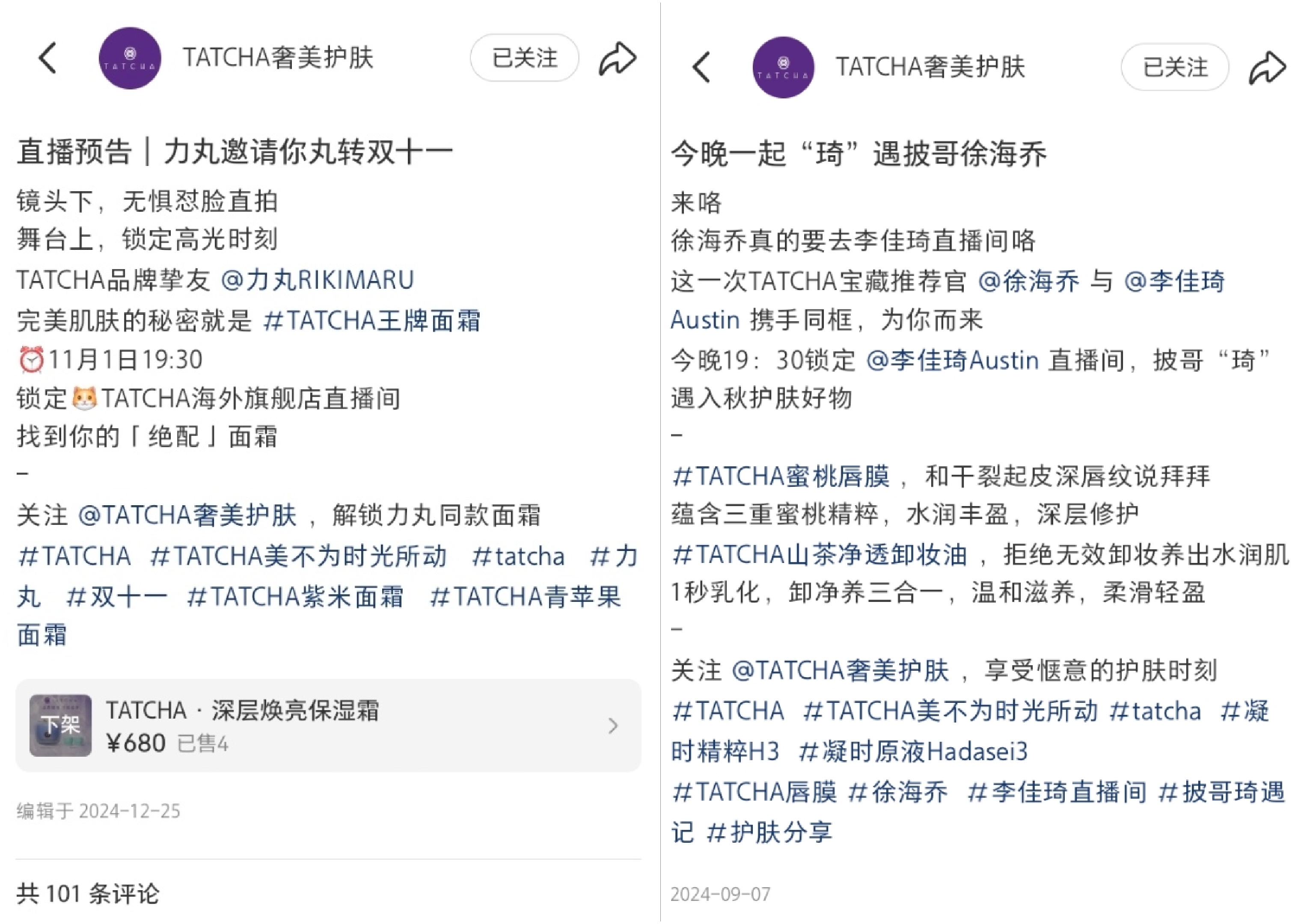
然而,TATCHA对中国并非没有野心,显得此次撤出十分突然。2024年9月,徐海乔与李佳琦担任TACHA宝藏推荐官;同年11月邀请偶像力丸进入天猫旗舰店直播推广;产品还曾进入李佳琦直播间,且获得美妆博主章小蕙推荐。

联合利华2024年财报显示,TACHA实现了两位数的增长。

然而,联合利华在2024年整体表现不佳,2024年营业额为608亿欧元,同比增长1.9%;营业利润达94亿欧元,同比下降3.7%净利润达64亿欧元,同比下降10.8%。值得注意的是,联合利华的营业利润、净利润均已连续三年下降,营业利润率迎来5年内最低值。

按地区看,亚太非仍然是联合利华最大的市场,也是唯一一个营业额负增长的地区,2024年全年营业额260亿欧元,同比下降0.8%。

亿邦持续追踪报道该情报,如想了解更多与本文相关信息,请扫码关注作者微信。

文章来源:亿邦动力

广告
微信
朋友圈

FAQ回顾

联合利华旗下TATCHA品牌在中国市场有哪些运营变化?

TATCHA将于2024年4月30日关闭天猫海外旗舰店,抖音官方店已清空商品。但品牌未完全退出中国,仍通过丝芙兰、天猫国际自营等第三方渠道销售。

TATCHA品牌2024年的业绩表现如何?

根据联合利华2024年财报,TATCHA实现了两位数增长。但联合利华整体营业利润同比下降3.7%至94亿欧元,净利润下降10.8%至64亿欧元。

联合利华在亚太地区的市场表现如何?

2024年亚太非是联合利华最大市场,但也是唯一负增长地区,营业额260亿欧元同比下降0.8%,营业利润和净利润已连续三年下降。

这么好看,分享一下?

朋友圈 分享

APP内打开

赞 +1
+1
微信好友 朋友圈 新浪微博 QQ空间
关闭
收藏成功
发送
/140 0