广告
加载中

质保平台跨境进口315专项检测结果揭秘!

亿邦动力 2022-03-16 10:22
亿邦动力 2022/03/16 10:22

邦小白快读

EN
全文速览

本次由杭州自贸片区相关机构联合多家单位,对92批热门跨境进口商品开展专项抽检,第一批结果已出炉,核心干货和避坑建议如下:

1. 食品保健品领域:NMN保健品含量虚标问题严重,抽检19款中有5款实测含量远低于宣称值,甚至有一款未检出核心成分,这类产品价格从几十到几千差异极大,各国标准不统一,切勿盲目跟风购买,要选择可靠平台,看清注意事项,服用后有异常要及时就医。

2. 麦卢卡蜂蜜抽检发现一款碳-4植物糖超标,存在掺假嫌疑;金银箔粉食品属于国内禁售商品,只是消费噱头,没有实际价值还存在安全风险,建议不要购买。

3. 宠物食品领域:3款热门进口宠粮检出致病性猪圆环病毒2型,存在疫情传播风险;4款检出转基因成分但未按要求标识,还有不少产品存在信息披露不实、隐瞒实际产地误导消费者的问题,购买时一定要确认正规来源和合规手续,仔细核对配料和产地信息,也可通过官方质保平台查询商品合规信息和消费预警。

本次专项抽检曝光了跨境进口多个热门品类的质量合规问题,对品牌商布局跨境进口市场有诸多启示,核心干货如下:

1. 当前消费趋势下,消费者对功效型保健品、进口食品、进口宠物食品的关注度持续提升,但概念营销不能替代产品品质,NMN这类概念型产品一旦出现成分虚标问题,会严重损害品牌信誉,品牌定价必须和实际成分、品质匹配。

2. 消费者对进口宠物食品的安全合规要求越来越高,品牌必须按要求做好成分标识,转基因成分要主动申报并明确标注,不得隐瞒实际产地误导消费者,否则会引发信任危机。

3. 品牌必须严格遵守国内监管要求,不得违规添加金银箔粉这类禁用于食品的物质,不能靠猎奇噱头打造产品,要重视品质合规,主动配合质量监管,公开产品信息,才能长期立足跨境进口市场。

本次跨境进口315专项抽检,明确了当前跨境进口市场的合规要求与风险,相关干货整理如下:

1. 政策层面,国内已经明确禁止销售含金银箔粉的食品,卖家要及时下架此类商品,避免违规受到处罚。

2. 风险提示:NMN类保健品目前各国标准不统一,成分虚标问题非常突出,售卖此类产品必须如实标注实际成分含量,不得做虚假宣传,否则会面临监管处罚和消费者售后纠纷。

3. 宠物食品类卖家,必须要求供货商提供完整的合规手续,转基因成分要按要求标识,如实标注产品实际产地,完善网页的产品中文信息,避免漏翻误翻配料信息误导消费者。

4. 机会提示:当前消费者越来越看重跨境商品的质量安全,卖家可以入驻合规平台,主动公开产品的检测合格信息,更容易获得消费者信任,抢占市场份额,也可以通过官方质保平台查询最新政策和消费预警,规避经营风险。

本次专项抽检反映了跨境进口市场对产品质量合规的要求,给相关生产工厂带来的启示和机会整理如下:

1. 产品生产层面,必须严格符合国内监管要求,食品类不得违规添加金银箔粉等非食品添加剂,宠物食品要加强原料管控,从源头避免带入猪圆环病毒2型这类致病病毒,保障原料安全,符合质量要求。

2. 针对供应跨境电商渠道的产品,要按国内要求做好信息标注,含有转基因成分的产品必须明确标识,如实标注实际产地,不得隐瞒信息,符合合规要求才能顺利进入国内市场。

3. 商业机会层面,当前跨境电商行业越来越重视质量信誉,工厂可以主动对接官方质保平台这类公共服务机构,提前完成产品质量检测,公开检测结果,打消消费者的顾虑,拓展线上销售渠道,同时可以依托公共服务平台完善自身数字化合规管理,提升市场竞争力,抓住跨境进口市场的增长红利。

本次跨境进口专项抽检反映了当前行业的痛点与发展趋势,给各类服务商的干货整理如下:

1. 行业发展趋势:随着跨境电商的快速发展,消费者对跨境进口商品的质量安全要求越来越高,监管也在不断收紧,市场对第三方质量检测、合规咨询这类专业服务的需求正在快速增长。

2. 客户核心痛点:跨境进口商品覆盖品类多,不同国家的产品标准差异大,很多品牌商、卖家对国内的监管要求不熟悉,很容易出现成分虚标、标识不合规、违规添加禁用品等问题,给经营带来风险。

3. 业务拓展方向:服务商可以针对NMN保健品、麦卢卡蜂蜜、进口宠物食品这类高风险热门品类,推出专项检测服务,帮助客户提前排查质量问题;也可以推出合规咨询服务,帮助客户梳理国内监管要求,避免违规;还可以对接官方质保平台这类公共服务机构,共同开展质量检测和风险预警,拓展客户群体,推动行业质量提升。

本次抽检暴露了跨境电商平台在售商品的诸多合规问题,给平台运营管理的干货整理如下:

1. 平台需要完善入驻商品的审核机制,针对NMN保健品、进口宠物食品、进口食品这类高风险品类,要求商家提前提供成分检测报告和完整合规手续,严格禁止含金银箔粉的食品上架销售,从源头把控商品质量。

2. 要督促商家完善商品信息披露,要求商家如实标注产品实际产地、完整配料信息,含有转基因成分的必须明确标识,整改隐瞒产地、漏翻误翻中文信息的问题,避免误导消费者,减少消费纠纷。

3. 平台可以对接官方质保平台这类公共质量服务机构,为消费者提供商品进关信息验证、消费预警查询等服务,提升平台的可信度和用户信任度。

4. 招商环节要优先引入资质齐全、品质有保障的品牌,及时清退不合规的商家,规避质量风险,维护平台的口碑和声誉,推动平台长期健康发展。

本次跨境进口315专项抽检反映了我国跨境进口零售行业的新动向与新问题,对产业研究的干货整理如下:

1. 产业新动向:随着跨境电商的发展,消费者对跨境进口商品的需求已经从早期的品类拓展,转向对质量安全的关注,质量安全已经成为影响行业发展的核心因素,概念型功效产品比如NMN的快速兴起,也反映了消费者对健康类进口商品的需求增长。

2. 现存新问题:多个热门品类都存在突出的合规问题,包括保健品成分虚标、食品违规添加禁用成分、进口宠物食品携带致病病毒、转基因成分未申报标识、信息披露不实误导消费者等,同时跨境商品来源纷杂,各国标准不统一,给监管带来了不小的难度。

3. 启示与参考:本次由公共服务平台联合多家检测机构、行业机构开展抽样检测的模式,是跨境进口商品质量治理的新商业模式,为完善行业质量监管提供了新的思路,也启示相关部门需要进一步完善跨境进口商品的监管标准,压实平台和商家的合规责任,推动行业健康发展。

返回默认

声明:快读内容全程由AI生成,请注意甄别信息。如您发现问题,请发送邮件至 run@ebrun.com 。

我是 品牌商 卖家 工厂 服务商 平台商 研究者 帮我再读一遍。

Quick Summary

A number of organizations in the Hangzhou Pilot Free Trade Zone have recently conducted a targeted spot check of 92 batches of popular cross-border imported goods, with the first batch of results released. Key takeaways and purchase advice are as follows:

1. Food and dietary supplements: NMN supplements face severe overclaiming issues. Among 19 tested products, 5 contained far less NMN than advertised, and one product had no detectable core ingredient at all. NMN products vary widely in price from tens to thousands of yuan, and there is no unified global standard for the category. Consumers are advised not to buy NMN on a blind impulse, purchase only from reliable platforms, check product labels carefully, and seek medical attention immediately if they experience adverse effects after consumption.

2. One tested jar of Manuka honey exceeded the limit for carbon-4 plant sugars, indicating a high likelihood of adulteration. Gold and silver foil powder-containing foods are banned for sale in China, as they are merely a marketing gimmick with no real health benefits and carry safety risks. Consumers are advised not to purchase these products.

3. Pet food: Pathogenic porcine circovirus type 2 was detected in 3 popular imported pet food products, posing an epidemic transmission risk. Four tested products contained genetically modified (GM) ingredients that were not labeled as required. Many other imported pet food products also have issues with inaccurate information disclosure, including concealed actual origins that mislead consumers. Buyers should always confirm that products come from legitimate sources with complete compliance documents, carefully check ingredient and origin information, and verify product compliance and consumer warnings via official quality assurance platforms.

This targeted spot check exposed widespread quality and compliance issues across multiple popular cross-border imported product categories, offering key lessons for brands operating in the cross-border import market:

1. Against the backdrop of current consumer trends, demand for efficacy-focused supplements, imported food, and imported pet food continues to grow. However, concept-based marketing cannot replace product quality. For concept-driven products like NMN, overclaiming of active ingredients will severely damage brand reputation. Brands must align their pricing with actual ingredients and product quality.

2. Consumers are raising their expectations for safety and compliance in imported pet food. Brands must meet labeling requirements for all ingredients, proactively declare and clearly label GM ingredients, and never conceal actual product origins to mislead consumers. Non-compliance will inevitably trigger a major crisis of consumer trust.

3. Brands must strictly adhere to Chinese regulatory requirements. They must not illegally add prohibited substances such as gold and silver foil powder to food, nor build products around novelty-seeking gimmicks. Long-term success in the cross-border import market depends on prioritizing quality compliance, proactively cooperating with quality supervision, and disclosing product information transparently.

This 315 Consumer Rights Day targeted spot check on cross-border imports has clarified the current compliance requirements and major market risks for cross-border imports. Key takeaways are as follows:

1. On the policy front, China has explicitly banned the sale of gold and silver foil powder-containing foods. Sellers should remove these products from their shelves immediately to avoid penalties for non-compliance.

2. Risk warning: There is no unified global standard for NMN supplements, and overclaiming of active ingredients is extremely common. Sellers selling these products must label actual ingredient content accurately and avoid false advertising, otherwise they will face regulatory penalties and consumer after-sales disputes.

3. For pet food sellers, you must require suppliers to provide complete compliance documentation. GM ingredients must be labeled as required, actual product origins must be disclosed accurately, and complete, accurate Chinese product information must be provided on product pages to avoid misleading consumers through incorrect or incomplete ingredient translation.

4. Opportunity insight: Today's consumers increasingly prioritize the quality and safety of cross-border goods. Sellers that enter compliant platforms and proactively disclose qualified test results are far more likely to earn consumer trust and gain market share. Sellers can also check the latest policies and consumer warnings via official quality assurance platforms to mitigate operational risks.

This targeted spot check reflects the quality and compliance requirements of the cross-border import market, and the key lessons and opportunities for manufacturing facilities are summarized below:

1. For production, products must strictly meet Chinese regulatory requirements. Food producers must not illegally add non-food additives such as gold and silver foil powder. Pet food producers must strengthen raw material control to prevent introduction of pathogens such as porcine circovirus type 2 at the source, and ensure raw material safety and overall product quality meet requirements.

2. For products supplied to cross-border e-commerce channels, manufacturers must complete all required labeling per Chinese regulations. Products containing GM ingredients must be clearly labeled, actual origins must be disclosed accurately, and no information may be concealed. Only fully compliant products can enter the Chinese market smoothly.

3. For business opportunities, as the cross-border e-commerce industry increasingly prioritizes quality and reputation, manufacturers can proactively connect with public service institutions such as official quality assurance platforms, complete product quality testing in advance, disclose test results publicly to ease consumer concerns, and expand online sales channels. They can also improve their own digital compliance management through public service platforms, boost market competitiveness, and capture the growth opportunities of the expanding cross-border import market.

This targeted spot check on cross-border imports reflects current industry pain points and development trends, and key takeaways for all types of service providers are summarized below:

1. Industry development trend: With the rapid growth of cross-border e-commerce, consumers are demanding higher quality and safety standards for cross-border imported goods, and regulatory oversight is continuously tightening. Market demand for professional services such as third-party quality testing and compliance consulting is growing rapidly.

2. Core customer pain points: Cross-border imported goods cover a wide range of categories, and product standards vary significantly across countries. Many brands and sellers are unfamiliar with Chinese regulatory requirements, making them prone to issues such as ingredient overclaiming, non-compliant labeling, and illegal addition of prohibited substances, all of which create operational risks.

3. Business expansion directions: Service providers can develop targeted testing services for high-risk popular categories including NMN supplements, Manuka honey, and imported pet food, to help clients identify quality issues in advance. They can also offer compliance consulting services to help clients navigate Chinese regulatory requirements and avoid non-compliance. Additionally, providers can partner with public service institutions such as official quality assurance platforms to conduct joint quality testing and issue risk warnings, expand their customer base, and drive industry-wide quality improvement.

This spot check exposed widespread compliance issues among products sold on cross-border e-commerce platforms, and key takeaways for platform operations and management are summarized below:

1. Platforms need to improve entry screening mechanisms for listed products. For high-risk categories including NMN supplements, imported pet food, and imported food, platforms should require sellers to provide ingredient test reports and complete compliance documentation in advance, and strictly prohibit gold and silver foil powder-containing foods from going on sale, to control product quality at the source.

2. Platforms should require sellers to improve product information disclosure: sellers must accurately label actual product origins and complete ingredient information, clearly label any GM ingredients, and correct issues including concealed origins and incorrect or incomplete Chinese product information, to avoid misleading consumers and reduce consumer disputes.

3. Platforms can partner with public quality service institutions such as official quality assurance platforms to offer consumers services including import entry verification and consumer warning queries, to improve platform credibility and user trust.

4. In merchant recruitment, platforms should prioritize onboarding brands with complete qualifications and proven quality, and remove non-compliant sellers in a timely manner. This mitigates quality risks, protects platform reputation, and supports long-term healthy platform development.

This 315 Consumer Rights Day targeted spot check on cross-border imports reflects new trends and emerging issues in China's cross-border import retail industry, and key insights for industry research are summarized below:

1. New industry trends: With the development of cross-border e-commerce, consumer demand for cross-border imported goods has shifted from expanding product variety in the early days to a focus on quality and safety. Quality and safety have now become the core factor shaping industry development. The rapid rise of concept-based efficacy products such as NMN also reflects growing consumer demand for imported health products.

2. Emerging existing issues: Multiple popular categories face prominent compliance problems, including ingredient overclaiming in supplements, illegal addition of prohibited ingredients in food, pathogen contamination in imported pet food, unreported and unlabeled GM ingredients, and misleading consumers through inaccurate information disclosure. At the same time, the diverse sources of cross-border goods and inconsistent national standards create major challenges for regulators.

3. Insights and references: This sampling testing model, led by a public service platform in collaboration with multiple testing and industry institutions, represents a new business model for quality governance of cross-border imported goods. It offers a new approach to improving industry quality regulation, and highlights the need for relevant authorities to further improve regulatory standards for cross-border imported goods, clarify and enforce compliance responsibilities for platforms and sellers, and support healthy industry development.

Disclaimer: The "Quick Summary" content is entirely generated by AI. Please exercise discretion when interpreting the information. For issues or corrections, please email run@ebrun.com .

I am a Brand Seller Factory Service Provider Marketplace Seller Researcher Read it again.

由中国(浙江)自由贸易试验区杭州创新发展中心发起的跨境进口商品质量安全公共服务平台,就跨境进口关注度较高的92批产品进行了抽样检测,目前第一批产品的检测结果已出炉。

一年一度的国际消费者权益日到来,由中国(浙江)自由贸易试验区杭州创新发展中心发起的跨境进口商品质量安全公共服务平台(以下简称:质保平台),联合跨境电子商务商品质量安全风险国家监测中心、浙江省检验检疫科学技术研究院、老爸评测等联盟单位,就跨境进口领域消费者关注度较高的食品保健品、日化用品、宠物食品、童装、童鞋、儿童纸尿裤、成人服饰、床上用品等92批产品进行了抽样检测,目前第一批产品的检测结果已出炉,快来看看大家关心的跨境商品质量安全情况究竟如何吧!

食品保健品

本次共抽检36款跨境进口食品保健品,包括25款保健品、4款麦卢卡蜂蜜、4款茶叶、2款酒,,检测项目包含微生物、重金属、农药残留、有毒有害物质、标签符合性检验等项目。

*谨慎选择NMN类保健品!*

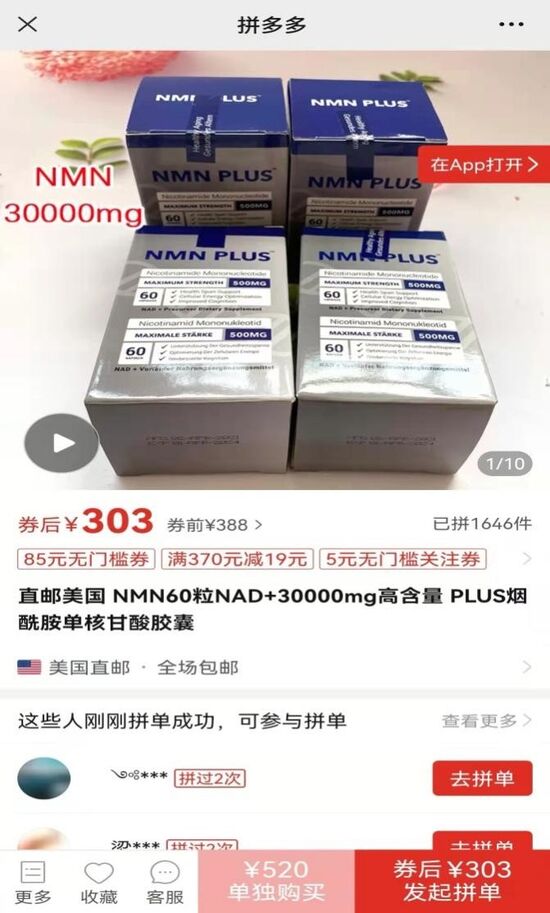
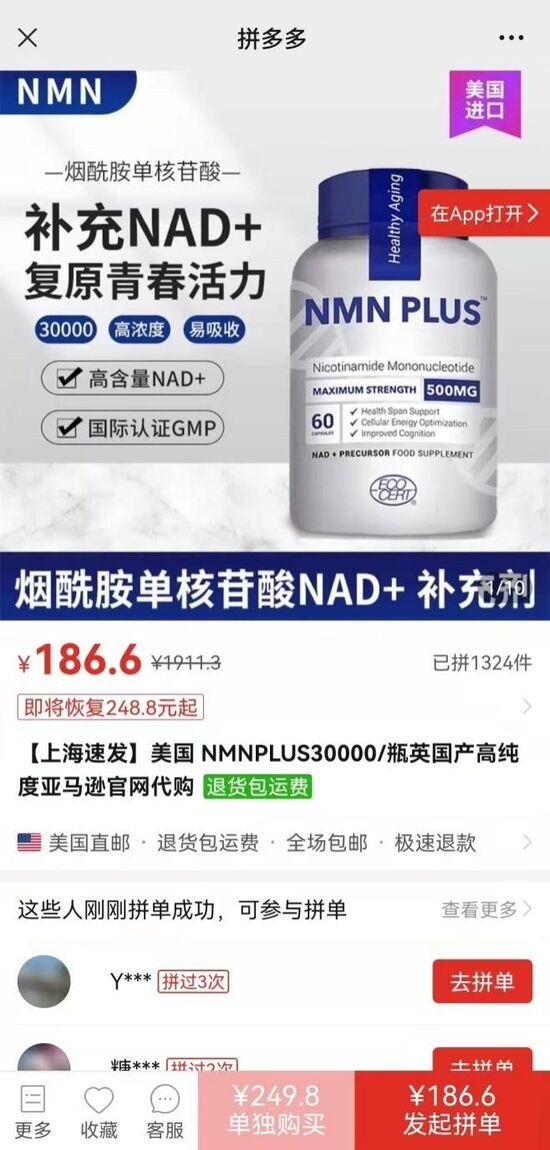
监测发现近年来风靡海内外的NMN类保健品品牌众多,品质良莠不齐,在抽检的19款产品中,其中3款不到标示值的十分之一,1款只有标示值的万分之六,还有1款则是未检出。

未检出“β-烟酰胺单核苷酸”成分的NMN保健品购买页面截图

NMN含量实测与宣称严重不符的样品购买页面截图

搜索“保健品”查询更多

NMN(Nicotinamide mononucleotide)全称“β-烟酰胺单核苷酸”,在网络上有“长生不老药”之玄称,网络上销售的NMN类保健品通常根据其“NMN”含量来定价,从几十到几千不等,价格相差悬殊。目前NMN类保健品主要通过跨境电商渠道入境,因各国标准存在差异,配方各异,渠道纷杂,消费者对此类保健品需谨慎购买,充分了解产品详细情况,判断是否适合自身,选择相对可靠的跨境电商平台与店铺,看清服用说明及注意事项,如果服用后有异常需引起警觉,切勿盲目跟风购买和服用。

*关注含麦卢卡成分产品*

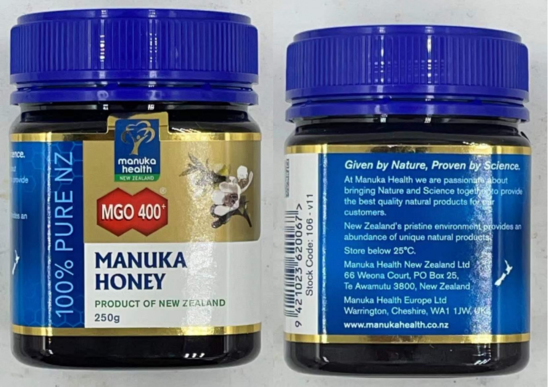
在对网络热销的含“麦卢卡”成分产品的监测中,发现一款品名标示为“Manuka蜜纽康MGO400+麦卢卡蜂蜜”的“碳-4植物糖”含量超过我国标准,有掺杂使假嫌疑。“碳-4植物糖”是反映蜂蜜产品纯正度的指标之一,按我国标准,“碳-4植物糖”计算结果大于或等于7%时,应认为含有碳-4植物糖(主要指玉米糖或蔗糖),意味着蜂蜜成分不纯。

检测出“碳-4植物糖”含量超标的蜂蜜样品图

搜索“蜂蜜”查询更多

*金银箔粉不能用于食品*

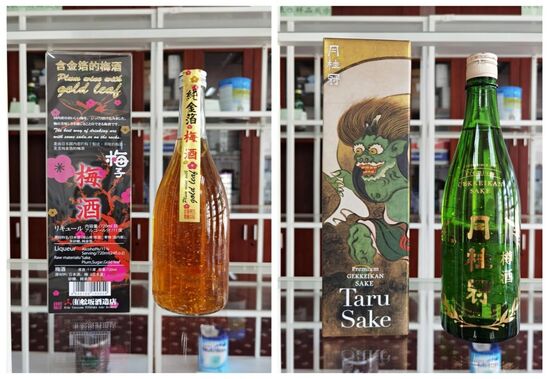
根据我国食品安全法律法规及食品安全标准规定,金(银)箔金(银)粉类物质(以下简称金银箔粉)不是食品添加剂,不能用于食品生产经营。2022年1月29日,市场监管总局、国家卫生健康委、海关总署联合印发《关于依法查处生产经营含金银箔粉食品违法行为的通知》,要求严格网络交易监管,督促网络交易平台严禁平台内经营者销售含金银箔粉食品,加强对“含金银箔粉食品”“可食用金银箔粉”的网络交易监测,及时督促网络交易平台依法采取下架等处置措施。《通知》下发后,跨境电商渠道含金银箔食品基本销声匿迹,在此特别提醒消费者:含金银箔食品不能在我国销售,在食品中添加金箔,对其品质没有任何改善作用,唯一的用途是显得更美观,有“档次”,满足“猎奇”和“豪气”等心理。此类商品在海外一直有售,金银箔原料品质参差不齐,有些并非“真金白银”,而是仿金银箔制品,消费者对于此类仅为消费噱头且存在食品安全风险的食品还是敬而远之为妙。

曾在电商平台销售的含金箔酒类样品图

宠物食品

本次共抽检14款宠物食品,包括9款狗粮和5款猫粮,每款宠粮的检测项目包含肉源性成分、转基因成分、动物病毒、致病菌、真菌毒素等24个项目。

*猪圆环病毒小科普*

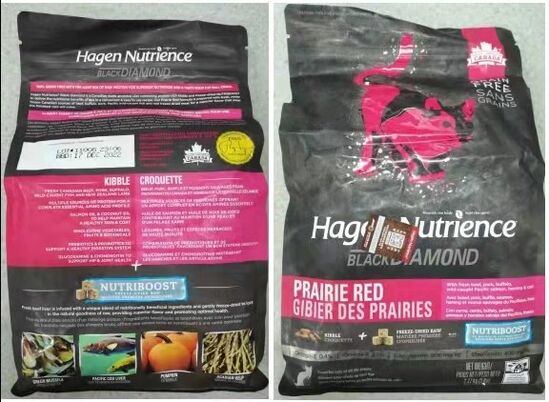
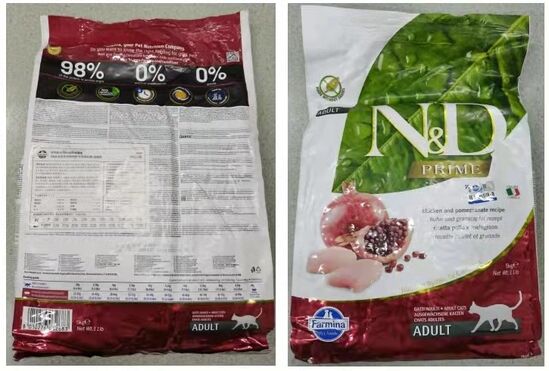
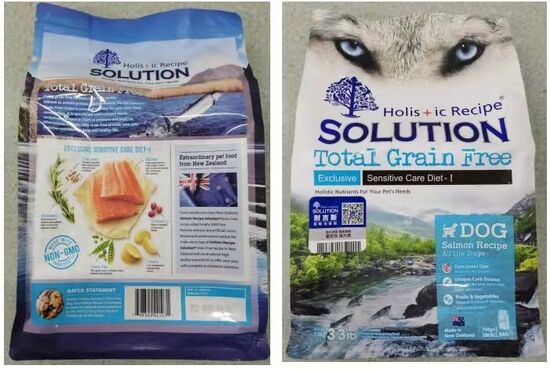
监测发现有3款产品检出“猪圆环病毒2型(PCV-2)”病毒,分别为加拿大产“HagenNutrience哈根纽翠斯黑钻红肉鸡肉加拿大进口全期通用猫粮”、意大利产“法米娜猫粮5kg石榴鸡”、新西兰产“耐吉斯 鸡肉三文鱼无谷全犬粮狗粮”。

检出“猪圆环病毒2型”的猫粮样品图

检出“猪圆环病毒2型”的猫粮样品图

检出“猪圆环病毒2型”的犬粮样品图

猪圆环病毒(porcine circovirus,PCV)在分类学上属圆环病毒科圆环病毒属,为已知的最小的动物病毒之一。对外界理化因子的抵抗力较强。现已知PCV有两个血清型,即PCV-1和PCV-2。PCV-1为非致病性的病毒,PCV-2为致病性的病毒。猪对PCV-2具有较强的易感性,被感染的猪可自鼻液、粪便等排出病毒,再经口腔、呼吸道等途径感染不同年龄的猪。2002年该病在我国规模化养猪场中呈暴发性流行,给我国养猪业造成了重创,进口宠物食品中含猪圆环病毒2型病毒,存在疫情传播风险。

*铲屎官们要注意了!*

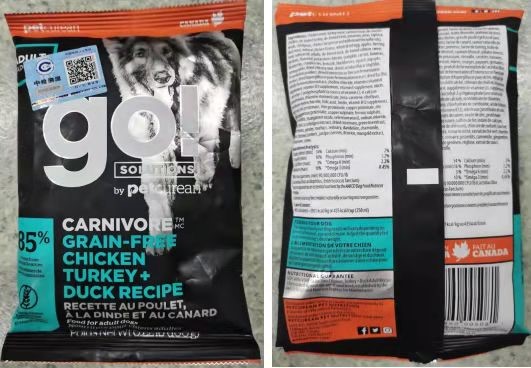
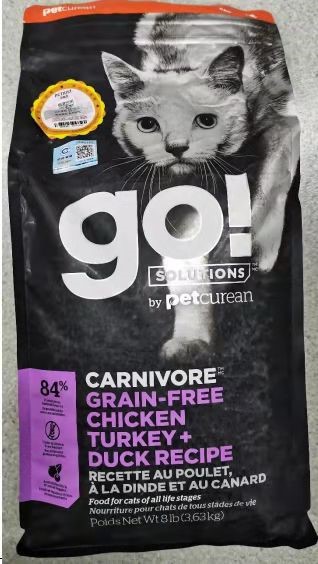
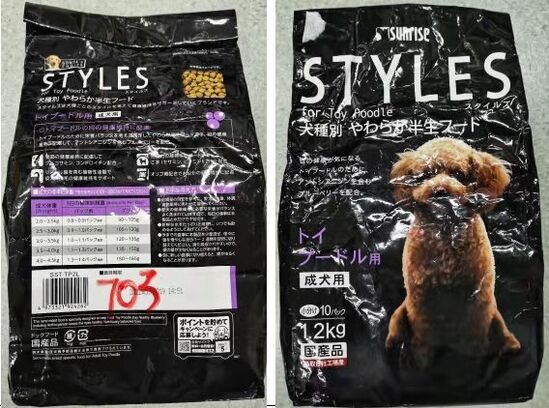
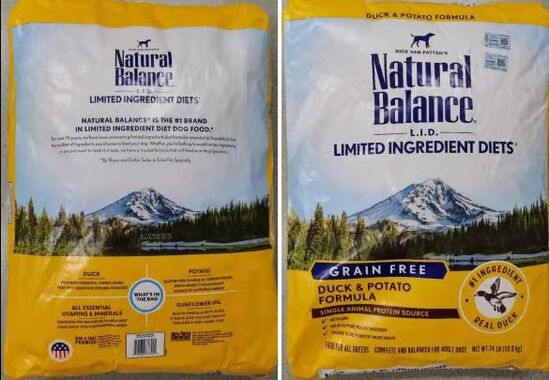
另有4款宠物食品检出转基因成分CaMV35S和NOS基因,分别为加拿大产“Go!Solutions无谷七种肉全犬种成犬粮”、“go! 加拿大进口猫粮 无谷新九种肉全阶段通用猫粮”,日本产“sunrise盛来知宠物贵宾犬泰迪比熊专用半生软狗粮”,美国产“天衡宝Natural Balance限定系列鸭薯无谷配方成犬粮”。根据我国《宠物饮料标签规定》要求,宠物饲料产品中含有转基因成分的,其标示应当符合相关法律法规的要求,上述4款宠物食品均未在包装中标示其含有转基因成分。此外,根据《进出境转基因产品检验检疫管理办法》,转基因产品入境时须明确申报并取得主管部门签发的《农业转基因生物安全证书》或相关批文,未明确申报或未办理相关手续的该类物品,传入后可能会影响生态环境安全,对我国农林业带来隐患和危害。消费者在跨境渠道购买宠物食品时,要多关注来源是否正规、相关手续是否符合等,避免生物安全风险。

检出转基因成分的成犬粮样品图

检出转基因成分的全阶段通用猫粮样品图

检出转基因成分的半生软狗粮

检出转基因成分的无谷配方成犬粮样品图

此外,在对宠物食品的监测过程中,还发现平台在线销售的宠粮大多未加贴中文标签(此项内容对跨境电商产品未作强制要求),网页中的产品介绍不够详细,特别是配料,有部分产品未按原文提供中文翻译或是中文翻译存在漏翻及误翻现象。还有些品牌为国外,产地为中国的宠物食品,在网页介绍上着重突出国外品牌宣传,隐去其实际产地的说明,容易让消费者产生原产地为国外的假相,易造成消费误导。不管配料还是原产国,铲屎官们在购买时可要看仔细了,必要时和客服确认详细信息,旺星人和喵星人虽不会说话,这吃下肚的东西,总也得吃得明明白白不是么?

质保平台

杭州市跨境电商综试区质量安全公共服务平台(以下简称:质保平台)作为全国首个跨境进口商品质量安全公共服务平台,自2020年5月成立以来,为消费者提供了跨境进口商品进关信息验证和反馈的渠道,也可查询跨境进口政策、消费预警等信息。

在近一年的时间里,质保平台搜集商品质量安全风险信息,针对大家关注的热点开展了以消费者线索征集为方向的抽样检测活动,致力于守护跨境进口商品公共质量安全,推动跨境零售进口行业健康发展。

文章来源:亿邦动力

广告
微信
朋友圈

FAQ回顾

跨境进口NMN类保健品可以放心买吗?

目前NMN类保健品主要通过跨境电商渠道入境,各国标准存在差异、配方各异、渠道纷杂,抽检的19款产品中多存在NMN含量与宣称严重不符的问题,消费者需谨慎购买,不要盲目跟风,尽量选择可靠的跨境电商平台与店铺,看清服用说明。

购买进口宠物食品需要注意哪些问题?

购买进口宠物食品要关注来源是否正规、相关手续是否合规,留意产品是否按规定标示转基因成分,注意确认产品实际产地、配料翻译是否准确,避免买到含猪圆环病毒2型、未标示转基因成分等问题的产品,防范生物安全风险。

含金银箔粉的食品可以在我国销售吗?

根据我国相关规定,金银箔粉不是食品添加剂,不能用于食品生产经营,含金银箔粉的食品不得在我国销售,该类产品仅为消费噱头,无食用价值,还可能存在食品安全风险,消费者需敬而远之。

跨境进口商品质保平台有什么作用?

质保平台是全国首个跨境进口商品质量安全公共服务平台,2020年5月成立,可为消费者提供跨境进口商品进关信息验证和反馈渠道,支持查询跨境进口政策、消费预警等信息,还会开展热点商品抽样检测,守护跨境商品质量安全。

这么好看,分享一下?

朋友圈 分享

APP内打开

赞 +1
+1
微信好友 朋友圈 新浪微博 QQ空间
关闭
收藏成功
发送
/140 0