





广告
加载中

广元市外贸高质量发展中层干部研修班来访知识服务中心

亿邦动力 2026-11-17 17:52
亿邦动力 2026/11/17 17:52

邦小白快读

EN
全文速览

总:这条消息的核心干货是广元市外贸高质量发展中层干部研修班到杭州全球跨境电商知识服务中心来访交流,可从中了解该中心的基本情况和跨境电商行业公共服务的载体。

1.时间与主体:2026年9月15日,广元市外贸高质量发展中层干部研修班来访杭州全球跨境电商知识服务中心。

2.展厅内容:讲解员介绍跨境电商行业发展形势、中国跨境电商发展历程,并分享杭州跨境电商综试区的创新政策、模式。

3.中心背景:中心由杭州跨境电商综试区、萧山区人民政府、萧山经济技术开发区、杭州信息港小镇、亿邦动力联合建设运营。

4.功能定位:中心是跨境电商行业首个城市产业知识公共服务平台,形成产业打卡地、创新观察哨、跨境会客厅三位一体功能,立足杭州、服务全国、沟通世界,输出知识理论和实践经验。

总:对品牌商而言,文章可提取的是跨境电商发展形势、杭州综试区创新政策与模式,以及公共服务平台对品牌出海知识获取的参考价值。

1.趋势判断:展厅介绍跨境电商行业发展形势和中国跨境电商发展历程,有助于品牌商把握行业演进背景,但文章未展开具体消费趋势和用户行为数据。

2.政策与模式:杭州跨境电商综试区的创新政策、模式被作为分享内容,品牌商可将其作为了解跨境电商制度环境和业务模式的入口。

3.知识服务:杭州全球跨境电商知识服务中心由多方联合建设运营,定位为行业首个城市产业知识公共服务平台,具备产业打卡地、创新观察哨、跨境会客厅三位一体功能,可作为品牌商获取行业知识和实践经验的公共服务载体。

4.启示:文章未直接涉及品牌营销、渠道建设、定价竞争和产品研发细节,品牌商可重点关注政策模式与知识平台信息,作为后续市场判断和业务布局的参考。

总:卖家可从来访交流中关注杭州跨境电商综试区创新政策与模式、行业发展形势,以及知识服务中心提供的公共服务和资源对接信号。

1.政策与模式:讲解员分享杭州跨境电商综试区的创新政策、模式,属于卖家理解跨境电商政策环境和模式创新的直接信息。

2.行业形势:展厅介绍跨境电商行业发展形势和中国跨境电商发展历程,有助于卖家判断行业背景,但文章未给出具体增长市场、消费需求和风险提示。

3.公共服务:中心是跨境电商行业首个城市产业知识公共服务平台,形成产业打卡地、创新观察哨、跨境会客厅三位一体功能,卖家可将其视为获取知识、经验和交流机会的载体。

4.机会提示:广元市外贸高质量发展中层干部研修班来访,体现地方外贸干部对跨境电商高质量发展的关注;卖家可关注此类研修交流所释放的政策学习、经验分享和合作对接信号。

总:工厂可从文章中关注跨境电商行业形势、杭州综试区创新政策模式,以及知识服务中心作为公共服务平台对工厂了解电商化、数字化的启示。

1.行业背景:展厅介绍跨境电商行业发展形势和中国跨境电商发展历程,为工厂理解产品出海所处行业环境提供背景信息。

2.政策模式:杭州跨境电商综试区的创新政策和模式被分享,工厂可据此关注跨境电商制度环境和业务模式变化,作为推进电商化、数字化的参考。

3.公共服务:中心由杭州跨境电商综试区、萧山区人民政府、萧山经济技术开发区、杭州信息港小镇、亿邦动力联合建设运营,是跨境电商行业首个城市产业知识公共服务平台,形成产业打卡地、创新观察哨、跨境会客厅三位一体功能。

4.启示:文章未具体涉及产品生产和设计需求,但工厂可通过该中心的知识理论和实践经验输出,关注跨境电商公共服务如何服务产业高质量发展。

总:服务商可重点关注跨境电商行业发展趋势、杭州综试区创新政策与模式,以及知识服务中心的平台定位和三位一体服务功能,这些信息对设计服务方案有参考意义。

1.趋势信息:展厅介绍跨境电商行业发展形势和中国跨境电商发展历程,有助于服务商理解行业演进脉络。

2.政策模式:讲解员分享杭州跨境电商综试区的创新政策、模式,服务商可将其作为政策解读和模式研究的素材。

3.平台功能:杭州全球跨境电商知识服务中心是跨境电商行业首个城市产业知识公共服务平台,形成产业打卡地、创新观察哨、跨境会客厅三位一体功能,立足杭州、服务全国、沟通世界。

4.痛点与方案启示:文章未直接列出客户痛点和新技术,但中心以促进跨境电商产业高质量发展为首要任务,持续输出知识理论和实践经验,服务商可关注其公共服务逻辑,作为知识服务、咨询培训或交流空间类方案的参考。

总:平台商可从文章中关注跨境电商公共服务平台的建设运营方式、功能组合和区域服务定位,作为平台建设和运营管理的参考。

1.建设主体:杭州全球跨境电商知识服务中心由杭州跨境电商综试区、萧山区人民政府、萧山经济技术开发区、杭州信息港小镇、亿邦动力联合建设运营,体现多方联合共建模式。

2.平台定位:中心是跨境电商行业首个城市产业知识公共服务平台,以促进跨境电商产业高质量发展为首要任务。

3.功能组合:中心形成产业打卡地、创新观察哨、跨境会客厅三位一体功能,兼顾产业展示、观察研究和交流会客。

4.运营导向:中心立足杭州、服务全国、沟通世界,为全球跨境电商高质量发展持续输出知识理论和实践经验;平台商可关注其公共服务属性、知识输出和区域协同思路。文章未涉及平台招商、具体运营管理和风向规避细节。

总:研究者可从文章中提取跨境电商产业新动向、综试区政策模式、知识公共服务平台的组织与功能,以及知识输出机制等研究素材。

1.产业动向:广元市外贸高质量发展中层干部研修班来访杭州全球跨境电商知识服务中心,反映地方外贸主体对跨境电商高质量发展的关注。

2.历史与政策:展厅介绍中国跨境电商发展历程,讲解员分享杭州跨境电商综试区创新政策、模式,可作为研究跨境电商政策演进的案例。

3.平台模式:中心由杭州跨境电商综试区、萧山区人民政府、萧山经济技术开发区、杭州信息港小镇、亿邦动力联合建设运营,是跨境电商行业首个城市产业知识公共服务平台,形成产业打卡地、创新观察哨、跨境会客厅三位一体功能。

4.知识输出:中心立足杭州、服务全国、沟通世界,以促进跨境电商产业高质量发展为首要任务,持续输出知识理论和实践经验,可作为研究产业知识公共服务和商业模式创新的样本。

返回默认
声明:快读内容全程由AI生成,请注意甄别信息。如您发现问题,请发送邮件至 run@ebrun.com 。

我是 品牌商 卖家 工厂 服务商 平台商 研究者 帮我再读一遍。

Quick Summary

Summary: The core takeaway of this news is that the Guangyuan City Foreign Trade High-Quality Development Mid-Level Cadre Training Program visited the Hangzhou Global Cross-Border E-Commerce Knowledge Service Center for an exchange, offering a view of the center's basic profile and of cross-border e-commerce industry public service vehicles.

1. Time and participants: On September 15, 2026, the Guangyuan City Foreign Trade High-Quality Development Mid-Level Cadre Training Program visited the Hangzhou Global Cross-Border E-Commerce Knowledge Service Center.

2. Exhibition hall content: The guide presented the industry's development landscape and the history of cross-border e-commerce in China, and shared the innovative policies and models of the Hangzhou Cross-Border E-Commerce Comprehensive Pilot Zone.

3. Center background: The center is jointly built and operated by the Hangzhou Cross-Border E-Commerce Comprehensive Pilot Zone, the Xiaoshan District People's Government, the Xiaoshan Economic and Technological Development Zone, the Hangzhou Information Port Town, and Ebrun.

4. Functional positioning: The center is the industry's first urban industrial knowledge public service platform for cross-border e-commerce, integrating three functions—an industry landmark, an innovation observation post, and a cross-border reception hall—rooted in Hangzhou, serving the nation, and connecting the world, and it outputs knowledge theory and practical experience.

Summary: For brands, the article offers the cross-border e-commerce development landscape, the Hangzhou pilot zone's innovative policies and models, and the reference value of public service platforms for acquiring knowledge on going global.

1. Trend assessment: The exhibition hall introduces the industry's development landscape and the history of cross-border e-commerce in China, helping brands grasp the industry's evolution, though the article does not elaborate on specific consumer trends or user behavior data.

2. Policies and models: The innovative policies and models of the Hangzhou Cross-Border E-Commerce Comprehensive Pilot Zone were shared, which brands can use as an entry point for understanding the institutional environment and business models of cross-border e-commerce.

3. Knowledge services: The Hangzhou Global Cross-Border E-Commerce Knowledge Service Center is jointly built and operated by multiple parties and positioned as the industry's first urban industrial knowledge public service platform, with three integrated functions—an industry landmark, an innovation observation post, and a cross-border reception hall—making it a public service vehicle for brands to acquire industry knowledge and practical experience.

4. Implications: The article does not directly address brand marketing, channel development, pricing competition, or product R&D details; brands may focus on policy models and knowledge platform information as a reference for subsequent market assessments and business planning.

Summary: Sellers can draw from this visit the Hangzhou pilot zone's innovative policies and models, the industry development landscape, and the signals of public services and resource matching offered by the knowledge service center.

1. Policies and models: The guide shared the innovative policies and models of the Hangzhou Cross-Border E-Commerce Comprehensive Pilot Zone—direct information for sellers to understand the policy environment and model innovation in cross-border e-commerce.

2. Industry landscape: The exhibition hall introduced the industry's development landscape and the history of cross-border e-commerce in China, helping sellers gauge the industry backdrop, though the article provides no specific growth markets, consumer demand, or risk warnings.

3. Public services: The center is the industry's first urban industrial knowledge public service platform for cross-border e-commerce, integrating three functions—an industry landmark, an innovation observation post, and a cross-border reception hall—which sellers can regard as a vehicle for knowledge, experience, and networking opportunities.

4. Opportunity signals: The visit by the Guangyuan City foreign trade cadre training program reflects local foreign trade officials' attention to high-quality cross-border e-commerce development; sellers may watch for the signals of policy learning, experience sharing, and partnership matching released by such training and exchange programs.

Summary: Factories can focus on the cross-border e-commerce industry landscape, the Hangzhou pilot zone's innovative policies and models, and the implications of the knowledge service center as a public service platform for understanding e-commerce and digitalization.

1. Industry background: The exhibition hall introduced the industry's development landscape and the history of cross-border e-commerce in China, providing factories with background on the industry environment for product going global.

2. Policies and models: The innovative policies and models of the Hangzhou Cross-Border E-Commerce Comprehensive Pilot Zone were shared, on which factories can base their attention to changes in the institutional environment and business models as a reference for advancing e-commerce and digitalization.

3. Public services: The center is jointly built and operated by the Hangzhou Cross-Border E-Commerce Comprehensive Pilot Zone, the Xiaoshan District People's Government, the Xiaoshan Economic and Technological Development Zone, the Hangzhou Information Port Town, and Ebrun; it is the industry's first urban industrial knowledge public service platform for cross-border e-commerce, integrating three functions—an industry landmark, an innovation observation post, and a cross-border reception hall.

4. Implications: The article does not specifically address product manufacturing or design needs, but factories can follow the center's output of knowledge theory and practical experience to see how cross-border e-commerce public services support high-quality industrial development.

Summary: Service providers should focus on cross-border e-commerce industry trends, the Hangzhou pilot zone's innovative policies and models, and the knowledge service center's platform positioning and three-in-one service functions, all of which inform service design.

1. Trend information: The exhibition hall introduced the industry's development landscape and the history of cross-border e-commerce in China, helping service providers understand the industry's evolution.

2. Policies and models: The guide shared the innovative policies and models of the Hangzhou Cross-Border E-Commerce Comprehensive Pilot Zone, which service providers can use as material for policy interpretation and model research.

3. Platform functions: The Hangzhou Global Cross-Border E-Commerce Knowledge Service Center is the industry's first urban industrial knowledge public service platform for cross-border e-commerce, integrating three functions—an industry landmark, an innovation observation post, and a cross-border reception hall—rooted in Hangzhou, serving the nation, and connecting the world.

4. Pain points and solution implications: The article does not directly list customer pain points or new technologies, but the center takes promoting high-quality cross-border e-commerce development as its primary task and continuously outputs knowledge theory and practical experience; service providers may study its public service logic as a reference for knowledge services, consulting and training, or exchange-space solutions.

Summary: Marketplace operators can focus on how the cross-border e-commerce public service platform is built and operated, its functional mix, and its regional service positioning as a reference for platform building and operations management.

1. Builders: The Hangzhou Global Cross-Border E-Commerce Knowledge Service Center is jointly built and operated by the Hangzhou Cross-Border E-Commerce Comprehensive Pilot Zone, the Xiaoshan District People's Government, the Xiaoshan Economic and Technological Development Zone, the Hangzhou Information Port Town, and Ebrun, reflecting a multi-party co-building model.

2. Platform positioning: The center is the industry's first urban industrial knowledge public service platform for cross-border e-commerce, with promoting high-quality cross-border e-commerce development as its primary task.

3. Functional mix: The center integrates three functions—an industry landmark, an innovation observation post, and a cross-border reception hall—covering industry display, observational research, and networking.

4. Operating orientation: The center is rooted in Hangzhou, serves the nation, and connects the world, continuously outputting knowledge theory and practical experience for the high-quality development of global cross-border e-commerce; marketplace operators may study its public service nature, knowledge output, and regional collaboration approach. The article does not cover platform investment promotion, specific operational management, or risk-avoidance details.

Summary: Researchers can extract research material on new cross-border e-commerce industry dynamics, pilot zone policies and models, the organization and functions of a knowledge public service platform, and its knowledge output mechanism.

1. Industry dynamics: The visit by the Guangyuan City foreign trade high-quality development mid-level cadre training program to the Hangzhou Global Cross-Border E-Commerce Knowledge Service Center reflects local foreign trade entities' attention to high-quality cross-border e-commerce development.

2. History and policy: The exhibition hall introduced the history of cross-border e-commerce in China, and the guide shared the innovative policies and models of the Hangzhou Cross-Border E-Commerce Comprehensive Pilot Zone, which can serve as a case for studying the evolution of cross-border e-commerce policy.

3. Platform model: The center is jointly built and operated by the Hangzhou Cross-Border E-Commerce Comprehensive Pilot Zone, the Xiaoshan District People's Government, the Xiaoshan Economic and Technological Development Zone, the Hangzhou Information Port Town, and Ebrun; it is the industry's first urban industrial knowledge public service platform for cross-border e-commerce, integrating three functions—an industry landmark, an innovation observation post, and a cross-border reception hall.

4. Knowledge output: Rooted in Hangzhou, serving the nation, and connecting the world, the center takes promoting high-quality cross-border e-commerce development as its primary task and continuously outputs knowledge theory and practical experience, serving as a sample for studying industrial knowledge public services and business model innovation.

Disclaimer: The "Quick Summary" content is entirely generated by AI. Please exercise discretion when interpreting the information. For issues or corrections, please email run@ebrun.com .

I am a Brand Seller Factory Service Provider Marketplace Seller Researcher Read it again.

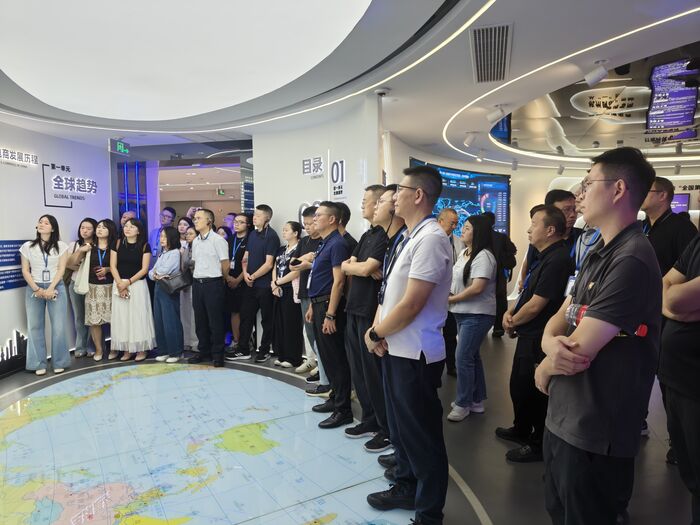
2026年9月15日,广元市外贸高质量发展中层干部研修班来访杭州全球跨境电商知识服务中心。在展厅,讲解员向来访专家介绍了跨境电商行业发展形势、中国跨境电商的发展历程,分享了杭州跨境电商综试区的创新政策、模式。

全球跨境电商知识服务中心由杭州跨境电商综试区、萧山区人民政府、萧山经济技术开发区、杭州信息港小镇、亿邦动力联合建设运营。中心作为跨境电商行业首个城市产业知识公共服务平台,已经形成了产业打卡地、创新观察哨、跨境会客厅三位一体的产业知识公共服务功能。中心将以促进跨境电商产业高质量发展为首要任务,立足杭州、服务全国、沟通世界,为全球跨境电商高质量发展持续输出有效的知识理论和实践经验。

本文首发于 亿邦动力 官方网站

文章来源:亿邦动力

广告
微信
朋友圈

FAQ回顾

杭州全球跨境电商知识服务中心是什么?

杭州全球跨境电商知识服务中心是跨境电商行业首个城市产业知识公共服务平台,由杭州跨境电商综试区、萧山区人民政府、萧山经济技术开发区、杭州信息港小镇、亿邦动力联合建设运营,形成产业打卡地、创新观察哨、跨境会客厅三位一体的产业知识公共服务功能。

杭州全球跨境电商知识服务中心由哪些单位联合建设运营?

由杭州跨境电商综试区、萧山区人民政府、萧山经济技术开发区、杭州信息港小镇、亿邦动力联合建设运营。中心立足杭州、服务全国、沟通世界,以促进跨境电商产业高质量发展为首要任务。

杭州全球跨境电商知识服务中心具备哪些功能?

中心已形成产业打卡地、创新观察哨、跨境会客厅三位一体的产业知识公共服务功能,是跨境电商行业首个城市产业知识公共服务平台,为全球跨境电商高质量发展持续输出有效的知识理论和实践经验。

全球跨境电商知识服务中心的发展定位是什么?

中心以促进跨境电商产业高质量发展为首要任务,立足杭州、服务全国、沟通世界,为全球跨境电商高质量发展持续输出有效的知识理论和实践经验;同时通过展厅介绍跨境电商行业发展形势、中国跨境电商发展历程及杭州跨境电商综试区创新政策、模式。

这么好看,分享一下?

朋友圈 分享

APP内打开

赞 +1
+1
微信好友 朋友圈 新浪微博 QQ空间
关闭
收藏成功
发送
/140 0

