广告
加载中

fiboo《女性精准蛋白营养建议书》于运动营养高质量发展专题研讨会发布

龚作仁 2026-11-17 11:54
龚作仁 2026/11/17 11:54

邦小白快读

EN
全文速览

总1:核心事件与关键数据

1.运动营养食品高质量发展专题研讨会在厦门举行,fiboo菲珀发布《女性精准蛋白营养建议书》,由fiboo专业营养研发团队与尚普咨询合作编写,面向18至45岁女性。

2.2025年我国运动营养食品市场规模约114.2亿元,同比增长约17.6%;蛋白粉细分市场超过42.2亿元,同比增长25.6%。白皮书预测2026至2030年市场规模从128.4亿元增至209.3亿元。

总2:实操干货

1.女性不是缩小版男性,体脂更高、去脂体重更低,还受生理期内分泌变化影响,需要独立评估;运动女性蛋白质需求明显高于普通成年女性。

2.运动类型决定补充策略:抗阻训练主要影响肌原纤维蛋白合成和分解,耐力运动优先影响线粒体蛋白合成,高强度间歇兼有两类特征。运动后可选吸收快、亮氨酸含量高的乳清蛋白,长时间空腹或夜间用缓释酪蛋白,素食或乳糖不耐用大豆等植物蛋白。

3.建议书覆盖体虚低运动、孕期产后、薄肌、增肌、减脂塑形及气血养护等状态,从饮食、运动、蛋白补给三维度把什么时候补、补什么、补多少、怎么选转成日常指引。蛋白粉是补足膳食缺口的便利选择,是否需要取决于全天饮食能否完成目标。

总1:品牌营销与专业背书

1.fiboo菲珀借研讨会发布《女性精准蛋白营养建议书》,并联动西子健康与尚普咨询发布白皮书,邀请艾华担任首席科学顾问,多位专家参与发布和圆桌,强化品牌专业形象。

2.品牌表达重点是让女性运动人群需求被行业看见,把专业共识讲成消费者听得懂的科普,强调配方清晰、成分透明、有研究依据。

总2:产品研发与消费趋势

1.精准营养成为趋势,女性运动健身和健康管理意识提升,不同年龄、生理阶段、运动习惯与饮食结构带来差异化蛋白需求,通用信息难以覆盖。

2.产品研发可按人群和场景分层:针对体虚低运动、孕期产后、薄肌、增肌、减脂塑形、气血养护等状态,从饮食、运动、蛋白补给三维度设计。

3.价格竞争和渠道建设文章未具体展开,但文章提示品牌需重视规范表达、品质保障,避免把单一研究结论简单推及所有人群。

总1:增长市场与消费机会

1.2025年运动营养食品市场规模约114.2亿元,同比增长约17.6%;蛋白粉细分超过42.2亿元,同比增长25.6%。白皮书预测2026至2030年从128.4亿元增至209.3亿元。

2.女性运动健身和健康管理意识提升,精准营养、分人群分场景方案是细分机会;建议书面向18至45岁女性,覆盖体虚低运动、孕期产后、薄肌、增肌、减脂塑形、气血养护等状态。

总2:政策规范与风险提示

1.行业强调以科学循证为基础、以标准规范为底线,需在国家标准与监管要求下推动产品创新;产业仍面临科研支撑、质量管理与消费者认知有待提升。

2.科普和产品研发要充分考虑研究证据、个体差异和实际应用条件,避免将单一研究结论简单推及所有人群。

总3:合作与可学习点

1.协会、高校、科研机构与企业协作受到重视,会议发起“精准适配·品质护航”国民健康运动营养保障倡议。

2.可学习点是把科研成果转成可执行产品标准,把专业共识转成消费者听得懂的科普;文章未涉及具体扶持政策。

总1:产品设计与生产需求

1.产品要面向不同生活阶段与运动需求女性,提供配方清晰、成分透明、有研究依据的蛋白补给方案。

2.蛋白来源需匹配场景:运动后选吸收快、亮氨酸含量高的乳清蛋白,长时间空腹或夜间用缓释酪蛋白,素食或乳糖不耐用大豆等植物蛋白;文章还提到动物蛋白与大豆蛋白各有特点并可互补。

总2:商业机会

1.运动营养食品市场2025年约114.2亿元,蛋白粉细分超过42.2亿元且同比增长25.6%;白皮书预测2026至2030年从128.4亿元增至209.3亿元。

2.女性精准营养是细分方向,建议书覆盖18至45岁女性多种状态,为分人群分阶段产品设计提供参考。

总3:品质与生产启示

1.品牌提出把科研成果转成可执行产品标准,强调规范表达与品质保障,并参与“精准适配·品质护航”倡议。

2.文章未涉及数字化和电商的具体做法,但成分透明、研究依据和标准转化是生产端可关注的要点。

总1:行业发展趋势

1.运动营养食品市场保持增长,2025年约114.2亿元,蛋白粉细分超过42.2亿元;精准营养、分人群分场景成为研讨会重要议题。

2.女性运动健身和健康管理意识提升,围绕女性人群开展针对性研究和科普成为方向。

总2:客户痛点

1.女性不是缩小版男性,经典蛋白质需要量研究多以男性运动员为对象,现有指南多为男性数据外推;女性体脂更高、去脂体重更低,还受生理期内分泌变化影响。

2.通用化信息难以覆盖不同年龄、生理阶段、运动习惯与饮食结构带来的差异需求;产业还存在科研支撑、质量管理与消费者认知短板。

总3:解决方案

1.建议书面向18至45岁女性,覆盖体虚低运动、孕期产后、薄肌、增肌、减脂塑形、气血养护等状态,从饮食、运动、蛋白补给三维度给出分人群分阶段参考。

2.按运动类型匹配蛋白:抗阻、耐力、高强度间歇的扰动机制不同;运动后乳清蛋白、空腹或夜间酪蛋白、素食或乳糖不耐大豆蛋白。

3.通过专家科普、产学研协作和品质倡议,推动科研成果转产品标准、专业共识转消费者科普。

总1:行业风向与招商关注

1.研讨会主题为科学赋能、质领未来,议题包括标准规范、市场趋势、人群营养、精准补充与技术创新;精准营养、分人群分场景是行业风向。

2.市场数据可供平台判断品类机会:2025年运动营养食品约114.2亿元,蛋白粉细分超过42.2亿元且同比增长25.6%;白皮书预测2026至2030年从128.4亿元增至209.3亿元。

3.代表品牌包括西子健康旗下FoYes、fiboo菲珀,发布白皮书和建议书,可作为招商观察对象。

总2:运营管理与风向规避

1.平台运营可关注品质保障、规范表达和消费者教育;行业强调以科学循证为基础、以标准规范为底线。

2.需规避把单一研究结论简单推及所有人群,关注科研支撑、质量管理与消费者认知有待提升的问题。

总3:合作生态

1.会议发起“精准适配·品质护航”国民健康运动营养保障倡议,强调协会、高校、科研机构与企业协同。

2.文章未涉及平台最新具体做法,但显示平台招商和运营可围绕女性精准营养、分人群分场景方案和品质保障展开。

总1:产业新动向与数据

1.fiboo菲珀发布《女性精准蛋白营养建议书》,西子健康与尚普咨询发布《2026中国运动营养产业全景与趋势发展白皮书》,FoYes同步发布运动营养建议书,显示运动营养向分人群、分场景精准化发展。

2.2025年运动营养食品市场规模约114.2亿元,同比增长约17.6%;蛋白粉细分超过42.2亿元,同比增长25.6%。白皮书预测2026至2030年从128.4亿元增至209.3亿元。

总2:新问题

1.女性蛋白质研究存在男性数据外推问题;女性体脂更高、去脂体重更低,并受生理期内分泌变化影响,需要独立评估视角。

2.产业面临科研支撑、质量管理与消费者认知有待提升;科普和产品研发需考虑研究证据、个体差异与实际应用条件,避免单一结论外推。

总3:政策启示与商业模式

1.政策启示是以科学循证为基础、以标准规范为底线,在国家标准与监管要求下推动产品创新,重视规范表达与品质保障。

2.商业模式体现为白皮书加建议书加分人群分阶段产品方案,再通过专家科普、产学研协作和“精准适配·品质护航”倡议落地。

返回默认
声明:快读内容全程由AI生成,请注意甄别信息。如您发现问题,请发送邮件至 run@ebrun.com 。

我是 品牌商 卖家 工厂 服务商 平台商 研究者 帮我再读一遍。

Quick Summary

Summary 1: Core event and key data

1. A special seminar on the high-quality development of sports nutrition food was held in Xiamen. fiboo released the Women's Precision Protein Nutrition Recommendations, co-authored by fiboo's professional nutrition R&D team and Shangpu Consulting and aimed at women aged 18 to 45.

2. In 2025, China's sports nutrition food market is estimated at RMB 11.42 billion, up about 17.6% year on year; the protein powder segment exceeds RMB 4.22 billion, up 25.6%. The white paper forecasts that the market will grow from RMB 12.84 billion to RMB 20.93 billion in 2026-2030.

Summary 2: Practical takeaways

1. Women are not smaller versions of men. They have higher body fat and lower lean body mass and are affected by endocrine changes during the menstrual cycle, so they require independent assessment. Protein needs among active women are significantly higher than among ordinary adult women.

2. Exercise type determines supplementation strategy: resistance training mainly affects myofibrillar protein synthesis and breakdown; endurance exercise primarily affects mitochondrial protein synthesis; high-intensity interval training has both characteristics. After exercise, fast-absorbing whey protein with high leucine content can be used; slow-release casein can be used during prolonged fasting or at night; plant proteins such as soy can be used by vegetarians or people with lactose intolerance.

3. The recommendations cover states including low activity with weakness, pregnancy and postpartum, low muscle mass, muscle gain, fat loss and body shaping, and vitality and blood support. They translate when to supplement, what to supplement, how much to supplement, and how to choose into daily guidance across diet, exercise, and protein supplementation. Protein powder is a convenient option to fill dietary gaps; whether it is needed depends on whether the overall daily diet can meet the target.

Summary 1: Brand marketing and professional endorsement

1. fiboo used the seminar to release the Women's Precision Protein Nutrition Recommendations and, together with Xizi Health and Shangpu Consulting, released a white paper. It invited Ai Hua as chief scientific advisor, and multiple experts participated in the launch and roundtable, strengthening the brand's professional image.

2. The brand's messaging focused on making the needs of female sports and fitness users visible to the industry, translating professional consensus into consumer-friendly science communication, and emphasizing clear formulas, transparent ingredients, and research-based claims.

Summary 2: Product R&D and consumer trends

1. Precision nutrition is becoming a trend. As female awareness of sports, fitness, and health management rises, differentiated protein needs arise from different ages, physiological stages, exercise habits, and dietary structures; generic information is insufficient.

2. Product R&D can be stratified by population and scenario: designed for states such as low activity with weakness, pregnancy and postpartum, low muscle mass, muscle gain, fat loss and body shaping, and vitality and blood support, across diet, exercise, and protein supplementation.

3. The article does not elaborate on price competition and channel building, but it suggests brands should pay attention to compliant claims and quality assurance and avoid simply extrapolating a single research conclusion to all populations.

Summary 1: Growth market and consumer opportunities

1. In 2025, the sports nutrition food market is estimated at RMB 11.42 billion, up about 17.6% year on year; the protein powder segment exceeds RMB 4.22 billion, up 25.6%. The white paper forecasts growth from RMB 12.84 billion to RMB 20.93 billion in 2026-2030.

2. Rising female awareness of sports, fitness, and health management makes precision nutrition and population- and scenario-specific solutions a segmented opportunity. The recommendations target women aged 18 to 45 and cover states including low activity with weakness, pregnancy and postpartum, low muscle mass, muscle gain, fat loss and body shaping, and vitality and blood support.

Summary 2: Policy standards and risk reminders

1. The industry emphasizes science-based evidence and standards as the baseline, and product innovation should be advanced under national standards and regulatory requirements. The industry still faces gaps in scientific support, quality management, and consumer awareness.

2. Science communication and product R&D should fully consider research evidence, individual differences, and practical application conditions, and avoid simply extrapolating a single research conclusion to all populations.

Summary 3: Collaboration and lessons

1. Collaboration among associations, universities, research institutions, and companies received attention. The conference launched the National Health Sports Nutrition Safeguard Initiative, themed Precision Fit and Quality Protection.

2. A key lesson is to turn research outcomes into executable product standards and professional consensus into consumer-friendly science communication. The article does not cover specific support policies.

Summary 1: Product design and production requirements

1. Products should target women at different life stages and with different exercise needs, providing protein supplementation solutions with clear formulas, transparent ingredients, and research evidence.

2. Protein sources need to match scenarios: after exercise, fast-absorbing whey protein with high leucine content; during prolonged fasting or at night, slow-release casein; for vegetarians or people with lactose intolerance, plant proteins such as soy. The article also notes that animal protein and soy protein have distinct characteristics and can complement each other.

Summary 2: Business opportunities

1. The sports nutrition food market is about RMB 11.42 billion in 2025; the protein powder segment exceeds RMB 4.22 billion and grows 25.6% year on year. The white paper forecasts growth from RMB 12.84 billion to RMB 20.93 billion in 2026-2030.

2. Female precision nutrition is a segmented direction. The recommendations cover multiple states for women aged 18 to 45 and provide a reference for population- and stage-specific product design.

Summary 3: Quality and production implications

1. The brand proposes turning research outcomes into executable product standards, emphasizes compliant claims and quality assurance, and participates in the Precision Fit and Quality Protection initiative.

2. The article does not cover specific digital and e-commerce practices, but transparent ingredients, research evidence, and standard conversion are production-side priorities.

Summary 1: Industry trends

1. The sports nutrition food market continues to grow, at about RMB 11.42 billion in 2025, with the protein powder segment exceeding RMB 4.22 billion. Precision nutrition and population- and scenario-specific solutions were key seminar topics.

2. Rising female awareness of sports, fitness, and health management makes targeted research and science communication for women a direction.

Summary 2: Customer pain points

1. Women are not smaller versions of men. Classic protein requirement studies mostly targeted male athletes, and existing guidelines largely extrapolate from male data. Women have higher body fat and lower lean body mass and are affected by endocrine changes during the menstrual cycle.

2. Generic information is insufficient to cover differentiated needs arising from different ages, physiological stages, exercise habits, and dietary structures. The industry also has shortcomings in scientific support, quality management, and consumer awareness.

Summary 3: Solutions

1. The recommendations target women aged 18 to 45 and cover states including low activity with weakness, pregnancy and postpartum, low muscle mass, muscle gain, fat loss and body shaping, and vitality and blood support, providing population- and stage-specific reference across diet, exercise, and protein supplementation.

2. Match protein to exercise type: resistance, endurance, and high-intensity interval training have different perturbation mechanisms; whey protein after exercise, casein during fasting or at night, and soy protein for vegetarians or people with lactose intolerance.

3. Through expert science communication, industry-university-research collaboration, and quality initiatives, promote the conversion of research outcomes into product standards and professional consensus into consumer science communication.

Summary 1: Industry direction and merchant recruitment focus

1. The seminar theme was science empowerment and quality leading the future, with topics including standards, market trends, population nutrition, precision supplementation, and technological innovation. Precision nutrition and population- and scenario-specific solutions are industry directions.

2. Market data can help platforms assess category opportunities: in 2025, sports nutrition food is about RMB 11.42 billion, and the protein powder segment exceeds RMB 4.22 billion and grows 25.6% year on year. The white paper forecasts growth from RMB 12.84 billion to RMB 20.93 billion in 2026-2030.

3. Representative brands include FoYes under Xizi Health and fiboo, which released white papers and recommendations and can be observed as merchant recruitment targets.

Summary 2: Operations management and risk avoidance

1. Platform operations can focus on quality assurance, compliant claims, and consumer education. The industry emphasizes science-based evidence and standards as the baseline.

2. Platforms should avoid simply extrapolating a single research conclusion to all populations and should monitor issues such as gaps in scientific support, quality management, and consumer awareness.

Summary 3: Collaboration ecosystem

1. The conference launched the National Health Sports Nutrition Safeguard Initiative, themed Precision Fit and Quality Protection, emphasizing collaboration among associations, universities, research institutions, and companies.

2. The article does not cover the latest specific platform practices, but it shows that platform merchant recruitment and operations can focus on female precision nutrition, population- and scenario-specific solutions, and quality assurance.

Summary 1: New industry developments and data

1. fiboo released the Women's Precision Protein Nutrition Recommendations; Xizi Health and Shangpu Consulting released the 2026 China Sports Nutrition Industry Panorama and Trend Development White Paper; and FoYes simultaneously released sports nutrition recommendations. These signal a shift toward precision by population and scenario in sports nutrition.

2. In 2025, the sports nutrition food market is estimated at RMB 11.42 billion, up about 17.6% year on year; the protein powder segment exceeds RMB 4.22 billion, up 25.6%. The white paper forecasts growth from RMB 12.84 billion to RMB 20.93 billion in 2026-2030.

Summary 2: New questions

1. Women's protein research faces the problem of extrapolating from male data. Women have higher body fat and lower lean body mass and are affected by endocrine changes during the menstrual cycle, requiring an independent assessment perspective.

2. The industry faces gaps in scientific support, quality management, and consumer awareness. Science communication and product R&D need to consider research evidence, individual differences, and practical application conditions, and avoid extrapolating a single conclusion.

Summary 3: Policy implications and business models

1. Policy implications are to use science-based evidence as the foundation and standards as the baseline, advance product innovation under national standards and regulatory requirements, and emphasize compliant claims and quality assurance.

2. Business models are reflected in white papers plus recommendations plus population- and stage-specific product solutions, implemented through expert science communication, industry-university-research collaboration, and the Precision Fit and Quality Protection initiative.

Disclaimer: The "Quick Summary" content is entirely generated by AI. Please exercise discretion when interpreting the information. For issues or corrections, please email run@ebrun.com .

I am a Brand Seller Factory Service Provider Marketplace Seller Researcher Read it again.

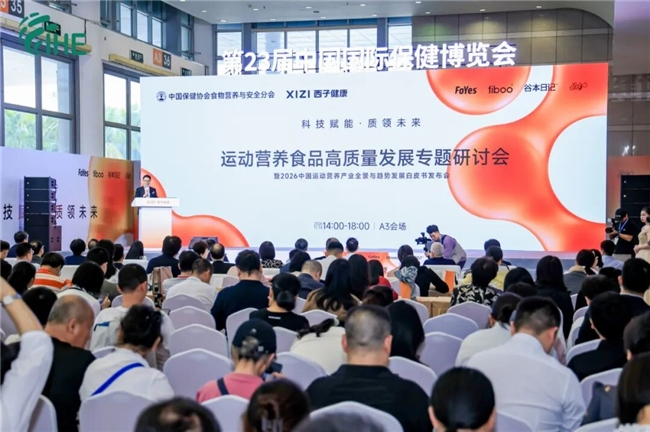
2026年 11月 14日下午,由中国保健协会指导,中国保健协会食物营养与安全分会主办,湖南西子健康集团股份有限公司、湖南赴野士运动营养品有限公司、湖南她练品牌管理有限公司协办的 “运动营养食品高质量发展专题研讨会” 在厦门国际会展中心举行。本次会议是2026营养健康食品大会暨2026(第八届)营养健康产业企业家年会的同期分论坛,以 “科学赋能 质领未来” 为主题,汇聚行业协会负责人、专家学者、科研机构代表及运动营养领域企业代表,围绕标准规范、市场趋势、人群营养、精准补充与技术创新等议题展开交流研讨。与会各方结合各自研究与实践,共同探讨运动营养细分赛道的发展路径,凝聚行业共识,推动产业高质量发展。

出席此次研讨会的有中国保健协会理事长汪建荣,中国疾病预防控制中心营养与健康所原所长丁钢强,国家食品安全风险评估中心研究员徐娇,中国保健协会副理事长兼秘书长张志强,北京体育大学运动生物化学教研室原主任曹建民,原北京大学第三医院运动医学研究所研究员艾华,湖南西子健康集团股份有限公司董事长兼集团总裁刘健伟,江南大学研究员李言,北京协和医院临床营养科主任医师马方,湖南西子健康集团股份有限公司集团副总裁毛杰,中国海洋大学副教授刘炎峻,中国营养学会运动营养分会委员严翊,中国保健协会食物营养与安全分会副主任委员孙莉,中国保健协会食物营养与安全分会产业服务部主任张芳芳,上海师范大学教授张钧,北京工商大学教授李赫,中国检验检测协会运动营养测评分会、国家体育总局一级运动营养师陈成亮,北京体育大学副教授郭娴,广州体育学院讲师牛衍龙,上海体育大学教授肖卫华,湖南西子健康集团股份有限公司高级研发总监王雪梅,尚普咨询集团有限公司合伙人刘泽恒等众多专家、企业代表与媒体代表。

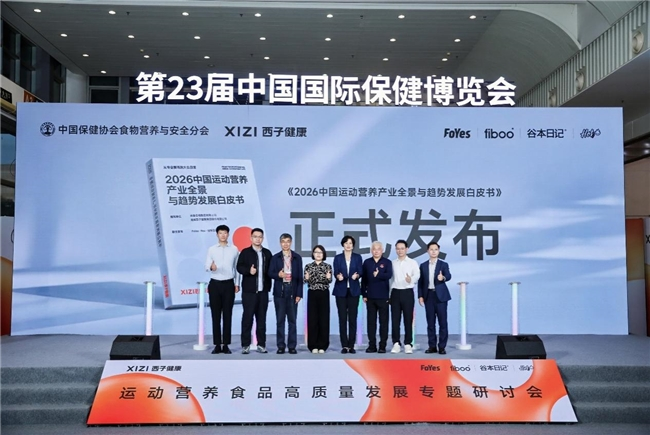
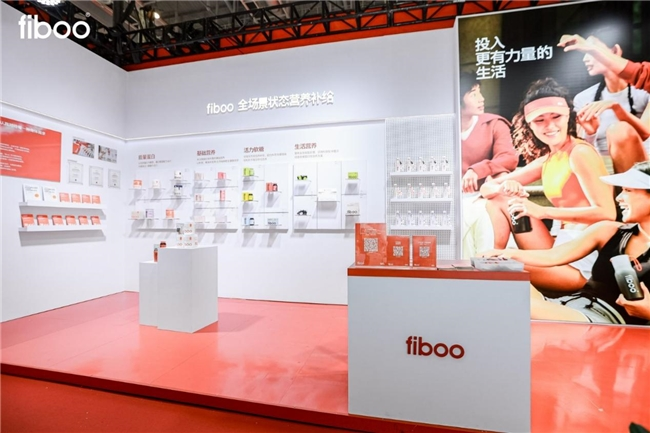
会上,由湖南西子健康集团股份有限公司与尚普咨询集团有限公司共同编写的《2026中国运动营养产业全景与趋势发展白皮书》(以下简称“白皮书”)正式发布。西子健康旗下专业运动营养品牌FoYes、女性营养健康食品品牌fiboo同步发布《FoYes运动营养建议书》和《女性精准蛋白营养建议书》,尝试将 “人群适配” 从行业理念落地为可执行的分人群、分场景营养方案。

回应消费需求变化,精准营养成为行业发展趋势

随着健康中国建设持续推进,运动健身与科学营养日益融入大众生活,根据艾媒咨询发布的《2025-2026年中国运动营养食品市场消费趋势研究报告》数据显示,2024年我国运动营养食品市场规模突破90亿元;2025年达到约114.2亿元,同比增长约17.6%,明显高于食品行业平均增速。其中,蛋白粉细分市场2025年规模超过42.2亿元,同比增长25.6%,是拉动行业增长的重要品类。白皮书预测,2026年至2030年,我国运动营养食品市场规模将从128.4亿元增长至209.3亿元,保持稳健上升态势。运动营养食品产业在拓展应用场景、丰富产品供给的同时,仍面临科研支撑、质量管理与消费者认知有待提升的问题。如何在国家标准与监管要求下推动产品创新,如何将专业研究成果转化为通俗易懂、可参考的营养知识,成为行业高质量发展必须持续回应的课题。

消费人群的多元化,使精准营养成为本次研讨会的重要议题。近年来,女性运动健身和健康管理意识不断提升,对运动营养知识及相关产品的关注随之增加。不同年龄、生理阶段、运动习惯与日常饮食结构,对应着差异化的营养需求,通用化的信息表达难以充分覆盖不同人群的具体情况。围绕女性人群开展针对性研究和营养科普,有助于消费者理解蛋白质的作用,并根据自身情况获取科学参考。

本次研讨会立足不同人群的营养需求,汇聚学术研究、行业实践与消费者教育,旨在推动各方进一步明确精准营养的科学边界:既关注细分需求,也尊重研究证据;既鼓励产业创新,也重视规范表达与品质保障。

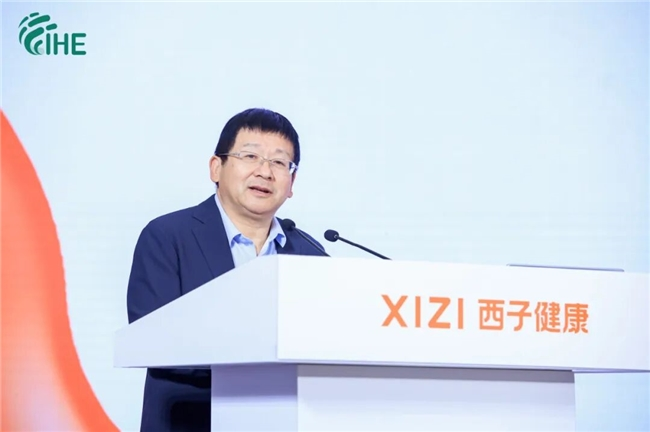
本次研讨会在中国保健协会理事长汪建荣的致辞中拉开帷幕。汪理事长对各位专家与企业家的到来表示欢迎,指出运动营养是大健康产业的重要组成部分,更期待业界以科学循证为基础、以标准规范为底线,共同推动产业稳步健康发展。

汇聚专家视角,探讨女性蛋白营养科学路径

在主题分享环节,与会专家从运动科学、营养研究与日常实践等多角度展开交流,为相关研究与科普工作提供专业思路。

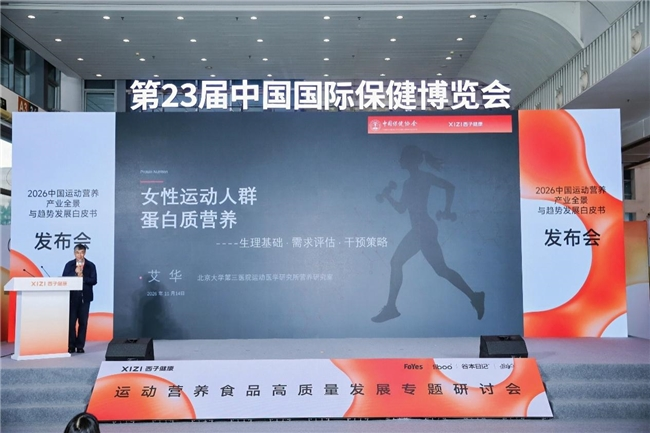
原北京大学第三医院运动医学研究所研究员、北京大学医学博士、中国营养学会运动营养分会原副主任委员兼秘书长艾华,作为建议书审稿专家及fiboo首席科学顾问参加此次发布活动,围绕女性运动人群蛋白质营养进行分享与探讨。

艾华指出,女性不是 “缩小版的男性”,经典蛋白质需要量研究多以男性运动员为对象、现有指南多为男性数据外推;女性体脂更高、去脂体重更低,还受生理期内分泌变化影响,需要独立的评估视角。他据此按不同女性人群分层提出了相应的摄入量参考,其中运动女性的需求明显高于普通成年女性;随后又进一步介绍了动物蛋白与大豆蛋白各自的特点及其互补关系。补充策略上,他建议结合不同女性人群的生理阶段与运动状态,采用差异化的蛋白质补充方案,并以能量摄入充足为前提。

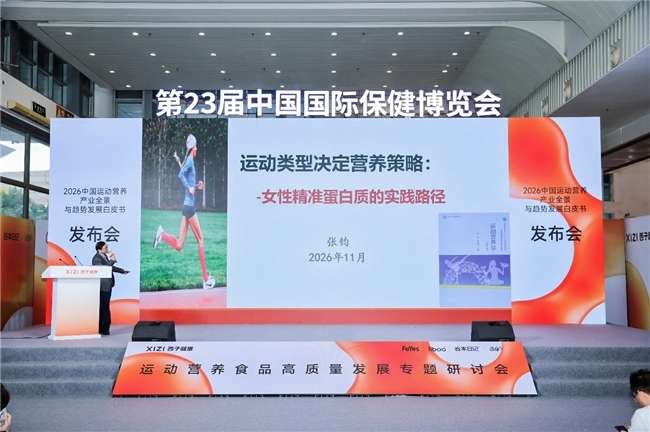
上海师范大学体育学院教授张钧围绕女性精准蛋白实践路径进行分享。张钧提出,运动类型决定营养策略:不同运动类型对肌肉蛋白质的补充时机与来源选择都要随之匹配,扰动机制并不相同。抗阻训练主要扰动肌原纤维蛋白的合成和分解,耐力运动优先扰动线粒体蛋白的合成,高强度间歇运动兼有两类特征。落到蛋白选择,他建议按训练类型与个人耐受来配,如:运动后选吸收快、亮氨酸含量高的乳清蛋白,长时间空腹或夜间用缓释的酪蛋白,素食或乳糖不耐人群用大豆等植物蛋白等,张钧表示,蛋白粉是补足膳食缺口的便利选择,是否需要,取决于全天饮食能否完成目标

相关讨论为女性蛋白营养的精准化研究提供了交流窗口,也提示行业在开展营养科普与产品研发时,应充分考虑研究证据、个体差异和实际应用条件,避免将单一研究结论简单推及所有人群。

《女性精准蛋白营养建议书》发布,科学提供分人群分阶段完整蛋白补给方案

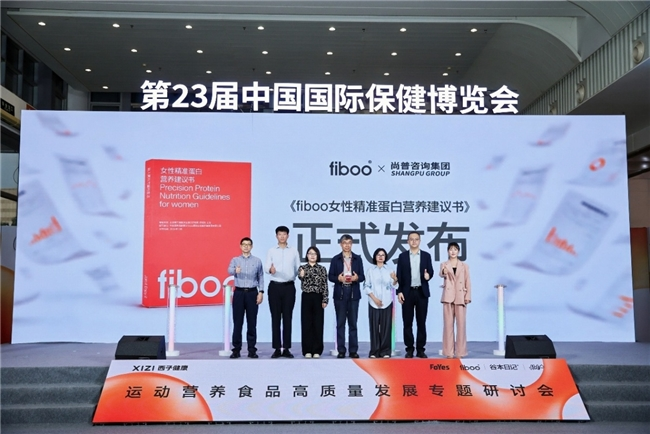
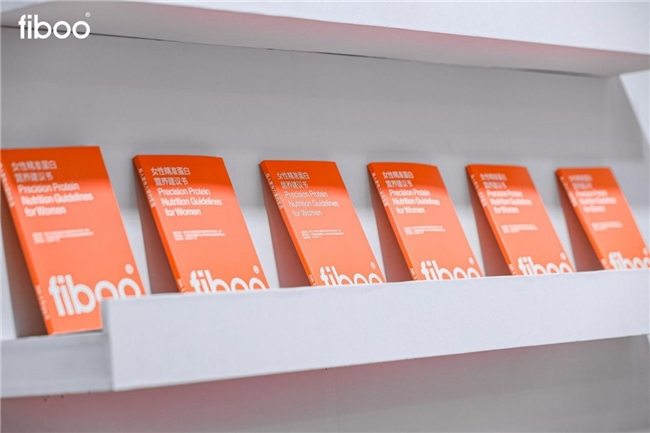
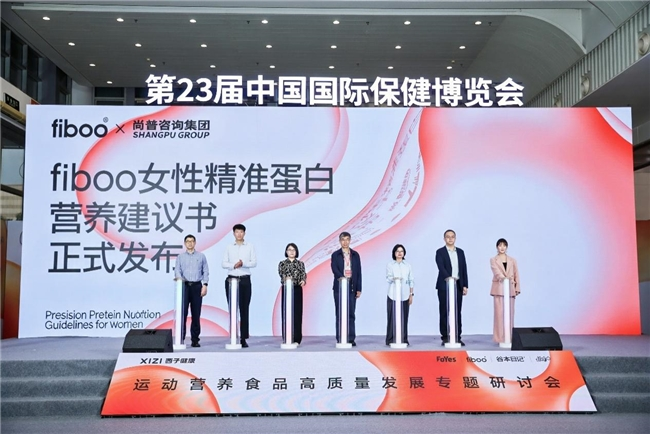
作为本次研讨会的重要成果,fiboo菲珀《女性精准蛋白营养建议书》在现场正式发布。该建议书由fiboo菲珀品牌的专业营养研发团队与尚普咨询集团有限公司合作编写,面向18至45岁女性,围绕蛋白营养基础科普、分人群分阶段补给参考及日常营养方案思路等内容展开。

建议书针对女性在体虚低运动、孕期产后、薄肌、增肌、减脂塑形及气血养护等不同状态下的营养需求,从饮食、运动和蛋白补给三个维度梳理相关知识,尝试将“什么时候补、补什么、补多少、怎么选”等问题转化为更直观、可执行的日常指引,帮助女性建立科学的蛋白营养认知,为合理选择营养补充方式提供依据。

发布现场举行了建议书立柱启动仪式。中国保健协会食物营养与安全分会产业服务部主任张芳芳、中国海洋大学副教授刘炎峻、上海师范大学教授张钧、原北京大学第三医院运动医学研究所研究员艾华、北京工商大学教授李赫、尚普咨询集团有限公司商务总监谢晓雪、湖南西子健康集团股份有限公司高级研发总监王雪梅等嘉宾共同参与并见证发布。

圆桌对话凝聚共识,产学研协作护航品质发展

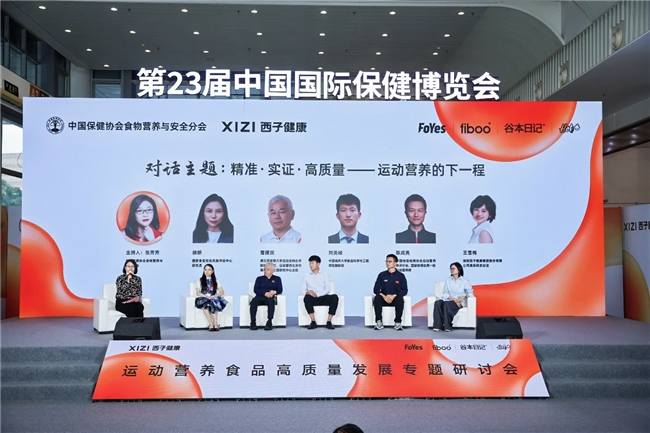
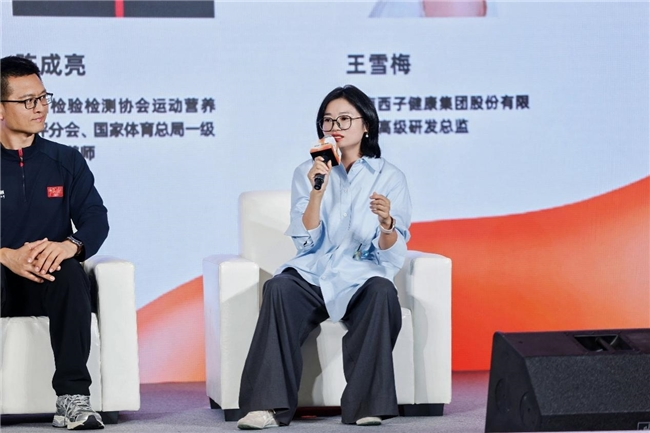
圆桌对话环节,由中国保健协会食物营养与安全分会产业服务部主任张芳芳担任主持工作,国家食品安全风险评估中心研究员徐娇、原北京大学第三医院运动医学研究所研究员艾华、北京体育大学运动生物化学教研室主任原曹建民、中国海洋大学副教授刘炎峻、中国检验检测协会运动营养测评分会/国家体育总局一级运动营养师陈成亮、湖南西子健康集团股份有限公司高级研发总监王雪梅六位嘉宾,围绕“精准· 实证·高质量,运动营养发展的下一程”这一主议题,从学术研究、临床应用、产品研发到市场落地多维度,结合各自研究与实践经验展开深度讨论与交流。

湖南西子健康集团股份有限公司高级研发总监王雪梅表示,fiboo品牌做精准蛋白这件事,真正想做的是让女性运动人群的需求被行业看见。让需求被看见,最终要体现为具体的产品:面向不同生活阶段与运动需求的女性,提供配方清晰、成分透明、有研究依据的蛋白补给方案;同时把科研成果转成可执行的产品标准,把专业共识讲成消费者听得懂的科普。在这件事上,品牌愿意长期投入,也需要协会、高校与企业一起推动。

从科研证据积累到营养知识普及,从细分人群研究到产品品质保障,圆桌对话呈现出与会专家及行业对精准化、科学化和规范化发展的重点关注。会议期间,多方共同发起的“精准适配·品质护航”国民健康运动营养保障倡议,也为加强行业协同、完善消费者教育、促进科研成果交流提供了行动方向。

《女性精准蛋白营养建议书》的发布,是fiboo菲珀围绕女性精准营养开展研究梳理与科学普及的一次实践,也为消费者理解蛋白营养、结合自身需求获取科学参考提供了文本支持。

未来,fiboo菲珀将持续投入精准营养相关的研究梳理与科普交流,推动建议书内容与消费者教育、日常运动场景进一步衔接。随着协会、高校、科研机构与企业之间的协作不断深化,运动营养行业有望在科学研究、规范表达与品质保障等方面积累更多成果,为公众形成运动与营养相结合的健康生活方式提供支持。


注:文/龚作仁,文章来源:Laborer,本文为作者独立观点,不代表亿邦动力立场。

文章来源:Laborer

广告
微信
朋友圈

FAQ回顾

女性运动人群为什么需要独立的蛋白质营养建议?

女性不是“缩小版的男性”。经典蛋白质需要量研究多以男性运动员为对象,现有指南多为男性数据外推;女性体脂更高、去脂体重更低,还受生理期内分泌变化影响,需要独立评估视角。按不同女性人群分层,运动女性的蛋白质需求明显高于普通成年女性。

fiboo《女性精准蛋白营养建议书》面向哪些人群,包含哪些内容?

该建议书面向18至45岁女性,围绕蛋白营养基础科普、分人群分阶段补给参考及日常营养方案思路展开。针对体虚低运动、孕期产后、薄肌、增肌、减脂塑形及气血养护等不同状态,从饮食、运动和蛋白补给三个维度梳理知识,将“什么时候补、补什么、补多少、怎么选”转化为日常指引。

我国运动营养食品市场规模和增长趋势如何?

艾媒咨询报告显示,2024年我国运动营养食品市场规模突破90亿元;2025年达到约114.2亿元,同比增长约17.6%,高于食品行业平均增速。蛋白粉细分市场2025年规模超过42.2亿元,同比增长25.6%。白皮书预测,2026年至2030年市场规模将从128.4亿元增长至209.3亿元。

不同运动类型应如何选择蛋白质补充方案?

运动类型决定营养策略:抗阻训练主要扰动肌原纤维蛋白合成和分解,耐力运动优先扰动线粒体蛋白合成,高强度间歇运动兼有两类特征。运动后可选择吸收快、亮氨酸含量高的乳清蛋白;长时间空腹或夜间可用缓释酪蛋白;素食或乳糖不耐人群可用大豆等植物蛋白。蛋白粉是补足膳食缺口的便利选择,是否需要取决于全天饮食能否完成目标。

运动营养行业为什么强调分人群、分场景的精准营养?

消费人群日益多元化,不同年龄、生理阶段、运动习惯与日常饮食结构对应差异化营养需求,通用化信息难以充分覆盖。行业正尝试将“人群适配”从理念落地为可执行的分人群、分场景营养方案,同时关注科研证据、个体差异、规范表达与品质保障,以推动运动营养产业高质量发展。

这么好看,分享一下?

朋友圈 分享

APP内打开

赞 +1
+1
微信好友 朋友圈 新浪微博 QQ空间
关闭
收藏成功
发送
/140 0