广告
加载中

让日常积累成为复习依据 成者AI学习探索自主学习新方式

龚作仁 2026-11-11 14:31
龚作仁 2026/11/11 14:31

邦小白快读

EN
全文速览

总1:文章核心是把日常作业、试卷和笔记转化为可复习的积累,形成采集、理解、归档、再练的学习闭环。

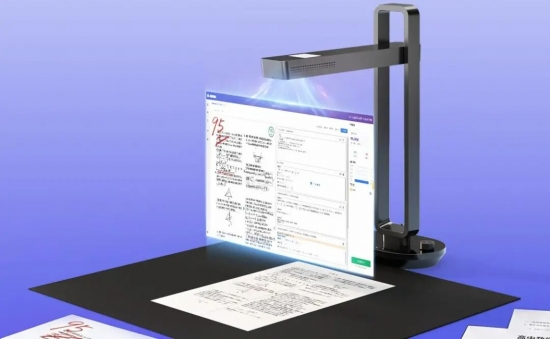
1.实操起点是纸质资料采集,用高清图像采集、AI优图和曲面展平改善光照不均、阴影和书页弯曲,保留文字、公式、图形及手写步骤。

2.理解环节可搭配豆包、DeepSeek等大模型持续追问,解释知识点、比较解题方法,并用自己的语言整理要点。

3.保存环节借助ima、WorkBuddy等工具整理错题、笔记和材料,形成个人学习资料库。

总2:家庭复习要抓记录可用和持续更新。

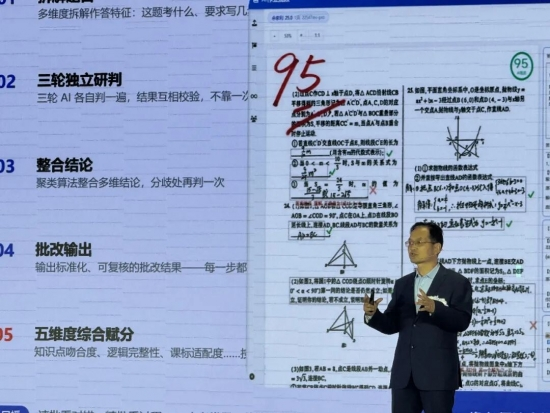
1.保留手写作答,把题目与原有作答一起交给AI分析,围绕具体步骤讨论错因。

2.围绕学科、知识点或错误类型组织记录,解决整理过却没有用起来的问题。

3.多次资料汇集后,用AI梳理反复出错和已改善问题,安排复习重点,并把新作答与此前错题对照补充理解。

总1:文章呈现家庭学习场景的产品组合与用户痛点,可作为品牌营销和产品研发参考。

1.产品组合是成者ET28 Plus高拍仪、学习电脑与多个AI工具,线下元知AI学习体验中心按诊断、讲透、复述、归档、再练组织学习。

2.产品研发关注纸质内容采集质量,用高清图像采集、AI优图、曲面展平处理光照不均、阴影和书页弯曲,保留文字、公式、图形及手写步骤。

3.用户行为上,家庭存在错题分散、笔记散落、解题思路缺少整理的问题,家长希望了解孩子近期解决了什么、还有哪些困难。

总2:品牌价值主张可围绕资料找得到、问题有记录、复习有依据。

1.线下体验中心提供场景化展示,把试卷分析、错题笔记和诊断记录整理进知识库。

2.消费趋势指向日常积累的持续复用,从一张试卷走向个人知识库。

3.品牌沟通可强调归档连接前后两次学习,让每次问答和错题记录成为后续练习回顾的参考。

总1:文章的需求变化和机会集中在家庭学习资料整理与持续复用。

1.消费需求从单次答疑延伸到作业、试卷、笔记的连接,痛点是错题分散、笔记写在课本边缘、解题思路缺少整理,复习时重新翻找。

2.机会是AI自习室和体验中心组合使用高拍仪、学习电脑与多个AI工具,按诊断、讲透、复述、归档、再练组织学习。

3.可学习点是归档连接前后两次学习,弄懂的知识和错题暴露的问题都留下记录,为后续练习回顾提供参考。

总2:经营中要关注记录可用和持续更新。

1.围绕学科、知识点或错误类型组织记录,避免整理过却没有用起来。

2.多次作业和考试资料汇集后,用AI梳理反复出错和已改善问题,安排复习重点。

3.完成针对性练习后,把新作答与此前错题对照并补充理解;文章未涉及扶持政策和平台政策,需以资料持续更新为运营重点。

总1:文章对扫描类产品的生产和设计提出具体要求。

1.采集端需要高清图像采集、AI优图和曲面展平技术,改善光照不均、阴影和书页弯曲的影响。

2.设计效果要尽可能保留文字、公式、图形及手写步骤,让课本、作业本和试卷内容转为数字资料。

3.产品要与学习电脑、多个大模型及知识管理工具组合使用,形成采集、理解、归档、再练的完整链路。

总2:商业机会和数字化启示来自家庭学习资料整理。

1.线下元知AI学习体验中心把成者ET28 Plus高拍仪、学习电脑与AI工具组合,验证组合应用场景。

2.家庭中散落错题、笔记和解题思路需要整理,纸质内容数字化后可供AI分析和个人资料库沉淀。

3.推进数字化时可保留手写作答过程,把题目与原有作答一起交给AI分析,围绕具体步骤补充错题记录。

总1:行业趋势是AI学习进入家庭辅导,并从单次问答延伸到资料整理和持续复用。

1.技术组合包括扫描设备的视觉输入、豆包和DeepSeek等大模型的理解能力,以及ima、WorkBuddy等知识管理工具。

2.应用场景覆盖作业、试卷和笔记的连接,让日常学习记录成为后续复习可用的积累。

3.线下案例元知AI学习体验中心用成者ET28 Plus高拍仪、学习电脑与多个AI工具,按诊断、讲透、复述、归档、再练组织学习。

总2:客户痛点和解决方案指向记录可查可用。

1.痛点是错题分散、笔记散落、解题思路缺少整理,孩子复习时要重新翻找,甚至重复解决已讨论的问题。

2.方案是采集纸质资料、保留手写作答、交AI分析错因、用自己的语言整理要点并归档。

3.围绕学科、知识点或错误类型组织记录,多次资料汇集后用AI梳理反复出错和已改善问题,持续更新资料库。

总1:文章提供的线下学习空间样本,可用于理解家庭学习场景的工具组合与运营流程。

1.元知AI学习体验中心将成者ET28 Plus高拍仪、学习电脑与多个AI工具组合使用。

2.学习流程按诊断、讲透、复述、归档、再练组织,学生围绕试卷分析问题、理解知识后整理错题笔记和诊断记录。

3.归档连接前后两次学习,使一次问答中弄懂的知识和一道错题暴露的问题都能留下记录。

总2:平台相关需求集中在资料采集、整理和复用。

1.家庭学习存在错题分散、笔记散落、解题思路缺少整理的问题,需要扫描设备、大模型和知识管理工具协同。

2.运营中要围绕学科、知识点或错误类型组织记录,避免整理过却没有用起来。

3.文章强调资料找得到、问题有记录、复习有依据;未直接涉及平台招商、扶持政策和运营规则,风向规避应关注学习记录持续更新与可用性。

总1:产业新动向是AI学习从工具应用走向学习资料持续利用。

1.成者探索将AI学习应用于家庭辅导,并延伸至学习资料整理与持续复用,连接日常作业、试卷和笔记。

2.技术路径是扫描设备获取纸质内容,大模型理解分析,知识管理工具沉淀资料。

3.实践案例是元知AI学习体验中心用高拍仪、学习电脑与多个AI工具,按诊断、讲透、复述、归档、再练组织学习。

总2:新问题和商业模式启示围绕个人知识库与学习闭环。

1.问题包括整理过却没有用起来、保存大量资料却不清楚哪些与当前问题相关。

2.解法是围绕学科、知识点或错误类型组织记录,多次资料汇集后由AI梳理反复出错和已改善问题。

3.商业模式体现为学习内容持续利用,从一张试卷到个人知识库;学习记录持续更新,家长可依据记录了解孩子进展,文章未涉及政策法规建议。

返回默认
声明:快读内容全程由AI生成,请注意甄别信息。如您发现问题,请发送邮件至 run@ebrun.com 。

我是 品牌商 卖家 工厂 服务商 平台商 研究者 帮我再读一遍。

Quick Summary

Summary 1: The article's core idea is to turn daily homework, exam papers, and notes into reviewable accumulated material, forming a learning loop of capture, understanding, archiving, and re-practice.

1. The practical starting point is paper-based collection: high-resolution image capture, AI image enhancement, and curved-surface flattening mitigate uneven lighting, shadows, and page curvature while preserving text, formulas, diagrams, and handwritten steps.

2. For understanding, users can keep prompting large models such as Doubao and DeepSeek to explain concepts, compare solution methods, and summarize key points in their own words.

3. For saving, tools such as ima and WorkBuddy help organize wrong questions, notes, and materials into a personal learning resource library.

Summary 2: Home review should focus on records that are usable and continuously updated.

1. Preserve handwritten answers and give both the question and original answer to AI for analysis, discussing the causes of errors around specific steps.

2. Organize records by subject, knowledge point, or error type to address the problem of material being organized but not used.

3. After accumulating multiple sets of materials, use AI to identify recurring errors and issues that have improved, set review priorities, and compare new answers with earlier wrong questions to deepen understanding.

Summary 1: The article presents the product mix and user pain points in the home learning scenario, offering a reference for brand marketing and product R&D.

1. The product mix includes the CZUR ET28 Plus overhead scanner, a learning computer, and multiple AI tools; the offline Yuanzhi AI Learning Experience Center organizes learning around diagnosis, thorough explanation, retelling, archiving, and re-practice.

2. Product R&D focuses on the quality of paper-content capture, using high-resolution image capture, AI image enhancement, and curved-surface flattening to handle uneven lighting, shadows, and page curvature while preserving text, formulas, diagrams, and handwritten steps.

3. In terms of user behavior, families face scattered wrong questions, dispersed notes, and a lack of organized solution approaches; parents want to know what their child has recently solved and what difficulties remain.

Summary 2: The brand value proposition can center on materials being findable, problems being recorded, and review being evidence-based.

1. The offline experience center provides scenario-based demonstrations and organizes exam analysis, wrong-question notes, and diagnostic records into a knowledge base.

2. The consumer trend points to continuous reuse of daily accumulation, moving from a single exam paper to a personal knowledge base.

3. Brand communication can emphasize that archiving connects two learning sessions, making each Q&A and wrong-question record a reference for later practice and review.

Summary 1: The article's demand shifts and opportunities center on organizing and continuously reusing home learning materials.

1. Consumer demand is extending from one-off Q&A to connecting homework, exam papers, and notes; the pain points are scattered wrong questions, notes written in textbook margins, and unorganized solution approaches, which force families to search again during review.

2. The opportunity is that AI study rooms and experience centers combine overhead scanners, learning computers, and multiple AI tools, organizing learning around diagnosis, thorough explanation, retelling, archiving, and re-practice.

3. A key takeaway is that archiving connects two learning sessions: both knowledge understood and problems exposed by wrong questions leave records that serve as references for later review.

Summary 2: Operations should focus on records that are usable and continuously updated.

1. Organize records by subject, knowledge point, or error type to avoid the problem of material being organized but not used.

2. After multiple homework and exam materials are collected, use AI to identify recurring errors and issues that have improved, and set review priorities.

3. After targeted practice, compare new answers with earlier wrong questions and supplement understanding; the article does not cover support policies or platform policies, so operations should focus on continuous updating of materials.

Summary 1: The article sets specific requirements for the production and design of scanning products.

1. The capture side requires high-resolution image capture, AI image enhancement, and curved-surface flattening to mitigate uneven lighting, shadows, and page curvature.

2. The design outcome should preserve text, formulas, diagrams, and handwritten steps as much as possible, converting textbooks, exercise books, and exam papers into digital materials.

3. Products should be used together with learning computers, multiple large models, and knowledge management tools to form a complete chain of capture, understanding, archiving, and re-practice.

Summary 2: Business opportunities and digitalization insights come from organizing home learning materials.

1. The offline Yuanzhi AI Learning Experience Center combines the CZUR ET28 Plus overhead scanner, a learning computer, and AI tools, validating combined application scenarios.

2. Scattered wrong questions, notes, and solution ideas in homes need organization; once paper content is digitized, it can be analyzed by AI and accumulated in a personal library.

3. When advancing digitalization, preserve the handwritten answer process, give the question and original answer to AI for analysis, and supplement wrong-question records around specific steps.

Summary 1: The industry trend is that AI learning is entering home tutoring and extending from one-off Q&A to material organization and continuous reuse.

1. The technology stack includes visual input from scanning devices, understanding capabilities of large models such as Doubao and DeepSeek, and knowledge management tools such as ima and WorkBuddy.

2. Application scenarios cover connecting homework, exam papers, and notes, turning daily learning records into accumulated material usable for later review.

3. The offline case, the Yuanzhi AI Learning Experience Center, uses the CZUR ET28 Plus overhead scanner, a learning computer, and multiple AI tools, organizing learning around diagnosis, thorough explanation, retelling, archiving, and re-practice.

Summary 2: Customer pain points and solutions point to records that are searchable and usable.

1. The pain points are scattered wrong questions, dispersed notes, and a lack of organized solution approaches; children must search again during review and may even re-solve issues already discussed.

2. The solution is to capture paper materials, preserve handwritten answers, give them to AI for error-cause analysis, summarize key points in one's own words, and archive them.

3. Organize records by subject, knowledge point, or error type; after multiple sets of materials are collected, use AI to identify recurring errors and issues that have improved, and continuously update the resource library.

Summary 1: The offline learning-space sample in the article can help platforms understand the tool mix and operating process in home learning scenarios.

1. The Yuanzhi AI Learning Experience Center combines the CZUR ET28 Plus overhead scanner, a learning computer, and multiple AI tools.

2. The learning process is organized around diagnosis, thorough explanation, retelling, archiving, and re-practice; students analyze problems through exam papers, understand knowledge, and then organize wrong-question notes and diagnostic records.

3. Archiving connects two learning sessions, so that both knowledge understood in a Q&A and problems exposed by a wrong question leave records.

Summary 2: Platform-related demand centers on material capture, organization, and reuse.

1. Home learning faces scattered wrong questions, dispersed notes, and a lack of organized solution approaches, requiring coordination among scanning devices, large models, and knowledge management tools.

2. In operations, organize records by subject, knowledge point, or error type to avoid the problem of material being organized but not used.

3. The article emphasizes materials being findable, problems being recorded, and review being evidence-based; it does not directly address platform recruitment, support policies, or operating rules, so trend-risk avoidance should focus on the continuous updating and usability of learning records.

Summary 1: The new industry direction is AI learning moving from tool application toward continuous use of learning materials.

1. CZUR is exploring the application of AI learning in home tutoring and extending it to learning-material organization and continuous reuse, connecting daily homework, exam papers, and notes.

2. The technical path is scanning devices acquiring paper content, large models understanding and analyzing it, and knowledge management tools depositing the materials.

3. The practice case is the Yuanzhi AI Learning Experience Center, which uses an overhead scanner, a learning computer, and multiple AI tools, organizing learning around diagnosis, thorough explanation, retelling, archiving, and re-practice.

Summary 2: New issues and business-model insights center on the personal knowledge base and the learning loop.

1. Issues include material being organized but not used, and large amounts of material being saved without clarity about which items relate to the current problem.

2. The solution is to organize records by subject, knowledge point, or error type; after multiple sets of materials are collected, AI sorts recurring errors and issues that have improved.

3. The business model reflects continuous use of learning content, moving from a single exam paper to a personal knowledge base; learning records are continuously updated, and parents can track their child's progress based on records; the article does not address policy or regulatory recommendations.

Disclaimer: The "Quick Summary" content is entirely generated by AI. Please exercise discretion when interpreting the information. For issues or corrections, please email run@ebrun.com .

I am a Brand Seller Factory Service Provider Marketplace Seller Researcher Read it again.

近日,成者正探索将AI学习应用于家庭辅导,并延伸至学习资料的整理与持续复用。通过扫描设备获取纸质内容,搭配大模型进行理解和分析,再借助知识管理工具沉淀资料,成者尝试把日常作业、试卷和笔记连接起来,让每次学习留下的记录,成为后续复习可以使用的积累。

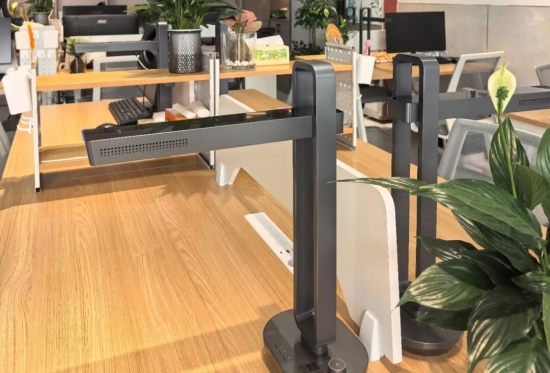
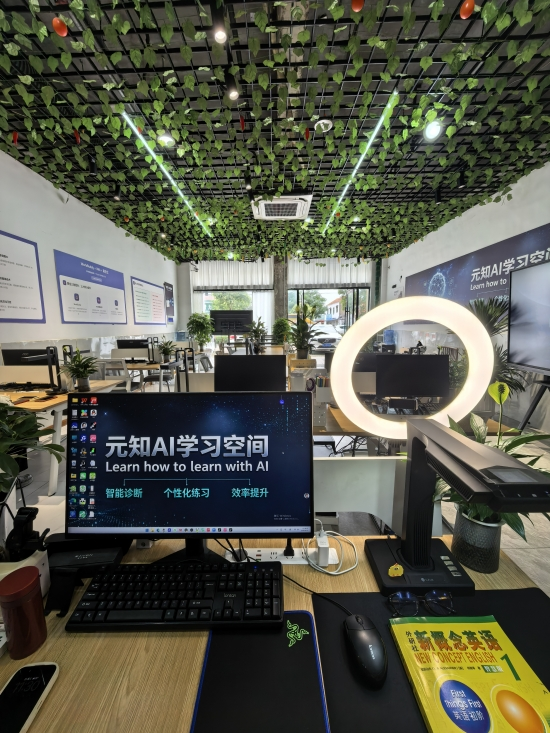
这一思路已在线下学习空间中展开实践。位于安徽蚌埠固镇的元知AI学习体验中心,将成者ET28 Plus高拍仪、学习电脑与多个AI工具组合使用,通过“诊断、讲透、复述、归档、再练”组织学习。学生围绕试卷分析问题、理解知识后,将错题、笔记和诊断记录整理进知识库,再开展针对性练习。

在这一AI自习室案例中,“归档”连接着前后两次学习。一次问答中弄懂的知识、一道错题暴露的问题,都可以留下记录,为后续练习和回顾提供参考。这也让成者AI学习对知识积累的支持,有了具体的应用场景。

类似的需求,同样存在于日常家庭学习中。散落在不同试卷上的错题、写在课本边缘的笔记,以及交流中获得的解题思路,都可能包含重要线索。如果缺少整理,孩子复习时往往需要重新翻找,甚至再次花时间解决已经讨论过的问题。

成者AI学习首先从纸质资料的采集入手。通过高清图像采集、AI优图和曲面展平等技术,改善光照不均、阴影和书页弯曲的影响,尽可能保留文字、公式、图形及手写步骤。原本分散在课本、作业本和试卷中的内容,由此能够转为数字资料,为后续整理和分析建立基础。

对于习惯手写作答的学生,保留解题过程尤其重要。同一道错题,可能源于概念理解不完整,也可能出在审题或计算环节。将题目与原有作答一同交给AI分析,可以围绕具体步骤讨论原因,给错题记录补充有价值的信息,也便于日后回看当时的思路。

在理解环节,成者AI学习可以搭配豆包、DeepSeek等多个大模型使用。孩子能够针对疑问持续追问,要求解释某个知识点、比较不同解题方法,并结合教材和教师讲解核对内容。经过理解后,用自己的语言整理要点,可以让笔记更贴近个人的学习困难。

这些内容还需要有合适的保存和组织方式。成者介绍的AI学习思路,将扫描设备的视觉输入、大模型的理解能力与知识管理工具结合起来。借助ima、WorkBuddy等工具,错题、笔记和相关材料可以得到整理,逐步形成供孩子查阅和复盘的个人学习资料库。

这样的积累回应了“整理过,却没有用起来”的复习难题。有些孩子花了不少时间抄写错题,临近考试时却仍要从头翻找;还有些孩子保存了大量资料,却不清楚哪些内容与当前问题相关。围绕学科、知识点或错误类型组织记录,可以为查找和回顾提供更清晰的线索。

当多次作业和考试资料汇集起来,复习也就有了更长时间范围的参考。学生可以借助AI梳理哪些知识点反复出错,哪些问题已经在后续练习中得到改善,再据此安排复习重点。对于一再出现的错误,还可以回看此前的分析和笔记,判断是否需要重新理解概念或调整练习方式。

学习记录也需要持续更新。完成针对性练习后,将新的作答与此前错题对照,再补充自己的理解,能够让资料库反映学习进展。家长也可以结合这些记录,了解孩子近期解决了什么问题、还有哪些困难,使家庭交流有更具体的依据。

从一张试卷到逐步积累的个人知识库,成者AI学习探索的是学习内容的持续利用。让资料找得到、问题有记录、复习有依据,能够使日常投入形成可以不断回顾和完善的积累,帮助孩子在整理与验证中,更清楚地认识自己的学习情况。

注:文/龚作仁,文章来源:Laborer,本文为作者独立观点,不代表亿邦动力立场。

文章来源:Laborer

广告
微信
朋友圈

FAQ回顾

成者AI学习是什么?

成者AI学习是面向家庭辅导和自主学习的一种学习方案,通过扫描设备采集纸质作业、试卷和笔记,搭配豆包、DeepSeek等大模型进行理解和分析,再用ima、WorkBuddy等知识管理工具归档,让日常学习记录成为后续复习依据。

成者AI学习在AI自习室中如何组织学习流程?

在安徽蚌埠固镇元知AI学习体验中心,成者将ET28 Plus高拍仪、学习电脑与多个AI工具组合,按“诊断、讲透、复述、归档、再练”组织学习。学生围绕试卷分析问题、理解知识后,把错题、笔记和诊断记录整理进知识库,再开展针对性练习。

学生手写试卷和笔记如何转成可复习的数字资料?

成者AI学习先用高清图像采集、AI优图和曲面展平技术,改善光照不均、阴影和书页弯曲的影响,尽可能保留文字、公式、图形及手写步骤,把分散在课本、作业本和试卷中的内容转为数字资料,为后续整理和分析建立基础。

家庭辅导中如何解决错题整理后没有用起来的问题?

可按学科、知识点或错误类型组织错题、笔记和诊断记录,形成个人学习资料库;复习时借助AI梳理哪些知识点反复出错、哪些问题已在后续练习中改善,再回看此前分析和笔记,据此安排复习重点与针对性练习。

成者AI学习可搭配哪些大模型和知识管理工具?

成者AI学习在理解环节可搭配豆包、DeepSeek等多个大模型使用,支持孩子针对疑问持续追问、解释知识点和比较不同解题方法;在资料整理环节可借助ima、WorkBuddy等工具,将错题、笔记和相关材料整理成个人学习资料库。

这么好看,分享一下?

朋友圈 分享

APP内打开

赞 +1
+1
微信好友 朋友圈 新浪微博 QQ空间
关闭
收藏成功
发送
/140 0