广告
加载中

从佩戴到交互全面升级:乐奇Rokid发布Rokid Glasses 2 让AI眼镜更自然地融入日常

龚作仁 2026-10-27 17:33
龚作仁 2026/10/27 17:33

邦小白快读

EN
全文速览

总1:新品核心信息与到手价

1. Rokid Glasses 2黑色经典款官方售价3699元,国补到手3199元;优雅玳瑁色3849元,国补到手3349元;乐奇充电胶囊2代599元。

2. 定位是带显示功能的AI眼镜,从信息提示工具走向贴近日常的个人AI终端。

总2:实用干货

1. 佩戴:方圆框设计,光机体积比上一代减少30%、总长缩短1mm,柔性镜腿、更大张角与更大鼻托接触面积;磁吸定制配镜与墨镜夹片可满足近视、远视、散光、老花。

2. 显示:彩虹纹降低60%、反射率降低70%、耦入光栅效率提高30%。

3. 续航:电池263mAh提升25%,充电盒1500mAh,30分钟充至90%,满电可为眼镜充电6次,满足一周使用,并兼容第一代眼镜。

4. AI与影像:AI会议纪要可整理总结与待办;支持89种语言通话翻译与双向音色克隆;即时回溯与全天回溯可找回对话关键信息;拍前预览解决盲拍,1200万像素,支持4K 30fps、2K 60fps。

总1:品牌定位与价格策略

1. 发布会主题为“更智能,更出彩”,一次推出黑色经典与优雅玳瑁两种配色,形成3699元与3849元两个价格带,并以国补到手价3199元与3349元强化价格吸引力。

2. 品牌叙事强调不是单纯增加功能,而是重新定义人们使用智能设备的方式,把技术放回会议、沟通、创作与出行等真实生活场景,减少低头与切换。

总2:产品研发与用户行为洞察

1. 研发围绕佩戴舒适、显示自然、声音清晰、影像可用、AI自然交互展开,直指眼镜形态的可用性痛点:光机小型化、彩虹纹与反射干扰、盲拍。

2. 消费场景上抓会议记录、跨语言沟通、亲子陪伴、旅行记录与日常创作,并用自定义唤醒词、抬头唤醒降低交互门槛。

3. 渠道与生态上联合小红书、美团、腾讯出行服务、什么值得买,覆盖本地服务搜索、外卖提示、扫码开柜、一句话叫车、识别商品,把品牌触达嵌入日常服务入口。

总1:政策与价格层面的机会

1. 国补直接体现为到手价:黑色经典款3199元、玳瑁色3349元,低于官方售价3699元与3849元,利于降低首购门槛、提升转化。

2. 配件复购点明确:乐奇充电胶囊2代599元,且兼容第一代眼镜,存量用户可单独购买。

总2:需求变化与生态机会

1. 需求从信息提示转向记录、理解与办事:AI会议纪要、89种语言通话翻译、即时回溯与全天回溯,会议、跨语言沟通、无障碍等细分场景出现机会。

2. 服务分发入口增多:与小红书、美团、腾讯出行服务、什么值得买合作,落地本地服务搜索、外卖信息提示、扫码开柜、一句话叫车、识别商品。

3. 开发者扶持:平台已有45000名以上注册开发者、12000个以上智能体、700个以上上架智能体、100个以上AIUI智能体;Spatial Joy 2026全球开发大赛设500万元奖金池与100万美元Token支持。

4. 风险提示:文章未披露销量、渠道与售后数据,落地节奏与场景使用频次仍需观察。

总1:产品设计与生产需求

1. 结构件小型化:全新方圆框设计,光机体积较上一代减少30%、总长缩短1mm,对精密结构件与装配精度提出更高要求。

2. 光学工艺:耦入光栅特殊镀膜、全域超低反镀膜及纳米级沟槽纹理设计,带来镀膜与纹理加工环节需求。

3. 声学与拾音:全新AAC扬声器单元,针对振膜材料刚性、后腔与出声口优化;4个全向麦克风加1个骨传导麦克风的多麦方案。

4. 影像硬件:定制1GM5P玻塑混合镜头组,1200万像素摄像头。

总2:商业机会与配套环节

1. 计算架构采用高通AR1+Gen1与恒玄BES2800BP双芯片、Android与RTOS双系统,对主板、散热与功耗调试提出配套要求。

2. 配件形成配套订单:磁吸定制配镜、墨镜夹片、第二代充电胶囊(单颗335mAh、充电盒1500mAh)。

3. 电池升级至263mAh、提升25%,电池与充电模组是稳定的配套生产方向。

总1:行业趋势与新技术

1. 趋势:AI眼镜从信息提示工具升级为个人AI终端,围绕佩戴、显示、声音、影像与AI体验一体化迭代。

2. 新技术:高通AR1+Gen1与恒玄BES2800BP双芯片加Android与RTOS双系统协同,按任务分配性能与功耗;耦入光栅特殊镀膜、全域超低反镀膜与纳米级沟槽纹理提升光效;AAC扬声器单元支持杜比认证音效;骨传导加多麦阵列提升拾音。

总2:客户痛点与解决方案

1. 佩戴与视力适配痛点:柔性镜腿、更大镜腿张角、更大鼻托接触面积与亲肤材质,配磁吸定制配镜与墨镜夹片。

2. 显示干扰痛点:彩虹纹降低60%、反射率降低70%、耦入光栅效率提高30%。

3. 盲拍痛点:新增拍前预览,先确认取景范围与画面边界;配合HDR、RAW14与夜景防抖。

4. 记录与沟通痛点:AI会议纪要生成总结与待办,89种语言通话翻译覆盖微信通话、飞书会议、Teams,并支持双向音色克隆。

5. 无障碍痛点:听障用户获多人说话区分、字幕记录与总结;视障场景与京东探索研究院JoyAI-VL-Interaction、京东JoyInside合作提供主动语音提示与实时交互。

总1:生态平台的最新做法

1. 以开放生态把眼镜从能回答推向能办事:与Qoder探索眼镜发起AI编程任务,与千问办公拓展AI辅助办公,与WorkBuddy协作发起AI工作任务。

2. 生活服务入口化:与小红书、美团、腾讯出行服务、什么值得买合作,覆盖本地服务搜索、外卖信息提示、扫码开柜、一句话叫车与识别商品。

3. 平台资产数据:注册开发者超过45000名,已开发智能体超过12000个,已上架智能体超过700个,已上架AIUI智能体超过100个。

总2:招商、运营与风向规避

1. 招商抓手:Spatial Joy 2026全球开发大赛设500万元总奖金池与总价值100万美元Token支持,面向眼镜Agent生态招募开发者。

2. 运营细节:支持用户自定义AI助手唤醒词与快捷指令、抬头唤醒预设功能;充电胶囊兼容第一代眼镜,利于维护存量用户。

3. 风向规避:场景合作分散在办公、编程、本地生活、出行等多方,需持续观察智能体上架活跃度与真实使用频次,避免生态空转。

总1:产业新动向与技术路线

1. 产品演进路径清晰:从信息提示工具到协助记录与理解,再到通过开放生态能办事,最终指向个人AI终端形态。

2. 技术路线值得关注:双芯片异构(高通AR1+Gen1与恒玄BES2800BP)加Android与RTOS双系统协同,按任务分配性能与功耗;光学上用耦入光栅特殊镀膜、全域超低反镀膜与纳米级沟槽纹理,实现彩虹纹降低60%、反射率降低70%、耦入光栅效率提高30%。

3. 无障碍成为AI落地方向:听障的多人说话区分、字幕记录与总结;视障与京东探索研究院JoyAI-VL-Interaction、京东JoyInside合作探索主动守护。

总2:商业模式与新问题

1. 生态模式:45000名以上开发者、12000个以上智能体、700个以上上架智能体、100个以上AIUI智能体,叠加500万元奖金池与100万美元Token的赛事激励,形成智能体供给机制。

2. 价格机制:3699元与3849元官方价,配合国补到手3199元与3349元,消费电子定价已嵌入补贴变量。

3. 新问题:全天回溯与第一视角拍摄涉及隐私与记录边界,双向音色克隆涉及合规,跨办公、本地生活、出行多方的场景合作存在碎片化与整合难题。

返回默认
声明:快读内容全程由AI生成,请注意甄别信息。如您发现问题,请发送邮件至 run@ebrun.com 。

我是 品牌商 卖家 工厂 服务商 平台商 研究者 帮我再读一遍。

Quick Summary

Summary 1: Core product information and final prices

1. Rokid Glasses 2 in Classic Black is officially priced at RMB 3,699, or RMB 3,199 after the national subsidy; the Elegant Tortoiseshell version is RMB 3,849, or RMB 3,349 after the subsidy; the Leqi Charging Capsule Gen 2 is RMB 599.

2. It is positioned as AI glasses with a display, evolving from an information-prompt tool toward an everyday personal AI terminal.

Summary 2: Practical takeaways

1. Wearability: a rounded-square frame design, with the optical engine volume reduced by 30% and total length shortened by 1 mm versus the previous generation; flexible temples, a larger temple opening angle, and a larger nose-pad contact area. Magnetic custom prescription lenses and sunglasses clip-ons support myopia, hyperopia, astigmatism, and presbyopia.

2. Display: rainbow artifacts reduced by 60%, reflectivity reduced by 70%, and in-coupling grating efficiency increased by 30%.

3. Battery life: the 263 mAh battery is up 25%; the charging case is 1,500 mAh and charges to 90% in 30 minutes; a full case can recharge the glasses six times, covering a week of use, and is compatible with the first-generation glasses.

4. AI and imaging: AI meeting notes can generate summaries and action items; call translation supports 89 languages and two-way voice cloning; instant and all-day recall can retrieve key information from conversations; pre-capture preview solves blind shooting; 12 MP camera supports 4K at 30 fps and 2K at 60 fps.

Summary 1: Brand positioning and pricing strategy

1. The launch theme is “Smarter, More Brilliant”; two colors—Classic Black and Elegant Tortoiseshell—create two price bands of RMB 3,699 and RMB 3,849, while after-subsidy prices of RMB 3,199 and RMB 3,349 strengthen price appeal.

2. The brand narrative emphasizes not simply adding features but redefining how people use smart devices, bringing technology back into real-life scenarios such as meetings, communication, creation, and travel, and reducing head-down screen time and task switching.

Summary 2: Product R&D and user-behavior insights

1. R&D focuses on comfortable wear, natural display, clear sound, usable imaging, and natural AI interaction, directly targeting usability pain points of the glasses form factor: optical-engine miniaturization, rainbow and reflection interference, and blind capture.

2. Consumer scenarios target meeting notes, cross-language communication, parent-child companionship, travel recording, and everyday creation, using custom wake words and look-up wake to lower interaction barriers.

3. On channels and ecosystem, it partners with Xiaohongshu, Meituan, Tencent Mobility Services, and SMZDM to cover local service search, food-delivery notifications, scan-to-open lockers, one-sentence ride-hailing, and product recognition, embedding brand touchpoints into daily service entry points.

Summary 1: Opportunities in policy and pricing

1. The national subsidy is directly reflected in final prices: RMB 3,199 for Classic Black and RMB 3,349 for Tortoiseshell, below official prices of RMB 3,699 and RMB 3,849, helping lower the first-purchase barrier and improve conversion.

2. The accessory repurchase point is clear: the Leqi Charging Capsule Gen 2 costs RMB 599 and is compatible with first-generation glasses, so existing users can buy it separately.

Summary 2: Demand shifts and ecosystem opportunities

1. Demand is shifting from information prompts to recording, understanding, and task execution: AI meeting notes, 89-language call translation, and instant and all-day recall create opportunities in meetings, cross-language communication, accessibility, and other segmented scenarios.

2. More service distribution entry points: partnerships with Xiaohongshu, Meituan, Tencent Mobility Services, and SMZDM enable local service search, food-delivery information prompts, scan-to-open lockers, one-sentence ride-hailing, and product recognition.

3. Developer support: the platform has more than 45,000 registered developers, more than 12,000 agents developed, more than 700 agents listed, and more than 100 AIUI agents; Spatial Joy 2026 global developer competition offers an RMB 5 million prize pool and US$1 million in Token support.

4. Risk note: the article does not disclose sales, channel, or after-sales data; deployment pace and frequency of use in scenarios still need observation.

Summary 1: Product design and production requirements

1. Miniaturized structural components: the new rounded-square frame design reduces optical-engine volume by 30% and total length by 1 mm versus the previous generation, placing higher demands on precision structural parts and assembly accuracy.

2. Optical processes: special coating for the in-coupling grating, full-area ultra-low-reflection coating, and nanoscale groove texture design create demand for coating and texture processing.

3. Acoustics and voice pickup: a new AAC speaker unit optimized for diaphragm material rigidity, rear cavity, and sound outlet; a multi-mic setup with four omnidirectional microphones plus one bone-conduction microphone.

4. Imaging hardware: a custom 1GM5P glass-plastic hybrid lens assembly and a 12 MP camera.

Summary 2: Business opportunities and supporting segments

1. The computing architecture uses Qualcomm AR1+Gen1 and Bestechnic BES2800BP dual chips with Android and RTOS dual systems, creating supporting requirements for motherboards, thermal management, and power-consumption tuning.

2. Accessories generate supporting orders: magnetic custom prescription lenses, sunglasses clip-ons, and the second-generation charging capsule (335 mAh per unit; 1,500 mAh charging case).

3. The battery is upgraded to 263 mAh, up 25%; batteries and charging modules are a stable supporting production direction.

Summary 1: Industry trends and new technologies

1. Trend: AI glasses are upgrading from information-prompt tools to personal AI terminals, iterating around an integrated experience of wearability, display, sound, imaging, and AI.

2. New technologies: Qualcomm AR1+Gen1 and Bestechnic BES2800BP dual chips plus Android and RTOS dual-system coordination allocate performance and power by task; special coating for the in-coupling grating, full-area ultra-low-reflection coating, and nanoscale groove texture improve optical efficiency; AAC speaker units support Dolby-certified audio; bone conduction plus a multi-mic array improves voice pickup.

Summary 2: Customer pain points and solutions

1. Wearability and vision-adaptation pain points: flexible temples, a larger temple opening angle, a larger nose-pad contact area, and skin-friendly materials, paired with magnetic custom prescription lenses and sunglasses clip-ons.

2. Display-interference pain points: rainbow artifacts reduced by 60%, reflectivity reduced by 70%, and in-coupling grating efficiency increased by 30%.

3. Blind-capture pain point: a new pre-capture preview confirms framing and image boundaries; supports HDR, RAW14, and night-scene stabilization.

4. Recording and communication pain points: AI meeting notes generate summaries and action items; 89-language call translation covers WeChat calls, Feishu meetings, and Teams, and supports two-way voice cloning.

5. Accessibility pain points: hearing-impaired users get multi-speaker differentiation, subtitle transcription and summaries; for visually impaired scenarios, partnerships with JD Explore Academy’s JoyAI-VL-Interaction and JD JoyInside provide proactive voice prompts and real-time interaction.

Summary 1: Latest ecosystem platform practices

1. Using an open ecosystem to move glasses from answering questions to getting things done: with Qoder, it explores initiating AI coding tasks through the glasses; with Qwen Office, it expands AI-assisted office work; with WorkBuddy, it collaborates to initiate AI work tasks.

2. Turning into life-service entry points: partnerships with Xiaohongshu, Meituan, Tencent Mobility Services, and SMZDM cover local service search, food-delivery information prompts, scan-to-open lockers, one-sentence ride-hailing, and product recognition.

3. Platform asset metrics: more than 45,000 registered developers, more than 12,000 agents developed, more than 700 agents listed, and more than 100 AIUI agents listed.

Summary 2: Developer recruitment, operations, and trend-risk avoidance

1. Recruitment lever: Spatial Joy 2026 global developer competition offers an RMB 5 million total prize pool and US$1 million in Token support, recruiting developers for the glasses Agent ecosystem.

2. Operational details: supports user-defined wake words and shortcuts for the AI assistant and preset look-up wake; the charging capsule is compatible with first-generation glasses, helping retain existing users.

3. Trend-risk avoidance: scenario partnerships are dispersed across office, coding, local life, and mobility players; it is necessary to continuously monitor agent listing activity and actual usage frequency to avoid an idle ecosystem.

Summary 1: New industry developments and technology routes

1. The product evolution path is clear: from information-prompt tool to assisted recording and understanding, then to getting things done through an open ecosystem, ultimately pointing toward the personal AI terminal form.

2. Technology routes worth watching: heterogeneous dual chips (Qualcomm AR1+Gen1 and Bestechnic BES2800BP) plus Android and RTOS dual-system coordination allocate performance and power by task; optically, special coating for the in-coupling grating, full-area ultra-low-reflection coating, and nanoscale groove texture achieve a 60% reduction in rainbow artifacts, a 70% reduction in reflectivity, and a 30% increase in in-coupling grating efficiency.

3. Accessibility is becoming an AI deployment direction: for hearing impairment, multi-speaker differentiation, subtitle transcription and summaries; for visual impairment, collaboration with JD Explore Academy’s JoyAI-VL-Interaction and JD JoyInside to explore proactive protection.

Summary 2: Business models and new issues

1. Ecosystem model: more than 45,000 developers, more than 12,000 agents, more than 700 listed agents, and more than 100 AIUI agents, combined with competition incentives of an RMB 5 million prize pool and US$1 million in Tokens, form an agent supply mechanism.

2. Pricing mechanism: official prices of RMB 3,699 and RMB 3,849, with after-subsidy prices of RMB 3,199 and RMB 3,349; consumer electronics pricing now embeds subsidy variables.

3. New issues: all-day recall and first-person capture involve privacy and recording boundaries; two-way voice cloning involves compliance; cross-sector scenario partnerships across office, local life, and mobility face fragmentation and integration challenges.

Disclaimer: The "Quick Summary" content is entirely generated by AI. Please exercise discretion when interpreting the information. For issues or corrections, please email run@ebrun.com .

I am a Brand Seller Factory Service Provider Marketplace Seller Researcher Read it again.

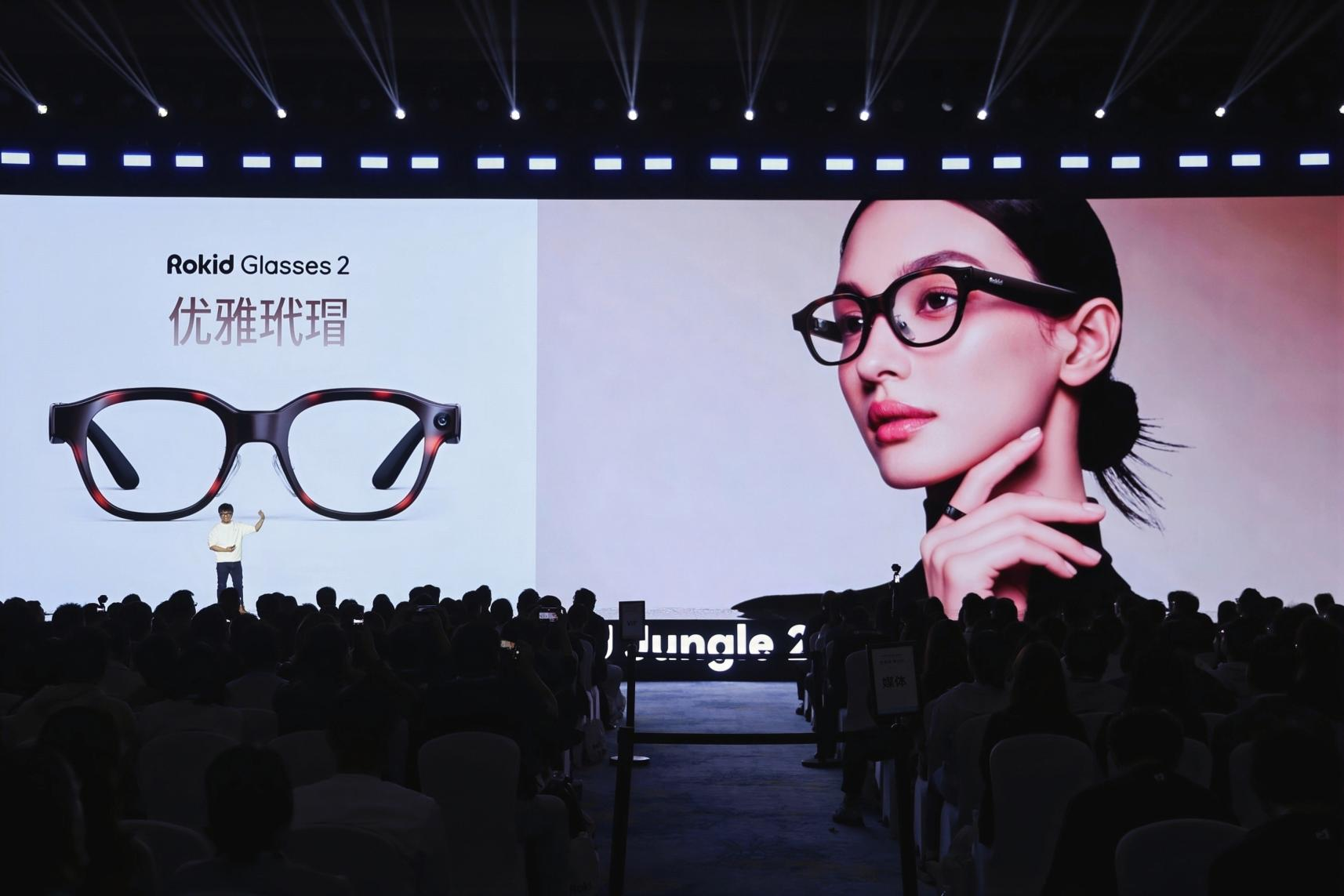
2026年10月27日,乐奇Rokid在主题为“更智能,更出彩”的Rokid Jungle 2026乐奇AI眼镜新品发布会上,正式推出新一代带显示功能的AI眼镜Rokid Glasses 2。Rokid Glasses 2黑色经典款官方售价3699,国补到手价3199,优雅玳瑁色官方售价3849,国补到手价3349;发布乐奇充电胶囊2代官方售价599。新品围绕佩戴、显示、声音、影像与AI体验全面升级,进一步推动AI眼镜从信息提示工具走向贴近日常生活的个人AI终端。

更舒适的佩戴,更自然的显示

Rokid Glasses 2采用全新方圆框设计,提供经典黑色与优雅玳瑁两种配色。光机体积较上一代减少30%,总长缩短1mm,鼻梁佩戴更加友好;柔性镜腿、更大的镜腿张角、更大的鼻托接触面积及亲肤材质,进一步提升贴合度与佩戴舒适性。磁吸定制配镜与墨镜夹片方案,则支持近视、远视、散光及老花等不同视力需求,让眼镜的实用性与智能能力兼得。

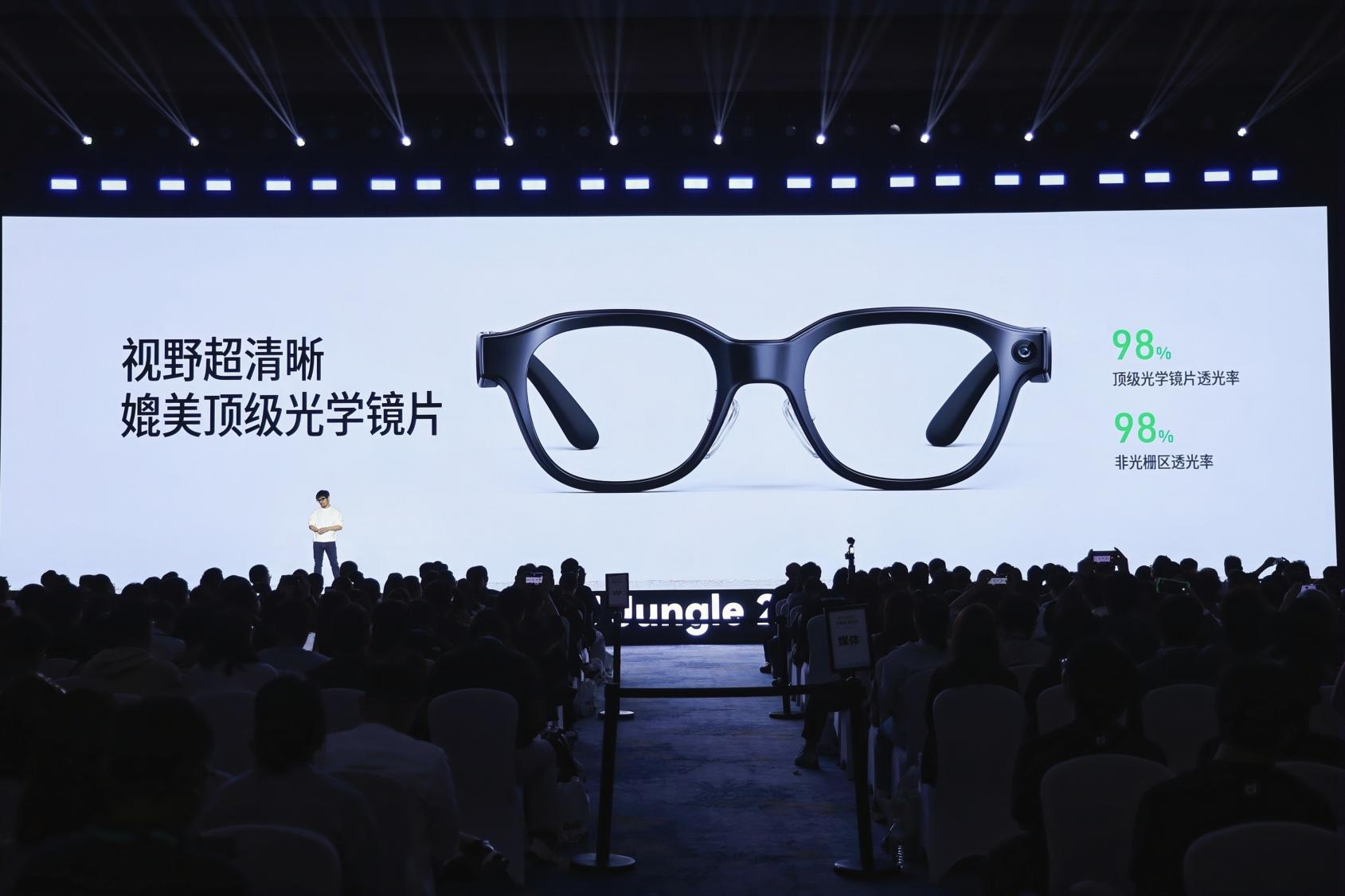
在显示体验上,Rokid Glasses 2通过耦入光栅特殊镀膜、全域超低反镀膜及纳米级沟槽纹理设计,在保持显示亮度的同时减少彩虹纹与反射干扰,提升光效率。相比上一代产品,彩虹纹降低60%,反射率降低70%,耦入光栅效率提高30%,帮助用户在获取数字信息的同时,保持清晰、自然的现实视野。

声音、续航与计算架构全面升级

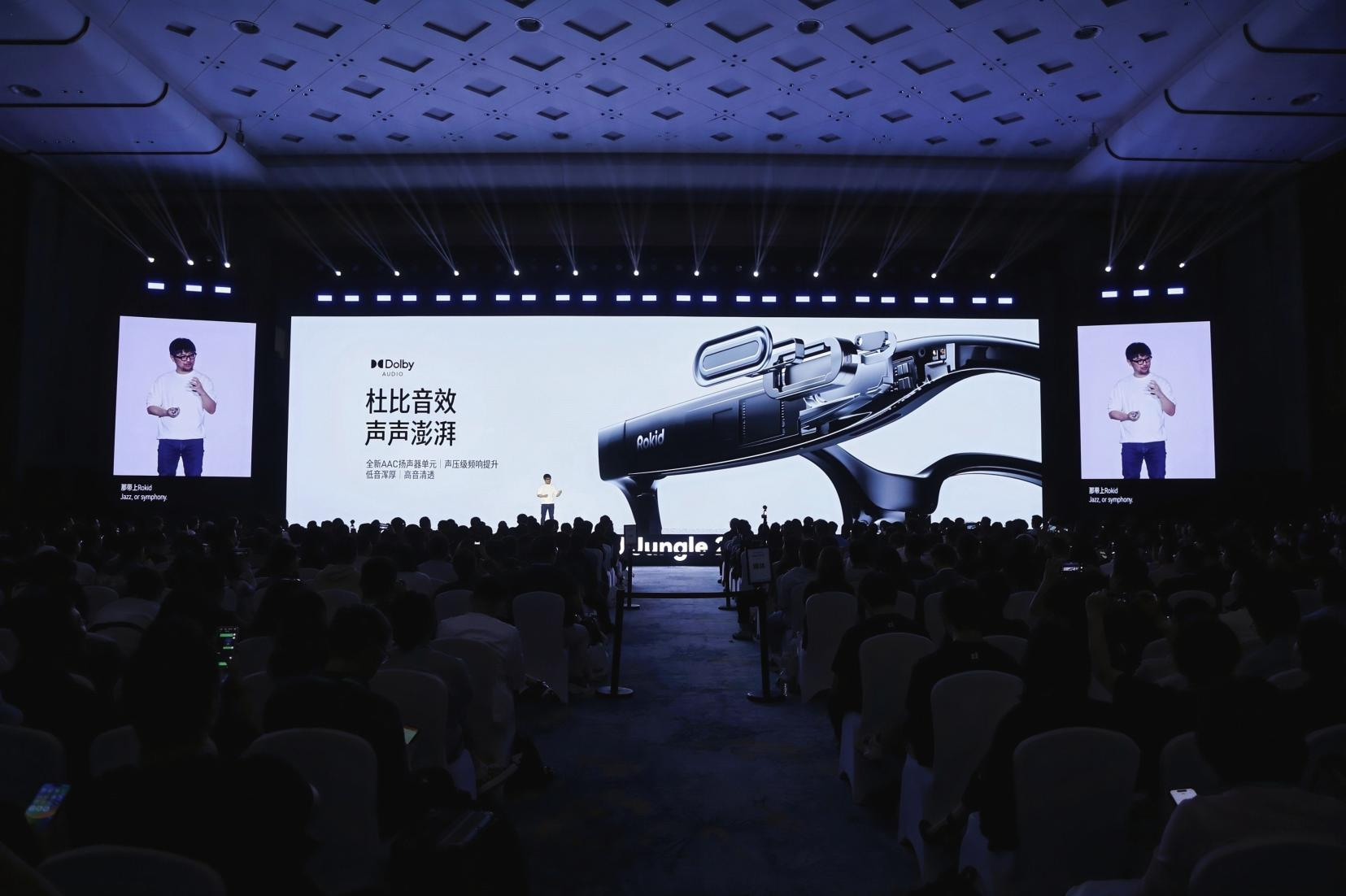
Rokid Glasses 2采用全新AAC扬声器单元,在不增加振膜体积的前提下提升频响,并针对振膜材料刚性、扬声器后腔及出声口进行优化,支持杜比认证音效,让音乐与语音内容更具层次。

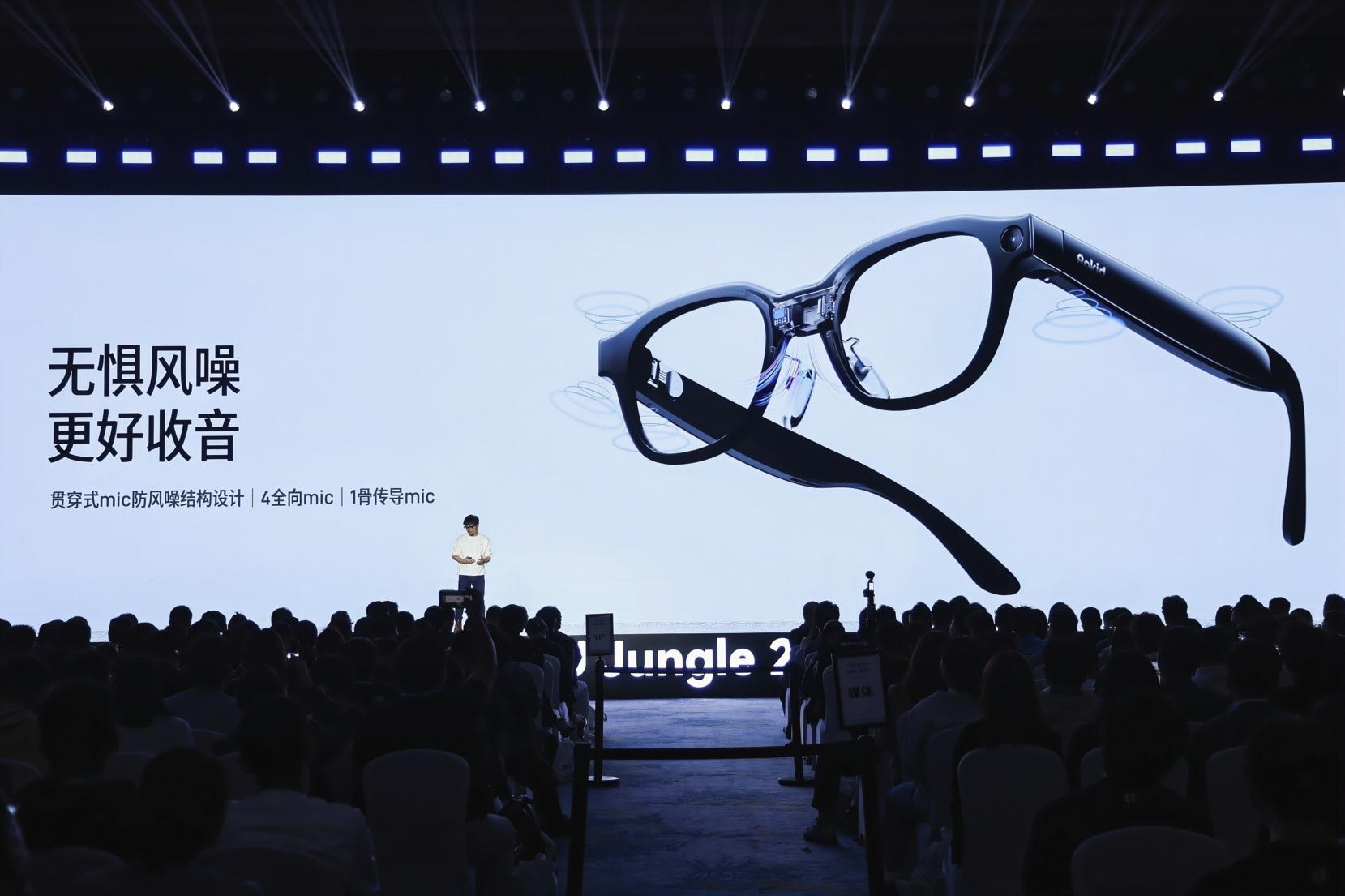
在拾音方面,产品搭载4个全向麦克风与1个骨传导麦克风,构成多麦克风收音方案,提升拾音准确性。用户轻声即可唤醒语音助手,通话与AI问答更加自然。

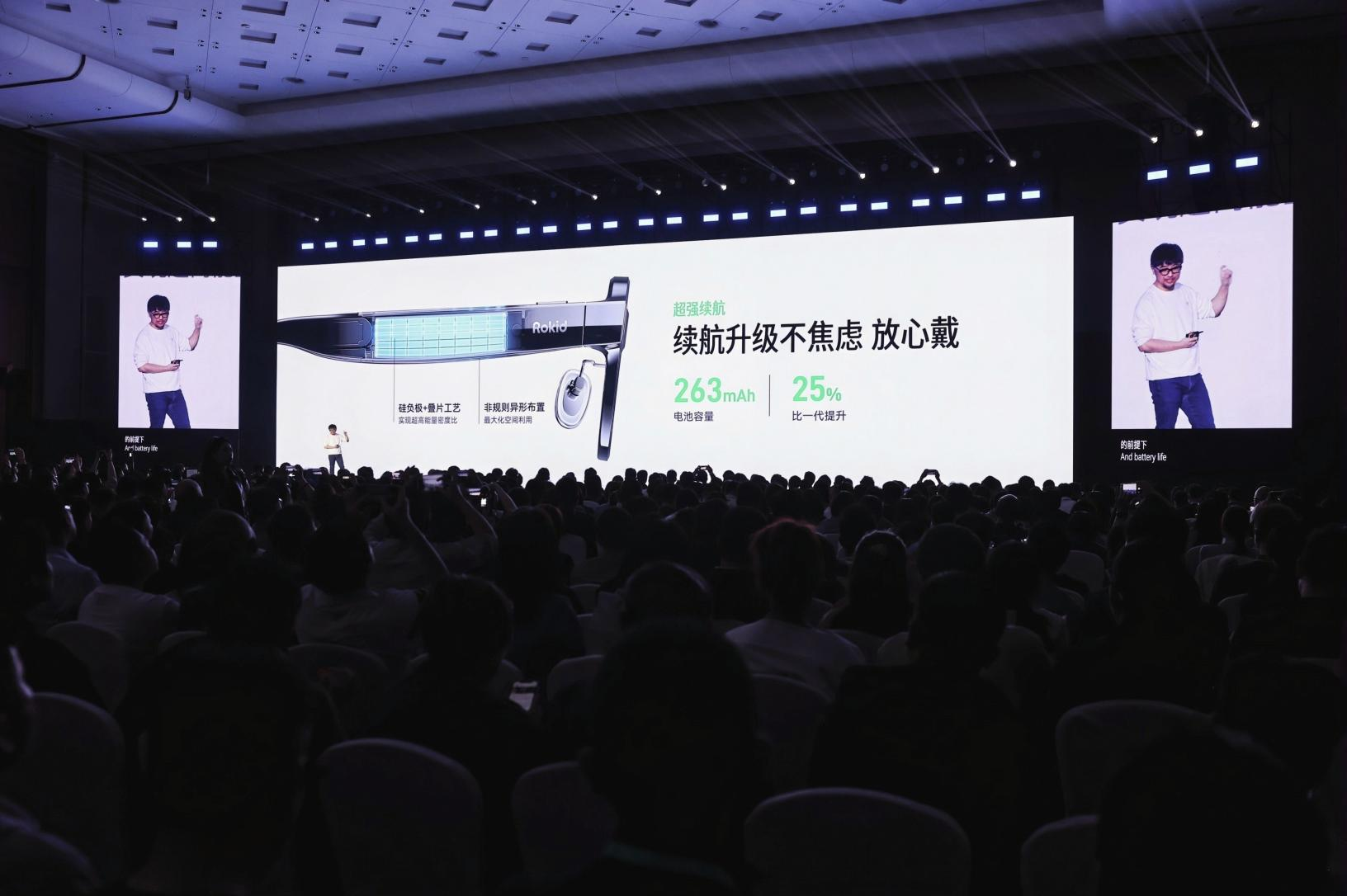
续航方面,Rokid Glasses 2将电池容量提升至263mAh,相比上一代增加25%。乐奇Rokid同步发布第二代充电胶囊,单颗电池容量为335mAh,充电盒容量提升至1500mAh;30分钟内可从0充至90%,充电效率提升14%。在充电盒与胶囊均满电的情况下,可为眼镜充电6次,满足一周使用需求,并兼容第一代眼镜。

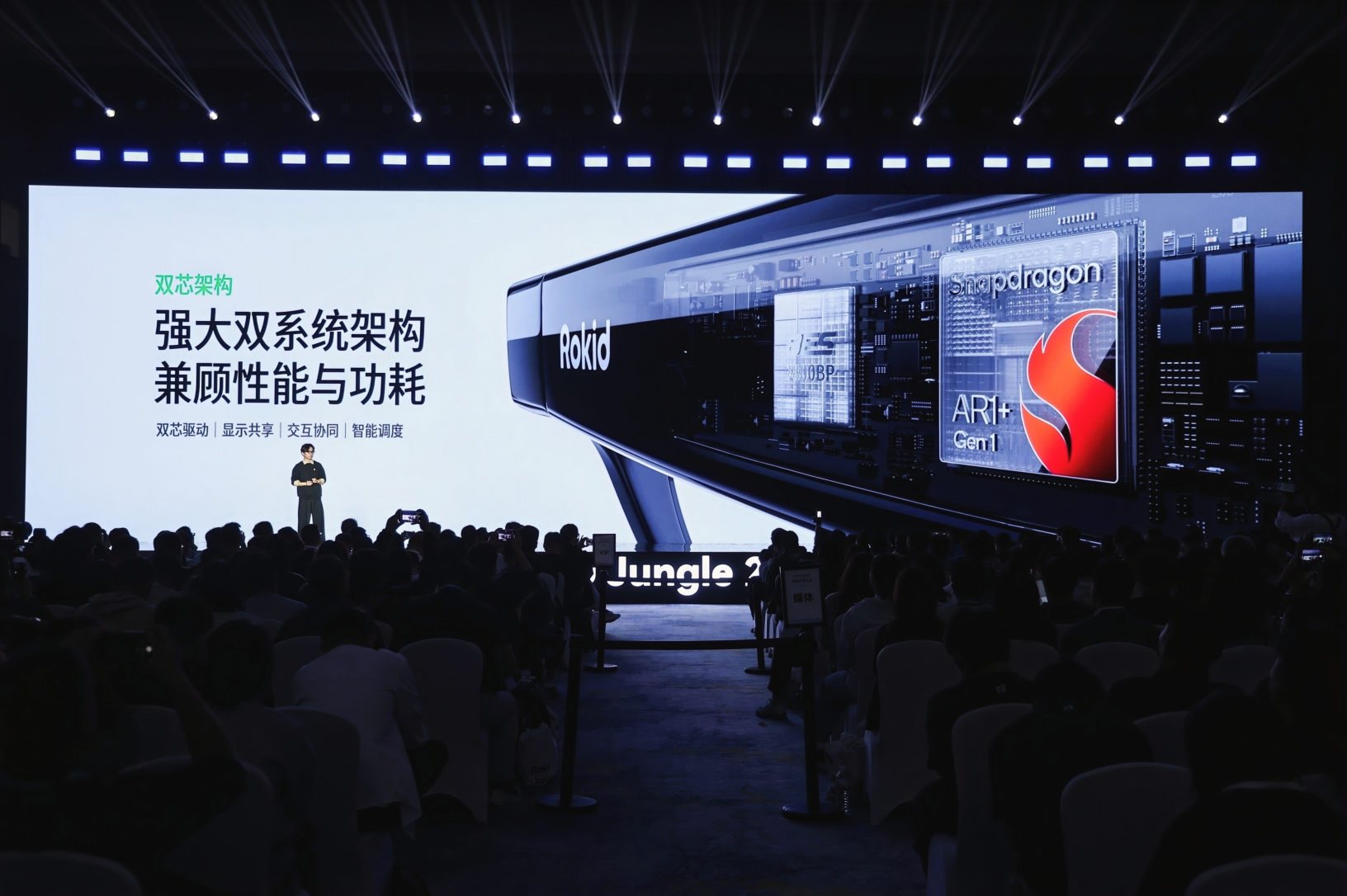
在计算架构上,Rokid Glasses 2搭载高通AR1+Gen1与恒玄BES2800BP双芯片,采用Android与RTOS双系统协同架构,根据不同任务对性能与功耗的需求灵活分配处理资源,在高性能处理与低功耗运行之间取得更好平衡。

AI从回答问题走向协助记录与理解

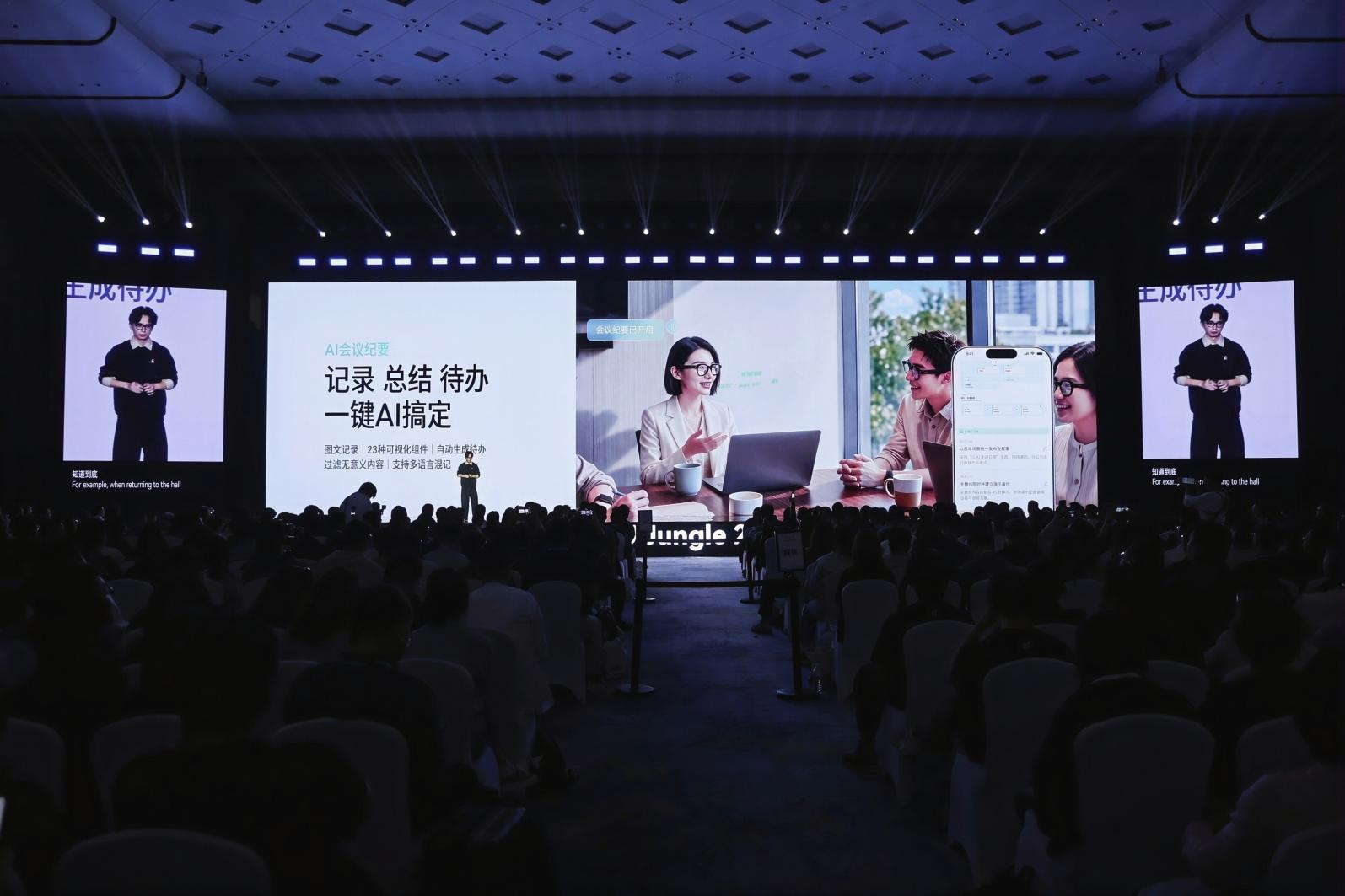
Rokid Glasses 2的AI能力围绕工作、沟通与日常记忆展开。AI会议纪要功能可结合声音与第一视角画面记录会议内容,并整理会议总结与待办事项,帮助用户将更多注意力留在交流本身。会议中的文字、白板思路及待跟进事项,也可以转化为后续查阅与行动的依据。

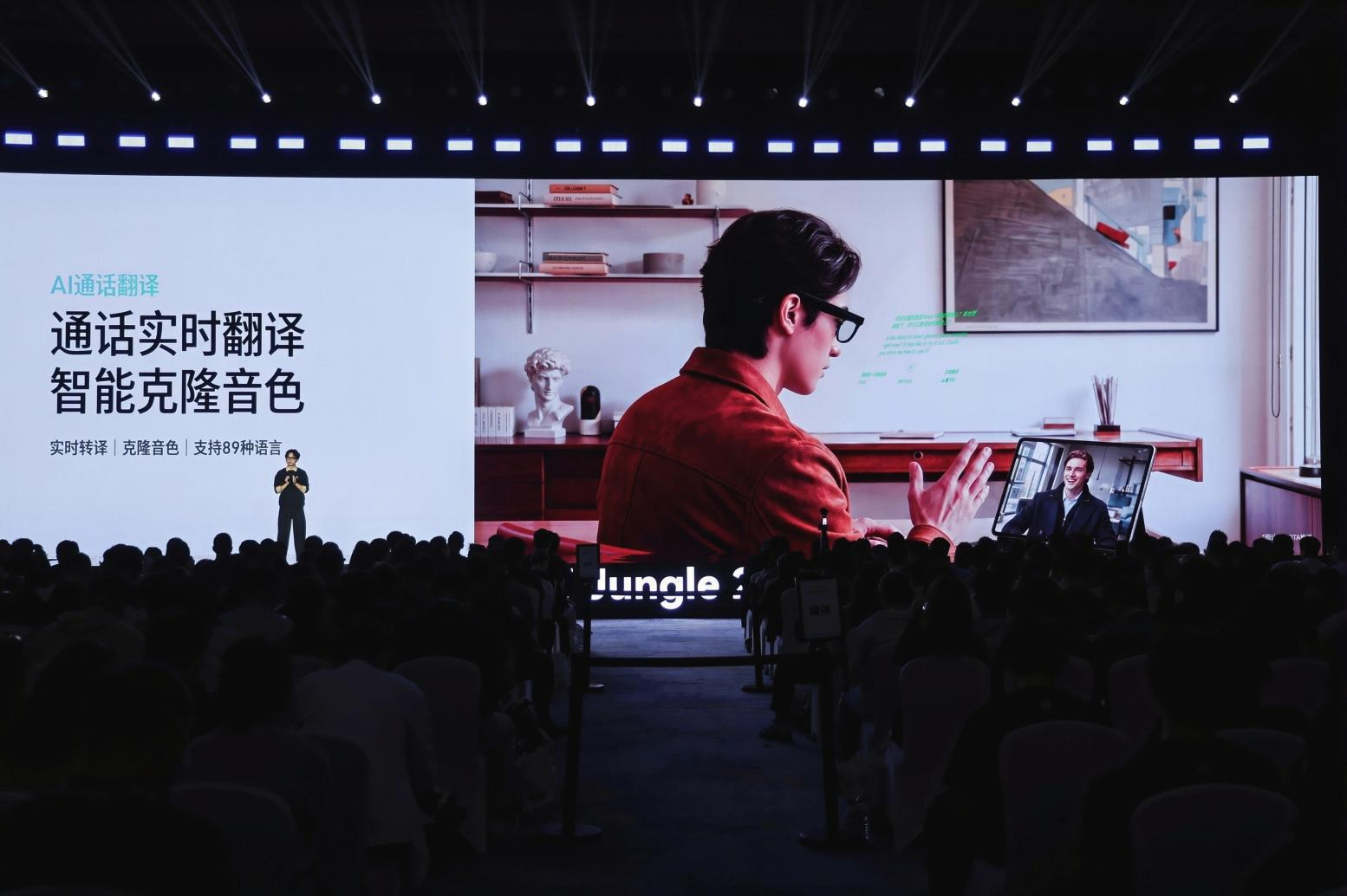
针对跨语言沟通,Rokid Glasses 2支持89种语言的AI通话翻译,覆盖微信通话、飞书会议、Teams等多种场景,并支持双向音色克隆,让用户能够用母语表达,同时尽可能保留原本的音色。

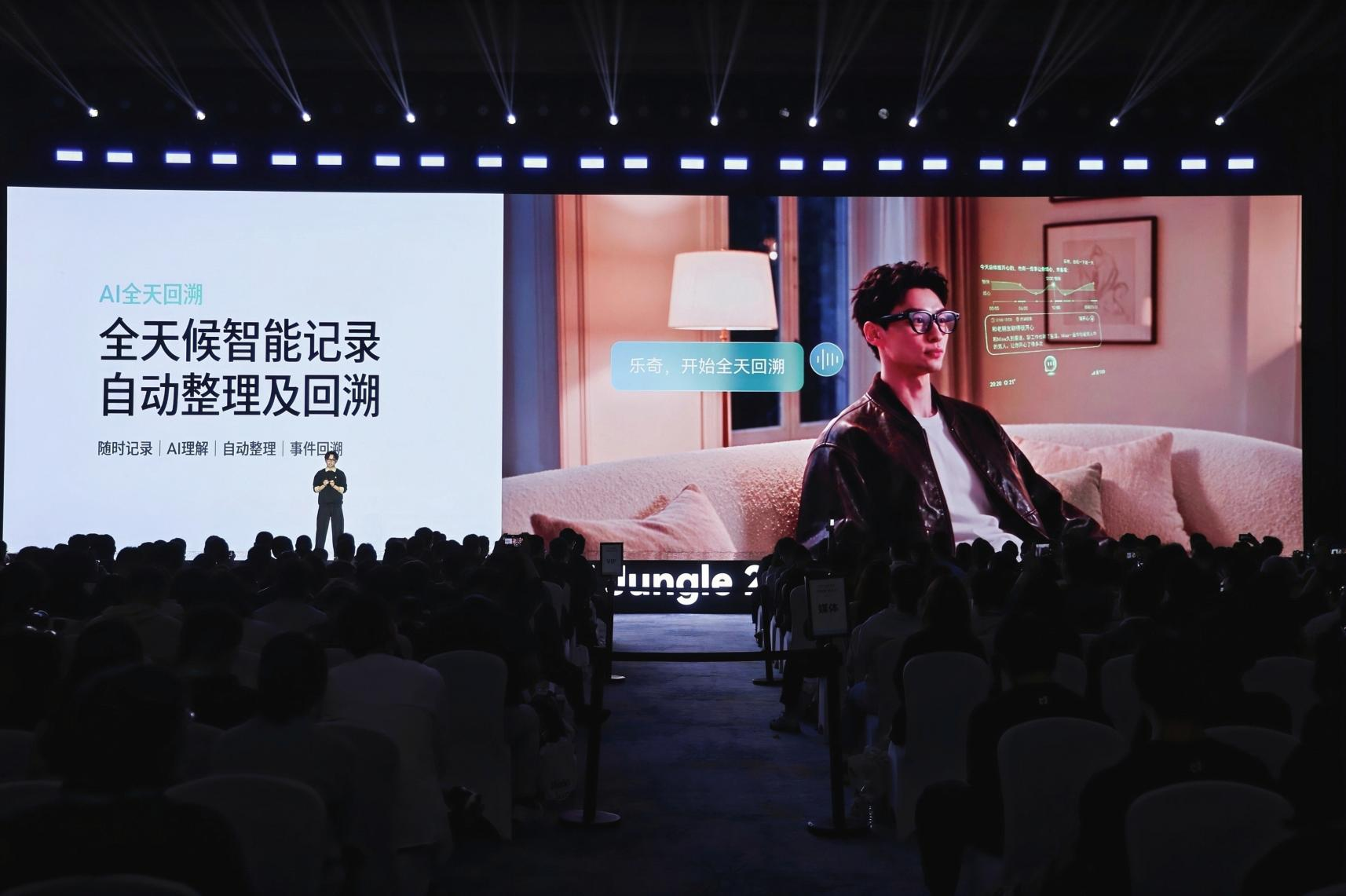
AI即时回溯与全天回溯能力,可以帮助用户找回“我刚才答应了什么”等对话关键信息,并基于对话、事件与照片之间的关联,梳理一天的经历、整理待办事项,甚至生成可编辑的生活记录。用户还可以自定义AI助手的唤醒词与快捷指令,通过抬头动作快速唤醒预设功能。

无障碍体验也是此次AI升级的重要方向。面向听障用户,产品提供多人说话区分、字幕记录与总结等能力;面向视障辅助场景,乐奇Rokid与京东探索研究院合作,引入京东JoyAI-VL-Interaction模型能力,并由京东JoyInside提供端到端接入服务,共同探索基于视觉理解的主动语音提示与实时交互,通过视觉提示、障碍提醒、主动寻物和实时语音反馈等“主动守护”能力,为视障人士带来更便捷的日常信息获取与交互体验。

第一视角影像,从“拍到”走向“拍好”

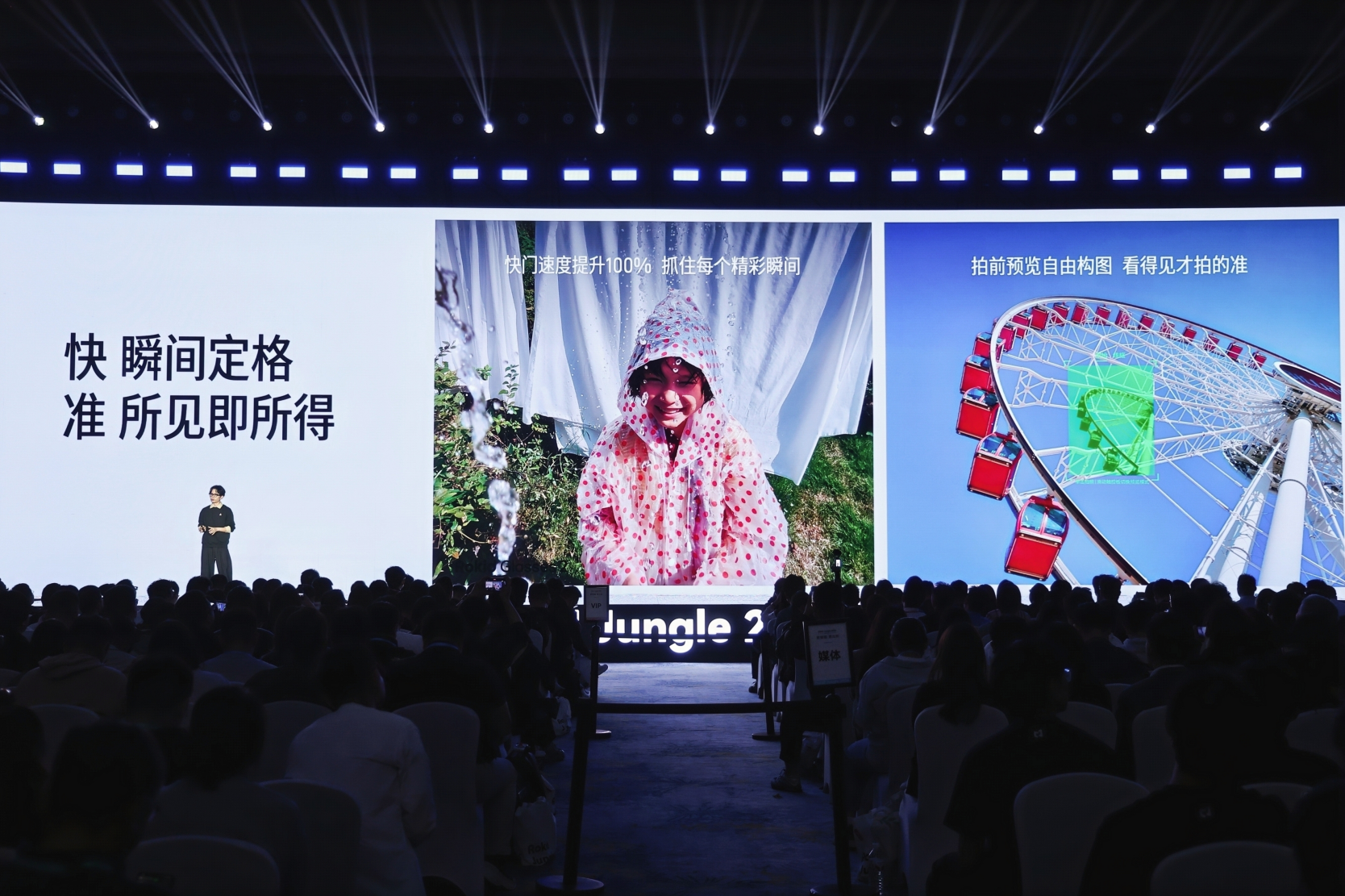
Rokid Glasses 2新增“拍前预览”功能,用户可以在按下快门前确认取景范围、判断画面边界,解决眼镜拍摄中“拍完才知道拍到了什么”的盲拍痛点,让第一视角记录从偶然捕捉走向更有意识的构图。

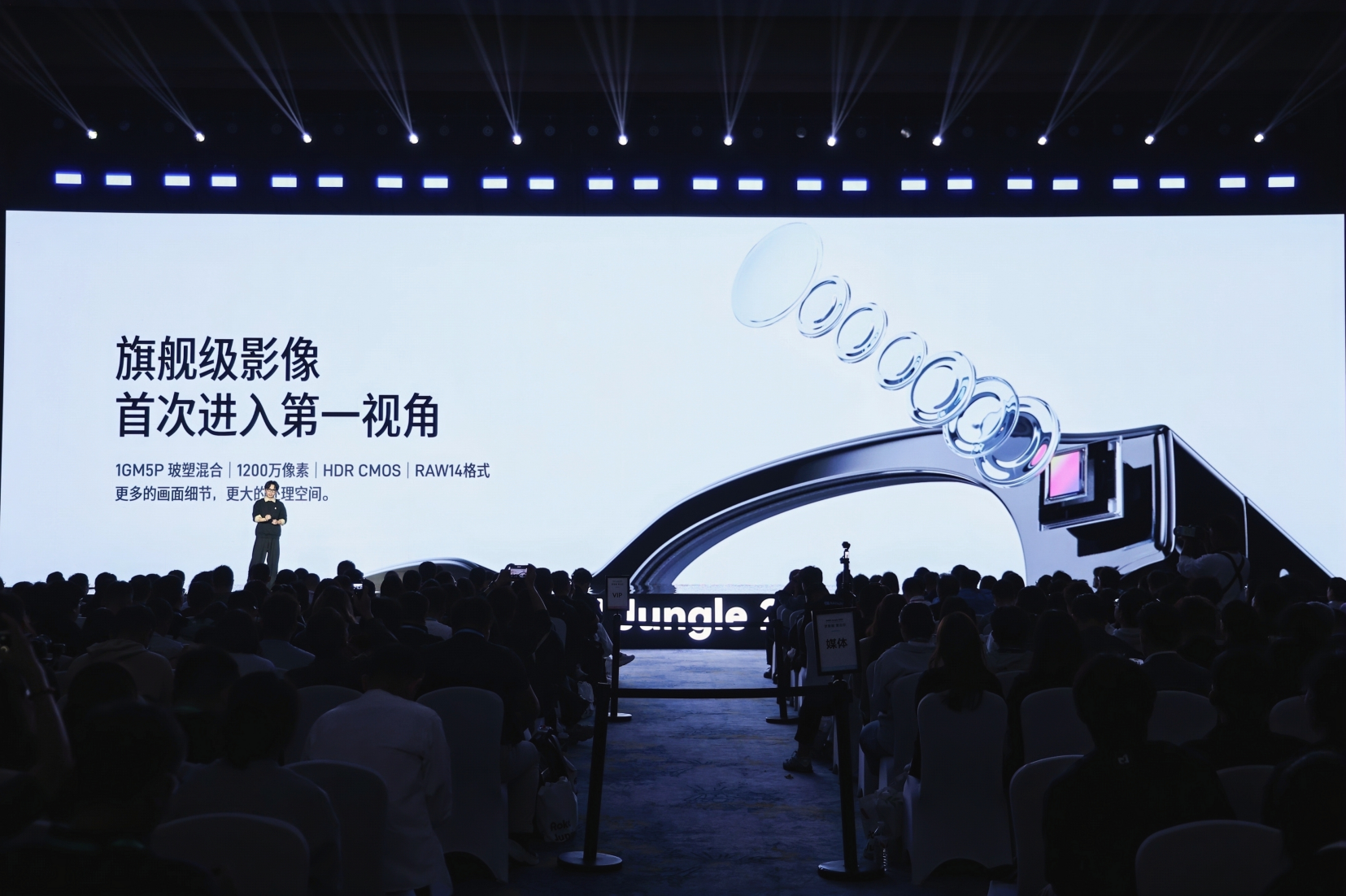
在硬件方面,产品采用全新定制的1GM5P玻塑混合镜头组,配备1200万像素摄像头;影像算法支持HDR与RAW14格式,并针对暗光、人像和逆光场景优化成像表现。结合视频夜景与防抖能力升级,Rokid Glasses 2支持4K 30fps、2K 60fps视频拍摄,为亲子陪伴、旅行记录与日常创作提供更贴近参与者视角的记录方式。

开放生态,让眼镜从“能回答”走向“能办事”

围绕AI眼镜的实际使用,乐奇Rokid持续拓展开放生态,与Qoder合作探索通过眼镜发起AI编程任务;与千问办公合作,拓展AI辅助办公场景;与WorkBuddy协作,让用户通过眼镜发起AI工作任务。同时,乐奇Rokid还与小红书、美团、腾讯出行服务及什么值得买等合作,拓展本地服务搜索、外卖信息提示、扫码开柜、一句话叫车及识别商品等场景。

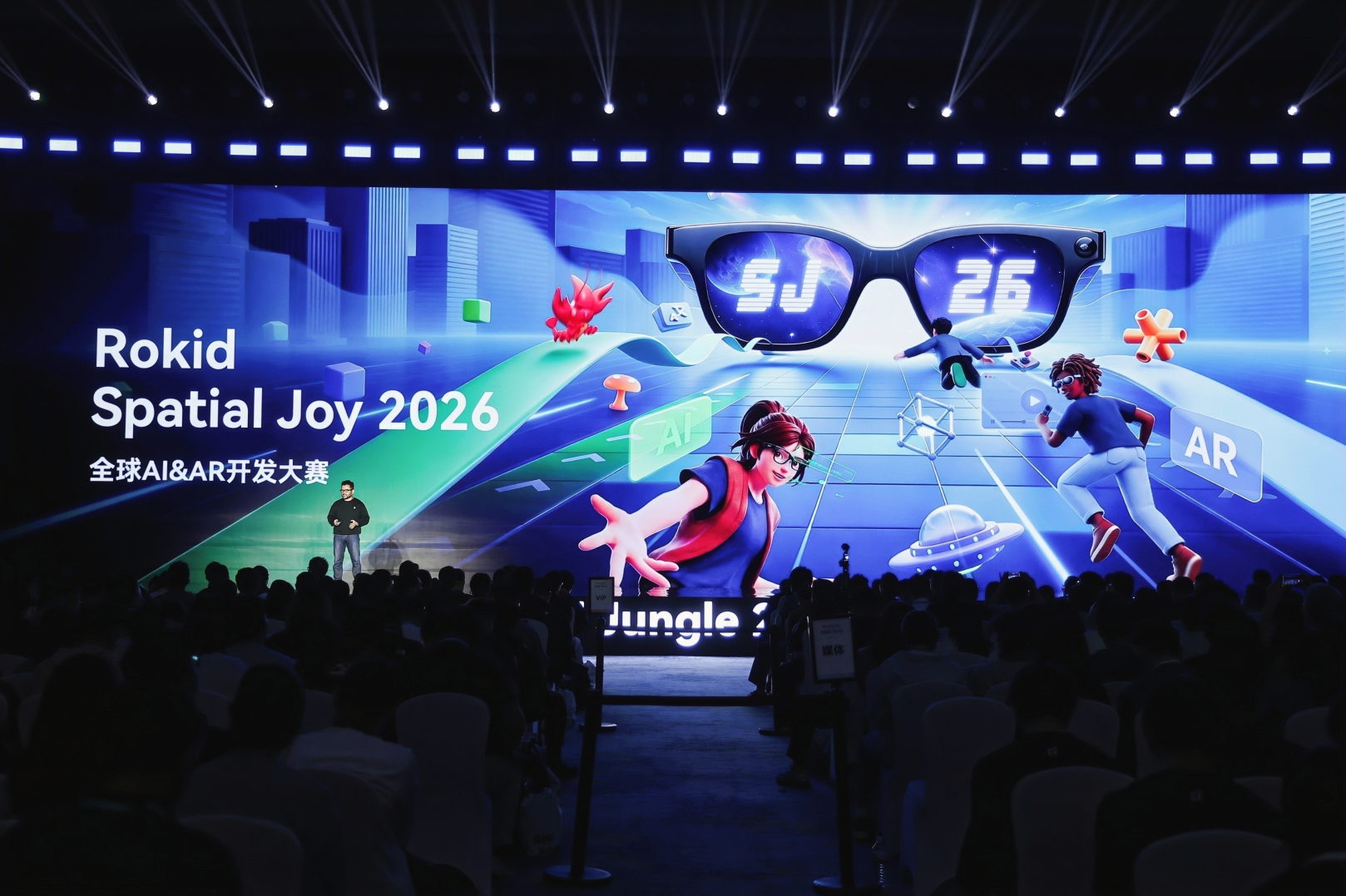
根据乐奇Rokid公布的数据,平台注册开发者已超过45,000名,已开发智能体超过12,000个,已上架智能体超过700个,已上架AIUI智能体超过100个。乐奇Rokid同步公布Spatial Joy 2026全球开发大赛,设置500万元人民币总奖金池,并提供总价值100万美元的Token支持,推动面向眼镜的Agent生态建设。

让AI眼镜真正走进日常

从更舒适的佩戴、更清晰的显示,到更自然的AI交互与第一视角影像,Rokid Glasses 2并非单纯增加功能,而是试图重新定义人们使用智能设备的方式:当信息能够来到眼前,任务可以通过自然交互被发起,生活也无需因记录与操作而频繁中断,AI眼镜才真正具备融入日常的可能。

此次发布,乐奇Rokid不仅带来一款产品的迭代,也在探索个人AI终端的下一种形态。Rokid Glasses 2将技术放回真实生活,在会议、沟通、创作与出行等场景中减少低头与切换,让用户在获得数字能力的同时,继续专注于眼前的人与世界。

注:文/龚作仁,文章来源:Laborer,本文为作者独立观点,不代表亿邦动力立场。

文章来源:Laborer

广告
微信
朋友圈

FAQ回顾

Rokid Glasses 2是一款什么产品?

Rokid Glasses 2是乐奇Rokid于2026年10月27日发布的带显示功能AI眼镜,黑色经典款售价3699元,国补到手价3199元;玳瑁色售价3849元,国补到手价3349元。它围绕佩戴、显示、声音、影像与AI体验升级,定位个人AI终端。

AI眼镜在会议和跨语言沟通中能提供哪些帮助?

Rokid Glasses 2的AI会议纪要可结合声音与第一视角画面记录会议,整理总结和待办事项;支持89种语言AI通话翻译,覆盖微信通话、飞书会议、Teams等场景,并支持双向音色克隆,帮助用户用母语表达并保留音色。

Rokid Glasses 2的显示和佩戴体验有哪些升级?

Rokid Glasses 2采用方圆框设计,光机体积较上一代减少30%、总长缩短1mm,配合柔性镜腿、更大镜腿张角和鼻托接触面积提升舒适性。显示上,彩虹纹降低60%、反射率降低70%、耦入光栅效率提高30%,保持清晰自然视野。

Rokid Glasses 2的续航和充电方案表现如何?

Rokid Glasses 2电池容量提升至263mAh,较上一代增加25%。第二代充电胶囊单颗电池335mAh,充电盒1500mAh,30分钟可从0充至90%,充电效率提升14%;充电盒与胶囊满电可为眼镜充电6次,满足一周使用需求,并兼容第一代眼镜。

AI眼镜如何辅助视障和听障用户?

面向听障用户,Rokid Glasses 2提供多人说话区分、字幕记录与总结。面向视障辅助,乐奇Rokid与京东探索研究院合作,引入京东JoyAI-VL-Interaction模型能力,由京东JoyInside提供端到端接入,探索视觉提示、障碍提醒、主动寻物和实时语音反馈等主动守护能力。

这么好看,分享一下?

朋友圈 分享

APP内打开

赞 +1
+1
微信好友 朋友圈 新浪微博 QQ空间
关闭
收藏成功
发送
/140 0