广告
加载中

桃岸Homebar完成天使轮融资:亿元级估值背后的新业态正在成形

龚作仁 2026-10-22 22:38
龚作仁 2026/10/22 22:38

邦小白快读

EN
全文速览

总1:这篇文章讲的是一个面向18-35岁年轻人的社交酒馆新业态,核心信息是桃岸Homebar完成天使轮融资。

1. 融资方面,桃岸Homebar以约1亿元估值完成天使轮交割,投资方为掘金集团,后者深耕企业服务与产业投资,旗下有悟空财税、掘金企服,累计服务企业30万+。

2. 模式方面,桃岸定位社交酒馆,Homebar介于酒吧和客厅之间,酒饮是入口,原创游戏和主题活动是触发器,社交主理人负责破冰、游戏引导和节奏控场;采用门票制、NPC游戏互动和内容运营。

总2:值得普通读者抓的实操点是单店模型和市场机会。

1. 单店模型紧凑、SKU精简为酒饮+门票+活动、人工结构可控,已在5+城市10+家直营店打磨验证。

2. 市场机会来自3亿单身人口、占总人口25%,其中18-35岁线下社交活跃,传统酒吧客群固化、消费单一,桃岸不抢存量做增量。

3. 扩张上已多个核心城市落地,形成超百家签约门店储备,提出未来三年5000家签约门店目标。

总1:桃岸的品牌打法是用品类定位和内容能力建立差异化,而不是在传统酒吧存量里卷价格。

1. 定位上,桃岸Homebar明确为社交酒馆,不是传统酒吧,用门票制、NPC游戏互动、主题活动和内容运营构建社交娱乐消费场景。

2. 产品体验上,酒饮是入口,原创游戏和主题活动是触发器,社交主理人是连接者,负责破冰、游戏引导和节奏控场,直接影响复购和口碑。

3. 品牌矩阵上,标准Homebar做高频、开放、年轻日常社交,桃岸House会员店承载深度会员体验、主题内容、艺术文化和差异化空间。

总2:消费趋势和营销动作值得关注。

1. 需求端是3亿单身人口、18-35岁核心人群,线上饱和后真实见面的关系价值、情绪价值和体验价值更稀缺。

2. 营销上,小桃人IP亮相第79届法国戛纳国际电影节相关活动,并围绕火人节40周年进入美国黑石沙漠。

3. 竞争逻辑是不靠酒水折扣,而靠内容能力决定溢价、客单价和复购;门店网络越大,游戏库、活动库和培训体系越能复用,单店内容成本越低。

总1:对卖家而言,这篇文章的核心是社交酒馆的增长市场、可复制模型和合作机会。

1. 市场机会来自需求端变化:我国单身人口突破3亿、占总人口25%,18-35岁年轻人线下社交活跃;传统酒吧客群固化、消费单一、缺少认识新朋友的机制,桃岸选择不抢存量、做增量。

2. 可学习点是单店模型:店型紧凑、SKU精简为酒饮+门票+活动、人工结构可控,经过5+城市10+家直营店打磨,运营重心在场域营造与内容,而不是酒水小吃差价。

3. 扩张信号明确:已在多个核心城市落地,形成超百家签约门店储备,未来三年目标5000家签约门店。

总2:合作方式和风险提示也值得卖家留意。

1. 合作方式上,掘金集团不仅投钱,还把财税、法律、知识产权、战略投资、企业孵化等全国化企业服务接入桃岸扩张,属于产业协同。

2. 风险与机会并存:内容体系和培训机制需要时间沉淀,门店模板可模仿但体系难模仿;先跑通模型、沉淀体系、铺开城市者,才可能定义品类。

总1:对工厂来说,文中可抓的是标准化门店、空间和内容产品的设计生产需求。

1. 门店模型强调店型紧凑、SKU精简为酒饮+门票+活动、人工结构可控,说明门店空间、酒饮供应、活动道具和内容产品都需要围绕紧凑高效做标准化设计。

2. 桃岸有Homebar和桃岸House两种空间形态:前者是介于酒吧和客厅之间的日常社交空间,后者融合主题内容、艺术文化和差异化空间表达,对应不同空间设计和产品配套需求。

3. 原创游戏体系、主题活动内容库和社交主理人培训体系已标准化,这意味着一部分内容产品可以形成可复用的模板和物料体系。

总2:商业机会来自连锁复制和全国化扩张。

1. 桃岸已在多个核心城市落地,形成超百家签约门店储备,未来三年提出5000家签约门店目标,门店模板复制会带来持续的空间、设备和活动内容需求。

2. 内容型连锁的结构性优势是每多开一家店,游戏库、活动库和培训体系不是被稀释而是被复用,门店网络越大,单店分摊的内容成本越低,这给标准化产品和内容供应商留下机会。

总1:对服务商而言,桃岸代表的是内容型线下社交连锁带来的新服务需求。

1. 行业趋势上,3亿单身人口、占总人口25%,18-35岁年轻人是线下社交活跃群体;线上饱和后,真实见面、共同参与和面对面交流的关系价值、情绪价值、体验价值更稀缺。

2. 客户痛点来自传统酒吧供给:客群固化、消费单一、缺少让人认识新朋友的机制;桃岸要解决的是陌生人破冰、互动和真实社交。

3. 解决方案是标准化单店模型、社交主理人体系、原创游戏体系、主题活动内容库和门票制NPC游戏互动,主理人承担破冰、游戏引导和节奏控场。

总2:服务商可关注产业协同和规模化后的管理需求。

1. 掘金集团旗下掘金企服提供财税、法律、国内外知识产权、战略投资及企业孵化等一站式服务,累计服务企业30万+,可直接咬合桃岸全国化扩张。

2. 桃岸已多个核心城市落地,形成超百家签约门店储备,未来三年目标5000家签约门店;规模扩大后,培训、内容复用、门店运营和全国化企业服务都会成为持续需求。

总1:对平台商来说,文中呈现的是线下社交新业态的招商空间和运营管理启示。

1. 需求上,3亿单身人口、18-35岁核心人群需要陌生人破冰和真实社交,传统酒吧客群固化、消费单一、缺新朋友机制,桃岸以社交酒馆切入空白。

2. 招商模型较清晰:Homebar店型紧凑、SKU精简为酒饮+门票+活动、人工可控,已在5+城市10+家直营店打磨,并用门票制、NPC游戏互动、主题活动和内容运营形成差异化。

3. 扩张信号强:多个核心城市落地,超百家签约门店储备,未来三年提出5000家签约门店目标。

总2:运营管理和风向规避可抓三点。

1. 运营核心是场域营造与内容,社交主理人负责破冰、游戏引导和节奏控场,决定体验、复购和口碑。

2. 标准化体系包括运营、培训、原创游戏和主题活动内容库,门店越多内容越能复用,单店分摊成本越低。

3. 门店模板可模仿,但内容体系和培训机制难模仿,应先跑通模型、沉淀体系、再铺城市。

总1:这篇文章提供了一个新消费业态从需求空白到资本扩张的研究样本。

1. 产业新动向:我国单身人口突破3亿、占总人口25%,18-35岁年轻人线下社交活跃;传统酒吧在存量里卷地段、装修和酒水折扣,桃岸选择做增量。

2. 商业模式:桃岸Homebar以陌生人社交+酒吧为核心,酒饮是入口,原创游戏和主题活动是触发器,社交主理人是连接者;标准Homebar做日常社交,桃岸House做深度会员体验、主题内容、艺术文化和差异化空间。

3. 新问题:供给端缺少陌生人破冰空间,内容体系和培训机制需时间沉淀,门店模板可模仿但体系难模仿,先跑出来的时间差是资产。

总2:资本与产业协同值得关注。

1. 桃岸以约1亿元估值完成天使轮,投资方掘金集团深耕企业服务与产业投资,旗下悟空财税、掘金企服覆盖财税、法律、知识产权、战略投资和企业孵化,累计服务企业30万+。

2. 桃岸已多个核心城市落地,超百家签约门店储备,未来三年目标5000家签约门店;启示是蓝海不是被发现的,先跑通模型、沉淀体系、铺开城市者定义品类。

返回默认

声明:快读内容全程由AI生成,请注意甄别信息。如您发现问题,请发送邮件至 run@ebrun.com 。

我是 品牌商 卖家 工厂 服务商 平台商 研究者 帮我再读一遍。

Quick Summary

Summary 1: This article covers a new social-tavern format targeting young people aged 18-35. The key takeaway is that Taoran Homebar has completed an angel round.

1. Funding: Taoran Homebar closed its angel round at a valuation of about RMB 100 million. The investor is Juejin Group, which focuses on corporate services and industrial investment and owns Wukong Tax and Juejin Corporate Services, having served more than 300,000 companies.

2. Model: Taoran positions itself as a social tavern. Homebar sits between a bar and a living room; drinks are the entry point, original games and themed events are the triggers, and social hosts handle icebreaking, game facilitation, and pacing. It uses a ticket model, NPC game interaction, and content operations.

Summary 2: The practical points for general readers are the single-store model and the market opportunity.

1. The single-store model is compact, with a streamlined SKU mix of drinks + tickets + events and a controllable labor structure. It has been tested and refined across more than 10 directly operated stores in 5+ cities.

2. The market opportunity comes from 300 million single people, 25% of the total population, among whom those aged 18-35 are active in offline socializing. Traditional bars have a fixed customer base and limited consumption; Taoran is not competing for existing demand but creating incremental demand.

3. In terms of expansion, it has already entered multiple core cities, built a pipeline of more than 100 signed stores, and set a target of 5,000 signed stores in the next three years.

Summary 1: Taoran's brand strategy is to differentiate through category positioning and content capabilities rather than competing on price in the existing traditional-bar market.

1. Positioning: Taoran Homebar is explicitly positioned as a social tavern, not a traditional bar, using a ticket model, NPC game interaction, themed events, and content operations to build a social-entertainment consumption scene.

2. Product experience: Drinks are the entry point, original games and themed events are the triggers, and social hosts are the connectors, responsible for icebreaking, game facilitation, and pacing, directly affecting repeat purchases and word of mouth.

3. Brand matrix: Standard Homebar serves high-frequency, open, youthful everyday socializing, while Taoran House membership stores carry in-depth member experiences, themed content, art and culture, and differentiated spaces.

Summary 2: Consumer trends and marketing moves are worth watching.

1. On the demand side are 300 million single people, with the 18-35 age group as the core cohort; as online life becomes saturated, the relationship value, emotional value, and experiential value of real-world meetings become scarcer.

2. In marketing, the Xiaotaoren IP appeared at events related to the 79th Cannes International Film Festival in France and entered the Black Rock Desert in the U.S. around the 40th anniversary of Burning Man.

3. The competitive logic is not to rely on drink discounts but on content capabilities to determine premium, average ticket size, and repeat purchases; the larger the store network, the more the game library, event library, and training system can be reused, and the lower the per-store content cost.

Summary 1: For sellers, the core of this article is the growth market, replicable model, and partnership opportunities in social taverns.

1. The market opportunity comes from demand-side changes: China's single population has exceeded 300 million, 25% of the total population, and young people aged 18-35 are active in offline socializing. Traditional bars have a fixed customer base, limited consumption, and a lack of mechanisms for meeting new friends; Taoran chooses not to compete for existing demand but to create incremental demand.

2. The takeaway is the single-store model: a compact store format, a streamlined SKU mix of drinks + tickets + events, and a controllable labor structure, refined through more than 10 directly operated stores in 5+ cities. The operational focus is on creating the venue atmosphere and content, not on margins from drinks and snacks.

3. Expansion signals are clear: it has already entered multiple core cities, built a pipeline of more than 100 signed stores, and targets 5,000 signed stores in the next three years.

Summary 2: Partnership approaches and risk warnings are also worth sellers' attention.

1. On partnerships, Juejin Group not only invests money but also connects nationwide corporate services, including tax and finance, legal, intellectual property, strategic investment, and business incubation, to Taoran's expansion, representing industrial synergy.

2. Risks and opportunities coexist: the content system and training mechanism require time to build. Store templates can be imitated, but the system is hard to imitate; only those who first prove the model, build the system, and roll out across cities may define the category.

Summary 1: For factories, what stands out in the article is the design and production demand for standardized stores, spaces, and content products.

1. The store model emphasizes a compact format, a streamlined SKU mix of drinks + tickets + events, and a controllable labor structure. This indicates that store spaces, drink supply, event props, and content products all need standardized design around compactness and efficiency.

2. Taoran has two spatial formats, Homebar and Taoran House: the former is an everyday social space between a bar and a living room, while the latter combines themed content, art and culture, and differentiated spatial expression, corresponding to different space-design and product-support needs.

3. The original game system, themed-event content library, and social-host training system have been standardized, meaning that some content products can form reusable templates and material systems.

Summary 2: Business opportunities come from chain replication and nationwide expansion.

1. Taoran has already entered multiple core cities, built a pipeline of more than 100 signed stores, and set a target of 5,000 signed stores in the next three years. Replicating store templates will generate ongoing demand for spaces, equipment, and event content.

2. The structural advantage of a content-driven chain is that with every additional store, the game library, event library, and training system are not diluted but reused; the larger the store network, the lower the per-store share of content costs. This leaves opportunities for standardized product and content suppliers.

Summary 1: For service providers, Taoran represents new service demand created by content-driven offline social chains.

1. On industry trends, there are 300 million single people, 25% of the total population, and young people aged 18-35 are an active offline-socializing group. As online life becomes saturated, the relationship value, emotional value, and experiential value of real meetings, shared participation, and face-to-face interaction become scarcer.

2. Customer pain points stem from traditional bar supply: a fixed customer base, limited consumption, and a lack of mechanisms for meeting new friends. What Taoran aims to solve is icebreaking, interaction, and genuine socializing among strangers.

3. The solution is a standardized single-store model, a social-host system, an original game system, a themed-event content library, and ticket-based NPC game interaction; hosts handle icebreaking, game facilitation, and pacing.

Summary 2: Service providers can watch industrial synergy and management needs after scaling.

1. Juejin Corporate Services, under Juejin Group, provides one-stop services including tax and finance, legal, domestic and international intellectual property, strategic investment, and business incubation, having served more than 300,000 companies. These services can directly align with Taoran's nationwide expansion.

2. Taoran has entered multiple core cities, built a pipeline of more than 100 signed stores, and targets 5,000 signed stores in the next three years. As scale expands, training, content reuse, store operations, and nationwide corporate services will all become ongoing needs.

Summary 1: For marketplace operators, the article presents the tenant-recruitment space and operational-management lessons of a new offline social format.

1. On demand, 300 million single people, with the 18-35 core cohort, need stranger icebreaking and genuine socializing. Traditional bars have a fixed customer base, limited consumption, and no mechanism for meeting new friends; Taoran enters the gap with a social tavern.

2. The franchise model is relatively clear: the Homebar store format is compact, with a streamlined SKU mix of drinks + tickets + events and controllable labor. It has been refined across more than 10 directly operated stores in 5+ cities, and differentiates through a ticket model, NPC game interaction, themed events, and content operations.

3. Expansion signals are strong: it has landed in multiple core cities, built a pipeline of more than 100 signed stores, and set a target of 5,000 signed stores in the next three years.

Summary 2: Three points can be drawn on operations management and risk avoidance.

1. The operational core is venue atmosphere and content; social hosts handle icebreaking, game facilitation, and pacing, determining experience, repeat purchases, and word of mouth.

2. The standardized system includes operations, training, original games, and a themed-event content library. The more stores there are, the more the content can be reused, and the lower the per-store allocated cost.

3. Store templates can be imitated, but the content system and training mechanism are hard to imitate. Operators should first prove the model, build the system, and then roll out across cities.

Summary 1: This article provides a research sample of a new consumer format moving from a demand gap to capital-backed expansion.

1. New industry trend: China's single population has exceeded 300 million, 25% of the total population, and young people aged 18-35 are active in offline socializing. Traditional bars compete within the existing market on location, decor, and drink discounts; Taoran chooses to create incremental demand.

2. Business model: Taoran Homebar centers on stranger socializing + a bar. Drinks are the entry point, original games and themed events are the triggers, and social hosts are the connectors. Standard Homebar handles everyday socializing, while Taoran House provides in-depth member experiences, themed content, art and culture, and differentiated spaces.

3. New questions: the supply side lacks spaces for stranger icebreaking; the content system and training mechanism require time to build; store templates can be imitated but the system is hard to imitate; the time lead from getting out first is an asset.

Summary 2: Capital and industrial synergy are worth watching.

1. Taoran completed its angel round at a valuation of about RMB 100 million. The investor, Juejin Group, focuses on corporate services and industrial investment. Its Wukong Tax and Juejin Corporate Services cover tax and finance, legal, intellectual property, strategic investment, and business incubation, having served more than 300,000 companies.

2. Taoran has entered multiple core cities, built a pipeline of more than 100 signed stores, and targets 5,000 signed stores in the next three years. The implication is that blue oceans are not simply discovered; those who first prove the model, build the system, and roll out across cities define the category.

Disclaimer: The "Quick Summary" content is entirely generated by AI. Please exercise discretion when interpreting the information. For issues or corrections, please email run@ebrun.com .

I am a Brand Seller Factory Service Provider Marketplace Seller Researcher Read it again.

3亿单身年轻人 ,一个被传统酒馆业态长期忽略的需求 ,正在长成一种新业态。

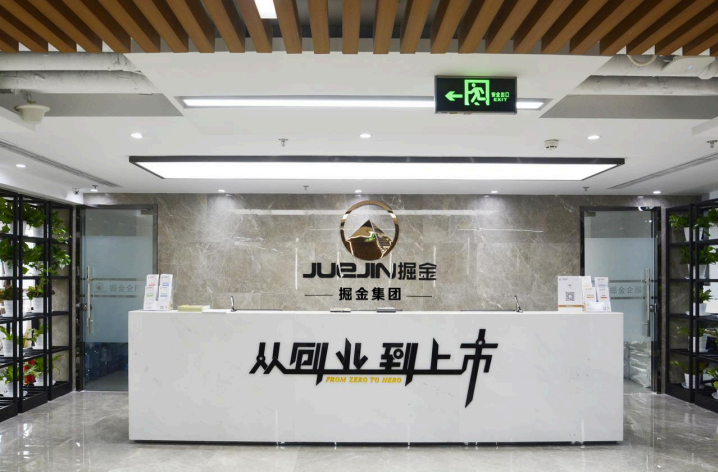
2026年9月 ,杭州桃岸品牌管理有限公司旗下的桃岸Homebar宣布完成天使轮融资。本轮投资方为掘金集团 ,按约1亿元估值完成本轮交割。

掘金集团长期深耕企业服务与产业投资领域 ,旗下知名财税品牌悟空财税位列全国财税服务领域头部品牌。集团旗下掘金企服提供企业全生命周期一站式企业服务 ,业务涵盖财税服务、法律服务、 国内外知识产权、 战略投资及企业孵化等 ,累计服务企业30万+。

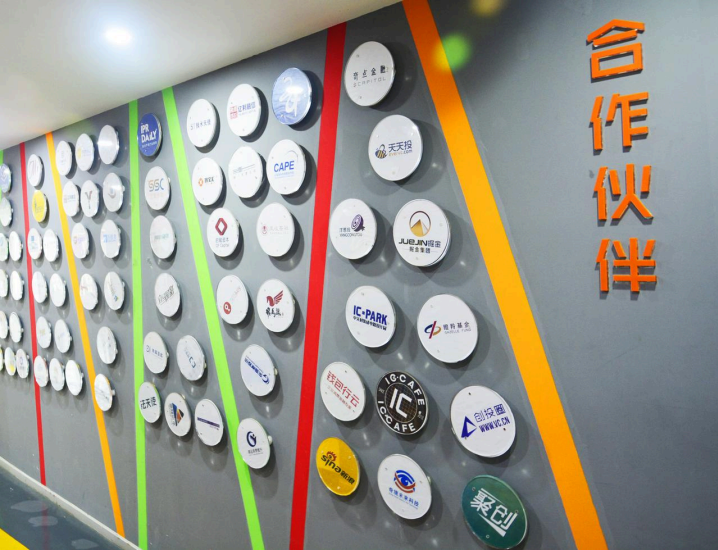
一端是覆盖财税、知识产权、法律、 战略投资、企业孵化的全国化企业服务网络 ,另一端是正在快速扩张的年轻人社交品牌。这次合作 ,把产业资源直接接到了桃岸的全国化拓展上。

一片正在被打开的市场:3亿人的需求还没有业态去承接

传统酒吧业这些年越来越难做 ,问题不在酒卖得贵 ,而在业态本身。

供给端——多数酒吧仍以酒水消费和熟客圈层为核心:客群固化、消费单一、缺少让人认识新朋友的机制。

需求端——据国家统计局数据及公开报道 ,我国单身人口规模已突破3亿 ,占总人口比例升至25%,其中18-35岁年轻人是线下社交高度活跃的群体——但市面上几乎没有为他们专门设计的"陌生人破冰"空间。

所谓传统酒吧业的打法是在存量池子里卷——卷地段、卷装修、卷酒水折扣 ,抢的是同一批熟客。桃岸的打法 ,是把原来"不进酒吧的年轻人 "带进一个新场景:不抢存量 ,做增量。

桃岸看到的 ,是这两端之间一块空着的地方: 年轻人愿意为「内容体验 + 真实社交J付费 ,是一种社交酒吧新业态 ,是一片正在被打开的市场

桃岸Homebar(TAOAN HOMEBAR)成立于杭州 ,定位18-35岁年轻人线下社交场景 ,以"陌生人社交+酒吧"为核心业态。

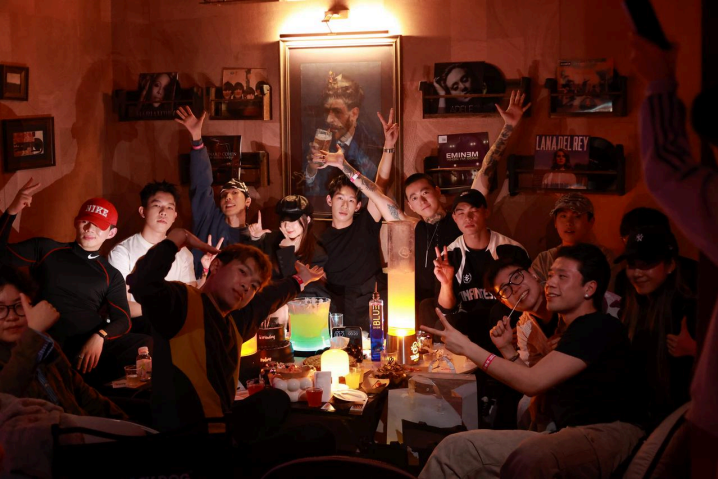
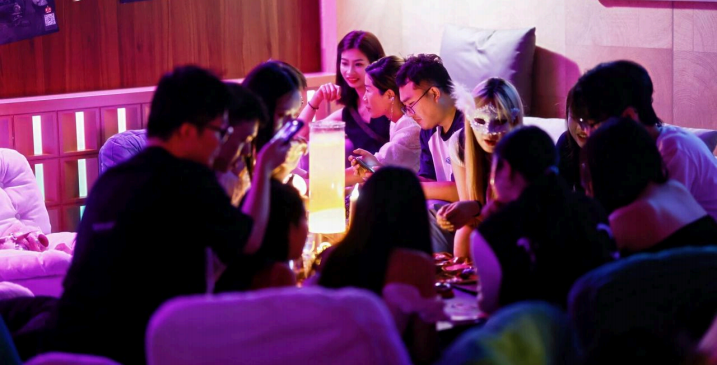
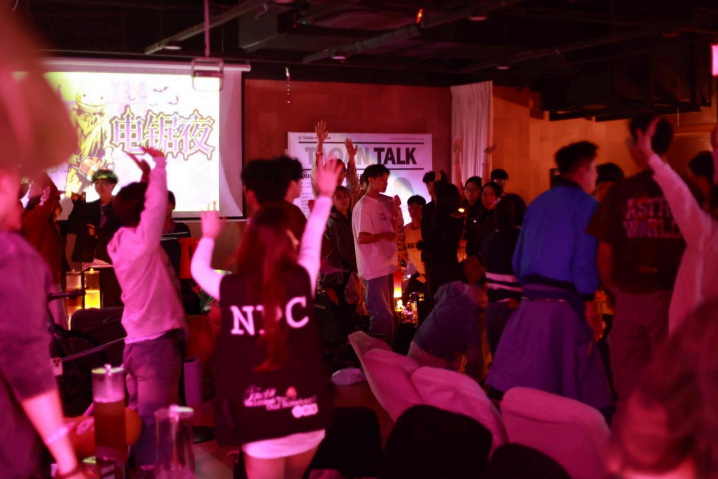
它的核心载体是Homebar____一个介于酒吧和客厅之间的线下空间。酒饮是入口 ,原创游戏和主题活动是触发器 ,社交主理人是在场引导者。这一整套设计的目的只有一个:为年轻人创造自然认识、进入互动和建立真实社交的机会。

桃岸Homebar把自己的定位写得很直接:一家"社交酒馆" ,不是传统酒吧 ,并通过门票制、NPC游戏互动、主题活动及内容运营 ,构建区别于传统酒吧的社交娱乐消费场景。

桃岸模式的关键——极致的单店模型和独特的社交主理人体系

桃岸标准Homebar的模型特点很清楚:店型紧凑、SKU精简(酒饮 + 门票 + 活动)、人工结构可控。

桃岸总部经过5+城市10+家直营店长时间的打磨。形成了一套与传统酒吧不同的门店运营结构——运营的重心不在于赚取酒水与小吃差价 ,在与场域营造与内容 ,而这套单店模型的可复制性 ,已经通过多方市场的实际经营得到验证。

并且桃岸根本区别于传统酒吧的核心秘诀 ,正是其独特的社交主理人体系。

传统酒吧的驻场DJ和调酒师是"表演者" ,而桃岸的社交主理人是"连接者"。他们负责破冰流程、游戏引导和节奏控场——把"不认识的人 "变成"愿意一起玩的人 " ,主导年轻人的社交体验。

这个角色比传统酒吧的服务岗更轻 ,承担的却是最关键的一环:让消费者愿意留下来 ,并且大大提高顾客与顾客之间的、顾客与门店之间的粘性。 它直接决定了一家店的全程体验、复购率和口碑扩散。

围绕社交主理人 ,桃岸已经形成标准化的运营体系、培训体系、原创游戏体系与主题活动内容库。桃岸的单店模型复制的不仅仅是门店模板 ,也是「社交主理人体系J。

更值得留意的是这套模型的结构:每多开一家店 ,游戏库、活动库和主理人培训体系不是被稀释 ,而是被复用——门店网络越大 ,单店分摊的内容成本越低。 这是内容型连锁区别于传统门店生意的结构性优势。 门店模板可以模仿 ,但需要时间沉淀的内容体系和培训机制 ,模仿不了。

在这片正在被打开的市场里 ,先跑出来的时间差 ,本身就是资产。

从法国戛纳到火人节:桃岸把自己当成一个文化品牌在发展桃岸是一个能"跨品类"生长的品牌。

标准Homebar解决的是"高频、开放、年轻"的日常社交 ,而桃岸还有另一种空间形态——桃岸House(会员店)。桃岸House面向更深度的会员体验 ,融合主题内容、艺术文化、差您化空间表达 ,承载更长期的会员活动和更完整的文化体验。

而在门店之外 ,桃岸也在把品牌带进更远的地方。

2026年 ,桃岸品牌及IP"小桃人 "亮相第79届法国戛纳国际电影节相关活动。

同年 ,围绕火人节40周年 ,桃岸远赴重洋把中国年轻人的社交文化带进美国黑石沙漠 ,让外国参与者通过桃岸的内容游戏和IP也同样产生人与人之间的链接。在这里 ,桃岸想表达的从来不是"桃岸多厉 害" ,而是中国年轻人的社交方式 ,能不能被世界看到。

对投资人来说 ,这些动作的意义很直接: 内容能力决定品牌的溢价空间和顾客粘性。 同样的门店面积 ,能持续产出新主题、新玩法、新文化话题的品牌 ,客单价和复购率都不同。

掘金集团入局:从1亿元估值中看到全国化空间

掘金集团长期深耕企业服务与产业投资领域 ,旗下知名财税品牌悟空财税位列全国财税服务领域头部品牌。集团旗下掘金企服提供企业全生命周期一站式企业服务 ,业务涵盖财税服务、法律服务、 国内外知识产权、 战略投资及企业孵化等 ,累计服务企业30万+。

掘金集团看桃岸 ,看的不仅是财务模型的数字 ,更是看到这家品牌正在跑出来的一种新的线下生活方式 ,一种新业态的成形

掘金集团带来的全国化企业服务——财税、法律、知识产权、 战略投资、企业孵化 ,可以跟桃岸的全国化扩张直接咬合 ,这是产业协同 ,不只是单纯的资本层面的投资。

目前 ,桃岸Homebar已在多个核心城市落地 ,并形成超过百家的签约门店储备。本轮融资完成后 ,我们可以预见到桃岸将开始高速扩张发展 ,并提出未来三年实现5000家签约门店的发展目标。

新业态的窗口期:年轻人正在重新选择线下消费场景

年轻人的线下消费需求并不存在单一形态。

过去十年 ,年轻人被线上"惯坏"了 ,线上内容、即时沟通和数字社交不断提升连接效率 ,提高消费效率 ,但线上饱和之后 ,"真实场景的消费"反而成了一种稀缺需求。

真实见面、共同参与和面对面交流所形成的关系价值、情绪价值与体验价值 ,也因此成为线下消费中不可替代的一部分。

3亿单身人口 ×18-35岁核心人群 × 已验证的单店模型 ,意味着这不会是一个"开几十家就到顶"的生意。(数据来源: 国家统计局及公开报道)

桃岸Homebar和桃岸House填上的 ,正是这块空白 。它们不是"另一种酒吧" ,而是一种以社交酒馆为核心、 以内容运营和原创游戏为支撑、以文化表达为延伸的新消费业态。

蓝海不是被发现的 ,是被做出来的。 一个品类的需求已经存在、还没有代表品牌的时候 ,谁能先把模型跑通、把体系沉淀下来、把城市铺开 ,谁就在定义这个品类。

注:文/龚作仁,文章来源:Laborer,本文为作者独立观点,不代表亿邦动力立场。

文章来源:Laborer

广告
微信
朋友圈

FAQ回顾

桃岸Homebar是什么?属于什么行业?

桃岸Homebar(TAOAN HOMEBAR)成立于杭州,定位18-35岁年轻人的线下社交场景,以“陌生人社交+酒吧”为核心业态。其核心载体Homebar是介于酒吧和客厅之间的空间,酒饮为入口,原创游戏、主题活动和社交主理人引导构成社交体验,并通过门票制、NPC游戏互动及内容运营形成社交酒馆模式。

Homebar社交酒馆和传统酒吧有什么区别?

传统酒吧多以酒水消费和熟客圈层为核心,客群固化、消费单一,缺少陌生人破冰机制;桃岸Homebar则把运营重心放在场域营造与内容上,以酒饮为入口、原创游戏和主题活动为触发器、社交主理人为连接者,采用门票制并设计破冰流程,目标是让年轻人自然认识新朋友。

桃岸Homebar的单店模型核心是什么?

桃岸标准Homebar店型紧凑、SKU精简,主要包括酒饮、门票和活动,人工结构可控,并已在5城市10家直营店长时间打磨。其核心是社交主理人体系:主理人负责破冰流程、游戏引导和节奏控场,总部配套标准化运营、培训、原创游戏和主题活动内容库,使门店网络扩大时内容成本可复用。

掘金集团为什么投资桃岸Homebar?

2026年9月,桃岸Homebar完成天使轮融资,投资方掘金集团按约1亿元估值完成交割。掘金集团深耕企业服务与产业投资,旗下悟空财税、掘金企服覆盖财税、法律、国内外知识产权、战略投资及企业孵化等,累计服务企业30万;其全国化企业服务可与桃岸全国扩张直接咬合,形成产业协同。

桃岸Homebar未来扩张目标是什么?

桃岸Homebar已在多个核心城市落地,并形成超过百家签约门店储备。本轮融资完成后,品牌预计进入高速扩张阶段,并提出未来三年实现5000家签约门店的发展目标,借助掘金集团的财税、法律、知识产权、战略投资和企业孵化资源推进全国化拓展。

这么好看,分享一下?

朋友圈 分享

APP内打开

赞 +1
+1
微信好友 朋友圈 新浪微博 QQ空间
关闭
收藏成功
发送
/140 0