广告
加载中

APEC来了 深圳的机器人名片已悄然上岗

龚作仁 2026-10-22 12:07
龚作仁 2026/10/22 12:07

邦小白快读

EN
全文速览

总:文章的核心信息是深圳服务机器人已从展会概念变成城市日常基础设施,普渡是代表企业。

1.关键数据:普渡2016年在深圳扎根,产品覆盖服务配送、商用清洁、工业物流与通用具身智能,已进入全球超85个国家和地区、覆盖亚太经合21个主要成员经济体,累计出货超13万台,按收入和出货量位居全球商用服务机器人市场第一。

2.可感知场景:机场和口岸清洁、地铁移动垃圾桶与夜间清洁、商场导购配送、海底捞和必胜客传菜、书城送书、酒店送物与自助呼梯、工厂搬料、写字楼清洁。

3.实操启发:机器人适合接手高频、重复、夜间、路径固定的活,例如酒店送水送文件、地铁停运后保洁、工厂仓库到产线搬运;人则转向需要判断和经验的工作。

总:普渡的品牌打法不是单点广告,而是把机器人放进城市真实场景,形成可感知的品牌名片。

1.品牌营销:文章以APEC为窗口,把机场、口岸、地铁、酒店、餐厅、书城、工厂中的机器人作为深圳科技形象的一部分,强调不必站在聚光灯下也能被真实感知;乘客拍移动垃圾桶、游客拍机器人等细节形成口碑传播。

2.产品研发:产品线从服务配送延伸到商用清洁、工业物流与通用具身智能,同一技术底座进入不同形态,体现场景智能;针对火锅窄通道、酒店呼梯、工厂多机协同等需求做适配。

3.用户行为与趋势:酒店深夜送物、餐厅高峰传菜、机场第一印象、商场导购配送,说明品牌应围绕高频痛点嵌入消费动线。文章未展开定价和价格竞争。

总:对卖家而言,文章的干货是场景机会和可借鉴的合作模式,APEC带来展示窗口。

1.市场机会:普渡已进入全球超85个国家和地区,覆盖亚太经合21个主要成员经济体,累计出货超13万台,说明商用服务机器人有规模化出海空间;机场、口岸、地铁、商场、餐厅、酒店、工厂、写字楼都是可落地场景。

2.需求变化:酒店高频送物、餐厅高峰传菜、地铁夜间保洁、工厂物料搬运等重复性工作,存在替人需求和效率机会;APEC期间的城市服务与国际客流也是事件型机会。

3.可学习点与合作:与深圳市文旅产业公司打造全流程机器人服务智慧酒店,与欣旺达厂区实践多机协同,说明可通过场景联合、产品组合和多机协同进入客户;文章未提扶持政策、风险提示和具体合作政策。

总:文章给工厂的干货集中在多机协同、产线物流和重复岗位替代。

1.生产与设计需求:欣旺达厂区中,工业配送机器人从仓库到产线搬运物料,路线固定、风雨无阻;清洁机器人负责大面积地面清洁;欢乐送2承担轻载物资配送,形成智慧工厂新典范。

2.商业机会:工厂里最不起眼又最占人的活是把东西从A挪到B,这类工作技术含量不高却占用大量工时,还要面对粉尘、噪音和夜班,机器人接手后人可转向需要判断和经验的事。

3.数字化启示:推进数字化不一定是大系统先行,可从固定路线搬运、轻载配送、大面积清洁等单点自动化切入,再走向多机协同;产品设计需适应固定路线、全天候运行、多设备配合和复杂厂区环境。

总:文章呈现了商用服务机器人从单机产品走向场景解决方案的趋势。

1.行业趋势:普渡产品线从服务配送延伸到商用清洁、工业物流与通用具身智能,已覆盖全球超85个国家和地区,累计出货超13万台,按收入和出货量位居全球商用服务机器人市场第一;机器人正像电梯、饮水机一样成为楼宇公共设施。

2.客户痛点:酒店送水送文件高频琐碎、深夜缺人;火锅店通道窄、传菜频次高;地铁保洁只能利用停运窗口;工厂搬料占工时且环境苦;机场口岸需要不打扰人流的清洁。

3.解决方案与新技术:用导航、避障、路径规划实现人缝穿行,用自主呼梯和进电梯完成封闭配送,用同一技术底座衍生配送、清洁、工业物流和四足机器狗,用多机协同打造全流程机器人酒店和智慧工厂。

总:平台商可从文章看到场景平台对稳定、无感、可协同机器人服务的需求,以及运营管理做法。

1.平台需求与问题:机场、口岸、地铁、商场、酒店、写字楼等场景需要机器人融入人流和动线,不打扰排队与通行,还要在夜间窗口完成保洁、在高频时段完成配送;机器人最好像公共设施一样稳定存在。

2.最新做法:普渡以场景智能让同一技术底座进入不同形态,用多机协同在酒店完成接待、入住、行李、送餐清洁,在工厂完成物料搬运、清洁和轻载配送;与文旅产业公司合作落地全流程机器人服务智慧酒店。

3.运营管理与风向:地铁清洁避开高峰、酒店机器人自主呼梯进电梯、写字楼机器人自主避障穿行,体现按场景排班和安全管理;APEC是展示窗口,服务机器人全球化覆盖亚太经合21个主要成员经济体。文章未涉及平台招商政策。

总:文章提供了观察服务机器人产业化的新动向、商业模式和待解问题的样本。

1.产业新动向:深圳企业普渡从2016年扎根,产品线扩展到服务配送、商用清洁、工业物流与通用具身智能,进入全球超85个国家和地区、覆盖亚太经合21个主要成员经济体,累计出货超13万台,按收入和出货量位居全球商用服务机器人市场第一;机器人从新奇设备变为城市日常基础设施。

2.商业模式:以场景为起点,用同一技术底座衍生不同形态,通过多机协同进入酒店、工厂、楼宇等整体解决方案,并与文旅产业公司等合作打造全流程机器人服务智慧酒店。

3.新问题与启示:技术价值不只在能实现什么,更在能否走进真实场景并持续稳定运行;APEC期间AI、数字经济与产业创新讨论将展开,文章强调人与机器各司其职、和谐共生,但未提出具体政策法规建议。

返回默认

声明:快读内容全程由AI生成,请注意甄别信息。如您发现问题,请发送邮件至 run@ebrun.com 。

我是 品牌商 卖家 工厂 服务商 平台商 研究者 帮我再读一遍。

Quick Summary

Overall: The article's core message is that Shenzhen's service robots have moved from trade-show concepts to everyday urban infrastructure, with Pudu as a representative company.

1. Key data: Pudu was established in Shenzhen in 2016. Its products cover service delivery, commercial cleaning, industrial logistics, and general embodied intelligence. It has entered more than 85 countries and regions worldwide and covers 21 major APEC member economies, with cumulative shipments exceeding 130,000 units. It ranks first in the global commercial service robot market by revenue and shipments.

2. Tangible scenarios: cleaning at airports and ports; mobile trash bins and nighttime cleaning in subways; guide and delivery services in malls; food delivery at Haidilao and Pizza Hut; book delivery in bookstores; item delivery and self-service elevator calling in hotels; material handling in factories; and cleaning in office buildings.

3. Practical takeaways: robots are suited to high-frequency, repetitive, nighttime, and fixed-route tasks, such as delivering water and documents in hotels, cleaning after subway service ends, and moving materials from warehouses to production lines in factories. People can shift to work that requires judgment and experience.

Overall: Pudu's branding approach is not single-point advertising but placing robots in real urban scenarios to create a tangible brand calling card.

1. Brand marketing: Using APEC as a window, the article presents robots in airports, ports, subways, hotels, restaurants, bookstores, and factories as part of Shenzhen's technology image. It stresses that a brand can be perceived in real life without standing in the spotlight. Details such as passengers photographing mobile trash bins and tourists photographing robots create word-of-mouth spread.

2. Product R&D: The product line extends from service delivery to commercial cleaning, industrial logistics, and general embodied intelligence. The same technology base enters different forms, reflecting scenario intelligence. Products are adapted to needs such as narrow hot-pot restaurant aisles, hotel elevator calling, and multi-robot coordination in factories.

3. User behavior and trends: Late-night item delivery in hotels, food delivery at restaurant peaks, first impressions at airports, and guide and delivery services in malls show that brands should embed themselves in consumer journeys around high-frequency pain points. The article does not discuss pricing or price competition.

Overall: For sellers, the article's practical value lies in scenario opportunities and reference-worthy cooperation models, with APEC providing a showcase window.

1. Market opportunities: Pudu has entered more than 85 countries and regions worldwide, covers 21 major APEC member economies, and has cumulative shipments exceeding 130,000 units. This shows that commercial service robots have room for scaled overseas expansion. Airports, ports, subways, malls, restaurants, hotels, factories, and office buildings are all deployable scenarios.

2. Demand changes: Repetitive work such as high-frequency item delivery in hotels, food delivery at restaurant peaks, nighttime subway cleaning, and material handling in factories creates demand for replacing people and opportunities for efficiency gains. Urban services and international visitor flows during APEC are also event-driven opportunities.

3. Learnings and cooperation: Cooperation with Shenzhen Culture and Tourism Industry Company to build a fully robotic-service smart hotel, and multi-robot coordination practices at the Sunwoda factory, show that sellers can enter customer sites through scenario joint development, product bundles, and multi-robot coordination. The article does not mention support policies, risk warnings, or specific cooperation policies.

Overall: For factories, the article's practical value centers on multi-robot coordination, production-line logistics, and replacement of repetitive roles.

1. Production and design needs: At the Sunwoda factory, industrial delivery robots move materials from warehouses to production lines on fixed routes, regardless of weather. Cleaning robots handle large-area floor cleaning. Huanlesong 2 handles light-load material delivery, forming a new model of smart factories.

2. Business opportunities: The most inconspicuous yet labor-intensive job in a factory is moving things from point A to point B. Such work is not highly technical but consumes large amounts of labor time and involves dust, noise, and night shifts. Once robots take over, people can shift to work requiring judgment and experience.

3. Digitalization insights: Digitalization does not necessarily start with a large system. Factories can begin with single-point automation such as fixed-route handling, light-load delivery, and large-area cleaning, then move toward multi-robot coordination. Product design needs to adapt to fixed routes, all-weather operation, multi-device coordination, and complex factory environments.

Overall: The article shows the trend of commercial service robots moving from standalone products to scenario-based solutions.

1. Industry trend: Pudu's product line extends from service delivery to commercial cleaning, industrial logistics, and general embodied intelligence. It covers more than 85 countries and regions worldwide, with cumulative shipments exceeding 130,000 units, and ranks first in the global commercial service robot market by revenue and shipments. Robots are becoming building public facilities, much like elevators and water dispensers.

2. Customer pain points: Hotel water and document delivery is high-frequency and miscellaneous, with labor shortages late at night. Hot-pot restaurants have narrow aisles and high food-delivery frequency. Subway cleaning can only use service suspension windows. Factory material handling consumes labor hours and involves harsh environments. Airports and ports need cleaning that does not disturb passenger flows.

3. Solutions and new technologies: Navigation, obstacle avoidance, and path planning enable robots to move through gaps in crowds. Autonomous elevator calling and entering enable delivery within enclosed environments. The same technology base gives rise to delivery, cleaning, industrial logistics, and quadruped robot dogs. Multi-robot coordination creates fully robotic-service hotels and smart factories.

Overall: Marketplace players can see from the article the demand for stable, unobtrusive, and coordinated robot services in scenario platforms, as well as operational management practices.

1. Platform needs and issues: Scenarios such as airports, ports, subways, malls, hotels, and office buildings require robots to blend into foot traffic and circulation routes without disrupting queues or passage. Robots also need to complete cleaning during nighttime windows and delivery during peak periods. Ideally, robots should be as reliably present as public facilities.

2. Latest practices: Pudu uses scenario intelligence to put the same technology base into different forms and uses multi-robot coordination to complete reception, check-in, luggage, food delivery, and cleaning in hotels, and material handling, cleaning, and light-load delivery in factories. It works with a culture and tourism industry company to implement a fully robotic-service smart hotel.

3. Operations management and signals: Subway cleaning avoids peak hours, hotel robots autonomously call and enter elevators, and office-building robots autonomously avoid obstacles and move through spaces. These practices reflect scenario-based scheduling and safety management. APEC is a showcase window, and service robots have global coverage across 21 major APEC member economies. The article does not cover platform merchant recruitment policies.

Overall: The article provides a sample for observing new developments, business models, and unresolved issues in the industrialization of service robots.

1. New industry developments: Shenzhen-based Pudu put down roots in 2016 and has expanded its product line to service delivery, commercial cleaning, industrial logistics, and general embodied intelligence. It has entered more than 85 countries and regions worldwide, covers 21 major APEC member economies, and has cumulative shipments exceeding 130,000 units. It ranks first in the global commercial service robot market by revenue and shipments. Robots have changed from novel devices into everyday urban infrastructure.

2. Business model: Starting from scenarios, the company uses the same technology base to derive different forms, enters hotels, factories, and buildings through multi-robot coordination with integrated solutions, and works with culture and tourism industry companies to build fully robotic-service smart hotels.

3. New questions and insights: The value of technology lies not only in what it can achieve but also in whether it can enter real scenarios and operate continuously and stably. During APEC, discussions on AI, the digital economy, and industrial innovation will unfold. The article emphasizes that humans and machines each play their roles and coexist harmoniously, but it does not propose specific policy or regulatory recommendations.

Disclaimer: The "Quick Summary" content is entirely generated by AI. Please exercise discretion when interpreting the information. For issues or corrections, please email run@ebrun.com .

I am a Brand Seller Factory Service Provider Marketplace Seller Researcher Read it again.

图片

十一月将近,深圳的空气中多了一层忙碌的气息。APEC会议周进入倒计时。这是中国时隔12年再次担任APEC东道主,深圳也将首次迎来这一国际盛会,整座城市都在为此做着准备。

聚光灯照不到的地方,另一群城市“东道主”早已就位。它们没有制服,不需要倒班,却早已融入这座城市的日常。如果你在最近几年去过深圳的机场、酒店、口岸、地铁、商圈、景点、写字楼,乃至各大工厂,大概率已经和它们打过照面。

它们是普渡机器人队伍,来自一家土生土长的深圳企业。

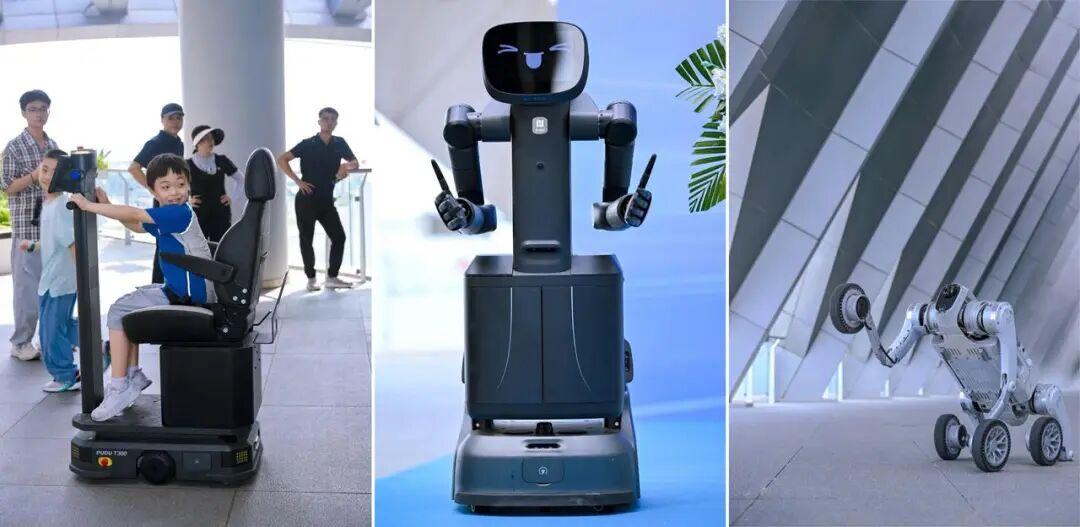
自从2016年在深圳扎根,十年来,普渡机器人产品线从服务配送延伸到商用清洁、工业物流与通用具身智能。每一款产品几乎都能在深圳找到具体的场景起点:餐厅的通道、酒店的电梯、工厂的产线、写字楼的夜间大堂……

而今,普渡机器人已走向全球超85个国家和地区,覆盖亚太经合21个主要成员经济体,全球累计出货量超13万台。据弗若斯特沙利文报告,以收入和出货量计,普渡均位居全球商用服务机器人市场第一。

APEC来了,这些早已在深圳各类场景中工作的机器人,正以自己的方式迎接八方来客,也成为观察这座城市科技创新与产业落地的一个独特窗口。

机场与口岸,落地后看到的第一个“深圳”

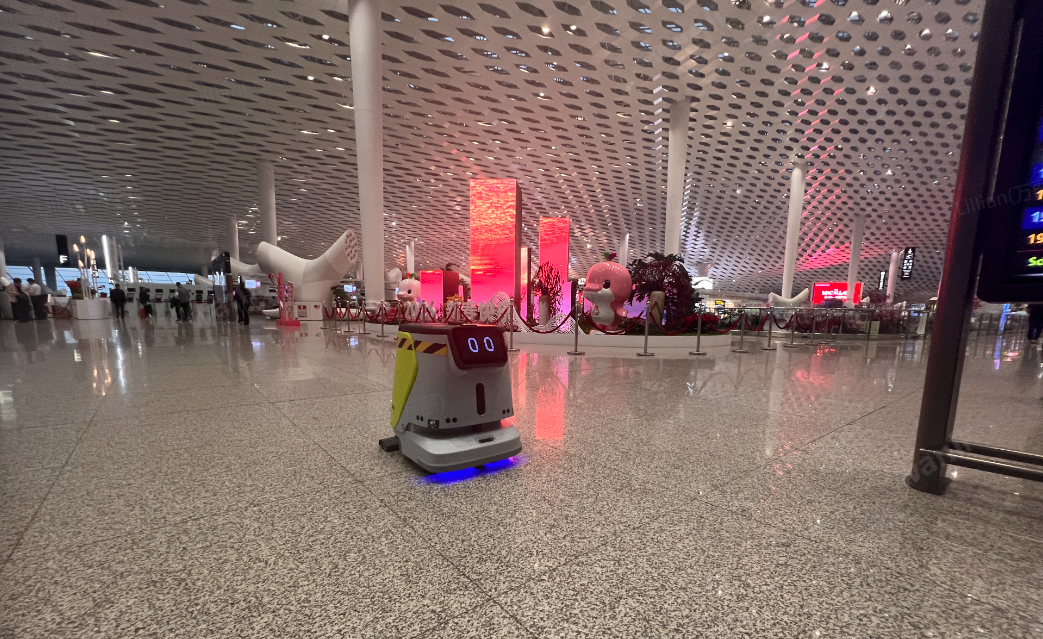
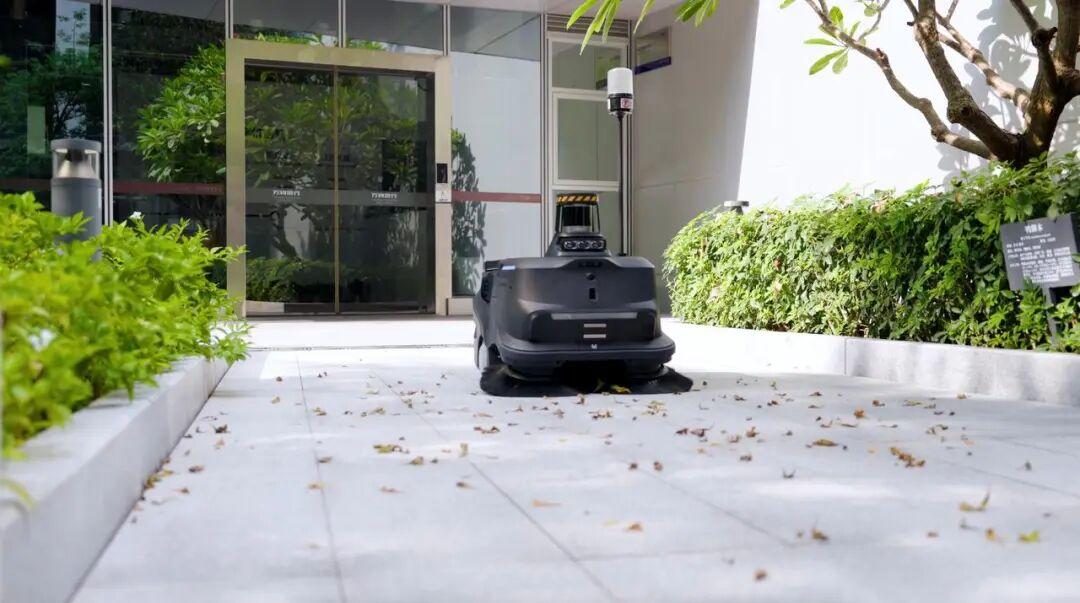
宝安机场航站楼里,人流从未真正稀疏过。拖着行李箱的旅客匆匆穿过值机岛,赶早班机的人揉着眼睛寻找登机口。在这条动线上,普渡的清洁机器人沿着地面匀速行进,扫、吸、推、洗一气呵成。旁边的人不需要刻意避让,它自己会绕开。

图片

一座城市给人的第一印象,常在落地那一刻被定下。航站楼地面干不干净、餐厅服务是否细致周到,比任何宣传语都更早被感知。

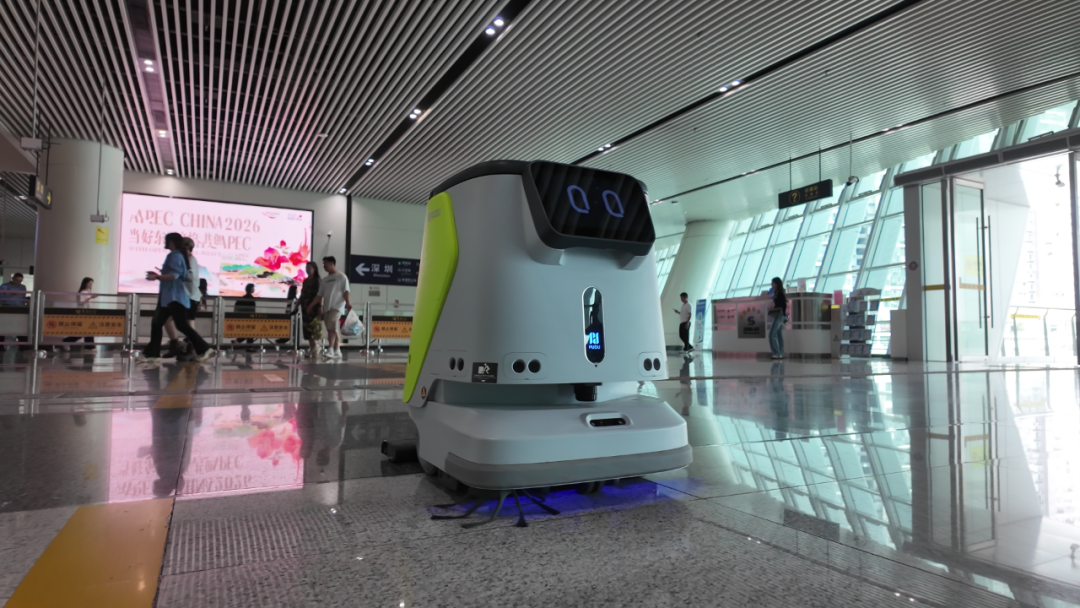
深圳口岸的情况类似。深港之间往来的人流带着各自的节奏,而清洁机器人贴着人流通道的边缘作业,不打扰任何一条排队队伍。它们的工作,让西面八方来客对这座城市的第一印象更干净整洁。

图片

深圳地铁,藏在城市动脉里的日常

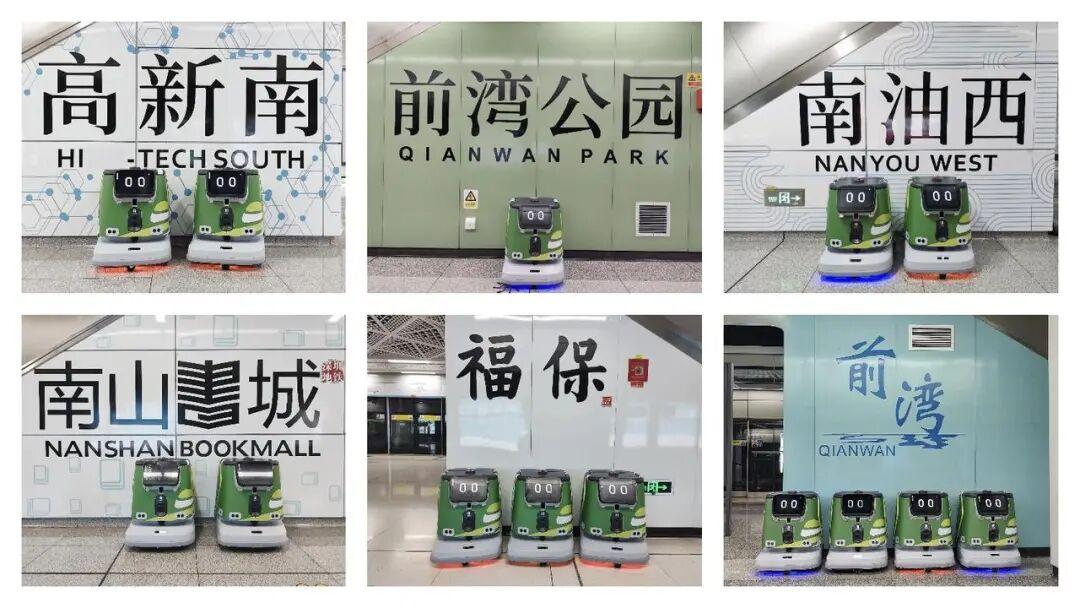
深圳地铁里,人们很容易发现,这里有一批"会走路"的垃圾桶。它们自己巡场,也会跟着乘客走,待人把垃圾投进去,它接着往前。

这套移动的垃圾桶,正是普渡工业物流机器人T系列。不少乘客把这一幕拍下来发到网上,评论区里总免不了"深圳先进成这样了吗"的高赞。

地铁站是个特别的空间:早晚高峰人流高度集中,其余时段又空得能听见脚步声。地面保洁必须避开高峰,普渡清洁机器人在夜间开启地铁停运后的窗口期作业。留给机器人的时间只有几个小时,也足够它把白天几万人跑过的地面清扫得干干净净。

图片

商场与卖场,购物车旁边的沉默同事

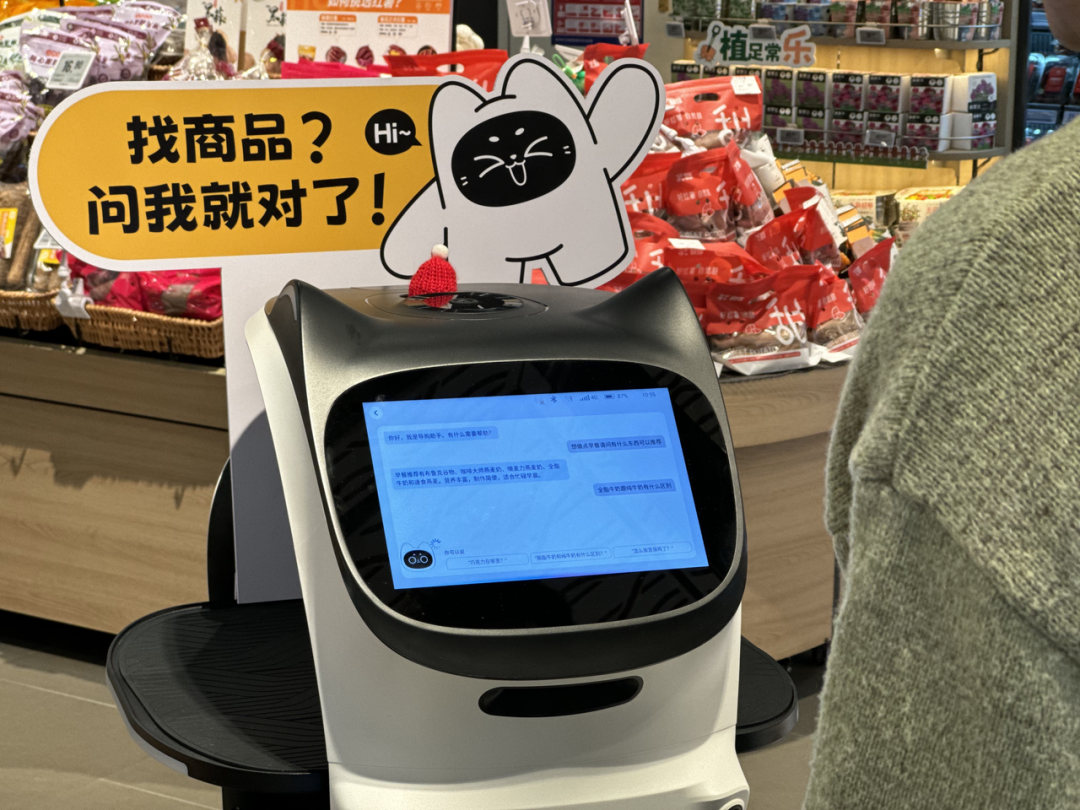
深圳大润发超市,普渡贝拉Pro在通道里送单、做导购又跑配送,屏幕上滚动着广告与活动,隔层里放满了商品。

图片

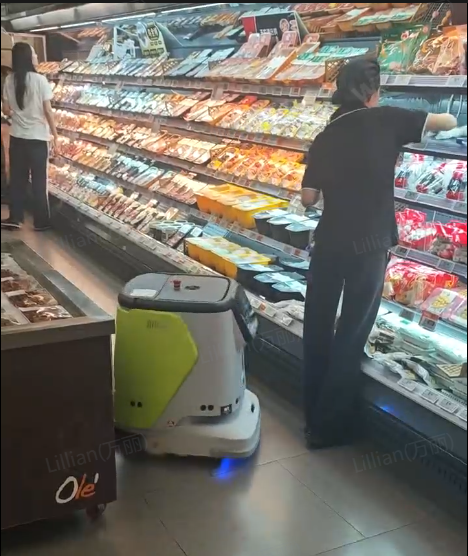
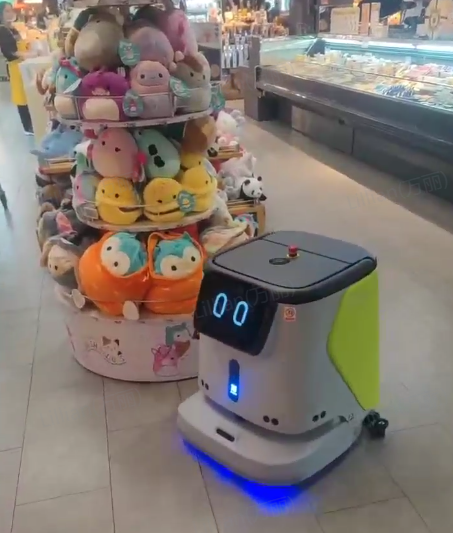
华润Ole的进口食品货架旁,清洁机器人从过道中间穿过去,地上的菜叶和碎屑被卷走,推着购物车的人甚至不用低头看。南山京东mall里也一样,机器人做的那部分工作很不起眼,但少了它,地面状态很快就不是现在这样。

图片

图片

中西餐厅,机器人穿梭在后厨与餐桌之间

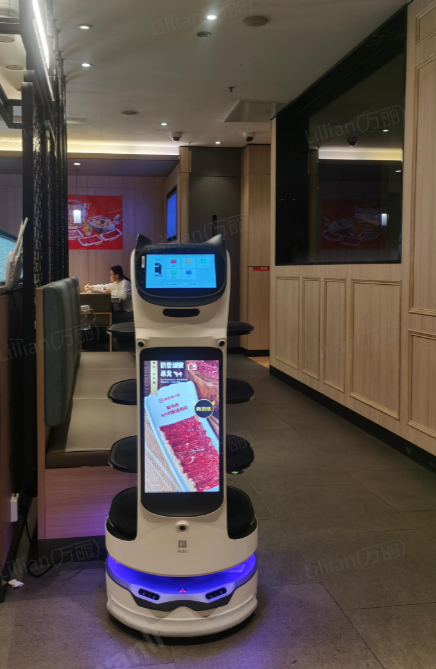
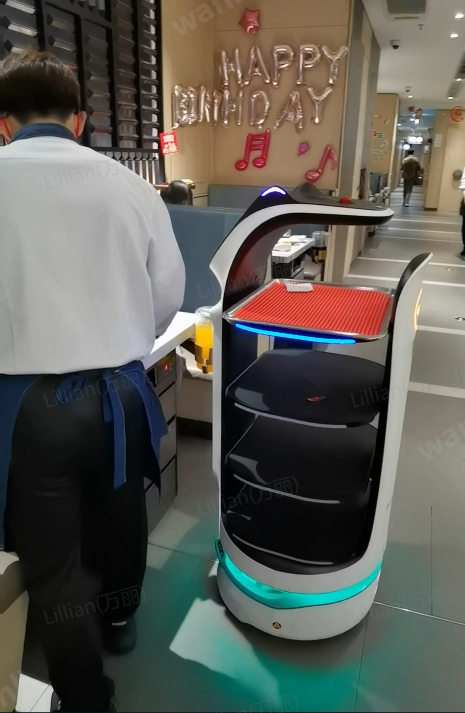
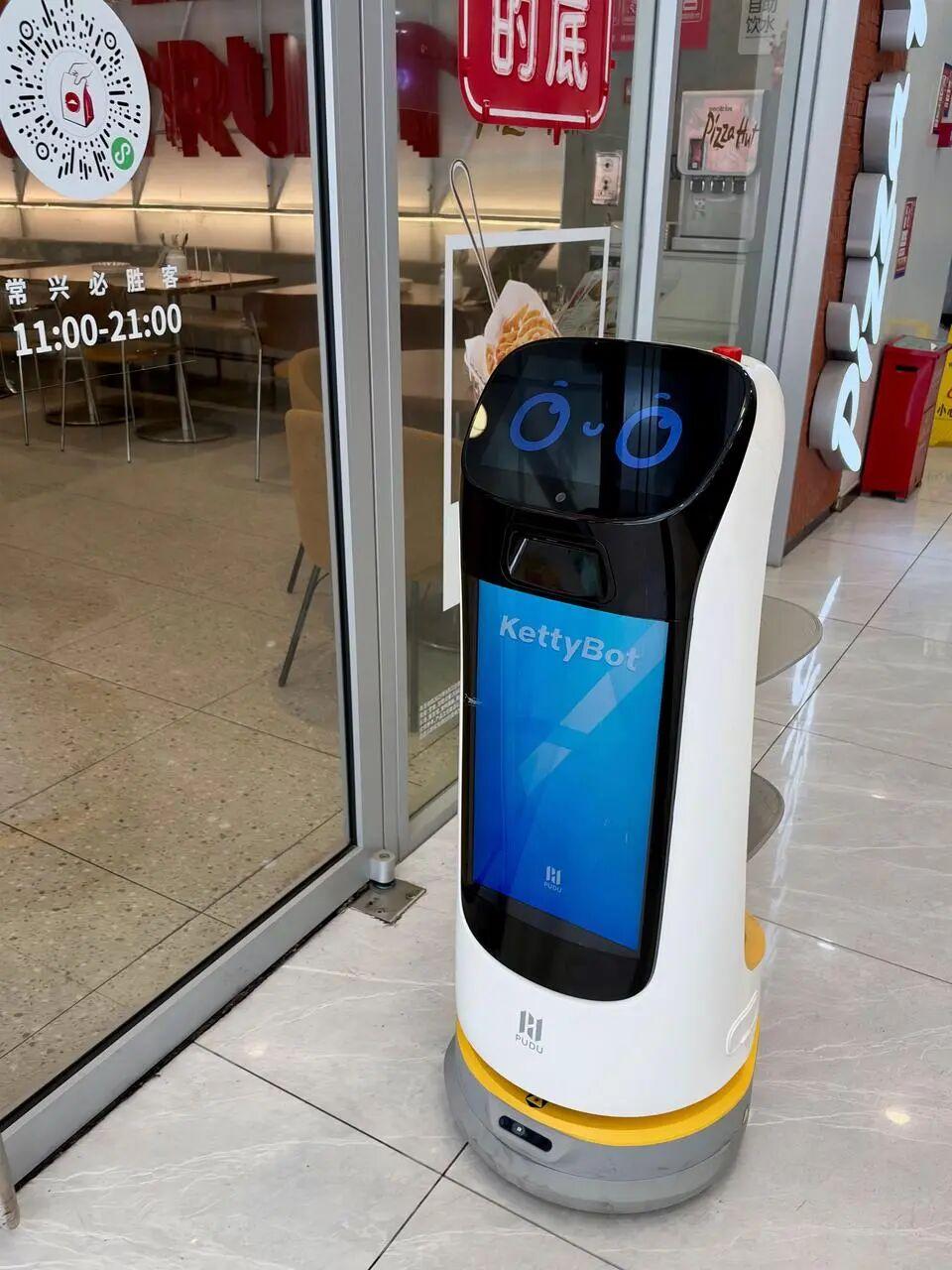
海底捞的欢乐送机器人可能是深圳人最熟悉的那一类。托盘上摞着毛肚和虾滑,从后厨稳稳滑到桌边,停下来,等食客取餐。第二代欢乐送在高峰期一趟接一趟地跑,送去餐食,也送去欢乐。另一边,贝拉Pro,带屏的营销配送机器人,既能送餐、也能做迎宾导购。

图片

图片

火锅场景对传菜的要求很特殊:锅底、菜品、餐具、加汤续水,转运量大、频次高,通道又窄,服务员来回穿梭。机器人要"在人缝里不撞人"。这背后是导航、避障和路径规划的真功夫。

必胜客的餐厅,普渡小型营销配送二合一机器人葫芦也在招揽着客人,不过它机身更小、转弯半径小,一些通道偏窄的场景,它也来去自如,带着温和的工作节奏,和餐厅的气质融为一体。

图片

文旅与景点,有人停下来拍照打卡

深圳书城湾区之眼是面向粤港澳辐射大湾区的地标级文化旅游,每年举办各类文化活动近千次,在书城楼层之间,普渡配送机器人闪电匣为读者取送书籍与物品。

机器人可爱的外形,偶尔引来小孩追着它跑,或围着它对视。还有好奇的外国游客,带着赞叹的目光举着手机跟拍,捕捉他们眼中的深圳科技细节。

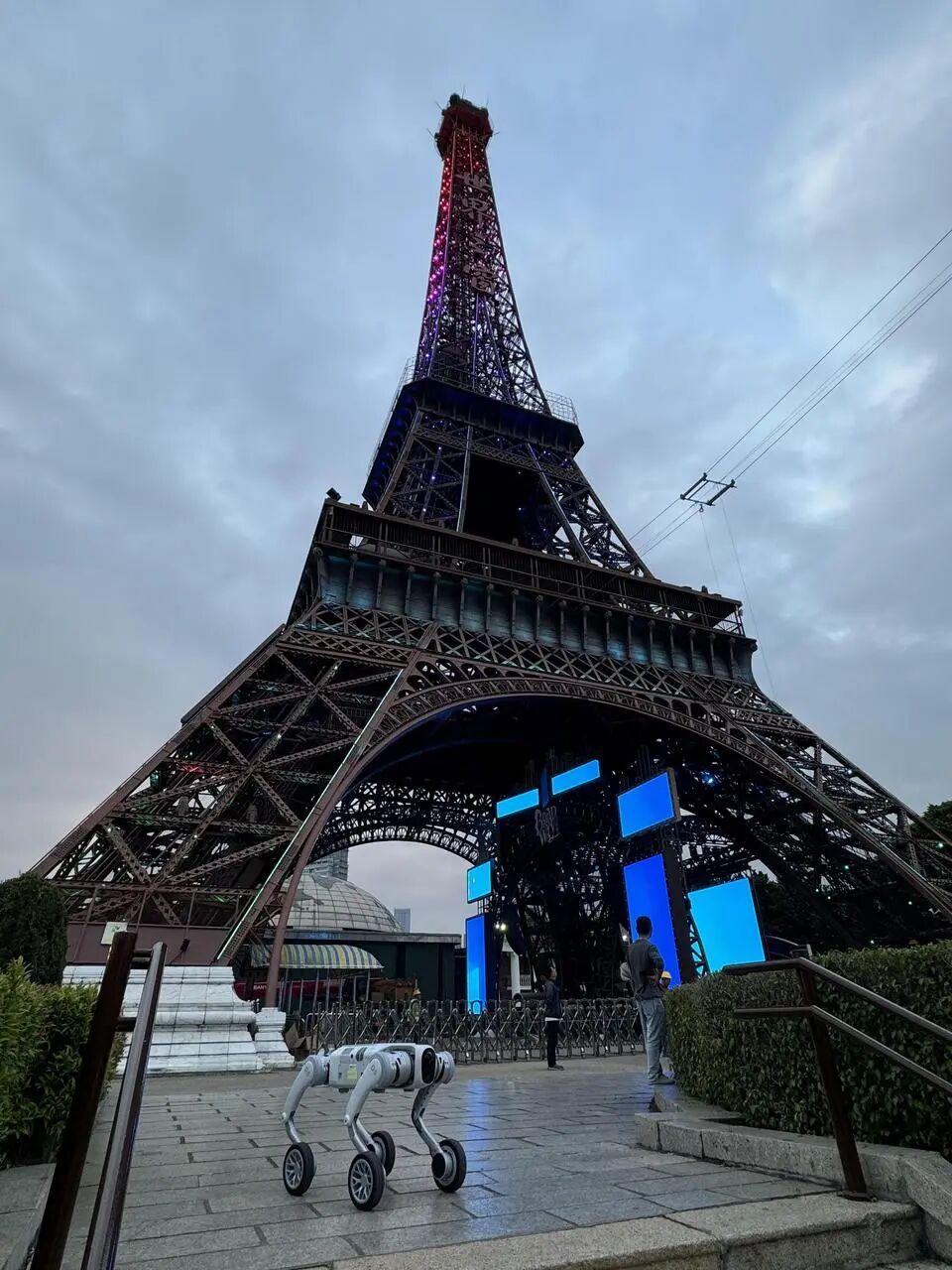
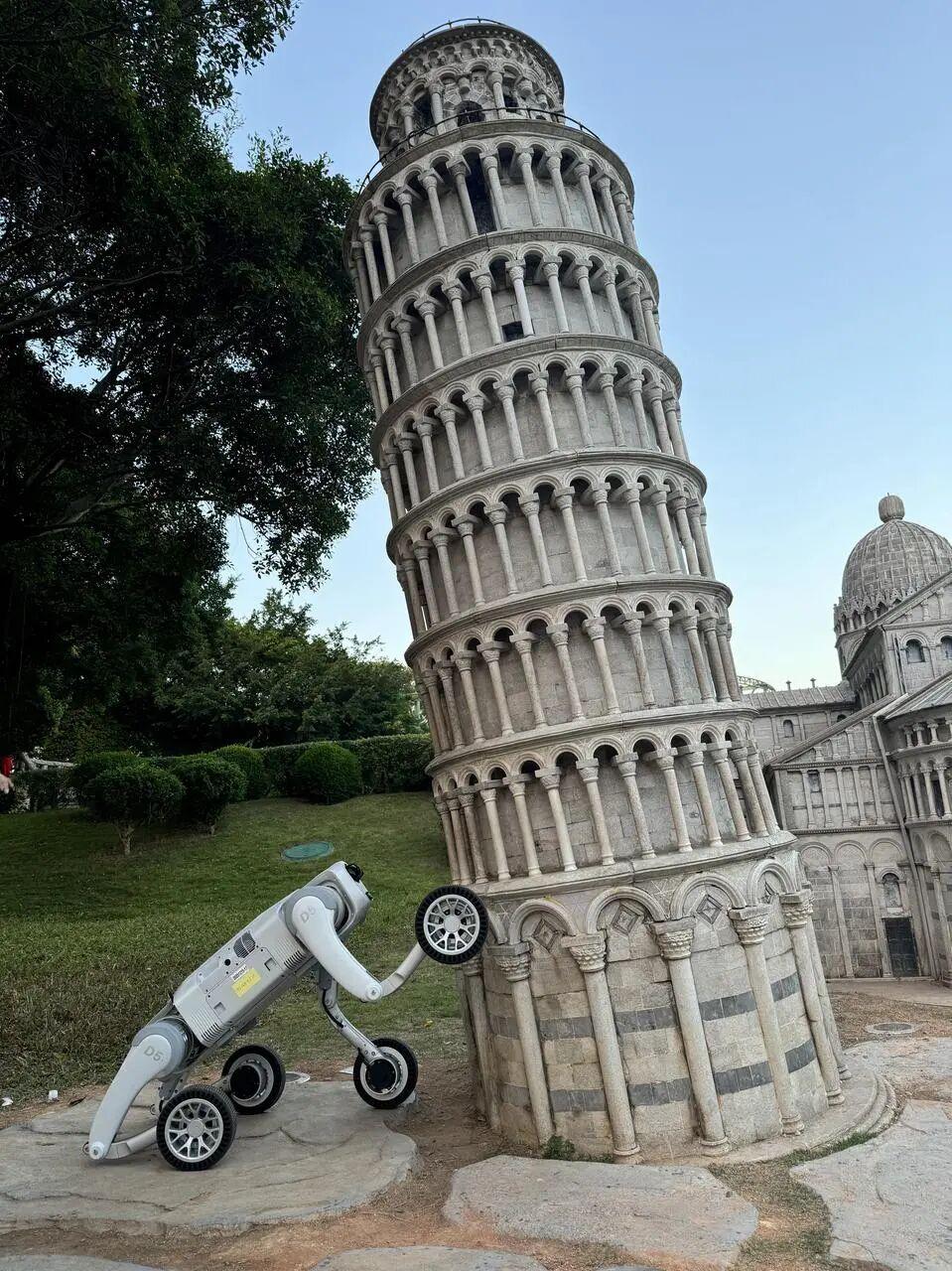
在类似“世界之窗科技潮玩节”这样的文旅盛会上,气氛完全不同。普渡的机器人在这里是被围观的对象。普渡的行业级四足机器狗D5越障碍、翻跟头,引得人群里发出阵阵欢呼。

图片

图片

同一个技术底座,进入不同形态的机器人,在书城是安静的服务者,在文旅场景,变成了可以互动的对象。这正是"场景智能"的分量:机器人的形态不必相同,底层大脑却可以相通。

酒店,机器人在深夜替人跑了几十趟

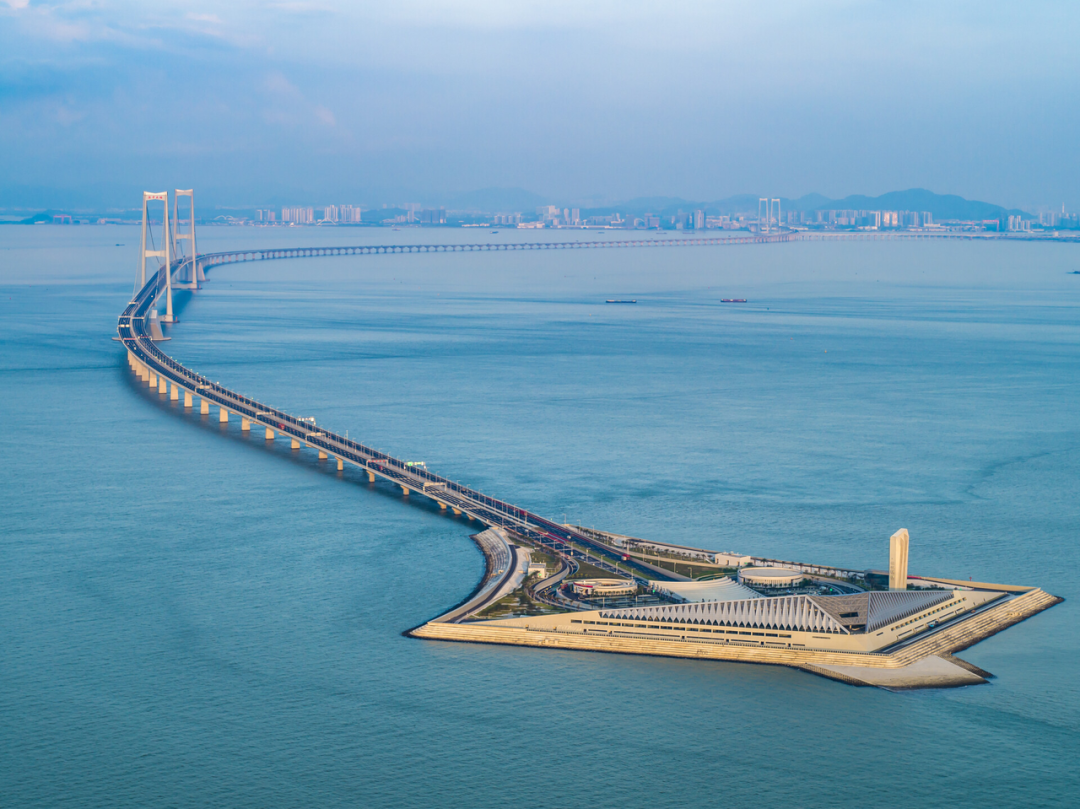
深中通道西人工岛上,普渡与深圳市文旅产业公司联合打造的全球首个全流程机器人服务智慧酒店落地于此。

图片

从住客踏入酒店开始,接待、入住办理、行李引导、送餐清洁,全部由不同形态的普渡机器人协同完成,目标是“无人工断点、无服务盲区”。但在这之前,同样的能力早已散落在深圳的各大酒店场景里。

图片

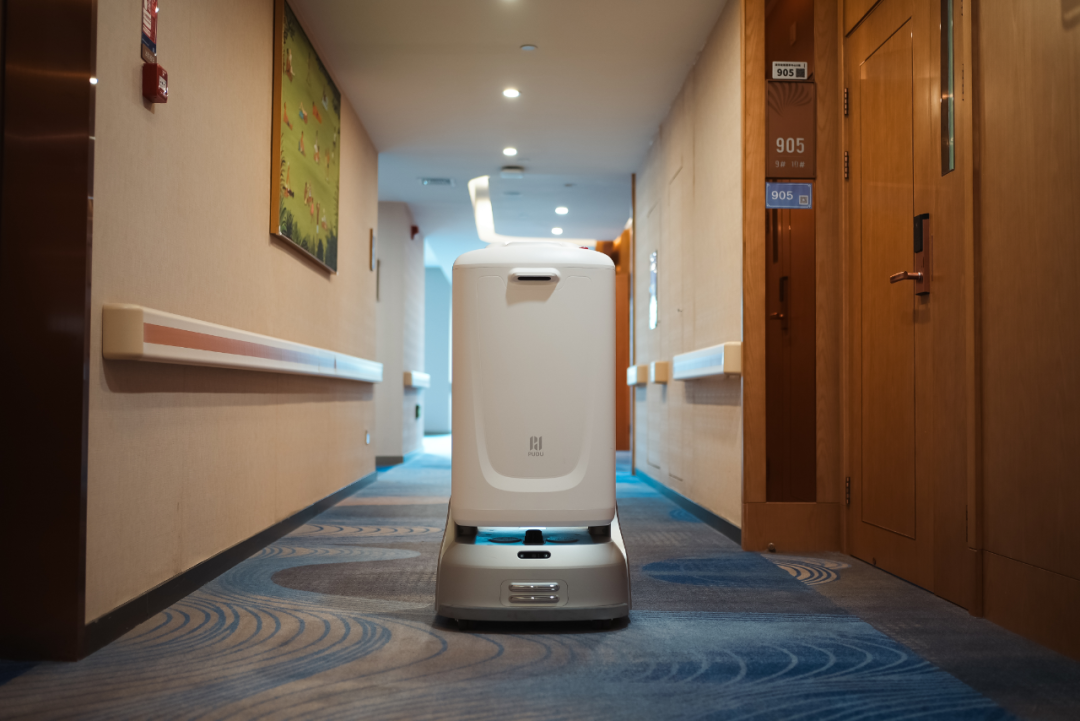
福田大中华喜来登酒店,普渡的配送机器人“闪电匣”穿过下午茶时段的大堂人流,把一份文件送到电梯间。亚朵集团在深圳的多家门店里,类似的场景每天都在发生,前台忙不过来的时候,机器人已经自己跑了两趟客房。

这是一台能自己呼梯、自己进电梯、自己“按”楼层的封闭式配送机器人。从前台到房门这一段路,它每天来回几十趟。

图片

酒店里最琐碎的活是"送":一瓶水、一份夜宵、一叠打印好的文件……单次不过几分钟,但一天几十趟,全耗在等电梯和走楼层上。深夜尤其明显,那是员工最累、客人需求又最零散的时候,这台机器人成了承接这份工作的跑腿高手。

靠近机场的希尔顿惠庭深圳宝安机场店,不少客人都是深夜抵达、清晨离开,行李多、停留短,送一瓶水、送一份早餐到房门的需求,集中在不规律的时间段,这是机器人擅长的场景。

工厂与写字楼,生产与办公的另一种在岗

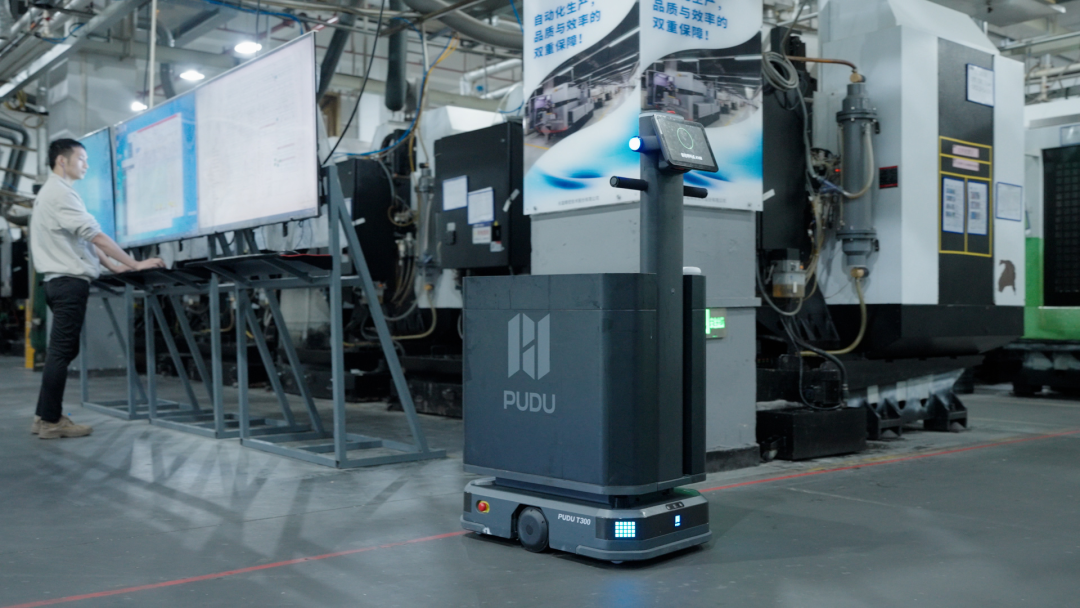
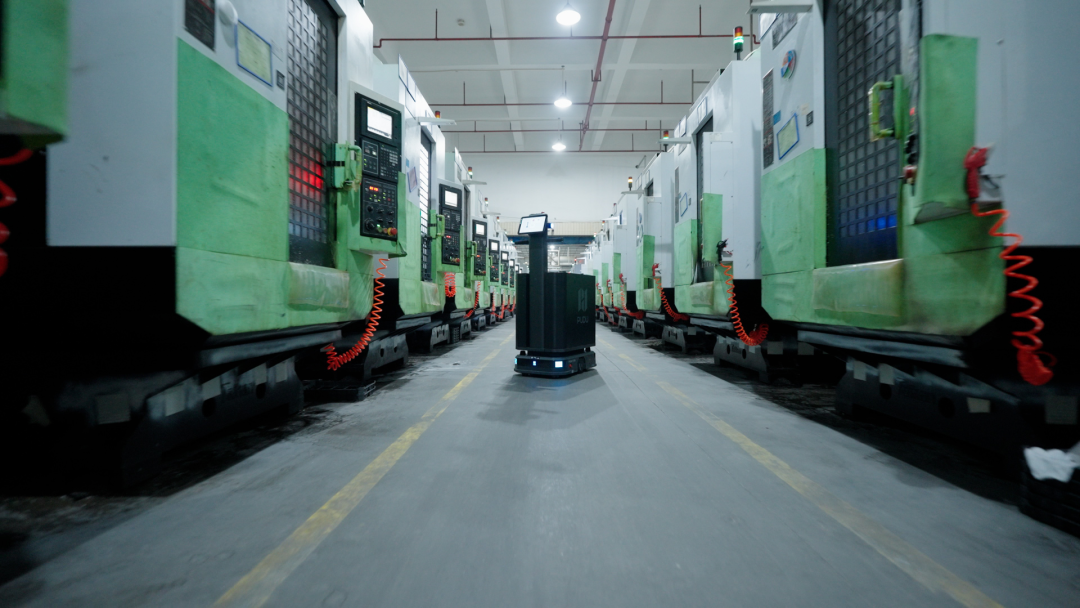
欣旺达的厂区里,普渡的机器人在这里实践多机协同:工业配送机器人搬运着物料,从仓库到产线,路线固定,风雨无阻;清洁机器人负责厂区大面积地面清洁;欢乐送2承担轻载物资的配送,它们共同打造了一个智慧工厂新典范。

工厂里最不起眼、又最占人的活,往往就是"把东西从A挪到B"。这类活没有多少技术含量,却要占掉大量工时,还要有人在粉尘、噪音和夜班里守着。机器人接手之后,人可以去干需要判断、需要经验的事。

这些场景没有观众,但它们是普渡机器人工业产品线在深圳最实在的注脚。

图片

图片

在很多园区和写字楼里,机器人已经不再被当作新鲜设备,而是像电梯、饮水机一样,被归进了"楼里的公共设施"。

在深圳天安云谷、西丽国际创新谷这样的写字楼场景,普渡清洁机器人每天穿行于上班族的人流之间,承担着写字楼大堂、办公楼户外等区域的清洁工作。凭借安全自主避障能力,它能在人群中从容穿行,来往的上班族或许未必留意到它的存在,却在不知不觉间享受着它维护下的清爽环境。

图片

APEC期间,关于人工智能、数字经济与产业创新的讨论,将在深圳展开。而在会场之外,那些已经在岗多年的机器人会照常扫地、送物、搬货、按电梯……为整座城市服务。

技术的价值,不只在于它能实现什么,更在于它能否走进真实场景、持续稳定地运行,并为人们的工作与生活创造价值。

当世界来到深圳,看到的不只是这座城市的创新活力,也包括那些已经融入日常、默默创造价值的科技力量。如果你在在附近的商圈、写字楼或酒店里,和一台普渡机器人擦肩而过,那大概就是深圳这座城市最自然的表达:科创的硬核撑起效率,服务的温度落进日常,人与机器在同一座城市里各司其职,和谐共生。

这正是深圳的机器人名片最特别的地方——它们不必站在聚光灯下,也能让一座城市的科技实力,被真实地感知。

注:本文与2026年APEC会议官方活动无关

注:文/龚作仁,文章来源:Laborer,本文为作者独立观点,不代表亿邦动力立场。

文章来源:Laborer

广告
微信
朋友圈

FAQ回顾

普渡机器人是做什么的?

普渡机器人是一家2016年在深圳扎根的机器人企业,产品线覆盖服务配送、商用清洁、工业物流与通用具身智能,已进入全球超85个国家和地区、覆盖亚太经合21个主要成员经济体,累计出货量超13万台。

商用服务机器人主要用在哪些场景?

商用服务机器人已用于机场、口岸、地铁、商场、超市、餐厅、酒店、书城、写字楼和工厂等场景,承担地面清洁、餐食与物品配送、迎宾导购、工业物料搬运等任务,并在酒店实现呼梯、进电梯、按楼层等封闭式配送。

普渡机器人在商用服务机器人市场的地位如何?

弗若斯特沙利文报告显示,以收入和出货量计,普渡均位居全球商用服务机器人市场第一;其全球累计出货量超过13万台,业务覆盖全球超85个国家和地区及亚太经合21个主要成员经济体。

酒店配送机器人能解决哪些实际运营问题?

酒店配送机器人可承担送水、送夜宵、送文件等高频琐碎任务,能自己呼梯、进电梯和按楼层,从前台到房门每天来回几十趟,尤其缓解深夜员工最累、客人需求零散时的人力压力,减少等电梯和走楼层耗时。

深圳服务机器人产业有哪些落地特点?

深圳服务机器人落地贴近真实场景,机场、口岸、地铁、商场、餐厅、酒店、书城、写字楼和工厂均有应用;企业依托本地场景打磨清洁、配送、工业物流和具身智能产品,并以此走向全球85个以上国家和地区。

这么好看,分享一下?

朋友圈 分享

APP内打开

赞 +1
+1
微信好友 朋友圈 新浪微博 QQ空间
关闭
收藏成功
发送
/140 0