广告
加载中

麦歌美国仓引入海柔创新双深位货架攀爬系统 库容效率和稳定性表现卓越

龚作仁 2026-10-21 17:02
龚作仁 2026/10/21 17:02

邦小白快读

EN
全文速览

总:文章核心是麦歌美国洛杉矶仓引入海柔闪攀双深位货架系统,验证自动化海外仓可稳定商用并降本增效。

1. 关键数据:600㎡有效存储面积布局11016个料箱货位,库容整体提升400%;25台闪攀机器人、4套入库缓存货架工作站、5个桌面出库工作站;入库效率80箱/小时,出库效率465箱/小时,精准率99.99%+,人工成本下降75%。

2. 实操要点:8米双深位货架提高空间利用率,料箱入库、存储、拣选、出库全流程无人自动化;HaiQ WES优化商品存储布局与波次管理,HaiQ ESS优化机器人行走路径。

总:长期稳定运行是自动化仓的关键。

1. 方案已稳定运行一年多,经历黑五、圣诞等爆单考验,适合小件多SKU、订单波动大的跨境场景。

2. 企业应关注故障维保、订单延误、临时人力等隐性成本,选择经全场景商用验证、可复制的方案。

总:品牌出海可借助海外仓自动化提升履约稳定性和店铺口碑。

1. 仓配影响:麦歌洛杉矶仓承接美妆、鞋服、3C、饰品、五金、包包、灯具、玩具、宠物用品等多品类,SKU繁多、订单小批量、周转波动大;稳定智能仓配可支撑品牌订单交付,精准率99.99%+有助于降低退换货成本与店铺口碑损耗。

2. 成本与峰值:库容提升400%,人工成本下降75%,无需扩租即可承接增长订单;系统可轻松应对日常几倍订单爆发量及黑五、圣诞爆单。

总:品牌可关注智能仓对渠道履约和用户体验的支撑。

1. 闪攀机器人接管重复、繁重、易错人工环节,提升作业精度和效能。

2. HaiQ WES通过优化商品存储布局与波次管理提升订单处理效率,HaiQ ESS优化路径缩短出库响应时间,适合多品类跨境品牌观察仓配运营价值。

总:文章为跨境卖家提供了海外仓自动化的机会、风险与可学习点。

1. 机会:稳定精准的北美仓配可提升履约,出库精准率99.99%+,入库80箱/小时、出库465箱/小时,人工成本下降75%,库容提升400%,可承接订单增长和大促峰值。

2. 风险提示:自动化海外仓前期硬件投入受关注,企业还担心故障维保、订单延误、临时人力等隐性成本,系统能否长期稳定运行是普遍担忧。

总:卖家可学习方案选择与运营要点。

1. 优先选择经一年多全场景商用验证、可规模化复制的方案,降低上线后不稳定风险。

2. 用8米双深位高位货架提高空间利用率,用HaiQ WES和HaiQ ESS协同优化波次与路径;该方案适配小件多SKU、订单结构多变、周转波动大的跨境业务。

总:文章对工厂的产品生产设计需求、商业机会和数字化电商启示较明确。

1. 生产设计需求:方案包含8米高标准双深位货架体系,在600㎡有效存储面积内实现11016个料箱货位;配套25台闪攀机器人、4套入库缓存货架工作站、5个桌面出库工作站,对硬件品控和现场适配要求高。

2. 商业机会:海外高成本仓储改造和国内小件高密度智能仓新建,都需要可落地、稳定、增效、可复制的柔性自动化仓储体系;双深位加高位货架组合带来4倍库容提升。

总:推进数字化和电商的启示。

1. 料箱入库、存储、拣选、出库全流程无人自动化,HaiQ WES优化存储布局与波次管理,HaiQ ESS优化机器人行走路径。

2. 系统稳定运行一年多并经历黑五、圣诞爆单,说明算法、硬件品控、调度逻辑和现场适配需经长期验证,成熟后才能规模化复制。

总:文章呈现海外仓自动化的行业趋势、客户痛点与解决方案。

1. 趋势:出海浪潮下,建设自动化海外仓仍是少部分企业的创新尝试;长期稳定运行是商用关键,麦歌项目完成一年多多场景验证,已进入可规模化复制的成熟商用阶段。

2. 客户痛点:海外仓储人工成本昂贵、现场运维人员少、订单波动大、大促峰值压力集中,对设备稳定性、调度逻辑、软硬件协同要求严苛;企业还担心故障维保、订单延误、临时人力等隐性成本。

总:海柔方案对应解决高密度存储和稳定运营问题。

1. 闪攀机器人加8米双深位货架,600㎡布局11016个料箱货位,库容提升400%;25台机器人、4套入库工作站、5个出库工作站实现全流程无人自动化。

2. HaiQ WES和HaiQ ESS协同优化波次与路径,精准率99.99%+,入库80箱/小时、出库465箱/小时,人工成本下降75%。

总:平台商可关注海外仓智能化对招商、履约和运营管理的价值。

1. 商业需求:跨境商家需要稳定、精准、可靠的北美仓配,尤其面对小件多SKU、订单小批量、周转波动大和大促峰值集中;平台招商可强调可复制智能仓能力和履约稳定性。

2. 最新做法:麦歌洛杉矶仓引入海柔闪攀双深系统,8米货架在600㎡内布局11016个料箱货位,25台机器人、4套入库工作站、5个出库工作站实现全流程无人自动化;HaiQ WES优化存储布局与波次管理,HaiQ ESS优化机器人路径。

总:运营管理与风向规避。

1. 数据表现包括库容提升400%、精准率99.99%+、入库80箱/小时、出库465箱/小时、人工成本下降75%,可应对几倍订单爆发和黑五圣诞爆单。

2. 平台应规避只重前期硬件投入而忽视故障维保、订单延误、临时人力等隐性成本,优先选择经长期稳定验证的方案。

总:文章提供跨境电商海外仓自动化的产业新动向与商用模式样本。

1. 新动向:出海浪潮高歌猛进,但自动化海外仓仍是少部分企业的创新尝试;企业担忧前期硬件投入及故障维保、订单延误、临时人力等隐性成本。麦歌与海柔在洛杉矶建立本地智能仓,完成一年多全场景商用验证,标志方案从测试走向可规模化复制。

2. 技术模式:采用8米双深位货架攀爬机器人方案,600㎡有效存储面积实现11016个料箱货位,库容提升400%;25台闪攀机器人、4套入库缓存货架工作站、5个桌面出库工作站,实现料箱入库、存储、拣选、出库全流程无人自动化;HaiQ WES和HaiQ ESS负责波次、布局与路径协同。

总:问题与启示。

1. 小件混杂、SKU迭代快、订单结构多变场景对稳定性要求高;项目精准率99.99%+,入库80箱/小时、出库465箱/小时,人工成本下降75%。

2. 商业模式推广需重视长期稳定运行和隐性成本,真实落地效果与可复制性是该类智能仓储方案商用的关键。

返回默认
声明:快读内容全程由AI生成,请注意甄别信息。如您发现问题,请发送邮件至 run@ebrun.com 。

我是 品牌商 卖家 工厂 服务商 平台商 研究者 帮我再读一遍。

Quick Summary

Summary: The article's core is that Maige's Los Angeles warehouse adopted the Hai Robotics flash-picking double-deep racking system, demonstrating that automated overseas warehouses can achieve stable commercial operation while reducing costs and improving efficiency.

1. Key data: 600 sq m of effective storage area accommodates 11,016 tote locations, raising total storage capacity by 400%; 25 flash-picking robots, 4 inbound buffer rack workstations, and 5 desktop outbound workstations; inbound throughput is 80 totes/hour, outbound throughput 465 totes/hour, accuracy 99.99%+, and labor costs down 75%.

2. Operational highlights: 8-meter double-deep racking improves space utilization, with fully unmanned automation across inbound, storage, picking, and outbound; HaiQ WES optimizes product storage layout and wave management, while HaiQ ESS optimizes robot travel paths.

Summary: Long-term stable operation is key to an automated warehouse.

1. The solution has run stably for more than a year and withstood order surges such as Black Friday and Christmas; it suits cross-border scenarios with small items, many SKUs, and high order volatility.

2. Companies should consider hidden costs such as fault maintenance, order delays, and temporary labor, and choose solutions that have been commercially validated across full scenarios and can be replicated.

Summary: Brands going global can use automated overseas warehouses to improve fulfillment stability and store reputation.

1. Warehouse impact: Maige's Los Angeles warehouse handles multiple categories, including beauty, apparel and footwear, consumer electronics (3C), accessories, hardware, bags, lighting, toys, and pet supplies, with many SKUs, small-batch orders, and volatile turnover; stable intelligent warehousing and fulfillment can support brand order delivery, and 99.99%+ accuracy helps reduce return and exchange costs and damage to store reputation.

2. Cost and peak capacity: storage capacity is up 400% and labor costs down 75%, allowing growth orders to be handled without expanding leased space; the system can easily handle several times normal order surges and Black Friday and Christmas peaks.

Summary: Brands can focus on how intelligent warehouses support channel fulfillment and user experience.

1. Flash-picking robots take over repetitive, heavy, and error-prone manual tasks, improving operational accuracy and efficiency.

2. HaiQ WES improves order processing efficiency by optimizing product storage layout and wave management, while HaiQ ESS optimizes routing to shorten outbound response times; this is suitable for multi-category cross-border brands evaluating the value of warehousing and fulfillment operations.

Summary: The article offers cross-border sellers opportunities, risks, and lessons in overseas warehouse automation.

1. Opportunities: stable and accurate North American warehousing and fulfillment can improve delivery; outbound accuracy is 99.99%+, inbound throughput is 80 totes/hour, outbound throughput 465 totes/hour, labor costs are down 75%, and storage capacity is up 400%, supporting order growth and peak promotions.

2. Risk note: upfront hardware investment in automated overseas warehouses is a concern, and companies also worry about hidden costs such as fault maintenance, order delays, and temporary labor; whether systems can operate stably over the long term is a common concern.

Summary: Sellers can learn from solution selection and operational priorities.

1. Prioritize solutions that have been commercially validated across scenarios for more than a year and can be scaled and replicated, reducing the risk of instability after launch.

2. Use 8-meter double-deep high-bay racking to improve space utilization, and use HaiQ WES and HaiQ ESS together to optimize waves and routing; the solution fits cross-border operations with small items, many SKUs, changing order structures, and volatile turnover.

Summary: The article clearly points to production and design requirements, business opportunities, and digital and e-commerce implications for factories.

1. Production and design requirements: the solution includes an 8-meter high-standard double-deep racking system that achieves 11,016 tote locations within 600 sq m of effective storage area; it is equipped with 25 flash-picking robots, 4 inbound buffer rack workstations, and 5 desktop outbound workstations, placing high demands on hardware quality control and on-site adaptation.

2. Business opportunities: overseas high-cost warehouse retrofits and new high-density smart warehouses for small items in China both require implementable, stable, efficiency-enhancing, and replicable flexible automated warehousing systems; the combination of double-deep and high-bay racking delivers a 4x storage capacity increase.

Summary: Implications for advancing digitalization and e-commerce.

1. The full flow of tote inbound, storage, picking, and outbound is unmanned and automated; HaiQ WES optimizes storage layout and wave management, while HaiQ ESS optimizes robot travel paths.

2. The system has run stably for more than a year and withstood Black Friday and Christmas order surges, showing that algorithms, hardware quality control, scheduling logic, and on-site adaptation need long-term validation before they are mature enough for scale replication.

Summary: The article presents industry trends, customer pain points, and solutions in overseas warehouse automation.

1. Trends: amid the wave of going global, building automated overseas warehouses remains an innovative attempt by only a minority of companies; long-term stable operation is key to commercialization, and the Maige project has completed more than a year of multi-scenario validation and entered a mature commercial stage that can be scaled and replicated.

2. Customer pain points: overseas warehousing has high labor costs, few on-site operations and maintenance staff, high order volatility, and concentrated peak-promotion pressure, placing strict demands on equipment stability, scheduling logic, and software-hardware coordination; companies also worry about hidden costs such as fault maintenance, order delays, and temporary labor.

Summary: The Hai Robotics solution addresses high-density storage and stable operations.

1. Flash-picking robots plus 8-meter double-deep racking place 11,016 tote locations in 600 sq m, raising storage capacity by 400%; 25 robots, 4 inbound workstations, and 5 outbound workstations enable fully unmanned automation across the full flow.

2. HaiQ WES and HaiQ ESS work together to optimize waves and routing, with 99.99%+ accuracy, inbound throughput of 80 totes/hour, outbound throughput of 465 totes/hour, and labor costs down 75%.

Summary: Marketplace operators can focus on the value of overseas warehouse intelligence for merchant recruitment, fulfillment, and operations management.

1. Business needs: cross-border merchants need stable, accurate, and reliable North American warehousing and fulfillment, especially for small items with many SKUs, small-batch orders, volatile turnover, and concentrated peak promotions; platform merchant recruitment can emphasize replicable smart-warehouse capabilities and fulfillment stability.

2. Latest practice: Maige's Los Angeles warehouse adopted the Hai Robotics flash-picking double-deep system; 8-meter racking places 11,016 tote locations within 600 sq m, and 25 robots, 4 inbound workstations, and 5 outbound workstations enable fully unmanned automation; HaiQ WES optimizes storage layout and wave management, while HaiQ ESS optimizes robot routing.

Summary: Operations management and risk avoidance.

1. Performance data include storage capacity up 400%, accuracy 99.99%+, inbound throughput 80 totes/hour, outbound throughput 465 totes/hour, and labor costs down 75%, enabling the warehouse to handle several times order surges and Black Friday and Christmas peaks.

2. Platforms should avoid focusing only on upfront hardware investment while ignoring hidden costs such as fault maintenance, order delays, and temporary labor, and should prioritize solutions validated for long-term stability.

Summary: The article provides an industry development update and a commercial-model sample of overseas warehouse automation in cross-border e-commerce.

1. New development: the wave of going global is advancing rapidly, but automated overseas warehouses remain an innovative attempt by only a minority of companies; companies worry about upfront hardware investment and hidden costs such as fault maintenance, order delays, and temporary labor. Maige and Hai Robotics built a local smart warehouse in Los Angeles and completed more than a year of full-scenario commercial validation, marking a shift from testing to scalable replication.

2. Technical model: the solution uses an 8-meter double-deep rack-climbing robot system, achieving 11,016 tote locations within 600 sq m of effective storage area and raising storage capacity by 400%; 25 flash-picking robots, 4 inbound buffer rack workstations, and 5 desktop outbound workstations enable fully unmanned automation across tote inbound, storage, picking, and outbound; HaiQ WES and HaiQ ESS coordinate waves, layout, and routing.

Summary: Problems and implications.

1. Scenarios with mixed small items, fast SKU iteration, and changing order structures have high stability requirements; the project achieves 99.99%+ accuracy, inbound throughput of 80 totes/hour, outbound throughput of 465 totes/hour, and a 75% reduction in labor costs.

2. Commercial promotion must emphasize long-term stable operation and hidden costs; real-world implementation results and replicability are key to commercializing such smart warehousing solutions.

Disclaimer: The "Quick Summary" content is entirely generated by AI. Please exercise discretion when interpreting the information. For issues or corrections, please email run@ebrun.com .

I am a Brand Seller Factory Service Provider Marketplace Seller Researcher Read it again.

出海浪潮高歌猛进,但建设自动化海外仓,却依然只是少部分企业的创新尝试。企业不仅担心前期硬件投入,更担心上线后因故障维保、订单延误、临时人力所产生的隐性成本,系统能否长期稳定运行是企业普遍担忧。

作为智能仓储先行企业,麦歌携手海柔创新在洛杉矶建立本地智能仓,依托闪攀机器人及双深位货架,建立稳定高效的智能仓储体系。如今,系统已稳定运行一年多,为出海商家交付稳定、精准、可靠的北美仓配解决方案。

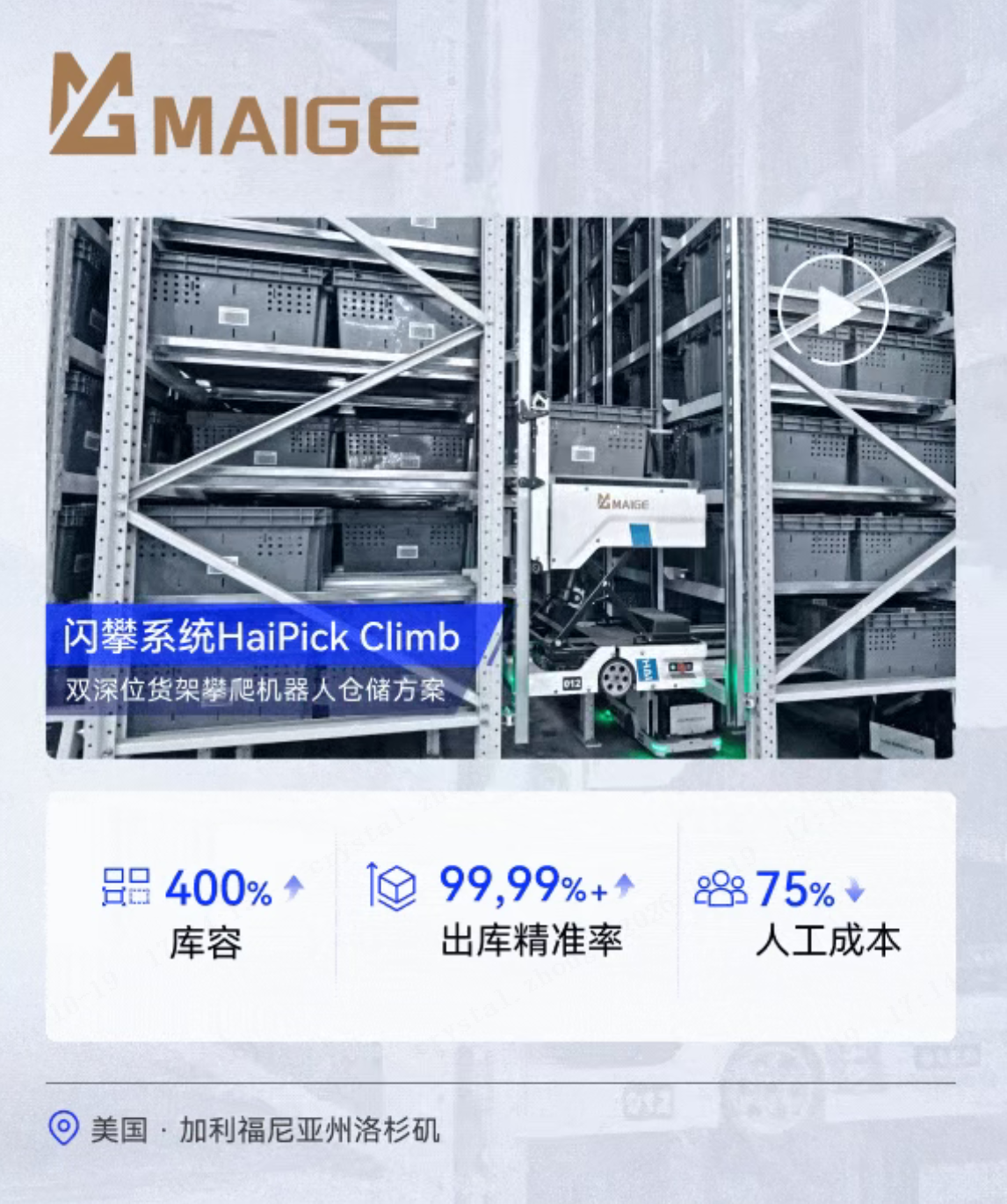
麦歌十年深耕小件全渠道仓配领域,拥有超10万㎡仓储体系,服务200余家品牌。为打通国内仓与美国本地智能仓的履约链路,麦歌美国洛杉矶核心物流区部署海柔创新货架攀爬机器人方案,并成功探索出自动化方案长期稳定商用的先进实践。如今,智能仓的库容整体提升400%,出库精准率超99.99%,人工成本下降75%。

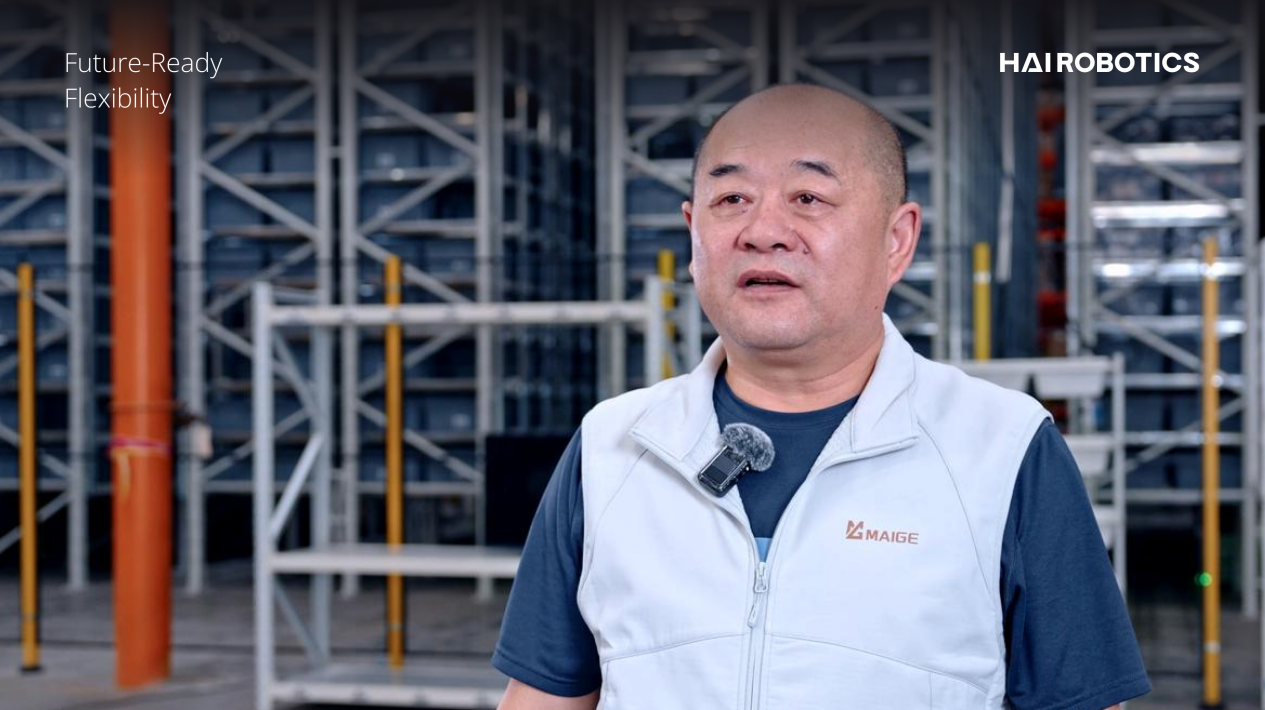
麦歌CEO王光明表示,在麦歌洛杉矶海外仓,智能拣货机器人已经接管了之前重复、繁重、易错的人工工作环节,使作业精度和效能都大幅提升。智能化所展现的稳定性和可拓展性,让海外仓能够轻松应对日常几倍的订单爆发量,给海外仓吃了一颗定心丸。

适配跨境小件业务,打造高稳定运营智能仓

麦歌MAIGE美国洛杉矶仓,承接美妆、鞋服、3C、饰品、五金、包包、灯具、玩具、宠物用品等多品类跨境货品,SKU繁多、订单小批量、周转波动大,核心建设目标是追求稳定、降本、可复制的常态化智能运营。

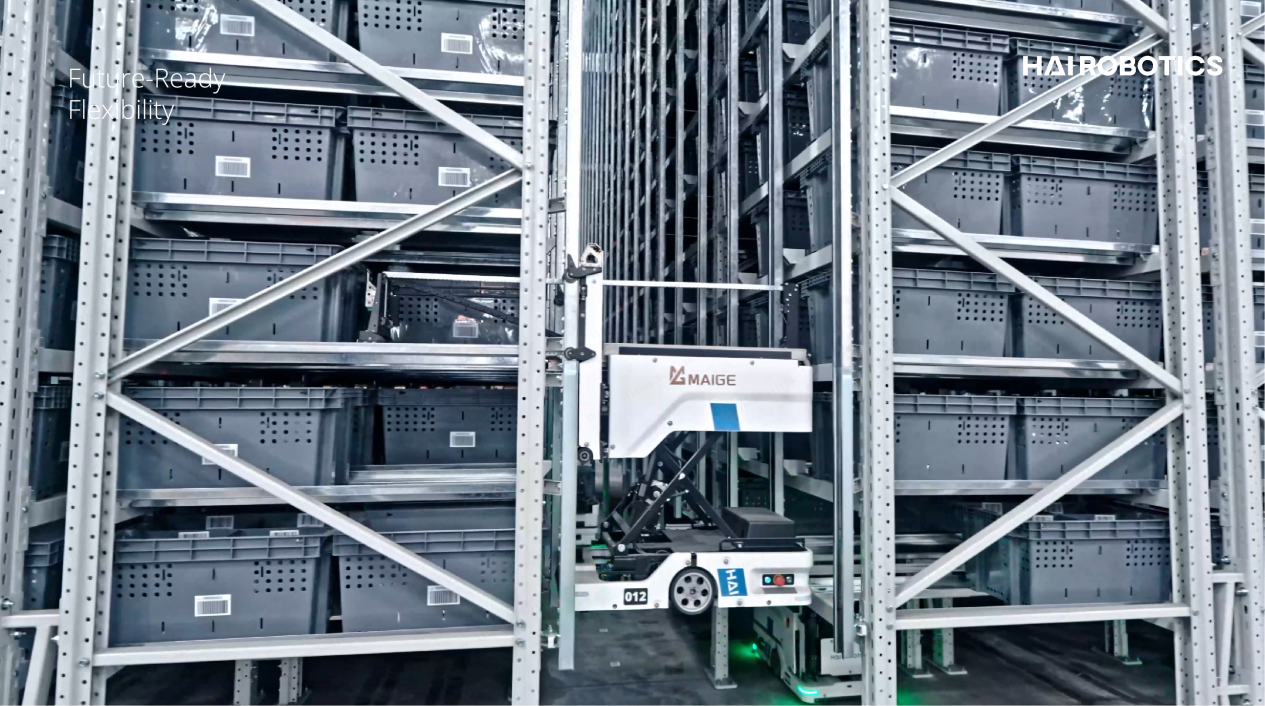
海柔创新率先推出的货架攀爬机器人方案完全适配麦歌的场景需求。在麦歌洛杉矶仓,海柔为其提供8米高标准双深位货架体系,在仅600㎡的有效存储面积内,实现11016个料箱货位布局,相较传统人工仓,库容整体提升400%,彻底激活海外小面积仓库的存储潜能。

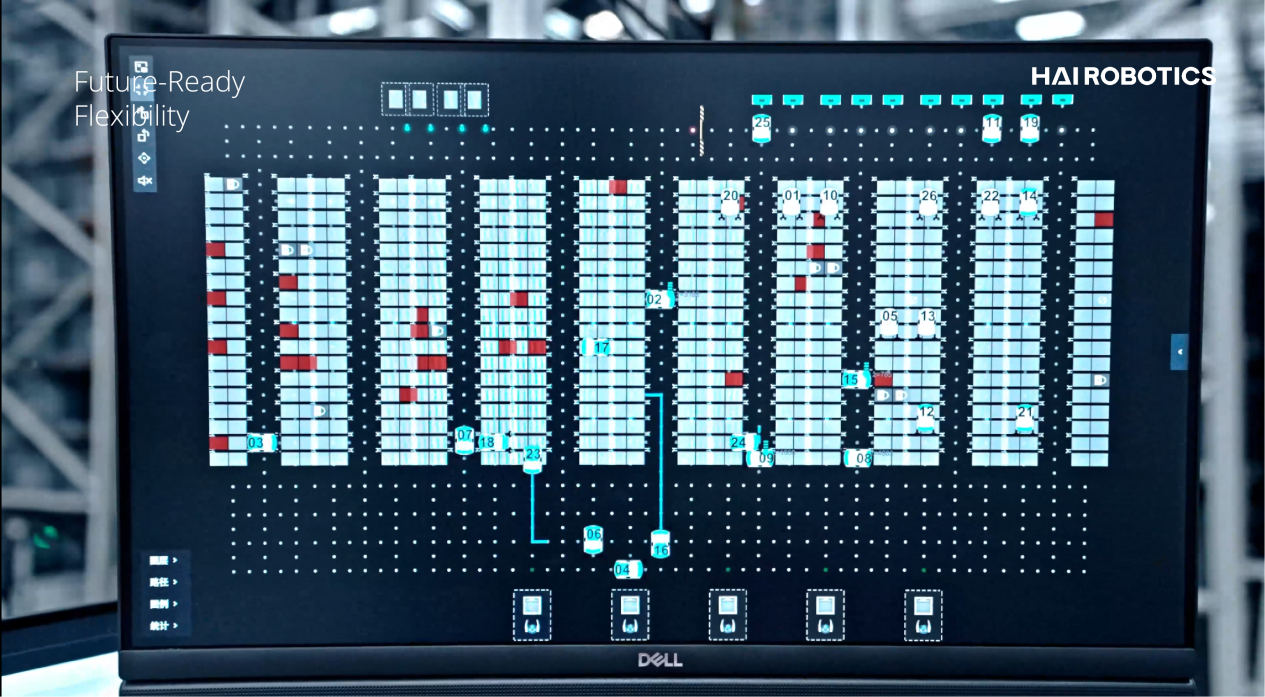
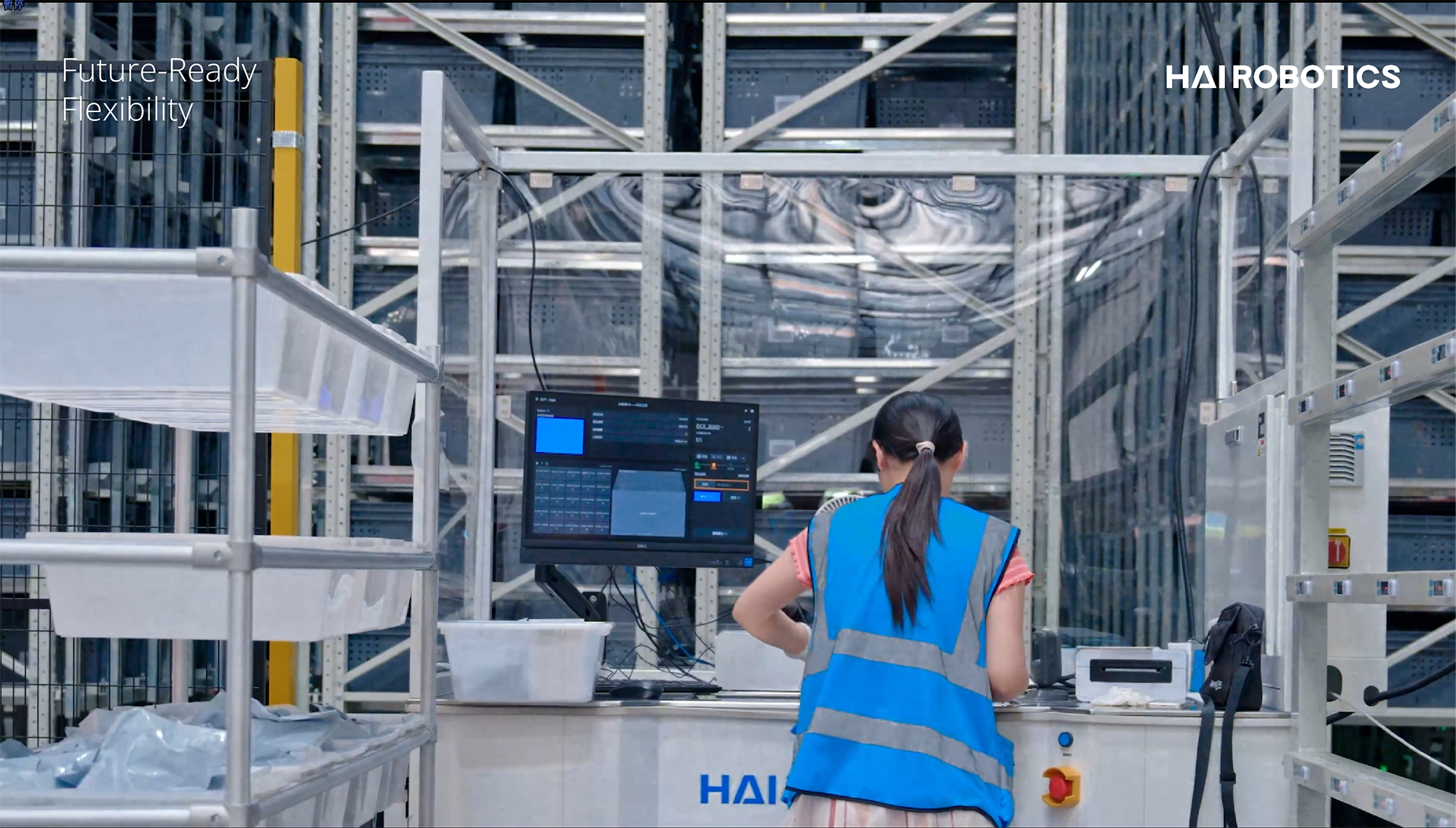
整套闪攀系统搭载25台闪攀机器人、配套4套入库缓存货架工作站、5个桌面出库工作站,实现料箱入库、存储、拣选、出库全流程无人自动化流转。

硬件稳定作业的背后,离不开HaiQ智慧仓储管理平台智能协同。面对大促期间订单激增,海柔创新HaiQ WES仓储执行系统通过优化商品存储布局与波次管理,提升客户订单处理效率。搭配HaiQ ESS设备调度系统,优化闪攀机器人行走路径,进一步缩短出库响应时间。

实战1年多,验证闪攀机器人稳定性

截至目前,麦歌洛杉矶仓库已经完成闪攀机器人双深位方案超一年全场景商用验证。海外仓储环境特殊,人工成本昂贵、现场运维人员少、订单波动大、大促峰值压力集中,对设备稳定性、调度逻辑、软硬件协同能力要求极其严苛。经过一年多不间断常态化运行,麦歌洛杉矶仓在小件混杂、SKU迭代快、订单结构多变的场景下,运营始终稳定,已从容应对黑五、圣诞等爆单考验。

这代表产品算法、硬件品控、调度逻辑、现场适配已经完全脱离测试阶段,成为可规模化复制的成熟商用方案。

稳定运行带来的实打实降本增效

在闪攀系统长期稳定运营下,麦歌洛杉矶仓收获多重业务价值。不仅拣货精准、出入库效率提升,更有效提升空间利用率、摊薄仓租成本、减少人工依赖。

全年常态化运行下,拣货准确率、精准上架率始终稳定在99.99%+,不会因为单量暴涨、人员换岗、长期作业出现精度下滑,极大降低退换货成本与店铺口碑损耗。在保持高作业精度的前提下,入库效率可达80箱/小时,出库效率可达465箱/小时,作业节奏在自动化加持下显著提速,从容承接跨境订单的快速周转需求。

通过双深位+高位货架的组合,实现4倍库容提升。在寸土寸金的美国本地仓,无需扩租即可承接持续增长的订单体量,单位货品仓储成本大幅降低。全自动作业流程大幅减少现场人工操作,仅需少量人员完成辅助对接,彻底摆脱海外仓“人工贵、招人难、培训成本高、流动性大”的被动局面,人力成本大幅下降。

经得起时间检验,才是靠谱的智能化

麦歌美国跨境仓项目,用一年多的稳定运行事实证明海柔闪攀双深系统是可落地、可稳定、可增效、可复制的成熟商业化智能仓储解决方案。

无论是海外高成本仓储改造,还是国内小件高密度智能仓新建,海柔创新始终以真实落地效果、长期稳定运营为核心,为企业打造更适配业务、更具性价比的柔性自动化仓储体系。

注:文/龚作仁,文章来源:Laborer,本文为作者独立观点,不代表亿邦动力立场。

文章来源:Laborer

广告
微信
朋友圈

FAQ回顾

海外仓自动化改造如何提升库容并降低人工成本?

麦歌洛杉矶仓在600㎡有效存储面积内部署8米双深位货架,实现11016个料箱货位,库容整体提升400%;配合25台闪攀机器人及全自动流程,人工成本下降75%,出库精准率超99.99%。

海柔创新闪攀机器人系统适合哪些仓储场景?

该系统适配跨境小件业务,尤其适合SKU繁多、订单小批量、周转波动大的场景,可承接美妆、鞋服、3C、饰品、五金、包包、灯具、玩具、宠物用品等品类,也适用于海外高成本仓储改造和国内小件高密度智能仓新建。

双深位货架攀爬机器人方案在海外仓的稳定性如何?

麦歌洛杉矶仓已完成闪攀机器人双深位方案超一年全场景商用验证,已应对黑五、圣诞等爆单考验;拣货准确率、精准上架率稳定在99.99%,入库效率80箱/小时,出库效率465箱/小时,证明方案已进入成熟商用阶段。

麦歌美国仓智能化改造后库容和作业效率有什么变化?

改造后,麦歌洛杉矶仓库容整体提升400%,出库精准率超99.99%,人工成本下降75%;在保持高作业精度下,入库效率可达80箱/小时,出库效率可达465箱/小时,并可应对日常几倍订单爆发量。

HaiQ WES和HaiQ ESS在智能仓储中分别起什么作用?

HaiQ WES仓储执行系统通过优化商品存储布局与波次管理提升订单处理效率;HaiQ ESS设备调度系统优化闪攀机器人行走路径,缩短出库响应时间;两者协同支撑料箱入库、存储、拣选、出库全流程无人自动化流转。

这么好看,分享一下?

朋友圈 分享

APP内打开

赞 +1
+1
微信好友 朋友圈 新浪微博 QQ空间
关闭
收藏成功
发送
/140 0