广告
加载中

一家上市纸巾公司,怎么向组织要利润?|走访中顺洁柔

李金津 2026-10-21 16:09
李金津 2026/10/21 16:09

邦小白快读

EN
全文速览

总1

1.行业面:2024年中国生活用纸市场规模约1550.7亿元,消费量约1318.1万吨,但区域品牌渗透、电商价格透明、促销常态、纸浆价格起落都影响利润。

2.企业面:中顺洁柔2025年营收87.8亿元、归母净利润3.19亿元,同比增长312.8%;2026年上半年归母净利润2.25亿元,增长50.13%。但2024年净利率不足1%,2020年高点接近12%。

总2

1.实操:公司不让IT给业务做BI报表,此前每年花400多万元外包和人力费用;用半年培养BI能力,3个月把420张手工表改成自动报表。

2.工具:总裁高波用WorkBuddy把原本约一周的数据分析缩短到一小时;随后开放近1300个账号,约1200名员工完成培训和考核。

3.可借鉴:供应链把选仓、拆单、库存、调拨、装车、排产拆成算法,618大促验证产生四位数级成本结降,参与人力不到原来20%;电商几万条商品链接的价格和异常巡检也交给AI。

总1

1.市场环境:2024年中国生活用纸市场规模约1550.7亿元、消费量约1318.1万吨,仍是全球最大;但区域品牌相互渗透,电商价格透明,促销成为常态,纸浆价格起落很快反映到利润表。

2.竞争压力:恒安国际2026年上半年财报提到国内纸巾市场促销竞争加剧,干纸产品和电商渠道价格压力明显;中顺洁柔判断行业竞争加剧与落后产能出清还会继续。纸巾功能几十年没有根本变化,品牌和产能却很多,增量难找。

总2

1.财务与利润:中顺洁柔2025年营收87.8亿元、归母净利润3.19亿元,同比增长312.8%;2026年上半年归母净利润增长50.13%至2.25亿元。利润恢复不能简单归功数字化AI,浆价下降、制造成本改善、产品结构调整更直接。

2.渠道动作:电商几万条商品链接的价格和异常巡检交给AI;业务人员自己做BI分析,IT只维护数据和技术底座。

3.品牌启示:价格竞争下要靠供应链和组织提效守住利润;消费者不会因为企业多用AI就多买一提抽纸,AI不是护城河。

总1

1.市场与风险:2024年中国生活用纸市场规模约1550.7亿元、消费量约1318.1万吨,是全球最大市场;但区域品牌相互渗透,电商价格越来越透明,促销成为常态,纸浆价格一次起落很快反映在利润表上。

2.竞争信号:恒安国际2026年上半年财报提到国内纸巾市场促销竞争加剧,干纸产品和电商渠道价格压力明显;中顺洁柔判断行业竞争加剧与落后产能出清还会继续。中顺洁柔2024年净利率不足1%,2020年盈利高点接近12%,提示低价竞争下利润空间很薄。

总2

1.机会与降本:中顺洁柔2025年营收87.8亿元、归母净利润3.19亿元,同比增长312.8%;2026年上半年归母净利润增长50.13%至2.25亿元。公司把供应链选仓、拆单、库存、调拨、装车、排产拆成算法,618大促验证产生四位数级成本结降,参与人力不到原来20%。

2.可学习点:电商几万条商品链接的价格和异常巡检交给AI;业务人员自己做BI分析,IT退到数据技术底座。

3.提示:用AI降低巡检、报表、供应链协调等非增值活动成本;让懂业务的人自己搭工具;关注促销价格压力、纸浆价格和落后产能出清风险。

总1

1.生产痛点:中顺洁柔每天有几十张工厂发货Excel,涉及1万到2万条发货记录;一笔订单从哪个仓发、要不要拆单、库存留多少、调拨走哪条线路、怎样装车、工厂排多少产,前后互相牵制。

2.采购复杂:采购端有3500个物料、40个供应商、7个工厂,一张采购订单可能涉及100多个参数。高波认为经验导致低效,快消行业这种低效很贵。纸巾功能几十年没有根本变化,产品创新空间有限,更需在生产和供应链提效。

总2

1.数字化基础:公司2023年先建数仓,集中各系统数据,再补营销、门店和外部市场数据;用半年培养BI能力,3个月把420张手工表改成自动报表,不再让IT给业务做BI报表。

2.算法降本:供应链把选仓、包材备量、安全库存、调拨线路、生产排产拆成一系列最优解,618大促验证产生四位数级成本结降,参与人力不到原来20%。

3.工厂启示:把排产、库存、调拨、装车等参数化、算法化;让业务人员用WorkBuddy等工具自己做分析;IT转向数据技术底座,设FDE贴近最小业务部门。

总1

1.行业趋势:2024年中国生活用纸市场规模约1550.7亿元、消费量约1318.1万吨,但区域品牌渗透、电商价格透明、促销常态,纸浆价格起落直接影响利润。恒安国际提到促销竞争加剧,干纸和电商渠道价格压力明显;中顺洁柔判断竞争加剧与落后产能出清继续。

2.客户痛点:数字化项目成功率不高,高波援引成功率7%的数字,麦肯锡数据约16%,技术买回来容易,改变流程、能力和习惯难。此前中顺洁柔每年花400多万元外包和人力费用替业务做BI报表。

总2

1.组织方案:中顺洁柔不让IT给业务做BI报表,用半年培养BI,3个月把420张手工表改成自动报表;数字化团队从几十人变为20多个FDE,每个最小业务部门配1到2名,FDE先懂业务、发现问题、设计规则,再决定用系统或算法。

2.工具方案:总裁高波用WorkBuddy把约一周的数据分析缩短到一小时,开放近1300个账号,约1200名员工完成培训考核。

3.业务方案:供应链算法在618产生四位数级成本结降;电商几万条商品链接巡检交给AI。服务商可关注业务自助分析、FDE前置、AI处理非增值活动、供应链算法最优解。

总1

1.市场与渠道问题:2024年中国生活用纸市场规模约1550.7亿元、消费量约1318.1万吨,但区域品牌相互渗透,电商价格越来越透明,促销成为常态。恒安国际2026年上半年财报提到国内纸巾市场促销竞争加剧,干纸产品和电商渠道价格压力明显;中顺洁柔判断行业竞争加剧与落后产能出清继续。对平台而言,价格透明和促销常态会带来商家价格竞争、渠道价格管理压力。

2.平台经营风险:落后产能出清、促销加剧和纸浆价格起落,都会影响平台商家的利润与经营稳定性。

总2

1.数据运营:中顺洁柔把营销数据、门店数据和外部市场数据补进数仓;不让IT给业务做BI报表,IT维护工具、数据和技术底座,业务人员自己做分析。

2.商品链接管理:电商有几万条商品链接需要巡检价格和异常情况,过去靠人每天看,现在交给AI。

3.组织与工具:数字化团队变为20多个FDE,贴近最小业务部门;总裁高波用WorkBuddy把约一周的数据分析缩短到一小时,开放近1300个账号,约1200名员工完成培训考核。平台商可关注用AI巡检商品链接价格异常、把数据底座和业务自助分析结合、关注促销竞争和价格压力带来的商家经营风险。

总1

1.产业新动向:2024年中国生活用纸市场规模约1550.7亿元、消费量约1318.1万吨,仍是全球最大;但区域品牌渗透、电商价格透明、促销常态,纸浆价格起落很快反映到利润表。恒安国际提到促销竞争加剧,干纸和电商渠道价格压力明显;中顺洁柔判断竞争加剧与落后产能出清继续。

2.财务背景:中顺洁柔2025年营收87.8亿元、归母净利润3.19亿元,同比增长312.8%;2026年上半年归母净利润增长50.13%至2.25亿元。2024年净利率不足1%,2020年高点接近12%;利润恢复不能简单归功数字化AI,浆价下降、制造成本改善、产品结构调整更直接。

总2

1.组织模式:数字化团队从几十人变为20多个FDE,每个最小业务部门配1到2名,不再设产品经理角色;FDE先懂业务、发现问题、设计规则,再决定用系统或算法。懂业务的人力经理用WorkBuddy自建绩效评估工具,IT只做上线支持。

2.算法与提效:供应链把选仓、包材、安全库存、调拨、排产拆成算法,618产生四位数级成本结降,参与人力不到原来20%。

3.观点与问题:高波认为AI最大贡献是扫盲,不是替CEO决策;AI不是护城河,竞争比选择方向和速度,组织任务链可从指挥到师变为指挥到班。研究启示:数字化转型成功率低,高波援引7%,麦肯锡约16%,关键在流程、能力和人的改变。

返回默认

声明:快读内容全程由AI生成,请注意甄别信息。如您发现问题,请发送邮件至 run@ebrun.com 。

我是 品牌商 卖家 工厂 服务商 平台商 研究者 帮我再读一遍。

Quick Summary

Summary 1

1. Industry: In 2024, China's tissue paper market was about RMB 155.07 billion, with consumption around 13.181 million tonnes, but regional brand penetration, transparent e-commerce pricing, routine promotions, and pulp price swings all affect profits.

2. Company: C&S Paper's 2025 revenue was RMB 8.78 billion and net profit attributable to shareholders RMB 319 million, up 312.8% year on year; attributable net profit in the first half of 2026 was RMB 225 million, up 50.13%. Yet net margin was below 1% in 2024, versus nearly 12% at the 2020 peak.

Summary 2

1. Practice: The company stopped asking IT to build BI reports for business teams, after previously spending more than RMB 4 million a year on outsourcing and labor. It spent six months building BI capability and three months converting 420 manual spreadsheets into automated reports.

2. Tools: President Gao Bo used WorkBuddy to cut data analysis that had taken about a week to one hour; nearly 1,300 accounts were then opened, and about 1,200 employees completed training and assessment.

3. Lessons: The supply chain broke warehouse selection, order splitting, inventory, transfers, loading, and production scheduling into algorithms; validation during the 618 promotion generated four-digit cost savings, with less than 20% of the original manpower. AI also handles price and anomaly checks for tens of thousands of e-commerce product links.

Summary 1

1. Market environment: In 2024, China's tissue paper market was about RMB 155.07 billion, with consumption around 13.181 million tonnes, still the world's largest; but regional brands are entering each other's markets, e-commerce pricing is transparent, promotions have become routine, and pulp price swings quickly hit the income statement.

2. Competitive pressure: Hengan International's first-half 2026 report cited intensifying promotional competition in China's tissue market, with clear price pressure in dry paper products and e-commerce channels; C&S Paper expects intensified competition and the exit of backward capacity to continue. Tissue functionality has not fundamentally changed in decades, yet there are many brands and much capacity, making incremental growth hard to find.

Summary 2

1. Financials and profit: C&S Paper's 2025 revenue was RMB 8.78 billion and attributable net profit RMB 319 million, up 312.8% year on year; attributable net profit rose 50.13% to RMB 225 million in the first half of 2026. The profit recovery cannot be attributed simply to digital AI; lower pulp prices, improved manufacturing costs, and product mix adjustments were more direct drivers.

2. Channel actions: AI handles price and anomaly checks across tens of thousands of e-commerce product links; business staff do their own BI analysis, while IT only maintains data and the technology foundation.

3. Brand takeaway: Under price competition, brands must protect profit through supply-chain and organizational efficiency; consumers will not buy an extra pack of facial tissues just because a company uses more AI, and AI is not a moat.

Summary 1

1. Market and risks: In 2024, China's tissue paper market was about RMB 155.07 billion, with consumption around 13.181 million tonnes, making it the world's largest market; however, regional brands are entering each other's markets, e-commerce pricing is increasingly transparent, promotions have become routine, and a single pulp price swing quickly shows up in the income statement.

2. Competitive signals: Hengan International's first-half 2026 report cited intensifying promotional competition in China's tissue market, with clear price pressure in dry paper products and e-commerce channels; C&S Paper expects intensified competition and the exit of backward capacity to continue. C&S Paper's net margin was below 1% in 2024, versus a profit peak of nearly 12% in 2020, signaling thin profit headroom under low-price competition.

Summary 2

1. Opportunities and cost reduction: C&S Paper's 2025 revenue was RMB 8.78 billion and attributable net profit RMB 319 million, up 312.8% year on year; attributable net profit rose 50.13% to RMB 225 million in the first half of 2026. The company broke supply-chain decisions such as warehouse selection, order splitting, inventory, transfers, loading, and production scheduling into algorithms; validation during the 618 promotion generated four-digit cost savings, with less than 20% of the original manpower.

2. What to learn: AI handles price and anomaly checks across tens of thousands of e-commerce product links; business staff do their own BI analysis, while IT retreats to the data and technology foundation.

3. Takeaways: Use AI to reduce the cost of non-value-added activities such as inspections, reporting, and supply-chain coordination; let people who understand the business build their own tools; and watch risks from promotional pricing pressure, pulp prices, and the exit of backward capacity.

Summary 1

1. Production pain points: C&S Paper has dozens of factory shipment Excel files every day, covering 10,000 to 20,000 shipment records; for a single order, decisions on which warehouse ships, whether to split the order, how much inventory to keep, which transfer route to use, how to load, and how much each factory produces are all interlinked.

2. Procurement complexity: Procurement involves 3,500 materials, 40 suppliers, and 7 factories, and one purchase order may involve more than 100 parameters. Gao Bo believes experience causes inefficiency, and such inefficiency is expensive in FMCG. Tissue functionality has not fundamentally changed in decades, product innovation space is limited, and efficiency gains in production and the supply chain are therefore more necessary.

Summary 2

1. Digital foundation: In 2023, the company first built a data warehouse to centralize data from various systems, then added marketing, store, and external market data; it spent six months building BI capability and three months converting 420 manual spreadsheets into automated reports, no longer asking IT to build BI reports for business teams.

2. Algorithm-driven cost reduction: The supply chain turned warehouse selection, packaging material reserves, safety stock, transfer routes, and production scheduling into a series of optimal solutions; validation during the 618 promotion generated four-digit cost savings, with less than 20% of the original manpower involved.

3. Factory takeaways: Parametrize and algorithmize scheduling, inventory, transfers, loading, and other parameters; let business staff use tools such as WorkBuddy to do their own analysis; and shift IT toward the data and technology foundation, with FDEs assigned close to the smallest business units.

Summary 1

1. Industry trend: In 2024, China's tissue paper market was about RMB 155.07 billion, with consumption around 13.181 million tonnes, but regional brand penetration, transparent e-commerce pricing, routine promotions, and pulp price swings directly affect profits. Hengan International cited intensifying promotional competition, with clear price pressure in dry paper and e-commerce channels; C&S Paper expects intensified competition and the exit of backward capacity to continue.

2. Customer pain points: Digital projects have a low success rate; Gao Bo cited a figure of 7%, while McKinsey data put it at about 16%. Buying technology is easy, but changing processes, capabilities, and habits is hard. Previously, C&S Paper spent more than RMB 4 million a year on outsourcing and labor to build BI reports for business teams.

Summary 2

1. Organizational approach: C&S Paper stopped asking IT to build BI reports for business teams, spent six months building BI capability, and converted 420 manual spreadsheets into automated reports in three months; the digital team changed from dozens of people to more than 20 FDEs, with 1 to 2 assigned to each smallest business unit. FDEs first understand the business, identify problems, and design rules, then decide whether to use a system or an algorithm.

2. Tool approach: President Gao Bo used WorkBuddy to cut data analysis that had taken about a week to one hour, opened nearly 1,300 accounts, and had about 1,200 employees complete training and assessment.

3. Business approach: Supply-chain algorithms generated four-digit cost savings during the 618 promotion; AI handles inspections of tens of thousands of e-commerce product links. Service providers can focus on self-service business analytics, front-loaded FDEs, AI for non-value-added activities, and optimal supply-chain algorithms.

Summary 1

1. Market and channel issues: In 2024, China's tissue paper market was about RMB 155.07 billion, with consumption around 13.181 million tonnes, but regional brands are entering each other's markets, e-commerce pricing is increasingly transparent, and promotions have become routine. Hengan International's first-half 2026 report cited intensifying promotional competition in China's tissue market, with clear price pressure in dry paper products and e-commerce channels; C&S Paper expects intensified competition and the exit of backward capacity to continue. For platforms, transparent pricing and routine promotions create merchant price competition and channel price-management pressure.

2. Platform operational risks: The exit of backward capacity, intensified promotions, and pulp price swings all affect platform merchants' profits and operational stability.

Summary 2

1. Data operations: C&S Paper added marketing data, store data, and external market data to its data warehouse; it stopped asking IT to build BI reports for business teams, with IT maintaining tools, data, and the technology foundation while business staff do their own analysis.

2. Product link management: E-commerce has tens of thousands of product links that require price and anomaly inspections; these were previously checked manually every day and are now handled by AI.

3. Organization and tools: The digital team became more than 20 FDEs close to the smallest business units; President Gao Bo used WorkBuddy to cut data analysis that had taken about a week to one hour, opened nearly 1,300 accounts, and had about 1,200 employees complete training and assessment. Platform operators can focus on using AI to inspect product-link price anomalies, combining the data foundation with self-service business analytics, and monitoring merchant operational risks from promotional competition and pricing pressure.

Summary 1

1. New industry dynamics: In 2024, China's tissue paper market was about RMB 155.07 billion, with consumption around 13.181 million tonnes, still the world's largest; but regional brand penetration, transparent e-commerce pricing, routine promotions, and pulp price swings quickly show up in the income statement. Hengan International cited intensifying promotional competition, with clear price pressure in dry paper and e-commerce channels; C&S Paper expects intensified competition and the exit of backward capacity to continue.

2. Financial background: C&S Paper's 2025 revenue was RMB 8.78 billion and attributable net profit RMB 319 million, up 312.8% year on year; attributable net profit rose 50.13% to RMB 225 million in the first half of 2026. Net margin was below 1% in 2024, versus a peak of nearly 12% in 2020; the profit recovery cannot be attributed simply to digital AI, as lower pulp prices, improved manufacturing costs, and product mix adjustments were more direct.

Summary 2

1. Organizational model: The digital team changed from dozens of people to more than 20 FDEs, with 1 to 2 assigned to each smallest business unit, and the product manager role was eliminated; FDEs first understand the business, identify problems, and design rules, then decide whether to use a system or an algorithm. A business-savvy HR manager used WorkBuddy to build a performance evaluation tool, with IT only supporting launch.

2. Algorithms and efficiency: The supply chain turned warehouse selection, packaging materials, safety stock, transfers, and production scheduling into algorithms, generating four-digit cost savings during the 618 promotion, with less than 20% of the original manpower involved.

3. Views and questions: Gao Bo believes AI's biggest contribution is literacy, not replacing CEO decisions; AI is not a moat, and competition is about direction and speed; the organizational task chain can shift from command-to-division to command-to-squad. Research implication: digital transformation success rates are low; Gao Bo cited 7%, while McKinsey put it at about 16%, with the key lying in changes to processes, capabilities, and people.

Disclaimer: The "Quick Summary" content is entirely generated by AI. Please exercise discretion when interpreting the information. For issues or corrections, please email run@ebrun.com .

I am a Brand Seller Factory Service Provider Marketplace Seller Researcher Read it again.

【亿邦原创】一张纸巾的功能几十年没有发生根本变化,市场却挤进了足够多的品牌和产能。

2024年,中国生活用纸市场规模约1550.7亿元,消费量约1318.1万吨,仍是全球最大的生活用纸市场。另一面是,区域品牌相互渗透,电商价格越来越透明,促销成为常态,纸浆价格的一次起落,很快会反映在利润表上。

到了头部企业这里,压力没有减轻。2026年上半年,恒安国际在财报中提到,国内纸巾市场促销竞争加剧,干纸产品和电商渠道的价格压力明显。中顺洁柔也在年报里判断,行业竞争加剧与落后产能出清还会继续。

而近两年,中顺洁柔恰好处在一轮利润修复中。2025年,公司营收87.8亿元,归母净利润3.19亿元,同比增长312.8%;2026年上半年,归母净利润又增长50.13%至2.25亿元。

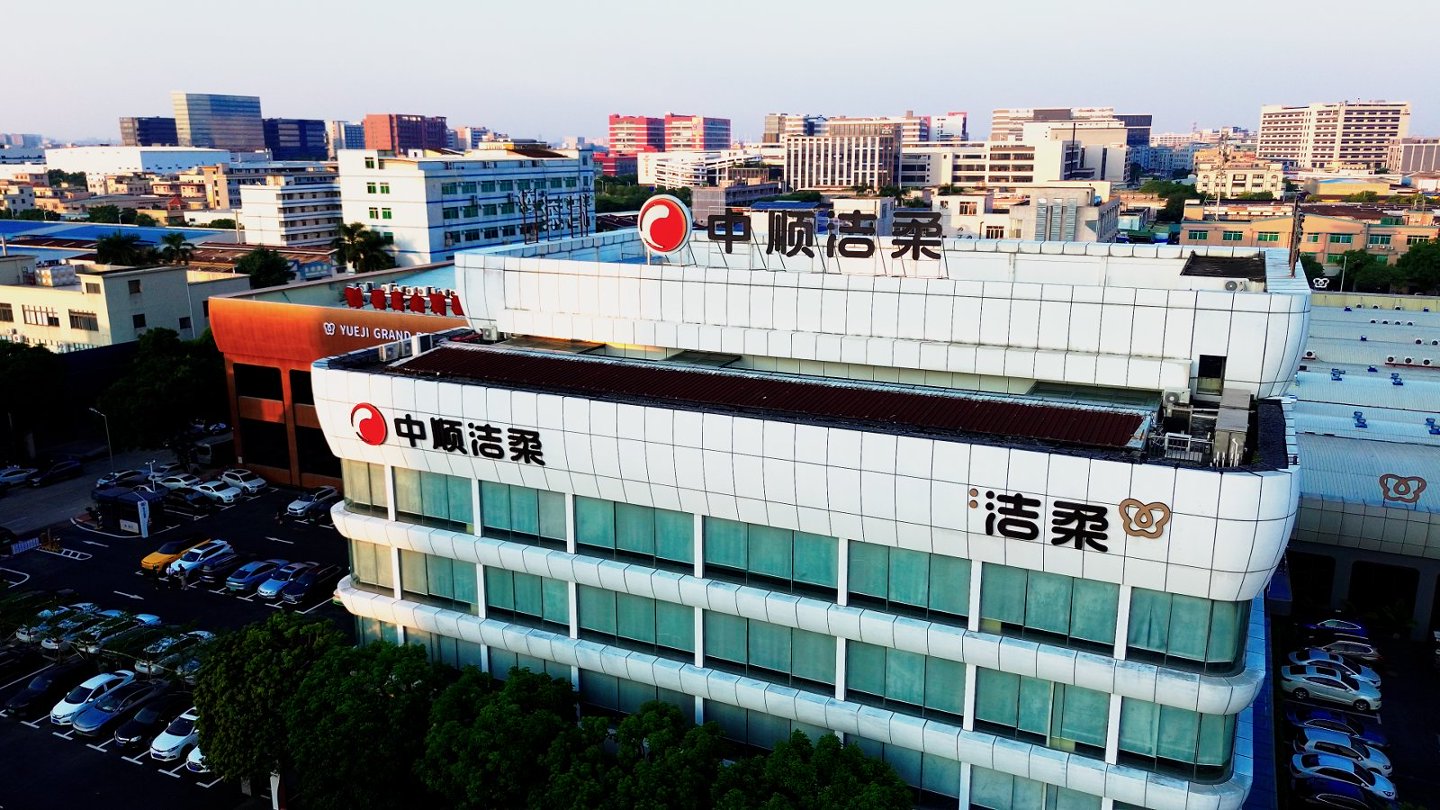
今年10月,亿邦动力走进中顺洁柔时,看到了一些利润表上不会单独列举的变化。

其中一件事听起来颇为反常:这家拥有5000多名员工的消费品公司,已经不让IT部门给业务做BI报表了。

此前,公司每年要花400多万元外包和人力费用,用BI系统替业务部门完成报表。此后,IT更多维护工具、数据和技术底座,具体分析由业务人员完成。

类似的变化发生在总裁办公室。今年6月,中顺洁柔总裁高波第一次用WorkBuddy处理一项复杂的数据分析。

以往,这类工作要打开Excel或BI系统,再由两三个人协助处理数据、搭建逻辑,前后大约一周。换成WorkBuddy之后,一小时可以跑完。

几个月后,中顺洁柔开放近1300个WorkBuddy账号,约1200名员工完成基础培训和考核。

如果这只是把一份报表从一周缩短到一小时,事情并没有多特别。企业采用一种更快的软件,是技术迭代里再普通不过的一幕。

高波算的是另一笔账。“5000多人,我买大家的其实是时间。”他说,“我们真正能赢,就是每1分钟能产生多少价值。”

01 IT退到后台,业务开始自己做系统

中顺洁柔的数字化不是从AI才起步的。2023年,公司先建数仓,把散落在各个系统里的数据集中起来;此后又补营销数据、门店数据和外部市场数据。到2024年,公司内部仍有400多张手工报表,不少员工认为Excel已经够用。

高波当时负责财务。他定了一条规则:“BI考不过的人就淘汰。”公司用了半年培养BI能力。之后,高波问员工,能不能把手里的手工表自动化。3个月内,420张表被改成自动报表。

这段经历后来影响了WorkBuddy的推广。第一次开放500个账号时,“瞬间就让人秒光了”。一次原本只有20多人必须参加的AI短视频培训,最后报了近400人。

企业数字化难,早已不是新问题。数字化项目究竟有多少能成功,不同咨询机构的口径并不一致。

高波在交流中援引过一个“成功率7%”的数字;更广泛的行业研究里,“大量数字化转型项目未达预期”已成为共识;麦肯锡的数据则显示,数字化转型成功率约为16%。技术买回来容易,改变流程、能力和人的工作习惯要难得多。

中顺洁柔走到今天,有一点与通常的数字化项目不同:它在把原本集中在IT部门里的部分能力推向业务部门。

目前,公司数字化团队从此前的几十人变为20多个FDE(Forward Deployed Engineer,前沿部署工程师)。每个最小业务部门配置1到2名。

“我们不再存在产品经理的角色了,我们定义的都是FDE。”CDO杨森林说。这里的FDE并不只是会写代码的人。他给这个岗位的要求是,先懂业务,能发现问题、设计规则,再决定要不要用系统或算法解决。

杨森林展示了一个门店档案系统。门店编码、权限、审批、质量问题、业务员派发、SFA接口,都已经搭出结构。一版POC和Demo,他用一天时间完成。

“用一个产品经理把需求文档写完、再把demo写完,即使这个人很懂业务,没有一个月他是做不出结果的。”杨森林说。

公司里已经有更极端的例子。一名人力经理学会WorkBuddy后,自己立项、搭建、修Bug、运维了一套绩效评估工具,IT负责最后的上线支持。高波直白地总结:“懂业务的人自己搞编程,自己完成系统,并且迭代和运维,那不就完美了吗?”

企业软件并没有消失,ERP、营销云、供应链等系统仍是底座。变化主要在以往排不上IT开发计划、又确实影响经营的小问题上。

02 从一两万条发货记录里,抠出利润

生活用纸看起来是一门朴素的生意,后台却并不简单。

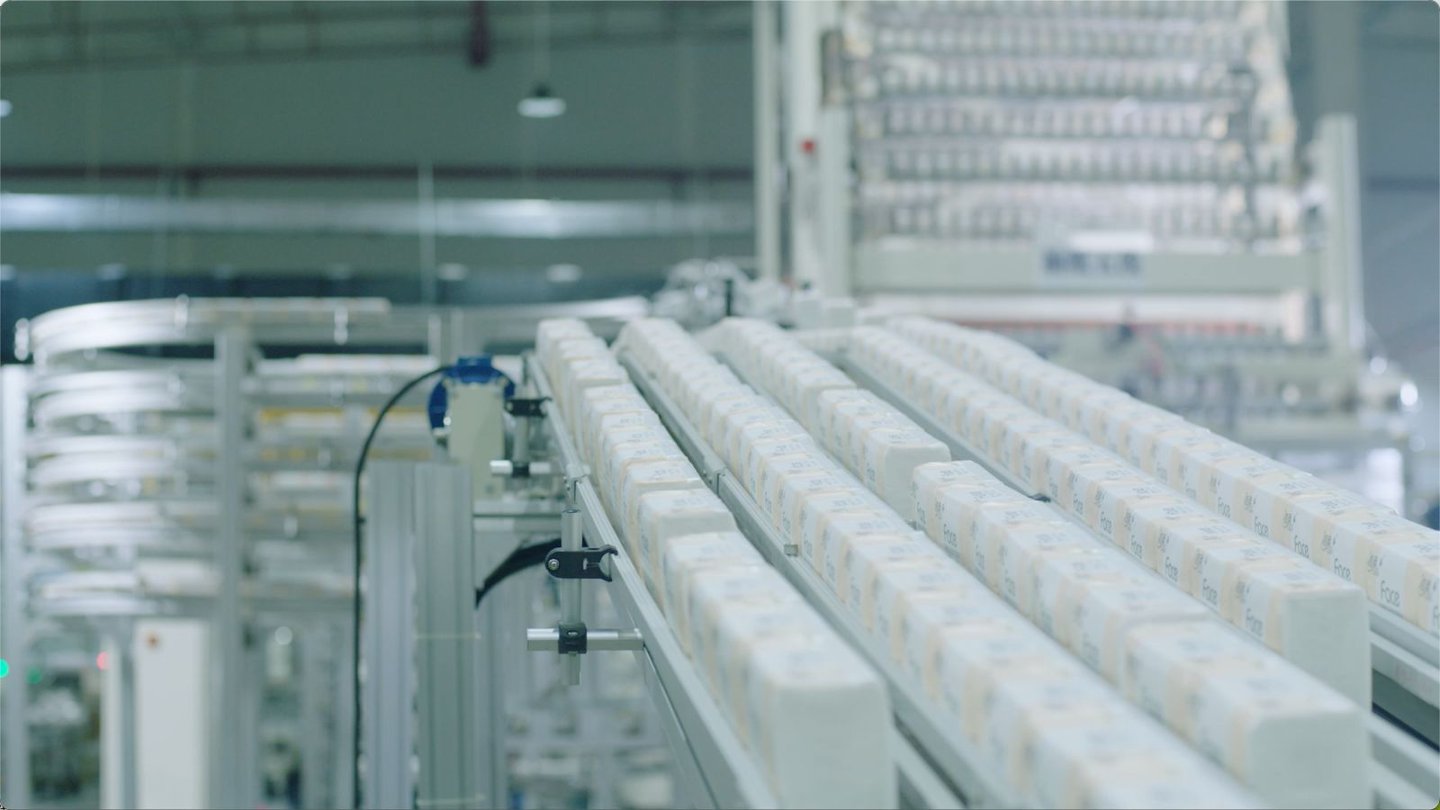
中顺洁柔每天有几十张工厂发货Excel,涉及1万到2万条发货记录。一笔订单从哪个仓发、要不要拆单、库存留多少、调拨走哪条线路、怎样装车、工厂排多少产,前后互相牵制。

高波还举过采购的例子:3500个物料、40个供应商、7个工厂,一张采购订单可能涉及100多个参数。“经验导致的是什么?经验导致的是低效。”他说。在快消行业,这种低效很贵。

行业客单价有限,运输距离、装载率、库存周转和促销费用,都可能一点点吃掉利润。中顺洁柔2024年披露的财报数据显示,净利率不足1%。而在2020年的盈利高点,这一数字一度接近12%。

于是,公司把供应链里一批原本由人协调的问题拆成算法。订单划分选仓,包材备多少,安全库存设多少,调拨线路怎么走,最终连到生产排产。杨森林把它概括成“一系列最优解”。

今年618,这套方案经过了一次大促验证。杨森林称,供应链项目产生了“四位数级”的成本结降。

人力投入也随之下降。“参与这件事的人,大概只留了原来的不到20%,几个人利用AI就可以做到。”公司能把一些以前算不过来的账算得更细。

类似的提效还发生在电商。公司有几万条商品链接需要巡检价格和异常情况,过去靠人每天去看,如今这部分工作也开始交给AI。

高波把这些工作称为“非增值活动”,客户不会因为企业多花了人工巡检,就愿意为一包纸多付一毛钱。但AI的到来,正让这些工作变得轻松。

03 算法给答案,人负责取舍

每天早上,高波到办公室后,会先给WorkBuddy布置任务。一类是数据洞察,一类是研究新生意,还有一类是帮他找书、补知识。“别让它闲着就行了。”

公司的预算会也换了做法。过去,用Excel改一个预算数字,重新跑一版要一周。如今某个品类增加200万元预算,高波可以实时看到变化。同一个预算周期里,原先两个月只能跑五六种场景,现在能不断测试不同方案。

这是企业管理里比“提效”更难量化的东西:管理者每天能处理多少信息,又能比较多少种可能?

高波并不认可“AI能直接替CEO做决策”,他觉得AI最大的贡献在于“扫盲”,而认知盲区对于一个管理者,是最大的风险和敌人。

当AI给出的意见和自己不一致时,他反而会多看一眼,“会不会是我的认知盲区?”以前为了补一个知识缺口,要买10本书慢慢找;现在可以让AI帮助定位理论和章节,再回头读原书。

“也许过去我要半年后才知道一个信息决策,今天两周就够了。”他说。

这套逻辑影响了中顺洁柔对组织的理解。传统企业层级多,一个重要原因是信息和分析能力集中在少数人手里。任务从总监传给经理,再到主管和员工,完成后再层层汇报。

高波用了一个军事化的比喻:“原来我只能指挥到师,现在可以指挥到班。”

职级未必消失,但任务链有机会变短。一个业务人员如果自己能调数据、做分析、搭工具,就不再需要每次都沿着组织树往返传递。

“AI是一个所有人的工具,我从不把它看成护城河。”高波说,“今天已经没有什么城可护了。”

在他看来,AI时代比的是选择方向和速度。消费者不会因为一家企业内部用了多少AI,就多买一提抽纸。同行同样可以购买模型、软件和算法。

当整个行业的增量越来越难找,企业间的差距会落到更琐碎的地方。更珍贵的是员工的时间,是否真的能产生业务价值。

尽管中顺洁柔过去两年的利润恢复,不能简单归功于数字化或AI。浆价下降、制造成本改善、产品结构调整,都更直接地影响着财务结果。

但这家公司提供了一个值得观察的案例:一门成熟生意很难再靠人口、渠道和粗放投入获得增长,技术需要比拼的,在于能否把原本藏在组织缝隙里的浪费一点点找出来。

对生活用纸这样的行业,一点点,有时已经很多。

亿邦持续追踪报道该情报,如想了解更多与本文相关信息,请扫码关注作者微信。

本文首发于 亿邦动力 官方网站

文章来源:亿邦动力

广告
微信
朋友圈

FAQ回顾

生活用纸企业如何通过AI和数字化提升利润?

中顺洁柔把IT能力推向业务,用WorkBuddy和FDE让业务人员自建分析工具;供应链用算法优化选仓、库存、调拨和排产,618大促验证后产生四位数级成本结降,相关人力投入降至不到20%。2025年公司归母净利润3.19亿元,同比增长312.8%。

中顺洁柔的FDE岗位是做什么的?

FDE即前沿部署工程师。中顺洁柔CDO杨森林要求FDE先懂业务,能发现问题、设计规则,再决定是否用系统或算法解决;数字化团队变为20多个FDE,每个最小业务部门配置1到2名,公司不再设产品经理角色。

企业为什么让业务部门自己完成BI报表分析?

中顺洁柔此前每年花400多万元外包和人力费用,由IT替业务做BI报表。调整后IT维护工具、数据和技术底座,具体分析由业务人员完成;公司曾用半年培养BI能力,3个月内把420张手工表改为自动报表,以缩短分析链路。

生活用纸行业当前面临哪些竞争和利润压力?

2024年中国生活用纸市场规模约1550.7亿元,消费量约1318.1万吨,但区域品牌相互渗透、电商价格透明、促销常态,纸浆价格起落直接影响利润。恒安国际2026年上半年财报提到促销竞争加剧,中顺洁柔年报判断竞争加剧与落后产能出清仍会继续。

WorkBuddy在企业中有哪些具体应用场景?

中顺洁柔总裁高波用WorkBuddy做数据洞察、研究新生意和补知识;预算会可实时查看品类增加200万元预算后的变化,两个月跑五六种场景变为持续测试。公司开放近1300个账号,约1200名员工完成培训和考核,电商数万条商品链接巡检也交给AI。

这么好看,分享一下?

朋友圈 分享

APP内打开

赞 +1
+1
微信好友 朋友圈 新浪微博 QQ空间
关闭
收藏成功
发送
/140 0