广告
加载中

第二届中国GEO&AI营销智能体峰会在深圳成功举办

龚作仁 2026-10-20 16:53
龚作仁 2026/10/20 16:53

邦小白快读

EN
全文速览

总1:峰会核心信息。

1.第二届中国GEO&AI营销智能体峰会于2026年10月16日在深圳举办,聚焦GEO与AI营销智能体前沿实践,围绕AI搜索时代的品牌可见性、认知资产、智能体决策与出海增长三大方向展开。

2.GEO即生成式引擎优化,品牌经营核心指标正从曝光点击转向AI可见度;峰会同期揭晓年度GEO智能体领航奖、最受欢迎GEO服务平台奖、卓越GEO服务奖、GEO智能体创新奖和GEO技术标杆奖五大奖项。

总2:可操作干货。

1.内容要符合E-E-A-T标准与广告法合规,坚持白帽GEO,避开盲目配置标记、批量生成低质页面和刷评灌水。

2.GEO重心从找目标人群转向找目标问题,优先盘活已被引用的存量内容,并挑选AI会检索的问句,按判、筛、归、回流四步闭环持续运营。

3.案例显示某新能源汽车品牌AI可见性40天由15.7%升至68.6%,某电视品牌在豆包的型号推荐率由30.75%升至89.57%;出海还需关注美国、欧盟合规及支付拒付风险。

总1:品牌营销与用户行为。

1.品牌核心指标从曝光与点击转向AI可见度,品牌资产要从被看见走向被调用;用户侧94%购买团队在接触销售前已使用大模型,60%搜索以零点击结束。

2.品牌需经营官网与独立站、GMC商品库、第三方口碑、视频内容四块信源阵地并保持口径一致;把表现良好的自然内容付费放大,可使品牌出现在大模型回答中的概率提高41%。

总2:品牌资产与落地方法。

1.天龙科技/优力提出GEO是品牌数字资产建设,结果层看正确提及率与TOP1推荐率,资产层看高价值问题覆盖率、可追溯来源率与内容更新及时率。

2.用真实问题梳理资产缺口,输出抢占式、爬升式、巩固式、防守式关键词作战清单,构建认知原子、可信信源、专家矩阵与生命周期治理的知识系统,并反哺官网、客服等多触点。

3.内容须符合E-E-A-T与广告法,厘清白帽与黑帽边界;易点天下提示商品卡正成为新增长入口,品牌应沉淀认知资产、商品数据资产与归因资产。

总1:增长机会与市场变化。

1.全球AI搜索平台访问量高速增长,AI推荐流量转化率明显高于传统渠道,全球GEO服务市场以超过40%年复合增速扩张,GEO已从可选项变为必答题。

2.ChatGPT购物推荐中feed化来源占比从8.26%跃升至61.54%,商品卡约96%来自商家直供,无品牌意图的通用问题是出卡主战场;品牌可沉淀认知资产、商品数据资产与归因资产,抓住商品卡和Agentic Commerce机会。

总2:风险提示与可学习点。

1.跨境经营需关注美国、欧盟等法域合规,2026年将成GEO合规元年,白帽运营是长期前提;内容不维护约一个月引用量减半,前10%文章拿走近六成引用,应优先盘活存量。

2.出海品牌被AI忽略的主因之一是多语种信源覆盖不足;支付环节拒付损失可能远超订单金额,还需应对收单机构风险审查。

3.可学习微盟监测、策略、捕捉、执行四步闭环,有赞诊断、拆解、事实翻译、信源管理、持续监测五步链路,以及跨拒通用多维信号与机器学习评分做AI风控。

总1:数字化生产与AI实践。

1.云南白药业务线上化率已达96%,一物一码年赋码量超过2.5亿个,数智云药产业平台GMV突破40亿元;生产端工厂部署7500余个传感器,检测效率提升355倍,并于2025年9月获世界经济论坛灯塔工厂认证。

2.企业同步推进大模型在研发与运营环节落地,规划从单点突破走向链路贯通与生态重构,体现组织与技术双轮驱动。

总2:电商机会与产品数据启示。

1.商汤以多模态大模型为底座,以Token工厂与智能体管控系统支撑AI营销工业化;per-token成本两年下降约280倍,使规模化内容生产成为可能,数字人直播已接入数千家店铺。

2.易点天下实测约2455万张商品卡,指出商品卡数据约96%来自商家直供,无品牌意图的通用问题是出卡主战场;工厂可重视商品数据资产、结构化网页与一手独特内容,适应AI购物协议和商品卡增长入口。

总1:行业趋势与新技术。

1.全球GEO服务市场以超过40%年复合增速扩张,AI推荐流量转化率高于传统渠道,GEO上半场认知资产竞争近尾声,下半场是Agentic Commerce。

2.新技术包括多模态大模型、Token工厂、智能体管控系统、数字人直播、AI风控模型;per-token成本两年下降约280倍,ChatGPT购物推荐feed化来源占比升至61.54%。

总2:客户痛点与解决方案。

1.客户痛点包括内容不维护约一个月引用量减半、前10%文章拿走近六成引用、多语种信源覆盖不足导致出海品牌被AI忽略、拒付损失可能远超订单金额。

2.解决方案有微盟星启GEO监测、策略、捕捉、执行四步闭环,有赞诊断、人群场景意图拆解、卖点事实化、信源权威管理、持续监测五步链路,百分点5A跃迁与五个专职智能体,Google扇出拆解、多源交叉印证、答案引用机制及四块信源阵地,跨拒通AI风控与拒付处理模式。

总1:商业对平台的需求和问题。

1.品牌需要AI搜索可见性、AI推荐流量转化、商品卡出卡机会和AI购物协议适配;微盟指出需针对豆包、DeepSeek、元宝等模型的差异化信源偏好布局。

2.平台侧问题包括内容不维护约一个月引用量减半、前10%文章拿走近六成引用、多语种信源覆盖不足,以及低质页面、刷评灌水等合规风险。

总2:平台最新做法与运营管理。

1.Google解析AI回答经历扇出拆解、多源交叉印证、答案引用三步;SEO决定能否被搜到,GEO决定能否被AI读懂并写进答案;品牌需经营官网与独立站、GMC商品库、第三方口碑、视频内容。

2.运营上可配套智能生文、建站、视频与诊断报告等智能体工具,依托SaaS数据洞察与内容生态双引擎;实操聚焦一手独特内容、网页抓取与结构化清晰、自然内容与AI Max广告协同。

3.风向规避上坚持白帽GEO,内容符合E-E-A-T与广告法,避开盲目配置标记、批量生成低质页面和刷评灌水,关注美国、欧盟合规及2026年GEO合规元年。

总1:产业新动向。

1.GEO产业链加速成型,峰会揭晓年度GEO智能体领航奖、最受欢迎GEO服务平台奖、卓越GEO服务奖、GEO智能体创新奖、GEO技术标杆奖,覆盖品牌服务、平台工具与技术基础设施。

2.全球GEO服务市场以超过40%年复合增速扩张,AI推荐流量转化率高于传统渠道;GEO服务可信评测已有企业通过并签署可信承诺,行业规范化有可参照基准。

总2:新问题与政策启示。

1.新问题包括多语种信源覆盖不足导致出海品牌被AI忽略、内容不维护约一个月引用量减半、前10%文章拿走近六成引用、拒付损失可能远超订单金额。

2.政策法规上需关注美国、欧盟等法域合规,2026年将成GEO合规元年,白帽运营是长期前提;内容须符合E-E-A-T与广告法,厘清白帽与黑帽GEO边界。

总3:商业模式启示。

1.品牌资产从被看见走向被调用,出现5A跃迁、五个专职智能体、账本思维替代漏斗思维、结果层与资产层指标。

2.Agentic Commerce、商品卡、三份自有资产、AI营销工业化、数字人直播、GEO全链路服务等模式值得研究;峰会后续关注GEO标准建设、认知资产度量与出海商业化。

返回默认
声明:快读内容全程由AI生成,请注意甄别信息。如您发现问题,请发送邮件至 run@ebrun.com 。

我是 品牌商 卖家 工厂 服务商 平台商 研究者 帮我再读一遍。

Quick Summary

Summary 1: Key summit messages.

1. The Second China GEO & AI Marketing Agent Summit will be held in Shenzhen on October 16, 2026. It will focus on frontier practices in GEO and AI marketing agents across three tracks: brand visibility, cognitive assets, and agent decision-making and overseas growth in the AI search era.

2. GEO stands for Generative Engine Optimization. Core brand metrics are shifting from impressions and clicks to AI visibility. The summit will also announce five awards: the Annual GEO Agent Leadership Award, Most Popular GEO Service Platform Award, Excellence in GEO Service Award, GEO Agent Innovation Award, and GEO Technology Benchmark Award.

Summary 2: Actionable insights.

1. Content must meet E-E-A-T standards and advertising-law compliance. Brands should adhere to white-hat GEO and avoid blindly adding markup, mass-producing low-quality pages, and fake reviews or review spam.

2. GEO's focus is shifting from finding target audiences to finding target questions. Brands should prioritize revitalizing existing content that is already cited, select questions that AI will retrieve, and run a continuous four-step loop: assess, screen, classify, and feed back.

3. Case studies show that one new-energy vehicle brand raised AI visibility from 15.7% to 68.6% in 40 days, while a TV brand raised its model recommendation rate in Doubao from 30.75% to 89.57%. Going overseas also requires attention to US and EU compliance and payment chargeback risks.

Summary 1: Brand marketing and user behavior.

1. Core brand metrics are shifting from impressions and clicks to AI visibility, and brand assets must move from being seen to being invoked. On the user side, 94% of buying teams had already used large models before engaging sales, and 60% of searches end in zero clicks.

2. Brands need to manage four source positions—official websites and independent sites, GMC product feeds, third-party reputation, and video content—and keep messaging consistent across them. Paid amplification of well-performing organic content can increase the probability of a brand appearing in large-model answers by 41%.

Summary 2: Brand assets and implementation.

1. Tianlong Technology/Youli argues that GEO is brand digital asset building. At the outcome layer, brands should track correct mention rate and top-1 recommendation rate; at the asset layer, they should track coverage of high-value questions, traceable-source rate, and content-update timeliness.

2. Use real questions to map asset gaps, produce preemptive, ramp-up, consolidation, and defensive keyword action lists, build a knowledge system of cognitive atoms, trusted sources, an expert matrix, and lifecycle governance, and feed it back into official websites, customer service, and other touchpoints.

3. Content must comply with E-E-A-T and advertising law, with clear boundaries between white-hat and black-hat practices. Yeahmobi notes that product cards are becoming a new growth entry point, and brands should build cognitive assets, product data assets, and attribution assets.

Summary 1: Growth opportunities and market shifts.

1. Global AI search platforms are seeing rapid traffic growth, and conversion rates from AI-referred traffic are significantly higher than those from traditional channels. The global GEO services market is expanding at a CAGR of more than 40%, making GEO a must-do rather than an option.

2. In ChatGPT shopping recommendations, the share of feed-based sources jumped from 8.26% to 61.54%. About 96% of product cards come directly from merchants, and generic questions without brand intent are the main battleground for product-card placements. Brands can build cognitive assets, product data assets, and attribution assets to capture product-card and Agentic Commerce opportunities.

Summary 2: Risk alerts and lessons.

1. Cross-border operations require attention to compliance in jurisdictions such as the US and EU. 2026 will be the first year of GEO compliance, and white-hat operations are a long-term prerequisite. Citations roughly halve after about a month without content maintenance, and the top 10% of articles capture nearly 60% of citations, so existing content should be prioritized.

2. One main reason overseas brands are ignored by AI is insufficient multilingual source coverage. Chargeback losses in payments can far exceed order value, and merchants also need to handle acquirer risk reviews.

3. Lessons include Weimob's four-step closed loop of monitoring, strategy, capture, and execution; Youzan's five-step chain of diagnosis, decomposition, fact translation, source management, and continuous monitoring; and Kuaijutong's use of multidimensional signals and machine-learning scoring for AI risk control.

Summary 1: Digital production and AI practices.

1. Yunnan Baiyao's online penetration rate has reached 96%; annual code assignments under its one-item-one-code system exceed 250 million; and GMV on its digital-intelligent cloud medicine industrial platform has surpassed RMB 4 billion. At the production end, the factory has deployed more than 7,500 sensors, raised inspection efficiency by 355x, and received World Economic Forum Lighthouse Factory certification in September 2025.

2. The company is also deploying large models in R&D and operations, with plans to move from point breakthroughs to end-to-end integration and ecosystem reconstruction, reflecting dual drivers of organization and technology.

Summary 2: E-commerce opportunities and product data implications.

1. SenseTime uses multimodal large models as its foundation and supports industrialized AI marketing with a token factory and agent control system. Per-token costs have fallen about 280x in two years, making large-scale content production possible, and digital-human livestreaming has been integrated into thousands of stores.

2. Yeahmobi tested about 24.55 million product cards and found that about 96% of product-card data comes directly from merchants, with generic questions without brand intent as the main battleground for product-card placements. Factories should prioritize product data assets, structured web pages, and first-party unique content to adapt to AI shopping protocols and product-card growth entry points.

Summary 1: Industry trends and new technologies.

1. The global GEO services market is expanding at a CAGR of more than 40%, and conversion from AI-referred traffic is higher than from traditional channels. The first half of GEO—competition over cognitive assets—is nearing its end; the second half is Agentic Commerce.

2. New technologies include multimodal large models, token factories, agent control systems, digital-human livestreaming, and AI risk-control models. Per-token costs have fallen about 280x in two years, and the share of feed-based sources in ChatGPT shopping recommendations has risen to 61.54%.

Summary 2: Customer pain points and solutions.

1. Customer pain points include citations roughly halving after about a month without content maintenance, the top 10% of articles capturing nearly 60% of citations, insufficient multilingual source coverage causing overseas brands to be ignored by AI, and chargeback losses that can far exceed order value.

2. Solutions include Weimob Xingqi GEO's four-step closed loop of monitoring, strategy, capture, and execution; Youzan's five-step chain of diagnosis, decomposition of audience and scenario intent, factualization of selling points, authoritative source management, and continuous monitoring; Baifendian's 5A leap and five dedicated agents; Google's fan-out decomposition, multi-source cross-validation, answer citation mechanisms, and four source positions; and Kuaijutong's AI risk control and chargeback handling model.

Summary 1: Business demands on platforms and key issues.

1. Brands need AI search visibility, conversion from AI-referred traffic, product-card placement opportunities, and adaptation to AI shopping protocols. Weimob notes that brands should plan for the differentiated source preferences of models such as Doubao, DeepSeek, and Yuanbao.

2. Platform-side issues include citations roughly halving after about a month without content maintenance, the top 10% of articles capturing nearly 60% of citations, insufficient multilingual source coverage, and compliance risks such as low-quality pages and fake reviews or review spam.

Summary 2: Latest platform practices and operations.

1. Google's process for generating AI answers involves three steps: fan-out decomposition, multi-source cross-validation, and answer citation. SEO determines whether content can be found; GEO determines whether it can be understood by AI and written into answers. Brands need to manage official websites and independent sites, GMC product feeds, third-party reputation, and video content.

2. Operations can be supported by agent tools for AI copywriting, site building, video, and diagnostic reports, backed by dual engines of SaaS data insights and content ecosystem. Practical execution should focus on first-party unique content, web crawlability and clean structure, and coordination between organic content and AI Max ads.

3. To avoid risks, adhere to white-hat GEO, ensure content meets E-E-A-T and advertising law, avoid blindly adding markup, mass-producing low-quality pages, and fake reviews or review spam, and monitor US and EU compliance and 2026 as the first year of GEO compliance.

Summary 1: New industry developments.

1. The GEO industry chain is taking shape rapidly. The summit will announce the Annual GEO Agent Leadership Award, Most Popular GEO Service Platform Award, Excellence in GEO Service Award, GEO Agent Innovation Award, and GEO Technology Benchmark Award, covering brand services, platform tools, and technology infrastructure.

2. The global GEO services market is expanding at a CAGR of more than 40%, and conversion from AI-referred traffic is higher than from traditional channels. Some companies have passed credible evaluations for GEO services and signed credibility commitments, providing a benchmark for industry standardization.

Summary 2: New issues and policy implications.

1. New issues include insufficient multilingual source coverage causing overseas brands to be ignored by AI, citations roughly halving after about a month without content maintenance, the top 10% of articles capturing nearly 60% of citations, and chargeback losses that can far exceed order value.

2. On policy and regulation, attention is needed to compliance in jurisdictions such as the US and EU. 2026 will be the first year of GEO compliance, and white-hat operations are a long-term prerequisite. Content must comply with E-E-A-T and advertising law, with clear boundaries between white-hat and black-hat GEO.

Summary 3: Business model implications.

1. Brand assets are moving from being seen to being invoked, giving rise to the 5A leap, five dedicated agents, ledger thinking replacing funnel thinking, and outcome-layer and asset-layer metrics.

2. Business models worth studying include Agentic Commerce, product cards, three proprietary assets, industrialized AI marketing, digital-human livestreaming, and end-to-end GEO services. Follow-up attention should focus on GEO standards development, cognitive asset measurement, and overseas commercialization.

Disclaimer: The "Quick Summary" content is entirely generated by AI. Please exercise discretion when interpreting the information. For issues or corrections, please email run@ebrun.com .

I am a Brand Seller Factory Service Provider Marketplace Seller Researcher Read it again.

十二位嘉宾共议AI搜索时代的品牌可见性与智能体增长

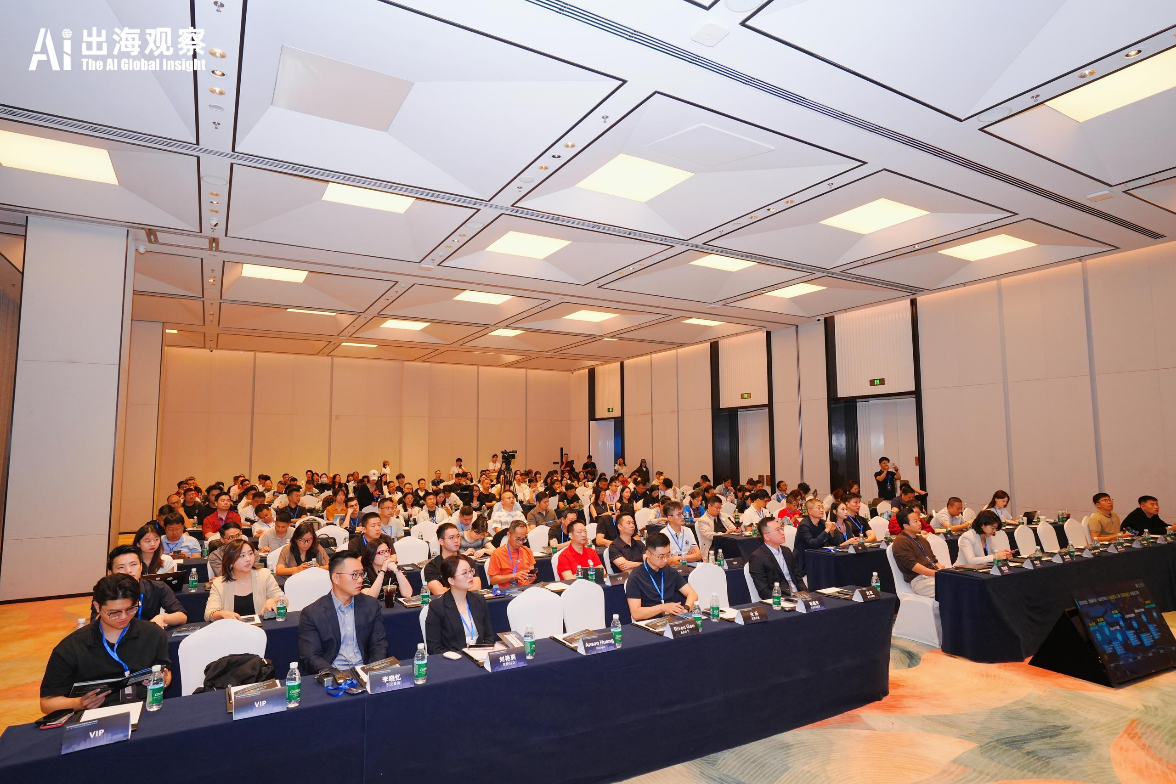
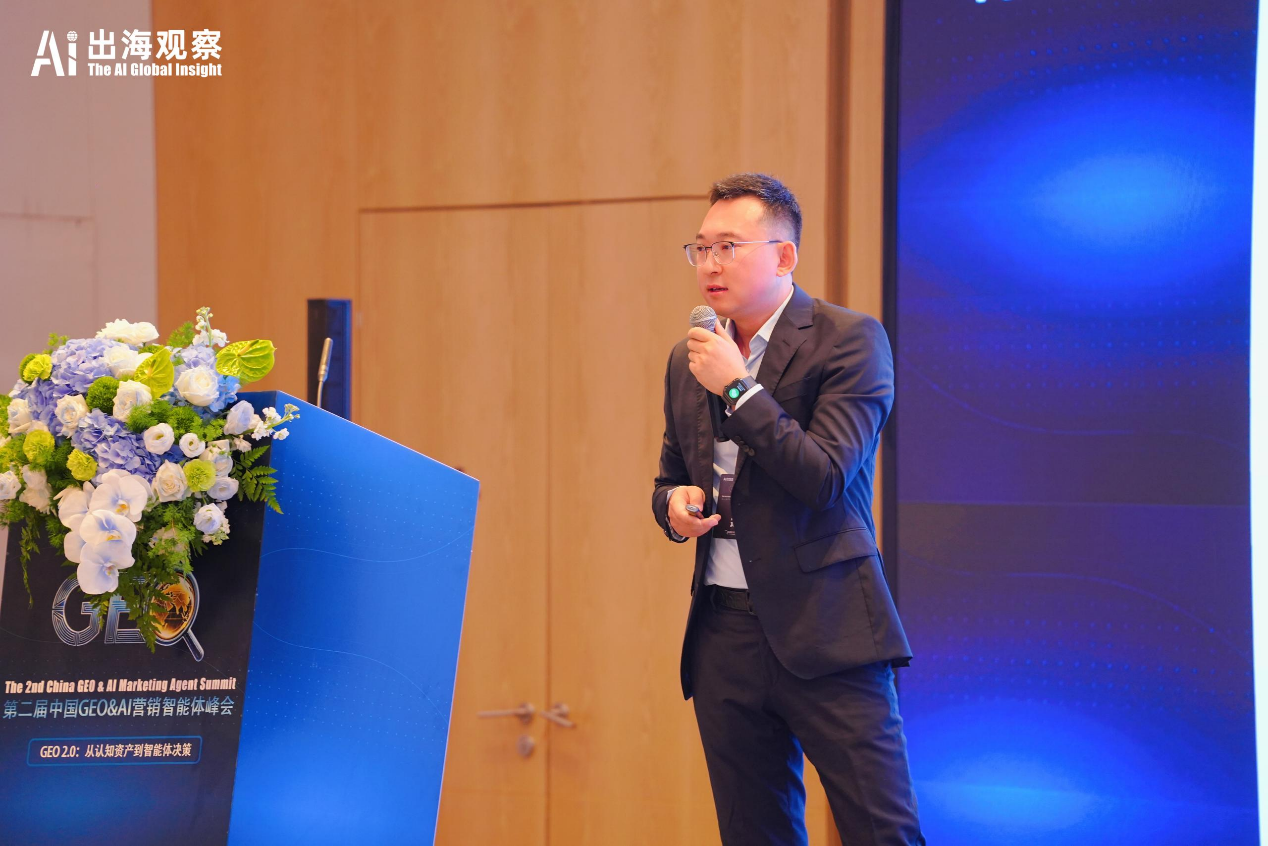
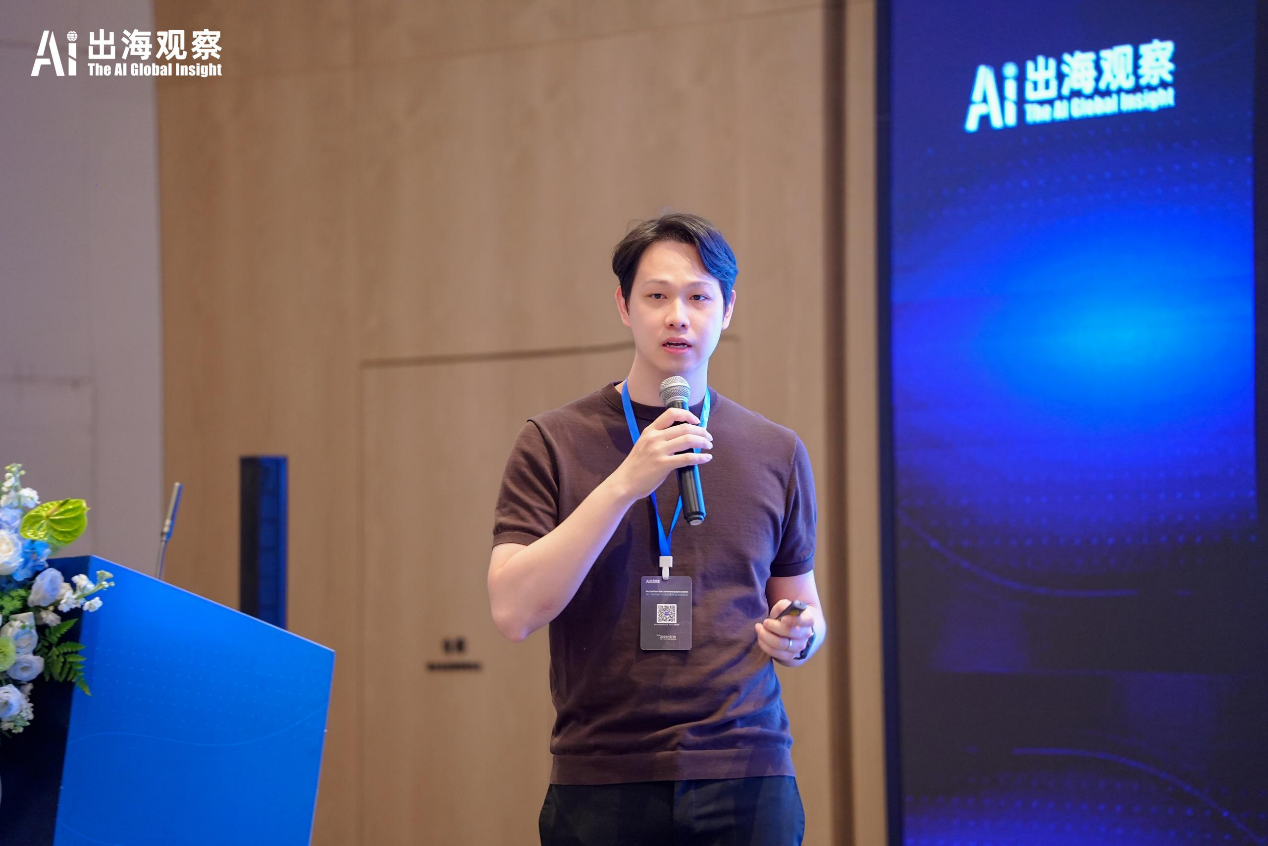
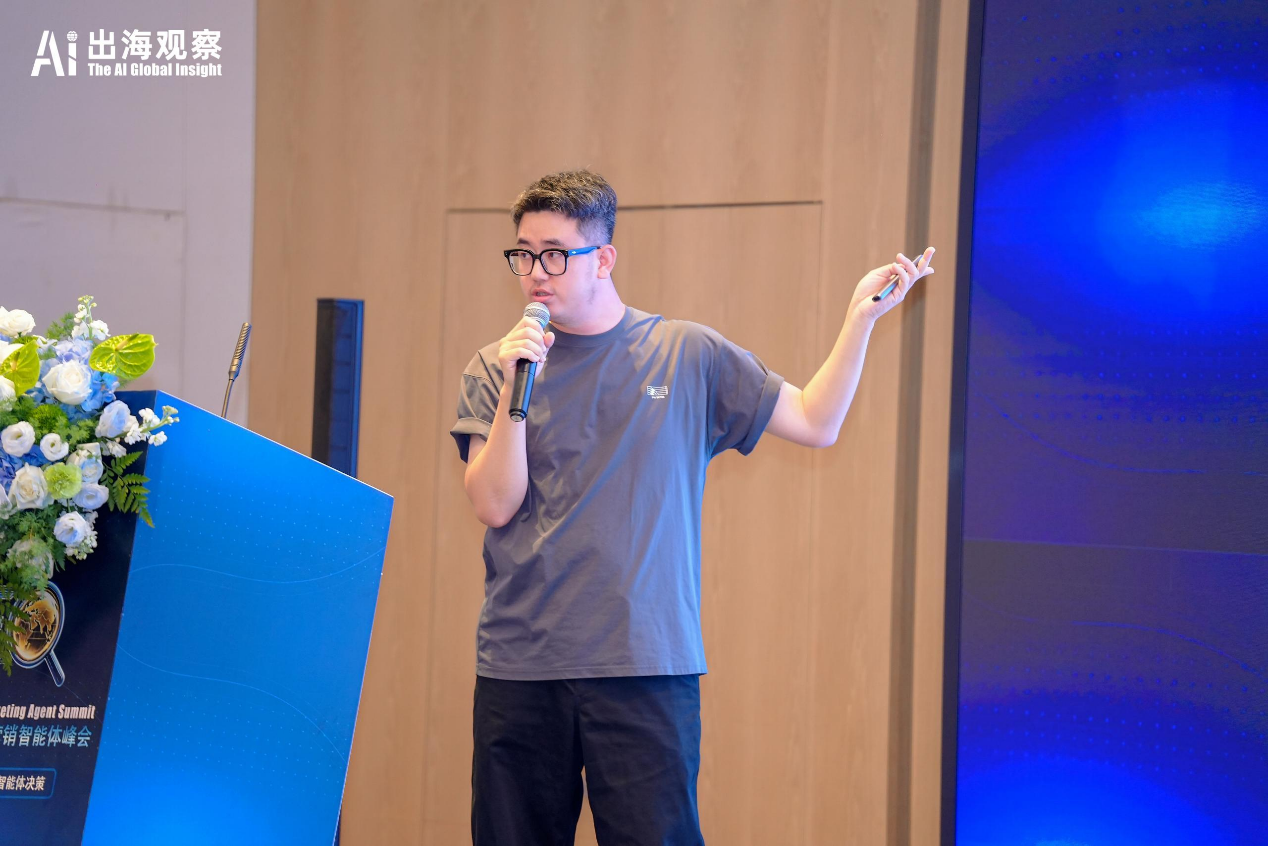
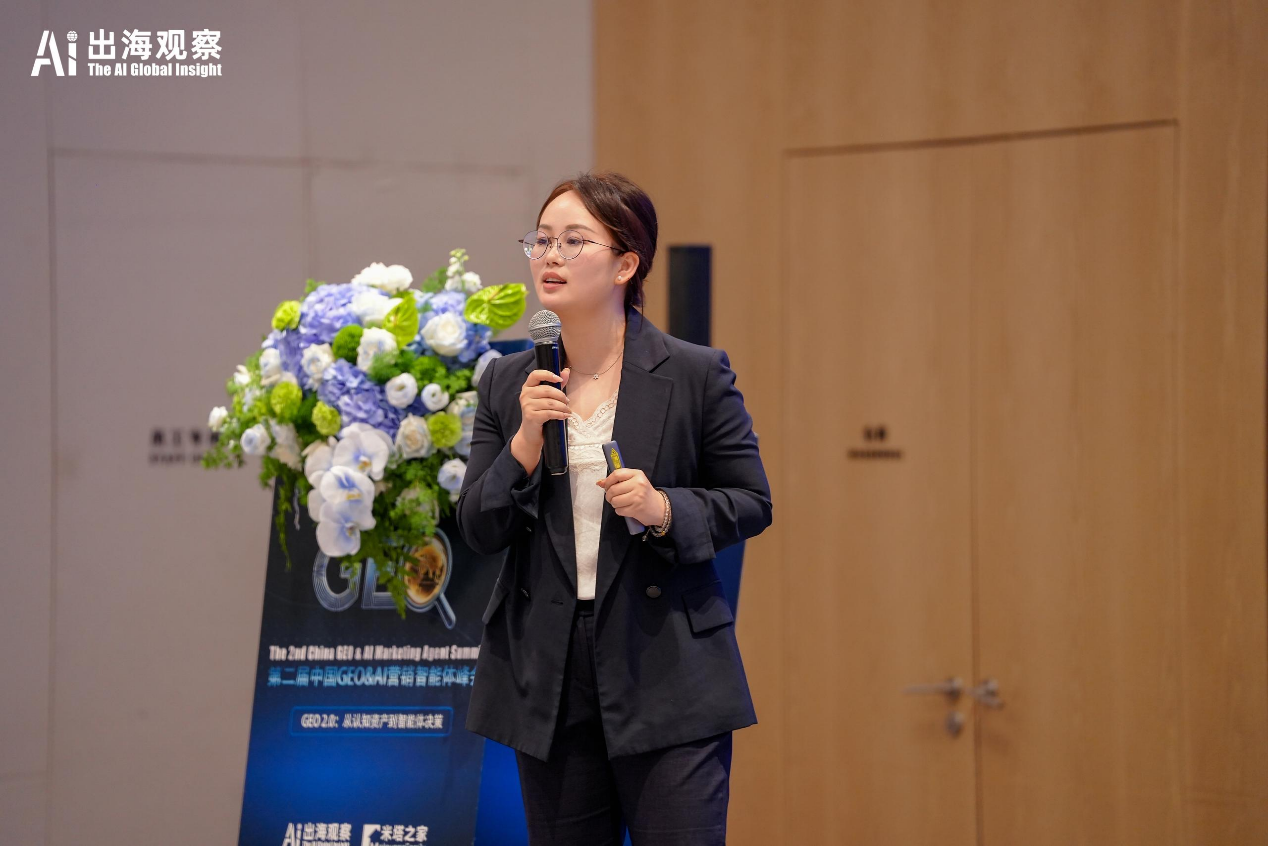
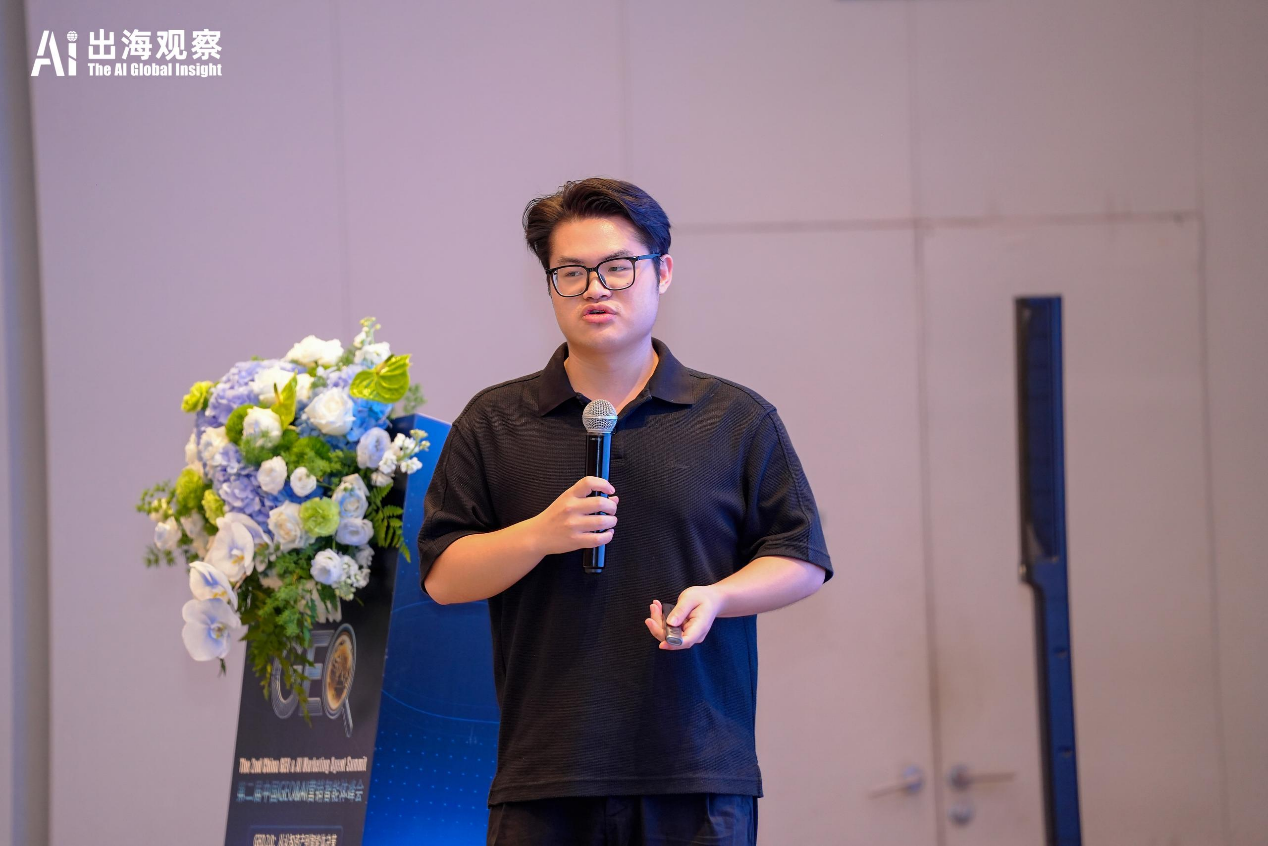
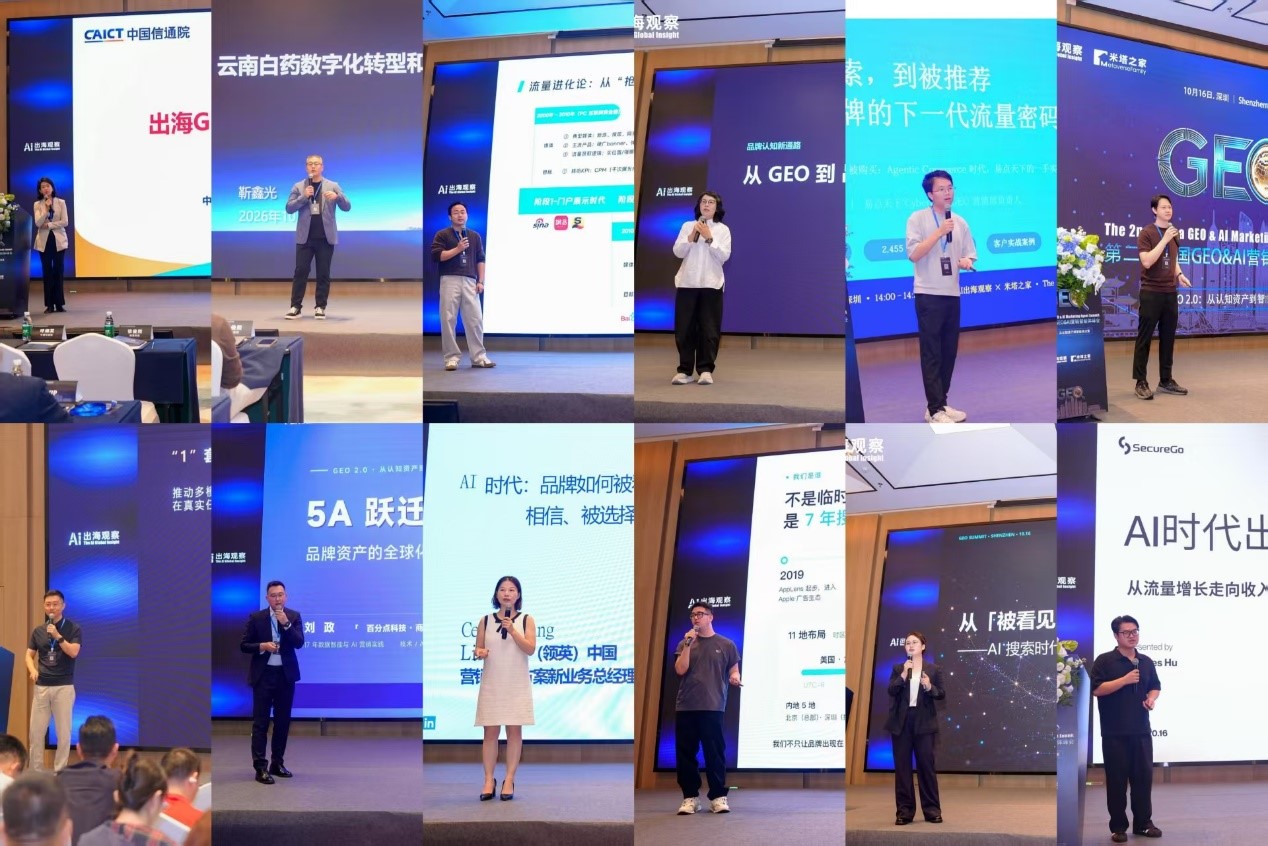
2026年10月16日,第二届中国GEO&AI营销智能体峰会在深圳海景嘉途酒店成功举办。本届峰会聚焦GEO(生成式引擎优化)与AI营销智能体的前沿实践,来自中国信息通信研究院、云南白药集团、微盟集团、商汤科技、领英、天龙科技/优力、百分点科技、易点天下、Google、秦点智胜、有赞GEO、跨拒通等机构的嘉宾先后登台,围绕"AI搜索时代的品牌可见性""认知资产""智能体决策与出海增长"三大方向展开分享,与现场品牌主、服务商及行业同仁共同探讨AI搜索重构流量分配之后,品牌经营的新范式与新路径。

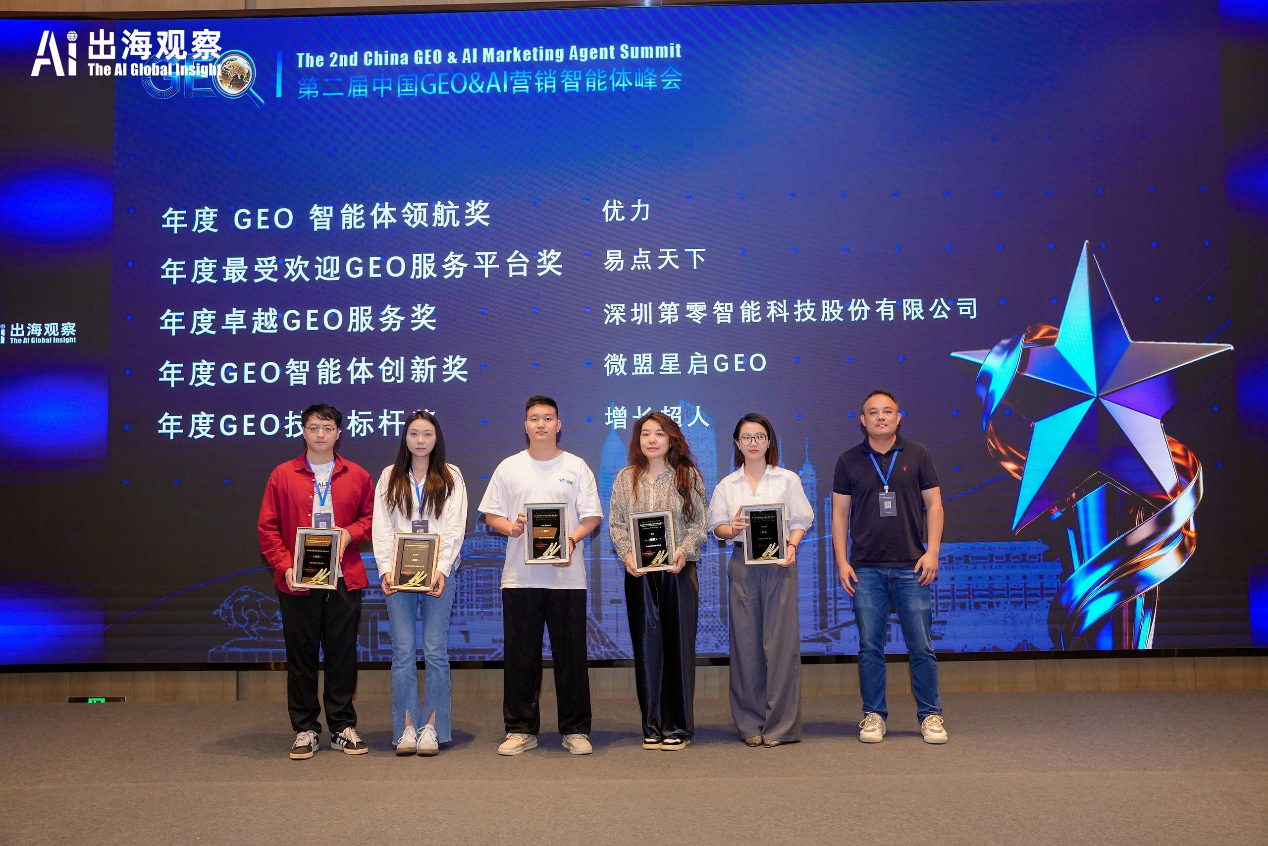
峰会同期举办GEO&AI营销年度颁奖典礼,现场揭晓五大奖项归属。

会议精彩回顾

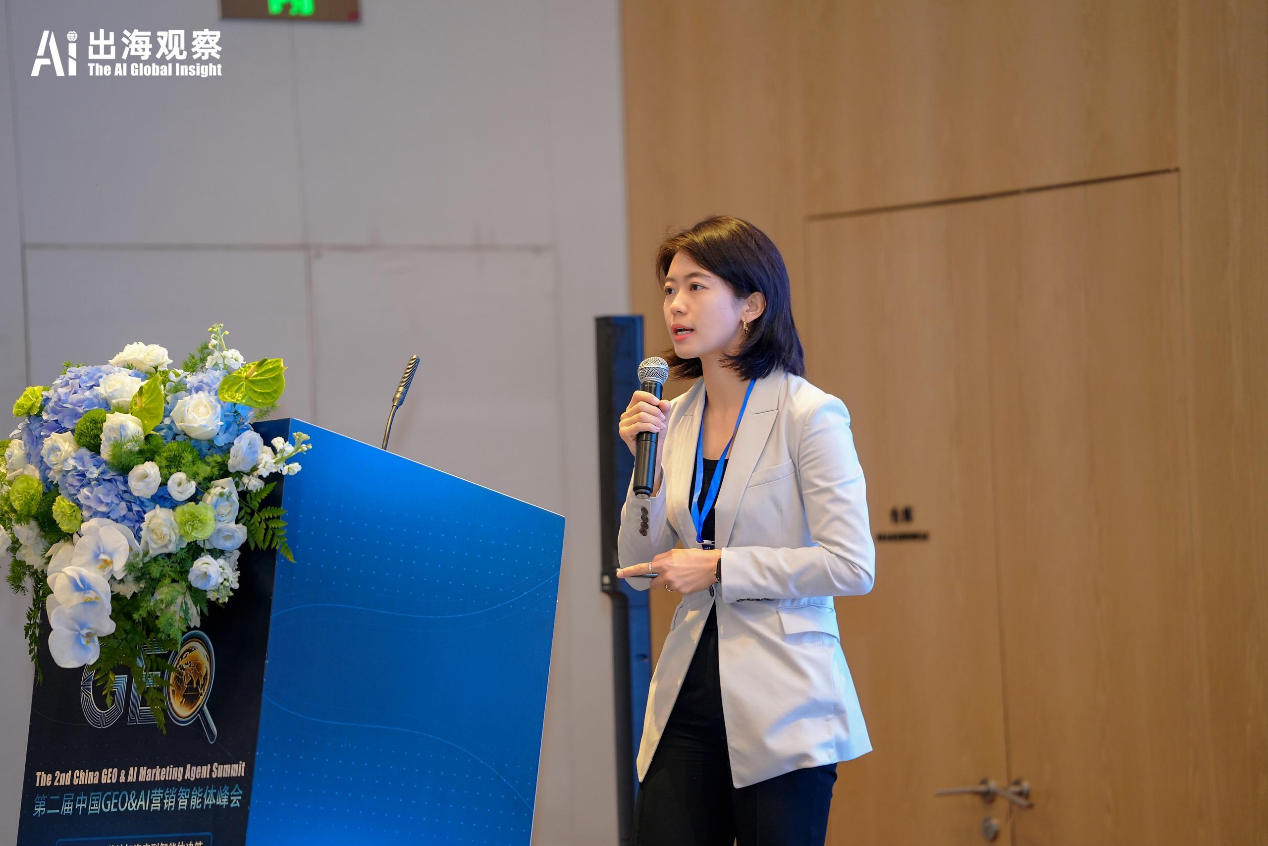
中国信通院人工智能研究所安全治理部副主任呼娜英

中国信通院人工智能研究所安全治理部副主任呼娜英发表《出海GEO现状分析与发展建议》主题演讲。报告引用数据显示,全球AI搜索平台访问量持续高速增长,AI推荐流量的转化率明显高于传统渠道,全球GEO服务市场正以超过40%的年复合增速扩张,系统梳理了GEO服务综合能力视图,对比国内外在独立站基础、多源验证机制与AI购物协议等方面的差异并提示跨境经营主体需重点关注美国、欧盟等法域的合规要求。同时介绍了GEO服务可信评测的最新进展,目前已有企业通过评测并签署可信承诺,为行业规范化发展提供了可参照的基准。

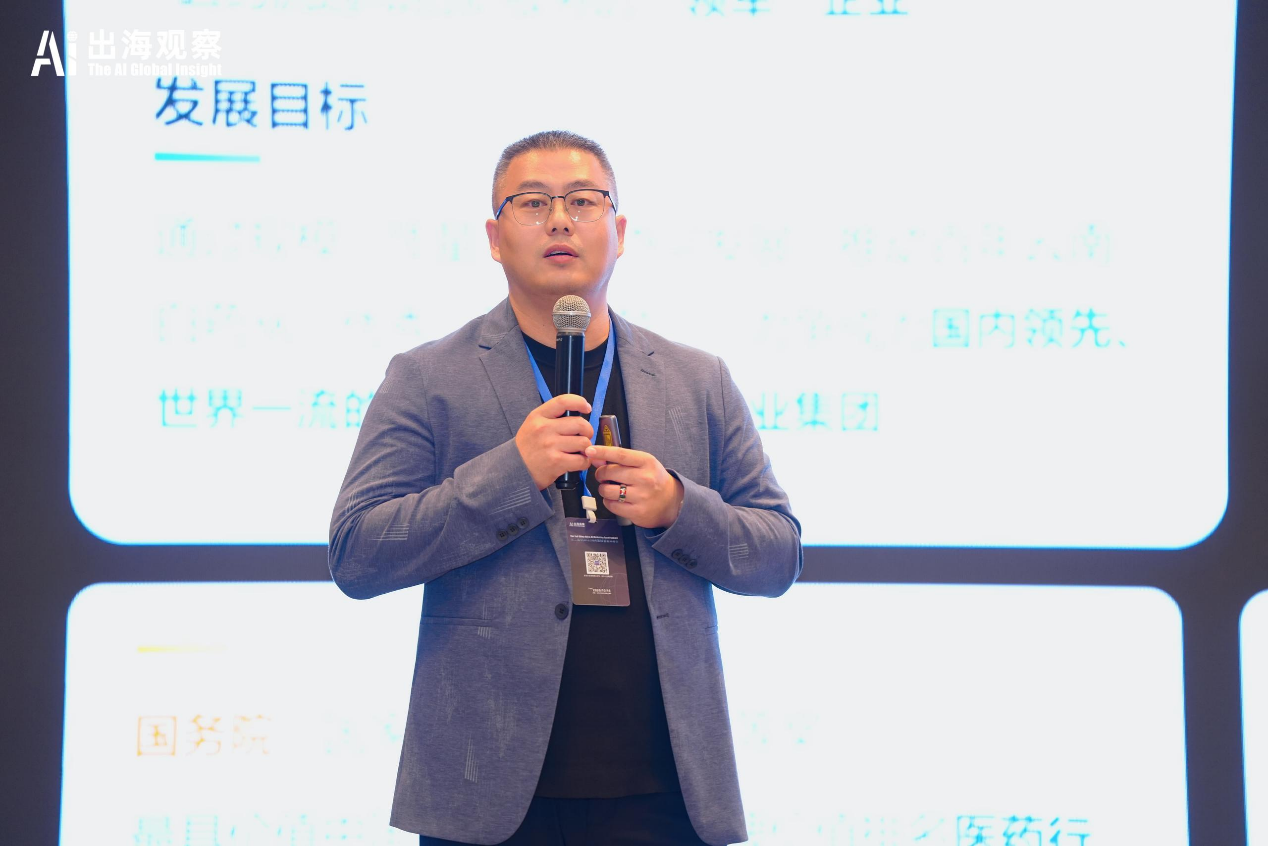
云南白药集团数智科技项目管理部负责人靳鑫光

云南白药集团数智科技项目管理部负责人靳鑫光以《云南白药的数字化转型和AI实践探索》为题,分享了这家百年药企的数智化路径:企业业务线上化率已达96%,一物一码年赋码量超过2.5亿个,数智云药产业平台GMV突破40亿元;生产端工厂部署7500余个传感器,检测效率提升355倍并于2025年9月获得世界经济论坛灯塔工厂认证。靳鑫光表示,企业正同步推进大模型在研发与运营环节的落地,规划从单点突破走向链路贯通与生态重构,呈现出传统品牌在AI时代以组织与技术双轮驱动的转型实践。

微盟集团微盟星启GEO解决方案专家张俊熙

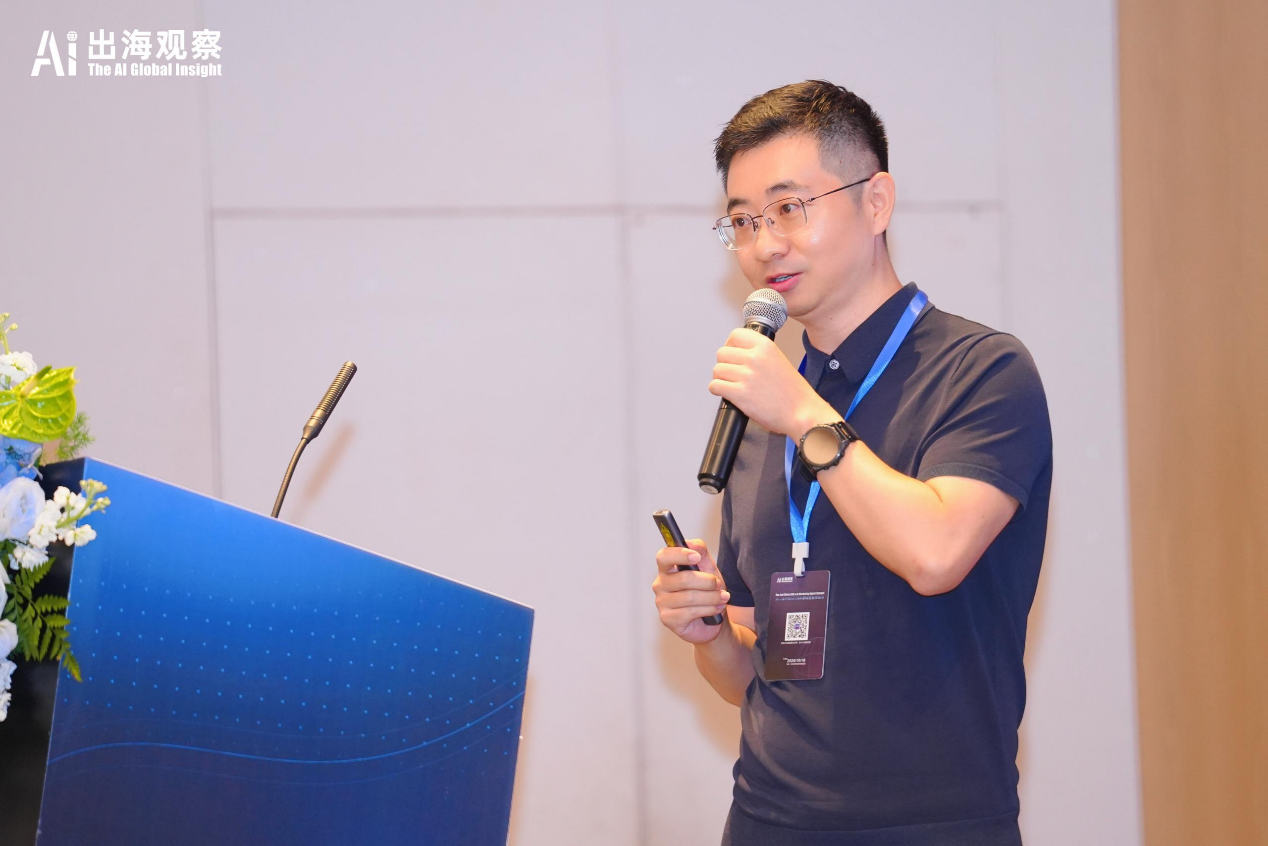
微盟集团微盟星启GEO解决方案专家张俊熙在《从流量重构到智能增长:微盟GEO的AI原生解决方案》中提出,品牌经营的核心指标正从曝光与点击转向AI可见度。他介绍了微盟星启GEO全链路解决方案,以监测、策略、捕捉、执行四步闭环组织服务并厘清白帽GEO与黑帽GEO的边界,强调内容需符合E-E-A-T标准与广告法合规要求。该方案依托SaaS数据洞察与内容生态双引擎,针对豆包、DeepSeek、元宝等模型的差异化信源偏好进行布局,并配套智能生文、建站、视频与诊断报告等智能体工具。

商汤科技大模型事业部商务总监仝乐

商汤科技大模型事业部商务总监仝乐围绕《从创意盲盒到效果闭环:AI营销工业化实战》展开分享,介绍了以多模态大模型为底座、以Token工厂与智能体管控系统为支撑的技术架构。他指出,per-token成本在两年间下降约280倍,使规模化内容生产成为可能。在应用侧,如影数字人已进入市场头部梯队,数字人直播带动ROI与GMV的显著提升,相关能力已接入数千家店铺。结合制造、零售等行业案例,仝乐呈现了AI营销从单点创意走向效果闭环的完整链路。

百分点科技商企事业部总经理刘政

百分点科技商企事业部总经理刘政基于科特勒5A模型提出"5A跃迁"框架,主张品牌资产应从"被看见"走向"被调用"。其配置五个专职智能体,分别覆盖认知、采信、标准、承诺与拥护环节,以字段化、承诺化、主键化的方式修补链路交接断点,用账本思维替代漏斗思维。现场披露的案例显示,某国内品牌50个高价值问句在8周内进入AI候选集的数量由12个升至38个,相关指标提升超过30%;跨境案例则揭示,多语种信源覆盖不足是出海品牌被AI忽略的主因。

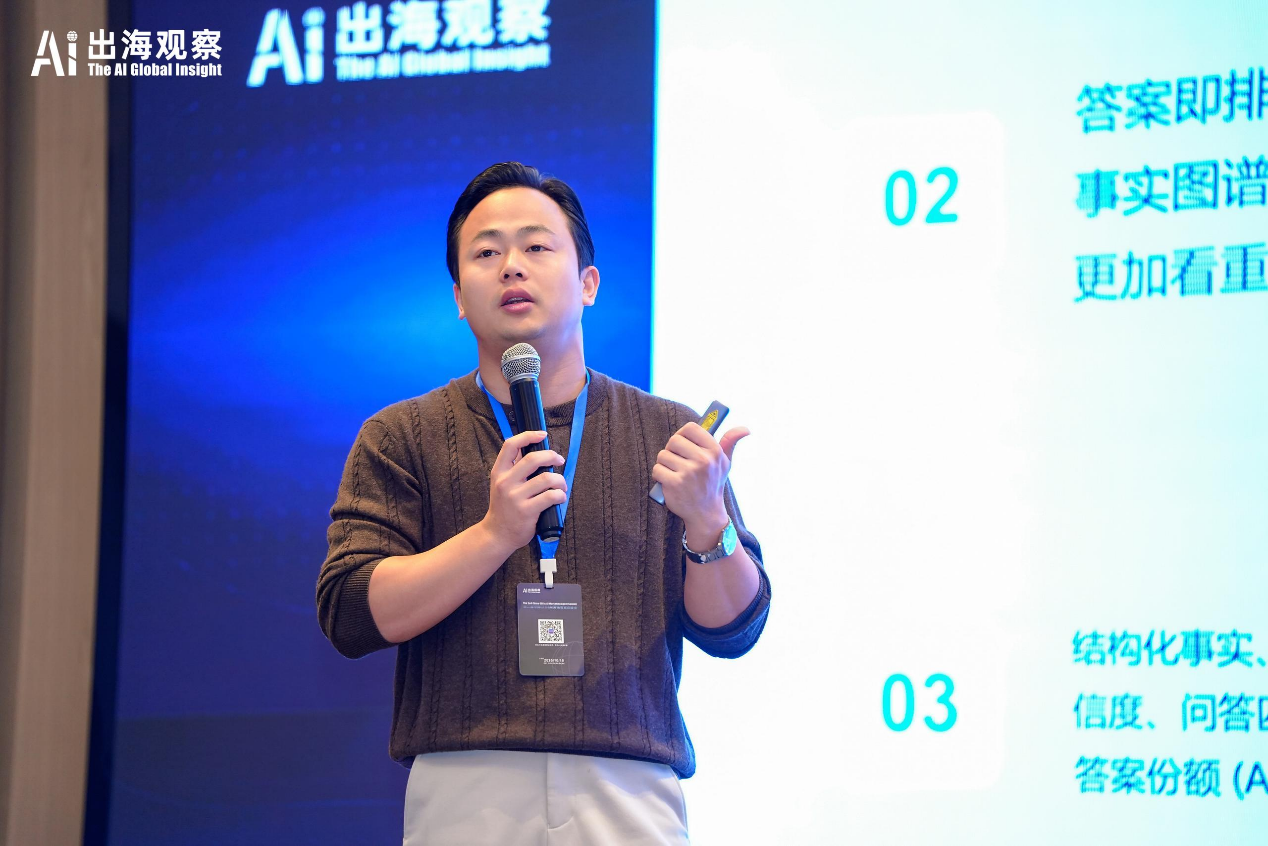
领英中国营销解决方案新业务总经理Celia Huang

领英中国营销解决方案新业务总经理Celia Huang聚焦B2B品牌在AI时代的可见性。数据指出,94%的购买团队在接触销售前已使用大模型,60%的搜索以零点击结束。她提出LinkedIn、GEO与大模型三位一体的打法,从被提及概率、被信任权重与表述框架三个维度经营品牌资产,建议通过观点化、结构化内容与一致的角色标签建立专业权威。实测显示,将表现良好的自然内容进行付费放大,可使品牌出现在大模型回答中的概率提高41%。

天龙科技副总裁/优力CEO冯羽健Mandy

天龙科技副总裁、优力CEO冯羽健Mandy在《品牌认知新通路——AI认知资产的构建和持续优化》中提出,GEO的重心应从"找到目标人群"转向"找到目标问题"。她将GEO定义为品牌数字资产建设动作,区分结果层与资产层两类指标:前者关注正确提及率与TOP1推荐率,后者关注高价值问题覆盖率、可追溯来源率与内容更新及时率。方法论上,通过真实问题梳理资产缺口,输出抢占式、爬升式、巩固式与防守式关键词作战清单并构建包含认知原子、可信信源、专家矩阵与生命周期治理的知识系统,让GEO成果反哺官网、客服等多触点。

易点天下Cyberklick GEO营销部负责人Riven Gao

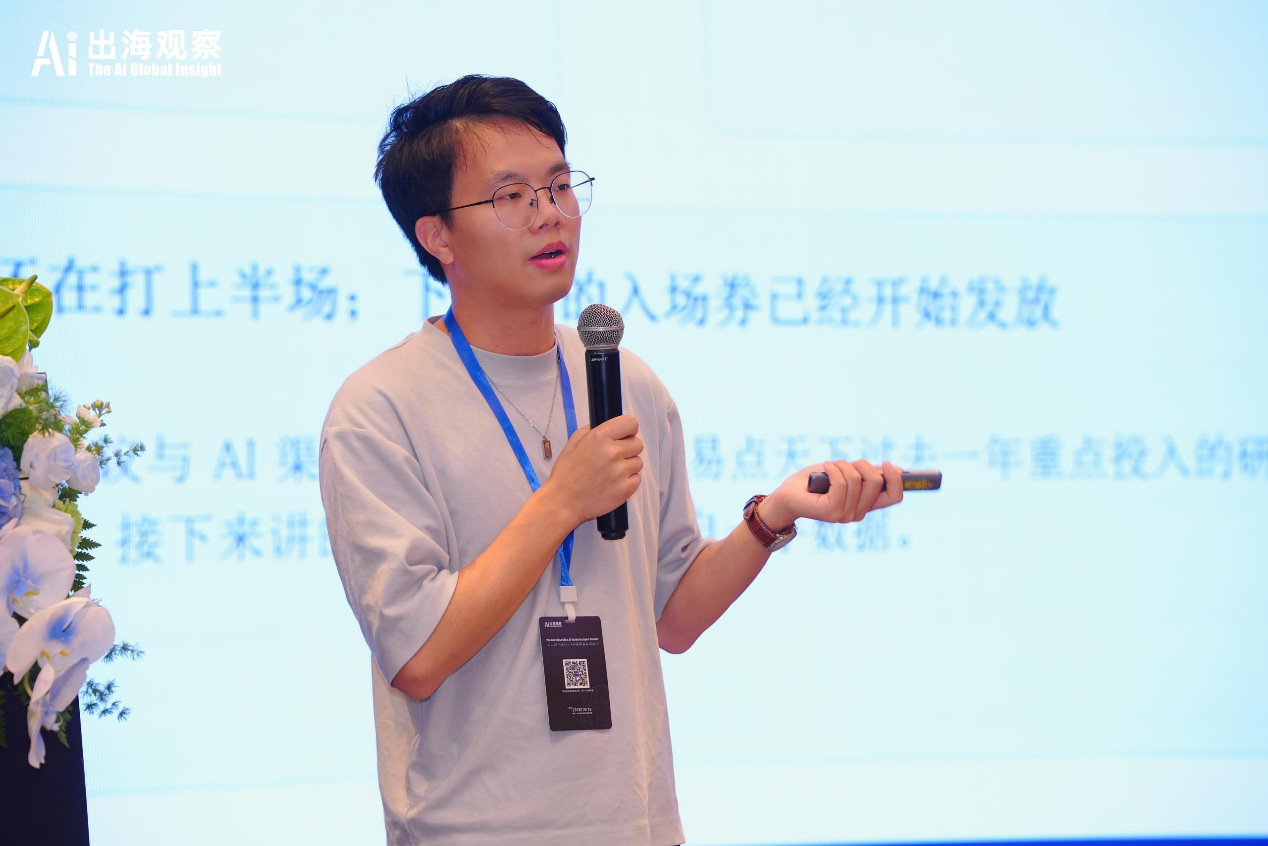
易点天下Cyberklick GEO营销部负责人Riven Gao以约2455万张商品卡的实测数据判断,GEO上半场的认知资产竞争已近尾声,下半场是Agentic Commerce。其援引数据显示,ChatGPT购物推荐中feed化来源占比已从8.26%跃升至61.54%,商品卡数据约96%来自商家直供,无品牌意图的通用问题才是出卡主战场。他提出,品牌需沉淀认知资产、商品数据资产与归因资产三份自有资产并以3C、无人机、个护等案例说明商品卡正成为新的增长入口。

Google大中华区重点新客团队行业负责人Anson Huang

Google大中华区重点新客团队行业负责人Anson Huang在《从关键词到对话,重塑AI搜索时代的品牌主权》中解析了AI搜索的底层机制。他指出,AI回答经历扇出拆解、多源交叉印证与答案引用三个步骤:SEO决定品牌能否被搜到,GEO决定品牌能否被AI读懂并写进答案。品牌需经营官网与独立站、GMC商品库、第三方口碑、视频内容四块信源阵地并保持口径一致。实操层面,他建议聚焦沉淀一手独特内容、保障网页抓取与结构化清晰、实现自然内容与AI Max广告协同,同时避开盲目配置标记、批量生成低质页面与刷评灌水三个误区。

秦点智胜策略营销总负责人孙万龙

秦点智胜策略营销总负责人孙万龙表示,进入AI推荐名单并不难,难在持续留在名单里。基于近半年对七大AI平台的监测,内容若不维护,约一个月引用量即减半,前10%的文章拿走近六成引用,因此应优先盘活已被引用的存量内容,而非只发新稿。方法上强调问句能力:AI并非对每个问句都联网检索,品牌应挑选AI会去检索的问句,并经过判、筛、归、回流四步闭环持续运营。

有赞GEO高级营销专家刘艳莉

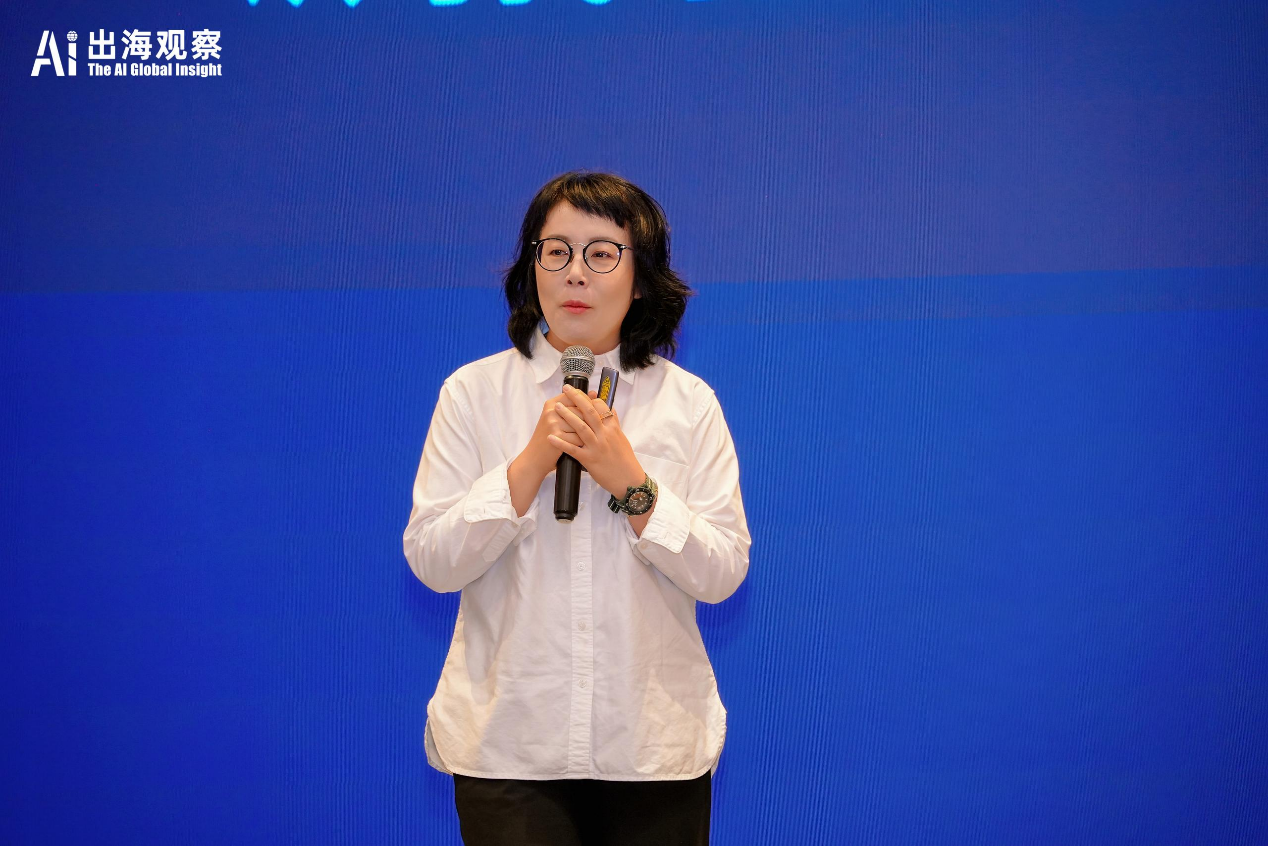
有赞GEO高级营销专家刘艳莉认为,GEO已从可选项变为必答题。她介绍了五步服务链路:从诊断品牌在AI中的可见性与好感度到拆解人群、场景、意图与问题,再到把卖点翻译为AI可核实的事实、管理信源权威层级并持续监测。案例显示,某新能源汽车品牌AI可见性在40天内由15.7%提升至68.6%,行业排名升至第一;某电视品牌在豆包的型号推荐率由30.75%提升至89.57%。她同时提示,2026年将成为GEO合规元年,白帽运营是长期前提。

跨拒通策略营销总负责人Charles

跨拒通策略营销总负责人Charles聚焦出海品牌的收入质量。他以一笔100美元订单为例说明,拒付发生后商家面临的损失可能远超订单金额,还需应对收单机构的风险审查。演讲梳理了从流量进入、下单、支付到售后争议各环节的欺诈形态,介绍以多维信号与机器学习评分驱动的AI风控模型,以及AI辅助证据整理与专家抗辩相结合的拒付处理模式并给出30天行动建议,主张订单增长需要支付、履约与争议管理能力共同保障。

GEO&AI营销年度颁奖典礼揭晓五大奖项

峰会同期举行GEO&AI营销年度颁奖典礼,现场揭晓五大奖项:

· 年度GEO智能体领航奖:天龙科技/优力

· 年度最受欢迎GEO服务平台奖:易点天下

· 年度卓越GEO服务奖:深圳第零智能科技股份有限公司

· 年度GEO智能体创新奖:微盟星启GEO

· 年度GEO技术标杆奖:增长超人

获奖企业覆盖品牌服务、平台工具与技术基础设施等多个环节,折射出GEO产业链正在加速成型。

本届峰会的顺利举办,离不开各合作伙伴的鼎力支持,主办方对此表示诚挚感谢。作为面向AI搜索与智能体营销的年度交流平台,峰会将继续关注GEO标准建设、认知资产度量与出海商业化等议题,推动产业链上下游的协同与共识。

注:文/龚作仁,文章来源:Laborer,本文为作者独立观点,不代表亿邦动力立场。

文章来源:Laborer

广告
微信
朋友圈

FAQ回顾

GEO是什么?它和SEO有什么区别?

GEO是生成式引擎优化,重点在于让品牌内容被AI读懂并写入答案;SEO则决定品牌能否被搜索到。两者在AI搜索时代分工不同:SEO影响检索可见性,GEO影响大模型答案中的提及、引用与推荐,因此品牌需同时经营可抓取的信源与可供AI采信的结构化内容。

AI搜索时代品牌如何提升在AI回答中的可见性?

提升品牌在AI回答中的可见性,需要经营官网与独立站、GMC商品库、第三方口碑和视频内容四块信源阵地,并保持口径一致;同时沉淀一手独特内容、保障网页抓取与结构化清晰,让自然内容与AI Max广告协同。微盟星启等方案还强调监测、策略、捕捉、执行四步闭环。

GEO行业有哪些新趋势?

GEO正从可选动作变为品牌必答题。全球AI搜索平台访问量高速增长,AI推荐流量转化率高于传统渠道,GEO服务市场以超过40%的年复合增速扩张;品牌核心指标从曝光点击转向AI可见度。2026年被视为GEO合规元年,白帽运营和可信评测成为长期前提。

企业如何建设AI认知资产?

建设AI认知资产,应先从“找目标人群”转向“找目标问题”,用真实问题梳理资产缺口,区分正确提及率、TOP1推荐率等结果指标与高价值问题覆盖率、可追溯来源率等资产指标。天龙科技/优力提出,可输出抢占式、爬升式、巩固式和防守式关键词清单,并构建认知原子、可信信源、专家矩阵与生命周期治理的知识系统。

出海品牌为什么容易被AI忽略?

出海品牌被AI忽略,常见主因是多语种信源覆盖不足。跨境经营还需关注美国、欧盟等法域合规要求,并对比独立站基础、多源验证机制与AI购物协议差异。品牌应沉淀认知资产、商品数据资产与归因资产,因为商品卡数据约96%来自商家直供,通用问题正成为AI购物推荐的重要入口。

这么好看,分享一下?

朋友圈 分享

APP内打开

赞 +1
+1
微信好友 朋友圈 新浪微博 QQ空间
关闭
收藏成功
发送
/140 0