广告
加载中

京东七鲜超市马连道西宸里店开业即限流,北京西城掀起“抢鲜”热

龚作仁 2026-10-19 15:40
龚作仁 2026/10/19 15:40

邦小白快读

EN
全文速览

总:这家京东七鲜超市马连道西宸里店开业后排队限流,确实值得专程去薅羊毛和体验新鲜感。

1. 开业优惠非常直接:10月16日至18日全品类线上线下满99减20,每人可享三次,通过七鲜app或小程序支付实付79元再返100元券包,适合集中采购。

2. 热门商品集中在三类:蔬菜区24小时菜、鲜切潮汕吊龙伴、180度安心冷鲜手切羊肉,以及当天现制只卖当天的明厨净菜,适合追求新鲜和方便的人群。

3. 火锅季自有品牌很有特色,云南见手青菌子黄油鸡锅、贵州凯里红酸汤鱼锅等近50款地域风味火锅底料和蘸料,不用去当地就能尝到特色。

4. 烘焙新品和新鲜零食也值得看,巧克力千层、酵液吐司巧克力口味和配料表只有苹果的冻干苹果都是人气爆款。

5. 店内还有风味食集、主食面点等餐饮区,既能买菜又能顺便解决一顿饭。

总:七鲜超市门店火爆的核心不只是开业促销,更展现了品牌在产品研发、场景体验和品质信任上的系统打法。

1. 门店体验创新:设置异形货架和净菜环形岛台,增加30个货架场景,用趣味商卡传递商品心智,让消费者在逛的过程中对品牌形成记忆点。

2. 自有品牌差异化开发:火锅季先绘制全国火锅地图,围绕消费趋势做地域特色开发,再通过常规升级、大包装家庭化、蘸料懒人化策略,把地方风味做成标准化商品,有效提升自有品牌溢价和复购。

3. 品质信任与价格竞争:24小时鲜和180度安心系列强调新鲜,全程溯源扫码可看基地资质和农残检测报告,同时全球直采葡萄酒省去中间环节,用高性价比建立品质心智。

4. 新品快速迭代:烘焙围绕巧克力主题一次性上新12款,新鲜零食透明包装并首推商品,抓住年轻化和健康化消费趋势,持续制造话题和客流。

总:这家店开业即限流,说明新鲜、便捷、高性价比的零售需求依然强劲,可以从选品和营销上找到可复制的经验。

1. 消费需求变化带来新机会:净菜、鲜切肉鱼、鲜切水果等减少备菜麻烦的商品成为扫货热门,说明城市家庭和办公人群对方便菜和即食加工品的需求很旺。

2. 差异化开发值得学习:火锅季围绕山海寻鲜上新近50款自有品牌商品,用全国地图寻找地域特色,再把热门风味做成家庭化、懒人化标准品,这种围绕消费趋势做商品定制的方式能形成竞争壁垒。

3. 促销与引流玩法直接有效:满99减20、支付返券、线上线下同步参与,再叠加爆品优惠,能迅速拉高开业热度;对中小卖家来说,在社区周边做限时满减和复购券包是提升转化率和客单价的可用手段。

4. 供应链优势带来价格竞争力:全球直采葡萄酒原瓶原装进口,减少中间流通环节,卖家也可以考虑从产地或工厂直采来压缩成本,同时用溯源信息增强消费者信任。

总:七鲜新店对产品生产和加工提出了更明确的新需求,工厂可以从中看到生鲜加工和标准化商品的商机。

1. 净菜加工需求增加:店里所有净菜当日现制、只卖当天,需要工厂配合快速周转和当日配送,同时要保证加工环节的卫生和新鲜度。

2. 鲜切品类更细更深:肉品、水产、水果都做明厨鲜切,而且像潮汕吊龙伴只取牛脊背两侧最鲜嫩部位,工厂需要提供更精细的分割标准和稳定供应,才能支撑门店的现场加工。

3. 火锅商品标准化生产空间大:自有品牌开发把各地特色火锅做成家庭分享的标准化商品,比如有料锅底、风味蘸料,工厂可按标准配方批量生产,并注意大包装家庭化需求。

4. 数字化溯源是趋势:商品溯源二维码需要基地资质和农残检测报告等信息,工厂在生产端要建立数据记录和检测体系,否则很难进入这类零售渠道。

总:这家店展示出零售行业正围绕食品安全、便捷体验和供应链效率升级,服务商可以针对这些痛点提供对应解决方案。

1. 食品安全与信任痛点:明厨鲜切把加工过程直接暴露给消费者,全程溯源系统支持扫码查看基地资质和农残检测报告,说明消费者对透明化要求变高,相关追溯系统和监控设备需求会持续增长。

2. 门店体验优化需求:新店增加30个货架场景和异形货架,用商卡表达趣味心智,说明商户越来越重视陈列设计和卖场内容化,这对门店空间设计、陈列道具和营销物料服务商是机会。

3. 即时零售配套服务:生鲜品类强调24小时鲜和当日现制,意味着门店需要更强的订单履约、库存管理和短保商品运营能力,服务商可提供即时零售系统、冷链物流和门店数字化工具。

4. 供应链整合与降本:全球直采省去中间流通环节,同时自有品牌火锅商品需要标准化生产,服务商可以切入源头直采网络、中央厨房和标准化产品代工等环节。

总:从七鲜新店的火爆可以看出,零售平台需要用优质商品和全渠道运营来吸引并留住用户,这家店的做法值得平台方参考。

1. 门店运营管理:开业即限流,工作人员引导分批进店,说明平台要提前做好高客流下的现场管理和体验维护,避免排队过长影响口碑。

2. 平台促销玩法:月中回馈日配合满99减20、支付返100元券包,线上线下同享,通过app和小程序支付把线下流量导向线上,形成拉新和复购闭环,平台商可借鉴这种全渠道促销设计。

3. 差异化商品支撑平台心智:自有品牌火锅季、全球直采葡萄酒、新鲜零食和24小时鲜都是平台特色商品,能帮平台建立竞争力,招商或自营时要重视独家商品和源头直采。

4. 社区商业布局:新店落地15分钟便民生活圈,覆盖居民和办公人群,说明社区型购物中心是平台拓店的重要方向,平台商可以围绕社区周边配置门店、前置仓和餐饮档口。

总:七鲜超市新店开业的火爆,折射出生鲜零售在供应链、消费趋势和社区商业上的多个新动向,值得进一步研究。

1. 商业模式创新:门店集合了超市、即时零售、餐饮加工、自有品牌开发和溯源体系,形成多业态融合,有助于观察线上线下全渠道零售如何通过线下体验带动线上消费。

2. 供应链升级和食品安全问题:24小时鲜、当日现制净菜、全程溯源,这些实践回应了消费者对新鲜和安心的诉求,也为生鲜供应链柔性化、短保商品标准化提供了研究案例。

3. 消费趋势洞察:城市居民对省时省力的净菜和鲜切产品需求上升,火锅季把地标风味做成标准化家庭分享商品,体现出健康化、便捷化和地域特色消费的叠加趋势。

4. 社区商业与生活圈建设:门店为马连道片区15分钟便民生活圈注入活力,说明社区商业不仅承担购物功能,还承载生活服务,对城市商业规划和社区零售布局有启示。

5. 政策法规角度:可关注生鲜加工透明化和农残检测信息公开的行业标准,以及快速扩张下如何保证多地门店的品控一致性。

返回默认
声明:快读内容全程由AI生成,请注意甄别信息。如您发现问题,请发送邮件至 run@ebrun.com 。

我是 品牌商 卖家 工厂 服务商 平台商 研究者 帮我再读一遍。

Quick Summary

Overall: The 7Fresh supermarket at Maliandao Xichenli has been drawing long queues and crowd controls since its opening, making it well worth a dedicated trip for the deals and the fresh experience.

1. Opening promotions are very direct: from October 16 to 18, all categories offer RMB 99 get RMB 20 off, both online and offline, up to three times per person. Shoppers who pay RMB 79 or more through the 7Fresh app or mini program also receive a RMB 100 coupon pack, ideal for stocking up.

2. Popular products cluster in three areas: 24-hour fresh vegetables, freshly cut Chaoshan diaolongban beef, 180-degree safe cold-fresh hand-cut lamb, as well as kitchen-ready clean vegetables prepared in the open kitchen and sold only on the day they are made—suited to consumers who value freshness and convenience.

3. The private-label hotpot season range is distinctive: nearly 50 regional hotpot bases and dipping sauces, including Yunnan jianshouqing mushroom butter chicken pot and Guizhou Kaili red sour soup fish pot, let shoppers taste local specialties without traveling.

4. New bakery items and fresh snacks are also worth checking: chocolate mille crepes, chocolate yeast-water toast, and freeze-dried apples with only apples on the ingredient list have all become hits.

5. The store also includes food halls and staple-food counters, so customers can buy groceries and have a meal in one stop.

Overall: The store's popularity is not just about opening promotions; it showcases a systematic approach to product development, experiential store design, and quality trust.

1. Store experience innovation: the store uses specially shaped shelves and a circular island counter for clean vegetables, adds 30 shelf display scenarios, and uses playful product cards to communicate product positioning, creating memorable brand impressions as customers browse.

2. Differentiated private-label development: during hotpot season, the brand first mapped a national hotpot flavor landscape, developed regional offerings around consumption trends, and then applied strategies such as regular upgrades, family-size packaging, and easy-to-use dipping sauces to turn local specialties into standardized products, effectively raising private-label premium and repurchase rates.

3. Quality trust and price competition: the 24-hour fresh and 180-degree safe series emphasize freshness; end-to-end traceability lets customers scan QR codes to view farm qualifications and pesticide-residue test reports. In addition, globally direct-sourced wines remove intermediate links and use cost-effectiveness to build a quality image.

4. Rapid new-product iteration: bakery products launched 12 chocolate-themed new items at once, fresh snacks use transparent packaging and are promoted as first-launch items, capturing youth-oriented and health-conscious consumption trends and continuously generating buzz and footfall.

Overall: The store hit capacity limits on opening day, showing that demand for fresh, convenient, and value-for-money retail remains strong—and there are replicable lessons in assortment and marketing.

1. Changing consumer demand creates new opportunities: ready-to-cook clean vegetables, freshly cut meat and fish, and cut fruit became hot sellers, pointing to strong demand from urban families and office workers for convenience foods and value-added processed items.

2. Differentiated assortment development is worth learning from: the hotpot season launched nearly 50 private-label SKUs under a theme of seeking fresh ingredients from mountains and seas, using a national flavor map to identify regional specialties and turning popular tastes into family-friendly, easy-to-use standard products. This trend-driven approach to product customization can create competitive moats.

3. Promotions and customer acquisition tactics are straightforwardly effective: RMB 99 get RMB 20 off, coupons on payment, synchronized online and offline participation, plus bestseller discounts quickly boost opening momentum. For small and medium sellers, limited-time discounts and repurchase coupon packs around community neighborhoods are practical tools to lift conversion rates and average order value.

4. Supply-chain advantages create price competitiveness: global direct-sourced wine is imported in original bottles and packaging, reducing intermediate circulation costs. Sellers can also consider direct sourcing from origins or factories to compress costs while using traceability information to enhance consumer trust.

Overall: The new 7Fresh store creates clearer demands on production and processing, and factories can see business opportunities in fresh-food processing and standardized products.

1. Demand for clean-vegetable processing is rising: all in-store clean vegetables are freshly prepared daily and sold only on the same day, so factories need to ensure rapid turnover and same-day delivery while maintaining hygiene and freshness in processing.

2. Fresh-cut categories are more refined and deeper: meat, aquatic products, and fruit are all cut in an open kitchen, and items such as Chaoshan diaolongban use only the most tender parts along both sides of the beef spine. Factories need to provide more precise cutting standards and stable supply to support in-store preparation.

3. Standardized hotpot products have strong growth potential: private-label development turns regional hotpot specialties into standardized family-share products, such as soup bases with ingredients and flavored dipping sauces. Factories can produce these in volume according to standard formulas and pay attention to family-size packaging needs.

4. Digital traceability is a trend: product QR codes need farm qualifications, pesticide-residue test reports, and other information. Factories must establish data-recording and testing systems at the production end, otherwise they will find it hard to enter this type of retail channel.

Overall: The store shows that retail is upgrading around food safety, convenience, and supply-chain efficiency, and service providers can address these pain points with targeted solutions.

1. Food-safety and trust pain point: open-kitchen fresh cutting exposes food processing directly to consumers, and the full traceability system supports scanning QR codes to view farm qualifications and pesticide-residue reports. As consumers demand more transparency, demand for traceability systems and monitoring equipment will continue to grow.

2. Store experience optimization needs: the new store adds 30 shelf scenarios and specially shaped shelving, using product cards to express playful product positioning. This shows merchants are paying more attention to display design and content-driven store environments, creating opportunities for service providers in store layout, display fixtures, and marketing materials.

3. Instant-retail support services: fresh categories emphasize 24-hour freshness and same-day preparation, meaning stores need stronger order fulfillment, inventory management, and short-shelf-life product operations. Service providers can offer instant-retail systems, cold-chain logistics, and store digitalization tools.

4. Supply-chain integration and cost reduction: global direct sourcing removes intermediate circulation layers, and private-label hotpot products require standardized production. Service providers can enter areas such as source-direct procurement networks, central kitchens, and co-manufacturing of standardized products.

Overall: The success of the new 7Fresh store shows that retail platforms need quality products and omnichannel operations to attract and retain users, and this store offers useful reference points for platform operators.

1. Store operations and management: the store hit capacity limits on opening day, with staff guiding customers in batches. This means platforms need to prepare in advance for on-site management and experience control under heavy footfall, avoiding long queues that could damage reputation.

2. Platform promotion mechanics: the mid-month customer appreciation day pairs RMB 99 get RMB 20 off with a RMB 100 coupon pack after payment, enjoyed both online and offline; paying through the app or mini program directs offline traffic into the digital channel, creating a closed loop of new-customer acquisition and repurchase. Platform operators can learn from this omnichannel promotion design.

3. Differentiated assortment supports platform positioning: private-label hotpot season, globally direct-sourced wine, fresh snacks, and 24-hour fresh produce are all signature items that help build competitiveness. In merchant recruitment or self-operated buying, exclusive products and source-direct procurement should be prioritized.

4. Community commerce layout: the new store anchors a 15-minute convenience living circle and serves both residents and office workers, indicating that community-oriented shopping centers are a key direction for platform expansion. Platform operators can arrange stores, micro-fulfillment centers, and food stalls around neighborhoods.

Overall: The blockbuster opening of the 7Fresh supermarket reflects several new trends in fresh-food retail, from supply chain to consumption behavior and community commerce, and deserves further study.

1. Business model innovation: the store integrates supermarket, instant retail, in-store food processing/dining, private-label development, and traceability systems, forming a multi-format fusion. It provides a useful case for examining how omnichannel retail uses physical experience to drive online consumption.

2. Supply-chain upgrading and food safety: 24-hour freshness, same-day clean vegetables, and full traceability respond to consumer demands for freshness and peace of mind, and offer research cases for flexible fresh supply chains and standardization of short-shelf-life products.

3. Consumer trend insights: urban residents are increasingly demanding time-saving clean vegetables and fresh-cut products. Meanwhile, the hotpot season turns regional signature flavors into standardized family-share products, reflecting overlapping trends of healthier, more convenient, and regionally distinctive consumption.

4. Community commerce and living-circle construction: the store adds vitality to the 15-minute convenience living circle in the Maliandao area, showing that community retail is not only about shopping but also daily-life services, with implications for urban commercial planning and community retail layout.

5. Policy and regulatory perspective: attention should be paid to industry standards on transparency in fresh-food processing and public disclosure of pesticide-residue test information, as well as how to maintain consistent quality control across multiple store locations during rapid expansion.

Disclaimer: The "Quick Summary" content is entirely generated by AI. Please exercise discretion when interpreting the information. For issues or corrections, please email run@ebrun.com .

I am a Brand Seller Factory Service Provider Marketplace Seller Researcher Read it again.

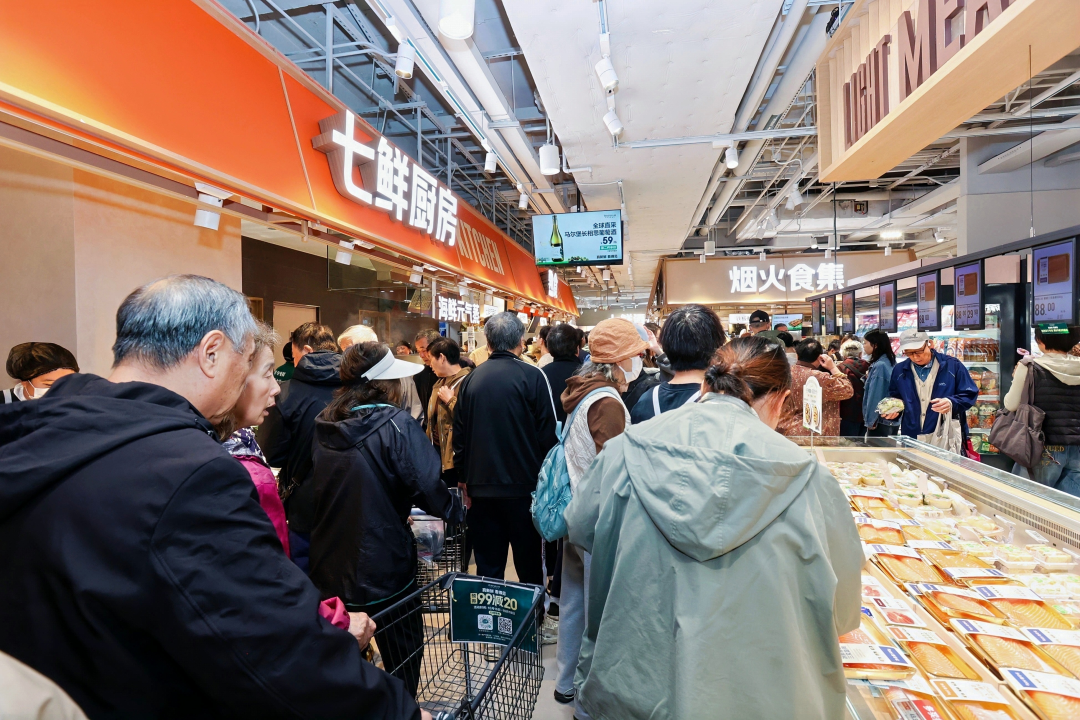
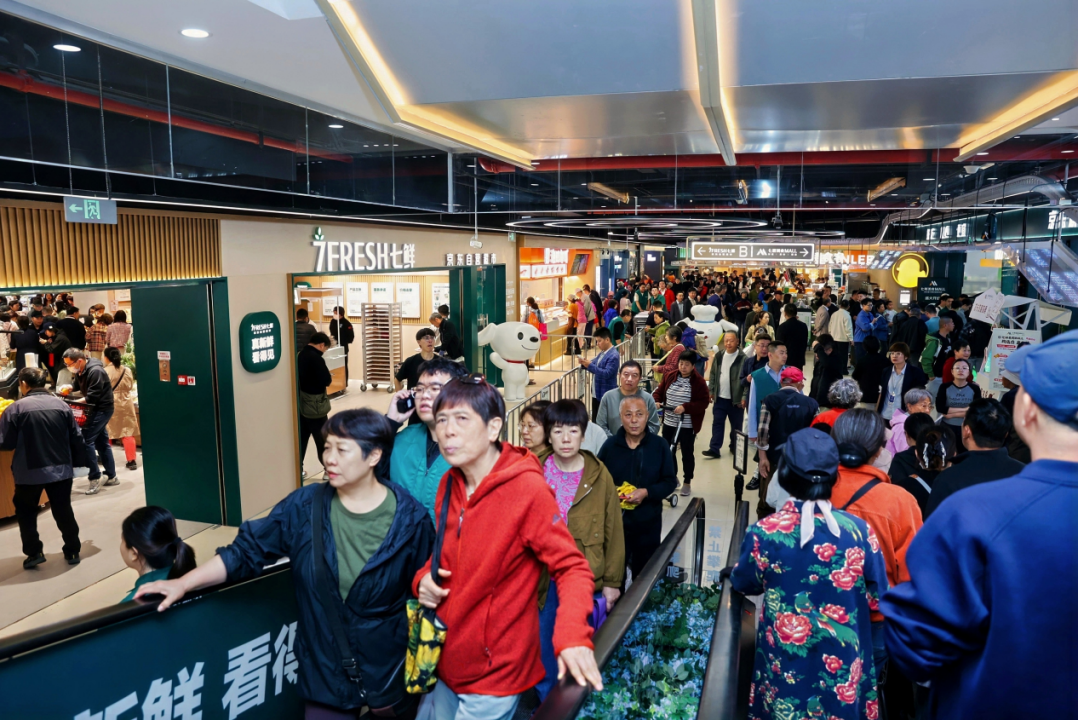
10月16日,京东七鲜超市马连道西宸里店正式开业。新店落地马连道西宸里B1层,与商场同期亮相。正式开门前,等候进店的市民已排起蜿蜒长龙。开业后,卖场迅速被客流填满,门店随即紧急启动限流措施,由工作人员引导顾客分批有序进店。

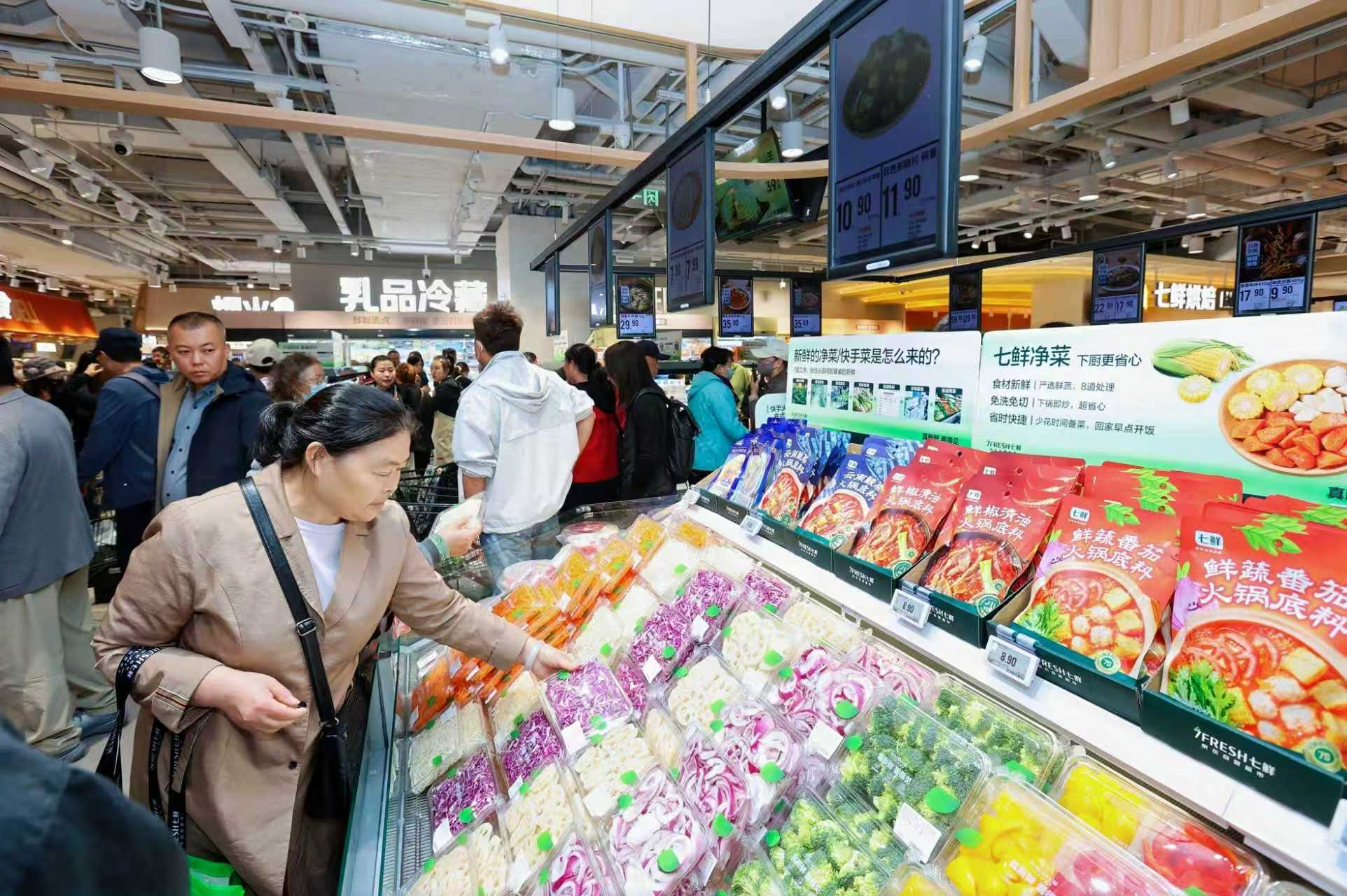
新店因地制宜,设置了多种异形货架,如增设的净菜区域环形岛台。同步增加了30个货架场景,并给每个场景增加了趣味性心智商品的商卡表达。

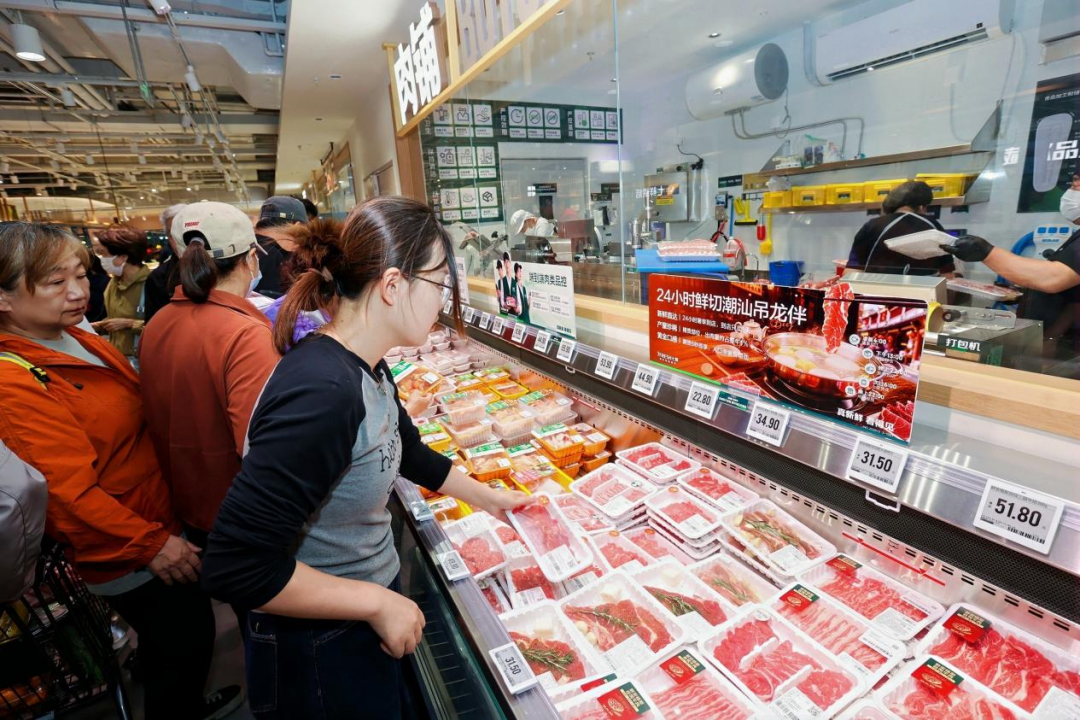
和净菜岛台一并极具辨识度的亮点之一,是新店将“明厨鲜切”延伸至更多生鲜品类。从水果蔬菜、鲜活水产到高品质肉品,均设置可直观看见加工过程的明厨区域。其中蔬菜品类首次推出明厨加工净菜,所有店内加工净菜均为当日现制、只卖当天。从净菜到鲜切肉、鲜切鱼、鲜切水果,省去了家庭备菜的繁琐,成为市民“扫货”的热门选择。

七鲜行业首推的“24小时鲜”商品依然是新店的人气担当。从蔬菜区各类新鲜的“24小时菜”,到肉品区仅选取牛脊背两侧最鲜嫩部位的24小时鲜切潮汕吊龙伴,不少市民一买就是两三盒。七鲜“180°安心系列”下的180°安心冷鲜手切羊肉,也精准契合北方消费者的饮食偏好,补货频率居高不下。这些商品同样支持七鲜超市行业首推的“全程溯源”系统,扫描商品溯源二维码即可查看基地资质、农残检测报告等信息,让美味与安心兼得。

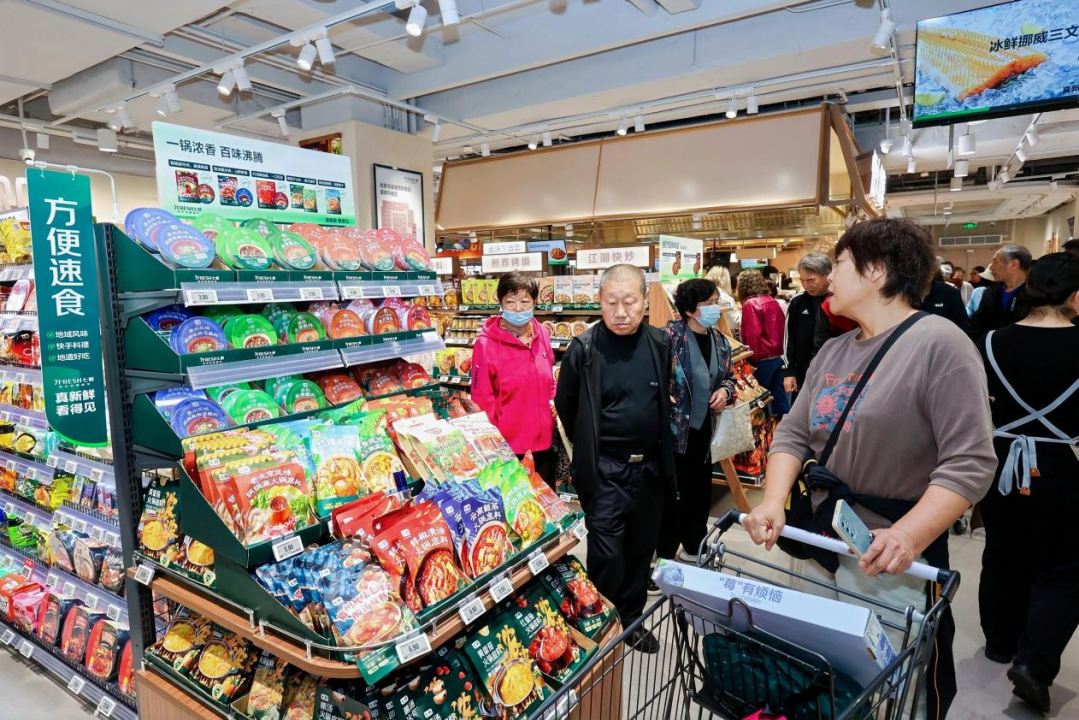
正值火锅消费旺季,新店集中陈列的火锅季自有品牌好物格外吸睛。今年火锅季,京东七鲜超市主打“山海寻鲜”,上新十余种地标风味特色的近50款自有品牌火锅商品。如云南见手青菌子黄油鸡锅、贵州凯里红酸汤鱼锅等有料锅底,复刻地道风味的老北京铜锅涮肉底料、海南风味糟粕醋火锅底料,贵州糊辣椒酸汤蘸料、重庆蒜香油碟蘸料等风味蘸料,都是开业日抢购热点。

在今年的火锅季商品开发中,七鲜超市自有品牌开发团队先是绘制“全国火锅地图”,围绕消费趋势、地域特色进行差异化开发,再通过“常规升级、大包装家庭化、蘸料懒人化”等策略,把全国热门与地方特色火锅做成标准化、可家庭分享的差异化商品,让地域风味走上更多寻常人家的餐桌。

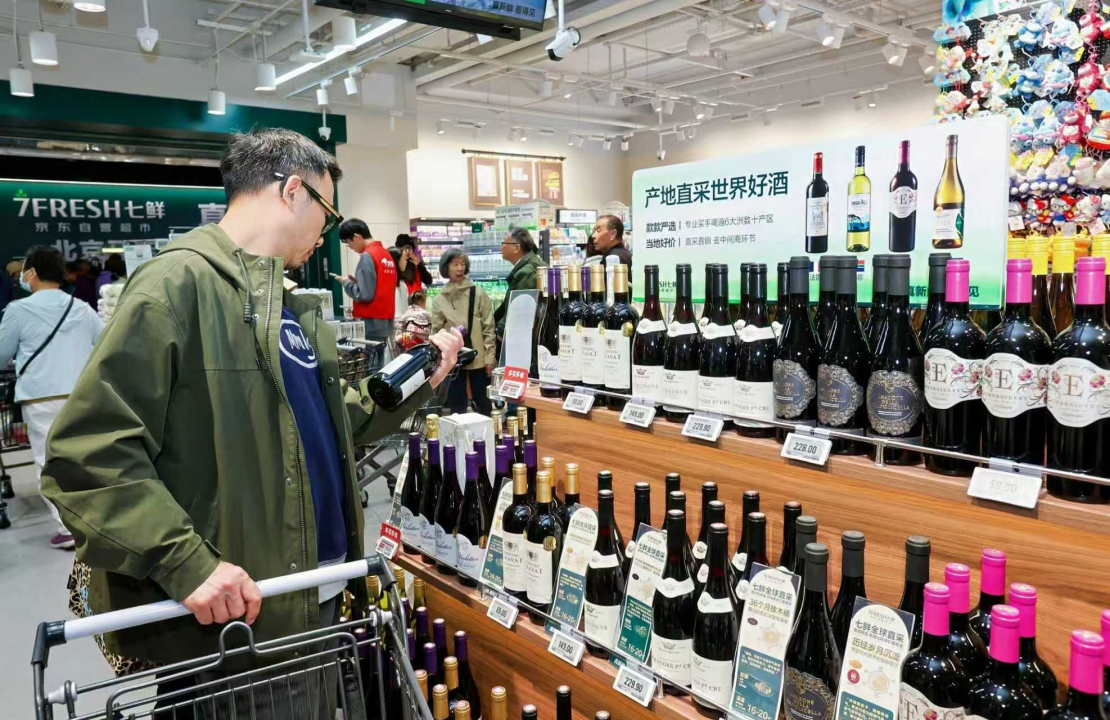
全球直采专区同样人气高涨。七鲜全球直采葡萄酒来自法国波尔多、新西兰马尔堡、智利中央山谷等知名产区,原瓶原装进口,省去中间流通环节,让好物不贵。如七鲜全球直采阿斯蒂莫斯卡托低醇起泡白葡萄酒,直采自意大利核心产区,花果香气浓郁,让消费者以高性价比喝到世界级风味。

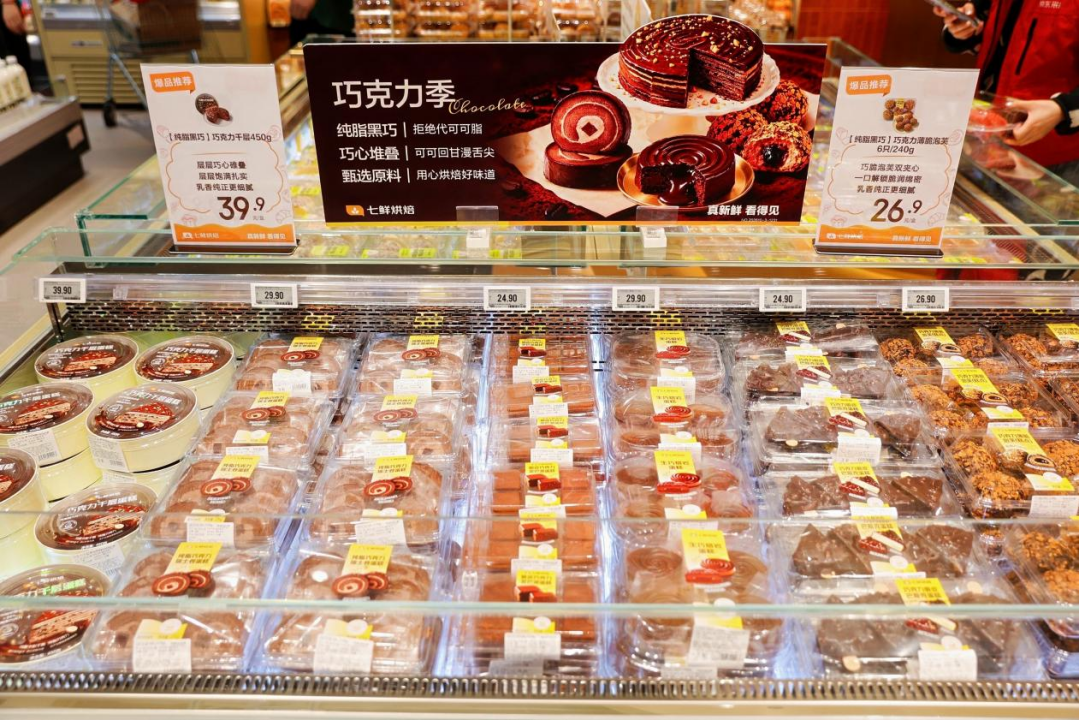
近期七鲜烘焙围绕巧克力主题集中上新12款新品,新品也同步在马连道新店集中亮相。巧克力千层带来醇厚而不过分甜腻的口感,深受“巧克力控”欢迎;今年七鲜行业首推的“酵醒”天然酵液吐司面包也上新巧克力口味,店内再现“人手一包”抢购盛况;网上讨论度颇高的脆皮巧克力泥巴派蛋糕同步上架,成为热门之选。

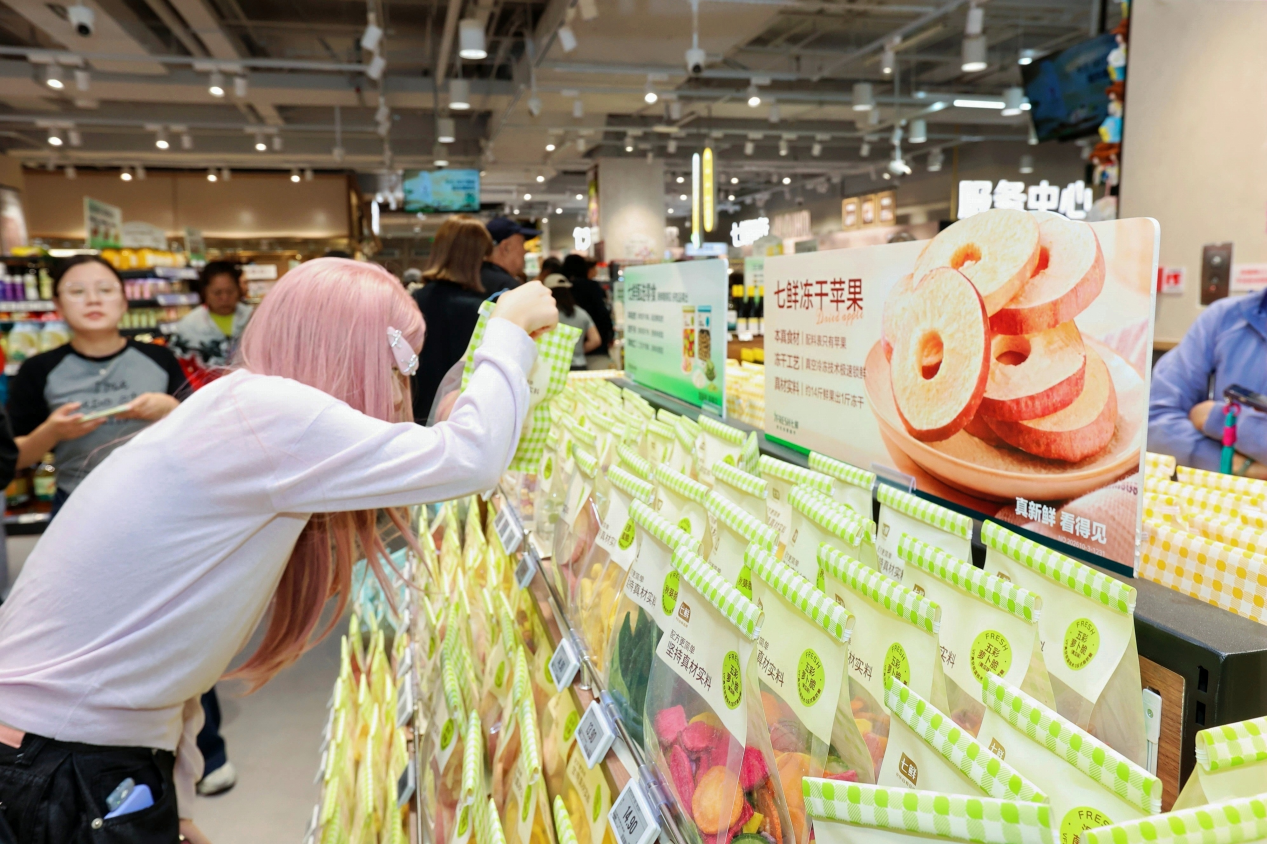
走近七鲜超市新鲜零食货架,透明包装让每一颗果干、每一片肉脯清晰可见。七鲜超市在即时零售行业首推新鲜零食,目前七鲜新鲜零食覆盖果干蜜饯、风味零食与膨化食品三大品类,其中“配料表只有苹果”的七鲜冻干苹果,一上市便长期占据七鲜超市整体果蔬蜜饯类零食和七鲜新鲜零食排行榜前三名。

七鲜厨房同样烟火气十足,马连道既有成熟居民社区,也覆盖周边办公人群,家庭日常采购与便捷用餐需求旺盛。因而新店延续了北京区域一贯的丰富餐饮配置,风味食集、主食面点、自选凉菜、东北熏酱、海鲜元气蒸等各类美食一应俱全,无论是想便捷解决一餐的年轻白领,还是追求口味多样的家庭客群,都能在这里找到心仪“家常味”。

新店开业恰逢10月16日至18日京东七鲜超市“月中回馈日”,除部分超值爆品享专属优惠外,新店全品类商品线上线下均参与“满99减20”活动,每人可享三次优惠。而在新店通过七鲜app/小程序支付,实付79元再返100元券包。多重实惠叠加,让开业热度进一步走高,不少市民趁着优惠专程到店采购。

马连道西宸里店的火爆开业,不仅是京东七鲜超市拓店提速、商品力持续升级的有力见证,更通过高品质的商品供给和极致的服务体验,切实提升了周边居民的幸福感,为马连道片区15分钟便民生活圈注入了新的活力,让西城市民在家门口就能享受到“真新鲜 看得见”的品质生鲜体验。

注:文/龚作仁,文章来源:Laborer,本文为作者独立观点,不代表亿邦动力立场。

文章来源:Laborer

广告
微信
朋友圈

这么好看,分享一下?

朋友圈 分享

APP内打开

赞 +1
+1
微信好友 朋友圈 新浪微博 QQ空间
关闭
收藏成功
发送
/140 0