广告
加载中

零探路径走进鼎盛钢铁 索短流程钢铁低碳转型新路径

龚作仁 2026-10-15 10:27
龚作仁 2026/10/15 10:27

邦小白快读

EN
全文速览

总1:重点信息

1. 钢铁低碳转型的核心模式是短流程废钢炼钢,用100%全废钢冶炼,从源头去掉铁矿石、烧结、焦化、高炉炼铁等高能耗高排放环节。

2. 绿色信任不只看单点数据,鼎盛钢铁建立了从原料到产品的全链路可验证体系,包括SCS回收材料认证和International EPD披露。

3. 建筑领域大量用钢,若采用短流程废钢炼钢,钢材隐含碳显著降低,这对普通人关注的绿色工厂和零碳园区建设很关键。

总2:实操干货

1. 企业做碳合规要从碳数据怎么算、怎么核、怎么报入手,打通能源流与碳数据,实现全链路碳足迹可视化。

2. 绿电怎么用、怎么证明同样重要,可借助节能改造评估、绿电直连方案、光伏储能系统集成来降低产品碳足迹。

3. 绿色实力需要被国际市场看见和信任,核心是把已有认证成果与国际碳规则对接,用可验证数据支撑合规管理,以低碳改进提高竞争力。

总1:品牌营销与信任构建

1. 全球绿色贸易规则正在重新定义钢铁品牌竞争,中国钢企要从产能优势迈向信用优势,把绿色制造能力转化为国际市场可识别的品牌信任。

2. 具体做法是用SCS回收材料认证、International EPD披露、第三方验证和绿色声明,让产品碳足迹透明可读,形成与国际客户对话的信任基础。

3. 零探路径的做法是帮助企业在品牌叙事上把碳合规、能源转型、数据治理、国际认证整合起来,让绿色实力被全球市场看见、理解和信任。

总2:产品与消费趋势

1. 欧盟CBAM进入正式实施阶段,客户和供应链采购决策越来越看重钢铁产品的隐含碳排放数据及核查质量,绿色品牌资产成为可定价、可交易、可溢价的资产。

2. 短流程废钢炼钢是产品绿色迭代方向,100%全废钢降低隐含碳,且全废钢是绿色工厂和零碳园区建设的关键减排材料,建筑用钢消费趋势正转向低碳短流程产品。

3. 品牌商应建立可被欧盟认可核查机构验证的碳数据体系,以支撑下游客户合规申报,并在供应链采购中获得可信绿色背书。

总1:政策与市场机会

1. 欧盟CBAM已进入正式实施阶段,钢铁产品的隐含碳排放数据及其核查质量成为进口合规和供应链采购的重要因素,低碳钢市场空间被打开。

2. 短流程废钢炼钢的钢材在绿色工厂、零碳园区和建筑领域需求明确,尤其是全废钢作为关键减排材料,是值得关注的增长点。

总2:风险与应对

1. 风险提示:如果碳数据体系不透明或不能被欧盟认可核查机构验证,中国钢企可能被绿色贸易壁垒挡在欧盟市场外。

2. 应对措施:应尽早布局产品碳足迹核算、EPD编制与披露、供应链碳数据采集与审核,把国际认证成果与CBAM规则精准对接。

3. 合作方式:可对接零探路径这类服务商,获得碳合规管理、能源与碳数字化、低碳技术与绿电、国际标准与品牌的一站式服务,把合规能力转化为订单可信背书。

总3:可学习点

1. 最新商业模式是以碳合规为枢纽,把数据治理、绿电使用、国际认证和品牌叙事整合为一条完整服务链条。

2. 对卖家来说,核心抓手是建立可被验证的碳数据体系,支撑下游客户合规申报,在供应链采购中拿到可信绿色背书。

总1:生产与设计需求

1. 短流程产线可采用量子电炉、ESP无头带钢、VOD真空精炼等近终形生产技术,以100%全废钢为原料,从源头取消烧结、焦化、高炉等高排放环节。

2. 产品设计应围绕低排放钢标准对标,把SCS回收材料认证和International EPD披露作为产品绿色属性的基础配置。

总2:数字化与节能改造

1. 工厂要建设能源计量体系和碳数据治理与可追溯系统,打通能源流与碳数据,实现从原料到成品的全链路碳足迹可视化。

2. 绿电直连、光伏储能、量子节能等综合能源技改是降低生产碳足迹的重要路径,可以纳入工厂整体技改规划。

总3:商业机会

1. 全废钢是绿色工厂与零碳园区建设的关键减排材料,建筑领域大量用钢,使用短流程废钢炼钢能显著降低隐含碳,低碳钢材有明确市场前景。

2. 通过可验证数据支撑合规管理,以低碳改进提高竞争力,用可信披露争取全球客户信任,是工厂将绿色产能转化为订单竞争力的关键。

总1:行业趋势与客户痛点

1. 全球钢铁行业正处于深刻的规则重构中,碳定价机制重塑成本结构,绿色贸易壁垒重画市场边界,国际认证体系重新定义合格供应商,企业急需专业服务。

2. 客户痛点集中在碳数据核算不精准、国际认证对接难、绿电使用和证明体系缺失,以及绿色实力不被国际市场看见和信任。

总2:解决方案

1. 碳合规管理:围绕CBAM申报,提供产品碳足迹核算、EPD编制与披露、供应链碳数据采集与审核支持。

2. 能源与碳数字化:提供能源计量体系设计、碳排放数据核算、碳数据治理与可追溯系统建设,实现全链路碳足迹可视化。

3. 低碳技术与绿电:提供节能改造评估、绿电直连方案设计、光伏储能系统集成,并联合量子节能、水资源管理等团队协同落地。

4. 国际标准与品牌:围绕低排放钢铁标准对标、第三方验证、绿色声明,把绿色制造能力转化为国际市场可识别的品牌信任。

总3:差异化打法

1. 以碳合规为枢纽,将能源转型、数据治理、国际认证与品牌叙事整合为一条完整服务链条。

2. 从碳数据怎么算、怎么核、怎么报,到绿电怎么用、怎么证明,再到绿色实力怎么被国际市场看见和信任,形成可复制的服务框架。

总1:平台需求

1. 钢铁企业需要将能源流与碳数据打通,建设能源计量体系和碳数据治理与可追溯系统,这为数字化平台提供了明确的应用场景。

2. 企业还需要内部管理控制体系、审计和信息披露机制,以更高透明度回应监管、客户和投资者的ESG关切,平台可承载这些管理功能。

总2:平台做法与运营管理

1. 可在平台上嵌入碳合规管理模块,支持产品碳足迹核算、EPD编制与披露、供应链碳数据采集与审核,帮助客户对接CBAM规则。

2. 平台运营中可借鉴零探路径的服务架构,提供绿电直连方案设计、光伏储能系统集成等综合能源服务,形成一站式低碳服务入口。

3. 通过可追溯的碳数据系统支撑客户绿色声明,把平台能力转化为入驻企业参与全球贸易的信任基础设施。

总3:风险规避与招商

1. 随着欧盟CBAM进入正式实施阶段,平台应提醒入驻企业建立可被欧盟认可核查机构验证的碳数据体系,避免因数据不透明被贸易壁垒隔离。

2. 绿色认证和碳数据能力可以成为平台招商和增值服务的抓手,吸引低碳型供应商并增强客户粘性。

总1:产业新动向

1. 全球钢铁行业正在被绿色贸易规则重构,欧盟CBAM进入正式实施阶段,钢铁产品隐含碳排放数据及核查质量成为进口合规和供应链采购的重要依据。

2. 碳定价机制重塑成本结构,绿色贸易壁垒重画市场边界,国际认证体系重新定义合格供应商内涵。

总2:新问题与新案例

1. 中国钢企面临的核心新问题是如何建立可被欧盟认可核查机构验证的碳数据体系,以支撑下游客户合规申报并获得绿色背书。

2. 鼎盛钢铁案例提供了样本:100%全废钢短流程炼钢,量子电炉与ESP无头带钢技术,叠加SCS回收材料认证和International EPD披露,构成国际对话的信任基础。

总3:政策建议与商业模式启示

1. 政策启示:企业应加强碳数据透明度与绿色认证可信度建设,建立精准到卷的碳数据治理、内部管理控制、审计和信息披露机制。

2. 商业模式创新:零探路径以碳合规为枢纽,将能源转型、数据治理、国际认证与品牌叙事整合为完整服务链条,帮助钢铁企业从绿色贸易规则适应者转向被全球市场信任的绿色品牌构建者,为产业低碳转型提供了市场化解决方案。

返回默认

声明:快读内容全程由AI生成,请注意甄别信息。如您发现问题,请发送邮件至 run@ebrun.com 。

我是 品牌商 卖家 工厂 服务商 平台商 研究者 帮我再读一遍。

Quick Summary

Summary 1: Key Points

1. The core pathway for low-carbon transformation in the steel industry is the short-process scrap-based steelmaking, which uses 100% scrap steel as feedstock, eliminating energy-intensive and high-emission stages such as iron ore, sintering, coking, and blast furnace ironmaking at the source.

2. Green trust is not built on isolated data points. Dingsheng Steel has established a full-chain verifiable system from raw materials to finished products, including SCS recycled material certification and International EPD disclosure.

3. Construction consumes large amounts of steel. Adopting short-process scrap-based steelmaking significantly reduces the embodied carbon of steel, which is crucial for green factories and zero-carbon parks that ordinary people care about.

Summary 2: Practical Know-How

1. Enterprises pursuing carbon compliance should start with how carbon data is calculated, verified, and reported, integrating energy flows with carbon data to achieve full-chain carbon footprint visibility.

2. How green electricity is used and proved is equally important. Measures such as energy-saving retrofit assessments, direct green power connection schemes, and PV-plus-storage system integration can reduce product carbon footprints.

3. Green strength needs to be seen and trusted by international markets. The key is aligning existing certifications with international carbon rules, supporting compliance management with verifiable data, and enhancing competitiveness through low-carbon improvements.

Summary 1: Brand Marketing and Trust Building

1. Global green trade rules are redefining steel brand competition. Chinese steel companies must move from capacity advantages to credibility advantages, converting green manufacturing capabilities into brand trust that international markets can recognize.

2. Concrete actions include using SCS recycled material certification, International EPD disclosure, third-party verification, and green claims to make product carbon footprints transparent and readable, forming a trust basis for dialogue with international customers.

3. The Zero Carbon Pathway approach helps companies integrate carbon compliance, energy transition, data governance, and international certification into brand narratives, so that green strength is seen, understood, and trusted by global markets.

Summary 2: Product and Consumer Trends

1. The EU CBAM has entered its formal implementation phase. Customers and supply chain procurement decisions increasingly rely on embodied carbon emission data and verification quality of steel products. Green brand assets have become pricing, tradable, and premium-generating assets.

2. Short-process scrap-based steelmaking is the direction for green product iteration. Using 100% scrap steel lowers embodied carbon, and fully scrap-based steel is a key emission-reduction material for green factories and zero-carbon parks. Construction steel consumption is trending toward low-carbon short-process products.

3. Brands should establish carbon data systems that can be verified by EU-recognized verification bodies, supporting downstream customers' compliance declarations and securing credible green endorsements in supply chain procurement.

Summary 1: Policy and Market Opportunities

1. The EU CBAM has entered its formal implementation phase. Embodied carbon data and verification quality of steel products have become critical factors for import compliance and supply chain procurement, opening up the low-carbon steel market.

2. Steel produced through short-process scrap-based steelmaking has clear demand in green factories, zero-carbon parks, and construction. Fully scrap-based steel, in particular, is a key emission-reduction material and a growth point worth attention.

Summary 2: Risks and Responses

1. Risk warning: If carbon data systems are opaque or cannot be verified by EU-recognized verification bodies, Chinese steel companies may be shut out of the EU market by green trade barriers.

2. Response measures: Companies should deploy product carbon footprint accounting, EPD preparation and disclosure, and supply chain carbon data collection and auditing as early as possible, precisely aligning international certification results with CBAM rules.

3. Collaboration: Companies can engage service providers like Zero Carbon Pathway for one-stop services covering carbon compliance management, energy-carbon digitalization, low-carbon technologies and green power, and international standards and branding, turning compliance capabilities into credible order endorsements.

Summary 3: Learning Points

1. The latest business model uses carbon compliance as the hub, integrating data governance, green power usage, international certification, and brand narrative into a complete service chain.

2. For sellers, the core lever is building a verifiable carbon data system to support downstream customers' compliance declarations and obtain credible green endorsements in supply chain procurement.

Summary 1: Production and Design Requirements

1. Short-process production lines can adopt near-net-shape technologies such as quantum electric arc furnaces, ESP endless strip production, and VOD vacuum refining, using 100% scrap steel as feedstock and eliminating high-emission stages like sintering, coking, and blast furnaces at the source.

2. Product design should benchmark against low-emission steel standards, making SCS recycled material certification and International EPD disclosure basic configurations for the green attributes of products.

Summary 2: Digitalization and Energy-Saving Retrofits

1. Factories need to build energy metering systems and carbon data governance and traceability systems, connecting energy flows with carbon data to achieve full-chain carbon footprint visibility from raw materials to finished products.

2. Comprehensive energy retrofits such as direct green power connections, PV-plus-storage, and quantum energy-saving technologies are important pathways to reduce production carbon footprints and should be incorporated into overall plant retrofit planning.

Summary 3: Business Opportunities

1. Fully scrap-based steel is a key emission-reduction material for green factories and zero-carbon parks. Construction uses large amounts of steel, and adopting short-process scrap-based steelmaking significantly lowers embodied carbon, giving low-carbon steel a clear market outlook.

2. Supporting compliance management with verifiable data, improving competitiveness through low-carbon improvements, and winning global customer trust through credible disclosure are the keys for factories to convert green capacity into order competitiveness.

Summary 1: Industry Trends and Client Pain Points

1. The global steel industry is undergoing profound rule restructuring: carbon pricing mechanisms are reshaping cost structures, green trade barriers are redrawing market boundaries, and international certification systems are redefining qualified suppliers. Enterprises urgently need professional services.

2. Client pain points center on inaccurate carbon data accounting, difficult alignment with international certifications, missing green power usage and proof systems, and green strength not being seen or trusted by international markets.

Summary 2: Solutions

1. Carbon compliance management: Provide product carbon footprint accounting, EPD preparation and disclosure, and supply chain carbon data collection and audit support around CBAM declarations.

2. Energy and carbon digitalization: Provide energy metering system design, carbon emission data accounting, and carbon data governance and traceability system construction to achieve full-chain carbon footprint visibility.

3. Low-carbon technologies and green power: Provide energy-saving retrofit assessments, direct green power connection scheme design, PV-plus-storage system integration, and collaborate with teams specializing in quantum energy saving and water resource management for coordinated implementation.

4. International standards and branding: Benchmark against low-emission steel standards, conduct third-party verification and green claims, and convert green manufacturing capabilities into internationally recognizable brand trust.

Summary 3: Differentiation Strategy

1. Use carbon compliance as the hub, integrating energy transition, data governance, international certification, and brand narrative into a complete service chain.

2. From how carbon data is calculated, verified, and reported, to how green power is used and proved, and then to how green strength is seen and trusted by international markets, form a replicable service framework.

Summary 1: Platform Demand

1. Steel enterprises need to connect energy flows with carbon data and build energy metering systems and carbon data governance and traceability systems, which provides clear application scenarios for digital platforms.

2. Enterprises also need internal management control systems, auditing, and disclosure mechanisms to respond to ESG concerns from regulators, customers, and investors with greater transparency. Platforms can host these management functions.

Summary 2: Platform Practices and Operations Management

1. Embed a carbon compliance management module on the platform to support product carbon footprint accounting, EPD preparation and disclosure, and supply chain carbon data collection and audit, helping customers align with CBAM rules.

2. Platform operations can draw on the service architecture of Zero Carbon Pathway to provide comprehensive energy services such as direct green power connection scheme design and PV-plus-storage system integration, forming a one-stop low-carbon service entry point.

3. Use traceable carbon data systems to support customers' green claims and convert platform capabilities into trust infrastructure for companies participating in global trade.

Summary 3: Risk Mitigation and Tenant Attraction

1. With the EU CBAM entering its formal implementation phase, platforms should remind resident companies to establish carbon data systems that can be verified by EU-recognized verification bodies, avoiding isolation by trade barriers due to data opacity.

2. Green certification and carbon data capabilities can become levers for platform tenant attraction and value-added services, drawing in low-carbon suppliers and enhancing customer stickiness.

Summary 1: New Industry Trends

1. The global steel industry is being reshaped by green trade rules. The EU CBAM has entered its formal implementation phase, making embodied carbon emission data and verification quality of steel products key bases for import compliance and supply chain procurement.

2. Carbon pricing mechanisms are reshaping cost structures, green trade barriers are redrawing market boundaries, and international certification systems are redefining the connotation of qualified suppliers.

Summary 2: New Issues and New Cases

1. The core new issue for Chinese steel companies is how to establish carbon data systems that can be verified by EU-recognized verification bodies, so as to support downstream customers' compliance declarations and obtain green endorsements.

2. The Dingsheng Steel case provides a model: 100% scrap-based short-process steelmaking, quantum EAF and ESP endless strip production technology, combined with SCS recycled material certification and International EPD disclosure, constituting the trust basis for international dialogue.

Summary 3: Policy Recommendations and Business Model Insights

1. Policy implications: Enterprises should strengthen carbon data transparency and green certification credibility, establishing coil-level carbon data governance, internal management control, auditing, and disclosure mechanisms.

2. Business model innovation: Zero Carbon Pathway uses carbon compliance as the hub, integrating energy transition, data governance, international certification, and brand narrative into a complete service chain, helping steel companies shift from adapting to green trade rules to becoming green brand builders trusted by global markets, providing a market-based solution for industrial low-carbon transformation.

Disclaimer: The "Quick Summary" content is entirely generated by AI. Please exercise discretion when interpreting the information. For issues or corrections, please email run@ebrun.com .

I am a Brand Seller Factory Service Provider Marketplace Seller Researcher Read it again.

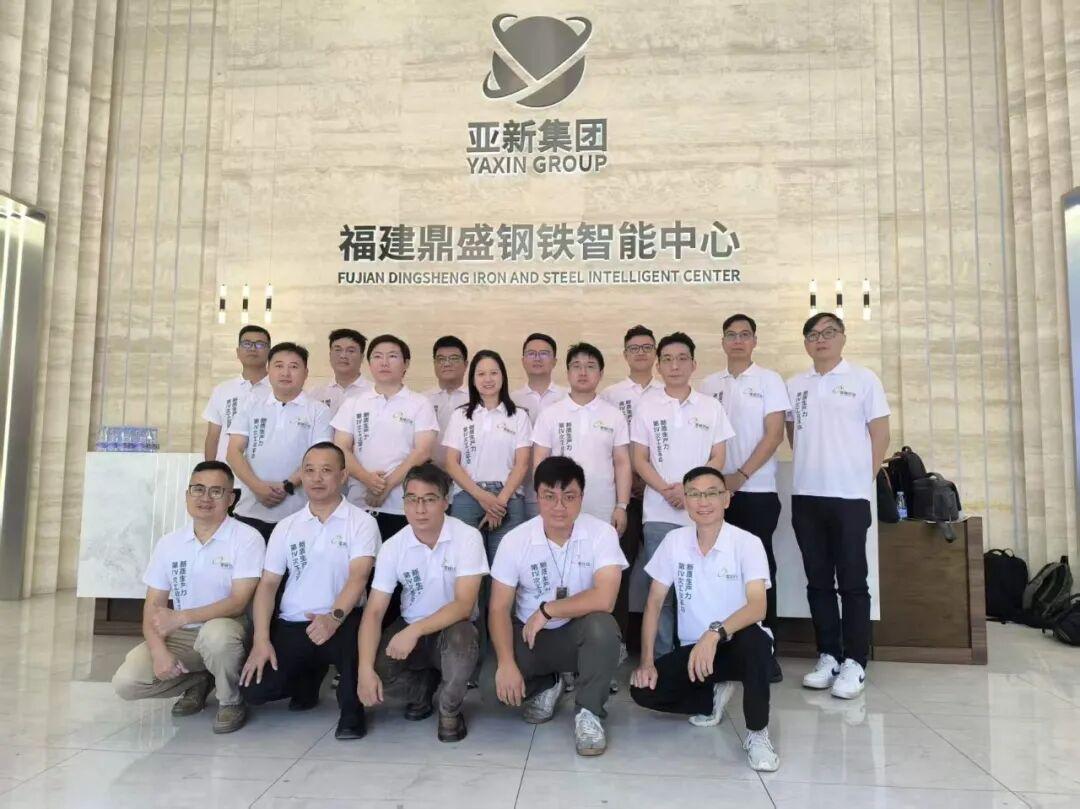
2026年9月7日,零探路径PathZero®受国家头部央企的邀请,共同组成调研项目组走进亚新钢铁集团旗下福建鼎盛钢铁有限公司,围绕“鼎盛钢铁绿电直连及综合能源技改项目”展开深度调研与现场交流。

图片

这是零探路径PathZero®在钢铁行业ESG服务领域的又一次重要实践。

01 //跨界合力// 零探路径以多维专业能力,叩开钢铁零碳之门

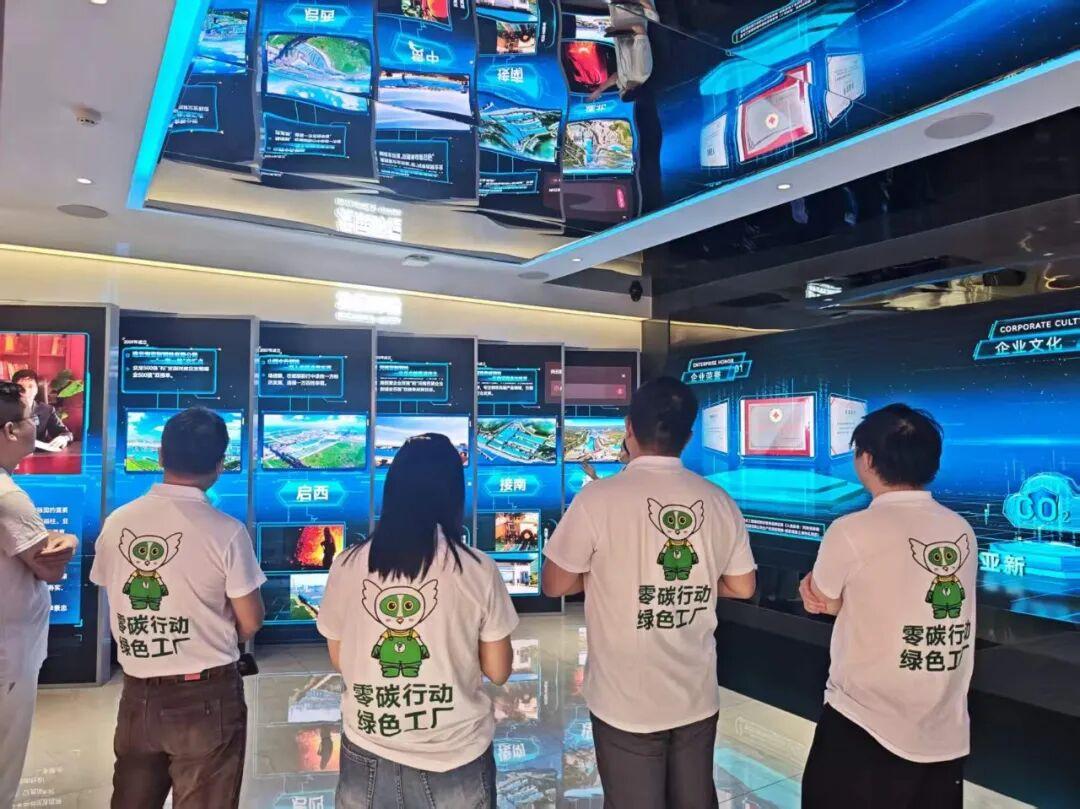
此次零探路径PathZero®派出的项目团队,覆盖碳合规、量子节能、水资源管理、能源管理、光伏储能等多个专业领域,是一次典型的跨学科协同作战。

图片

钢铁行业的碳减排,从来不是一个单一维度的问题。它涉及能源结构的重构、生产工艺的革新、碳数据的精准核算,以及国际认证体系的对接。零探路径PathZero®此次组建的跨学科团队,正是为了系统性地回应这一复杂性——以多维能力整合,助力钢铁企业完成从传统制造向绿色制造的深层转型。

02 // 绿色底色// 零探路径走进鼎盛钢铁的短流程实践现场

鼎盛钢铁是亚新钢铁集团旗下第五大子企业,建成了国内首条配备电炉炼钢及VOD真空精炼的近终形生产线。其采用的量子电炉与ESP无头带钢生产技术,以短流程废钢炼钢为主,从源头摒弃了传统长流程对铁矿石、烧结、焦化、高炉炼铁等高能耗高排放环节的依赖。

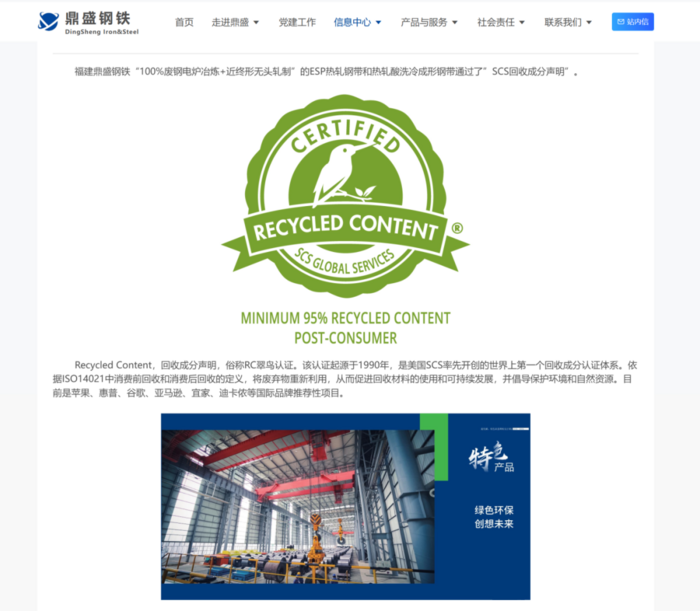
鼎盛钢铁的绿色底色,不在于某一项数据的高低,而在于其已建立起从原料到产品的全链路可验证体系——100%全废钢冶炼构建了原料端的循环闭环;SCS回收材料认证提供了国际第三方公信力;International EPD披露则让产品碳足迹具备了全球市场可读的透明度。

图片

这三者叠加,构成了鼎盛与国际客户对话的信任基础。而这,正需要零探路径PathZero®以系统性的合规表达与品牌转化能力来赋能——让鼎盛钢铁已经具备的绿色实力,被全球市场看见、理解和信任。

从ESG视角审视,短流程废钢炼钢的价值体现在三个维度:

环境维度:

100%废钢冶炼从根本上减少了对铁矿石的依赖,同时实现了节能降碳、污染物减排与资源效率的系统提升。

社会维度:

企业持续关注员工职业健康安全、工厂及供应链劳动权益,以及自身运营对周边社区的影响。

治理维度:

精准到卷的碳数据治理能力、内部管理控制体系与合规职责的明确划分,以及审计和信息披露机制的建立,使企业能够以更高的透明度回应监管机构、客户和投资者的ESG关切。

值得关注的是,全废钢是绿色工厂与零碳园区建设过程中的关键减排材料。建筑领域中大量使用钢材,当这些钢材来自短流程废钢冶炼,其隐含碳将显著降低。

03 // 服务架构// 零探路径钢铁行业低碳转型服务框架

零探路径PathZero®此次与鼎盛钢铁的交流,不是一次泛泛的行业座谈,而是一次围绕钢铁企业低碳转型实际需求展开的能力对接。

围绕钢铁行业在碳合规、能源转型与国际认证中的核心课题,零探路径PathZero®的服务能力集中在四个维度:

1 碳合规管理

围绕CBAM申报要求,提供产品碳足迹核算、EPD编制与披露、供应链碳数据采集与审核支持,帮助企业将已有的认证成果与国际碳合规规则实现精准对接。

2 能源与碳数字化

提供能源计量体系设计、碳排放数据核算、碳数据治理与可追溯系统建设,核心方法是将企业的能源流与碳数据打通,实现从原料到成品的全链路碳足迹可视化。

3 低碳技术与绿电

提供节能改造评估、绿电直连方案设计、光伏储能系统集成的技术咨询与方案落地支持。此次项目中联合的量子节能、水资源管理、光伏储能等专业团队,正是这一板块的能力体现。

4 国际标准与品牌

围绕低排放钢铁标准对标、第三方验证、绿色声明等环节,帮助企业将绿色制造能力转化为国际市场可识别的品牌信任。

钢铁行业的低碳转型,技术、数据与品牌从来不是彼此孤立的课题。

零探路径PathZero®的差异化价值,在于以碳合规为枢纽,将能源转型、数据治理、国际认证与品牌叙事整合为一条完整的服务链条:从碳数据怎么算、怎么核、怎么报,到绿电怎么用、怎么证明,再到绿色实力怎么被国际市场看见和信任。

此次走进鼎盛钢铁,正是将这套方法在钢铁行业进行实地验证与深化——围绕鼎盛已有的EPD、SCS认证和绿电布局,以可验证的数据支撑合规管理,以低碳改进提高竞争力,以可信披露争取全球客户信任。

04 // 品牌落地// 零探路径助推中国绿钢,从产能优势迈向信用优势

钢铁行业的竞争逻辑,正在被全球绿色贸易规则重新书写。

随着欧盟CBAM进入正式实施阶段,钢铁产品的隐含碳排放数据及其核查质量,正逐步成为欧盟进口合规与供应链采购决策的重要因素。在这一背景下,中国钢铁制造商的核心课题,是建立一套可被欧盟认可核查机构验证的碳数据体系,以支撑下游客户的合规申报,并在供应链采购中获得可信的绿色背书。

这意味着,中国钢铁企业在提升制造能力的同时,也要加强碳数据透明度与绿色认证可信度的竞争。

零探路径PathZero®与鼎盛钢铁此次交流的深层价值,正在于此——以碳合规专业能力为桥梁,将钢铁工厂的绿色制造实力,转化为零探路径品牌影响力在全球绿色贸易体系中的一次有力印证。零探路径PathZero®所做的,不是为企业增补一纸认证文书,而是为企业构筑一套能够穿越国际贸易壁垒的信任基础设施——让绿色制造能力,真正成为可定价、可交易、可溢价的品牌资产。

从福建福鼎出发,零探路径与亚新钢铁集团的携手,是零探路径PathZero®品牌影响力在钢铁行业的又一次重要落子。

放眼更大的图景,全球钢铁行业正处于一场深刻的规则重构之中。碳定价机制重塑成本结构,绿色贸易壁垒重画市场边界,国际认证体系重新定义“合格供应商”的内涵。

零探路径PathZero®的使命,正是以碳合规专业能力为支点,帮助中国钢铁企业完成一次身份的跃迁——从全球绿色贸易规则的适应者,走向被全球市场信任的绿色品牌构建者。

这条路,零探路径PathZero®已经与亚新钢铁集团一同迈出了坚实的一步。而这一步的意义,远远超出了企业的合作本身——它为中国绿色制造如何在全球可持续贸易体系中赢得信任,提供了一个值得参照的答案。

零探路径PathZero® 将以碳合规能力锚定国际规则,以数据治理与国际认证构筑信任桥梁——期待与更多企业携手,从绿色制造走向全球品牌,共赴零碳未来。

注:文/龚作仁,文章来源:Laborer,本文为作者独立观点,不代表亿邦动力立场。

文章来源:Laborer

广告
微信
朋友圈

FAQ回顾

短流程废钢炼钢相比传统长流程有哪些优势?

短流程废钢炼钢以100%全废钢冶炼为主,从源头摒弃了传统长流程对铁矿石、烧结、焦化、高炉炼铁等高能耗高排放环节的依赖,从根本上减少对铁矿石的依赖,同时实现节能降碳、污染物减排与资源效率的系统提升。鼎盛钢铁采用量子电炉与ESP无头带钢生产技术,建成国内首条配备电炉炼钢及VOD真空精炼的近终形生产线。

零探路径PathZero为钢铁企业提供哪些低碳转型服务?

零探路径PathZero的服务集中在四个维度:一是碳合规管理,围绕CBAM申报要求提供产品碳足迹核算、EPD编制与披露等支持;二是能源与碳数字化,建设能源计量与碳数据追溯系统;三是低碳技术与绿电,提供节能改造、绿电直连、光伏储能方案;四是国际标准与品牌,帮助企业将绿色制造能力转化为国际市场可识别的品牌信任。

鼎盛钢铁的绿色低碳实践有哪些特点?

鼎盛钢铁是亚新钢铁集团旗下第五大子企业,建成了国内首条配备电炉炼钢及VOD真空精炼的近终形生产线,采用量子电炉与ESP无头带钢生产技术。其绿色底色体现在全链路可验证体系:100%全废钢冶炼形成原料端循环闭环,SCS回收材料认证提供国际第三方公信力,International EPD披露让产品碳足迹具备全球市场可读的透明度。

欧盟CBAM对钢铁行业有什么影响?

欧盟CBAM已进入正式实施阶段,钢铁产品的隐含碳排放数据及其核查质量,正逐步成为欧盟进口合规与供应链采购决策的重要因素。中国钢铁制造商需要建立一套可被欧盟认可核查机构验证的碳数据体系,以支撑下游客户的合规申报,并在供应链采购中获得可信的绿色背书,从而在碳数据透明度与绿色认证可信度上展开竞争。

这么好看,分享一下?

朋友圈 分享

APP内打开

赞 +1
+1
微信好友 朋友圈 新浪微博 QQ空间
关闭
收藏成功
发送
/140 0