广告
加载中

这个国庆 联大未来星把红河绣给了北京

龚作仁 2026-10-10 11:28
龚作仁 2026/10/10 11:28

邦小白快读

EN
全文速览

总:这篇文章介绍了国庆期间联大未来星团队在王府井举办的红河彝绣展示,以及彝绣与波司登合作的故事,核心是温暖与文化传承。

1. 重点信息:彝绣是彝族穿在身上的无字史书,纹样中藏着蜜蜂和蜘蛛引导祖先脱险的传说,象征被守护的温暖。

2. 实操干货:普通人可以通过关注类似联名活动,了解非遗背后的文化故事;选购服饰时,也可以留意产品中蕴含的手工艺和品牌温度。

3. 启发:一个传统手工艺品牌与国民羽绒服品牌合作,能让大家在消费中记住一群人、一段历史,这种合作方式值得关注。

总:波司登与红河彝绣的联手,是一场以温暖为核心的文化营销,为品牌赋予了历史厚度和情感价值。

1. 品牌营销:用彝绣的“被守护”对仗波司登的“守护”,把非遗传说与品牌使命绑定,形成独特的品牌叙事。

2. 渠道建设:选择国庆期间的王府井橱窗进行线下展示,借高人流场景放大品牌曝光,强化实体体验。

3. 产品研发:将彝族传统纹样融入羽绒服设计,用联名款满足消费者对文化审美的追求,提升产品差异化。

4. 消费趋势:文章显示非遗和国潮正在成为消费者情绪共鸣点,品牌可借文化联名提升溢价和忠诚度。

总:这篇展示了一个非遗与品牌合作的新样本,对卖家而言,文化消费市场正浮现新机会。

1. 增长市场:红河彝绣通过王府井高端场景进入大众视野,印证了非遗文创商品有进入主流渠道的潜力。

2. 消费需求变化:消费者愿意为带有故事性和温度感的商品驻足,说明情感价值正成为购买理由。

3. 机会提示:卖家可以关注类似彝绣这样的地方非遗,开发文创或联名商品,搭上国潮快车。

4. 风险提示:非遗产品依赖手工绣娘,产能有限,且必须尊重文化本意,避免过度商业化伤害口碑。

总:文章透露了传统手工艺与现代品牌结合对工厂的需求,核心是产品设计与生产模式的创新。

1. 设计需求:彝绣的纹样和色彩可以转化为现代服饰的设计语言,工厂需要与设计师合作开发符合市场审美的融合款。

2. 生产方式:彝绣由绣娘手工完成,工厂可探索手工与机器协同的柔性供应链,支持小批量、多款式定制。

3. 商业机会:品牌联名款一旦热门,需要快速打样、补单,工厂若能提供非遗工艺产业化的解决方案,将获得新订单。

总:这是一个典型的品牌文化整合营销案例,服务商可从中提炼出针对客户的内容策划和体验方案。

1. 行业趋势:品牌越来越需要借助非遗和地域文化构建差异化叙事,服务商可拓展文化IP类业务。

2. 客户痛点:客户产品同质化严重,缺乏情感记忆点,本文用“温暖从哪里来”的主题给出破题思路。

3. 解决方案:通过线下场景布置、品牌故事文案和媒体传播的组合,帮助客户与消费者建立深度情感连接,形成可复用的方法论。

总:平台商可以关注线下商业空间与非遗展示结合的模式,以及品牌联名对商场引流的作用。

1. 平台做法:王府井项目把彝绣艺术放进商业橱窗,让顾客在逛街时自然接触文化,实现了商业与文化双赢。

2. 招商合作:可借鉴引入波司登这类成熟品牌与非遗项目合作,丰富平台内容,提升差异化竞争力。

3. 运营管理:此类活动需要协调场地、品牌、绣娘和传播资源,平台应建立非遗展览的流程化运营能力。

总:文章呈现了非遗活态传承与商业品牌融合的新动向,值得从产业模式和政策层面深入思考。

1. 产业新动向:非遗走出边疆、进入一线城市商业中心,借助品牌合作实现文化传播与市场价值双赢。

2. 商业模式:波司登与彝绣的合作本质是文化IP授权加联合产品开发加场景化传播,构成一个复合商业模式。

3. 新问题:手工技艺与工业化规模之间如何平衡,绣娘收益如何保障,非遗元素如何避免被滥用,需要制度和机制跟进。

返回默认
声明:快读内容全程由AI生成,请注意甄别信息。如您发现问题,请发送邮件至 run@ebrun.com 。

我是 品牌商 卖家 工厂 服务商 平台商 研究者 帮我再读一遍。

Quick Summary

Overview: This article recounts how the LianDa Future Star team presented Honghe Yi embroidery at Wangfujing during the National Day holiday, and tells the story of Yi embroidery's partnership with Bosideng. At its core, it is about warmth and cultural inheritance.

1. Key info: Yi embroidery is a wordless history book worn by the Yi people; hidden in its patterns is the legend of bees and spiders guiding ancestors out of danger, symbolizing a warmth that is guarded.

2. Practical takeaway: Ordinary people can learn about the cultural stories behind intangible heritage by following similar co-branding events. When buying clothing, pay attention to the craftsmanship and brand warmth embedded in the products.

3. Inspiration: When a traditional handicraft joins hands with a national down jacket brand, consumers remember a community and a history through what they buy. This collaborative model is worth watching.

Overview: Bosideng's alliance with Honghe Yi embroidery is a cultural marketing campaign built on warmth, giving the brand historical depth and emotional value.

1. Brand marketing: Using the contrast between Yi embroidery's "being guarded" and Bosideng's "guarding," the campaign ties the heritage legend to the brand mission, creating a distinctive brand narrative.

2. Channel building: Choosing Wangfujing's storefront windows for a National Day offline display leverages heavy foot traffic to amplify brand exposure and strengthen the physical experience.

3. Product development: Integrating traditional Yi patterns into down jacket design, the co-branded line satisfies consumers' appetite for cultural aesthetics and sharpens product differentiation.

4. Consumption trend: The article shows that intangible heritage and "China-chic" are becoming emotional triggers for consumers; brands can use cultural co-branding to boost pricing power and customer loyalty.

Overview: This piece offers a new example of heritage brand collaboration. For sellers, fresh opportunities are emerging in the cultural consumption market.

1. Growth market: Honghe Yi embroidery entered the public eye through the high-end Wangfujing setting, proving that heritage-inspired cultural products have the potential to enter mainstream channels.

2. Changing demand: Consumers linger over products with storytelling and warmth, indicating that emotional value is becoming a purchase driver.

3. Opportunity: Sellers should keep an eye on local heritage crafts like Yi embroidery, develop cultural or co-branded merchandise, and ride the China-chic wave.

4. Risk: Heritage products rely on hand embroidery, which limits production capacity; the cultural meaning must also be respected to avoid harming reputation through over-commercialization.

Overview: The article points to what factories need when traditional handicrafts meet modern brands—at the core, innovation in product design and production models.

1. Design needs: Yi embroidery patterns and colors can be turned into a design language for modern apparel; factories should partner with designers to develop fusion items aligned with market aesthetics.

2. Production methods: Since Yi embroidery is handmade by embroiderers, factories can explore a flexible supply chain that combines handwork with machinery, supporting small batches and multi-style customization.

3. Business opportunity: If co-branded products take off, rapid sampling and replenishment are required. Factories that offer industrialized solutions for heritage craftsmanship will win new orders.

Overview: This is a classic integrated cultural marketing case. Service providers can derive content planning and experience solutions for their clients.

1. Industry trend: Brands increasingly need to create differentiated narratives using intangible heritage and regional culture. Service providers can expand into cultural IP services.

2. Client pain point: Clients face severe product homogeneity and lack emotional memory points. The article's theme "Where does warmth come from?" offers a way to break the deadlock.

3. Solution: Combining offline scene design, brand storytelling copy, and media distribution helps clients form deep emotional bonds with consumers, creating a repeatable methodology.

Overview: Platform operators can look at how offline commercial spaces integrate with heritage displays, and how brand collaborations attract foot traffic to malls.

1. Platform approach: The Wangfujing project placed Yi embroidery in commercial shop windows, letting shoppers experience culture while browsing—a win-win for business and culture.

2. Leasing partnerships: They can follow the model of inviting mature brands like Bosideng to co-create with heritage projects, enriching the platform's content and sharpening its differentiation.

3. Operations: Such events require coordinating venues, brands, embroiderers, and PR resources; platforms should build streamlined operations for heritage exhibitions.

Overview: The article reveals a new direction for living inheritance of intangible heritage fused with commercial brands, deserving deeper thought on both industrial models and policy.

1. New industrial direction: Heritage is moving from border regions into first-tier city commercial hubs, using brand collaborations to achieve both cultural dissemination and market value.

2. Business model: The Bosideng–Yi embroidery collaboration is essentially a combined model of cultural IP licensing, co-developed products, and scenario-based communication.

3. New questions: How to balance handcrafted techniques against industrial scale, ensure embroiderers' incomes, and prevent heritage elements from being misused all require institutional and policy mechanisms.

Disclaimer: The "Quick Summary" content is entirely generated by AI. Please exercise discretion when interpreting the information. For issues or corrections, please email run@ebrun.com .

I am a Brand Seller Factory Service Provider Marketplace Seller Researcher Read it again.

十月的王府井,人流如织。在一众橱窗之间,有一抹紫,来自两千里外的红河。

那是彝绣的紫。是蜜蜂与蜘蛛的紫,是梨花桃花杏花开遍时、山间烟霞晕染的紫,是彝族阿妈一针一线、绣了一千年的紫。

2026年国庆节,联大未来星团队把红河非遗带进了王府井,继续"北京遇见红河"的故事。在这里,红河彝绣遇见了波司登。一门千年的手艺,与一个温暖了中国人五十年的品牌,开启了一段对话。

图片

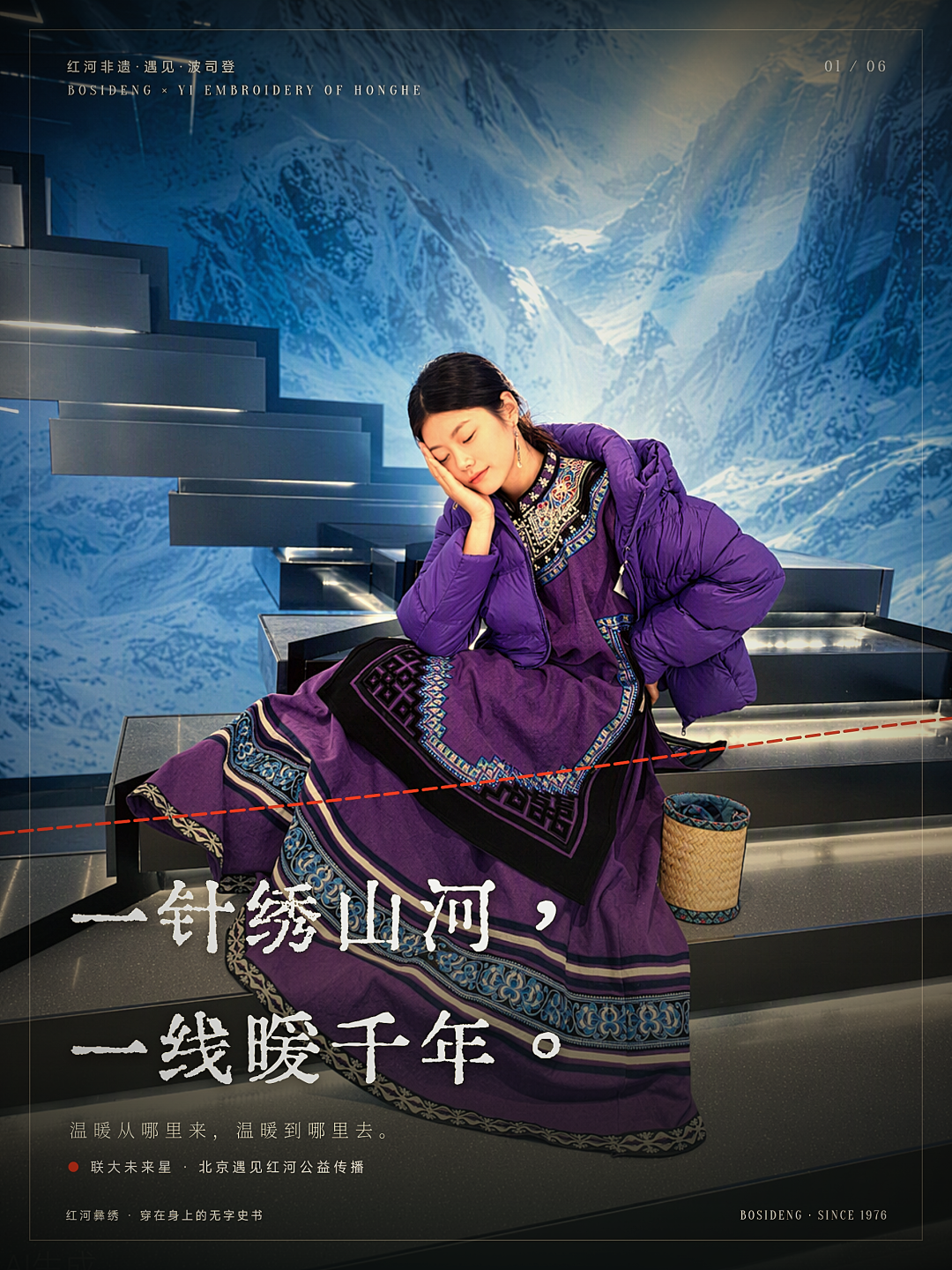
一针绣山河,一线暖千年。

温暖从哪里来,温暖到哪里去

彝绣 · 穿在身上的无字史书

一针绣山河,一线暖千年。

红河彝族不仅将历史载于经籍,更把美好绣入衣裳。问及这门刺绣手艺承载的文化意蕴,绣娘眉眼含笑,轻抚纹样,缓缓娓娓道来。

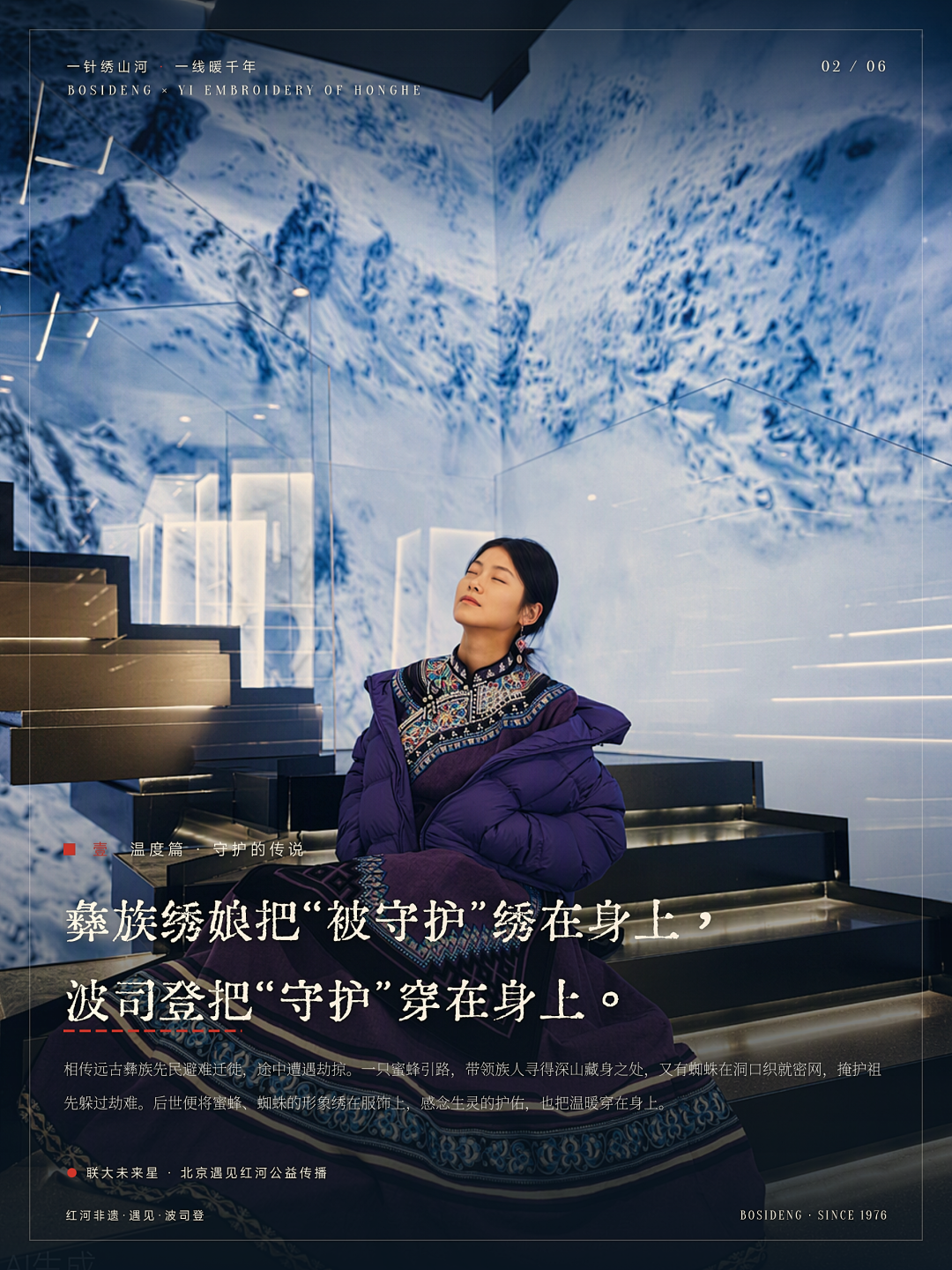
传说彝族先祖从金沙江逃难到云南,途中遭劫,是一只蜜蜂引领他们进山,一只蜘蛛在洞口结网,帮彝族祖先逃过一劫。后来,彝族绣娘把蜜蜂和蜘蛛绣在自己的服饰上——纪念被守护过,也把温暖穿在身上。

温暖 · 守护的传说

图片

彝族绣娘把"被守护"绣在身上,

波司登把"守护"穿在身上。

守护 · 两个品牌的同一课

而波司登的第一课,也是。

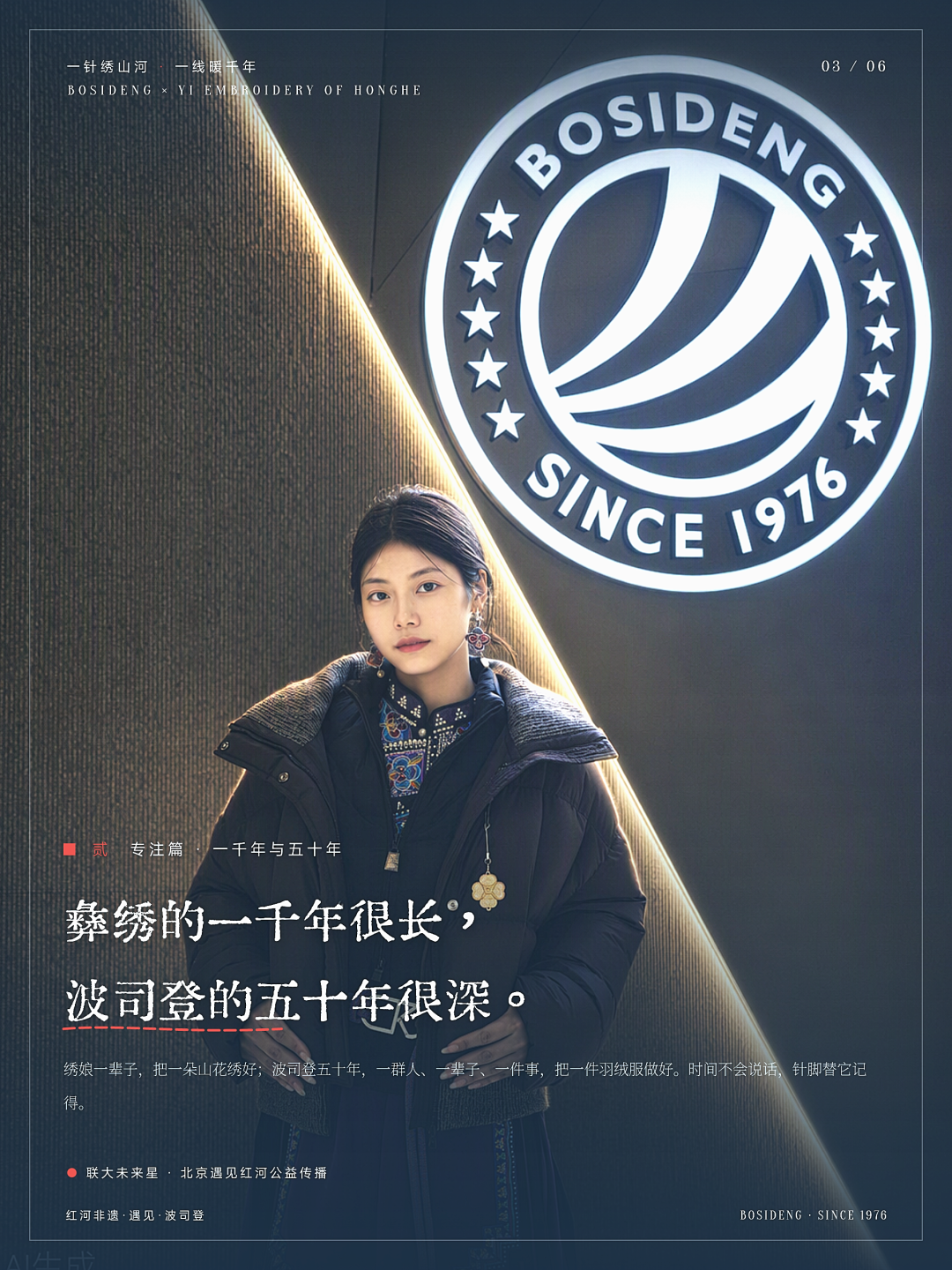
1976年创立,五十年,一群人、一辈子、一件事,把一件羽绒服做好,把守护织进每一寸经纬。彝绣把"被守护"绣在身上,波司登把"守护"穿在身上。彝绣的一千年很长,波司登的五十年很深。

专注篇 · 一千年与五十年

图片

彝绣的一千年很长,

波司登的五十年很深。

同一种语言

两种文化,说的是同一种语言:针、线、温度、时间。

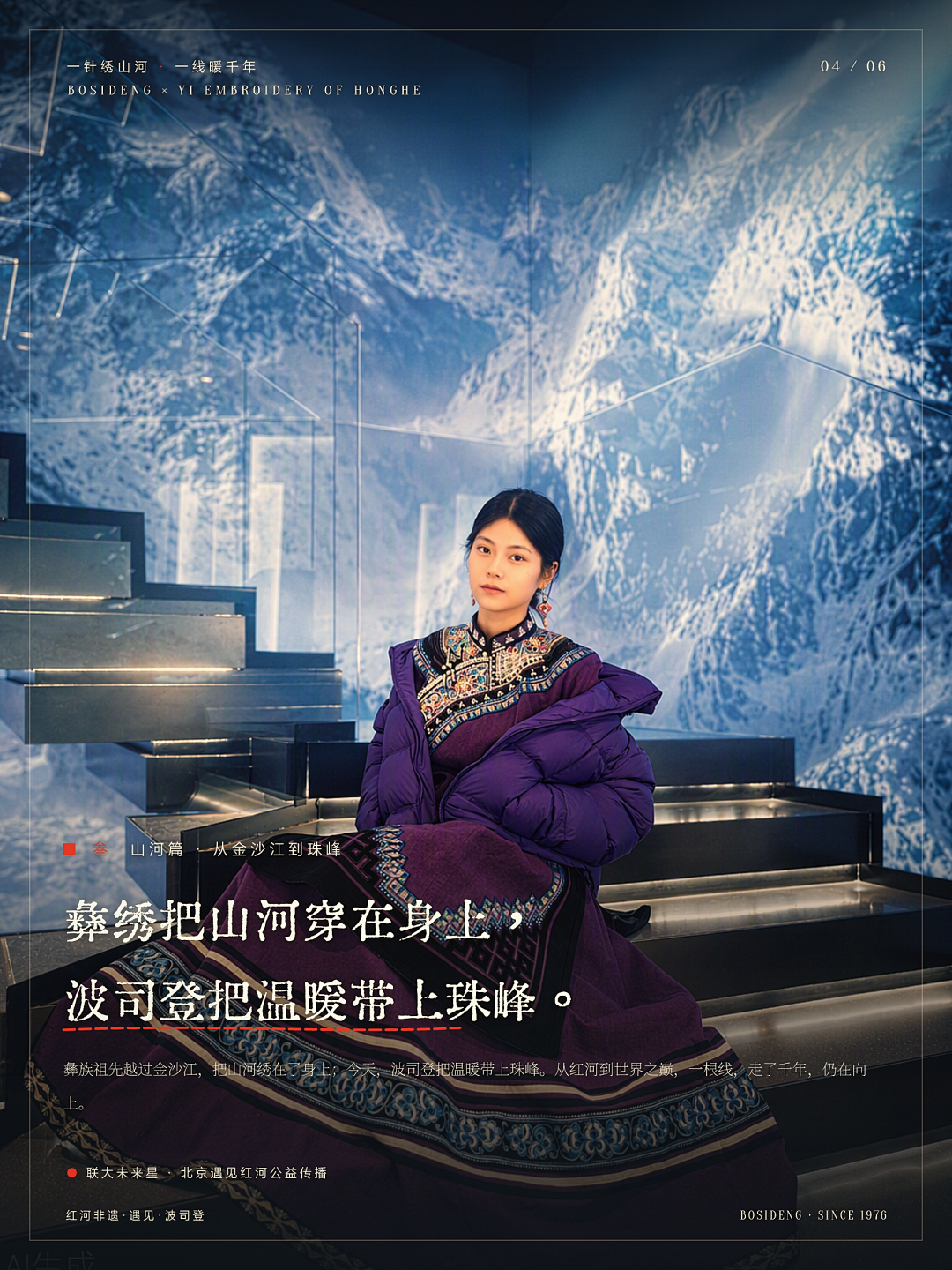
彝绣把山河穿在身上,波司登把温暖带上珠峰。彝族先祖越过金沙江,把山河绣在了身上;今天,这根线从红河出发,走了千年,走到了王府井,仍在向上。

山河篇 · 从金沙江到珠峰

图片

彝绣把山河穿在身上,

波司登把温暖带上珠峰。

图片

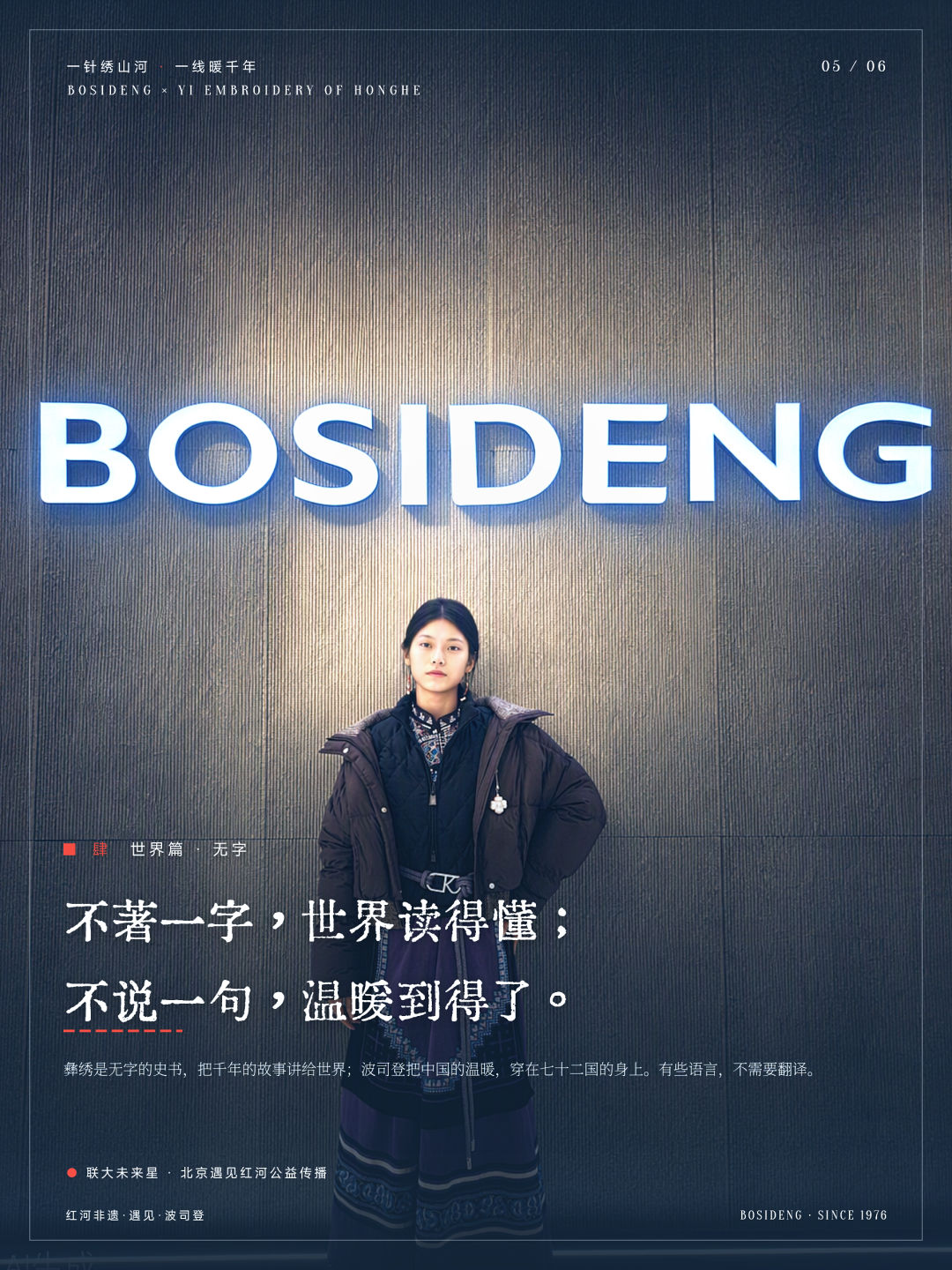
不著一字,世界读得懂;

不说一句,温暖到得了。

落在一件服饰上

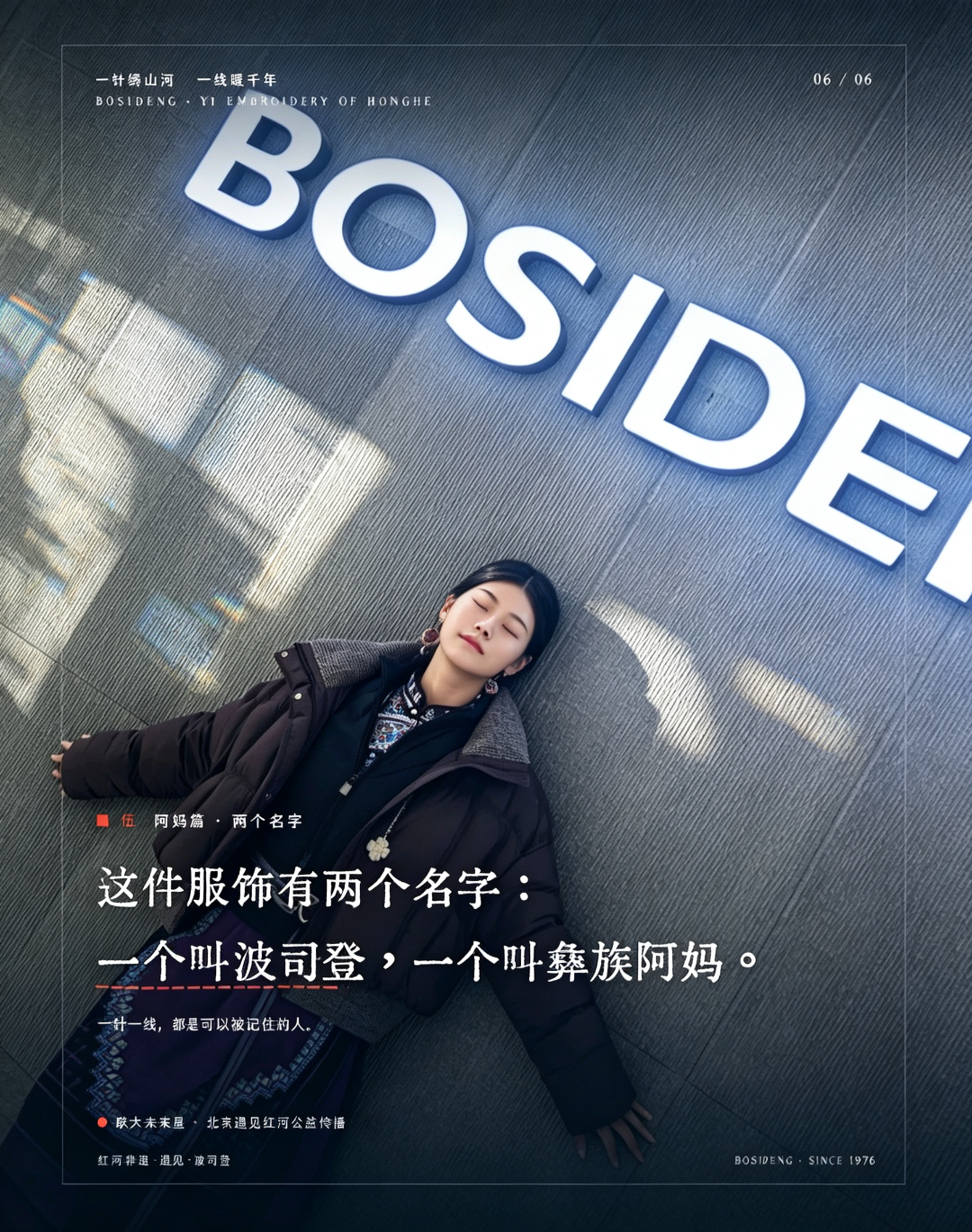
这件服饰有两个名字:一个叫波司登,一个叫彝族阿妈。

阿妈篇 · 两个名字

图片

这件服饰有两个名字:一个叫波司登,一个叫彝族阿妈。

一针一线,都是值得被记住的人。一针绣山河,一线暖千年。温暖从哪里来,温暖到哪里去——这个国庆,王府井有了答案。

注:文/龚作仁,文章来源:Laborer,本文为作者独立观点,不代表亿邦动力立场。

文章来源:Laborer

广告
微信
朋友圈

FAQ回顾

红河彝绣有什么文化寓意?

红河彝绣是彝族女性传承千年的手工刺绣技艺,承载着彝族的历史记忆与自然崇拜。传说彝族先祖逃难途中受蜜蜂引领、蜘蛛护佑,绣娘便将蜜蜂和蜘蛛绣在服饰上,寓意“被守护”,同时表达对自然的感恩与对温暖的珍视。彝绣因此被称为“穿在身上的无字史书”。

波司登与红河彝绣的合作有什么意义?

波司登创立的五十年与彝绣传承的一千年在此次合作中形成对话。彝绣将“被守护”的传说绣入衣裳,波司登以羽绒服守护寒冷中的人们,两者以“针线”和“温度”为共同语言,将非遗文化带入王府井,推动红河非遗被更广泛看见,也为品牌赋予更深的文化内涵。

彝绣中的蜜蜂和蜘蛛图案有什么传说?

据文中引述的彝族传说,彝族先祖从金沙江逃难途中遭劫,蜜蜂引领他们进山,蜘蛛在洞口结网帮助祖先摆脱追捕。为纪念这次守护,彝族绣娘将蜜蜂和蜘蛛绣在服饰上,代代相传,象征着彝族人对自然庇护的感念和对平安温暖的祈愿。

波司登是一个什么样的品牌?

波司登创立于1976年,专注羽绒服领域五十年,以“把一件羽绒服做好”为理念,将守护与温暖融入产品。文章将波司登与红河彝绣并列,突显其品牌坚持与非遗手工艺同样具有“温暖守护”的价值内核,并将温暖从珠峰延伸到非遗传承的日常场景中。

联大未来星在王府井做了什么?

2026年国庆节期间,联大未来星团队在北京王府井开展“北京遇见红河”主题活动,将红河彝绣非遗带入城市核心商圈,并与波司登品牌展开合作对话,让彝绣的千年手艺与大众消费品牌相遇,推动非遗在当代城市生活中的传播与连接。

这么好看,分享一下?

朋友圈 分享

APP内打开

赞 +1
+1
微信好友 朋友圈 新浪微博 QQ空间
关闭
收藏成功
发送
/140 0