广告
加载中

2年销售目标破千亿 京东携手产业链合作伙伴共推“智能体电脑”新品类增长

龚作仁 2026-10-09 10:24
龚作仁 2026/10/09 10:24

邦小白快读

EN
全文速览

总:智能体电脑是能本地运行AI、保护隐私的新电脑,符合高端配置标准,现在就能在京东买到。

1. 核心特征:全程不联网、数据在本机、自己能干活、不花Token费,相当于把AI大模型装进个人电脑,通勤、咖啡厅等场景都能离线处理文档和PPT。

2. 选购标准:需满足80TOPS以上AI算力、32G以上内存与135GB/s内存带宽、本地流畅运行30B级大模型(Token/s≥10)、核心数据不出设备。

3. 已上市机型:华硕ProArt创16/创14、戴尔XPS 16、惠普OmniBook Ultra 16、联想Yoga Pro 15、微软Surface Laptop Ultra、微星尊爵N16 Flip等,可在京东APP搜索“电脑馆”直接选购。10月16日还有更多新品上线。

总:PC产业正从CPU频率竞赛转向AI算力密度竞赛,智能体电脑成为新品类,品牌需围绕本地AI能力定义产品并联合渠道共建标准。

1. 消费趋势:用户对隐私安全、离线可用、本地AI生产力有明确需求,数据不出设备和全程不联网成为核心卖点,品牌可据此做差异化营销。

2. 产品研发方向:需满足四大特征和四项标准,覆盖轻薄本、创作本、高性能本等形态,并与英伟达、AMD、英特尔等芯片商深度协同,如搭载RTX Spark芯片打造百亿参数大模型本地运行能力。

3. 渠道建设与定价:京东联合IDC发布白皮书定义品类,并投入海量资源推动销售,品牌可借助京东首发渠道卡位新品类,2年千亿目标意味着规模化定价空间,需提前布局价格带。

总:智能体电脑是高速增长的新品类,2026至2030年出货量年复合增长率预计127%,卖家可抓住标准定义和平台扶持机会。

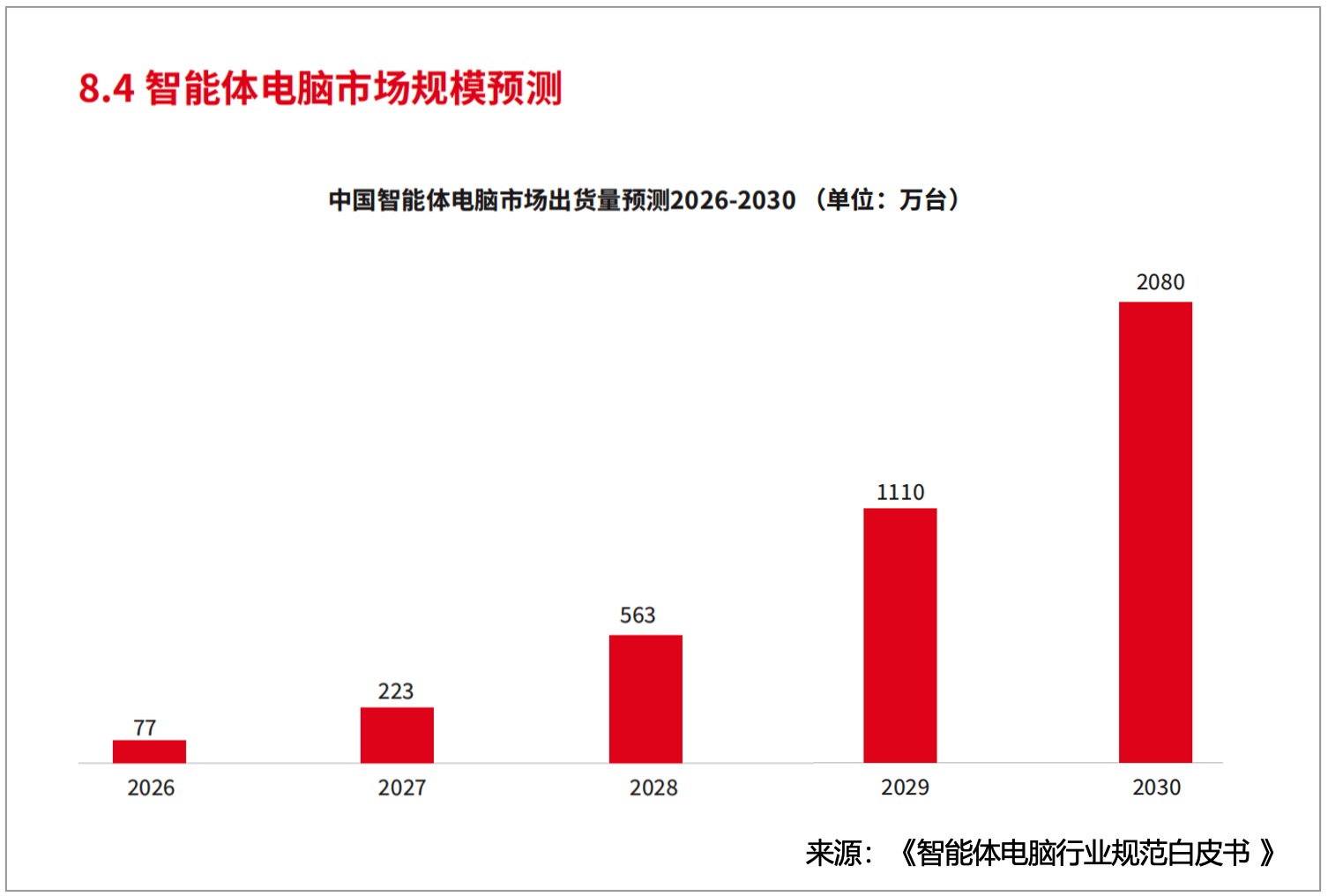
1. 增长市场:据IDC预测,中国智能体电脑出货量将从2026年77万台增至2030年2080万台,市场正从起步期进入规模化普及阶段,越早入场越能占得先机。

2. 合作方式:京东联合英伟达、AMD、英特尔及联想、华硕、微软、微星、惠普、戴尔等上下游伙伴,建立标准并共投资源,卖家可围绕这些品牌合作或代销智能体电脑新品。

3. 产品机会:符合标准的新品已陆续上线,包括多品牌多形态机型,10月16日还有更多新品上新,可关注高频迭代节奏并布局关联配件、软件服务等周边。

4. 风险提示:目前仍处起步期,规范标准刚发布,消费者认知尚需培育,需注意库存周转与营销话术的合规性,避免夸大离线AI能力。

总:智能体电脑白皮书为工厂提供了明确的硬件生产设计基准,可围绕AI算力、内存带宽和终端形态进行制造升级。

1. 生产需求:产品需满足80TOPS以上AI算力、32G+内存与135GB/s内存带宽,以及本地流畅运行30B级大模型,意味着对芯片、存储、散热、主板设计都有更高要求。

2. 商业机会:京东联合多家品牌推动智能体电脑普及,未来2年销售目标破千亿,代工厂和零部件供应商可跟进这一趋势,提前布局高性能笔记本、创作本、轻薄本等不同形态的产能。

3. 数字化电商启示:京东与IDC共同定义行业标准,把消费趋势转化为可落地的产品供给,工厂应关注电商平台发布的规范和白皮书,以标准化思维对接品牌订单,并通过电商渠道数据反哺产品迭代。

总:智能体电脑的核心痛点在于隐私安全、网络依赖和Token成本,端侧AI算力提供了全新解决方案,服务商可围绕这些需求开发辅助工具和服务。

1. 行业趋势:PC正从CPU频率竞赛转向AI算力密度竞赛,本地运行大模型和智能体成为新标准,算力密度和数据安全将驱动更多企业级服务场景。

2. 客户痛点:用户担心隐私泄露、网络加载慢和Token费用,智能体电脑通过全程不联网、数据在本机、不花Token费解决这些问题。

3. 解决方案:可基于本地AI算力提供离线智能体工作流优化、企业数据安全审计、端侧模型部署调优等服务,同时关注英伟达RTX Spark等新芯片带来的软硬件全栈能力,帮助客户在现有设备上实现更高能效的本地AI应用。

总:京东通过发布白皮书、联合产业链伙伴投入资源、设定销售目标,为新品类搭建了从标准到销售的完整平台运营体系。

1. 平台最新做法:京东联合IDC发布《智能体电脑行业规范白皮书》,定义四大特征和四项标准,并联合英伟达、AMD、英特尔及联想、华硕、微软、微星、惠普、戴尔等伙伴,聚焦新品类投入海量资源,明确2年破千亿目标。

2. 招商与运营管理:京东以“电脑馆”作为流量入口,集中首发多款智能体电脑,并持续上新,平台可借鉴这种通过标准引领和集中首发来聚集品牌商和消费者的方式。

3. 风险规避:新品类尚处起步期,需通过规范化标准避免概念混乱,平台应严格审核产品是否符合四项指标,防止不符合标准的产品蹭热点,维护品类信任。

总:智能体电脑标志着PC产业从硬件参数竞争进入AI能力标准化阶段,白皮书和千亿目标揭示了产业新动向和商业模式。

1. 产业新动向:端侧AI算力爆发和大模型能力跃迁使电脑从CPU频率竞赛转向AI算力密度竞赛,智能体电脑被定义为以本地AI算力为基座、自主智能体为核心的超强异构算力平台,这为研究端侧智能与通用计算融合提供了新样本。

2. 新问题与政策建议:数据全程不出设备、全程不联网等特征,涉及隐私保护、数据跨境和AI合规问题,白皮书提出的四项标准可成为行业准入和监管参考,但还需关注算力浪费、模型能力评估和消费者权益保障等议题。

3. 商业模式:京东联合IDC及产业链上下游共建标准、共投资源、共拓场景,并以2年累计销售额破千亿为目标,展示了平台型生态协作模式,值得研究其对品类创新和市场普及的驱动机制。

返回默认
声明:快读内容全程由AI生成,请注意甄别信息。如您发现问题,请发送邮件至 run@ebrun.com 。

我是 品牌商 卖家 工厂 服务商 平台商 研究者 帮我再读一遍。

Quick Summary

Summary: Agentic PCs are a new category of computers that can run AI locally and protect privacy, meeting high-end configuration standards and available now on JD.com.

1. Core features: Fully offline operation, data stays on-device, can perform tasks autonomously, and no token fees—essentially embedding a large AI model into a personal computer, enabling offline document and PPT processing in scenarios like commutes and coffee shops.

2. Selection criteria: Must meet at least 80 TOPS of AI computing power, 32GB or more memory with 135GB/s memory bandwidth, run 30B-level large models smoothly locally (Token/s ≥ 10), and keep core data on-device.

3. Models already on sale: ASUS ProArt Create 16/14, Dell XPS 16, HP OmniBook Ultra 16, Lenovo Yoga Pro 15, Microsoft Surface Laptop Ultra, MSI Prestige N16 Flip, etc. Search for "电脑馆" on the JD.com app to purchase directly. More new products will launch on October 16.

Summary: The PC industry is shifting from a CPU frequency race to an AI compute density race, making Agentic PCs a new category. Brands need to define products around local AI capabilities and work with channels to build standards.

1. Consumer trends: Users have clear demands for privacy security, offline usability, and local AI productivity. Data staying on-device and fully offline operation have become core selling points, which brands can leverage for differentiated marketing.

2. Product R&D direction: Need to meet four key features and four standards, covering forms such as thin-and-light laptops, creator laptops, and high-performance laptops, while collaborating deeply with chip makers like NVIDIA, AMD, and Intel—for example, featuring RTX Spark chips to enable local running of 10-billion-parameter large models.

3. Channel building and pricing: JD.com, together with IDC, released a white paper to define the category and is investing massive resources to drive sales. Brands can use JD.com's launch channels to secure early positioning in the new category. The 200 billion yuan two-year target implies room for scale-based pricing, so brands should plan their price tiers in advance.

Summary: Agentic PCs are a high-growth new category, with shipments projected to grow at a 127% CAGR from 2026 to 2030. Sellers can seize opportunities from standard-setting and platform support.

1. Growth market: According to IDC forecasts, China's Agentic PC shipments will rise from 770,000 units in 2026 to 20.8 million units in 2030. The market is moving from its early stage to large-scale adoption, and earlier entry means a stronger competitive position.

2. Cooperation approach: JD.com has joined with NVIDIA, AMD, Intel, and major OEMs including Lenovo, ASUS, Microsoft, MSI, HP, and Dell to build standards and pool resources. Sellers can collaborate with these brands or act as resellers for new Agentic PC products.

3. Product opportunities: New products meeting the standards are already hitting the market, including multi-brand, multi-form models, with more launches on October 16. Sellers should track the rapid iteration cycle and also explore related accessories, software services, and other peripherals.

4. Risk warning: The category is still nascent, standards have just been published, and consumer awareness needs time to develop. Sellers should watch inventory turnover and ensure marketing claims are compliant, avoiding overstating offline AI capabilities.

Summary: The Agentic PC white paper provides factories with clear hardware production and design benchmarks, enabling manufacturing upgrades around AI compute, memory bandwidth, and device form factors.

1. Production requirements: Products must deliver at least 80 TOPS of AI computing power, 32GB+ memory with 135GB/s bandwidth, and run 30B-level large models smoothly locally. This imposes higher demands on chips, storage, cooling, and motherboard design.

2. Business opportunity: JD.com and multiple brands are driving the adoption of Agentic PCs, with a sales target exceeding 100 billion yuan in the next two years. OEMs and component suppliers can follow this trend and build capacity across high-performance laptops, creator laptops, and thin-and-light models in advance.

3. Digital e-commerce insight: JD.com and IDC jointly defined the industry standard, translating consumer trends into actionable product supply. Factories should monitor the standards and white papers released by e-commerce platforms, align with brand orders through standardized thinking, and use e-commerce channel data to feed back into product iteration.

Summary: The core pain points of Agentic PCs revolve around privacy security, network dependency, and token costs. On-device AI computing provides a new solution, and service providers can develop auxiliary tools and services around these needs.

1. Industry trend: PCs are shifting from a CPU frequency race to an AI compute density race. Locally running large models and agents is becoming the new standard, and compute density plus data security will drive more enterprise-grade service scenarios.

2. Client pain points: Users worry about privacy leaks, slow network loading, and token expenses. Agentic PCs address these issues by operating fully offline, keeping data on-device, and eliminating token fees.

3. Solutions: Providers can offer services such as offline agent workflow optimization, enterprise data security auditing, and on-device model deployment and tuning based on local AI compute. They should also watch new chips like NVIDIA RTX Spark to deliver full-stack software-hardware capabilities and help clients achieve more efficient local AI applications on existing devices.

Summary: JD.com built a complete platform operation system for the new category—from standards to sales—by releasing a white paper, pooling industry partner resources, and setting sales targets.

1. Latest platform moves: JD.com, together with IDC, released the "Agentic PC Industry Standards White Paper," defining four key features and four standards, and joined forces with NVIDIA, AMD, Intel, Lenovo, ASUS, Microsoft, MSI, HP, and Dell to invest massive resources in the new category, with a clear goal of exceeding 100 billion yuan in two years.

2. Merchant recruitment and operations: JD.com uses the "电脑馆" (PC Store) as a traffic entry point, concentrating the launches of multiple Agentic PC models and continuously adding new ones. Platforms can learn from this approach of using standards leadership and concentrated launches to attract both brands and consumers.

3. Risk mitigation: The new category is still in its early stage; standardized criteria are needed to avoid conceptual confusion. Platforms should strictly verify whether products meet the four indicators, prevent non-compliant products from riding the trend, and maintain category trust.

Summary: Agentic PCs mark the PC industry's transition from hardware-spec competition to AI capability standardization. The white paper and the 100 billion yuan target reveal new industry trends and business models.

1. Industry shift: The explosion of on-device AI compute and the leap in large-model capabilities are pushing PCs from a CPU frequency race to an AI compute density race. Agentic PCs are defined as super-heterogeneous computing platforms based on local AI compute and powered by autonomous agents, offering a new sample for studying the convergence of on-device intelligence and general-purpose computing.

2. New issues and policy implications: Features like data never leaving the device and fully offline operation raise questions about privacy protection, cross-border data flows, and AI compliance. The four standards in the white paper could serve as references for industry entry requirements and regulation, but issues such as compute waste, model capability evaluation, and consumer rights protection still need attention.

3. Business model: JD.com, together with IDC and the upstream and downstream ecosystem, co-builds standards, co-invests resources, and co-develops use cases, with a two-year cumulative sales target of 100 billion yuan. This demonstrates a platform-based ecosystem collaboration model that merits research on its mechanisms for driving category innovation and market adoption.

Disclaimer: The "Quick Summary" content is entirely generated by AI. Please exercise discretion when interpreting the information. For issues or corrections, please email run@ebrun.com .

I am a Brand Seller Factory Service Provider Marketplace Seller Researcher Read it again.

随着端侧AI算力蓬勃发展、大模型能力持续跃迁,PC产业智能化趋势加速演进,电脑产品也迎来全新代际变革。近日,京东联合IDC正式发布《智能体电脑行业规范白皮书》,以“四大特征 四项标准”定义智能体电脑新品类,为PC产业智能化升级提供指引和参考。同时,京东也将联合英伟达、AMD、英特尔及联想、华硕、微软、微星、惠普、戴尔等产业链上下游伙伴,聚焦智能体电脑新品类投入海量资源,明确未来2年智能体电脑产品累计销售额破千亿的目标,旨在让更多用户体验到智能体电脑带来的高效与便捷,推动新品类成长。截至目前,涵盖联想、华硕、微软、微星、戴尔等品牌的多款智能体电脑产品已于京东全面首发,京东APP搜索“电脑馆”即可抢先选购、解锁本地AI迭代的极致新体验。

在端侧AI算力爆发与大模型能力跃迁的双重驱动下,个人电脑正经历从“CPU频率竞赛”到“AI算力密度竞赛”的根本性转变,也让消费级硬件本地运行智能体与大模型成为新的AI生产力标准。在这一趋势下,京东携手IDC及产业链上下游伙伴,正式定义智能体电脑新品类:它不是传统意义上“能在本地跑大模型”的个人电脑,也不是云电脑,而是以本地AI算力为基座、以自主智能体为核心、结合大模型推理与智能体决策全程在设备内完成的超强异构算力平台。并明确智能体电脑应符合“四大特征 四项标准”,即智能体电脑是一台“全程不联网、数据在本机、自己能干活、不花Token费”的超级AI电脑,以及满足80TOPS以上AI算力、32G+内存与135GB/s内存带宽支撑、本地流畅运行30B级大模型(Token/s≥10)、核心数据全程不出设备4项指标,为行业发展和用户选购提供规范化参考。

据IDC报告预测,中国智能体电脑出货量将从2026年的77万台增长至2030年的2080万台,预计年复合增长率高达127%,市场正从起步期加速迈入规模化普及阶段。在消费选购层面,符合该标准的智能体电脑已经来到了消费者身边。随着10月8日英伟达发布适配智能体电脑的全新NVIDIA RTX Spark超级芯片,可提供最高1 Petaflop AI算力、最高128GB统一内存与完整CUDA、RTX全栈软硬件能力,带来本地安全运行百亿参数大模型与全天候个人AI智能体的端侧计算体验。搭载该系列芯片的联想、华硕、微软、微星等智能体电脑新品也陆续在京东首发上线,覆盖轻薄本、创作本、高性能本等多种形态,可以让用户体验本地AI驱动的隐私安全办公、全程离线的智能体工作流:全程不联网、数据在本地,无论是在通勤高铁上赶方案,还是在咖啡厅里改PPT,电脑AI助手始终在线、文件资料始终私密安全,无需等待网络加载,更不用担心隐私泄露。包括华硕ProArt创16/创14、戴尔XPS 16、惠普OmniBook Ultra 16、联想Yoga Pro 15、微软Surface Laptop Ultra、微星尊爵N16 Flip等符合规范标准的机型已陆续上线。10月16日,还将有更多智能体电脑新品在京东持续“上新”。

多年来,京东携手芯片厂商与联想、华硕、机械革命、惠普等品牌紧跟消费需求变化和技术迭代,持续推动PC品类创新,定义和打造多款热销爆品,把模糊的消费趋势转化为清晰的行业标准与可落地的产品供给。未来,智能体电脑作为全新趋势品类,将逐步成为产业发展核心,走进千家万户成为消费者使用的主流产品,真正让AI算力普惠到每一个终端。京东也将继续携手芯片厂商、整机品牌、软件服务等更多产业链生态伙伴,共建标准、共投资源、共拓场景,推动智能体电脑加速全民化普及。京东APP搜索“电脑馆”即可抢先选购、入手你的第一台智能体电脑装备,解锁本地AI迭代的极致新体验。

注:文/龚作仁,文章来源:Laborer,本文为作者独立观点,不代表亿邦动力立场。

文章来源:Laborer

广告
微信
朋友圈

FAQ回顾

智能体电脑是什么?

智能体电脑是京东联合IDC发布的《智能体电脑行业规范白皮书》定义的新品类,是以本地AI算力为基座、以自主智能体为核心,结合大模型推理与智能体决策全程在设备内完成的超强异构算力平台,不是云电脑,也不是仅能本地跑大模型的传统PC。

智能体电脑需要满足哪些标准和配置?

按白皮书,智能体电脑要具备“全程不联网、数据在本机、自己能干活、不花Token费”四大特征,并满足80TOPS以上AI算力、32G内存与135GB/s内存带宽、本地流畅运行30B级大模型(Token/s≥10)、核心数据全程不出设备四项标准。

中国智能体电脑市场前景怎么样?

据IDC报告预测,中国智能体电脑出货量将从2026年的77万台增长至2030年的2080万台,年复合增长率约127%,市场正从起步期进入规模化普及阶段。京东还联合产业链伙伴定下未来2年智能体电脑累计销售额突破千亿的目标。

目前有哪些智能体电脑产品可以选择?

截至目前,联想、华硕、微软、微星、戴尔等品牌的多款智能体电脑已在京东首发,覆盖轻薄本、创作本、高性能本等形态,包括华硕ProArt创16/创14、戴尔XPS 16、惠普OmniBook Ultra 16、联想Yoga Pro 15、微软Surface Laptop Ultra、微星尊爵N16 Flip等,后续10月16日还有更多新品上线。

智能体电脑适合哪些使用场景?

智能体电脑适合需要在通勤路上或咖啡厅等场景处理文档、修改PPT的移动办公人群。它的本地AI助手全程不联网、数据在本地,无需等待网络加载即可运行智能体工作流,能保护文件隐私安全,可覆盖轻薄本、创作本、高性能本等多种形态。

这么好看,分享一下?

朋友圈 分享

APP内打开

赞 +1
+1
微信好友 朋友圈 新浪微博 QQ空间
关闭
收藏成功
发送
/140 0