





广告
加载中

灵狐×吉列:AI及大数据驱动全域品效销协同 打开增长新空间

龚作仁 2026-09-30 15:22
龚作仁 2026/09/30 15:22

邦小白快读

EN
全文速览

灵狐与吉列的合作案例给出了一个可参考的全域营销操作框架,核心是站外种草、站内转化,把内容热度变成生意增量。

1. 用三层计划矩阵管理预算:测试层用小预算快速验证新素材和人群,跑通后进入放量层扩大规模,最后在维稳层维护老客和高意向用户,避免盲目烧钱。

2. 素材制作抓住黄金前3秒,并分场景沉浸、配件权益、利益刺激三类,分别作用于代入感、购买吸引力和即时消费欲望。

3. 跨域捕捉的最大亮点是把抖音等站外点赞、评论、分享的人群打包为京东站内可投放的再营销人群,让被种草的用户能被重新召回。

4. 风险控制上建立渠道运营、素材迭代、货品联动、数据校验SOP,从预警到复盘形成闭环。

吉列的增长挑战和应对方式,对品牌商最有启发的点在于:存量市场不能只靠站内运营,而是通过全域协同同时解决新客获取、成本控制和品牌年轻化。

1. 品牌年轻化:吉列面临被Z世代视为父辈品牌的风险,需要用场景沉浸素材还原真实生活场景,降低与年轻消费者的心理距离,而不是停留在传统功能叙事。

2. 渠道建设:站外分散媒体触点与京东站内交易全链路打通,形成站外触达、兴趣激发、站内承接的增长闭环;通过京东JDS平台实现跨域数据识别,把抖音等平台内容互动人群转化为站内精准流量。

3. 用户行为观察:新一代年轻男性在抖音等内容平台产生种草和轻互动,但未必立刻进店,这部分行为需要被跨域捕捉和召回。

4. 营销效率与成本:测试、放量、维稳三层预算矩阵,让预算流向验证过的确定方向,维稳层管控老客复购和高意向潜客成本。

对卖家而言,这篇案例揭示了在存量市场里寻找增量的具体打法,尤其适合有站内店铺、希望从内容平台获客的商家。

1. 增长机会:男士理容行业进入存量博弈,新客放缓、获客成本上行,但抖音、小红书等内容平台大量种草人群尚未被有效召回,这是增量洼地。

2. 可学习点:采用测试、放量、维稳三层计划矩阵,预算分层流转;素材制作抓住黄金前3秒,并分场景沉浸类、配件权益类、利益刺激类与渠道特性匹配。

3. 合作方式:可借助京东JDS全域数智增长平台或类似数智服务商,打通站外媒体触点和站内交易链路,把站外互动人群打包为再营销人群包。

4. 风险提示与应对:渠道波动、素材失效、库存不足、归因差异是常见风险,需建立渠道运营、素材迭代、货品联动、数据校验的SOP,做好预警和复盘。

工厂可以从吉列全域投放案例中读出对生产端的潜在要求:营销从单点投放变成全域协同后,货品、配件和库存必须更快响应。

1. 需求洞察前置:全域种草和站内转化打通后,产品卖点需要提前融入场景化内容,生产和设计要围绕年轻消费者真实使用场景规划,而不是等订单再反馈。

2. 小步验证再放量:测试层用小预算验证新素材和人群,跑通后才放量,对应生产端可采取小批量试产、数据验证后再扩大生产的节奏,降低压货风险。

3. 配件权益类素材提示:周边和赠品已成为提升购买吸引力的沟通点,工厂需要具备配合品牌开发配赠品、快速调整礼盒组合的能力。

4. 风险联动:项目SOP中专门设有货品联动和库存不足风险维度,说明全域投放对供货稳定性和生产计划协同提出了更高要求。

这个案例是营销服务商的典型打法样本:用数智化工具帮助品牌解决存量市场增长难题,把站外内容种草与站内交易转化连成闭环。

1. 行业趋势:男士理容从增量扩张转向存量博弈,单一渠道流量运营失效,全域品效销协同成为新方向,核心不是渠道叠加,而是数据互通、场景协同、种收一体。

2. 新技术:京东JDS全域数智增长平台提供技术底座;跨域数据能力可以识别站外平台的点赞、评论、分享等轻互动行为,并打包成站内定向人群。

3. 客户痛点:品牌新客增长放缓、站内获客成本上行、品牌年轻化沟通待深化,同时大量内容平台种草人群处于投放真空地带。

4. 解决方案:以测试、放量、维稳三层矩阵管理预算;素材制作采用黄金前3秒准则并按场景沉浸、配件权益、利益刺激三类推进;建立渠道运营、素材迭代、货品联动、数据校验四大维度SOP,把异常沉淀为可控机制。

对电商平台而言,吉列案例展示了平台方在品牌全域增长中可以扮演的核心角色:开放数据能力、提供技术底座,并承接站外流量转化。

1. 平台最新做法:京东JDS全域数智增长平台作为技术底座,打通站外分散媒体触点与站内交易全链路,让品牌实现站外触达、兴趣激发、站内承接的闭环。

2. 平台招商价值:平台可通过跨域数据能力识别抖音等外部内容平台的互动人群,帮助品牌做再营销,这是吸引品牌把预算投向平台的重要卖点。

3. 运营管理支撑:平台需要支持分层计划矩阵,配合品牌在测试、放量、维稳三层间灵活调整预算和出价,保障ROI稳定。

4. 风险规避:平台需在渠道运营、素材迭代、货品联动、数据校验方面建立异常管理机制,尤其要解决归因差异问题,才能真正稳定全域投放。

该案例可作为研究存量市场品牌增长的一个样本,观察点集中在行业转向、代际品牌危机、跨域数据打通和品效销协同模式。

1. 产业新动向:男士理容行业从增量扩张转向存量博弈,单一渠道流量运营不足以破解增长瓶颈;品牌面临新客放缓、获客成本上行和年轻化沟通难三重叠加。

2. 新问题:品牌与Z世代年轻男性的价值连接成为未来用户基本盘的关键,停留在传统功能叙事会被视为父辈品牌;站外内容平台产生兴趣的人群长期处于投放真空,形成跨域数据壁垒。

3. 商业模式:灵狐与吉列构建了站外种草、站内转化的品效销协同闭环,用测试、放量、维稳三层计划矩阵实现预算分层流转,用跨域人群包把站外兴趣转成站内流量。

4. 机制与启示:将风险复盘沉淀为覆盖渠道运营、素材迭代、货品联动、数据校验的标准SOP,说明全域增长不仅要策略创新,也要沉淀可复用的运营资产。

返回默认
声明:快读内容全程由AI生成,请注意甄别信息。如您发现问题,请发送邮件至 run@ebrun.com 。

我是 品牌商 卖家 工厂 服务商 平台商 研究者 帮我再读一遍。

Quick Summary

The collaboration between Linghu and Gillette offers a replicable omnichannel marketing framework centered on out-of-platform seeding and in-platform conversion, turning content momentum into incremental sales.

1. Use a three-tier budget planning matrix: the testing tier spends a small budget to quickly validate new creatives and audiences; once validated, scale up in the scaling tier; finally, a retention tier protects existing customers and high-intent users to avoid wasteful spending.

2. Creative production captures the golden first 3 seconds and falls into three types: scenario immersion, accessory benefits, and benefit stimulation, which drive sense of immersion, purchase appeal, and immediate consumption desire respectively.

3. The biggest highlight of cross-platform capture is packaging audiences who liked, commented, or shared on platforms like Douyin into retargetable audiences within JD.com, so users who have been seeded can be recalled.

4. For risk control, establish SOPs covering channel operation, creative iteration, product linkage, and data validation, forming a closed loop from early warning to review.

Gillette's growth challenges and response offer the most important lesson for brands: in a stagnant market, brands cannot rely on in-platform operations alone; they need omnichannel synergy to simultaneously solve new-customer acquisition, cost control, and brand rejuvenation.

1. Brand rejuvenation: Gillette risks being seen as a father's brand by Generation Z, so it needs scenario-immersion creatives that recreate real-life scenes and reduce psychological distance with younger consumers, rather than staying with traditional functional narratives.

2. Channel building: Dispersed out-of-platform media touchpoints are fully connected with JD.com's in-platform transaction chain, forming a closed growth loop of out-of-platform reach, interest stimulation, and in-platform conversion. Through the JD JDS platform, cross-domain data identification converts content-interaction audiences from platforms like Douyin into precise in-platform traffic.

3. User behavior observation: Younger male consumers generate seeding and light interactions on content platforms like Douyin but may not enter the store immediately; this behavior needs to be captured and recalled across domains.

4. Marketing efficiency and cost: The three-tier budget matrix of testing, scaling, and retention lets budget flow toward validated directions, while the retention tier manages repeat-purchase costs and high-intent prospect costs.

For sellers, this case reveals a concrete playbook for finding incremental growth in a stagnant market, especially for merchants with an in-platform store that want to acquire customers from content platforms.

1. Growth opportunity: The men's grooming industry has entered a stagnant game, with slower new-customer growth and rising acquisition costs. But a large number of users seeded on content platforms like Douyin and Xiaohongshu have not yet been effectively recalled, making this an untapped growth pool.

2. Actionable takeaways: Adopt a three-tier budget matrix of testing, scaling, and retention, with budget flowing across tiers; creative production should seize the golden first 3 seconds and match creative categories (scenario immersion, accessory benefits, benefit stimulation) to channel characteristics.

3. Collaboration approach: Leverage JD JDS omnichannel digital-intelligence growth platform or similar data-intelligence service providers to connect out-of-platform media touchpoints with in-platform transaction chains, packaging out-of-platform interaction audiences into retargeting audience pools.

4. Risk alerts and responses: Channel volatility, creative fatigue, inventory shortages, and attribution discrepancies are common risks. Build SOPs for channel operation, creative iteration, product linkage, and data validation to enable early warning and review.

Factories can read the Gillette omnichannel campaign case as an indication of new demands on the production side: once marketing shifts from single-point campaigns to omnichannel synergy, product, accessories, and inventory must respond faster.

1. Front-loaded demand insight: After out-of-platform seeding and in-platform conversion are connected, product selling points need to be embedded into scenario-based content in advance. Production and design should be planned around young consumers' real usage scenarios, rather than waiting for order feedback.

2. Validate small batches before scaling: The testing tier uses a small budget to validate new creatives and audiences, and scaling begins only after validation. Correspondingly, production can adopt a rhythm of small-batch trial production, data validation, then expansion to reduce inventory pressure.

3. Accessory and benefit creatives: Peripheral items and gifts have become communication points that enhance purchase attractiveness. Factories need the ability to collaborate with brands in developing premiums and quickly adjusting gift-box combinations.

4. Risk linkage: The project SOP explicitly includes product-linkage and inventory-shortage risk dimensions, indicating that omnichannel campaigns place higher demands on supply stability and production planning coordination.

This case is a typical playbook for marketing service providers: using data-intelligence tools to help brands solve growth problems in stagnant markets, connecting out-of-platform content seeding with in-platform transaction conversion into a closed loop.

1. Industry trend: Men's grooming has shifted from incremental expansion to a stagnant game; single-channel traffic operations no longer work. Omnichannel brand-effect-sales synergy has become the new direction, and its core is not channel stacking but data interconnection, scenario synergy, and unified seeding-and-conversion.

2. New technology: The JD JDS omnichannel digital-intelligence growth platform provides the technology foundation. Cross-domain data capability can identify light-interaction behaviors such as likes, comments, and shares on external platforms and package them into targetable in-platform audiences.

3. Client pain points: Brands face slowing new-customer growth, rising in-platform acquisition costs, and deeper brand-rejuvenation communication needs. Meanwhile, a large number of content-platform seeded audiences remain in a delivery vacuum.

4. Solution: Manage budget with a three-tier testing/scaling/retention matrix; create creatives following the golden-first-3-seconds rule and across the three categories of scenario immersion, accessory benefits, and benefit stimulation; build SOPs covering four dimensions—channel operation, creative iteration, product linkage, and data validation—turning anomalies into controllable mechanisms.

For e-commerce platforms, the Gillette case shows the core role a platform can play in a brand's omnichannel growth: opening data capabilities, providing a technology foundation, and converting out-of-platform traffic.

1. Latest platform practice: The JD JDS omnichannel digital-intelligence growth platform serves as the technology foundation, connecting dispersed out-of-platform media touchpoints with the full in-platform transaction chain, enabling brands to achieve a closed loop of out-of-platform reach, interest stimulation, and in-platform conversion.

2. Value for attracting brand budgets: The platform can use cross-domain data capability to identify interactive audiences on external content platforms like Douyin and help brands retarget them—a key selling point to attract brands to allocate budget to the platform.

3. Operational management support: The platform needs to support layered budget matrixes and coordinate with brands to flexibly adjust budgets and bids across testing, scaling, and retention tiers to ensure stable ROI.

4. Risk avoidance: The platform must establish anomaly management mechanisms in channel operation, creative iteration, product linkage, and data validation, with special attention to resolving attribution discrepancies, in order to truly stabilize omnichannel campaigns.

This case can serve as a sample for studying brand growth in stagnant markets, with observation points centered on industry transformation, generational brand crisis, cross-domain data integration, and the brand-effect-sales synergy model.

1. New industry trends: The men's grooming industry has shifted from incremental expansion to a stagnant game; single-channel traffic operations are insufficient to break through growth bottlenecks. Brands face a triple squeeze: slowing new-customer growth, rising acquisition costs, and difficulty in rejuvenating communication with younger consumers.

2. New problems: The value connection between brands and Gen Z young males is key to the future user base; staying with traditional functional narratives can make a brand seem like a father's brand. Meanwhile, audiences showing interest on external content platforms remain in a delivery vacuum, creating a cross-domain data barrier.

3. Business model: Linghu and Gillette built a brand-effect-sales collaborative closed loop of out-of-platform seeding and in-platform conversion. They used a three-tier testing/scaling/retention budget matrix to enable layered budget flow and used cross-domain audience pools to turn out-of-platform interest into in-platform traffic.

4. Mechanisms and implications: Institutionalizing risk review into a standard SOP covering channel operation, creative iteration, product linkage, and data validation shows that omnichannel growth requires not only strategic innovation but also accumulating reusable operational assets.

Disclaimer: The "Quick Summary" content is entirely generated by AI. Please exercise discretion when interpreting the information. For issues or corrections, please email run@ebrun.com .

I am a Brand Seller Factory Service Provider Marketplace Seller Researcher Read it again.

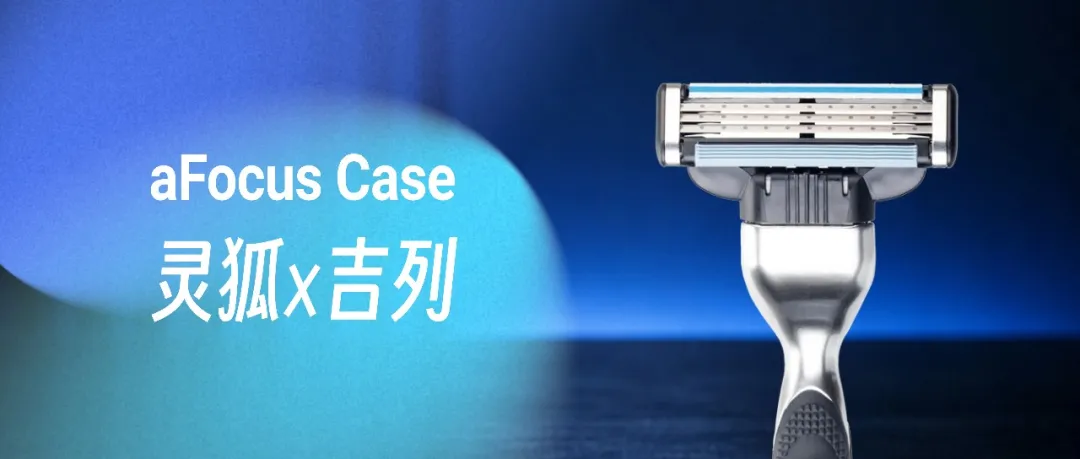
当男士理容行业从增量扩张全面转向存量博弈,单一渠道的流量运营已不足以破解增长瓶颈。于吉列而言,新客增长放缓、站内获客成本上行、品牌年轻化沟通待深化三者叠加,形成了横跨用户、成本、品牌维度的增长挑战。灵狐与吉列深度携手,凭借站内外一体化的营销方法论与京东JDS全域数智增长平台的技术支撑,探索出一条“站外种草、站内转化”的品效销协同路径,为品牌在存量市场中重新找回增量节奏。

01从单点获客走向全域破题

作为男士理容赛道的经典品牌,吉列拥有深厚的品牌认知与心智积淀。但当流量红利消退,单纯依靠站内行为再营销已难支撑持续的新客增长。而比短期增长压力更值得警惕的,是品牌面临的代际传递隐忧。对吉列而言,与Z世代年轻男性建立全新的价值连接,是夯实未来用户基本盘的关键一环,品牌如果仍停留在传统功能叙事中,很容易被新一代用户视为“父辈品牌”。

针对增长与品牌的双重难题,灵狐以京东JDS全域数智增长平台为技术底座,打通站外分散媒体触点与京东站内交易全链路,构建起“站外触达—兴趣激发—站内承接”的增长闭环,用全域协同的思路破解新客获取与年轻化沟通的核心痛点。

02分层计划矩阵:让预算流向更确定的地方

灵狐以“测试—放量—维稳”三层矩阵搭建投放体系,实现预算分层配置与高效流转。

测试层承担探索职能,以小额预算快速验证新素材、新人群包和创意方向,通过实时数据反馈快速判定有效路径,既抢占策略迭代的先机,也避免在无效方向上持续消耗。

放量层是转化产出的核心阵地,承接经测试跑通的优质素材与人群组合,在稳定的出价区间内稳步扩大投放规模,同时围绕ROI的合理区间做精细化微调,保持模型稳定性的同时拉升整体量级。

维稳层聚焦老客复购与高意向潜客运营,在保障稳定转化的同时严格管控获客成本,并持续维持账户模型活性。

三层矩阵并非彼此割裂的独立模块,而是通过数据反馈形成动态流转的有机体系:测试层跑出的优质方向会进入放量层,放量中表现稳定的资产再沉淀为维稳资源,形成可持续的投放闭环。

03素材生产:以内容为核心的多媒体协同

灵狐为吉列确立了“黄金前3秒”的核心创作准则——所有投流素材在开篇3秒内释放强视觉冲击或核心利益点,锚定兴趣点,为后续的信息传递与转化承接留足空间。

素材创作沿着三条差异化主线推进,覆盖用户决策的不同阶段:场景沉浸类通过还原真实生活场景,让用户产生代入感,降低品牌与年轻消费者的心理距离;配件权益类紧扣用户痛点,将赠品和周边作为沟通点,提升购买吸引力;利益刺激类则放大价格优势和优惠力度,以更直接的信息刺激即时消费欲望,降低决策成本。在此基础上,灵狐将三类素材与不同媒介触点的渠道特性做精准匹配,形成“触达—兴趣—转化”的协同链路。

04跨域捕捉:把站外兴趣热度变成站内精准流量

传统再营销的触达范围往往仅局限于京东站内的加购、浏览等行为链路,大量在抖音、小红书等内容平台完成种草、萌生消费意向却尚未进店的高潜用户,一直处于投放的真空地带——这也是社交媒体时代,电商投放最容易被忽略的增量洼地。

本次合作的核心创新,在于灵狐借助京东开放的跨域数据能力,精准识别抖音等站外平台的品牌内容互动人群,覆盖点赞、评论、内容分享等全维度轻互动行为,并将这部分意向用户定向打包为专属再营销人群包。这一做法打破了内容场与交易场之间的数据壁垒,把站外积累的内容兴趣热度,直接转化为站内可定向的精准投放流量,实现了跨平台高潜用户的高效召回,真正打通“被种草”到“完成购买”的链路。

05风险复盘:把异常沉淀为可控机制

全域投放的复杂度,决定了风险不会缺席。渠道波动、素材失效、库存不足、归因差异等风险几乎无法完全避免。灵狐为吉列搭建了覆盖渠道运营、素材迭代、货品联动、数据校验四大维度的异常管理标准SOP,从风险预警、应急处置到复盘优化形成完整闭环,不仅保障了本次项目的平稳运行,更为品牌后续的全域常态化投放沉淀了可复用的运营资产。

全域品效销协同的核心,从来不是多渠道的粗放叠加,而是数据互通、场景协同、种收一体的闭环增长体系。当多数品牌仍困在站内流量的存量博弈中,灵狐凭借“数智投一体化、站内外一体化”的品效销全链路能力,助力吉列这一百年理容经典,重新闯入年轻消费群体的注意力场域,并把每一次“看见”,稳稳转化为生意增量,也为男士理容赛道的全域增长,沉淀出了一套高确定性的实践范本。

注:文/龚作仁,文章来源:Laborer,本文为作者独立观点,不代表亿邦动力立场。

文章来源:Laborer

广告
微信
朋友圈

FAQ回顾

什么是全域品效销协同?

全域品效销协同是一种打通站外内容种草与站内交易转化的增长模式,通过数据互通、场景协同实现“站外触达—兴趣激发—站内承接”的完整闭环。灵狐与吉列的实践以京东JDS全域数智增长平台为技术底座,把抖音等站外互动人群转化为站内精准流量,实现品效销一体化。

吉列在男士理容存量市场中如何实现增长?

吉列与灵狐合作,依托京东JDS全域数智增长平台,构建“站外种草、站内转化”的品效销协同路径。通过测试—放量—维稳三层预算矩阵、差异化素材生产和跨域人群召回,解决新客增长放缓、获客成本上行和品牌年轻化沟通难题,提升转化确定性。

灵狐为吉列搭建了哪些投放策略?

灵狐搭建了测试、放量、维稳三层计划矩阵,实现预算分层配置;素材上确立“黄金前3秒”准则,按场景沉浸、配件权益、利益刺激三类主线制作;并通过京东跨域数据能力识别站外互动人群,打包为再营销人群包;同时建立异常管理标准SOP,覆盖渠道、素材、货品、数据四大维度。

京东JDS全域数智增长平台在吉列案例中起什么作用?

京东JDS全域数智增长平台作为技术底座,打通站外分散媒体触点与京东站内交易全链路,支持跨域数据识别,使抖音等内容平台的点赞、评论、分享等轻互动行为可被转化为站内定向投放人群,实现从“被种草”到“完成购买”的链路打通。

男士理容行业面临哪些增长挑战?

男士理容行业从增量扩张转向存量博弈,品牌面临新客增长放缓、站内获客成本上行、品牌年轻化沟通待深化三大挑战,单一渠道流量运营难以破解增长瓶颈,需要全域协同方式重新找回增量节奏。

这么好看,分享一下?

朋友圈 分享

APP内打开

赞 +1
+1
微信好友 朋友圈 新浪微博 QQ空间
关闭
收藏成功
发送
/140 0

