广告
加载中

从母婴品类到生活方式品牌 Babycare以新生姿态解锁当代育儿新答案

龚作仁 2026-09-22 14:09
龚作仁 2026/09/22 14:09

邦小白快读

EN
全文速览

你可以从这篇内容中了解母婴品牌Babycare2026年品牌升级的核心信息,获取日常育儿消费、观念调整可参考的实用内容。

1. 观念参考层面,不必被“当了妈妈就要将就、牺牲”的刻板规训束缚,育儿是全家庭的共同责任,完全可以在育儿过程中保持自我生活质感,探索适合自家的育儿节奏,不用照搬统一的标准答案。

2. 产品选择层面,该品牌以真实育儿场景的有效设计为核心,AI育儿玩具贴合亲子陪伴的自然回应节奏,全链路品控高于国家标准,设计适配现代家居审美,有母婴用品采购需求时可重点关注。

3. 实际权益层面,升级后的会员体系包含尿裤尺码随心换、洗护防敏安心退、纸品品质保障等售后政策,还有24小时育儿咨询、亲子研学等服务,有消费需求时可对应享受相关权益。

Babycare从母婴品类品牌升级为新一代育儿家庭生活方式品牌的全链路动作,为母婴乃至泛家庭消费领域的品牌建设提供了可参考的成熟路径。

1. 用户洞察层面,要捕捉新一代育儿群体的核心变化:他们拒绝母职必须牺牲的刻板规训,不愿被单一父母身份定义,追求育儿与自我生活的平衡,期待平等共担的家庭关系,反感幼稚化、同质化的母婴产品,偏好能适配日常家居审美的商品。

2. 品牌营销层面,可借势天猫超级品牌日等平台核心节点,搭配代言人TVC、真实妈妈经验对谈等内容形式,通过“妈咪包更名育儿包”“母婴室更名育婴室”这类具象的小切口动作传递价值主张,此次相关TVC全网曝光超5亿,有效实现了声量破圈。

3. 长期价值构建层面,要跳出概念化营销,以场景化有效设计做产品升级,联动上游30余家材料领域顶尖供应商筑牢品质壁垒,同时把会员服务从简单的权益兑换,升级为覆盖产品共创、活动体验、售后保障、育儿支持的全周期体系,夯实品牌护城河。

Babycare的品牌升维动作,清晰传递了当前母婴赛道的消费变化趋势与可复用的经营思路,能帮助卖家找准经营方向、抓住增长机会。

1. 消费需求变化上,当前母婴消费已经从单纯购买功能性育儿用品,转向对平等育儿理念、自我生活价值、全场景生活适配的综合需求,“妈妈必须牺牲付出”的旧叙事已经无法打动用户,用户愿意为能带来价值共鸣、适配日常场景、服务周全的产品买单。

2. 可复用的经营动作上,一方面可以跳出单一解决育儿痛点的产品思路,围绕家庭全场景、全育儿周期布局相关商品,推出打消用户决策顾虑的售后政策,比如尿裤尺码随心换、洗护防敏安心退等;另一方面可以通过新品内测、体验交流等形式让用户参与产品共创,提升用户粘性。

3. 增长机会提示上,倡导共同育儿、亲子共同成长、适配现代家居审美的母婴产品,以及兼具科技感与温度的AI育儿玩具等品类,存在明确的市场增长空间,相关价值导向内容也更容易获得用户的自发传播。

Babycare全线产品升级的具体方向与供应链合作逻辑,为母婴品类相关生产工厂明确了最新的产品设计、生产要求,指明了可对接的商业合作方向。

1. 产品设计生产要求上,要跳出传统母婴产品功能堆砌、幼稚化设计的旧思路,围绕真实育儿场景做有效设计:比如智能育儿玩具,要把互动回应速度控制在1.8-2.2秒的自然家人回应节奏,搭载长期记忆、多元互动反馈与精细动作功能,贴合孩子需要的陪伴安全感;全品类产品要执行高于国标的严苛品控,采用简约高级的现代美学设计,适配普通家庭的家居审美,告别同质化、低幼化风格。

2. 商业合作机会上,头部母婴品牌正在联合30余家全球顶尖材料科学领域的供应商深度共创,从原料端筑牢品质壁垒,具备材料研发、高品质生产能力的工厂可对接这类深度合作需求。

3. 生产模式启示上,品牌正在将用户需求前置到产品设计环节,工厂可配合建立快速响应消费者真实反馈的柔性生产机制,匹配不断迭代的用户需求。

Babycare此次品牌升级透露出的母婴行业转型方向、用户核心痛点与品牌落地需求,能为各类服务商明确业务拓展方向与服务优化思路。

1. 行业发展趋势上,母婴赛道正在从单一品类售卖转向覆盖育儿家庭全场景的生活方式服务,品牌不再只追求短期销量转化,更看重长期用户价值的构建与正向价值共鸣的传递。

2. 品牌核心服务需求上,当前存在三类明确机会:一是AI技术落地需求,需要将大模型能力整合到育儿玩具、24小时育儿顾问等产品与服务中,实现适配家庭陪伴节奏的自然互动;二是用户运营需求,需要搭建白卡、金卡、铂金卡、黑卡的四级会员成长体系,落地用户共创、亲子研学、主题社群等线上线下活动;三是内容营销需求,需要通过有温度的内容传递打破刻板育儿偏见的价值主张,实现品牌声量破圈。

3. 服务优化方向上,服务商可围绕品牌的价值传递、技术落地、用户全周期运营等核心需求,打造适配母婴赛道的专属服务方案。

Babycare携手天猫超级品牌日完成全域品牌升级的实践案例,能为平台明确品牌方的核心需求,找到活动运营、生态建设、内容导向的优化方向。

1. 品牌对平台的核心需求上,头部品牌在重大升级节点,需要平台提供全域声量放大的资源支持,帮助品牌完成从垂类消费人群到泛社会群体的认知破圈,此次Babycare将升级后首次全域发声落地在天猫超级品牌日,相关品牌TVC全网曝光超5亿,充分验证了平台节点的传播价值。

2. 内容与运营方向上,要主动规避强化“母职牺牲”“育儿是妈妈专属责任”这类刻板印象的内容导向,倡导平等共担、亲子共同成长的正向育儿理念,顺应新一代用户的价值取向。

3. 平台生态建设上,可配套品牌的生活方式转型需求,打通全品类育儿相关产品的交易链路,支持品牌搭建会员运营、用户共创、特色售后等服务场景,比如配合品牌落地尿裤随心换、洗护安心退等保障服务,共同提升用户消费体验。

Babycare从母婴品类品牌向新一代育儿家庭生活方式品牌的转型案例,集中反映了当前母婴产业的最新发展动向与商业模式迭代逻辑,具备较高的行业研究价值。

1. 产业新动向方面,当前母婴行业正在跳出同质化的产品功能竞争、价格竞争阶段,进入价值共鸣驱动的新发展阶段:行业开始主动反思传统育儿文化中的刻板性别偏见,通过名称调整、理念传播等方式推动育儿“去性别化”,育儿正在从母亲被动承受的母职惩罚,转向全家参与、双向平视、亲子共同成长的新型生活方式。

2. 商业模式迭代层面,头部母婴品牌正在构建“价值认同-全品类场景覆盖-全周期会员服务”的长期价值护城河:不再局限于单点的育儿痛点解决,而是围绕家庭成长全周期需求,打造包含AI智能产品、高品质日常用品、用户共创、育儿支持、售后保障在内的完整服务体系,不替用户定义育儿标准答案,而是以产品和服务支持用户自主选择生活方式。

3. 社会关联问题层面,案例也反映出当前社会层面仍存在对母职的刻板规训,需要多元主体共同推动育儿观念的正向革新。

返回默认
声明:快读内容全程由AI生成,请注意甄别信息。如您发现问题,请发送邮件至 run@ebrun.com 。

我是 品牌商 卖家 工厂 服务商 平台商 研究者 帮我再读一遍。

Quick Summary

This piece covers key details of parenting brand Babycare’s 2026 brand upgrade, with practical takeaways for everyday parenting purchases and mindset adjustments.

1. Mindset takeaways: You do not have to abide by the outdated stereotype that mothers must compromise and sacrifice for their children. Parenting is a shared responsibility for the entire family; it is entirely possible to preserve personal quality of life while raising kids, develop a parenting rhythm that suits your own household, and avoid rigid, one-size-fits-all parenting templates.

2. Product takeaways: The brand centers its development on functional design tailored to real-world parenting scenarios. Its AI-powered parenting toys are calibrated to match the natural response rhythm of in-person parent-child interaction; its end-to-end quality control exceeds national standards; and its product designs align with modern home aesthetics. It is a brand worth prioritizing for baby and parenting product purchases.

3. Practical benefits: The upgraded membership program includes after-sales policies such as flexible size exchanges for diapers, hassle-free returns for hypoallergenic personal care products, and quality guarantees for paper goods, alongside perks including 24/7 parenting consultation and parent-child study tour services, all accessible to customers with relevant purchase needs.

Babycare’s end-to-end initiative to upgrade from a maternal and baby product brand to a lifestyle brand for a new generation of parenting families offers a proven, replicable framework for brand building in the maternal-baby and broader family consumption sectors.

1. User insight: Brands must capture core shifts among the new generation of parenting consumers: they reject the prescriptive stereotype that motherhood requires self-sacrifice, refuse to be defined solely by their parental identity, pursue balance between parenting responsibilities and personal life, seek equal, shared caregiving responsibilities within families, dismiss childish, homogeneous maternal-baby products, and prefer goods that fit with everyday home aesthetics.

2. Brand marketing: Brands can leverage key platform moments such as Tmall Super Brand Day, paired with content formats including spokesperson TVCs and real mother experience-sharing dialogues, to communicate value propositions through concrete, small-scale symbolic moves such as renaming "mommy bags" to "parenting bags" and "nursing rooms" to "baby care rooms". For this campaign, related TVCs generated over 500 million cross-platform impressions, effectively expanding brand reach beyond core user groups.

3. Long-term value building: Brands must move beyond conceptual marketing, pursuing product upgrades rooted in scenario-based functional design. They can build quality moats by partnering with over 30 leading upstream materials science suppliers, while upgrading membership programs from simple perk redemption to full-lifecycle systems covering product co-creation, event experiences, after-sales guarantees and parenting support, to strengthen long-term brand defensibility.

Babycare’s brand upgrade clearly signals shifting consumer trends in the maternal-baby sector and replicable operational strategies, helping sellers align their business direction and capture growth opportunities.

1. Shifting consumer demand: Maternal-baby consumption has evolved from a focus solely on purchasing functional childcare supplies to integrated demand for egalitarian parenting values, personal life fulfillment, and cross-scenario lifestyle compatibility. The old narrative that mothers must sacrifice for their children no longer resonates; consumers are willing to pay for products that deliver value alignment, fit everyday use scenarios, and come with comprehensive services.

2. Replicable operational moves: On one hand, sellers can move beyond product development focused solely on solving isolated parenting pain points, building product portfolios covering full family scenarios and the full parenting lifecycle, and launching after-sales policies that reduce consumer decision friction, such as flexible size exchanges for diapers and hassle-free returns for hypoallergenic personal care items. On the other hand, they can boost user loyalty by involving customers in product co-creation via activities such as new product beta testing and experience sharing sessions.

3. Growth opportunity cues: There is clear market growth potential for maternal-baby products that promote shared parenting and joint parent-child growth while aligning with modern home aesthetics, as well as categories such as AI-powered parenting toys that combine technological functionality with a human-centric touch. Content aligned with these value propositions is also more likely to drive organic user sharing.

The specific direction of Babycare’s full product line upgrade and its supply chain collaboration logic outline updated product design and manufacturing requirements for maternal-baby production factories, while highlighting actionable commercial partnership pathways.

1. Product design and manufacturing requirements: Factories must move beyond outdated approaches of piling on redundant features and using overly childish designs for maternal-baby products, and instead adopt functional design rooted in real parenting scenarios. For example, smart parenting toys should be calibrated for an interaction response speed of 1.8–2.2 seconds to match the natural response rhythm of family members, with built-in long-term memory, diversified interactive feedback, and fine motor skill development features to foster children’s sense of secure companionship. Products across all categories must implement strict quality control standards higher than national requirements, adopt minimalist, premium modern aesthetic designs aligned with ordinary household home decor, and move away from homogeneous, overly infantile styling.

2. Commercial partnership opportunities: Leading maternal-baby brands are conducting in-depth co-creation with more than 30 top global materials science suppliers to build quality barriers starting at the raw material stage. Factories with materials R&D and high-quality manufacturing capabilities are well positioned to pursue these deep collaboration opportunities.

3. Production model takeaways: Brands are now integrating user needs earlier in the product design process. Factories can support this shift by building flexible production mechanisms that respond quickly to real consumer feedback, to match continuously iterating user demands.

The maternal industry transformation directions, core user pain points, and brand implementation needs revealed by Babycare’s brand upgrade offer clear guidance for service providers on business expansion priorities and service optimization approaches.

1. Industry development trends: The maternal-baby sector is shifting from single-category product sales to lifestyle services covering full-scenario needs of parenting families. Brands no longer pursue only short-term sales conversion, but prioritize long-term user value building and the delivery of positive, resonant value messaging.

2. Core brand service needs: Three clear opportunity areas currently exist: First, AI technology implementation demand, which requires integrating large model capabilities into products and services such as parenting toys and 24/7 parenting consultants, to deliver natural interaction aligned with family companionship rhythms. Second, user operation demand, which requires building a four-tier membership growth system (white, gold, platinum, black card) and running online and offline activities including user co-creation projects, parent-child study tours, and themed communities. Third, content marketing demand, which requires communicating value propositions that break down outdated parenting stereotypes through empathetic content, to expand brand reach across audience groups.

3. Service optimization direction: Service providers can develop tailored service solutions for the maternal-baby sector, centered on core brand needs around value communication, technology implementation, and full-lifecycle user operations.

Babycare’s full-domain brand upgrade case, executed in partnership with Tmall Super Brand Day, helps platforms understand core brand partner needs and identify optimization directions for event operation, ecosystem building, and content governance.

1. Core brand needs from platforms: For major upgrade milestones, leading brands require platforms to provide resource support for full-domain visibility amplification, helping them expand brand awareness from core vertical consumer groups to the broader public. Babycare chose Tmall Super Brand Day as the launch venue for its first full-domain campaign following the upgrade; the campaign’s related brand TVCs garnered over 500 million cross-platform impressions, fully validating the communication value of platform-led key marketing moments.

2. Content and operation direction: Platforms should proactively avoid content guidance that reinforces stereotypes such as "motherhood requires sacrifice" or "parenting is the sole responsibility of mothers", and instead promote positive parenting values of shared responsibility and joint parent-child growth, to align with the value orientation of the new generation of users.

3. Platform ecosystem building: To support brands’ lifestyle-oriented transformation, platforms can connect transaction links across all parenting-related product categories, and enable brands to build service scenarios for membership operation, user co-creation, and distinctive after-sales support. For example, platforms can support brands in rolling out guaranteed services such as flexible diaper size exchanges and hassle-free personal care returns, to jointly improve the consumer experience.

Babycare’s transformation from a maternal-baby product brand to a lifestyle brand for the new generation of parenting families reflects the latest development trends and business model iteration logic of China’s maternal-baby industry, making it a case of high industry research value.

1. New industry trends: The maternal-baby sector is moving beyond the stage of homogeneous competition over product features and pricing, entering a new development phase driven by value resonance. The industry has begun to actively reflect on stereotypical gender biases in traditional parenting culture, promoting the "de-gendering" of caregiving through measures such as terminology adjustments and value communication. Parenting is shifting from a form of motherhood penalty borne passively by women, to a new lifestyle defined by whole-family participation, equal two-way interaction between parents and children, and shared growth for all family members.

2. Business model iteration: Leading maternal-baby brands are building long-term value moats structured around three pillars: value alignment, full-category scenario coverage, and full-lifecycle membership services. No longer limited to solving isolated parenting pain points, these brands are building complete service systems covering AI-powered smart products, high-quality daily goods, user co-creation, parenting support, and after-sales guarantees around the full lifecycle of family growth. Rather than imposing a rigid "standard answer" for parenting on users, they use products and services to support users in independently choosing their preferred lifestyle.

3. Social relevance: The case also reflects the persistent prescriptive stereotypes around motherhood that remain prevalent in broader society, highlighting the need for multi-stakeholder collaboration to drive positive, progressive change in public parenting mindsets.

Disclaimer: The "Quick Summary" content is entirely generated by AI. Please exercise discretion when interpreting the information. For issues or corrections, please email run@ebrun.com .

I am a Brand Seller Factory Service Provider Marketplace Seller Researcher Read it again.

当了妈妈以后,好像全世界都比妈妈更会当妈妈。

“不要这么讲究,小孩子长大就忘了。”“都当妈了,怎么还不省着点花。”“谁当妈不这么过,别以为你很特别。”——这些来自亲友,甚至陌生人的“语音消息”,是许多新手妈妈都熟悉的日常。它们温和,却带着一种默认的规训:当了妈,你就该将就、该牺牲、该把自己的生活折叠起来。

但新一代妈妈,正在拒绝这套标准答案。她们不愿为母职放弃生活质感,不愿被单一身份定义人生,更期待有品牌真正读懂她们的生活状态、家庭关系与价值选择。

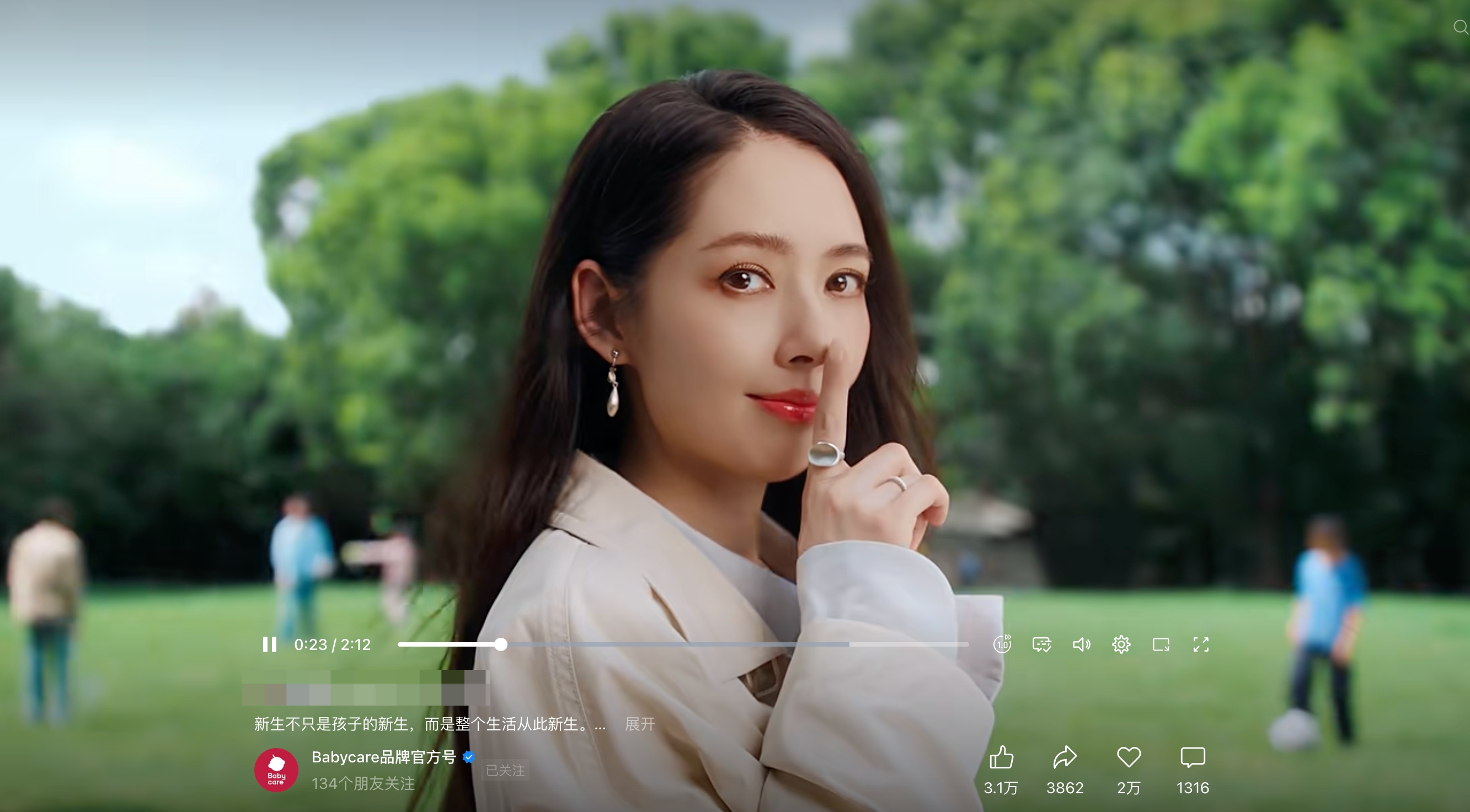
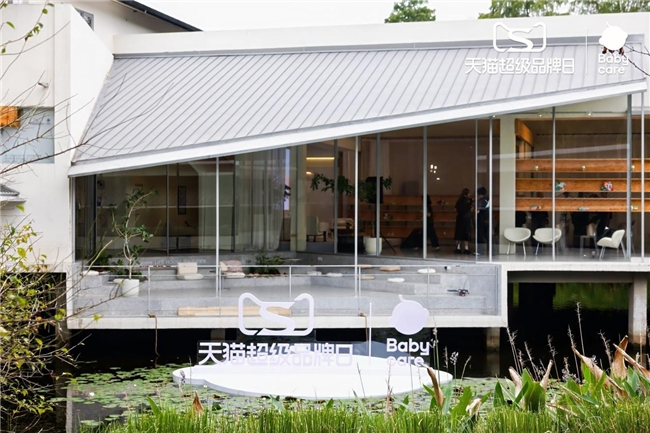
基于这一时代变化,2026年Babycare迎来关键品牌升级节点。依托9月天猫超级品牌日,Babycare携手品牌代言人郭碧婷完成升级后首次全域大规模发声,正式确立“生活有新生”全新品牌定位、发布“新生活 自有答案”核心主张,正式从“母婴品类品牌”向“新一代育儿家庭的生活方式品牌”全面升维。截至发稿,《生活有新生》品牌TVC全网曝光5亿+。不止完成一次品牌声量破圈,更提出了一个值得全社会思考的问题:新一代妈妈,到底该怎么过好属于自己的新生活?

打破刻板偏见,一场属于新时代的育儿观念革新

长期以来,传统母婴行业深陷固化标签,育儿被默认为母亲的专属责任,“母职惩罚”“自我牺牲”成为束缚当代妈妈的刻板枷锁。为打破行业固有偏见与社会认知误区,Babycare率先发起母婴“去性别化”革新行动,以细微却有力的改变,引领全民育儿理念升级。

从“妈咪包”更名“育儿包”,到“母婴室”统一更名为“育婴室”,两个简单的名称调整,重构的是大众对育儿的底层认知。Babycare用行动证明,育儿从来不是女性的单人任务,而是整个家庭的共同担当,撕掉性别化标签,才能让育儿回归平等、共担、从容的本质。Babycare真正想推动的,是从理念层面发生的改变。

这种理念,在内容层面被讲得更透。一个TVC、两场对谈,“生活有新生”从容出圈。

基于全新育儿理念,Babycare重磅上线品牌TVC,以代言人郭碧婷为核心,直面当代妈妈面临的世俗偏见,用温柔却有力量的声音给出态度:“我们有当妈妈的本事,就能让整个生活重生一次。”这支TVC精准捕捉了新一代妈妈面临的结构性困境:全世界都在教她怎么当妈妈,却没人问她想过怎样的生活。

与此同时,欧阳妮妮与陈妍希的对谈在小红书率先引爆话题。两位新生代妈妈以真实的育儿经历、差异化的生活方式互为镜像,让品牌主张从一句slogan变成可被感知的真实故事。在一次次内容对话中,育儿正在完成三重蜕变:从被动承受的母职惩罚,变为全家参与的育儿共担;从上对下的俯视管教,变为平等温柔的双向平视;从牺牲自我的付出式育儿,变为亲子同行的共同成长。

育儿,正在成为一种新的生活方式。

不止理念升级,更是从产品到服务的全线升级

此次品牌升级,Babycare跳出概念化营销,以“有效设计”为核心准则,从创新体验、科学配方、卓越品质、现代美学四大维度,完成全线产品升级,重构当代家庭的育儿体验。

“有效设计”不是功能堆砌,而是从真实育儿场景出发,把需求转化为有感的体验。以AI玩具为例,Babycare深耕亲子互动场景,打造出兼具科技感与温度的AI智能育儿玩具系列。旗下AI天才小狗、AI天才小丑鸭颠覆传统玩具模式,通过“AI+电动+毛绒”的创新组合,将互动回复时间精准控制在1.8-2.2秒,拟合家人温柔回应的节奏。产品整合多重大模型能力,搭载长期记忆与专属互动人格,仅摸头动作就设计200余种随机回应,还可完成倒立、俯卧撑、舞蹈等精细动作。这背后是对“陪伴感”的精确拆解:孩子需要的不是完美应答,而是被回应的安全感。

这种较真,也藏在看不见的地方。Babycare秉持高于国标的严苛品控,坚持“比妈妈更挑剔”的研发态度,联合30余家全球顶尖材料科学巨头深度共创,从原料源头筑牢品质壁垒。同时,品牌摒弃传统母婴产品陈旧刻板的设计风格,以简约高级的现代美学语言,让母婴产品适配家居审美,融入家庭日常生活,告别“幼稚化、同质化”的母婴产品刻板印象,让育儿用品也能匹配新一代家庭的生活审美。

除产品力迭代外,Babycare正打破传统会员“权益兑换”的浅层模式,转型为“真正陪伴新一代家庭成长的会员体系”。

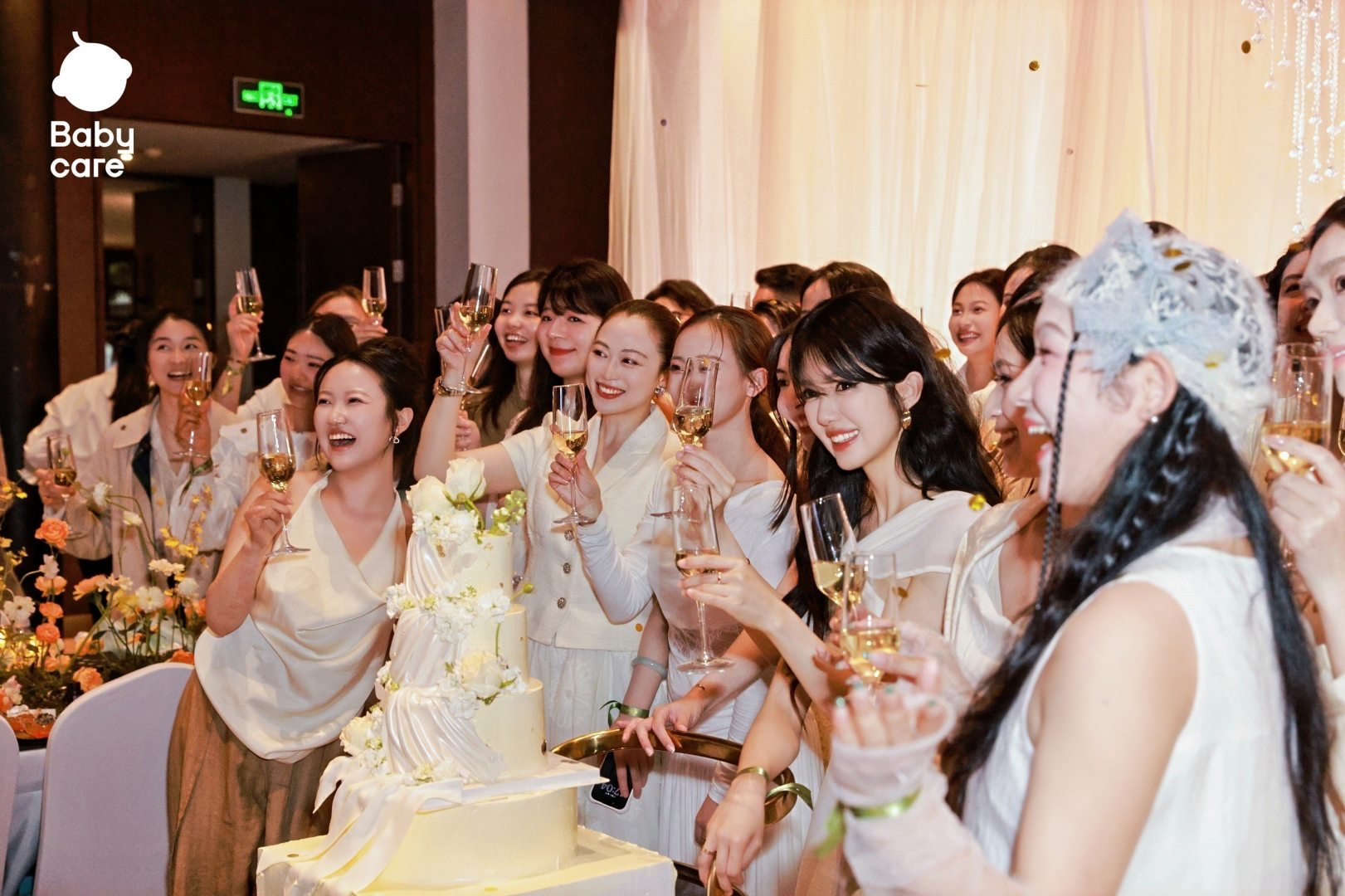
在9月20日举办的「Babycare LIFE HOUSE新生活节」上,Babycare正式宣布会员体系全面升级,此次升级不只是增加更多权益,而是围绕家庭成长中的真实需求,重新思考会员服务的价值。

身份上,新增铂金会员,形成白卡、金卡、铂金卡、黑卡四级会员成长体系,以专属礼遇记录每一步成长;参与上,通过新品内测、产品体验及共创交流,让会员的真实需求更早进入产品设计过程;体验上,持续推出会员盛典、开放日、Mama Club亲子研学等活动,为用户打开更多社交生活体验;服务上,推出尿裤尺码随心换、洗护防敏安心退、纸品退换品质保等售后服务,减少会员育儿中的琐碎负担;陪伴上,打造会员专属成长IP「520崽」,和宝宝见证成长路上的每一个珍贵瞬间,并通过顾问式育儿师及AI 24小时服务,回应不同阶段的育儿问题。

通过此次升级,Babycare将会员服务从消费权益进一步延伸至产品共创、亲子体验、售后保障与长期育儿支持,构建覆盖家庭成长不同阶段的会员服务体系。未来,Babycare还将持续完善会员服务内容,为更多母婴家庭提供更具针对性和持续性的育儿支持。

“这是我们为当代妈妈搭建的同频共生、自我成长的专属阵地。”Babycare CGO Lillian表示,Babycare希望和妈妈一起找到一种新的育儿生活方式,让育儿不再是一个人的单打独斗,而是一群人的结伴同行。

从品类品牌到生活方式品牌,夯实长期价值护城河

从单一产品迭代到全场景服务升级,Babycare已然完成了从品类品牌到生活方式品牌的价值跃迁,构建起难以复制的品牌护城河。Babycare的全品类布局,不是一个“卖更多产品”,而是让产品覆盖各个阶段与生活场景,更完整地服务一个家庭,提供一站式体验。

本次升级的核心,是品牌人群、价值、体验的全方位升维。拆开来看,是一条清晰的主线。Babycare不再只聚焦“谁在购买产品”,而是深度洞察新一代育儿家庭的生活内核——当代父母拒绝照搬上一代的育儿标准答案,不愿因父母身份牺牲自我生活品质,渴望在育儿与自我之间找到平衡,自主定义专属家庭的生活方式。

基于用户核心需求,Babycare重新诠释“生活有新生”的深层内涵:新生,从来不止是孩子的成长新生,更是妈妈的自我新生、家庭关系的全新重构。孩子的到来,为生活注入全新可能,也让父母在全新身份、全新体验、全新关系中,遇见更好的自己。

如今,“Babycare妈妈”已然成为一种独立、松弛、自信的生活标签。用户选择Babycare,不再只是认可产品的品质与设计,更是认同品牌尊重自我、平等育儿、自主成长的核心价值观。在母婴行业同质化竞争的当下,Babycare跳出“解决育儿痛点”的单一赛道,以全品类产品矩阵、全生命周期服务、深度价值共鸣,陪伴新一代家庭打破固有束缚,勇敢拥抱新生活。

那么,回到最初的问题,新一代妈妈怎么过好新生活?Babycare的回答是:不替父母定义答案,而是以更好的产品与体验,支持他们创造自己的家庭生活。

育儿无标准答案,生活自有万千可能。2026年Babycare品牌全新升级,以极致产品、暖心服务、先锋理念,陪伴每一位新一代父母,挣脱偏见、接纳自我、自在成长。未来,Babycare将持续坚守初心,以有效设计赋能育儿生活,以长期价值陪伴万千家庭,让每一次新生,都成就更美好的生活,让每一种热爱生活的育儿方式,都闪闪发光。

注:文/龚作仁,文章来源:Laborer,本文为作者独立观点,不代表亿邦动力立场。

文章来源:Laborer

广告
微信
朋友圈

FAQ回顾

Babycare2026年品牌升级后的全新定位是什么?

2026年Babycare完成品牌升级,正式从母婴品类品牌转型为服务新一代育儿家庭的生活方式品牌,确立“生活有新生”品牌定位,提出“新生活 自有答案”核心主张,倡导平等共担、尊重自我的新型育儿理念。

Babycare为打破育儿性别刻板印象推出了哪些举措?

Babycare率先发起母婴“去性别化”革新行动,将传统称谓“妈咪包”更名为“育儿包”,“母婴室”统一更名为“育婴室”,通过称谓调整重构大众认知,传递育儿是家庭共同责任、而非女性单人任务的理念。

Babycare的AI智能育儿玩具有哪些功能特点?

Babycare推出的AI智能育儿玩具采用“AI+电动+毛绒”创新组合,互动回复时间控制在1.8-2.2秒以拟合家人回应节奏,搭载大模型能力、长期记忆与专属互动人格,单摸头动作就有200余种随机回应,可完成倒立、舞蹈等精细动作,主打有安全感的陪伴。

Babycare升级后的会员体系有哪些服务内容?

Babycare升级后的会员体系设置白卡、金卡、铂金卡、黑卡四级成长体系,服务覆盖新品共创、亲子社交活动、尿裤尺码随心换等售后保障、专属成长IP、24小时AI及育儿师咨询,可全周期陪伴育儿家庭成长。

这么好看,分享一下?

朋友圈 分享

APP内打开

赞 +1
+1
微信好友 朋友圈 新浪微博 QQ空间
关闭
收藏成功
发送
/140 0