广告
加载中

GaLaBau 2026观察:MOVA园林工具深化Dealer渠道 专业园林加速迈向AI智能时代

龚作仁 2026-09-21 19:34
龚作仁 2026/09/21 19:34

邦小白快读

EN
全文速览

本文记录了2026年德国纽伦堡GaLaBau欧洲城市绿化与景观建设展上,园林工具品牌MOVA的参展动作与专业园林工具行业的最新发展动态,普通读者可从中获取实用的行业信息与工具选型参考。

1. 可了解园林工具的智能化升级进展,目前面向大面积草坪场景的智能无人骑乘割草机已落地应用,产品既支持人工驾驶操作,也能依托多维环境感知、智能路径规划技术自主完成作业,还可实现定制化草纹效果,适配高端庭院、庄园、物业绿地等大场景的养护需求。

2. 能掌握专业园林工具的实用选型逻辑,当前成熟的园林工具已形成覆盖20V、40V、60V电压层级的完整产品矩阵,覆盖修剪、吹扫、切割、割草、清雪等高频作业场景,针对硬木切割、重杂物清扫、长时间绿篱修剪等重负载需求,可对应选择60V档位的专用工具。

3. 选型时不要仅参考静态参数,工具在真实复杂场景下的连续作业稳定性、操作减震设计、多设备协同能力,才是决定长期使用体验的核心指标。

本文披露的MOVA园林工具参展拓市的完整动作,能为同赛道品牌提供渠道建设、产品研发、用户沟通层面的可落地参考经验。

1. 渠道建设层面,专业园林工具品牌拓展欧洲专业市场时,Dealer渠道是核心抓手,渠道方的长期合作意愿不只取决于单一爆品的短期吸引力,更看重品牌是否具备完整产品矩阵、持续新品供给能力、覆盖多元终端需求的品类空间,品牌可通过“传统工具矩阵+智能核心新品”的协同组合,为渠道商提供更大的经营空间,降低渠道拓展阻力。

2. 产品研发层面,当前专业用户的需求已经从追求单一工具的性能参数,转向需要覆盖不同作业场景、全时间维度的整体解决方案,研发方向要兼顾传统工具的场景适配性与智能化升级,比如骑乘割草机要融合人工操作与AI自主作业能力,传统手持工具要针对高负载场景优化动力,加入减震、防静电等实用设计。

3. 用户沟通层面,可借鉴户外实机动态展示的方式,让专业用户直观感受真实作业状态下的产品表现,比单纯的室内参数展示更能获取用户信任。

本文传递的欧洲专业园林工具市场的需求变化、头部品牌的渠道拓展动作,能为跨境及本土园林工具卖家提供明确的机会提示与经营参考。

1. 需求变化层面,当前欧洲专业园林市场的采购逻辑已经发生转变,客户不再满足于采购单一高性能工具,更倾向于选择覆盖全作业场景的整体解决方案,其中兼顾人工操作与AI自主作业能力的智能割草设备、覆盖多电压层级的成套园林工具,是当前专业用户、渠道商关注度最高的品类。

2. 经营机会层面,德国及东北欧市场对高效、可靠、易维护的锂电园林工具,以及适配庄园、公共绿地、农场养护场景的智能割草设备存在明确刚性需求,卖家可提前布局对应品类,匹配本地家庭、物业、园林工程公司、农场类客户的养护需求。

3. 可借鉴的经营思路,不要仅靠单一爆品引流,要搭建覆盖修剪、吹扫、切割、清雪、智能割草的完整产品组合,为客户提供场景化解决方案,同时可通过实机体验的方式强化客户信任;目前MOVA等品牌正面向欧洲Dealer渠道拓展合作,卖家可关注对应合作政策,对接优质品牌货源。

本文传递的专业园林工具市场需求方向、头部品牌的产品布局逻辑,能为园林工具生产工厂提供明确的产品设计方向与商业合作机会参考。

1. 产品设计与生产层面,可围绕三类明确需求优化产品线:一是搭建覆盖20V、40V、60V电压层级的全品类园林工具矩阵,覆盖修剪、吹扫、切割、割草、清雪等高频作业场景,重点强化60V高电压档位产品的性能,链锯要满足30cm硬木连续切割需求,吹风机要适配湿树叶、碎石等重杂物清扫场景、可搭载静电中和系统,绿篱机要配备悬浮减震结构降低长时间作业的振动负担。二是布局智能化产品线,在骑乘类割草设备上融入多维环境感知、智能路径规划、障碍识别、无人驾驶技术,兼顾人工操作与自主作业功能,增加定制化草纹等实用设计。三是产品研发要优先保障真实复杂场景下的连续作业稳定性,而非单纯堆砌静态参数。

2. 商业机会层面,当前布局欧洲专业市场的品牌正在系统化拓展Dealer渠道,对具备全品类锂电工具、智能割草设备生产能力的工厂存在供应链合作需求,工厂可主动对接相关品牌,洽谈代工、联合开发等合作。

本文披露的专业园林工具行业智能化、成套化发展趋势,以及产业链各环节的真实痛点,能为园林赛道的各类服务商提供清晰的业务方向参考。

1. 行业发展趋势层面,专业园林领域正加速迈向AI智能时代,技术应用正在从传统的单机性能优化,延伸到作业全流程的智能化,具备环境感知、智能路径规划、自主作业能力的智能设备,覆盖全场景的成套锂电工具,会成为未来市场的主流产品方向。

2. 客户痛点层面,当前品牌商拓展海外Dealer渠道时,存在场景化展示能力不足、本地用户体验触点缺失的问题;渠道商与专业用户采购时,难以通过静态参数判断设备在复杂户外场景下的连续作业稳定性、多设备协同能力;终端用户使用高负载工具时存在振动负担大、干燥多尘环境下静电影响作业等实际痛点。

3. 可落地的服务方向,服务商可为品牌提供海外展会动态体验区搭建、本地实机体验活动策划服务,针对智能园林工具场景提供AI算法优化、感知模块适配的技术服务,也可面向渠道商提供成套产品组合的落地培训、售后运维服务。

本文传递的园林工具品类智能化、成套化的发展风向,以及品牌拓渠、卖家经营的实际需求,能为跨境电商平台、专业品类垂直平台提供运营与招商方向参考。

1. 品类运营风向层面,平台需提前捕捉专业园林工具的消费升级趋势,重点扶持三类赛道商家:一是售卖覆盖20V、40V、60V全电压层级成套锂电园林工具的商家,二是售卖搭载AI自主作业、无人驾驶功能的智能骑乘割草机等智能化园林设备的商家,三是能针对庄园、物业、公共绿地、农场等专业场景提供整体养护解决方案的商家。

2. 平台服务优化方向,针对园林工具类专业产品客单价高、决策链路长的特点,可设置场景化展示专区,通过真实作业视频、实测评测内容替代单一参数展示,降低专业用户的决策成本;针对拓展Dealer渠道的品牌,可开辟B端采购专区,匹配欧洲本地经销商、连锁商超采购、园林工程公司等B端客户资源。

3. 招商层面,可重点引入具备全品类园林工具供给能力、智能产品研发能力的品牌,完善平台的品类覆盖,为B端、C端客户提供更完整的产品选择。

本文记录的GaLaBau 2026展会中的品牌动作、渠道反馈与产品趋势,为园林工具产业研究提供了来自一线展会的鲜活观察样本。

1. 产业新动向层面,全球专业园林工具产业正呈现两个明确的演化方向:一是产品端加速融合AI技术,作业模式从“人驾驶机器”向“机器自主作业”延伸,智能路径规划、环境感知、无人驾驶等技术正在快速融入骑乘割草机等传统专业设备,产品体系覆盖从日常手工维护到智能自主作业的全场景;二是渠道端的评估逻辑发生本质变化,Dealer渠道对品牌的判断标准从单一产品的短期竞争力,转向品牌的完整产品组合供给能力、持续新品迭代能力、能为渠道提供的长期经营空间。

2. 商业模式创新层面,当前头部品牌正在探索“多层级工具矩阵+智能核心单品”的协同模式,通过成套产品为渠道提供更大的品类经营空间,为专业用户提供覆盖全作业场景的整体解决方案,替代过去靠单一爆品拓市的传统模式。

3. 市场发展层面,欧洲专业园林市场对适配本地场景的高性能锂电工具、智能化作业设备存在明确需求,具备全品类供给与智能技术优势的品牌正通过专业展会切入海外专业Dealer渠道,成为全球园林工具市场的重要参与力量。

返回默认
声明:快读内容全程由AI生成,请注意甄别信息。如您发现问题,请发送邮件至 run@ebrun.com 。

我是 品牌商 卖家 工厂 服务商 平台商 研究者 帮我再读一遍。

Quick Summary

This article covers garden tool brand MOVA’s exhibition activities at GaLaBau 2026, Europe’s leading urban greening and landscape construction trade show held in Nuremberg, Germany, as well as the latest developments in the professional garden tool sector, offering practical industry insights and tool selection guidance for general readers.

1. Readers can learn about the progress of intelligent upgrades for garden tools. Autonomous ride-on mowers designed for large lawn areas are now commercially available: these models support manual operation, while also leveraging multi-dimensional environmental sensing and intelligent path planning technologies to complete tasks independently, and can create customized grass patterns to meet the maintenance needs of high-end residential yards, estates, and commercial property green spaces.

2. Readers will gain practical selection logic for professional garden tools. Mature product lines currently form a complete matrix spanning 20V, 40V, and 60V voltage tiers, covering high-frequency work scenarios including trimming, blowing, cutting, mowing, and snow removal. For heavy-duty tasks such as hardwood cutting, heavy debris clearing, and extended hedge trimming, 60V-tier dedicated tools are the appropriate choice.

3. When selecting tools, purchase decisions should not rely solely on static specifications. Core metrics that determine long-term user experience include continuous operation stability in real, complex scenarios, vibration-dampening design, and multi-device interoperability.

This article details MOVA’s full set of market expansion moves at the trade show, providing actionable references for peer brands across channel development, product R&D, and user engagement.

1. For channel development: When expanding into Europe’s professional garden tool market, dealer networks are the core growth lever. Dealers’ long-term partnership willingness does not depend solely on the short-term appeal of a single hit product; they prioritize whether a brand has a complete product matrix, sustained new product supply capacity, and a category portfolio covering diverse end-user needs. Brands can reduce channel expansion friction by using a coordinated portfolio of “traditional tool matrix + core intelligent new products” to deliver greater business upside for dealers.

2. For product R&D: Professional user demand has shifted from pursuing performance specs of individual tools to end-to-end solutions covering all work scenarios across full operational timelines. R&D roadmaps should balance scenario adaptability for traditional tools and intelligent upgrades: for example, ride-on mowers should integrate both manual operation and AI-enabled autonomous work capabilities, while traditional handheld tools should optimize power output for high-load scenarios and add practical features such as vibration dampening and anti-static design.

3. For user engagement: Brands can draw on the approach of live outdoor machine demonstrations, which allow professional users to directly observe product performance under real working conditions. This method builds user trust far more effectively than static indoor spec displays.

This article outlines shifting demand in Europe’s professional garden tool market and leading brands’ channel expansion moves, providing clear opportunity signals and operational guidance for cross-border and local garden tool sellers.

1. On demand shifts: Purchasing logic in Europe’s professional garden market has evolved. Buyers no longer settle for individual high-performance tools, and instead prefer end-to-end solutions covering all operational scenarios. The highest-interest categories among professional users and dealers currently include intelligent mowing equipment that combines manual operation and AI autonomous work capabilities, as well as full garden tool sets spanning multiple voltage tiers.

2. On business opportunities: Germany and Northern Europe have clear, rigid demand for high-efficiency, reliable, easy-to-maintain lithium-ion battery garden tools, as well as intelligent mowing equipment suited for estate, public green space, and farm maintenance scenarios. Sellers can build out inventory in these categories ahead of demand to serve local residential, property management, landscaping contractor, and farm clients.

3. On actionable operational strategies: Sellers should avoid relying solely on single hit products for traffic, and instead build a complete product portfolio covering trimming, blowing, cutting, snow removal, and intelligent mowing to deliver scenario-based solutions for clients. Live product trials can also be used to strengthen customer trust. Notably, brands including MOVA are currently recruiting dealer partners across Europe, so sellers can monitor relevant partnership policies to access high-quality brand supply.

This article outlines demand directions in the professional garden tool market and leading brands’ product layout logic, providing clear product design guidance and commercial partnership references for garden tool manufacturers.

1. For product design and production: Manufacturers can optimize their product lines around three clear demand streams. First, build a full-category garden tool matrix spanning 20V, 40V, and 60V voltage tiers, covering high-frequency scenarios including trimming, blowing, cutting, mowing, and snow removal, with a focus on upgrading performance for 60V high-voltage products: chainsaws should support continuous cutting of 30cm-diameter hardwood, blowers should be capable of clearing heavy debris such as wet leaves and gravel and compatible with static neutralization systems, and hedge trimmers should be fitted with suspended vibration-dampening structures to reduce user fatigue during extended operation. Second, develop intelligent product lines: integrate multi-dimensional environmental sensing, intelligent path planning, obstacle recognition, and unmanned driving technologies into ride-on mowing equipment, support both manual operation and autonomous work functions, and add practical features such as customized grass pattern creation. Third, prioritize R&D that guarantees continuous operation stability in real, complex scenarios, rather than simply stacking static performance parameters.

2. On commercial opportunities: Brands expanding into Europe’s professional market are systematically building out dealer networks, creating supply chain partnership demand for manufacturers capable of producing full-category lithium-ion tools and intelligent mowing equipment. Factories can proactively reach out to relevant brands to discuss OEM manufacturing, joint development, and other cooperation models.

This article covers the intelligentization and full-set product trends in the professional garden tool sector, as well as real pain points across the industry value chain, providing clear business direction references for service providers operating in the garden equipment space.

1. On industry trends: The professional garden sector is accelerating into the AI-enabled intelligent era. Technology application is expanding from traditional single-machine performance optimization to end-to-end intelligent operation across full work workflows. Intelligent equipment with environmental sensing, intelligent path planning, and autonomous operation capabilities, as well as full-scenario sets of lithium-ion tools, will become the mainstream product direction in the future market.

2. On client pain points: When expanding overseas dealer networks, brands currently face gaps in scenario-based demonstration capabilities and lack local user experience touchpoints. When making procurement decisions, dealers and professional users struggle to assess equipment’s continuous operation stability in complex outdoor scenarios and multi-device interoperability based solely on static parameters. End users face practical pain points including high vibration fatigue when using heavy-duty tools, and static electricity disruptions in dry, dusty operating environments.

3. On actionable service directions: Service providers can offer brands support in building dynamic experience zones at overseas trade shows and planning local live product trial events. For intelligent garden tool scenarios, providers can deliver technical services including AI algorithm optimization and sensing module adaptation. They can also provide dealers with training for full product portfolio rollout and after-sales operation and maintenance services.

This article outlines the intelligentization and full-set product development trends in the garden tool category, as well as the practical needs of brands expanding channels and sellers operating in the space, providing operational and merchant recruitment guidance for cross-border e-commerce platforms and vertical category-specific platforms.

1. On category operation trends: Platforms should identify consumption upgrade trends in professional garden tools early, and prioritize support for three types of merchants: first, merchants selling full sets of lithium-ion garden tools covering all 20V, 40V, and 60V voltage tiers; second, merchants selling intelligent garden equipment such as AI-enabled autonomous ride-on mowers with unmanned operation functions; third, merchants capable of providing end-to-end maintenance solutions for professional scenarios including estates, commercial properties, public green spaces, and farms.

2. On platform service optimization: Given the high average order value and long decision-making cycle for professional garden tool products, platforms can set up scenario-based display zones that use real operation videos and hands-on review content to replace static spec displays, reducing decision-making costs for professional users. For brands expanding dealer channels, platforms can launch dedicated B2B procurement zones to connect brands with B2B clients including local European distributors, chain retail procurement teams, and landscaping contractors.

3. On merchant recruitment: Platforms can prioritize onboarding brands with full-category garden tool supply capacity and intelligent product R&D capabilities to improve category coverage, and provide more complete product selections for both B2B and consumer clients.

This article documents brand activities, channel feedback, and product trends observed at GaLaBau 2026, providing first-hand, on-the-ground observation samples for research on the garden tool industry.

1. On new industry dynamics: The global professional garden tool sector is showing two clear evolutionary directions. First, products are accelerating integration of AI technologies, with operating models expanding from “human-operated machines” to “machine autonomous operation”: technologies including intelligent path planning, environmental sensing, and unmanned driving are being rapidly integrated into traditional professional equipment such as ride-on mowers, with product systems covering full scenarios from daily manual maintenance to intelligent autonomous operation. Second, the evaluation logic of dealer channels has fundamentally shifted: dealers now assess brands based not on the short-term competitiveness of a single product, but on the brand’s ability to supply a complete product portfolio, sustain iterative new product launches, and deliver long-term business upside for channel partners.

2. On business model innovation: Leading brands are currently exploring a coordinated model of “multi-tier tool matrix + core intelligent flagship products”, using full product sets to provide dealers with greater category operating space and professional users with end-to-end solutions covering all work scenarios, replacing the traditional model of market expansion relying on a single hit product.

3. On market development: Europe’s professional garden market has clear demand for high-performance lithium-ion tools and intelligent operation equipment adapted to local scenarios. Brands with advantages in full-category supply and intelligent technology are using professional trade shows to enter overseas professional dealer networks, emerging as key participants in the global garden tool market.

Disclaimer: The "Quick Summary" content is entirely generated by AI. Please exercise discretion when interpreting the information. For issues or corrections, please email run@ebrun.com .

I am a Brand Seller Factory Service Provider Marketplace Seller Researcher Read it again.

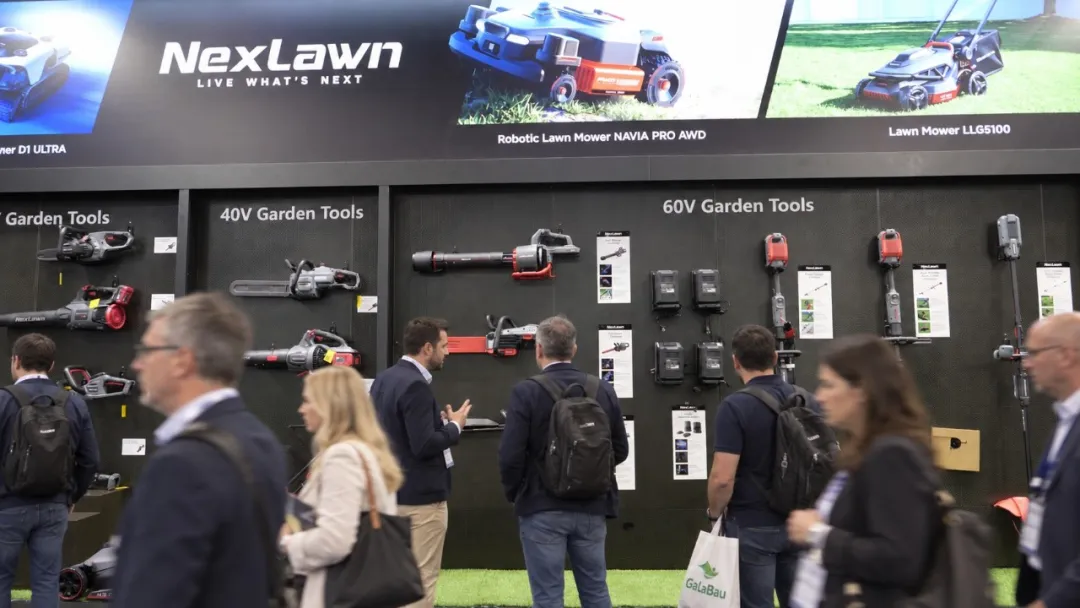
9月15日至18日,欧洲城市绿化与景观建设专业展GaLaBau 2026在德国纽伦堡举行。MOVA园林工具携覆盖20V、40V、60V的多层级园林工具矩阵及智能割草机产品亮相,进一步面向欧洲Dealer渠道及专业园林市场展开拓展。

展会期间,来自德国及欧洲其他市场的经销商、渠道商和专业用户围绕智能草坪管理、产品组合、专业场景适配及后续渠道合作等话题与MOVA园林工具展开交流。

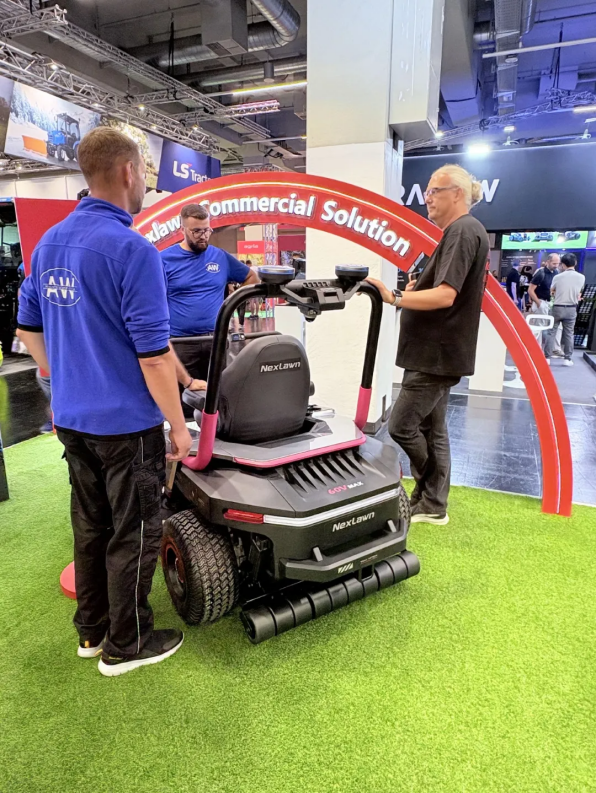
一位德国专业庭院工具经销商负责人在体验智能无人骑乘割草机后表示,该产品既可以由用户自行驾驶,也能够自主完成大面积草坪作业,并实现定制化草纹效果,这类兼顾人工操作与自主作业的智能化能力,更符合实际应用需求。

对于产品矩阵的渠道价值,一位欧洲专业园林设备Dealer负责人表示,相较于单一产品,完整的园林工具矩阵叠加智能割草机,可以覆盖更多终端需求,也为Dealer提供更大的品类经营空间。

另有德国头部连锁商超工具类目采购经理表示,专业用户需要的已经不只是单一性能更强的工具,而是能够覆盖不同作业场景及时间维度的整体解决方案。

首次发力Dealer渠道,园林工具与智能割草机协同拓展专业市场

此次GaLaBau,MOVA园林工具的一项重点动作,是进一步面向欧洲Dealer渠道展开系统化拓展。

对于Dealer渠道而言,单一明星产品可以形成阶段性关注,但长期经营还取决于品牌能否形成完整的产品组合、持续的新品供给能力,以及覆盖更多终端需求的品类空间。

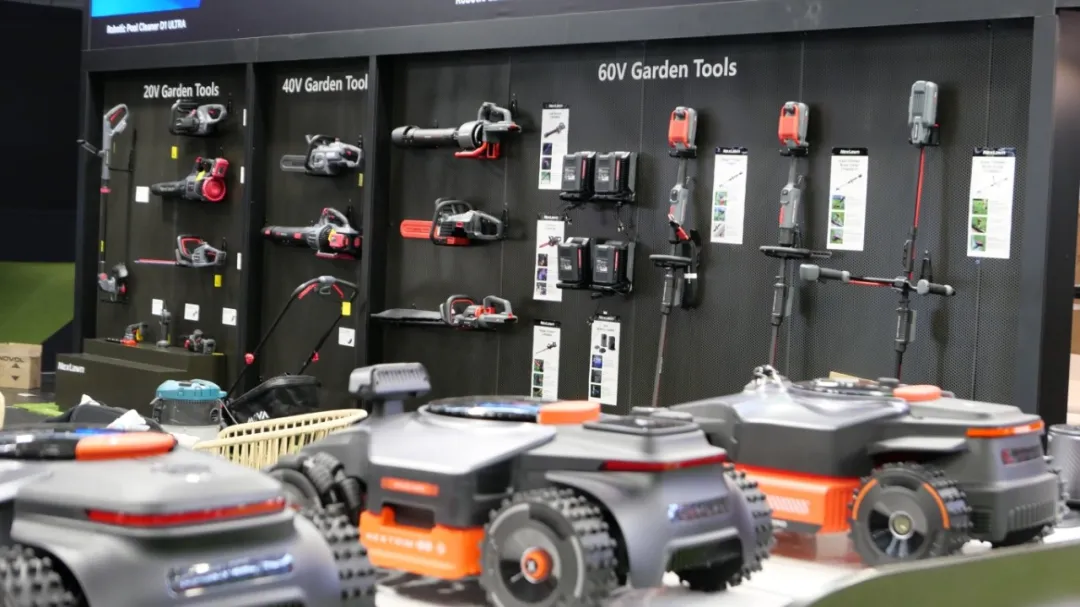
围绕这一方向,MOVA园林工具此次集中展示覆盖20V、40V、60V的多层级园林工具矩阵,并与智能割草机产品协同呈现。现场交流也从单一产品体验,进一步延伸至市场落地和渠道合作。

其中,园林工具覆盖修剪、吹扫、切割、割草、清雪等高频作业场景,智能割草机则进一步进入智能草坪管理领域。两类产品共同组成从日常园林维护到智能草坪管理的产品组合。

对于渠道而言,这种协同模式意味着面向终端用户时,不再局限于单一设备,而能够围绕不同园林作业需求提供更完整的产品选择。

通过GaLaBau这一专业渠道窗口,MOVA园林工具也在尝试将“园林工具矩阵+智能割草机”的协同模式带入更多欧洲Dealer体系,进一步拓展专业园林零售渠道。

智能无人骑乘割草机切入大面积草坪管理

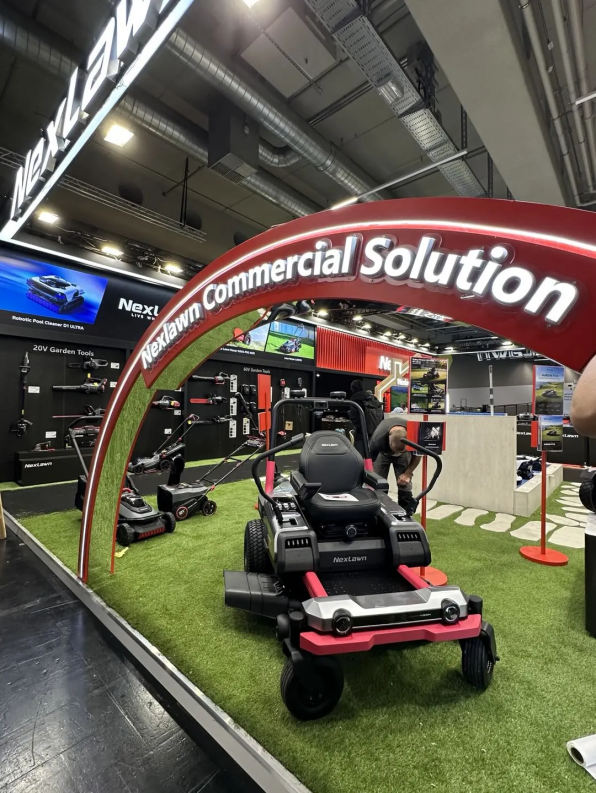
智能无人骑乘割草机是此次展会受到较多关注的产品之一。

大面积草坪维护是专业园林作业中耗时较长、重复度较高的一类工作。传统骑乘式设备可以提高作业效率,但仍需要人员持续驾驶。

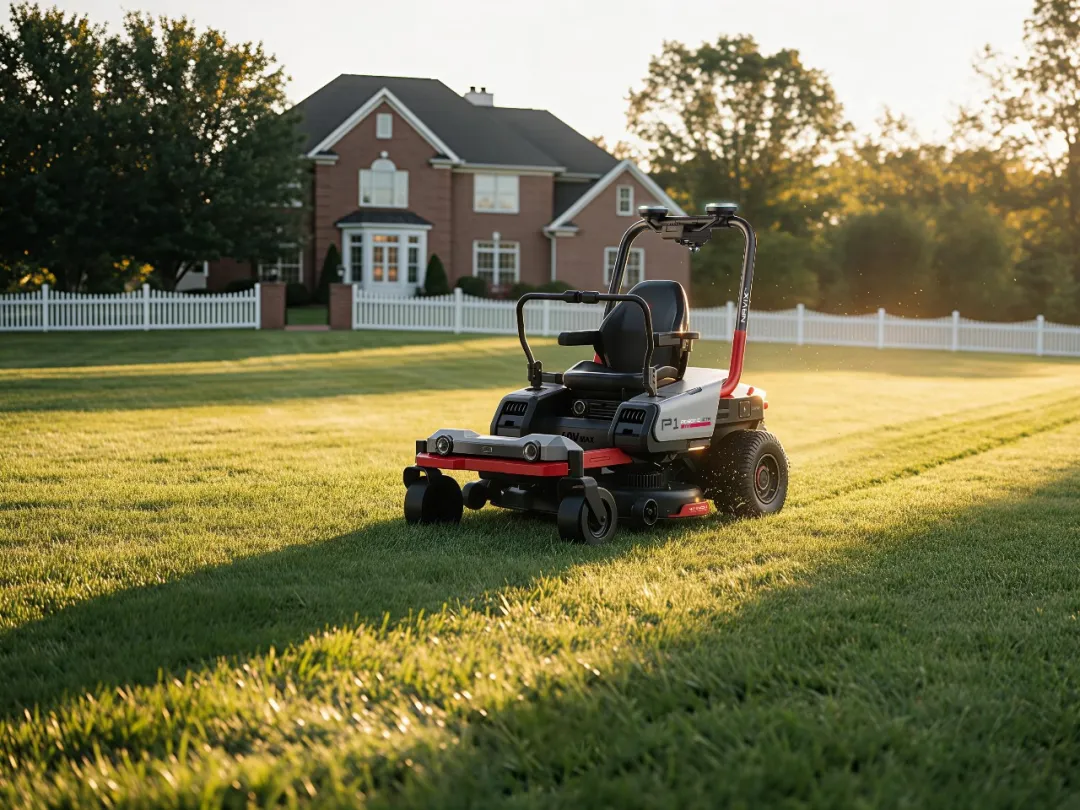
不同于主要面向固定庭院区域日常维护的小型割草机器人,MOVA园林工具此次展示的产品将无人驾驶、智能路径规划与精准割草能力融入骑乘割草机形态,尝试推动大面积草坪管理从“人驾驶机器”向“机器自主作业”延伸。

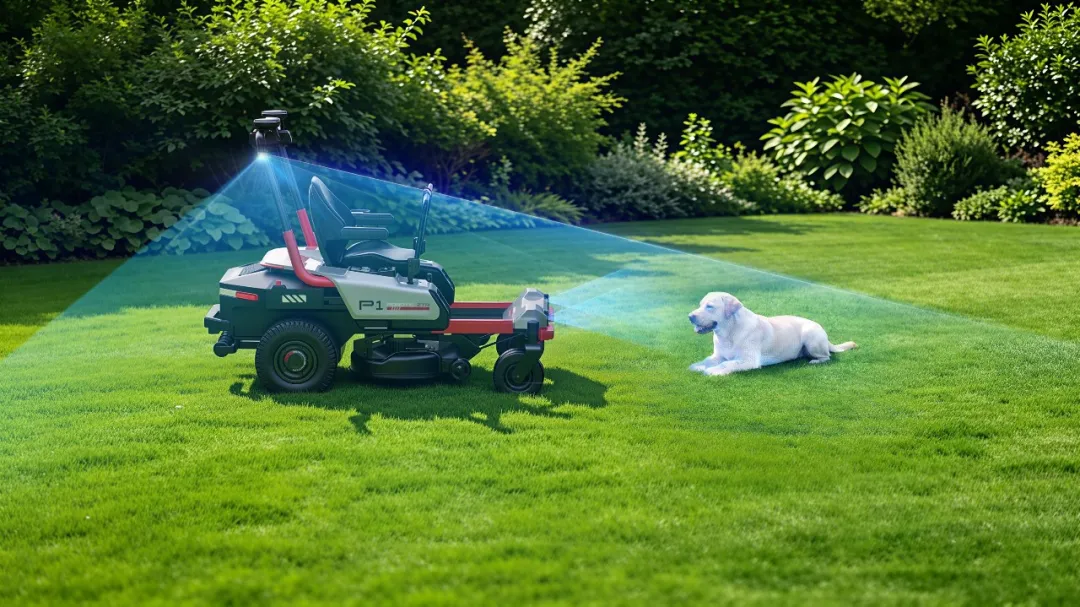
据MOVA园林工具介绍,该产品通过多维环境感知与智能算法,实现精准定位、建图、智能路径规划及全方位障碍感知,为骑乘割草机提供自主作业所需的“感知—定位—决策—执行”能力。

在实际使用中,用户既可以进行人工骑乘操作,也可以在无人驾驶模式下将大面积草坪作业交由设备自主完成。配合个性化草坪条纹功能,产品还可针对不同草坪养护需求呈现定制化作业效果。

从智能路径规划、自动化行驶到定制草纹,人工智能技术正在逐步进入园林工具的实际作业流程。对于高端家庭庭院、庄园草坪、物业绿地以及开放式草地管理等场景而言,这类技术也为大面积草坪管理提供了新的作业方式。

走出展墙,进入真实作业场景

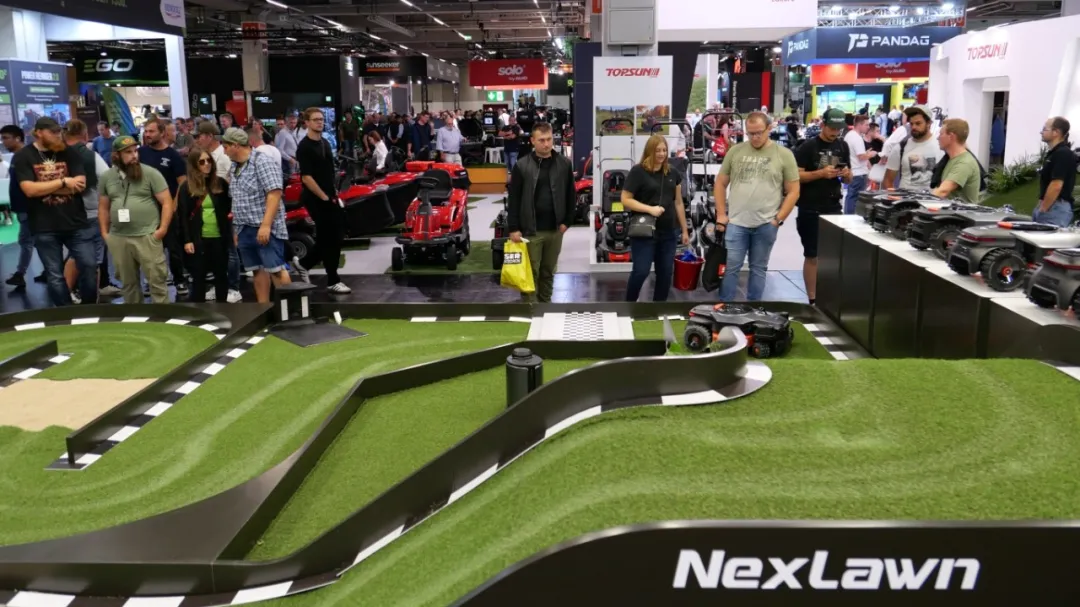
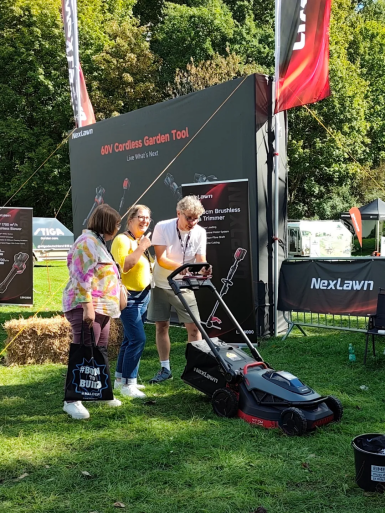
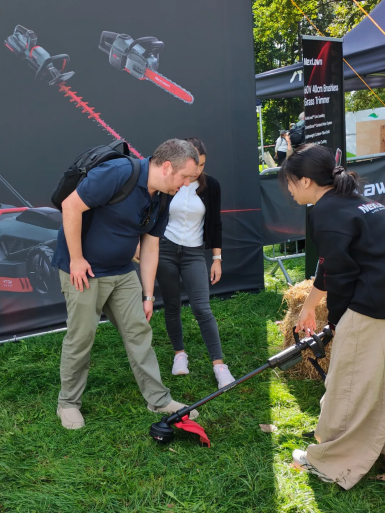
除室内产品展示外,此次GaLaBau还设置了户外动展区域。

MOVA园林工具将60V旗舰系列园林工具带入户外实机动展体验区域,通过现场操作,让专业观众直接观察产品在真实工作状态下的动力输出、操控表现与作业效率。

对于园林公司、景观维护团队、农场和物业等专业用户而言,设备通常需要面对长时间连续作业、不同植被状态以及复杂户外环境。因此,相较于静态参数,工具在实际使用中的操控、连续作业稳定性以及不同设备之间的协同能力,也是专业用户关注的重要因素。

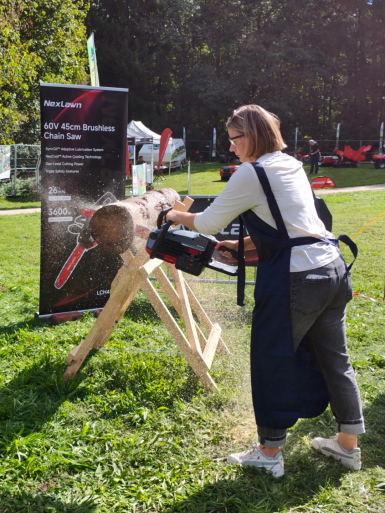
此次户外动展中,60V链锯、吹风机和绿篱机是现场体验较多的产品。

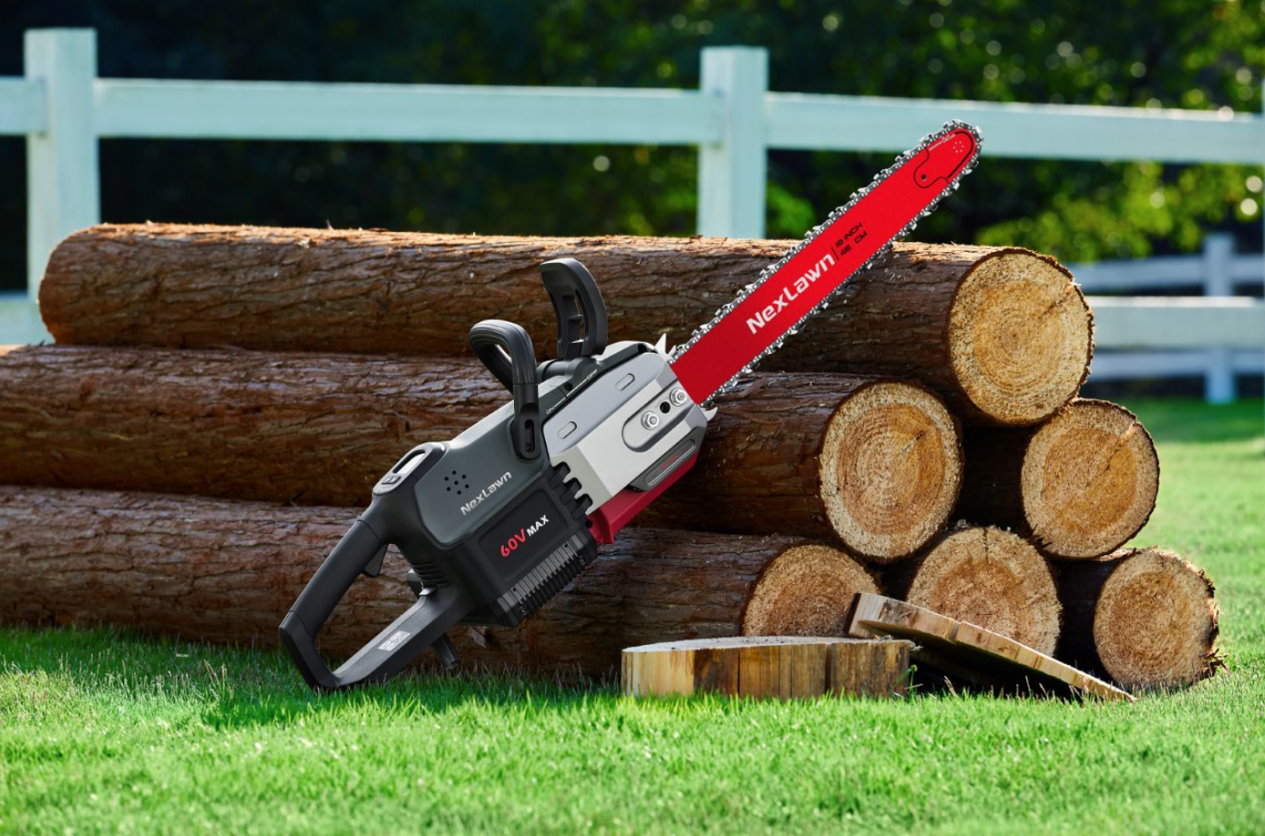
其中,60V链锯针对高负载切割场景,搭载3600W外转子无刷电机,链速最高可达26m/s,面向约30cm硬木以及树木修整、粗枝切割等连续作业场景。

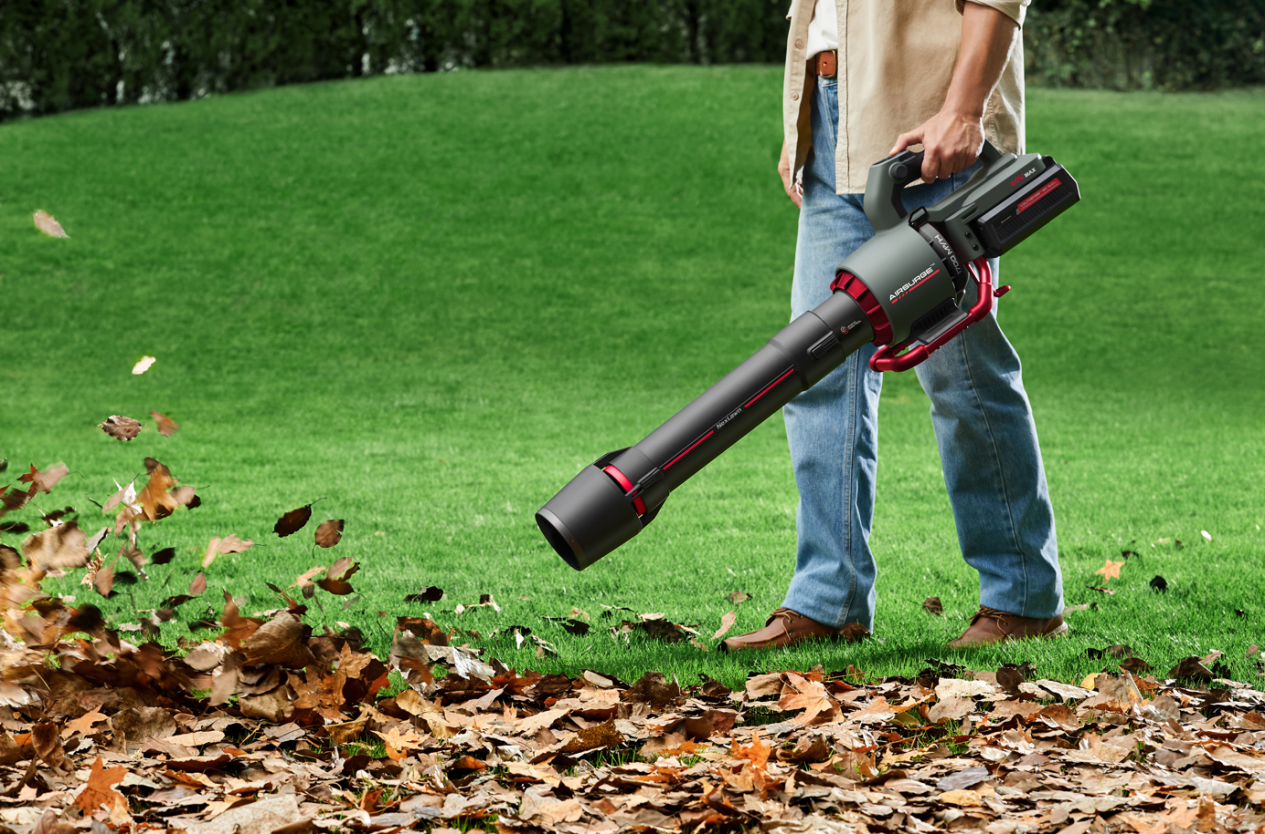
60V吹风机融合涡轮增压与喷气推进原理,可提供最高28N集中吹风推力,主要面向湿树叶、碎石及较重杂物等清扫任务;产品同时配备静电中和系统,以降低干燥、多尘环境下的静电影响。

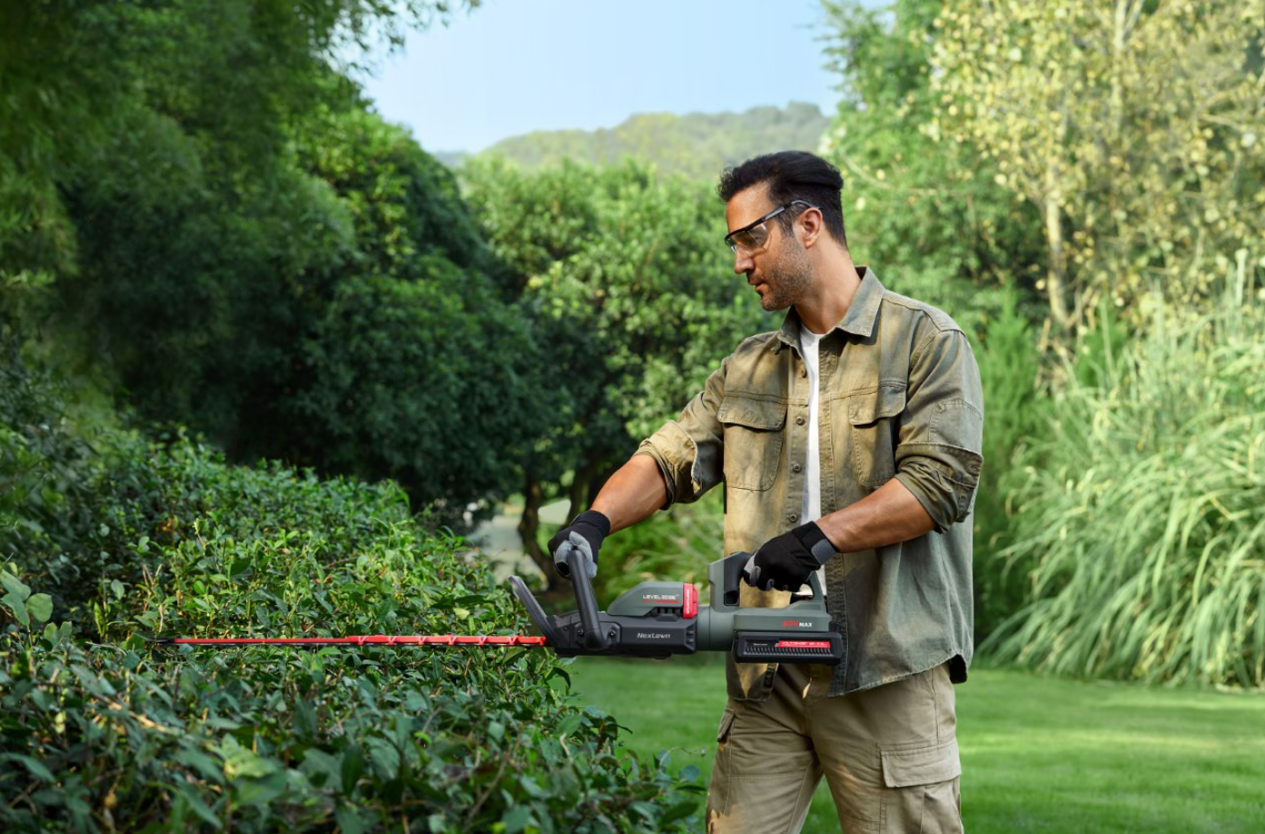
60V绿篱机则聚焦连续绿篱修剪场景,针对较粗枝条的切割需求进行设计,并搭载悬浮减震结构,以降低长时间作业过程中的振动负担。

从链锯、吹风机到绿篱机,MOVA园林工具通过户外动展进一步呈现60V系列产品在不同专业园林作业场景中的应用方向。

对于德国、东北欧等市场而言,庭院、庄园、公共绿地及农场周边养护等场景,对高效、可靠、易维护的园林工具存在实际需求。如何以高性能锂电平台和智能化能力适配不同区域的使用环境,也成为此次展会交流的重点之一。

从产品体验到渠道落地,持续拓展全球专业市场

从此次GaLaBau现场沟通来看,部分客户的关注已经从单一产品体验,进一步延伸至市场落地和渠道合作层面。部分欧洲渠道伙伴围绕本地产品体验、专业用户场景适配、产品组合导入以及后续渠道合作方式进行了进一步交流,讨论内容也从单一产品性能,逐渐转向如何将完整产品组合带入当地专业市场。

对于Dealer渠道而言,这种变化也意味着评估标准正在从“单一产品是否具有竞争力”,延伸至品牌能否提供持续的产品组合、专业场景覆盖以及长期的渠道经营空间。

从20V、40V到60V高电压平台,从单机性能到多品类协同,再到智能路径规划和无人驾驶能力,MOVA园林工具正在将技术能力进一步延伸至真实专业作业场景,并将更完整的产品组合带向全球渠道。

随着园林工具矩阵与智能割草机共同进入Dealer渠道,MOVA园林工具也在尝试形成从传统园林作业到智能草坪管理的更完整产品覆盖。产品体系的价值开始从单一产品性能,进一步延伸至渠道层面的品类覆盖、用户需求承接及长期经营空间。

未来,MOVA园林工具将继续围绕智能技术、锂电平台、专业工具生态及渠道体系推进布局,进一步提升产品在专业园林场景中的适配能力和市场落地能力。

从产品亮相,到Dealer沟通,再到渠道导入及更深入的市场连接,GaLaBau 2026也成为MOVA园林工具进一步链接全球专业园林用户与渠道体系的重要窗口。

注:文/龚作仁,文章来源:Laborer,本文为作者独立观点,不代表亿邦动力立场。

文章来源:Laborer

广告
微信
朋友圈

FAQ回顾

MOVA智能无人骑乘割草机有哪些核心优势?

MOVA智能无人骑乘割草机融合无人驾驶、智能路径规划与精准割草能力,支持人工驾驶、自主作业双模式,具备多维环境感知、精准定位建图、全方位障碍规避能力,可实现定制化草纹效果,适配高端庭院、庄园、物业绿地等大面积草坪管理场景。

专业园林用户选择园林工具有哪些核心考量?

专业园林作业需应对长时间连续作业、复杂植被与户外环境,用户除关注工具动力、作业效率等静态参数外,更看重实际操控表现、连续作业稳定性、多设备协同能力,同时需要覆盖多作业场景的整体解决方案。

MOVA60V系列锂电园林工具有哪些产品及适用场景?

MOVA60V旗舰系列包含链锯、吹风机、绿篱机等产品:链锯搭载3600W外转子无刷电机,适配30cm硬木切割、树木修整等高负载场景;吹风机最高提供28N吹风推力,适配湿树叶、碎石等重杂物清扫,配备静电中和系统;绿篱机搭载悬浮减震结构,适配连续绿篱修剪场景。

园林工具品牌拓展欧洲专业Dealer渠道需具备什么能力?

对欧洲专业园林Dealer渠道而言,单一明星产品仅能带来阶段性关注,品牌需具备覆盖多电压层级的完整产品矩阵、持续新品供给能力、多场景需求覆盖能力,可提供从传统园林维护到智能草坪管理的完整产品组合,才能支撑渠道长期经营。

这么好看,分享一下?

朋友圈 分享

APP内打开

赞 +1
+1
微信好友 朋友圈 新浪微博 QQ空间
关闭
收藏成功
发送
/140 0