广告
加载中

Winseed发布IFA 2026阶段观察:AI时代 中国品牌出海需要新的营销基础设施

龚作仁 2026-09-17 10:04
龚作仁 2026/09/17 10:04

邦小白快读

EN
全文速览

这篇内容是AI营销基础设施平台Winseed在2026年柏林IFA展上发布的阶段观察,核心点明AI时代中国品牌出海需要搭建适配的新型营销基础设施,相关内容既有行业趋势判断,也有可落地的实操参考。

1.核心趋势判断:当前AI已经深度介入全球消费者的品牌发现、产品对比与购买决策全流程,传统出海营销方式已经无法适配新的用户决策路径。

2.实操层面明确了出海企业需要补全的五项衔接配套的基础能力,分别是多场景持续数据监测、体系化的品牌知识管理、多元可信信源搭建、问题导向的跨市场落地行动、全链路结果衡量。

3.后续该平台将发布AI最常推荐的科技、智能家居品牌系列榜单,普通消费者也可将其作为跨境选购相关产品的参考信息,了解品牌在全球市场的实际认可度。

对出海品牌商而言,本次Winseed发布的IFA2026观察,点明了AI时代全球品牌营销的新规则,为品牌出海传播体系建设指出了明确方向。

1.用户行为新趋势:当前AI已经深度介入全球消费者的品牌发现、产品比较、购买决策全链路,品牌在AI给出的答案中的表现将直接影响消费者选择,传统营销思路急需迭代。

2.品牌营销新基建的搭建方向:需要系统打造五项相互衔接的核心能力,一是开展跨平台、跨语言、跨市场的持续数据监测,掌握品牌在AI推荐中的实际表现;二是做好品牌知识管理,打通品牌、产品、技术、场景的信息关联,做好不同市场的信息对应,避免信息矛盾削弱产品表达;三是搭建可信信源体系,联动官网、测评、媒体、用户反馈形成可核验的信息支撑;四是推动监测问题落地,转化为内容更新、媒体沟通、渠道管理、本地化运营的具体动作;五是建立全链路结果衡量机制,跟踪从品牌提及到最终收入的指标,明确传播投入的实际效果。

3.品牌要重视媒体内容、本地服务的长期价值,相关公开内容会长期被AI检索引用,需做好内容的准确性、跨语言适配和持续更新。

对跨境卖家而言,本次观察点明了AI时代跨境经营的新变化,提示了明确的运营风险与增长机会,给出了可直接落地的优化方向。

1.消费需求端的核心变化:海外消费者的决策路径正在被AI重塑,AI推荐结果会直接影响消费者的品牌选择、产品对比判断,过往单纯依赖渠道铺货、流量投放的运营方式效率会持续下降。

2.风险提示:如果卖家没有做好公开信息的统一管理,出现不同渠道产品信息矛盾、可信参考内容不足的问题,会导致AI无法准确识别产品优势,甚至出现错误的产品介绍,直接流失潜在客户。

3.可落地的优化方向:卖家可从五个维度调整运营,一是定期监测不同AI平台对自身产品的介绍、推荐表现,留存样本及时发现问题;二是梳理全渠道产品信息,确保不同市场的产品配置、名称、服务范围信息统一准确;三是主动积累专业测评、用户反馈等可信内容,为AI提供可核验参考;四是把信息问题落实到内容优化、渠道更新、本地适配动作中;五是跟踪从AI提及到最终成交的全链路数据,评估投入回报。

4.机会提示:当前AI推荐渠道仍处于规则成型期,提前布局相关能力的卖家更容易获得AI推荐倾斜,抢占新流量入口。

对做出海产品的工厂而言,本次观察传递了AI时代跨境贸易的新需求,为工厂对接出海渠道、推进数字化营销提供了明确启示。

1.新的商业机会提示:随着AI深度参与消费者购买决策,能够适配AI信息抓取规则、提供清晰标准化产品信息的供应链,更容易获得AI推荐倾斜拿到更多海外订单,这是工厂出海的新竞争赛道。

2.产品资料端的设计要求:工厂输出产品资料时不能只提供基础参数,需要建立产品型号、技术优势、使用场景的清晰关联,针对不同出海市场的配置、名称、服务范围做好明确对应,避免信息错漏导致AI传递错误产品认知,影响转化。

3.数字化营销的推进方向:工厂要重视多元可信信源积累,一方面做好官网等官方渠道的信息准确性,另一方面配合客户留存专业测评、用户反馈等可被AI核验的资料;可借助专业AI营销工具,监测产品在不同市场AI渠道的呈现情况,及时修正信息偏差,把产品硬实力转化为海外市场可识别、可信任的选择依据。

对服务出海客户的营销服务商而言,本次观察明确了AI时代出海营销服务的行业发展趋势,点出了当前出海客户的核心痛点,指明了服务产品的搭建方向。

1.行业发展新趋势:AI正在重构海外消费者决策链路,传统流量投放、内容制作服务已无法满足客户需求,围绕AI推荐规则打造的新型营销基础设施服务,将成为未来出海服务的新增长赛道,目前相关服务仍处于早期验证阶段,欧洲、东南亚是近期重点验证区域。

2.当前客户核心痛点:多数中国出海企业缺乏适配AI决策场景的营销能力,既看不清自身品牌在AI答案中的实际表现,也无法把发现转化为持续市场行动,普遍存在数据监测零散、品牌信息混乱、可信信源不足、落地动作脱节、效果无法衡量等问题。

3.解决方案参考方向:服务商可围绕五项核心能力搭建服务体系,建设多场景AI答案监测服务,帮客户搭建标准化品牌知识图谱、可信信源矩阵,打通监测到落地的执行链路,建立全链路效果衡量体系,也可参考Winseed的路径积累相关数据库,推出细分行业AI推荐度榜单,形成标准化服务产品。

对面向出海商家的各类平台而言,本次观察点明了AI时代商家的核心服务需求,也为平台优化商家服务、调整运营方向、规避行业风向风险提供了参考。

1.商家端核心服务需求:当前出海商家普遍缺乏适配AI决策场景的营销能力,需要可帮助其监测AI渠道品牌表现、管理品牌知识资产、搭建可信信源、落地跨市场运营、衡量传播效果的配套工具与服务,这类服务缺口为平台带来了新的增值服务空间。

2.平台运营优化方向:平台可联动专业AI营销服务商,为商家提供相关能力培训与工具支持,引导商家完善商品信息标准化梳理,积累平台内用户评价、正规商品介绍等可信内容,增强平台内容被AI引用的概率,既帮商家获得更多AI渠道流量,也能提升平台在AI生态中的影响力;招商环节可重点引入重视信息标准化、可信内容积累的优质商家,提升平台整体商品信息质量。

3.风险规避提示:平台需关注AI推荐规则变化对平台流量的影响,提前布局AI渠道内容合作,避免消费决策环节的流量被AI渠道分流。

对数字贸易、品牌出海领域的研究者而言,本次Winseed发布的IFA2026阶段观察,呈现了AI时代品牌出海领域的产业新动向、实践新问题与新型商业模式,具备较高的研究参考价值。

1.产业新动向:AI已经从消费端辅助工具转变为深度参与消费者品牌发现、产品比较、购买决策的核心入口,这一变化正在重构全球品牌营销底层逻辑,驱动中国出海企业的营销基础设施从传统流量导向、渠道导向转向AI适配导向。

2.行业实践新问题:当前多数中国出海企业尚未建立适配AI决策场景的营销能力,在数据监测、知识管理、信源建设、跨市场落地、效果衡量五个维度存在普遍能力缺口,企业产品硬实力无法有效转化为AI渠道可识别、可验证、可推荐的品牌价值,成为出海新堵点。

3.新型商业模式观察:行业内已出现定位AI营销基础设施的新型服务平台,这类平台通过监测AI品牌推荐逻辑,搭建AI答案、消费者提问、引用来源数据库与品牌知识图谱,为出海企业提供诊断、内容建设、传播执行、效果评估的全链路服务,目前正以欧洲、东南亚为核心市场开展验证,后续将发布AI推荐品牌榜单完善评价体系,这类新模式的落地效果具备长期跟踪研究价值。

返回默认
声明:快读内容全程由AI生成,请注意甄别信息。如您发现问题,请发送邮件至 run@ebrun.com 。

我是 品牌商 卖家 工厂 服务商 平台商 研究者 帮我再读一遍。

Quick Summary

This piece shares field observations from AI marketing infrastructure platform Winseed, released at IFA Berlin 2026. Its core argument is that Chinese brands expanding globally need to build a new set of marketing infrastructure tailored to the AI era, combining industry trend analysis with actionable, practical guidance.

1. Core trend: AI is now deeply embedded in every stage of global consumers’ decision journey, from brand discovery and product comparison to final purchase, rendering traditional outbound marketing approaches misaligned with new user decision paths.

2. Practical guidance: Outbound businesses need to build five interconnected foundational capabilities: continuous multi-scenario data monitoring, systematic brand knowledge management, a diversified and credible source ecosystem, problem-driven cross-market execution, and full-funnel performance measurement.

3. Winseed plans to release a series of rankings for the most frequently AI-recommended brands in technology and smart home categories. These rankings can serve as a reference for everyday consumers shopping for cross-border products, to understand brands’ actual market recognition globally.

For global-facing brands, Winseed’s IFA 2026 observations outline the new rules of global brand marketing in the AI era, and provide clear direction for building next-generation global brand communication systems.

1. Shifting user behavior: AI now penetrates the full consumer journey of brand discovery, product comparison, and purchase decision. How a brand appears and is framed in AI-generated answers directly shapes consumer choices, making legacy marketing frameworks urgently in need of iteration.

2. Blueprint for new marketing infrastructure: Brands need to systematically build five interconnected core capabilities. First, run continuous cross-platform, cross-lingual, cross-market data monitoring to track how the brand is actually presented and recommended by AI systems. Second, implement structured brand knowledge management to map connections across brand assets, products, technologies, and use cases, while aligning information across markets to avoid conflicting messaging that erodes product credibility. Third, build a credible source ecosystem that unifies official websites, third-party reviews, media coverage, and user feedback to provide verifiable information support for AI models. Fourth, translate monitoring insights into concrete actions across content updates, media relations, channel management, and localized operations. Fifth, establish full-funnel performance measurement to track metrics from brand mention to final revenue, to quantify the actual ROI of communication investments.

3. Brands should prioritize the long-term value of media content and local service information: all public-facing content is subject to long-term retrieval and citation by AI systems, requiring sustained investment in information accuracy, cross-lingual adaptation, and regular updates.

For cross-border sellers, these observations highlight new shifts in cross-border e-commerce operations in the AI era, flag clear operational risks and growth opportunities, and lay out directly actionable optimization priorities.

1. Core demand-side shift: Overseas consumers’ decision paths are being reshaped by AI. AI recommendation results directly influence consumers’ brand choices and product comparison judgments, steadily eroding the efficiency of legacy operating models reliant solely on channel distribution and paid traffic acquisition.

2. Risk warning: If sellers fail to unify management of public-facing product information—leading to conflicting product claims across channels or a lack of credible reference content—AI systems may be unable to accurately identify product advantages, or even generate incorrect product descriptions, directly driving away potential customers.

3. Actionable optimization levers: Sellers can adjust operations across five dimensions: first, regularly monitor how AI platforms describe and recommend their products, retaining sample outputs to detect issues early; second, standardize product information across all channels to ensure consistent, accurate details on product configurations, naming, and service coverage across markets; third, proactively accumulate credible content such as professional reviews and user feedback to provide verifiable references for AI systems; fourth, resolve identified information gaps through concrete actions in content optimization, channel updates, and local adaptation; fifth, track full-funnel data from AI mention to final transaction to evaluate investment returns.

4. Growth opportunity: The rule set for AI recommendation channels is still taking shape. Sellers that build these capabilities early are better positioned to gain favorable placement in AI recommendations and capture traffic from this new entry point.

For manufacturers of export-oriented products, these observations convey shifting demand in cross-border trade in the AI era, and provide clear guidance for connecting with global sales channels and advancing digital marketing efforts.

1. New business opportunity: As AI becomes deeply involved in consumer purchase decisions, supply chains that align with AI information crawling rules and provide clear, standardized product information are more likely to receive favorable AI recommendations and secure more overseas orders—creating a new competitive frontier for factory exports.

2. Product material requirements: When producing product documentation, factories should not only provide basic technical parameters. They need to establish clear links between product models, technological advantages, and use cases, and accurately map configurations, naming, and service scope across different target markets, to avoid information errors or omissions that lead AI to convey incorrect product perceptions and hurt conversion.

3. Digital marketing priorities: Factories should prioritize building a diversified portfolio of credible sources: on one hand, ensure information accuracy on official channels such as company websites; on the other, support customers in accumulating verifiable assets including professional reviews and user feedback that AI systems can reference. They can also leverage specialized AI marketing tools to monitor how their products are presented across AI channels in different markets, promptly correct information discrepancies, and translate hard product strengths into recognizable, trusted purchase signals for overseas markets.

For marketing service providers serving outbound Chinese businesses, these observations clarify industry development trends for AI-era global marketing services, identify core client pain points, and outline directions for service product development.

1. New industry trajectory: AI is restructuring overseas consumers’ decision journeys. Traditional services such as paid traffic placement and content production can no longer meet client needs. New marketing infrastructure services built around AI recommendation rules will become the next growth segment for outbound marketing services. This category is still in early validation, with Europe and Southeast Asia as key near-term test markets.

2. Core client pain points: Most Chinese outbound enterprises lack marketing capabilities adapted to AI-driven decision scenarios. They cannot clearly see how their brands actually perform in AI-generated answers, nor can they translate insights into sustained market action. Common gaps include fragmented data monitoring, disorganized brand information, insufficient credible sources, disconnected execution, and lack of measurable performance outcomes.

3. Solution framework: Service providers can build service portfolios around the five core capabilities: multi-scenario AI answer monitoring services, support for clients to build standardized brand knowledge graphs and credible source matrices, closed-loop execution from monitoring insight to on-the-ground action, and full-funnel performance measurement systems. Providers can also follow Winseed’s model to build relevant proprietary databases, launch AI recommendation ranking reports for vertical sectors, and develop standardized service offerings.

For platforms serving cross-border merchants, these observations identify merchants’ core service needs in the AI era, and provide reference for platforms to optimize merchant services, adjust operational priorities, and mitigate risks from shifting industry dynamics.

1. Core merchant service demand: Most outbound merchants currently lack marketing capabilities adapted to AI-driven decision scenarios. They need supporting tools and services to monitor brand performance across AI channels, manage brand knowledge assets, build credible source ecosystems, execute cross-market operations, and measure communication impact. This service gap creates new value-added service opportunities for platforms.

2. Operational optimization directions: Platforms can partner with specialized AI marketing service providers to deliver relevant capability training and tool support for merchants, guide merchants to standardize product information, and accumulate credible on-platform content such as user reviews and formal product descriptions. This will increase the likelihood that platform content is cited by AI systems, helping merchants capture more traffic from AI channels while boosting the platform’s own influence in the broader AI ecosystem. For merchant acquisition, platforms can prioritize high-quality sellers that prioritize information standardization and credible content accumulation, to lift overall product information quality across the platform.

3. Risk mitigation note: Platforms need to monitor how changes to AI recommendation rules may impact on-platform traffic, and proactively build content partnerships with AI channels to avoid traffic diversion away from the platform at the consumer decision stage.

For researchers focused on digital trade and Chinese brand globalization, Winseed’s IFA 2026 field observations document emerging industry trends, practical frictions, and new business models in AI-era global brand expansion, offering high research reference value.

1. Emerging industry dynamics: AI has evolved from a consumer-facing auxiliary tool to a core entry point deeply involved in brand discovery, product comparison, and purchase decision-making. This shift is restructuring the underlying logic of global brand marketing, driving the marketing infrastructure of Chinese outbound firms to shift from traditional traffic-led and channel-led models to AI-adapted frameworks.

2. New practical industry challenges: Most Chinese outbound enterprises have not yet built marketing capabilities adapted to AI-driven decision scenarios, with widespread gaps across five dimensions: data monitoring, knowledge management, source building, cross-market execution, and performance measurement. A key new bottleneck for global expansion is that firms’ hard product strengths cannot be effectively translated into brand value that AI channels can recognize, verify, and recommend.

3. Emerging business model observation: A new category of service platforms positioned as AI marketing infrastructure has emerged in the market. These platforms monitor AI brand recommendation logic, build databases of AI answers, consumer queries, citation sources, and brand knowledge graphs, and provide full-funnel services for outbound enterprises spanning diagnosis, content development, communication execution, and performance evaluation. These providers are currently running market validation focused on Europe and Southeast Asia, and plan to release AI-recommended brand rankings to refine their evaluation frameworks. The real-world performance of these new models merits long-term tracking and research.

Disclaimer: The "Quick Summary" content is entirely generated by AI. Please exercise discretion when interpreting the information. For issues or corrections, please email run@ebrun.com .

I am a Brand Seller Factory Service Provider Marketplace Seller Researcher Read it again.

2026年9月10日,41财经旗下、面向全球品牌的AI营销基础设施平台Winseed发布IFA 2026阶段观察,提出中国出海企业需要系统完善持续数据监测、品牌知识管理、可信信源建设、跨市场行动和业务结果衡量五项基础能力,应对AI参与品牌发现、产品比较与购买决策带来的变化。

本次观察基于Winseed在德国柏林的展会工作与会后交流,Winseed首次亮相展会,并与品牌、媒体及行业伙伴围绕品牌如何成为AI推荐的答案展开交流。平台通过监测AI如何介绍、比较和推荐品牌,将相关分析用于内容建设与海外传播。

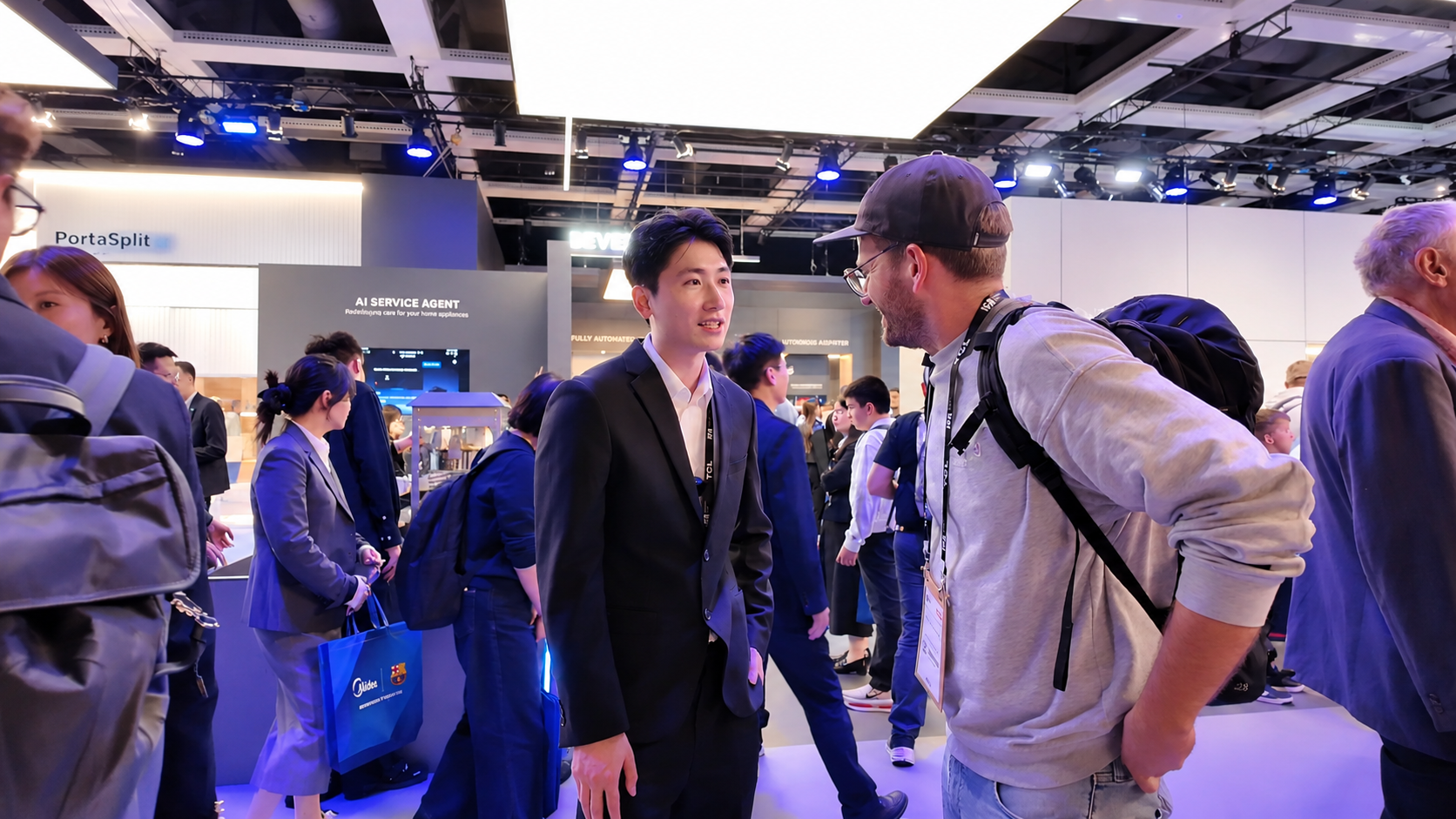
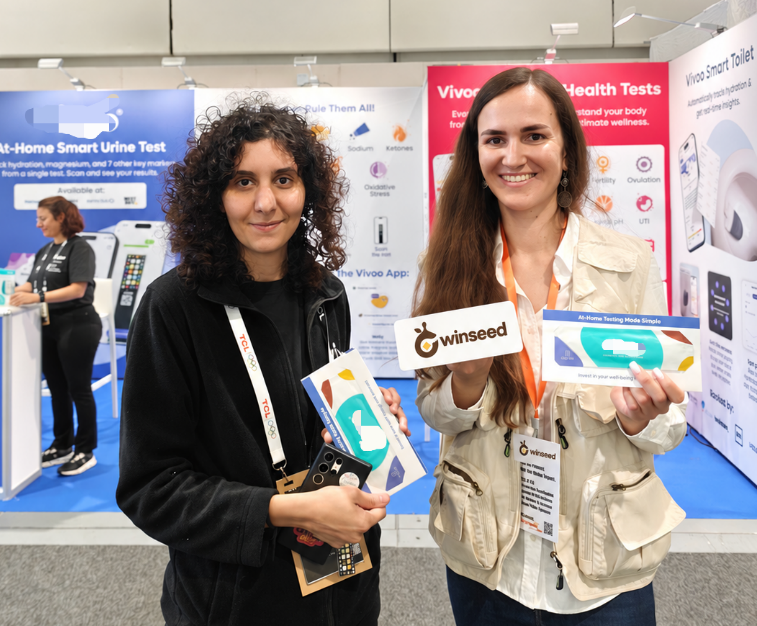
Winseed团队与KOL在IFA

Winseed提出,五项能力需要相互衔接,使企业既能看清品牌在AI答案中的表现,也能将发现转化为持续的市场行动。

首先是数据监测。企业需要在不同AI平台、语言、市场和时间条件下持续记录答案,观察品牌提及、产品描述、引用来源及推荐表现。保留提问样本与答案版本,能够为比较提供基础,帮助企业区分单次回答与持续出现的问题。

其次是品牌知识管理。品牌、产品、型号、技术和使用场景之间需要建立清晰关联,使公开资料能够准确解释产品价值。对于出海企业,不同市场的配置、名称和服务范围还需要明确对应,避免信息缺失或相互矛盾削弱产品表达。

第三是可信信源建设。官网提供基础事实,专业测评、媒体报道、零售资料和用户反馈从不同角度补充产品信息。企业需要检查相关内容是否准确、证据是否支持具体主张,并及时完善自身资料,为产品比较和购买判断提供可核验的依据。

Winseed团队在IFA现场与媒体人交流

第四是跨市场行动。诊断中发现的问题需要进入内容制作、官网更新、媒体沟通和渠道管理流程。品牌可以据此明确哪些优势需要进一步解释、哪些资料需要修正,以及哪些市场需要加强本地化工作,使监测结果落实为具体任务。

第五是结果衡量。品牌提及、答案引用、进入推荐、网站访问、业务线索和收入,反映不同阶段的表现。企业需要分别记录这些指标,并结合测试条件与市场行动分析变化,逐步建立传播投入与品牌认知之间的评估依据。

结合此次现场交流,Winseed认为,媒体与本地服务能力将在这一过程中继续发挥作用。一次采访或一篇测评所形成的产品事实和专业判断,可能在发布后持续为消费者及AI检索提供参考。品牌因此需要关注内容的准确性、跨语言表达和更新机制,使展会期间形成的信息能够继续服务后续市场沟通。

围绕五项能力,Winseed将持续建设AI答案、消费者提问样本和引用来源数据库,完善品牌知识图谱,并推动诊断、内容建设、传播执行与效果评估的产品化。平台近期将重点服务中国出海企业,结合欧洲和东南亚市场开展验证,积累可复用的行业样本与服务经验。

IFA之后,Winseed计划发布首批AI可见度与推荐研究洞察,包括AI最常推荐的30个科技品牌榜单,30个智能家居品牌榜单等系列榜单进一步研究品牌在不同问题和场景中的呈现,并推进相关评价方法建设。通过将现场观察转化为数据、方法和企业服务,Winseed希望帮助中国品牌把产品实力转化为全球市场能够理解、验证和选择的品牌价值。

Winseed团队在IFA现场体验客户产品

注:文/龚作仁,文章来源:Laborer,本文为作者独立观点,不代表亿邦动力立场。

文章来源:Laborer

广告
微信
朋友圈

FAQ回顾

AI时代中国品牌出海需要搭建哪些核心营销能力?

AI时代中国出海企业需系统完善五项相互衔接的基础营销能力,分别是持续数据监测、品牌知识管理、可信信源建设、跨市场行动、业务结果衡量,适配AI参与品牌发现、产品比较与购买决策带来的市场新变化。

Winseed是什么类型的平台,能为品牌提供哪些服务?

Winseed是41财经旗下面向全球品牌的AI营销基础设施平台,可监测不同AI平台对品牌的介绍、比较与推荐表现,为品牌提供诊断分析、品牌知识图谱建设、内容优化、传播执行、效果评估等服务,近期重点服务中国出海企业,在欧洲、东南亚市场落地验证。

AI搜索场景下品牌的可信信源建设包含哪些内容?

品牌官网负责提供基础事实信息,专业测评、媒体报道、零售资料、用户反馈可从不同维度补充产品信息。企业需核查相关内容准确性,确保主张有可核验依据,避免信息缺失或矛盾削弱产品表达,为AI产品比较、消费者购买决策提供可靠参考。

企业如何衡量AI营销带来的实际业务效果?

企业可分层记录全链路指标,包括品牌在AI答案中的提及率、内容引用率、进入推荐列表占比,以及后续带来的网站访问量、业务线索量、实际转化收入等,结合测试条件与市场动作分析变化,建立传播投入与品牌认知的评估依据。

这么好看,分享一下?

朋友圈 分享

APP内打开

赞 +1
+1
微信好友 朋友圈 新浪微博 QQ空间
关闭
收藏成功
发送
/140 0