广告
加载中

从前沿技术到产业资本 2026产业未来大会看见「深水之上」

龚作仁 2026-09-16 14:46
龚作仁 2026/09/16 14:46

邦小白快读

EN
全文速览

本文整理了2026年9月在北京亦庄举办的产业未来大会核心信息,能帮你快速把握当下前沿科技产业的发展脉络与关键趋势,避开认知误区。

1. 核心认知更新:当前产业投资已进入深水区,量子计算这类长周期硬科技领域没有短期快钱,需要政府资金、科研技术、产业场景、长期资本形成合力才能发展,目前量子计算已走到工程化产业化初期,受技术迭代规律影响,实际发展速度超出一线从业者的普遍预期。

2. 可感知的落地进展:量子技术已在智慧水务、车端通信安全等场景落地应用,AI正推动制造业工厂从自动控制走向自主运行,太空光伏、脑机接口、具身智能等前沿领域也逐步从实验室走向商业化初期。

3. 实用参考提示:接下来的产业机会不再浮于表面的概念炒作,要警惕没有真实需求、无法形成商业闭环的项目泡沫,判断价值要回归技术实际落地能力与真实商业需求。

本次大会释放的前沿技术产业化趋势、场景落地方向,能为科技类品牌商的技术布局、产品研发、生态搭建提供关键决策参考。

1. 产品研发方向参考:量子感知、工业AI、太空光伏、脑机接口、具身智能等技术正进入产业化拐点,其中量子技术可实现底层原理突破,融合物理AI构建全域感知能力,目前已在智慧水务、车端安全、物流交通、信息安全、医疗健康等领域出现成熟落地场景,品牌可结合自身赛道提前布局技术融合类产品。

2. 生态搭建路径参考:当前硬科技产业已脱离单打独斗的发展阶段,需要联动政府平台、科研机构、资本、上下游供应链共建生态,品牌可借势各地产业社区的孵育机制、场景对接计划降低技术落地成本。

3. 新赛道机会提示:量子感知、具身智能等技术正从政务、产业端逐步向消费端延伸,存在技术普惠类产品的全新赛道空间。

本次大会透露出多个硬科技赛道的发展阶段、市场机会与合作路径,能为科技领域卖家找准增长方向、规避经营风险提供实操指引。

1. 增长市场机会:不同赛道处于差异化发展阶段,量子科技、工业AI进入工程化落地初期,车端量子通信安全、物流交通、智慧水务等场景已释放真实采购需求;新能源领域储能、能源相关AI Infra存在明确市场窗口;太空光伏面向天基能源基础设施的市场规模有望从千亿级持续扩容;脑机接口在医疗场景已有落地采购,具身智能正转向可稳定交付的场景闭环阶段。

2. 可对接的扶持资源:北京经开区打造的“量子星座”产业社区设有专项孵育机制,还启动了场景握手计划面向多领域征集解决方案,卖家可对接相关资源获取订单与政策、资本扶持。

3. 风险提示:硬科技领域不存在短期暴利机会,具身智能等早期赛道存在概念泡沫,要避免跟风无商业闭环的概念项目,优先瞄准有真实付费方的场景布局。

本次大会释放的制造业升级方向、技术落地需求、产业配套机会,能为生产制造类工厂的转型发展、业务拓展提供明确方向指引。

1. 数字化升级路径:当前流程工业升级的核心变量是AI,行业正迈向自主运行工厂系统时代,工厂可借助工业AI打通全生产流程数据,实现从“听指令”的自动控制到“会思考”的自主运行升级,匹配工业领域对安全、质量、低碳、效益的刚性需求,切实实现降本增效。

2. 新赛道配套机会:量子产业正进入工程化产业化初期,北京经开区已集聚60余家量子上下游企业,正在搭建覆盖全技术路线、全领域的完整产业链,需要关键零部件、整机配套、软件算法、应用服务等各环节供应工厂接入;此外光芯片、半导体国产替代、太空光伏、储能等赛道也存在大量供应链配套需求。

3. 协同发展提示:当前硬科技供应链搭建强调本地集群协同,工厂可主动对接各地产业集群的供应链需求,融入整机牵引、上下游协同的产业生态,获取稳定长期订单。

本次大会梳理了硬科技产业化过程中的普遍痛点、技术发展趋势与场景需求,能为产业服务商找准服务方向、优化解决方案提供清晰参考依据。

1. 行业整体趋势:当前量子计算等前沿技术已进入工程化产业化初期,产业投资进入长周期、重投入的深水区,单一主体无法覆盖从研发到规模化的全流程,国资、市场化基金、产业CVC正在形成分工协同,各类硬科技企业普遍存在资源对接、场景落地、资本对接、供应链协同的服务需求。

2. 分赛道客户痛点:量子领域企业需要突破稳定性、交付力、工业体系搭建、经典量子计算协同的瓶颈,打通从技术到客户付费的商业闭环;制造类企业需要解决工业数据有效利用、全流程AI赋能的落地难题;脑机接口、具身智能等早期赛道企业需要解决临床验证、高质量数据积累、场景交付的实际卡点。

3. 服务机会提示:产业社区运营、技术经理人服务、场景对接服务、跨主体资源协同服务、硬科技企业全周期孵化服务存在较大市场缺口,服务商可围绕这些需求设计对应服务产品。

本次大会展现的产业协同需求、产业集群建设经验、赛道发展规律,能为产业服务平台、招商平台的运营优化、风向把控提供可落地的实践参考。

1. 可借鉴的成熟运营经验:北京经开区打造“量子星座”产业社区的模式具备较高推广价值:链接专项服务载体,首创“技术经理人伴跑、场景落地官助飞、资本合伙人赋力”的孵育机制,通过场景握手计划对接供需,落地了车端量子通信安全等6大场景案例,面向多领域征集解决方案,有效加速技术落地。

2. 招商与运营方向:当前硬科技产业覆盖多类技术路线与细分领域,平台在招商时要兼顾不同技术路线的企业,打通从关键零部件到整机、从软件到应用服务的全链条配套,形成集群发展的协同效应。

3. 运营风险规避提示:平台在项目遴选时要警惕无真实场景、无商业闭环的概念类项目,引导入驻企业围绕真实需求落地,联动国资、基金、龙头企业形成不同阶段的资源接续,帮助企业穿越发展周期。

本次大会汇聚了政产学研资多方主体的实践观察与判断,呈现了当前硬科技产业发展的最新动向、现实问题与模式创新,具备较高的产业研究价值。

1. 核心产业新动向:量子计算目前已进入工程化产业化初期,在强指数律与类摩尔定律叠加下发展速度超出从业者预期,未来将走向多技术路线异构融合的整机方向,而非单一路线发展;量子感知技术可为物理AI提供物质世界感知入口,已在智慧水务等场景落地,正从政务、产业端向消费端延伸;工业领域正迈向AI驱动的自主运行工厂时代;CVC正进入2.0阶段,从供应链投资转向未来产业战略投资;各赛道发展阶段分化明显,新能源进入周期调整阶段,半导体国产替代进入重品质的系统协同阶段,脑机接口、具身智能处于商业化窗口打开初期。

2. 产业发展新问题:前沿技术从技术可行到实现商业变现仍存在工程化、成本、场景落地的门槛,长周期硬科技项目无法靠单一主体支撑,需要各类资本重新分工协同。

3. 模式创新参考:北京经开区形成的“整机牵引、上游攻关、软硬协同”量子产业集群模式,以及三方协同的孵育机制,为未来产业培育提供了可研究的实践范式。

返回默认

声明:快读内容全程由AI生成,请注意甄别信息。如您发现问题,请发送邮件至 run@ebrun.com 。

我是 品牌商 卖家 工厂 服务商 平台商 研究者 帮我再读一遍。

Quick Summary

This article distills key takeaways from the Industry Future Conference held in Beijing Yizhuang in September 2026, helping readers quickly map the development trajectory and core trends of cutting-edge technology sectors and avoid common cognitive pitfalls.

1. Core perspective update: Industrial investment has entered a deep-water phase. Long-cycle hard tech sectors such as quantum computing do not generate quick short-term returns, and their development requires coordinated efforts from government funding, scientific research institutions, industrial application scenarios, and long-term capital. Quantum computing has now entered the early stage of engineering and industrialization; driven by inherent technology iteration patterns, its actual development pace is outpacing the general expectations of frontline practitioners.

2. Tangible commercialization progress: Quantum technology has been deployed in use cases including smart water management and in-vehicle communication security. AI is pushing manufacturing facilities to evolve from automated control to autonomous operation. Frontier fields such as space-based solar power, brain-computer interfaces, and embodied intelligence are also gradually moving out of laboratories into the initial stage of commercialization.

3. Practical guidance: Future industrial opportunities will no longer be driven by superficial concept hype. Investors and market participants should watch out for bubbles in projects that lack genuine demand and cannot form closed-loop business models, and evaluate value based on actual technology deployment capabilities and real commercial demand.

The frontier technology industrialization trends and scenario deployment directions shared at the conference provide critical decision-making references for technology brands on technology layout, product R&D, and ecosystem building.

1. Product R&D direction: Technologies including quantum sensing, industrial AI, space-based solar power, brain-computer interfaces, and embodied intelligence are approaching an inflection point for industrialization. Quantum technology, in particular, can deliver breakthroughs in underlying principles, and build ubiquitous sensing capabilities when integrated with physical AI. Mature deployment cases have already emerged across sectors including smart water management, in-vehicle security, logistics and transportation, information security, and healthcare, allowing brands to proactively develop technology-converged products aligned with their focus areas.

2. Ecosystem building path: The hard tech sector has moved past the stage of isolated development, and requires collaboration among government platforms, research institutions, capital, and upstream and downstream supply chains to build a shared ecosystem. Brands can leverage incubation mechanisms and scenario matching programs launched by local industrial communities to lower technology deployment costs.

3. New track opportunities: Technologies such as quantum sensing and embodied intelligence are gradually expanding from government and industrial scenarios to consumer-facing use cases, creating entirely new market space for accessible, mass-market technology products.

The insights on development stages, market opportunities, and collaboration paths across multiple hard tech tracks shared at the conference provide practical guidance for technology-focused sellers to identify growth directions and mitigate operational risks.

1. Growth market opportunities: Different tracks are at distinct development stages. Quantum technology and industrial AI have entered the early phase of engineering deployment, with real procurement demand emerging in scenarios such as in-vehicle quantum communication security, logistics and transportation, and smart water management. In the new energy sector, there are clear market windows for energy storage and energy-related AI infrastructure. The market for space-based solar power, which targets space-based energy infrastructure, is expected to expand from a scale of hundreds of billions of yuan. Brain-computer interfaces have already secured procurement orders in medical scenarios, while embodied intelligence is moving toward the stage of stable delivery and closed-loop scenario application.

2. Accessible support resources: The "Quantum Constellation" industrial community built by Beijing Economic-Technological Development Area has set up dedicated incubation mechanisms and launched a scenario matching program to solicit solutions across multiple fields. Sellers can connect with these resources to secure orders, as well as policy and capital support.

3. Risk warning: There are no opportunities for exorbitant short-term profits in the hard tech sector. Early-stage tracks such as embodied intelligence face concept bubbles, so sellers should avoid chasing conceptual projects without closed business loops, and prioritize layout in scenarios with real, paying customers.

The insights on manufacturing upgrade directions, technology deployment demands, and industrial supporting opportunities released at the conference provide clear guidance for manufacturing factories on transformation development and business expansion.

1. Digital upgrade path: AI is the core driver of current process industry upgrades, as the sector moves toward the era of autonomous factory systems. Factories can leverage industrial AI to integrate data across the entire production process, upgrading from "command-following" automated control to "thinking-enabled" autonomous operation. This will meet the rigid industrial requirements for safety, quality, low-carbon operation, and efficiency, delivering tangible cost reduction and efficiency gains.

2. New track supporting opportunities: The quantum industry is entering the early stage of engineering and industrialization. Beijing Economic-Technological Development Area has already gathered over 60 upstream and downstream quantum enterprises, and is building a complete industrial chain covering all technology routes and application fields, which requires access from supply factories across key components, complete equipment supporting, software algorithms, and application services. In addition, there is substantial supply chain supporting demand across tracks including optical chips, domestic semiconductor substitution, space-based solar power, and energy storage.

3. Collaborative development reminder: Current hard tech supply chain development emphasizes local cluster collaboration. Factories can proactively align with supply chain demands of regional industrial clusters, integrate into the industrial ecosystem driven by complete equipment manufacturers with upstream and downstream coordination, and secure stable long-term orders.

The analysis of common pain points, technology development trends, and scenario demands in hard tech industrialization outlined at the conference provides clear references for industrial service providers to identify service directions and optimize solutions.

1. Overall industry trend: Cutting-edge technologies such as quantum computing have entered the early stage of engineering and industrialization, and industrial investment has entered a long-cycle, high-investment deep-water phase. No single entity can cover the entire process from R&D to large-scale deployment. State-owned capital, market-oriented funds, and corporate venture capital (CVC) are developing a division of labor and collaborative system, creating widespread demand among hard tech enterprises for services including resource matching, scenario deployment, capital connection, and supply chain coordination.

2. Track-specific customer pain points: Quantum sector enterprises need to overcome bottlenecks in stability, delivery capability, industrial system construction, and classical-quantum computing collaboration, to close the business loop from technology development to paid customer adoption. Manufacturing enterprises need to address practical challenges in effective industrial data utilization and full-process AI enablement. Early-stage track enterprises focusing on brain-computer interfaces and embodied intelligence need to resolve practical bottlenecks in clinical validation, high-quality data accumulation, and scenario delivery.

3. Service opportunity alert: There are notable market gaps in industrial community operation, technology manager services, scenario matching services, cross-stakeholder resource coordination services, and full-cycle incubation services for hard tech enterprises. Service providers can design targeted service products around these demands.

The insights on industrial collaboration demands, industrial cluster building experience, and track development patterns presented at the conference provide actionable practical references for industrial service platforms and investment promotion platforms to optimize operation and identify industry trends.

1. Replicable mature operation experience: The "Quantum Constellation" industrial community model built by Beijing Economic-Technological Development Area has high promotional value: it connects dedicated service carriers, pioneers an incubation mechanism featuring "accompanying support from technology managers, deployment facilitation from scenario landing officers, and empowerment from capital partners", matches supply and demand through the scenario handshake program, has implemented six major scenario cases including in-vehicle quantum communication security, and solicits solutions across multiple fields to effectively accelerate technology deployment.

2. Investment promotion and operation direction: The current hard tech sector covers a wide range of technology routes and segmented fields. When attracting investment, platforms should cover enterprises across different technology routes, build full-chain supporting systems from key components to complete equipment, and from software to application services, to form the synergy of clustered development.

3. Operational risk avoidance reminder: When selecting projects, platforms should guard against conceptual projects without real application scenarios or closed business loops, guide settled enterprises to deploy solutions around real demand, and coordinate state-owned capital, funds, and leading enterprises to form resource continuity across different development stages, helping enterprises navigate full industry cycles.

The conference brought together practical observations and judgments from stakeholders across government, industry, academia, research, and capital, presenting the latest trends, practical challenges, and model innovations in the current hard tech industry, with high value for industrial research.

1. Core new industrial trends: Quantum computing has entered the early stage of engineering and industrialization. Driven by the combined effect of strong exponential laws and Moore's Law-like progression, its development pace is outpacing practitioner expectations; it will move toward heterogeneous integration of multiple technology routes for complete systems, rather than developing along a single technical path. Quantum sensing technology can provide a physical world perception entry point for physical AI, with existing deployments in scenarios such as smart water management, and is expanding from government and industrial use cases to consumer scenarios. The industrial sector is moving toward the era of AI-driven autonomous factories. CVC is entering a 2.0 phase, shifting from supply chain-focused investment to strategic investment in future industries. Development stages vary significantly across tracks: new energy has entered a cyclical adjustment phase, domestic semiconductor substitution has entered a system coordination phase focused on quality, while brain-computer interfaces and embodied intelligence are in the early stage of opening commercialization windows.

2. New industrial development challenges: For frontier technologies to move from technical feasibility to commercial monetization, there remain thresholds in engineering maturity, cost, and scenario deployment. Long-cycle hard tech projects cannot be supported by a single entity, requiring reallocated division of labor and collaboration among different types of capital.

3. Model innovation reference: The quantum industry cluster model formed in Beijing Economic-Technological Development Area, which features "complete equipment as the traction, upstream technology breakthroughs, and software-hardware collaboration", alongside its three-party collaborative incubation mechanism, provides a practical research paradigm for future industry cultivation.

Disclaimer: The "Quick Summary" content is entirely generated by AI. Please exercise discretion when interpreting the information. For issues or corrections, please email run@ebrun.com .

I am a Brand Seller Factory Service Provider Marketplace Seller Researcher Read it again.

2026年,产业投资进入深水区:量子计算、人工智能等前沿技术加速产业化、不同赛道的投资范式逐渐形成,市场中更多长周期、重投入的项目正迫使着每一个投资者、产业从业者、技术人员去思考未来。

9月9日至10日,以“深水之上,共振新生”为主题的2026产业未来大会在北京亦庄举行。大会聚焦量子科技等未来产业走向产业化,深度探讨当下前沿技术与产业视角。演讲与圆桌集中展示超导、光量子、离子阱等技术路线突破,分享大量具体产业场景、产业体系搭建、与异构计算前景。来自国资平台、政府引导基金、产业投资基金、企业CVC、产业龙头、创新企业及专家学者的产业参与者走到一起,共同探讨科技产业投资的未来。

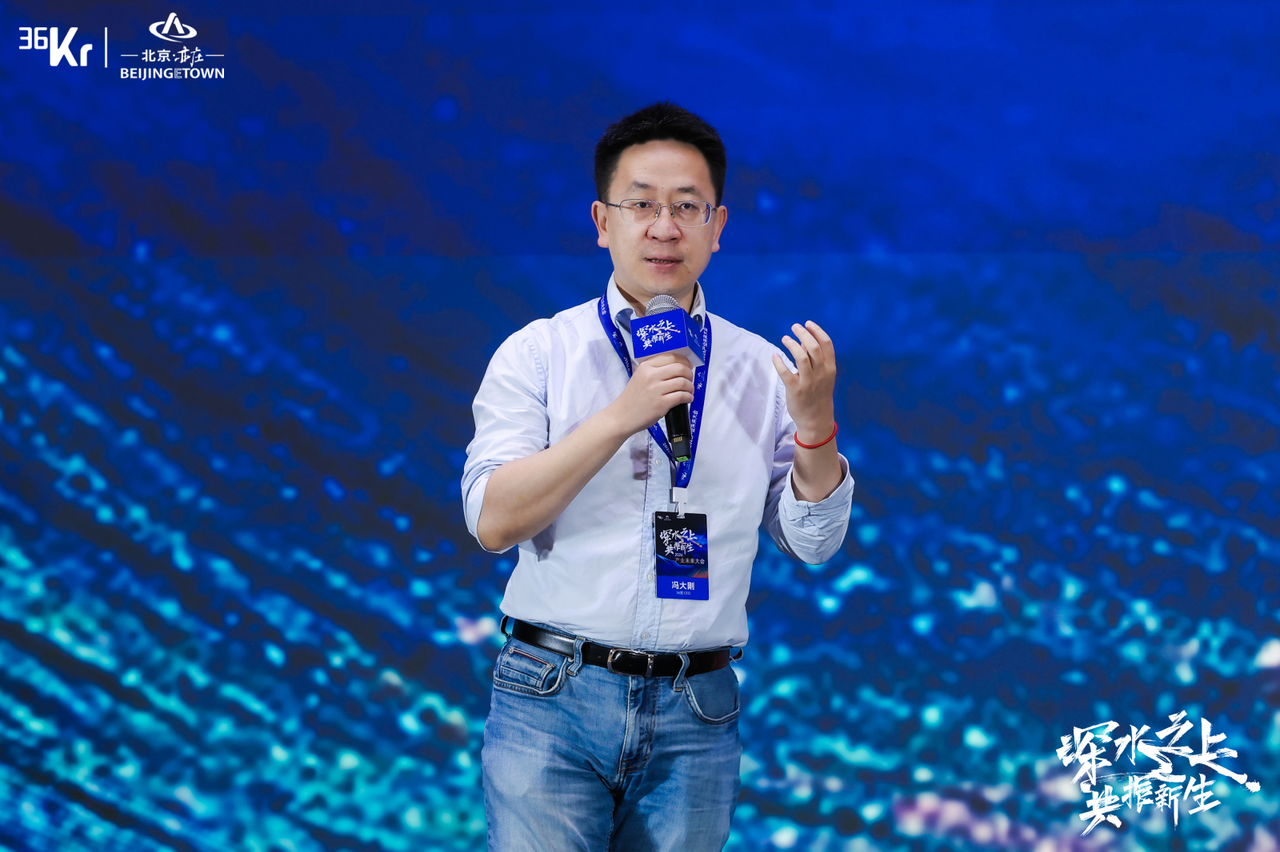
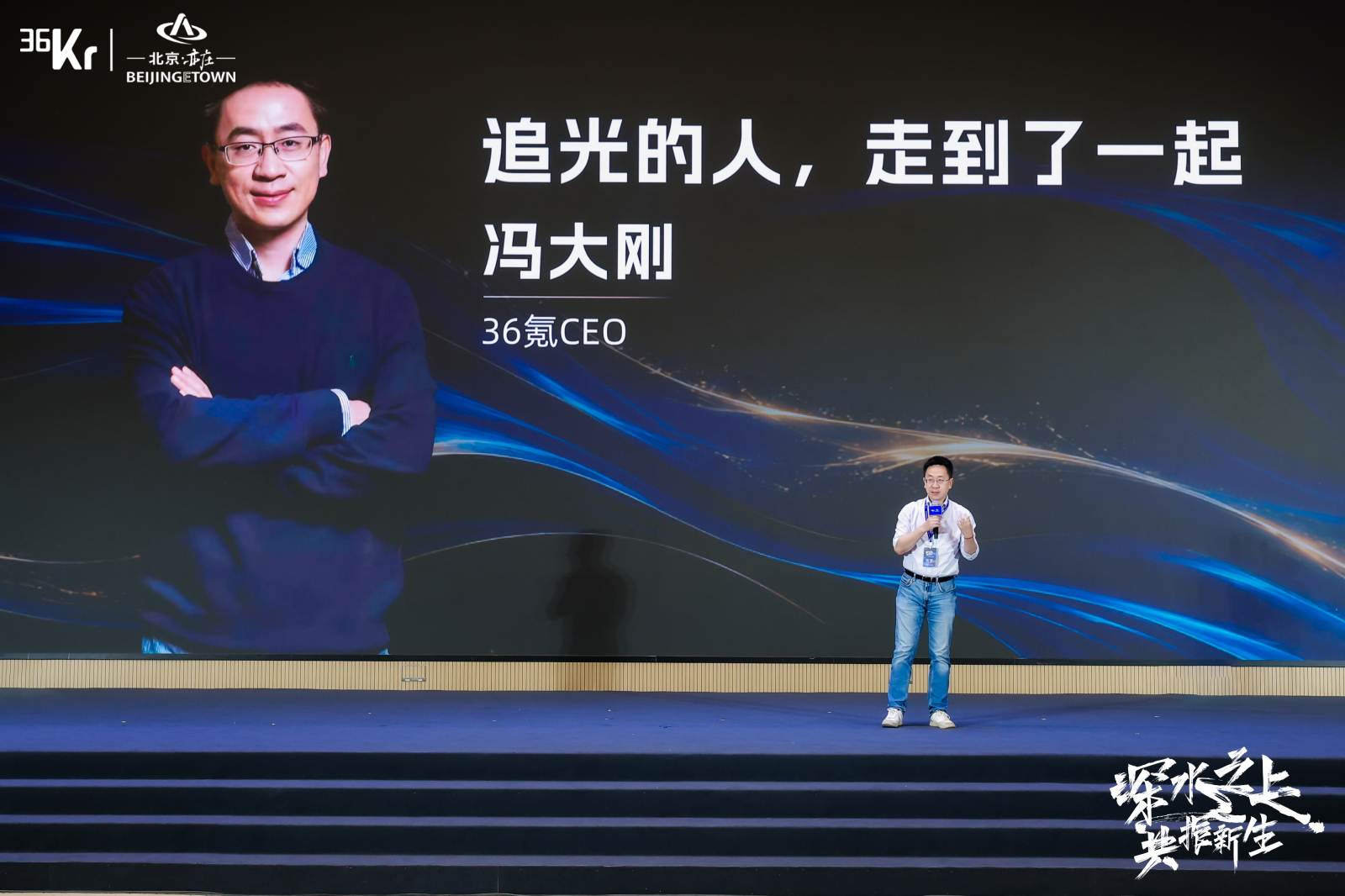
大会开场,36氪CEO冯大刚在开场致辞中谈到,“量子计算,是这个时代最典型的深水产业。回报周期以十年计,没有快钱,今天的热闹和它无关,它赌的是二十年后的计算范式。政府的钱、科研的技术、产业的场景、资本的耐心,拼在一起才成立,缺一块都不行。”

36氪CEO冯大刚

大会集中呈现了北京经开区量子产业的发展成果,目前已集聚60余家量子上下游企业,覆盖超导、离子阱、中性原子、光量子等全技术路线,贯通量子计算、量子通信、量子测量全领域,形成“整机牵引、上游攻关、软硬协同”的集群态势,构建起从关键零部件到整机系统、从软件算法到应用服务的完整链条。

北京经开区依托国家信创园,高标准打造“量子星座”产业社区,链接“一中心、四平台、一基地”,首创“技术经理人伴跑、场景落地官助飞、资本合伙人赋力”孵育机制,帮助初创企业站稳走实,加速量子技术应用落地,树立首都未来产业发展新范式。

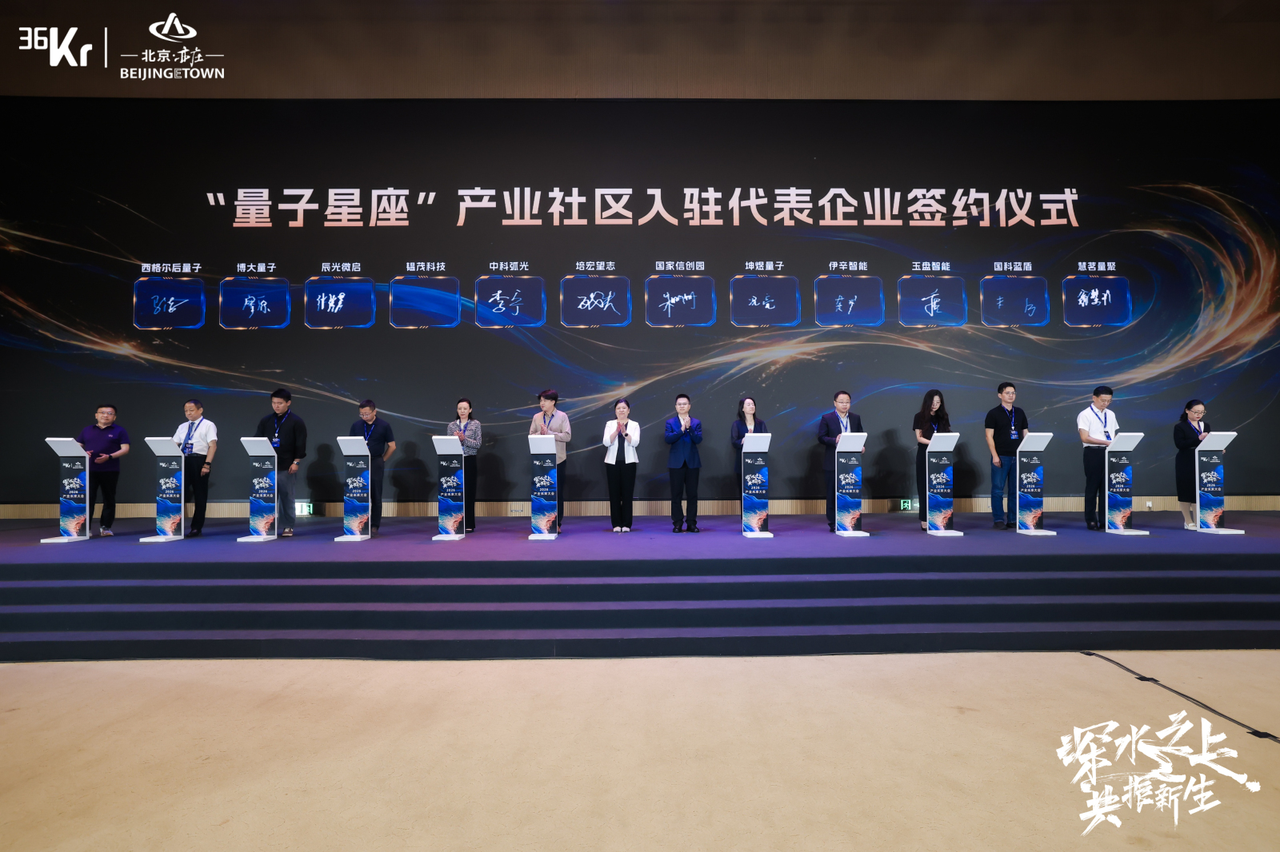
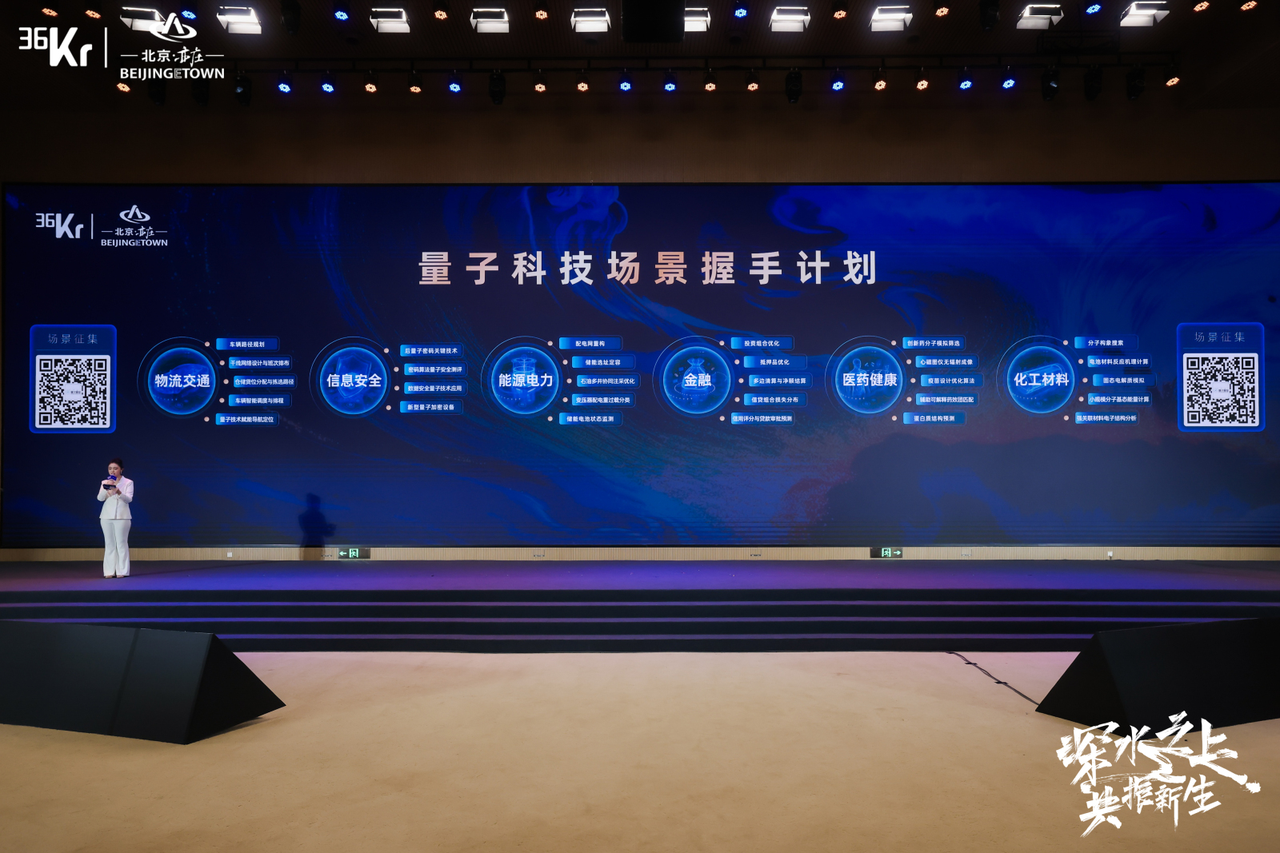
活动现场举行北京量电融合创新中心揭牌仪式,“量子星座”产业社区与10家入驻代表企业完成签约,同时启动量子科技“场景握手计划”,发布车端量子通信安全等6大场景案例,并面向物流交通、信息安全等领域征集技术场景与应用方案。

“量子星座”产业社区入驻代表企业签约仪式

量子科技“场景握手计划”

01

从“能做”到“有人买单”,量子计算走向产业化

作为本届大会第一天讨论最集中的赛道,量子计算近几年面临着一个现实问题:产业化。过去几年,超导、光量子、离子阱等技术路线持续取得进展,但从“能算”到“有用”,中间仍隔着工程化、成本和应用场景等多道门槛——量子计算仍像个技术而非产业。

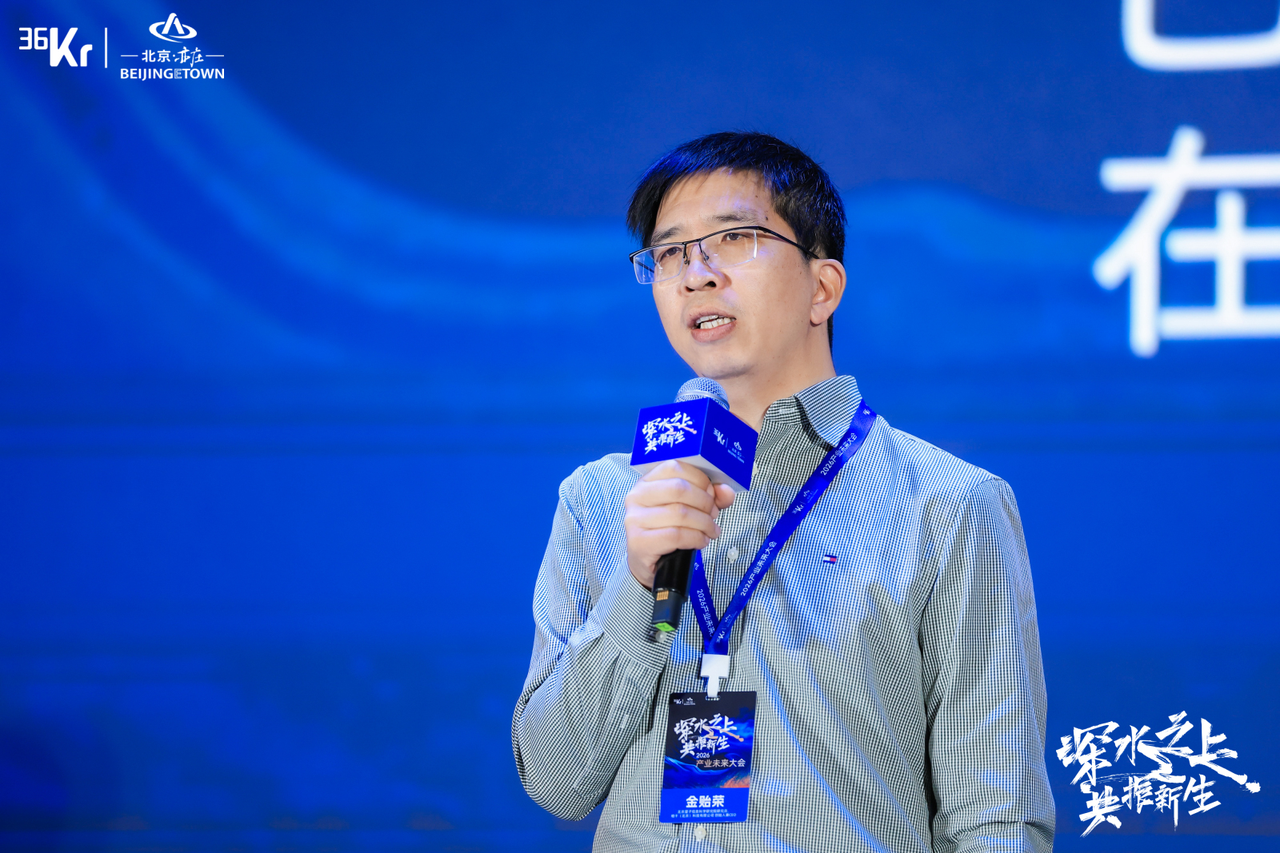
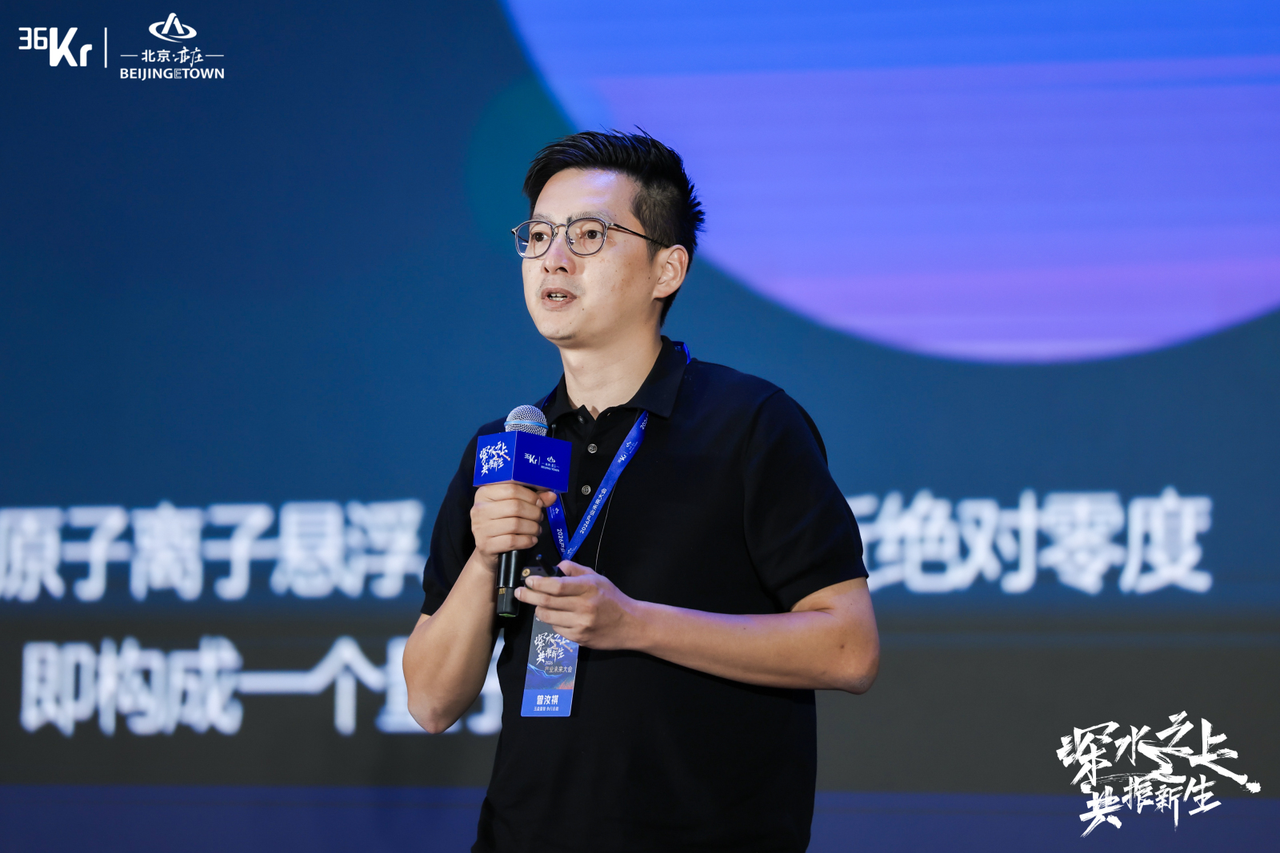
量子产业如今究竟离我们多远,北京量子院研究员、相干科技创始人金贻荣,在“量子计算的下一公里”主题演讲中以最前线的技术视角率先给出了判断。他认为,量子计算“走到了工程化产业化的初期阶段”,“下一公里”要在稳定性、交付力、工业体系搭建、量子经典计算协同上下文章。他强调,许多人线性地认为量子计算距离解决高价值问题还远,但强指数律与类摩尔定律叠加下,实际的发展速度已然超出“一线奋战的创业者和研究者的想象”。

北京量子院研究员、相干科技创始人金贻荣

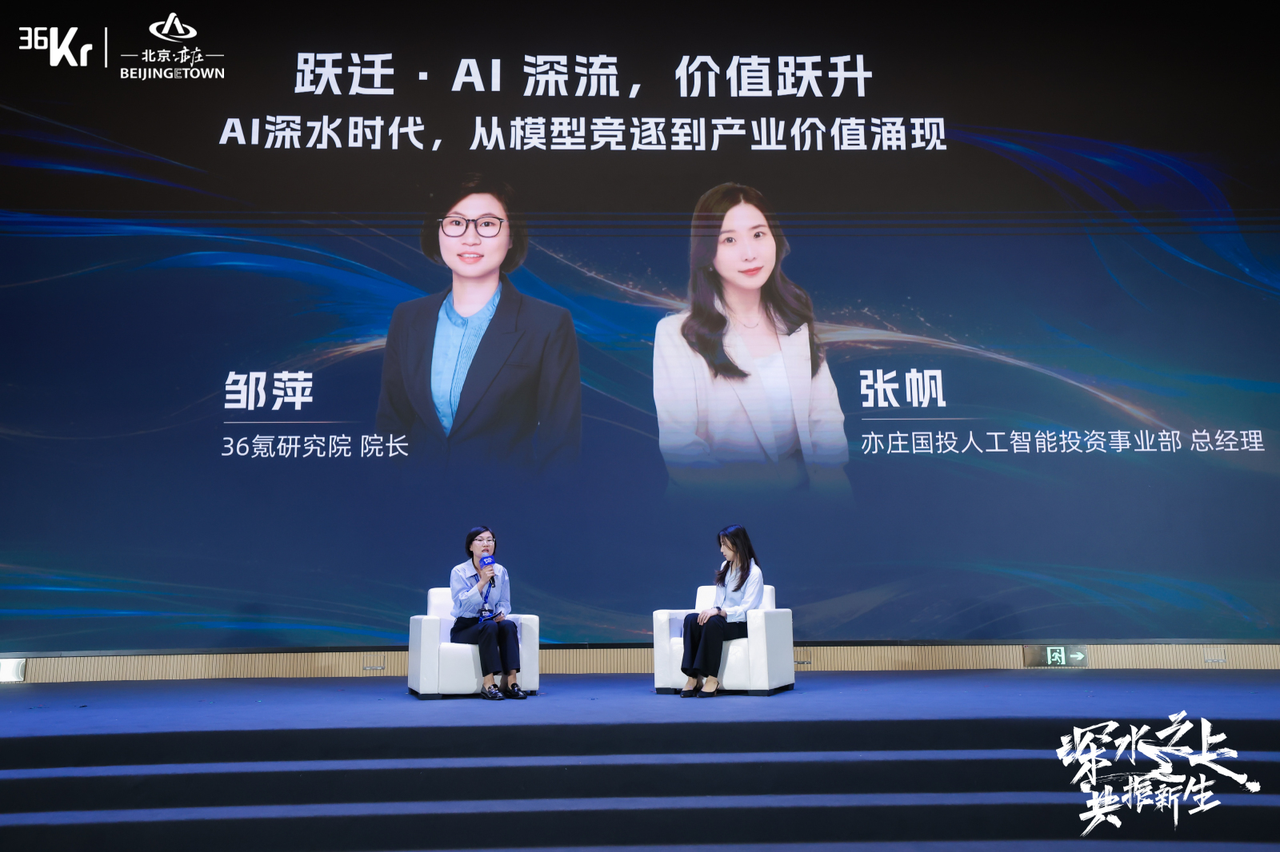
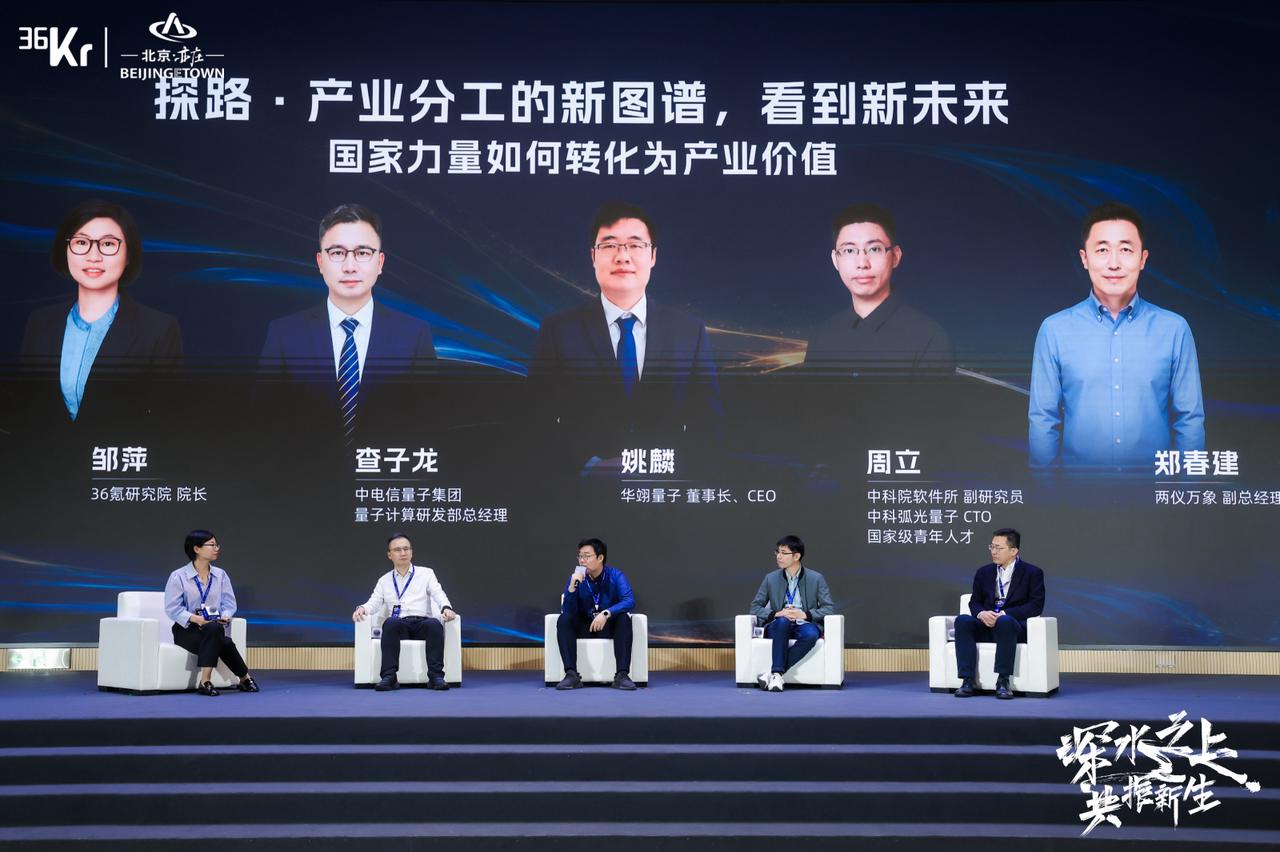
产业端的视角则聚焦体系搭建与角色分工。“AI深水时代”圆桌上,36氪研究院院长邹萍与亦庄国投人工智能投资事业部总经理张帆对话,探讨亦庄量子产业如何依托现有的良好产业土壤与完善供应链体系茁壮发展。而在“产业分工的新图谱”圆桌上,来自中电信量子集团、华翊量子、中科弧光量子、两仪万象等企业的高管,以不同视角,分享产业资本、科研院所、配套企业的重新定位,并着重探讨了亦庄模式的可复制性与本地供应链搭建的重要。

圆桌:跃迁·AI深流,价值跃升——AI深水时代,从模型竞逐到产业价值涌现

圆桌:探路·产业分工的新图谱,看到新未来——国家力量如何转化为产业价值

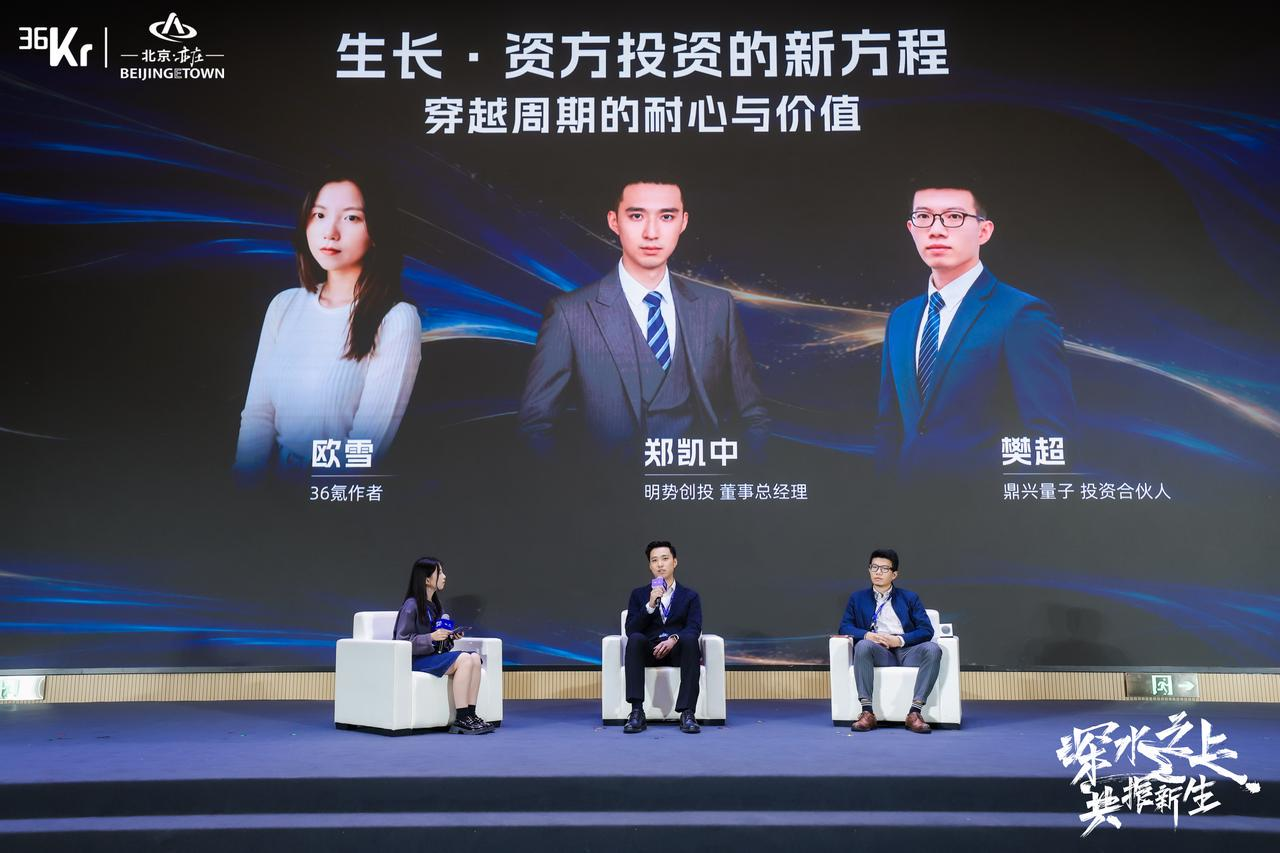
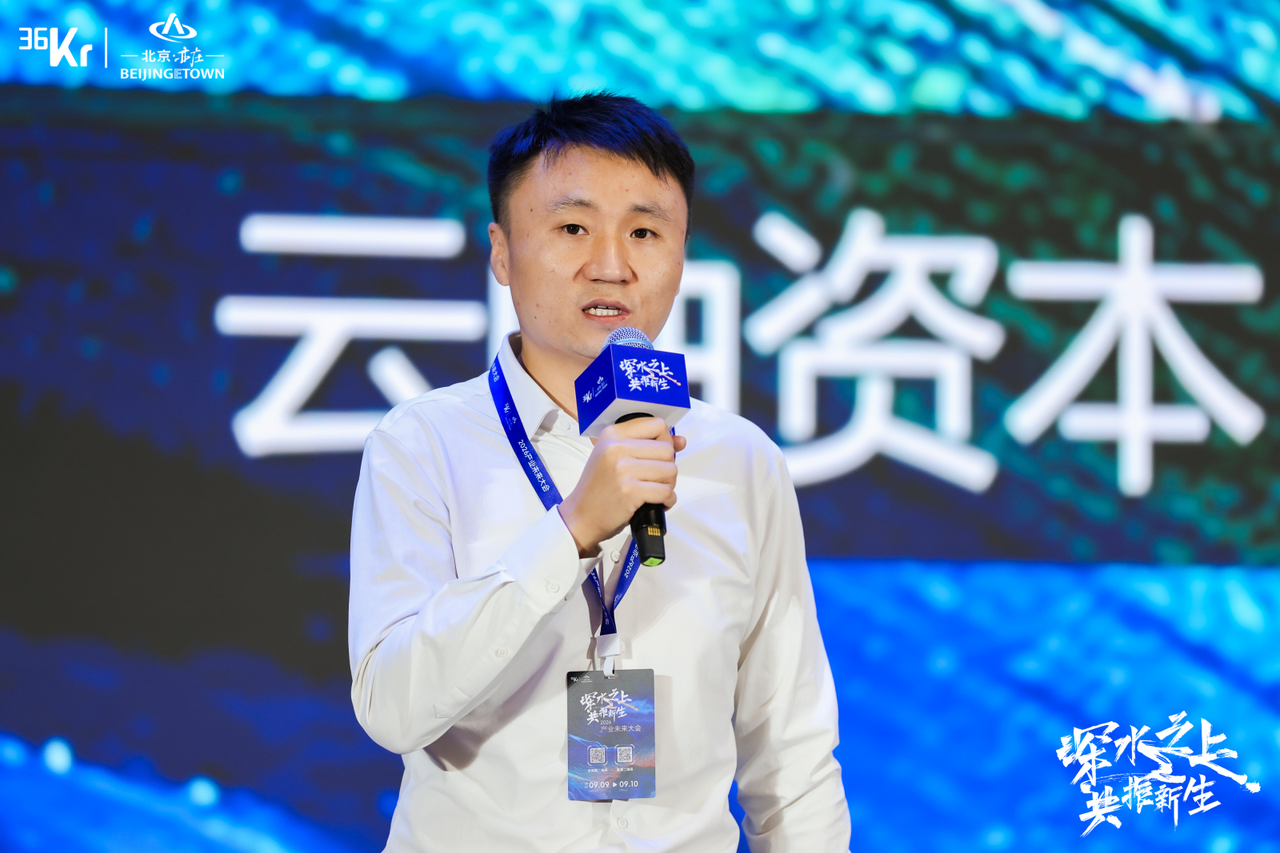
此外,来自明势创投、鼎兴量子的投资人分享了资方视角下,技术路径可行性、团队迭代升级如何成为决定投资人看法的关键性因素。云岫资本的合伙人宋旭文的主题演讲梳理多路线突破、生态成形与AI融合如何推动量子计算迈入工程化拐点,展望未来量子计算系统多路线“异构融合的整机”而非单一路线的构想。

圆桌:生长·资方投资的新方程——穿越周期的耐心与价值

云岫资本合伙人兼前沿科技组负责人宋旭文

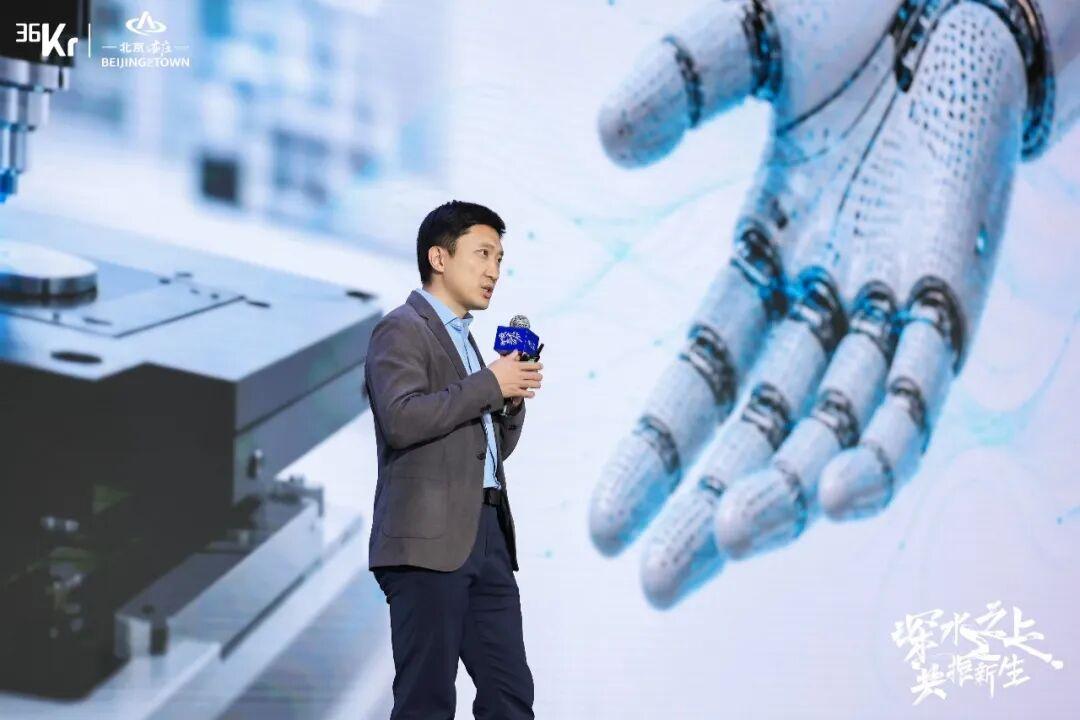
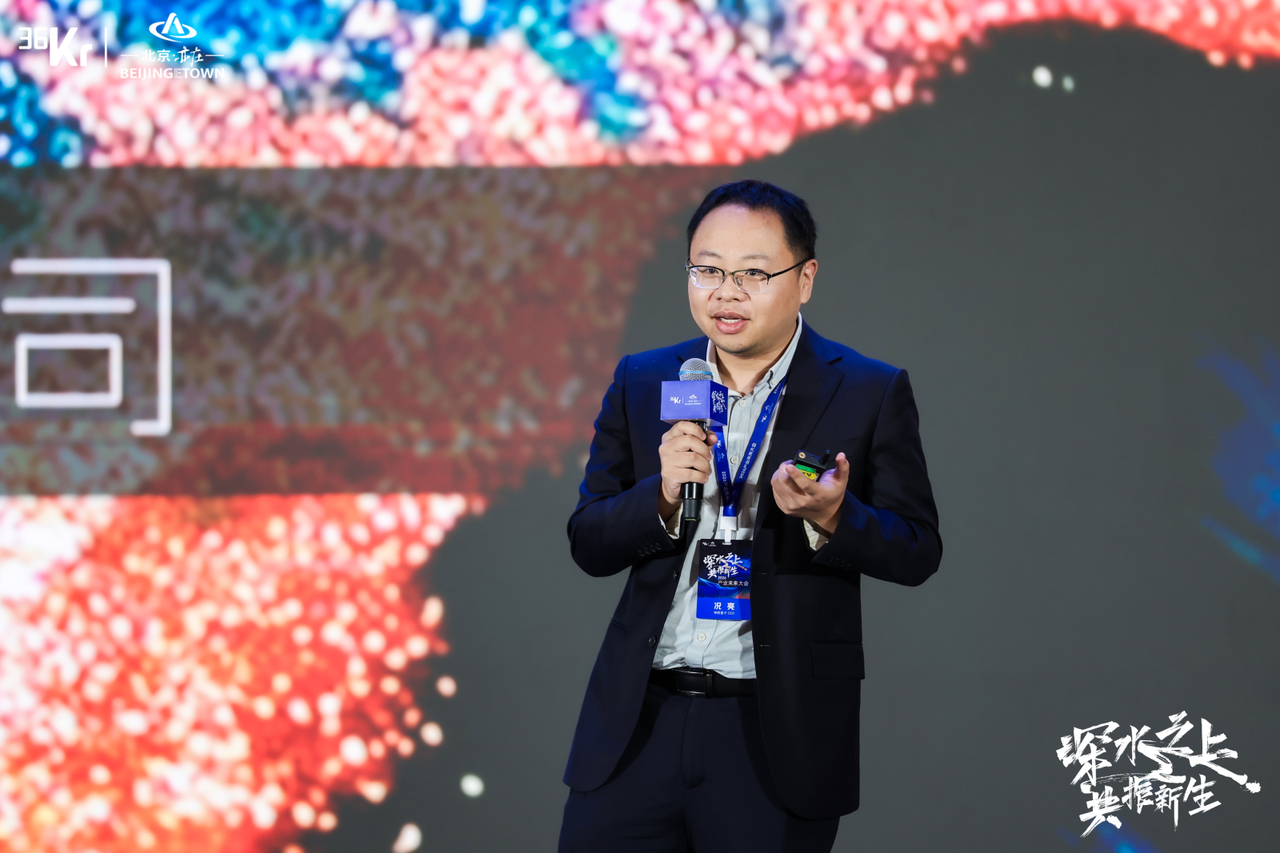
正值量子产业迈入政策加持、资本加速布局的关键拐点,芯视界(北京)科技股份有限公司创始人、董事长兼首席科学家鲍捷作为量子科技产业界代表,受邀发表主旨演讲,以《量子感知芯片:为物理AI打开物质世界的“感知入口”》为题,全面阐释量子技术与物理AI融合创新的产业化发展路径。原有技术路径下的、改良式创新无法突破原理层面的技术瓶颈,量子技术可以提供底层原理的突破性创新。以量子技术为底层支撑,构建全域感知体系,兼顾单点深度探测与广域多维采集。芯视界已搭建覆盖城市智慧水系统全过程场景的感知体系,构建起可泛化的液体全域感知能力,并持续与人工智能算力、大模型深度融合,从政务端、产业端向消费端持续延伸,与具身智能、空天信息、医疗健康等方向深度融合。

图片

芯视界(北京)科技股份有限公司创始人、董事长兼首席科学家鲍捷

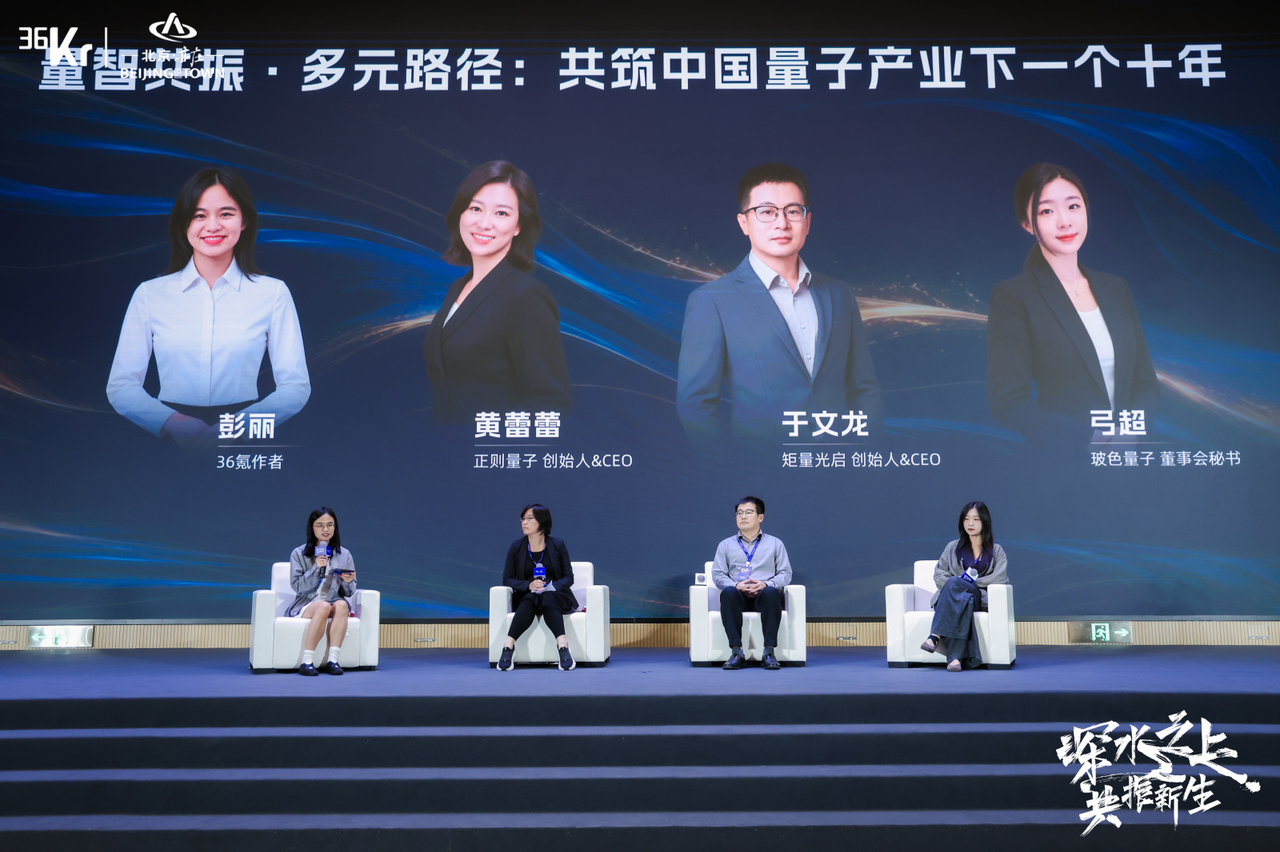
围绕量子产业下一阶段的发展,大会还从技术路线、企业实践和应用场景三个层面展开讨论。正则量子、矩量光启、玻色量子等企业围绕光量子、超导等不同技术路线的特点与协同展开关于“下一个十年”的交流;韫茂量子、伊辛智能、玉盘量智、国光量超、坤煜量子等企业则从自身案例出发,展示亦庄量子产业多路线布局如何贴近不同企业的技术方向、商业模式和落地进展。

圆桌:量智共振·多元路径:共筑中国量子产业下一个十年

企业案例:生态·多路线量子探索的产业合力量子集群的亦庄密度

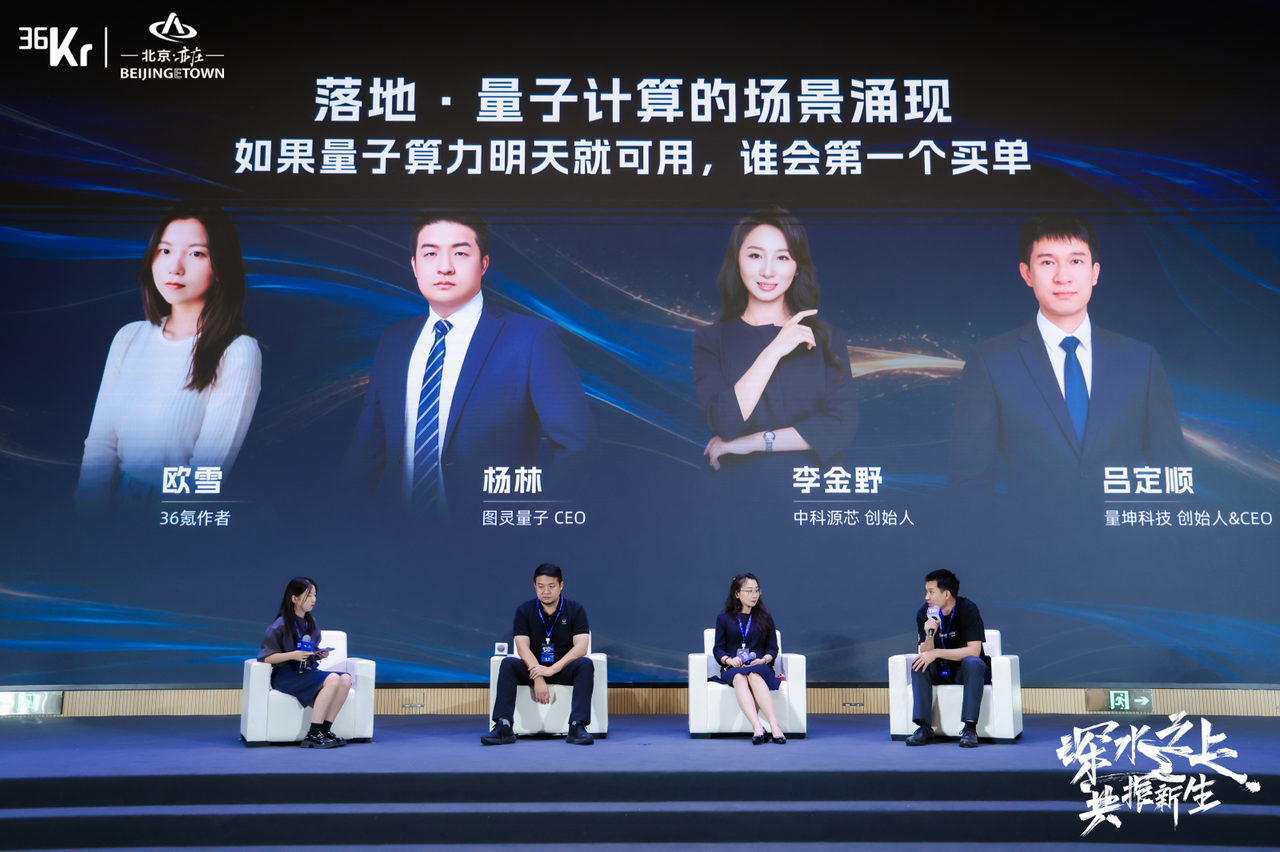
讨论最终也落到一个更现实的问题——谁会第一个买单。图灵量子、中科源芯、量坤科技等企业结合自身业务,探讨哪些行业和场景最有可能率先形成真实需求。技术路线可以并行,产业路径也可以不同,但量子计算能否真正走向产业化,最终仍要回到场景、客户和商业闭环。

圆桌:落地·量子计算的场景涌现如果量子算力明天就可用,谁会第一个买单

会后,与会嘉宾还参观了“量子星座”产业社区及国家信创园重点企业,进一步了解区内量子企业的技术进展和场景应用情况。

02

新周期,新共识:国资、基金、企业重新分工

产业投资者如今避不开的挑战,是硬科技项目越来越长的研发周期、更大的资金投入、以及对供应链和真实场景更强的依赖。

新周期下,单一机构不再能支持企业从研发走向规模化,国资、市场化基金、企业CVC都需要重新寻找各自定位,而如何做好协同、连接不同的资本和产业资源,是这一轮产业不得不面对的新问题。

大会第二天开场致辞中,36氪CEO冯大刚谈到新一轮产业投资剧变。他指出,国资亲自下场、千亿母基金加速落地……过去少见的动作,如今已经越来越常见。无论国资还是民营,人民币还是美元,当产业投资进入深水区,很难再有任何一家机构,能够靠自己把所有的资源、能力和机会都拼齐。水越深,越不能单打独斗。今天我们就是要把大家的力量放到一起,一起投、一起退、一起合作、一起找机会,真正形成产业与资本之间的共振。

36氪CEO冯大刚第二天致辞

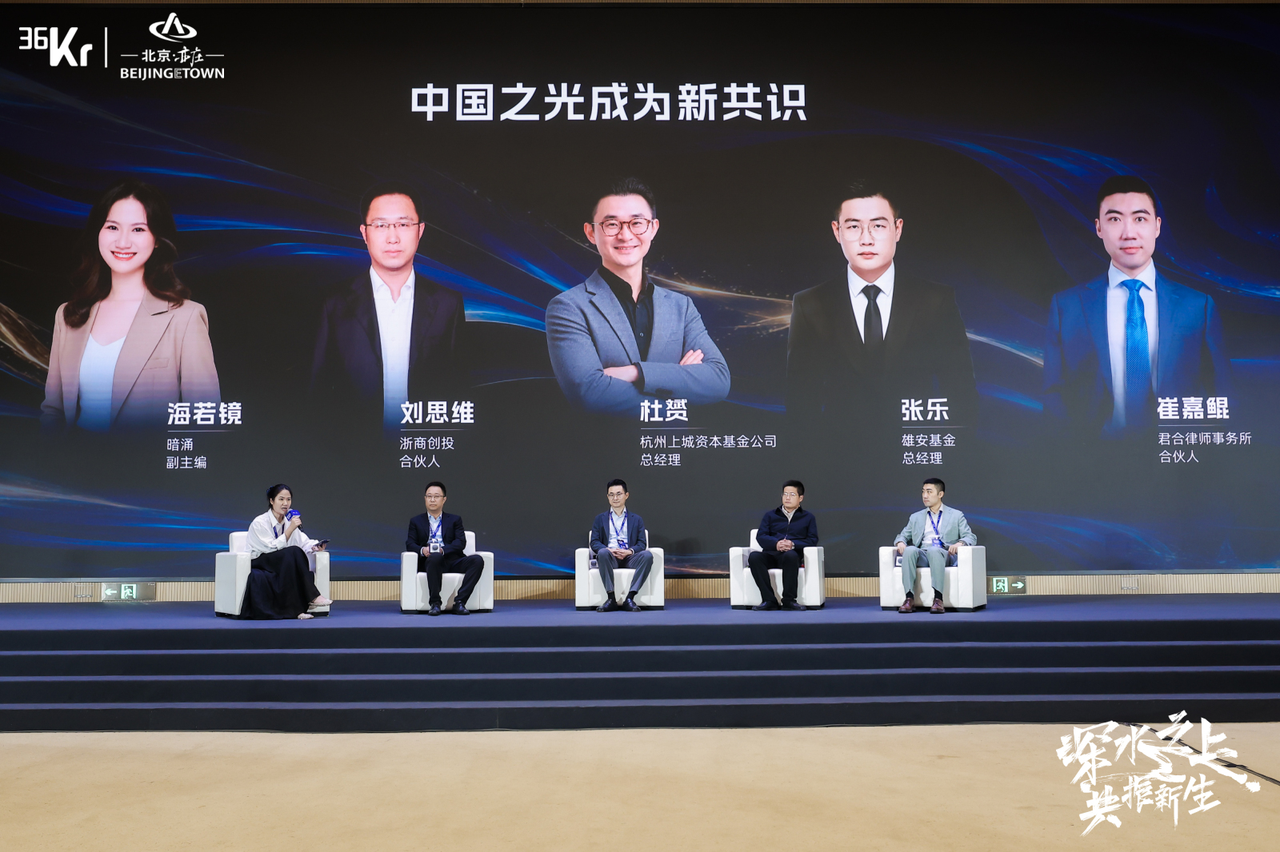
在“中国之光成为新共识”圆桌上,浙商创投合伙人刘思维,杭州上城资本基金公司总经理杜赟、雄安基金总经理张乐、君合律师事务所合伙人崔嘉鲲聚焦光芯片、光刻机、光模块等“中国之光”产业现有挑战,探讨资本集聚与政策扶持企业如何形成壁垒,以及资方如何通过协调、判断、支持实现“造光”。

圆桌:中国之光成为新共识

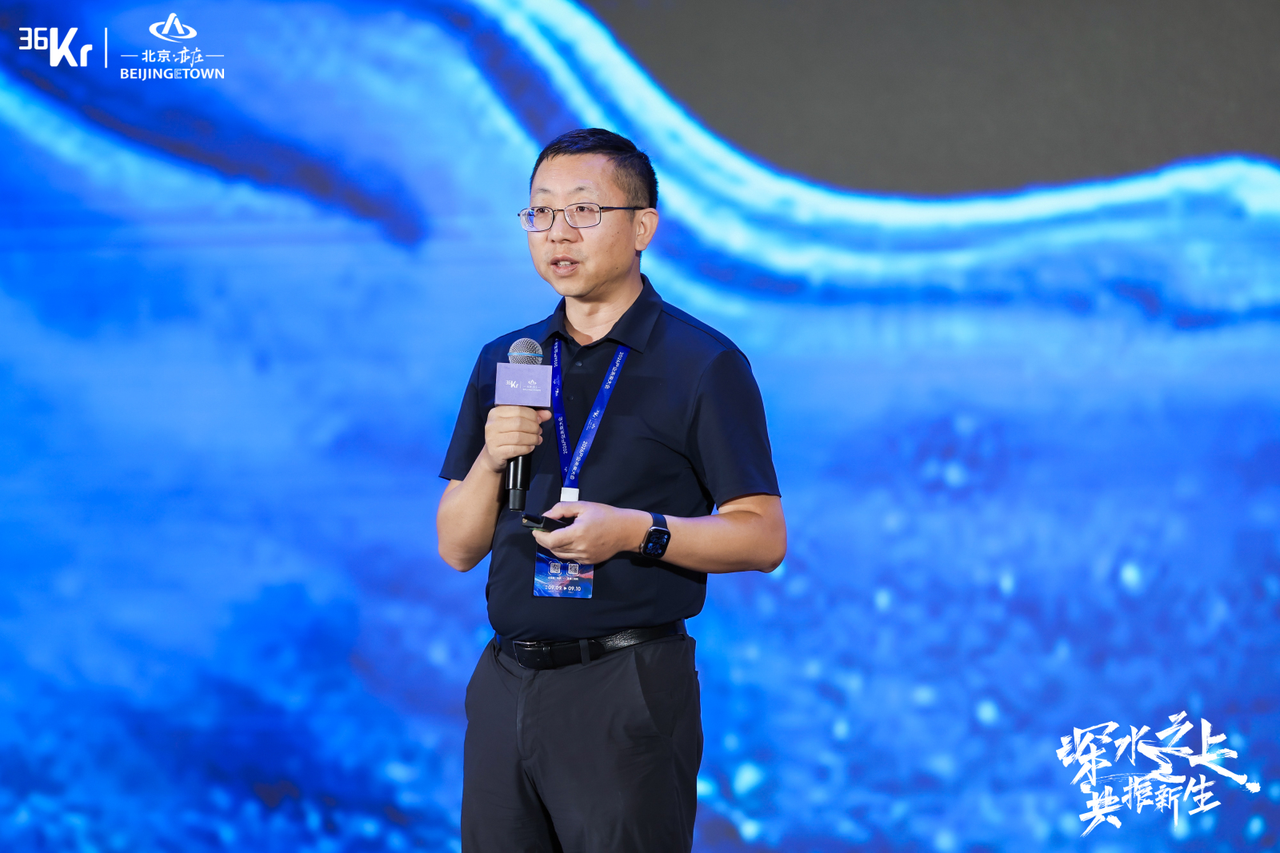
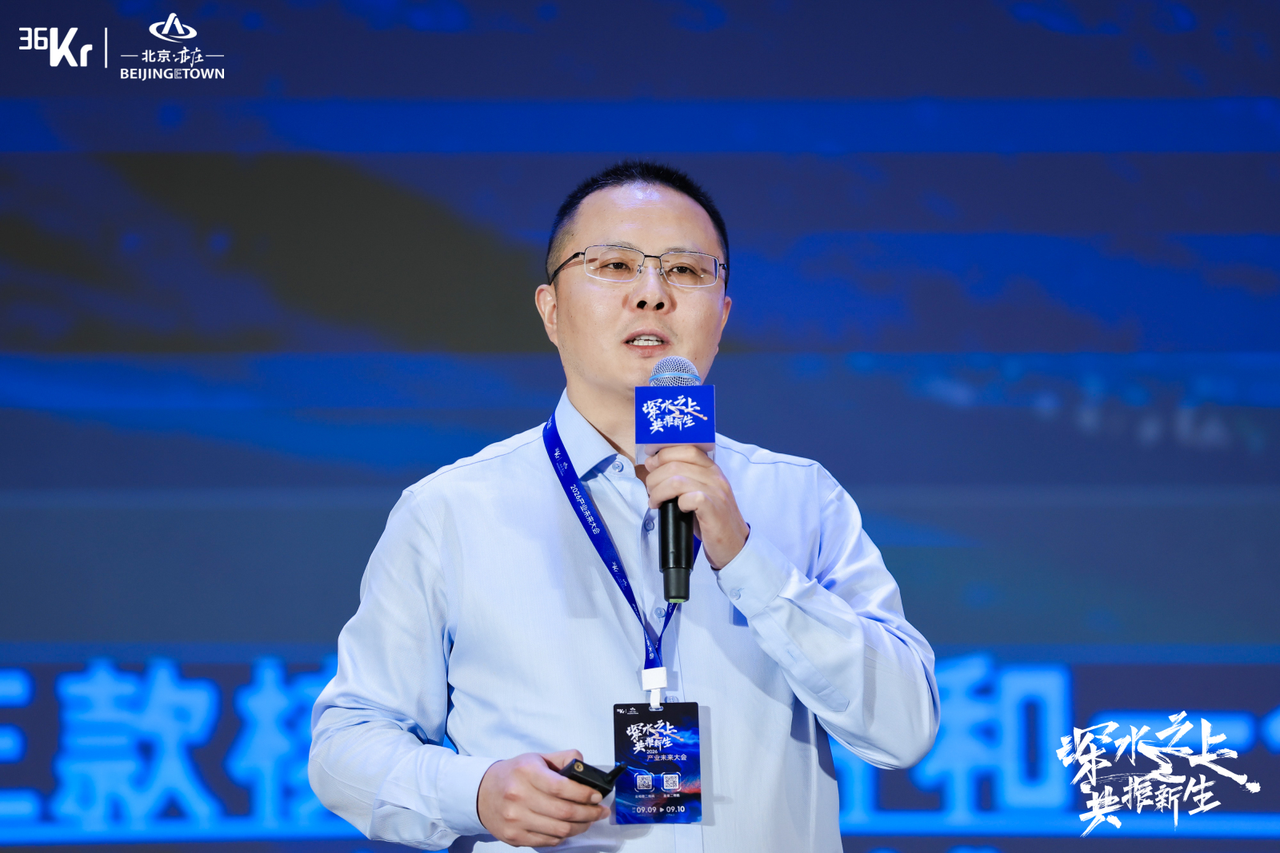
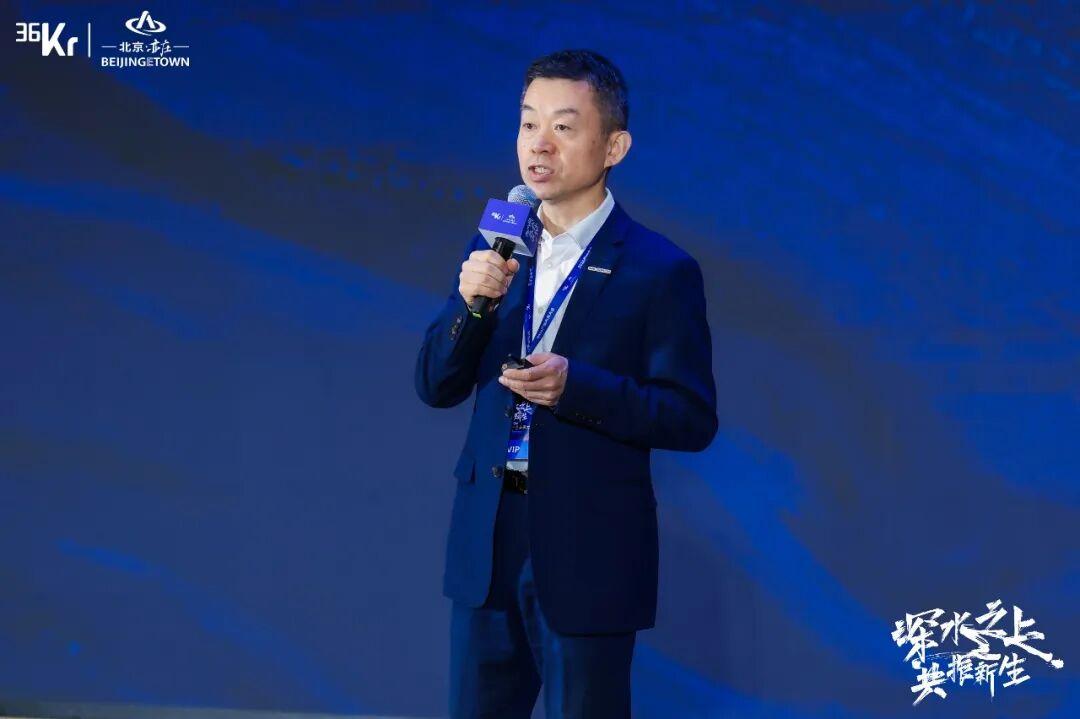
传统企业如何通过新技术成长?中控技术了提供一个具体样本。中控技术战略委员会副主任、总裁级战略顾问俞海斌在分享中表示,从实现自主可控到引领数字化转型,从全面拥抱AI到探索AI驱动的自主运行工厂系统AOP——中控的发展史是中国流程工业产业升级的缩影。在当下工业对安全、质量、低碳、效益的刚性需求下,AI正成为制造业升级的核心变量。中国凭借最完整的工业体系与海量工业数据,正率先定义流程工业的“AOP”时代——让工厂从“听指令”变为“会思考”,从“自动控制”走向“自主运行”。

图片

中控技术战略委员会副主任、总裁级战略顾问俞海斌

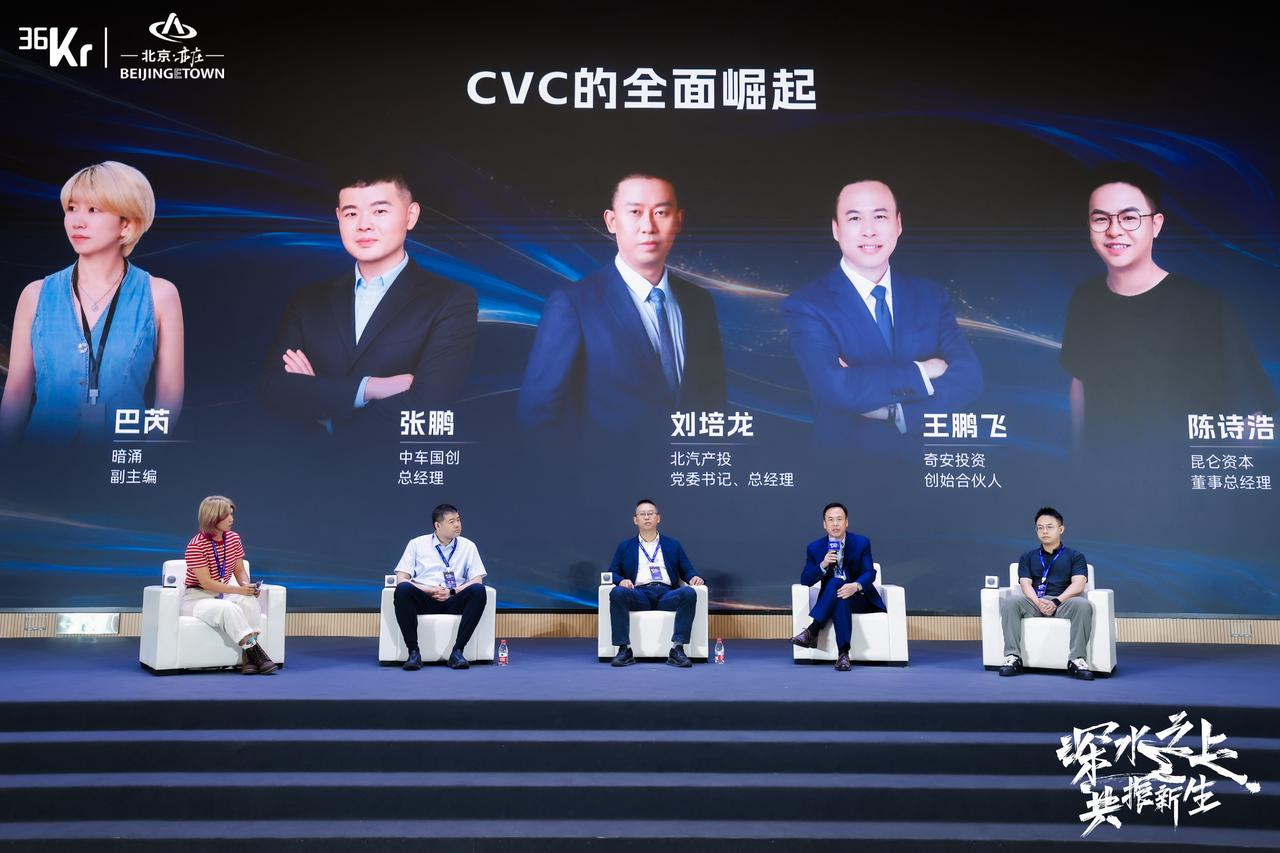
在“CVC的全面崛起”圆桌上,中车国创总经理张鹏、北汽产投党委书记兼总经理刘培龙、奇安投资创始合伙人王鹏飞、昆仑资本董事总经理陈诗浩探讨CVC如何成为产业投资中坚力量。当下,CVC从供应链投资转向新兴、未来产业的战略投资,“务实的浪漫主义”的“CVC 2.0”,正在关注真实场景和产业化的同时耐心布局前沿科技。

圆桌:CVC的全面崛起

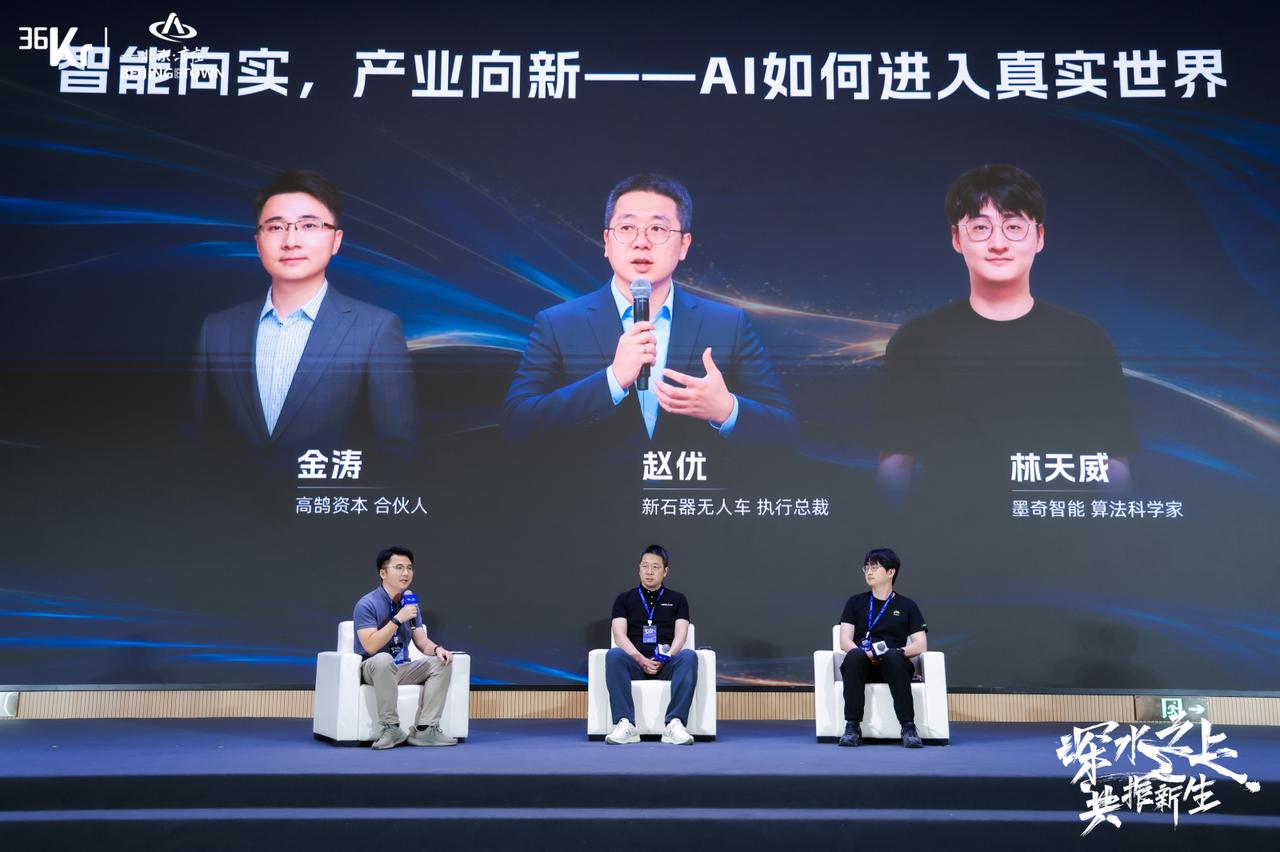
在“智能向实,产业向新——AI如何进入真实世界”圆桌上,高鹄资本合伙人金涛与新石器无人车执行总裁赵优、墨奇智能林天威,从自动驾驶与具身智能实践出发,探讨AI落地真实产业关键。随着资本落位,具身智能正从单点模型能力转向场景闭环、稳定交付与组织协同,但面对泡沫,投资人仍需审慎面对项目预期。

圆桌:智能向实,产业向新——AI如何进入真实世界

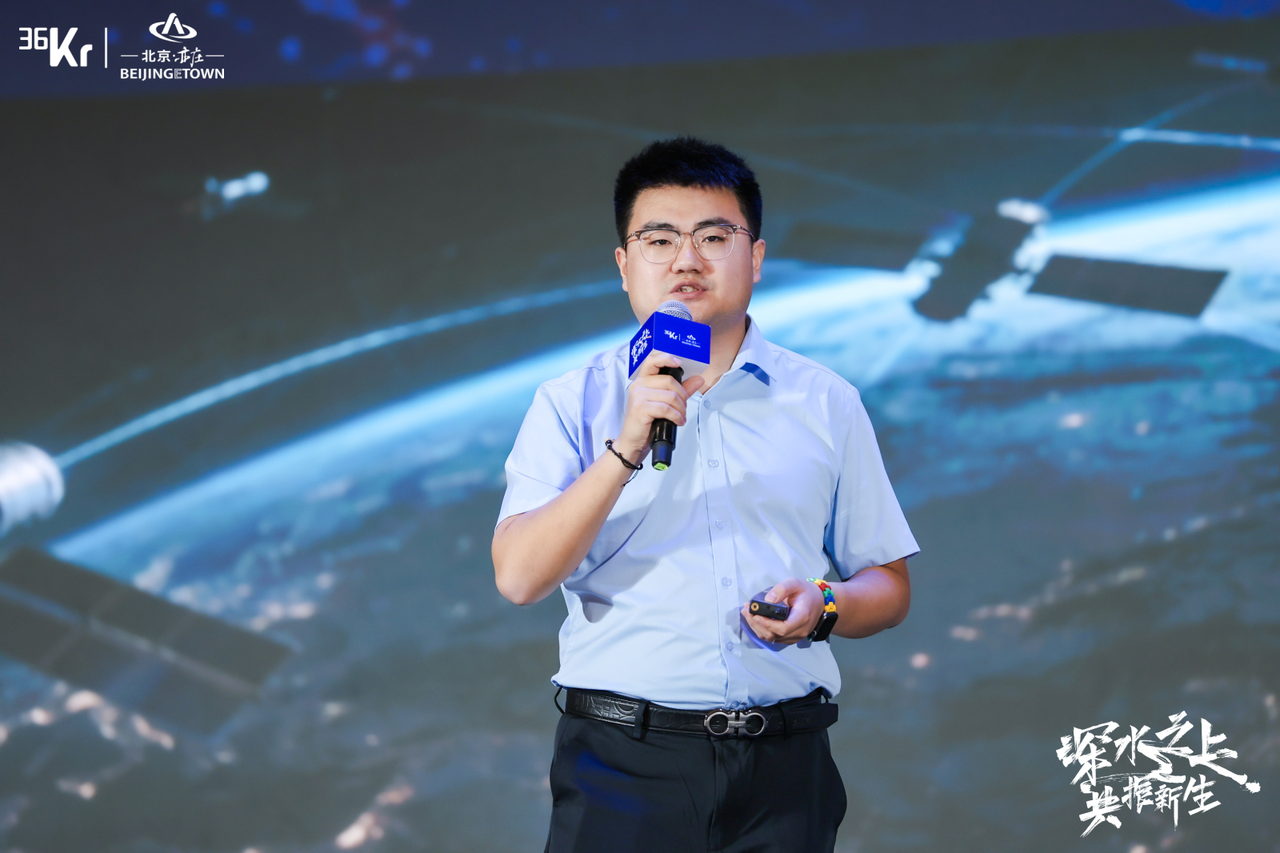
在更前沿的能源场景中,烁威光电联合创始人兼CTO徐帆围绕“中国太空钙钛矿光伏与新一代空间能源系统”展开分享,随着低轨星座、太空算力等需求增长,空间能源市场正从通信、导航、遥感卫星向更长期的天基能源基础设施延伸,市场规模也有望从千亿元级迈向更广阔空间。

烁威光电联合创始人兼CTO徐帆

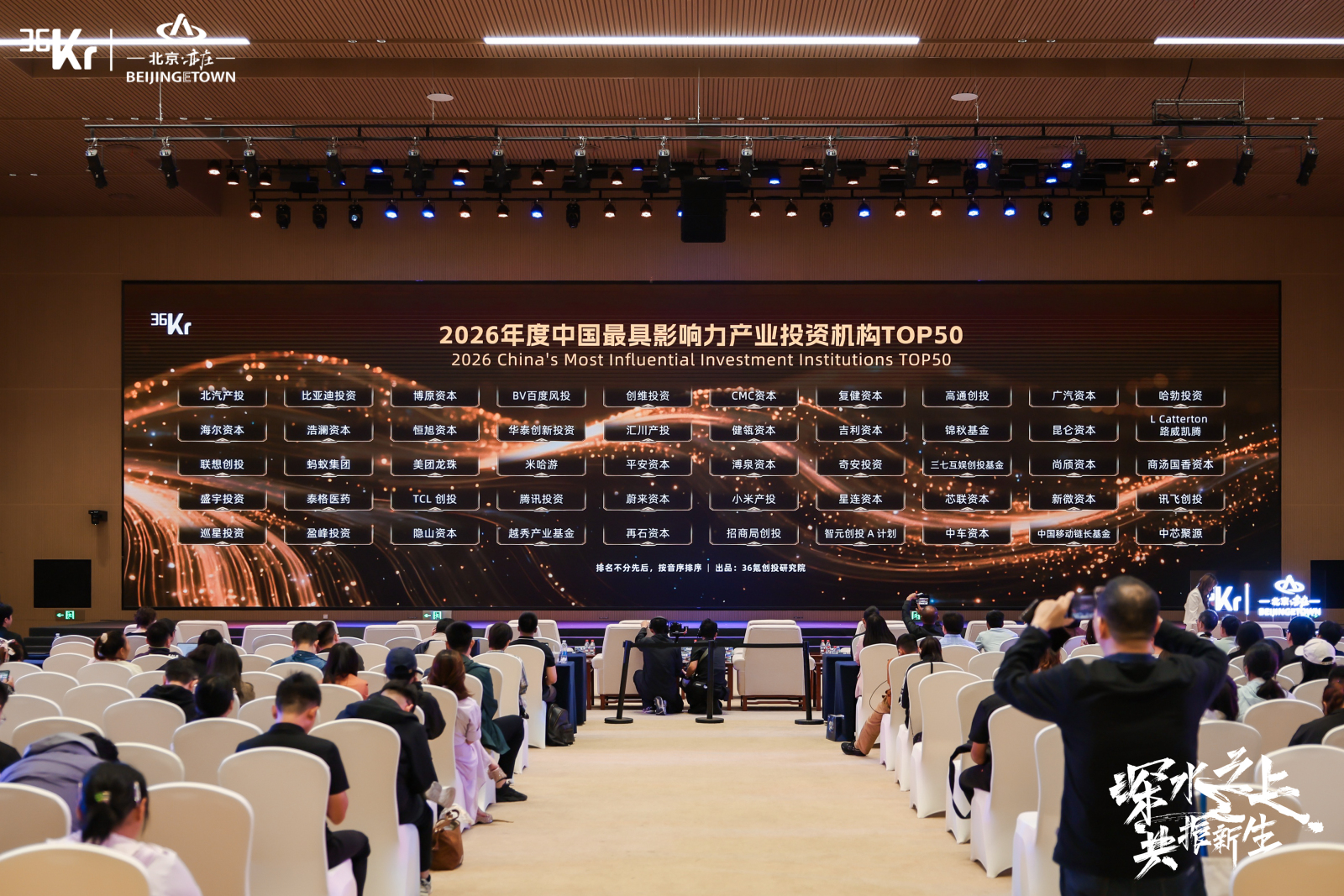
第二天上午,还发布了产业投资机构名册、国资投资名册及精品投行名册,从不同维度记录活跃在产业投资一线的机构与参与者。新产业周期下,不同资本正在重新寻找分工。新的共识并不是某一种资本取代另一种资本,而是当产业周期越来越长、技术越来越复杂之后,只有让资金、产业和场景在不同阶段接续起来,企业才更有可能真正长成一个产业。

产业投资机构等名册发布

03

产业新变量:在“过剩、深水、窗口与升级”中寻找机会

当技术开始接受产业化检验,资本也重新寻找协同方式,下一个问题自然浮出水面:新的产业周期里,什么样的机会还值得投入?

答案已经很难再用“热门赛道”简单概括。先进制造、新能源、半导体、脑机接口和具身智能处在完全不同的发展阶段,有的产能过剩面临筛选,有的刚打开商业化窗口,有的处于全产业链竞争,还有的增长见顶急需升级。同样是科技投资,面对不同阶段,资本需要回答的是完全不同的问题。

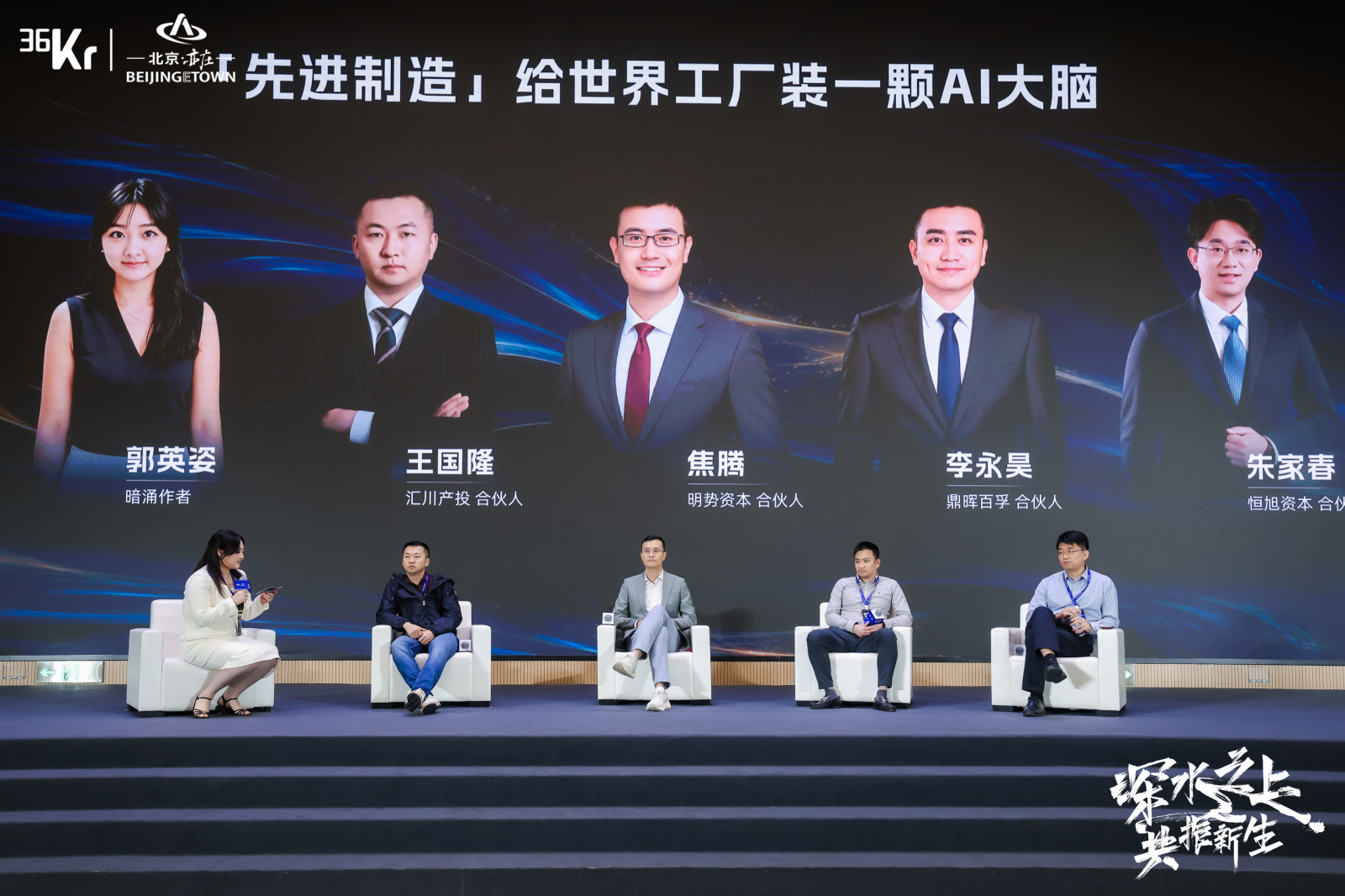
在“给世界工厂装一颗AI大脑”圆桌上,暗涌作者郭英姿与汇川产投合伙人王国隆、明势资本合伙人焦腾、鼎晖百孚合伙人李永昊、恒旭资本合伙人朱家春,围绕AI如何真正进入制造业展开讨论,解读工业AI数据如何有效利用实现降本增效,由单点跨越至全生产流程。

圆桌:“先进制造”给世界工厂装一颗AI大脑

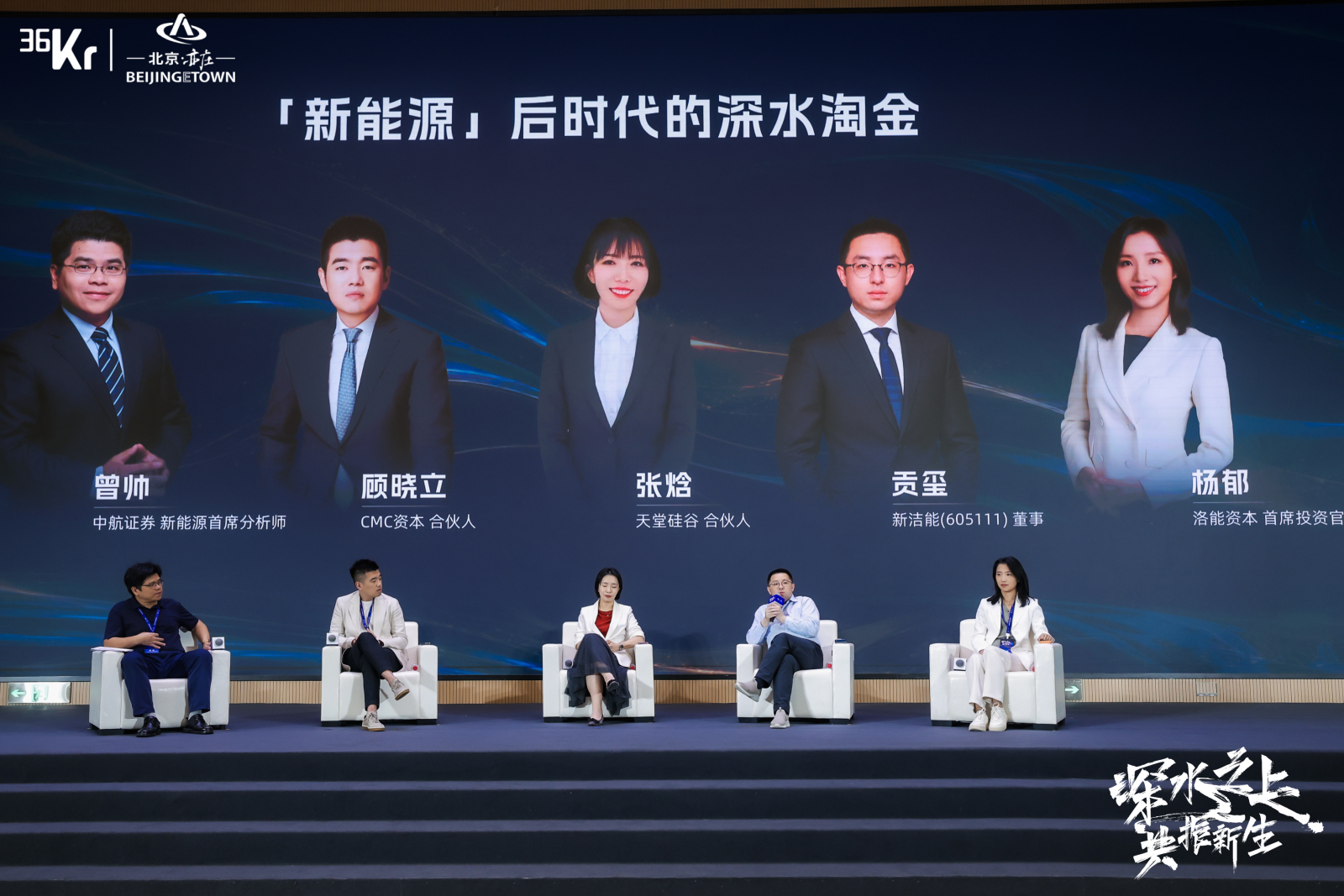
新能源进入“后时代”,投资也开始在周期中寻找新的结构性机会。在“新能源后时代的深水淘金”圆桌上,中航证券新能源首席分析师曾帅与CMC资本合伙人顾晓立、天堂硅谷合伙人张焓、新洁能董事贡玺、洛能资本首席投资官杨郁针探讨行业周期变化下,内在增长效率、技术效率、团队与出海能力等突破口,并分享周期间并购整合机会,与储能及能源相关AI Infra的投资窗口。

圆桌:“新能源”后时代的深水淘金

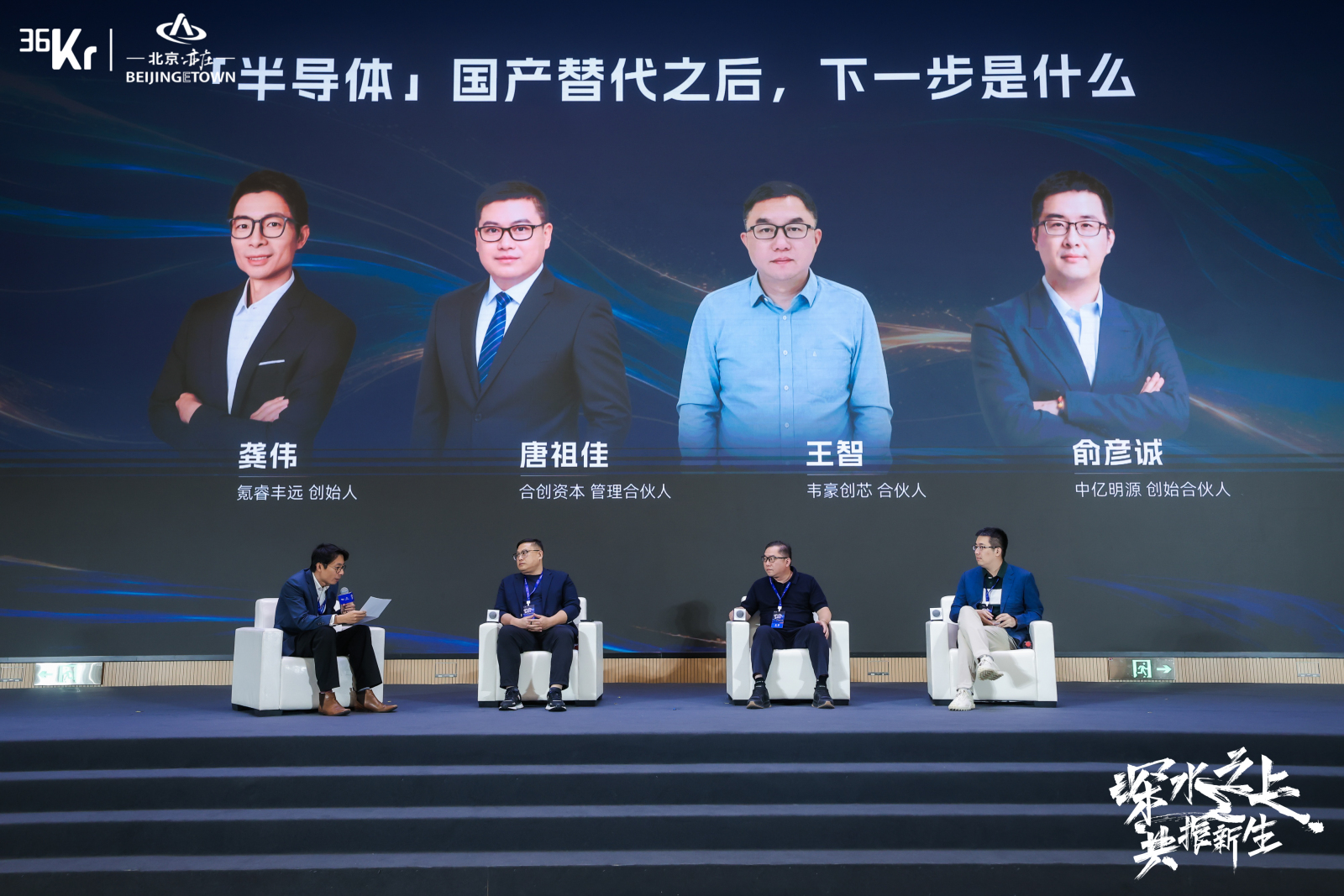
在“国产替代之后,下一步是什么”圆桌上,氪睿丰远创始人龚伟与合创资本管理合伙人唐祖佳、韦豪创芯合伙人王智、中亿明源创始合伙人俞彦诚,围绕国产半导体从“有没有”走向“好不好”展开讨论:产业整合将成为不可避免的趋势,AI正在推动半导体从单点突破走向系统协同与垂直整合,增量市场也为国产企业提供了与全球产业同步创新的新机会。

圆桌:“半导体”国产替代之后,下一步是什么

与这些相对成熟的产业相比,脑机接口和具身智能仍处在窗口刚刚打开的阶段。

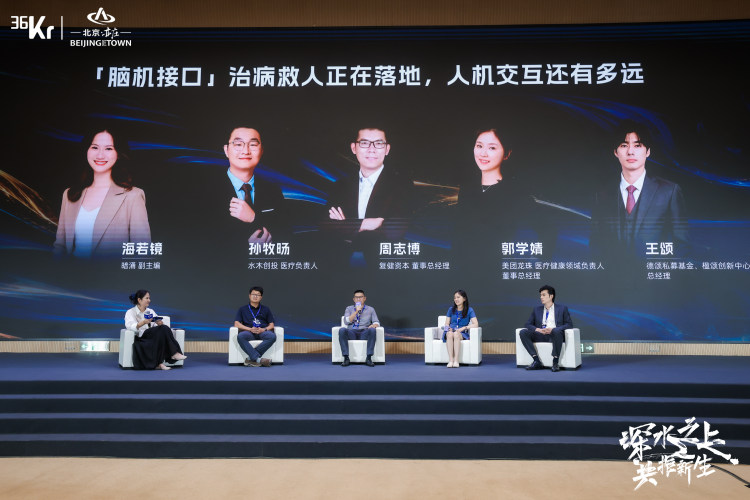
在脑机接口圆桌上,暗涌副主编海若镜与水木创投医疗负责人孙牧旸、复健资本董事总经理周志博、美团龙珠医疗健康领域负责人、董事总经理郭学婧、德颂私募基金、楹颂创新中心总经理王颂,围绕产业从医疗走向更广泛人机交互的路径展开讨论;现阶段,人机交互已走入医疗系统,但走向更广泛人群,仍需要建立在临床验证、对大脑更深理解以及技术进一步微创化的基础上。

圆桌:“脑机接口”治病救人正在落地,人机交互还有多远

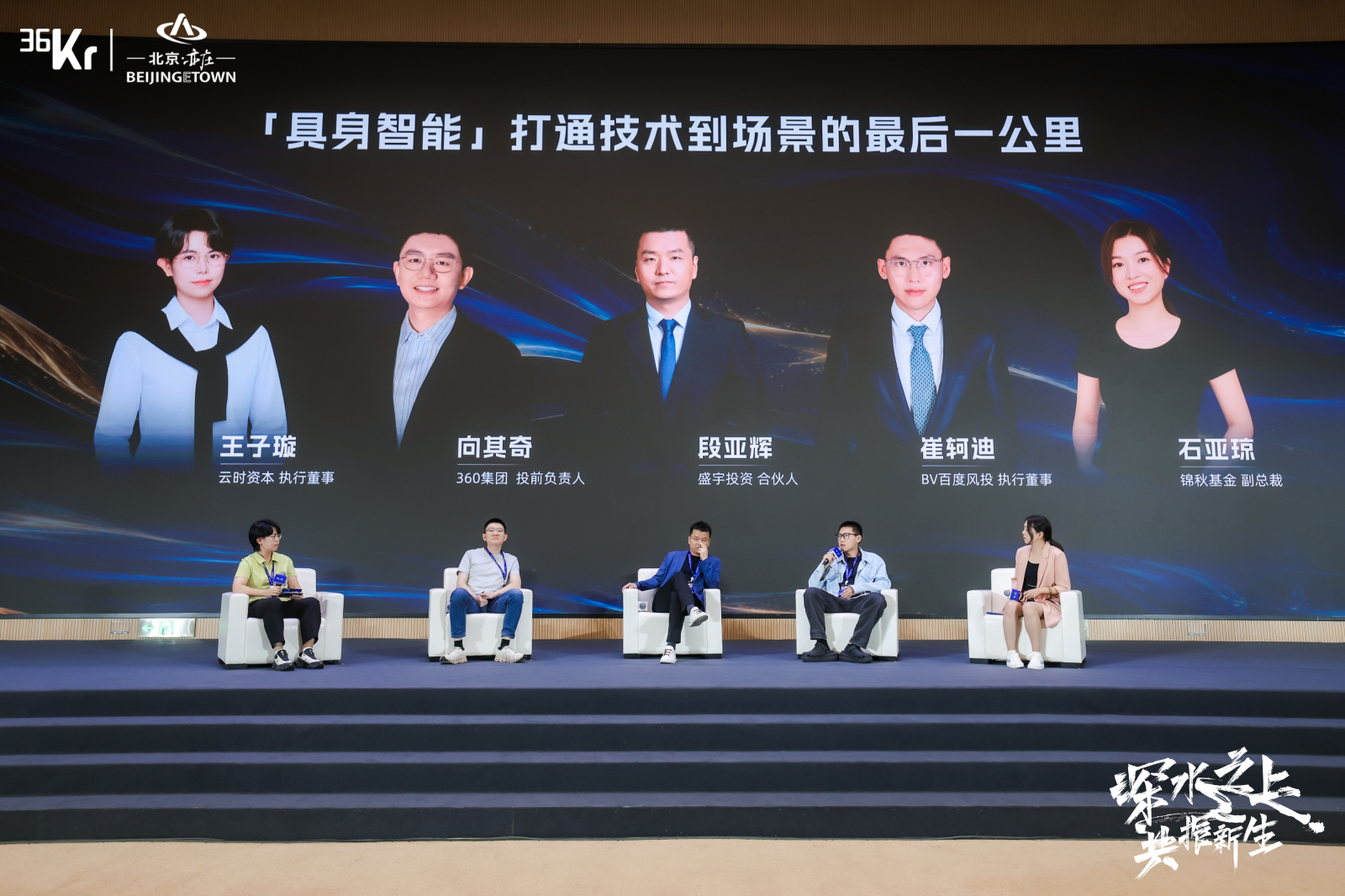
在具身智能圆桌上,云时资本执行董事王子璇与360集团投前负责人向其奇、盛宇投资合伙人段亚辉、BV百度风投执行董事崔轲迪、锦秋基金副总裁石亚琼等将讨论重新拉回模型和数据,分析具身智能商业化是“模型能力的溢出而不是目标”的本质,围绕高质量数据卡点与数据飞轮何时突破展开讨论。

圆桌:“具身智能”打通技术到场景的最后一公里

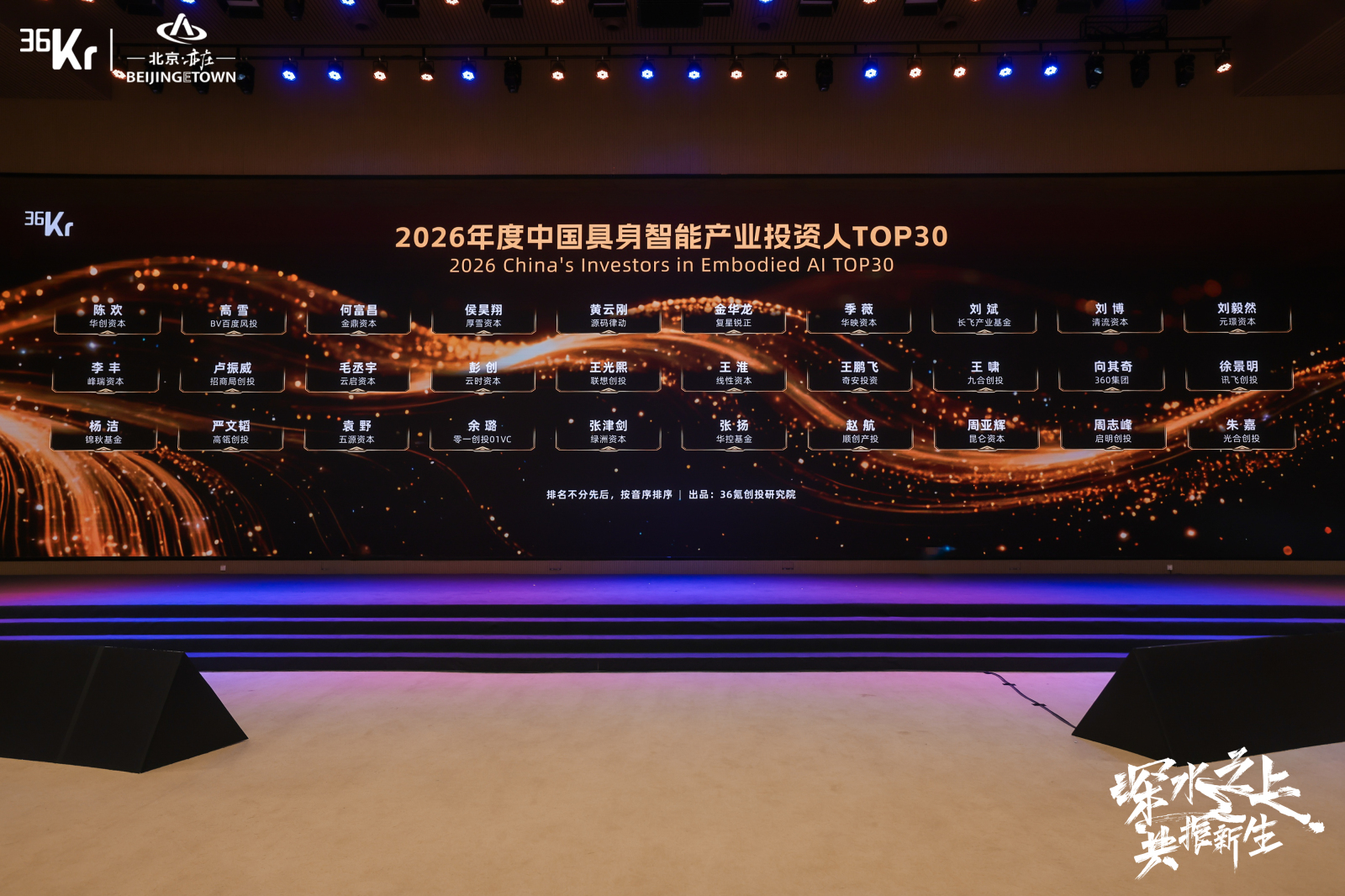
在产业变量激烈讨论的下午,36氪还发布了产业投资人名册、有限合伙人及专项名册、小天才名册,从投资人、长期资本与新一代产业参与者等不同维度,记录这一轮产业变化中正在出现的新力量。产业机会在分化,投资判断也在变化,而这些活跃在不同环节的人与机构,正共同构成新周期下产业投资的另一面。

产业投资机构等名册发布

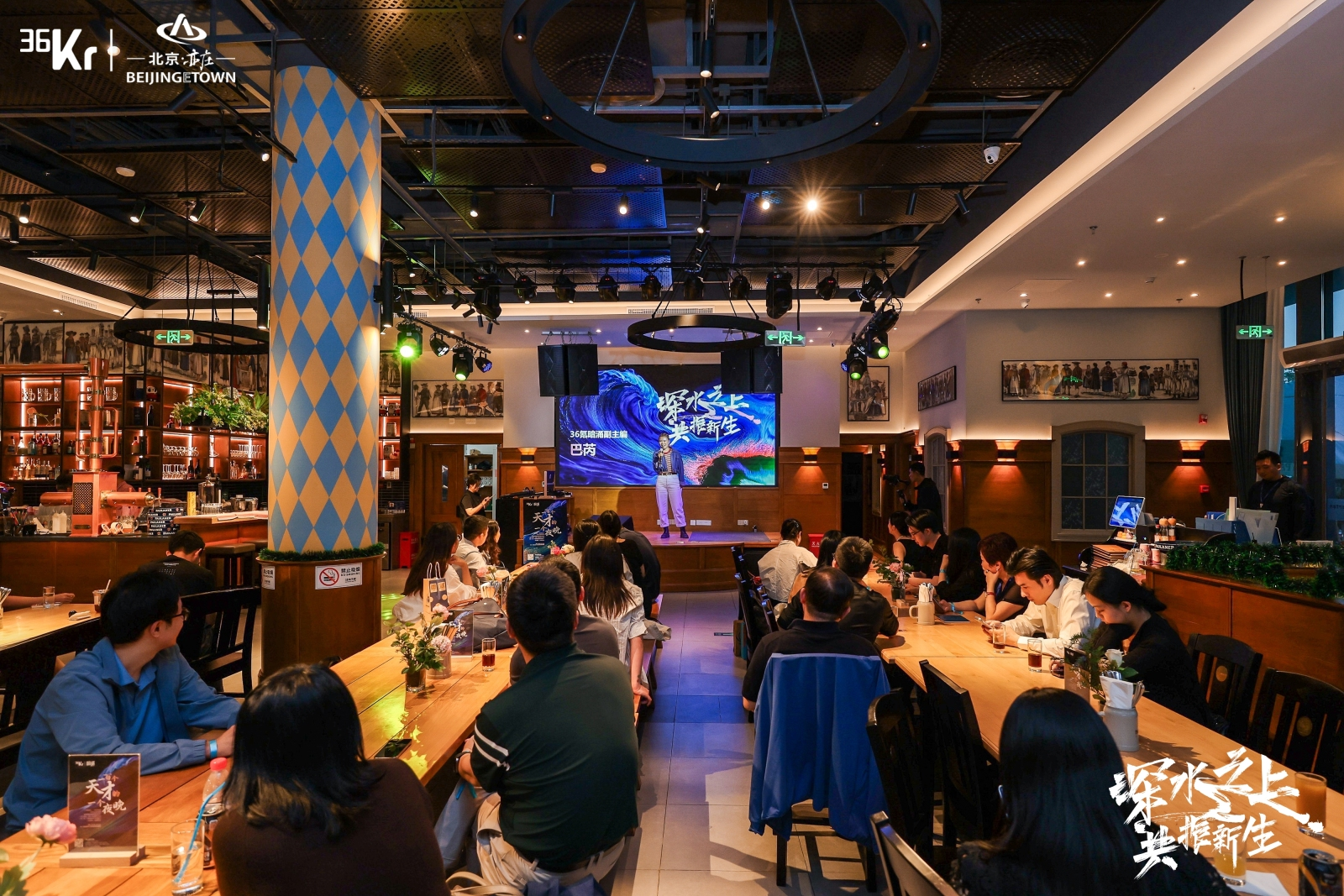
当晚,“深水之夜”晚宴延续了白天关于产业与资本的讨论。来自投资机构、产业企业及创新公司的嘉宾在更开放的交流场景中继续碰撞观点,也为全天议程画下句点。

“深水之夜”晚宴

04

深水之上:产业投资焕发新生

两天的讨论下来,一个变化越来越清晰:产业投资面对的问题,已经不再只是“什么值得投”,而是“什么能够真正长成产业”。

产业越往深处走,判断也越难依靠一套统一逻辑。技术需要跨过产业化门槛,企业需要穿越周期,资本则要从单纯提供资金,进一步连接供应链、场景、客户与产业资源。不同阶段需要不同答案,但最终都要回到真实需求和商业价值。

这或许也是“深水之上,共振新生”真正指向的变化:机会没有消失,只是不再浮在水面。真正值得下注的,是技术能否进入产业、企业能否穿越周期,以及不同力量能否围绕真实问题形成合力。

作为中国产业变革的观察者、记录者和连接者,36氪也将继续走进产业现场,连接政府、资本、产业与创新者,记录新的技术如何成为产业,也陪伴下一批“中国之光”走得更远。

注:文/龚作仁,文章来源:Laborer,本文为作者独立观点,不代表亿邦动力立场。

文章来源:Laborer

广告
微信
朋友圈

FAQ回顾

量子计算当前处于哪个发展阶段?

量子计算目前已走到工程化产业化初期阶段,超导、光量子、离子阱等多技术路线持续取得突破,后续需在稳定性、交付力、工业体系搭建、量子经典计算协同层面发力,其实际落地速度超出一线从业者的普遍预期。

北京经开区量子产业集群有哪些核心优势?

北京经开区目前已集聚60余家量子上下游企业,覆盖全技术路线、贯通量子计算、通信、测量全领域,形成完整产业链条;依托国家信创园打造“量子星座”产业社区,首创特色孵育机制,链接资本、场景资源加速技术落地。

硬科技产业投资进入深水区后各类资本如何协作?

当前硬科技项目普遍研发周期长、资金投入大、对供应链和应用场景依赖度高,单一机构难以支撑企业全周期成长;国资、市场化基金、企业CVC需明确分工,在资金、产业、场景等不同阶段接续赋能,形成产业与资本共振。

量子技术与AI融合有哪些产业化应用方向?

量子技术可为AI提供底层原理层面的突破性创新,二者融合可构建全域感知体系,目前已落地城市智慧水系统等场景,未来还可向具身智能、空天信息、医疗健康、信息安全、物流交通等领域延伸拓展。

这么好看,分享一下?

朋友圈 分享

APP内打开

+1
+1
微信好友 朋友圈 新浪微博 QQ空间
关闭
收藏成功
发送
/140 0