广告
加载中

高通亮相2026中国联通合作伙伴大会:6G研发进展与原型系统展示

龚作仁 2026-09-11 15:32
龚作仁 2026/09/11 15:32

邦小白快读

EN
全文速览

你可以通过本次大会披露的信息,了解和未来数字生活息息相关的通信行业发展重点,获取实用的行业前沿动态。

1.大会核心信息:2026年9月9日至10日在上海举办的中国联通合作伙伴大会上,通信技术企业高通设置以“共联未来,让智能计算无处不在”为主题的展台,展出端到端6G原型系统,公开下一代移动通信技术的研发与验证进展。

2.未来通信需求变化:据行业预测,2026至2030年间全球年度词元需求预计增长40倍,未来网络将从传统的传输数据比特,转向支撑AI时代终端、边缘、云端之间的词元流动与多设备智能协同,匹配爆发式增长的AI计算需求。

你也可以提前了解6G的落地节奏和生活应用方向。

1.目前全球产业界正协同推进6G研发,目标2029年实现商用,6G将带来更高的网络速率,支撑各类数据密集型应用。

2.未来6G技术还将应用在安全防护、智慧城市、数字孪生等公共服务领域,最终推动智能技术深入日常场景,惠及普通用户。

品牌商可从本次大会释放的技术趋势中,捕捉未来消费市场演进方向,为品牌长期的产品研发、场景布局提供参考。

1.把握技术驱动的消费趋势变化:未来AI任务将在终端、边缘、云端之间持续协同,2026至2030年全球年度词元需求预计增长40倍,网络将升级为支撑词元流动的智能协同底座,品牌研发智能类产品时,需提前适配下一代通信的端边云协同特性,布局面向6G时代的产品形态。

2.提前布局新场景赛道:6G依托Giga-MIMO、概率整形、子带全双工等关键技术,可实现更高频谱效率和上下行吞吐量,支撑数据密集型应用,还具备感知与智能分类能力,覆盖安全、智慧城市、数字孪生等新服务领域,品牌可提前探索相关场景下的用户服务形态,抢占新赛道先机。

你可以跟进产业协同节奏规划品牌动作。

1.目前全球产业界已达成6G发展共识,目标2029年商用,高通等头部企业长期参与全球通信标准制定,技术路径具备确定性,品牌可主动对接生态合作,提前打磨适配下一代网络的产品矩阵。

卖家可从本次大会释放的6G产业推进信号中,捕捉下一代通信技术带来的增量市场机会,提前布局卡位。

1.明确市场增长的时间窗口:目前全球近60家领军企业已达成6G发展共识,目标2029年实现6G商用;2026到2030年全球年度词元需求预计增长40倍,端边云协同的AI应用将成为核心需求,相关智能硬件、场景服务将迎来持续的需求增长。

2.挖掘新场景的销售机会:6G落地后除传统通信服务外,还将在安全服务、智慧城市配套、数字孪生相关服务等领域形成新的消费市场,卖家可提前开展相关品类选品、配套服务能力搭建。

你可以参考成熟的产业协同模式拓展资源。

1.当前高通等技术企业正联合基础设施厂商开展技术互操作性测试,联动生态伙伴共同推进技术落地,卖家可主动接入通信运营商、技术厂商的生态合作体系,借助生态资源提前获得新市场入场资格。

生产制造类工厂可从本次大会披露的6G技术进展中,找到面向下一代通信周期的生产设计方向与数字化转型参考。

1.明确通信配套硬件的设计生产需求:6G应用将依托Giga-MIMO、概率整形、子带全双工等关键技术,实现更高频谱效率和上下行吞吐量,相关通信设备、配套硬件的生产设计需要匹配新技术参数要求,支撑更高带宽、新频谱下的性能稳定性,工厂可提前对接技术厂商的硬件需求,储备相关生产能力。

2.把握新场景带来的配套生产机会:6G技术将在安全防护、智慧城市、数字孪生平台等领域落地,相关感知设备、智能终端、城市数字化配套硬件将产生大量生产订单,工厂可提前布局相关产品线。

你可以参考6G技术特性优化自身数字化建设。

1.未来6G网络将支撑端边云高效协同的智能计算,工厂在推进自身数字化、智能化升级时,可提前适配下一代网络的协同特性,优化生产环节的智能调度效率。

各类企业服务商可从本次高通展示的6G技术进展中,把握通信行业迭代的核心趋势,提前匹配客户新需求、打磨对应解决方案。

1.清晰认知下一代网络的核心演进逻辑:随着AI应用普及,2026-2030年全球年度词元需求将增长40倍,传统网络以传输比特为核心的能力已无法适配端边云协同的AI流动需求,网络将向支撑词元高效流动、智能协同的方向升级,这是未来服务方案设计的核心技术背景。

2.掌握6G的落地推进节奏:目前6G已形成明确的关键技术方向,产业界正联合开展射频对齐、互操作性测试验证技术稳定性,目标2029年商用,服务商可围绕技术落地过程中的测试配套、系统集成等需求打磨服务能力。

你可以提前挖掘新场景的服务机会。

1.6G的感知、智能分类能力可支撑安全、智慧城市、数字孪生等场景应用,服务商可围绕这些场景的客户需求,提前开发基于6G能力的行业解决方案,抢占服务市场先机。

各类产业服务平台、电商平台可从本次大会展现的6G产业协同动作中,明确平台运营、生态建设的方向,提前适配产业变化。

1.把握平台生态建设的时间节奏:目前全球通信产业已形成6G发展共识,目标2029年实现商用,2026-2030年将是相关技术、产品、服务快速迭代的周期,平台可提前布局面向6G相关品类、服务的招商专区,吸引技术厂商、硬件厂商、服务商入驻,提前搭建6G相关产业生态。

2.匹配产业端的协同需求:当前6G正处于原型验证、互操作性测试阶段,技术厂商需要联动基础设施厂商、场景方、硬件方共同推进技术落地,平台可发挥连接供需的作用,搭建跨主体的对接通道,解决生态伙伴信息不对称、对接效率低的痛点。

你可以提前做好运营风险规避。

1.6G技术仍在迭代过程中,关键技术、应用场景尚未完全定型,平台在招商、运营过程中可优先对接参与全球标准制定、具备原型验证能力的头部企业,避免引入技术路径不成熟的主体,保障平台生态健康发展。

产业研究人员可从本次高通参展的成果中,获取6G产业推进的最新动向,为相关研究、政策建议提供现实参考。

1.把握6G研发的最新阶段进展:当前6G研发已进入端到端原型系统验证阶段,核心技术方向包括Giga-MIMO、概率整形、子带全双工等,研发重点除了提升频谱效率、上下行吞吐量以支撑数据密集型应用外,也在推进与基础设施厂商的射频对齐、互操作性测试,验证新频谱、新带宽下的性能稳定性。

2.明确网络演进的核心底层逻辑:AI原生时代网络的核心角色正在从传输比特转向支撑端边云之间的词元流动与智能协同,据行业预测2026-2030年全球年度词元需求将增长40倍,这是6G技术设计的核心需求背景。

你可以梳理6G产业的协同发展模式。

1.目前全球近60家领军企业已达成6G发展共识,其中近三分之一为中国企业,各方以2029年商用为目标共同推进标准制定、技术研发、场景探索,应用方向覆盖安全、智慧城市、数字孪生等领域,这种跨主体的协同模式可为相关产业政策制定提供参考。

返回默认
声明:快读内容全程由AI生成,请注意甄别信息。如您发现问题,请发送邮件至 run@ebrun.com 。

我是 品牌商 卖家 工厂 服务商 平台商 研究者 帮我再读一遍。

Quick Summary

The information released at this conference will help you understand the development priorities of the communications industry closely tied to future digital life, and gain access to practical, cutting-edge industry updates.

1. Key conference takeaways: At the China Unicom Partner Conference to be held in Shanghai on September 9–10, 2026, communications technology firm Qualcomm will host a booth under the theme "Connecting the Future, Making Ubiquitous Intelligent Computing a Reality". The company will showcase its end-to-end 6G prototype system and share the latest R&D and verification progress of next-generation mobile communications technology.

2. Shifts in future communications demand: Industry projections estimate that global annual token demand will grow 40-fold between 2026 and 2030. Future networks will evolve from traditional bit-transmission pipelines to infrastructures that support token flows and cross-device intelligent collaboration across end devices, edge nodes and the cloud, to meet the surging demand for AI computing.

You will also gain early insight into 6G’s commercialization timeline and real-life use cases.

1. The global industry is now collaborating on 6G R&D, with a target of commercial launch by 2029. 6G will deliver much higher network speeds to support a wide range of data-intensive applications.

2. Future 6G technologies will also be applied to public service fields including security protection, smart cities and digital twins, eventually integrating intelligent technologies into daily scenarios to deliver tangible benefits to general users.

Brands can identify future consumer market evolution trends from the technology signals released at the conference, to inform long-term product R&D and scenario deployment strategies.

1. Capture technology-driven shifts in consumer demand: Future AI tasks will be processed through continuous collaboration across end devices, edge nodes and the cloud. As global annual token demand is projected to grow 40-fold between 2026 and 2030, networks will upgrade into intelligent collaboration backbones supporting token flows. When developing smart products, brands should adapt in advance to the end-edge-cloud collaboration features of next-generation communications, and lay out product pipelines tailored for the 6G era.

2. Secure early positions in emerging scenario tracks: Leveraging core technologies including Giga-MIMO, probabilistic shaping and sub-band full duplex, 6G will deliver higher spectral efficiency and uplink/downlink throughput to support data-intensive applications. It will also integrate sensing and intelligent classification capabilities, covering emerging service fields such as security, smart cities and digital twins. Brands can explore user service formats in these scenarios ahead of competitors to capture first-mover advantages in new tracks.

You can align your brand strategies with the rhythm of cross-industry collaboration.

1. The global industry has reached a consensus on 6G development, targeting commercial launch by 2029. Leading players such as Qualcomm have long participated in global communications standard setting, making the overall technology roadmap highly predictable. Brands can proactively seek ecosystem partnerships to refine product portfolios adapted to next-generation networks in advance.

Sellers can identify incremental market opportunities brought by next-generation communications technology from the 6G industry advancement signals released at the conference, and secure early market positions.

1. Define the time window for market growth: Nearly 60 leading global enterprises have reached a consensus on 6G development, targeting commercial launch by 2029. Global annual token demand is projected to grow 40-fold between 2026 and 2030, driving end-edge-cloud collaborative AI applications to become a core demand, which will fuel sustained growth in related smart hardware and scenario-based services.

2. Tap sales opportunities in new scenarios: Beyond traditional communications services, 6G will create new consumer markets in fields including security services, smart city supporting facilities and digital twin-related services. Sellers can launch category selection and supporting service capacity building for these segments in advance.

You can leverage mature cross-industry collaboration models to expand business resources.

1. Technology firms such as Qualcomm are currently conducting technology interoperability tests in partnership with infrastructure vendors, and coordinating with ecosystem partners to drive technology commercialization. Sellers can proactively join the ecosystem cooperation frameworks of communications carriers and technology vendors, to gain early access to new markets through ecosystem resources.

Manufacturing factories can identify production design directions and digital transformation references for the next communications cycle from the 6G technology progress disclosed at the conference.

1. Clarify design and production requirements for communications supporting hardware: 6G applications will rely on core technologies including Giga-MIMO, probabilistic shaping and sub-band full duplex to deliver higher spectral efficiency and uplink/downlink throughput. The production and design of related communications equipment and supporting hardware must match the parameters of these new technologies to ensure stable performance under higher bandwidth and new spectrum conditions. Factories can engage with technology vendors’ hardware demand pipelines in advance to build corresponding production capabilities.

2. Capture supporting production opportunities from new scenarios: 6G technology will be deployed in fields including security protection, smart cities and digital twin platforms, generating large production orders for related sensing devices, smart terminals and urban digital supporting hardware. Factories can make early layout of related product lines.

You can optimize your own digital construction based on 6G technical features.

1. Future 6G networks will support end-edge-cloud collaborative intelligent computing with high efficiency. When advancing their own digital and intelligent upgrades, factories can adapt to the collaboration features of next-generation networks in advance, to improve intelligent scheduling efficiency across production links.

Enterprise service providers of all types can grasp the core iteration trends of the communications industry from the 6G technology progress showcased by Qualcomm, to proactively align with new customer demands and refine corresponding solutions.

1. Develop a clear understanding of the core evolution logic of next-generation networks: As AI applications gain widespread adoption, global annual token demand will grow 40-fold between 2026 and 2030. Traditional networks centered on bit transmission can no longer meet the demand for AI flow across end, edge and cloud; instead, networks will upgrade to support efficient token flow and intelligent collaboration, which forms the core technical background for future service solution design.

2. Master the 6G commercialization roadmap: 6G now has clearly defined core technology directions. Industry players are jointly conducting radio frequency alignment and interoperability tests to verify technology stability, with a target of commercial launch by 2029. Service providers can build service capabilities around demands such as test supporting facilities and system integration during the technology implementation process.

You can explore service opportunities in new scenarios ahead of time.

1. 6G’s sensing and intelligent classification capabilities will support applications in scenarios including security, smart cities and digital twins. Service providers can develop 6G-enabled industry solutions tailored to customer demands in these scenarios in advance, to capture first-mover advantages in the service market.

Industrial service platforms and e-commerce platforms can define directions for platform operation and ecosystem building from the 6G cross-industry collaboration activities showcased at the conference, and adapt to industry changes in advance.

1. Align platform ecosystem construction with the industry timeline: The global communications industry has reached a consensus on 6G development, targeting commercial launch by 2029. The 2026–2030 period will see rapid iteration of related technologies, products and services. Platforms can set up dedicated investment zones for 6G-related categories and services in advance, attract technology vendors, hardware manufacturers and service providers to settle on the platform, and build a 6G-focused industry ecosystem ahead of time.

2. Meet cross-party collaboration demands across the industry: 6G is currently in the prototype verification and interoperability testing stage. Technology vendors need to coordinate with infrastructure providers, scenario operators and hardware manufacturers to advance technology implementation. Platforms can leverage their role as connectors between supply and demand, build cross-party matchmaking channels, and address pain points such as information asymmetry and low matchmaking efficiency for ecosystem partners.

You can mitigate operational risks in advance.

1. 6G technology remains in the iteration process, with core technologies and application scenarios not yet fully finalized. During investment attraction and operation, platforms can prioritize partnerships with leading enterprises that participate in global standard setting and have prototype verification capabilities, to avoid onboarding players with immature technology roadmaps and ensure the healthy development of the platform ecosystem.

Industry researchers can obtain the latest updates on 6G industry advancement from Qualcomm’s exhibition results, to provide practical references for related research and policy recommendations.

1. Grasp the latest progress in 6G R&D: 6G R&D has entered the end-to-end prototype system verification stage. Core technology directions include Giga-MIMO, probabilistic shaping and sub-band full duplex. Beyond improving spectral efficiency and uplink/downlink throughput to support data-intensive applications, R&D efforts are also focused on conducting radio frequency alignment and interoperability tests with infrastructure vendors, to verify performance stability under new spectrum and bandwidth conditions.

2. Clarify the underlying logic of network evolution: In the AI-native era, the core role of networks is shifting from bit transmission to supporting token flow and intelligent collaboration across end devices, edge nodes and the cloud. Industry projections estimate that global annual token demand will grow 40-fold between 2026 and 2030, which forms the core demand background for 6G technology design.

You can map the collaborative development model of the 6G industry.

1. Nearly 60 leading global enterprises, nearly one third of which are Chinese companies, have reached a consensus on 6G development. Targeting commercial launch by 2029, all parties are jointly promoting standard setting, technology R&D and scenario exploration, with applications covering fields such as security, smart cities and digital twins. This cross-party collaboration model can provide references for relevant industrial policy formulation.

Disclaimer: The "Quick Summary" content is entirely generated by AI. Please exercise discretion when interpreting the information. For issues or corrections, please email run@ebrun.com .

I am a Brand Seller Factory Service Provider Marketplace Seller Researcher Read it again.

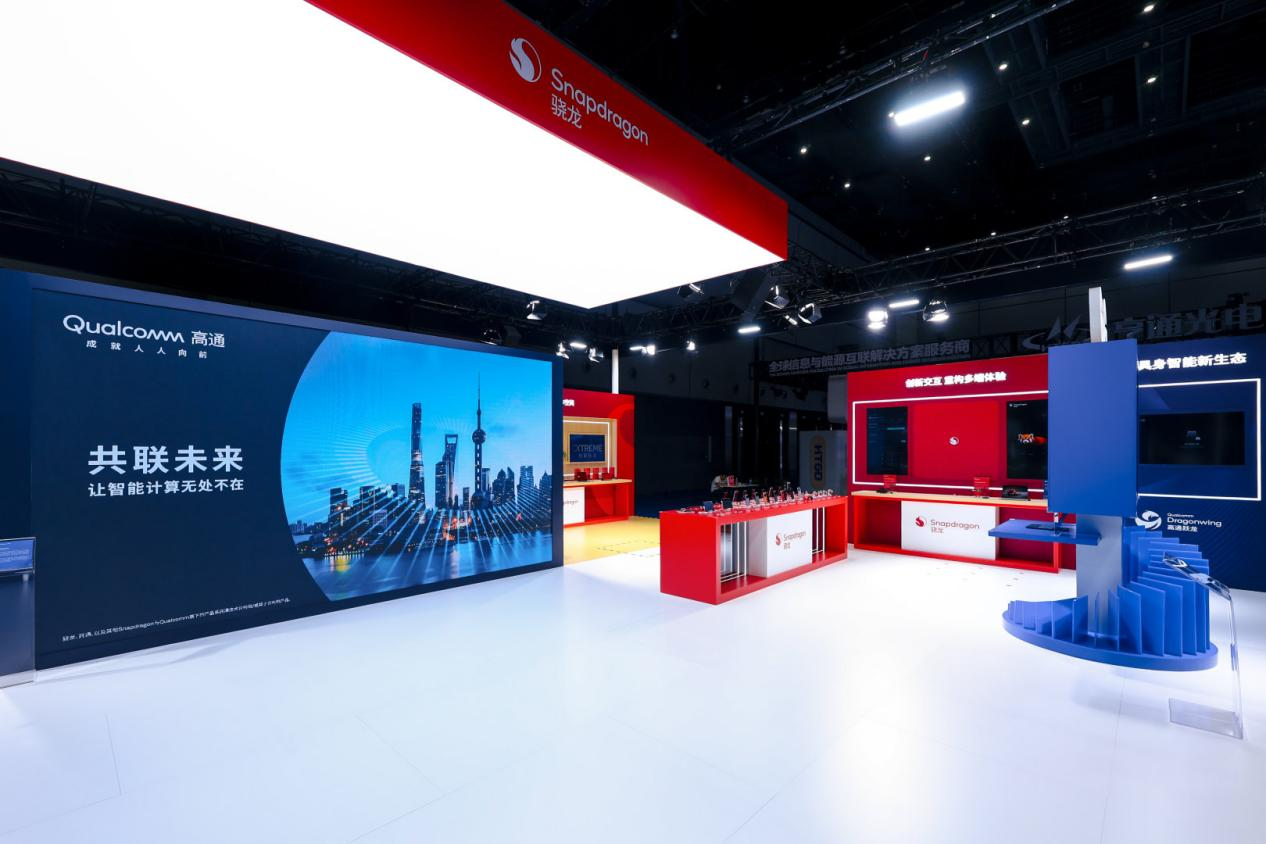
9月9日至10日,2026中国联通合作伙伴大会于上海世博中心成功举办。高通公司作为无线通信、智能计算与AI创新的重要推动者,以及中国联通的长期合作伙伴也亮相了此次大会,并设立了以“共联未来,让智能计算无处不在”为主题的展台,展出了其端到端6G原型系统,直观呈现了下一代移动通信技术的研发脉络与验证进展。未来,越来越多AI任务将在不同设备以及终端、边缘和云端之间持续协同,由此带来的数据与计算需求也将快速增长。

据行业预测,2026至2030年间,全球年度词元需求预计将增长40倍。随着大量词元在终端、边缘与云端之间生成、处理和流动,网络所承担的角色也在发生着从主要“传输比特”,进一步走向支撑AI时代的“词元流动”和智能协同的变化。面对这一趋势,高通通过展示具体的原型系统与测试成果,清晰地勾勒出其推进6G技术落地的研发路径,为理解AI原生时代的网络演进提供了坚实的技术背景。

在原型系统展示环节,高通重点呈现了Giga-MIMO、概率整形以及子带全双工等关键技术。结合更高的频谱效率以及提升的上行和下行吞吐量,可以更好地支持未来数据密集型应用。与此同时,高通还展示了与领先的基础设施厂商开展的6G射频对齐和互操作性测试。通过新频谱、新带宽以及关键性能目标的可行性与稳定性,加速6G协同创新。此外,在场景探索方面,高通通过6G感知与智能分类演示,展示了技术在安全、智能城市及数字孪生平台等新服务领域的广阔应用前景。

此次在联通大会上的展示,是高通持续推动6G产业发展的一个缩影。在今年早些时候举办的巴塞罗那世界移动通信大会上,高通已与包括联通在内的全球近60家领军企业达成6G发展共识,其中近三分之一为中国企业,共同致力于技术研发与产业协同,为2029年商用做好准备。从2G到6G,高通始终保持在通信技术研发上的持续投入,并且积极参与全球标准制定。本次展示的端到端原型系统、互操作性测试及感知演示,正是这一长期投入在现阶段的具体成果,为推动前瞻技术一步步走向产业现实做贡献。高通与中国联通携手同行三十年,共同见证了移动通信从承载语音、承载数据,走向承载智能。面向智能体AI加速发展的新阶段,高通将延续与中国联通及广大生态伙伴的紧密合作,推动智能技术深入千行百业、惠及千家万户,合力书写智能与连接融合发展的崭新篇章。

注:文/龚作仁,文章来源:Laborer,本文为作者独立观点,不代表亿邦动力立场。

文章来源:Laborer

广告
微信
朋友圈

FAQ回顾

高通的6G原型系统用到了哪些核心技术?

高通展出的端到端6G原型系统包含Giga-MIMO、概率整形、子带全双工等关键技术,可提升频谱效率与上下行吞吐量,更好支撑未来数据密集型应用,目前高通已联合基础设施厂商开展6G射频对齐和互操作性测试,加速技术协同创新。

6G技术预计什么时候实现商用?

高通已在巴塞罗那世界移动通信大会上联合包括中国联通在内的全球近60家领军企业达成6G发展共识,其中近三分之一为中国企业,各方共同推进技术研发与产业协同,目标为2029年6G商用做好准备。

AI时代通信网络的定位会发生什么变化?

据行业预测,2026至2030年间全球年度词元需求预计将增长40倍,未来通信网络将从主要承担"传输比特"的功能,转向支撑AI时代终端、边缘、云端间的词元流动与跨设备智能协同。

6G技术未来可落地哪些应用场景?

6G技术除了支撑AI时代的泛在分布式智能协同外,还可通过6G感知与智能分类能力,落地于安全防护、智能城市建设、数字孪生平台搭建等新服务领域,具备广阔的应用前景。

这么好看,分享一下?

朋友圈 分享

APP内打开

+1
+1
微信好友 朋友圈 新浪微博 QQ空间
关闭
收藏成功
发送
/140 0