广告
加载中

破解3C数码物流三大痛点 顺丰B端车辆能力筑牢行业履约护城河

龚作仁 2026-09-08 11:18
龚作仁 2026/09/08 11:18

邦小白快读

EN
全文速览

本文主要梳理了当前3C数码物流行业存在的核心痛点,并介绍了顺丰针对痛点推出的专业B端运力解决方案,核心干货内容如下:

1. 当前3C数码物流存在三大核心痛点:一是3C产品单箱货值高,传统物流保费覆盖不足,赔付流程冗长,一次货损即可吞噬整单利润;二是产品精密元器件损伤具有滞后性,损伤出现在终端才发现,责任界定纠缠不清;三是新品首销窗口仅7-14天,传统物流凑满发车的模式容易延误时效,错过销售周期,甚至直接被新品迭代淘汰。

2. 顺丰推出针对性落地方案:通过全程四路监控、机械化装卸、减震固定降低货损,出现问题可精准追溯责任;采用时效优先到点发车机制,搭配弹性车型矩阵保障时效;搭建全维度监控体系实现全程可查,还推出专用车型解决非标大件运输痛点,有效降低行业隐性物流成本。

当前3C数码行业竞争格局发生变化,物流履约能力已经成为品牌差异化竞争的新护城河,相关干货内容如下:

1. 当前行业趋势与痛点:3C产品迭代速度加快,新品发布周期压缩至月度,渠道下沉至三四线及县域市场,3C产品本身具备高货值、易损、时效要求刚性的特点,传统物流已经无法适配需求,会带来货损赔付高、错失新品销售窗口、损害品牌口碑等问题,是全行业共同面对的系统性危机。

2. 可落地的解决方案:顺丰搭建了以9米6车型为核心的标准化专业履约体系,可实现全国统一服务标准,解决下沉市场物流保障不足的问题,还能压缩在途时长释放流动资金,压低货损率降低综合损耗,支撑品牌全品类包括非标大件产品的全国铺货,帮助品牌构建差异化竞争力。

当前3C数码行业渠道下沉、新品迭代快带来了很多新增长机会,同时传统物流也带来诸多风险,相关干货内容整理如下:

1. 当前需要关注的风险与变化:3C新品首销周期极短,传统物流凑满发车的模式容易延误时效,造成断货损失,甚至错过整个销售周期;3C产品货值高,传统物流保费不足,一次货损就会吞噬整单利润;隐性损伤责任不清,还会带来终端客诉,影响店铺口碑与复购。

2. 应对方案与机会提示:顺丰的B端运力方案可帮助卖家解决上述问题,实现全程物流可追溯,有效降低货损率和客诉,提升消费者体验;稳定的时效可帮助卖家精准规划库存与铺货节奏,抓住新品销售窗口,下沉市场也能保持统一服务标准,综合隐性成本远低于传统物流,帮助卖家抓住市场增长机会。

当前3C数码市场需求发生变化,对物流履约提出新要求,相关干货内容整理如下:

1. 当前市场需求与商业机会:3C产品迭代周期已经压缩至月度级别,对新品铺货物流时效要求大幅提升;除常规消费数码外,商用显示设备、服务器等非标大件3C产品的需求也在增长,传统物流无法适配这类产品的运输需求,容易造成货损。

2. 相关启示:工厂推进数字化和电商渠道布局,可依托顺丰成熟的专业化B端运力体系,解决新品铺货时效慢、高货值产品货损防控难、非标大件运输风险高等痛点,支撑工厂全渠道全品类的市场拓展;顺丰全流程智能化监控、标准化作业的管控模式,也值得工厂在推进自身生产管理数字化升级过程中参考借鉴,帮助工厂提升运营效率降低损耗。

当前3C数码物流行业存在普遍的系统性痛点,蕴含行业升级机会,相关干货内容整理如下:

1. 行业客户核心痛点:当前3C全行业品牌商、卖家、工厂都面临三重核心物流痛点,一是货值密度高,传统物流按重量计费、按件投保的模式和3C产品错配,保费覆盖不足,赔付流程冗长;二是产品损伤隐蔽化,责任界定困难,长期存在推诿扯皮的问题;三是时效窗口刚性化,传统凑满发车模式不符合3C行业时效要求,此外非标大件3C产品也存在运输难、易货损的问题。

2. 可参考的解决方案:可以学习顺丰以适配车型为核心搭建可量化、可追溯、可复制的专业化运输保障体系,通过全程可视化监控、机械化作业、时效优先发车机制、专用非标车型,针对性解决各类痛点,满足客户需求,提升自身的市场竞争力。

当前3C全行业对专业履约物流的需求大幅提升,相关干货对平台招商运营、风险规避有参考价值,整理如下:

1. 商家对物流平台的核心需求:3C行业商家需要能匹配3C产品高货值、易破损、强时效特点的专业化物流服务,要求能覆盖下沉市场做到全国服务标准统一,能解决非标大件产品运输难题,能帮助企业降低隐性物流成本,这些都是传统物流平台无法满足的需求。

2. 可借鉴的运营经验:顺丰的经验值得参考,可搭建弹性车型矩阵,推出时效优先的到点发车机制,搭建全维度智能监控体系,实现全程可追溯可管控,统一全国不同区域的服务标准,既能满足不同规模不同类型商家的差异化需求,吸引更多3C类商家入驻平台,也能通过智能化管控规避丢损、责任纠纷等风险,提升平台整体口碑与竞争力。

当前3C数码行业出现新的竞争变化,物流履约领域出现新的商业模式,相关干货内容整理如下:

1. 产业新动向:当前3C数码行业产品迭代速度加快,渠道不断下沉,行业出现产品同质化、价格透明化、渠道碎片化的趋势,竞争已经从前端产品、价格、渠道的博弈,转向后端履约能力的比拼,传统物流体系已经无法适配行业新需求,全行业存在系统性的履约危机,亟待新的解决方案。

2. 新商业模式探索:顺丰推出了以9米6车型为核心的B端工程化运力体系,重新框定了3C行业的物流成本逻辑,将物流从可压缩的成本项转变为支撑企业竞争的履约资本,该体系精准匹配3C行业的核心痛点,是一套可落地、可验证的专业化履约保障方案,为3C行业物流发展提供了新的商业模式方向,具备较高的研究价值。

返回默认
声明:快读内容全程由AI生成,请注意甄别信息。如您发现问题,请发送邮件至 run@ebrun.com 。

我是 品牌商 卖家 工厂 服务商 平台商 研究者 帮我再读一遍。

Quick Summary

This article outlines the core pain points currently plaguing the 3C electronics logistics industry and introduces SF Express's specialized B-end capacity solution tailored to these challenges. Key takeaways are as follows:

1. The 3C electronics logistics sector currently faces three major core pain points. First, given the high value per carton of 3C products, traditional logistics insurance provides insufficient coverage and involves lengthy claim processes—one single cargo damage incident can wipe out the entire profit of an order. Second, damage to precision components is often latent, only detected when products reach end consumers, leading to protracted disputes over liability. Third, the initial sales window for new products only lasts 7 to 14 days; the traditional "wait-to-fill" departure model often causes delays, causing businesses to miss the sales cycle and even leave new products obsolete before they can hit the market.

2. SF Express has launched a targeted, actionable solution. It reduces cargo damage through full-process four-channel monitoring, mechanized loading and unloading, and shock-absorbing fixing, with precise liability tracing when incidents occur. It adopts an on-schedule departure mechanism prioritizing timeliness, paired with a flexible vehicle matrix to guarantee delivery speed. It has also built a full-dimensional monitoring system enabling full-track traceability, and launched dedicated vehicle models to solve pain points in transporting non-standard large cargo, effectively reducing the industry's hidden logistics costs.

As the competitive landscape of the 3C electronics industry shifts, logistics fulfillment capability has become the new moat for brands' differentiated competition. Key insights are as follows:

1. Current industry trends and pain points: 3C product iteration has accelerated, with new product release cycles compressed to monthly intervals, and sales channels expanding downward to tier-3, tier-4 cities and county-level markets. Given 3C products' inherent characteristics of high value, vulnerability, and rigid timeliness requirements, traditional logistics can no longer meet industry demand. It leads to high cargo damage compensation costs, missed new product sales windows, and damaged brand reputation, constituting a systemic crisis facing the entire industry.

2. Actionable solution: SF Express has built a standardized professional fulfillment system centered on 9.6-meter trucks, enabling uniform service standards nationwide to address insufficient logistics support in lower-tier markets. It also shortens transit time to free up working capital, lowers cargo damage rates to cut overall losses, and supports national distribution of a brand's entire product portfolio, including non-standard large cargo, helping brands build differentiated competitive advantages.

Channel expansion to lower-tier markets and faster product iteration in the 3C electronics industry have created many new growth opportunities, but traditional logistics also brings multiple risks. Key insights are as follows:

1. Risks and changes requiring attention: The initial sales cycle for new 3C products is extremely short, and traditional "wait-to-fill" departures often cause delays, leading to stockout losses and even missed entire sales cycles. With the high value of 3C products, traditional logistics provides insufficient insurance coverage—one damage incident can erase an entire order's profit. Unclear liability for latent damage also leads to end-customer complaints, hurting store reputation and repeat purchases.

2. Response solutions and opportunity insights: SF Express's B-end capacity solution helps sellers address the above issues. It enables full logistics traceability, effectively reduces cargo damage rates and customer complaints, and improves consumer experience. Reliable timeliness helps sellers accurately plan inventory and distribution rhythm to capture new product sales windows, maintain uniform service standards even in lower-tier markets, and achieves far lower overall hidden costs than traditional logistics, helping sellers seize market growth opportunities.

Changing demand in the 3C electronics market has placed new requirements on logistics fulfillment. Key insights are as follows:

1. Current market demand and business opportunities: 3C product iteration cycles have been compressed to monthly intervals, drastically raising requirements for logistics timeliness for new product distribution. In addition to conventional consumer electronics, demand for non-standard large 3C products such as commercial displays and servers is also growing. Traditional logistics cannot adapt to the transportation requirements of these products and is prone to causing cargo damage.

2. Key takeaways: When factories advance digital transformation and expand e-commerce channels, they can leverage SF Express's mature, specialized B-end capacity system to solve pain points including slow new product distribution, difficulty preventing cargo damage for high-value products, and high transportation risks for non-standard large cargo, supporting the factories' market expansion across all channels and all product categories. SF Express's full-process intelligent monitoring and standardized operation management model also provides a useful reference for factories advancing the digital upgrading of their own production management, helping factories improve operational efficiency and reduce losses.

The 3C electronics logistics industry has widespread systemic pain points that contain industry upgrading opportunities. Key insights are as follows:

1. Core pain points for industry clients: Currently, 3C brands, sellers, and factories across the industry all face three core logistics pain points. First, for high-value-density 3C products, traditional logistics' pricing by weight and insurance per item is mismatched to the industry's needs, resulting in insufficient insurance coverage and lengthy claim processes. Second, product damage is often latent, making liability definition difficult and leading to long-standing finger-pointing between parties. Third, the rigid time window requirement cannot be met by the traditional "wait-to-fill" departure model. In addition, transporting non-standard large 3C products also remains challenging and damage-prone.

2. Reference solution for the industry: Providers can learn from SF Express's approach of building a quantifiable, traceable, replicable specialized transportation guarantee system centered on matching vehicle types. Through full-process visual monitoring, mechanized operation, timeliness-first departure scheduling, and dedicated vehicles for non-standard cargo, the model addresses various pain points in a targeted way to meet customer demand and improve providers' own market competitiveness.

Demand for professional fulfillment logistics across the 3C industry has increased sharply, and the following insights offer reference for platform investment promotion, operation, and risk avoidance:

1. Core demands of merchants from logistics platforms: 3C industry merchants need specialized logistics services that match the characteristics of 3C products—high value, vulnerability, and strict timeliness requirements. They require coverage of lower-tier markets with uniform national service standards, solutions for non-standard large cargo transportation, and support to reduce enterprises' hidden logistics costs—all demands that traditional logistics platforms cannot meet.

2. Reference operational experience: SF Express's experience offers valuable lessons. Platforms can build a flexible vehicle matrix, launch a timeliness-first on-schedule departure mechanism, and build a full-dimensional intelligent monitoring system to enable full-process traceability and control, unifying service standards across different regions nationwide. This not only meets the differentiated demands of merchants of different scales and types to attract more 3C merchants to settle on the platform, but also helps avoid risks such as cargo loss and liability disputes through intelligent management and control, improving the platform's overall reputation and competitiveness.

New competitive changes have emerged in the 3C electronics industry, and new business models have appeared in the logistics fulfillment field. Key insights are as follows:

1. New industrial trends: Currently, 3C product iteration is accelerating, sales channels are continuously expanding to lower-tier markets, and the industry is seeing trends of product homogenization, price transparency, and channel fragmentation. Competition has shifted from the battle over front-end products, pricing, and channels to competition in back-end fulfillment capabilities. Traditional logistics systems can no longer adapt to the industry's new demands, and the entire industry faces a systemic fulfillment crisis that urgently requires new solutions.

2. Exploration of a new business model: SF Express has launched a B-end engineered capacity system centered on 9.6-meter trucks, which redefines the logistics cost logic for the 3C industry. It transforms logistics from a compressible cost item into fulfillment capital that supports enterprises' competition. This system accurately matches the core pain points of the 3C industry, forming an actionable, verified professional fulfillment guarantee solution. It offers a new business model direction for 3C industry logistics development and carries high research value.

Disclaimer: The "Quick Summary" content is entirely generated by AI. Please exercise discretion when interpreting the information. For issues or corrections, please email run@ebrun.com .

I am a Brand Seller Factory Service Provider Marketplace Seller Researcher Read it again.

3C数码行业正经历一场静默的履约链路危机。

产品迭代速度持续加快,新品发布周期压缩至月度级别,品牌与经销商的备货窗口期极度有限;旗舰数码单品货值高昂,运输过程中的轻微颠簸,都可能引发高额赔付与售后危机;与此同时,行业渠道持续下沉至三四线及县域市场,但物流可视化、标准化能力并未同步跟进,多数订单仅停留在“已发货”的浅层信息公示。这并非单一企业的经营难题,而是全行业品牌方、制造商、经销商、电商卖家共同面临的系统性履约危机。

在行业普遍纠结“是否为优质物流多付出5%成本”时,顺丰已完成B端履约网格的深度布局,以9米6车型为核心运力载体,精准匹配3C数码“高货值、易破损、强时效、高丢损风险”四大核心特性,搭建起一套可量化、可追溯、可复制的专业化运输保障体系,彻底打破传统物流的履约短板。

行业之困:3C物流的隐性成本黑洞

3C数码产品的物流,从来不是“把货从A运到B”的简单搬运。这个行业的产品特性,决定了物流环节本身就是履约链路的关键变量,也造就了其与消费品物流截然不同的三重属性。

货值密度极端化。一台主流智能手机客单价过万,单箱货值常达15至30万元,高端机型整批货值可达百万级。传统物流“按重量计费、按件投”"的模式,与3C产品的价值分布完全错配——保费覆盖不足,赔付流程冗长,一次货损即可吞噬整单利润。

物理脆弱性隐蔽化。硬盘磁头偏移、屏幕排线松动、精密元器件虚焊,这些损伤往往具有滞后性,运输途中的轻微震动不会当场暴露,却在终端消费者手中才显现。品牌方追溯时,物流环节的责任界定陷入“公说公有理”的僵局。

时效窗口刚性化。一款旗舰手机的首销周期通常只有7至14天,经销商必须在发布前完成全国分仓铺货。晚到一天不是“迟到”,是"错过"——错过铺货节奏、错过价格保护期、错过消费者注意力。传统零担“凑满即发”的效率逻辑,与3C行业的时效逻辑根本冲突。

货值之痛:一台手机的物流账,该怎么算?

3C数码产品的货值密度远超普通消费品,这让传统物流的成本、投保、追责体系全面失效。一旦出现破损、丢件,冗长的赔付流程会持续占用企业资金与人力成本。而隐蔽性运输损伤,更是长期无解的行业顽疾。

针对这一痛点,顺丰依托全流程可视化监控体系与标准化作业规范,从源头化解货损与追责难题。全程部署四路监控设备,车厢双摄像头实时记录货品堆叠、固定状态,驾驶室双摄像头全程记录驾驶操作与路况信息,云端汇聚完整视频数据,构建闭环证据链。一旦出现售后争议,可精准还原运输全流程,锁定问题环节与责任主体,彻底终结行业长期存在的推诿扯皮乱象。

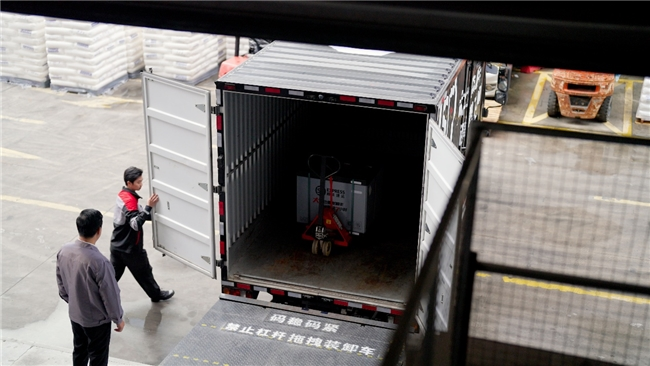
作业层面,顺丰依托尾板车机械化装卸体系,替代人工搬运,杜绝跌落、磕碰风险;车厢专属铺设减震垫层,采用绑带+气囊复合固定方案,最大程度缓冲运输震动。同时严格执行“轻拿轻放、竖向堆叠、限高限重”的作业铁律,依托AI算法实时巡检违规操作、异常震动,实现事前预警、事中管控。即便在中西部、县域等下沉市场,顺丰依旧统一标准化运力与服务流程,解决下沉市场物流降标、保障不足的痛点,实现全国履约标准统一。

时效之困:新品上市窗口期,等不起一辆"凑满即发"的车

3C数码行业的竞争,本质是时效与节奏的竞争。新品首销周期极短,市场价格迭代速度快,物流延误不仅会造成区域断货、销量流失,更会破坏渠道信任、损耗品牌口碑,滞后一周甚至可能直接被新品迭代淘汰,利润空间彻底清零。

传统零担物流的核心痛点在于“重装载率、轻时效”,坚持凑满货量再发车。但3C货品轻抛高值,9米6车厢理论载重15吨,实际装载5至8吨即达体积上限,若一味等待拼货满载,必然造成时效延误,无法匹配新品铺货节奏。

对此,顺丰建立时效优先的到点发车机制,核心逻辑为“时效承诺优先于装载效率”,车辆严格按照预定时刻表发车,绝不因等待拼货延误班次。稳定可控的交付窗口,让品牌方、经销商可精准规划入库、分拣、上架节奏,大幅提升库存周转效率,保障全国渠道同步铺货,彻底解决“一线缺货、下沉滞销”的渠道割裂问题。

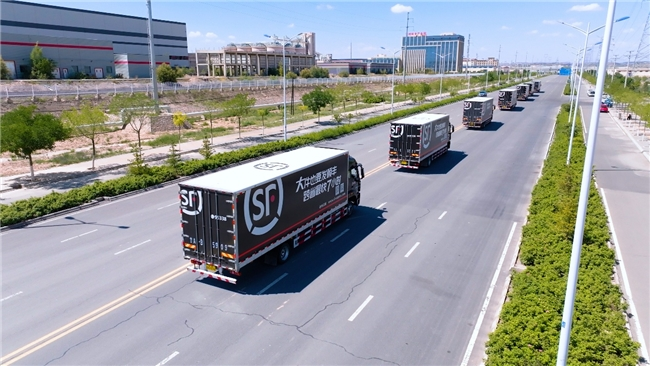
该机制依托顺丰全品类弹性车型矩阵落地,4.2米合规车型穿透城市限行,保障末端配送;9米6车型作为干线分拨主力,适配大部分新品批量铺货场景;17.5米大车承接工厂大批量集中出货需求。依据货量、路况、时效智能匹配车型,货少小车高频直发、货多大车批量直发,彻底摆脱拼货依赖,守住新品上市时效底线。

丢损之惧:GPS定位只是起点,路由可视才是终点

3C货物的丢损风险,呈现”两极分化“特征。一极是"明丢"——整车或整批货物在途失踪,GPS信号消失在某个服务区。另一极是"暗损"——货物准时送达、外观完好,开箱后发现调包、拆件、进水等隐性损伤,责任界定陷入僵局。

顺丰跳出单一GPS定位的浅层监控,搭建全维度智能感知监控体系。在轨迹追踪基础上,叠加温湿度、门磁、震动多重传感器,实时监测运输环境、开箱记录、颠簸异常,结合四路视频影像,形成“时空轨迹+环境数据+操作行为”的三维核验网络,实现运输全程可查、可溯、可预警。可视化能力同时赋能上下游协同,收货方可提前规划人力与仓储库容,品牌方可精准对接渠道到货预期,企业财务可精准核算在途库存风险。对终端电商卖家而言,实时可视的物流轨迹,可精准预判送达时段,高效解答客户咨询、降低售后客诉,成为提升消费者体验与复购率的隐性竞争力。

极限装载:当产品尺寸突破标准车厢边界,特殊车型如何破局

除常规数码产品外,商用显示设备、服务器机柜、大型直播设备等3C非标大件,同样面临物流困境。55英寸以上电视、超长商用显示器,尺寸超出常规车厢开门范围,传统物流只能倾斜摆放、拆除包装,极易造成屏幕破损;超高集成设备、工业路由器等货品,高度突破标准厢体限制,强行装载易导致顶部受压、设备损坏。

顺丰依托飞翼车、2.3米高厢体专用车型,针对性破解非标大件运输痛点。飞翼车侧面全开口设计,实现超长货品水平装卸,无需倾斜、无需拆包,从根源规避磕碰损伤;超高厢体适配各类超高集成设备,搭配可调节层板实现柔性装载。专用车型全面融入全域调度体系,常态参与运力周转,遇非标订单可快速响应,无需单独调度特种车辆、无需额外加价。既支撑品牌全品类产品布局,也帮助经销商简化流通链路、降低非标货品履约成本。

从物流成本到履约资本:重新框定3C企业的决策逻辑

行业传统物流核算逻辑,仅以运费占货值比例评判成本高低,将物流单纯视为可压缩的支出项,却完全忽略在途库存资金占用、断货机会损失、货损赔付与品牌修复三大隐性成本。

以新品铺货场景为例:品牌首批备货货值5亿元,传统物流在途周期7天,在途库存资金占用规模庞大,若因拼货延误3天,将产生高额财务占用成本,同时错失黄金销售窗口期,潜在断货损失远超物流差价。顺丰通过到点发车、高效分拨,有效压缩在途时长,大幅释放流动资金、降低断货风险。

从货损维度测算,品牌年出货货值可达数十亿元,即便0.1%的货损率,也会产生数百万直接赔付损失,叠加口碑修复、渠道安抚等间接成本,综合损耗居高不下。顺丰标准化、全监控、机械化的作业体系,持续压低可控货损率,其风险防控价值,远非微薄的运费差价可以衡量。

当下3C行业的竞争,已从前端产品、价格、渠道博弈,转向后端履约能力的比拼。产品同质化、价格透明化、渠道碎片化趋势加剧,物流履约的确定性,已然成为品牌差异化竞争的全新护城河。顺丰以9米6车型为核心的B端工程化运力体系,精准破解3C行业高货值、高时效、高风险的核心痛点,为行业输出一套可落地、可验证的履约保障方案。

注:文/龚作仁,文章来源:Laborer,本文为作者独立观点,不代表亿邦动力立场。

文章来源:Laborer

广告
微信
朋友圈

FAQ回顾

3C数码行业物流主要有哪些痛点?

3C数码物流主要有三大痛点:一是货值密度高,单箱货值常达15至30万元,传统物流保费覆盖不足,一次货损即可吞噬整单利润;二是产品物理脆弱性隐蔽,运输震动导致的隐性损伤难界定责任;三是时效窗口刚性,新品首销周期仅7至14天,传统凑满发车模式易延误。

顺丰针对3C数码物流货损问题有哪些应对措施?

顺丰部署四路监控设备构建闭环证据链,可精准锁定货损责任主体;采用尾板车机械化装卸替代人工搬运,车厢铺设减震垫层搭配绑带气囊复合固定,执行标准化作业规范,AI实时巡检异常,下沉市场也统一服务标准,有效降低货损风险。

3C数码新品铺货如何保障物流时效?

可选用顺丰时效优先的运力体系,顺丰执行到点发车机制,不受拼货满载限制,依托4.2米、9.6米、17.5米等弹性车型矩阵,依据货量、路况、时效智能匹配运力,保障全国渠道同步铺货,压缩在途时长,降低断货风险。

非标3C大件产品物流运输有什么解决方案?

顺丰推出飞翼车、2.3米高厢体专用车型解决非标3C大件运输痛点,飞翼车侧面全开口可实现超长货品水平装卸无需拆包,超高厢体适配超高集成设备,无需额外加价,可降低非标货品履约成本。

这么好看,分享一下?

朋友圈 分享

APP内打开

赞 +1
+1
微信好友 朋友圈 新浪微博 QQ空间
关闭
收藏成功
发送
/140 0