广告
加载中

实体个体户脱离困局:茵曼婺源基地落地 店主达人模式给服装老板娘提供新解法

龚作仁 2026-09-07 16:36
龚作仁 2026/09/07 16:36

邦小白快读

EN
全文速览

本文介绍了服装实体个体户转型破局的茵曼店主达人模式,分享了可落地的实操干货,给普通想要转型的服装实体店主提供了参考。

1. 当前线下服装实体普遍面临客流下滑、库存积压、做直播缺方法缺人才的困境,普通店主想要转型不需要网红天赋和巨额投入,选对依托品牌的模式,降低试错风险,就可以实现逆风翻盘。

2. 店播实操经验:冷启动阶段需要坚持,将每一位访客都当做到店顾客认真接待,延续线下服务逻辑,坚持“不卖货,交朋友”,站在消费者角度输出穿搭建议,更容易沉淀高粘性粉丝。

3. 需要避开的转型误区:不要老板个人all in直播,不要独自承担所有风险,要学会整合资源,走团队化孵化路线,才能放大成果实现长期增长。

本文给服装品牌探索线下线上全域融合转型,提供了可复制的样本经验,梳理了符合当前消费趋势的转型路径。

1. 当前消费趋势显示,线下实体需要转型全域经营,消费者既有线下试穿体验需求,也有线上直播购物需求,品牌可激活原有线下门店的导购、用户存量资产做增量。

2. 模式创新方向:可推行零库存加盟模式,降低实体店主转型风险,落地“一店一主播、千店万播”的全域战略,激活存量加盟门店。

3. 品牌赋能路径:由总部输出全流程运营陪跑、标准化店播SOP、供应链兜底服务,搭建标杆基地孵化人才,破解店播“强个人、难复制”的行业痛点,实现可规模化复制增长。

4. 用户运营可延续线下服务逻辑,走IP化路线,沉淀高粘性私域用户,提升用户复购。

本文给服装实体门店卖家梳理了当前行业的变化,提供了转型破局的具体路径,点出了机会和需要规避的风险。

1. 当前行业现状是线下客流持续下滑、库存高企,直播已经成为门店的第二增长曲线,转型不需要在线上线下二选一,可以依托线下原有资产做升级。

2. 可抓住的转型机会:可以对接成熟的品牌店主达人项目,获得零库存供应链、运营陪跑、标准化店播SOP培训支持,大幅降低转型试错成本,不用独自承担全部风险。

3. 需要规避的误区和风险:不要老板个人all in直播,把业绩绑定单一个体,难以规模化;要就地挖掘门店导购潜力,建立老带新内部孵化机制,搭建团队化主播矩阵,实现可复制的稳定增长。

4. 运营技巧:店播要延续线下服务思路,拉近和用户的距离,沉淀高粘性铁粉。

本文给服装生产工厂指明了适配实体零售转型的发展方向,带来了推进数字化和电商转型的启示,也透露了新的商业机会。

1. 当前服装实体零售的核心痛点是库存高企,品牌和实体店主都对零库存供应链模式有强烈需求,工厂可调整生产模式,适配柔性化、小批量、统一履约的需求,对接品牌的零库存加盟体系。

2. 全域转型链路下,全链路数字化是刚需,工厂可推进自身数字化改造,适配品牌和门店的数字化中台需求,打通生产到履约的全链路数据,提升供应效率。

3. 新的商业机会:随着店主达人模式的推广,大量实体店和直播基地需要稳定的供应链兜底,工厂可通过和品牌、直播基地合作,切入全域服装零售的供应链体系,获得稳定批量的订单,拓展新的增长空间。

本文梳理了当前服装实体转型直播零售的核心痛点,给面向服装行业的服务商指明了行业发展趋势和可落地的解决方案方向。

1. 行业发展趋势:传统服装实体已经进入全域转型的关键周期,直播已经从营销加分项变为门店标配,大量中小实体店主缺乏转型能力,存在巨大的专业服务需求,市场空间广阔。

2. 当前客户的核心痛点:多数实体店主缺系统的店播方法、缺批量孵化人才的路径,承受不住库存风险,店播难以摆脱“强个人、难复制”的困局,不知道如何打通线上线下闭环。

3. 可参考的解决方案:可参考茵曼的成熟模式,输出标准化的店播全流程SOP,提供从账号搭建到数据复盘的全流程运营陪跑,建立导购转主播的标准化孵化体系,帮助商家搭建团队化主播矩阵,同时对接稳定供应链资源帮助商家解决库存痛点。

本文给服装零售相关平台指明了线下实体商家的核心需求,提供了平台赋能商家、搭建运营体系的可参考路径,也点出了需要规避的风向。

1. 当前线下服装商家对平台的核心需求是解决库存风险、获得系统的转型运营指导、打通线上线下流量成交链路,平台需要围绕这些核心需求搭建服务体系,才能吸引商家入驻。

2. 平台可落地的最新做法:先打造标杆转型示范基地,沉淀可复制的成功案例后对外推广,推出零库存供应链服务,从源头降低商家转型试错风险。

3. 运营管理层面:要建立标准化的商家培训体系,输出店播全流程SOP,帮助商家建立内部人才孵化机制,实现团队化运营,破解店播依赖个人难以复制的痛点。

4. 风向规避:不要引导商家抛弃线下原有根基all in纯线上,要引导商家激活线下存量资产,实现线上线下双向增益,降低转型失败风险。

本文呈现了当前传统服装实体零售转型全域融合的最新产业动向,总结了创新型转型商业模式,给产业研究提供了有价值的实证样本。

1. 产业新动向:传统服装实体已经进入全域转型的关键周期,店播模式已经从品牌中心化直播、外部达人合作,转向激活线下存量的“千店万播”模式,激活线下实体存量资产成为新的转型方向。

2. 创新商业模式:茵曼的“总部赋能+门店土壤+店主IP+人才孵化”模式,区别于传统打法,打造了完整的线上线下闭环,成功破解了店播行业“强个人、难复制”的普遍痛点,是值得深入研究的新样本。

3. 当前产业存在的共性问题:多数实体经营者存在转型认知误区,要么彻底抛弃线下all in线上,要么固守线下望而却步,多数中小经营者缺系统方法论、缺供应链支持,转型门槛较高。

4. 研究启示:这种依托线下实体做内生人才孵化的模式,为普通个体实体店突围提供了新路径,其可推广性和复制性值得深入研究。

返回默认
声明:快读内容全程由AI生成,请注意甄别信息。如您发现问题,请发送邮件至 run@ebrun.com 。

我是 品牌商 卖家 工厂 服务商 平台商 研究者 帮我再读一遍。

Quick Summary

This article introduces the Influencer Store Owner model, a transformational breakthrough approach pioneered by Inman for independent brick-and-mortar apparel businesses. It shares actionable, practical insights to provide a reference for ordinary brick-and-mortar apparel owners looking to make the transition.

1. Today, offline apparel businesses generally face the headwinds of declining foot traffic, excess inventory, and a lack of expertise and talent for live streaming. Ordinary store owners do not need influencer-level talent or massive capital to transform; by choosing the right brand-backed model to reduce trial-and-error risk, they can stage a successful turnaround.

2. Practical tips for in-store live streaming: In the cold start phase, consistency is key. Treat every online viewer the same way you would an in-store customer, extend your offline service logic online, and stick to the philosophy of "building connections, not just selling goods". Delivering outfit recommendations from the consumer's perspective makes it far easier to build a highly engaged, loyal follower base.

3. Common transformation pitfalls to avoid: Store owners should not go all-in on live streaming alone or bear all risks independently. Instead, they need to learn to integrate resources and adopt a team-based incubation approach to scale results and achieve long-term growth.

This article provides replicable experience and a transformation path aligned with current consumer trends for apparel brands exploring omnichannel integration of offline and online operations.

1. Current consumer trends show that offline brick-and-mortar businesses need to transform into omnichannel operations. Consumers demand both in-store fitting experiences and online live-stream shopping, and brands can drive new growth by activating the existing存量 asset of offline store associates and existing customer bases.

2. Directions for model innovation: Brands can roll out a zero-inventory franchise model to reduce transformation risks for store owners, implement the omnichannel strategy of "one store, one streamer; thousands of stores, thousands of streams" to activate existing franchise locations.

3. Brand enablement paths: Brand headquarters can provide end-to-end operational coaching, standardized in-store live streaming SOPs, backstop supply chain services, and build benchmark hubs to incubate talent. This addresses the long-standing industry pain point of in-store live streaming being "over-reliant on individual talent, hard to scale", enabling scalable, replicable growth.

4. For user operations, brands can extend offline service logic online, adopt an IP-focused strategy, build a highly engaged private user base, and boost repeat purchases.

This article outlines current industry changes for brick-and-mortar apparel sellers, provides a concrete path for transformation and breakthrough, and highlights opportunities as well as risks to avoid.

1. The current industry landscape features sustained declines in offline foot traffic and high inventory levels. Live streaming has become a second growth curve for brick-and-mortar stores, and transformation does not require choosing between offline and online. Sellers can upgrade based on their existing offline assets.

2. Attainable transformation opportunities: Sellers can partner with mature brand-led influencer store owner programs to gain access to zero-inventory supply chains, operational coaching, and standardized in-store live streaming SOP training. This dramatically cuts trial-and-error costs for transformation and eliminates the need to bear all risks independently.

3. Pitfalls and risks to avoid: Store owners should not go all-in on live streaming personally, as tying performance to a single individual makes scaling impossible. Instead, they should tap the existing potential of in-store associates, build an internal mentorship incubation mechanism, and develop a team-based streamer matrix to achieve replicable, stable growth.

4. Operational tips: In-store live streaming should extend offline service thinking to build closer connections with users and cultivate a highly loyal base of core followers.

This article points out development directions aligned with the transformation of physical apparel retail, shares insights for advancing digital and e-commerce transformation, and reveals new business opportunities for apparel manufacturing factories.

1. The core pain point of today's apparel retail industry is excess inventory, and both brands and store owners have strong demand for zero-inventory supply chain models. Factories can adjust their production models to meet demand for flexible, small-batch, unified fulfillment, and integrate into brands' zero-inventory franchise systems.

2. End-to-end digitalization is a necessity in the omnichannel transformation value chain. Factories can advance their own digital upgrades to align with the digital middle-office needs of brands and stores, connect data across the entire value chain from production to fulfillment, and improve supply efficiency.

3. New business opportunities: As the influencer store owner model gains traction, large numbers of brick-and-mortar stores and live streaming hubs need stable backstop supply chain support. Factories can partner with brands and live streaming hubs to enter the supply chain system of omnichannel apparel retail, secure stable bulk orders, and unlock new growth.

This article outlines the core pain points of brick-and-mortar apparel businesses transforming to live-stream retail, and points out industry trends and actionable solution directions for apparel-focused service providers.

1. Industry trends: Traditional brick-and-mortar apparel has entered a critical period of omnichannel transformation. Live streaming has shifted from a marketing bonus to a standard requirement for stores, and large numbers of small and medium-sized store owners lack transformation capabilities, creating massive demand for professional services and vast market opportunities.

2. Core pain points for clients: Most store owners lack systematic in-store live streaming methodologies and paths for scalable talent incubation, cannot absorb inventory risk, cannot escape the "over-reliant on individual talent, hard to replicate" trap, and lack clear paths to close the offline-online loop.

3. Reference solutions: Service providers can draw on Inman's mature model: deliver standardized end-to-end in-store live streaming SOPs, provide full-cycle operational coaching from account setup to data review, build a standardized incubation system for converting in-store associates to streamers, help merchants build a team-based streamer matrix, and connect merchants with stable supply chain resources to resolve inventory pain points.

This article clarifies the core demands of offline brick-and-mortar apparel merchants for apparel retail platforms, provides a reference path for platforms to enable merchants and build operating systems, and highlights pitfalls to avoid.

1. Today, the core demands of offline apparel merchants from platforms are solutions to inventory risk, systematic transformation and operation guidance, and connected offline-online traffic and transaction loops. Platforms must build service systems around these core demands to attract merchant onboarding.

2. Actionable new approaches for platforms: First build benchmark transformation demonstration hubs, refine replicable success cases before rolling out to the public, and launch zero-inventory supply chain services to cut merchants' transformation trial-and-error risk at the source.

3. For operation and management: Platforms should build a standardized merchant training system, deliver end-to-end in-store live streaming SOPs, help merchants build internal talent incubation mechanisms to achieve team-based operation, and resolve the pain point of in-store live streaming relying on individual talent and being hard to replicate.

4. Pitfalls to avoid: Do not guide merchants to abandon their existing offline roots and go all-in on pure online operations. Instead, guide merchants to activate their existing offline assets to achieve mutual gains between online and offline, and reduce the risk of transformation failure.

This article presents the latest industry developments in the omnichannel transformation of traditional brick-and-mortar apparel retail, summarizes innovative transformation business models, and provides a valuable empirical case for industry research.

1. New industry developments: Traditional brick-and-mortar apparel has entered a critical period of omnichannel transformation. In-store live streaming has shifted from brand-centric broadcasting and partnerships with external influencers to the "thousands of stores, thousands of streams" model that activates offline existing assets, and activating offline existing assets has become a new transformation direction.

2. Innovative business model: Inman's "headquarters enablement + store foundation + store owner IP + talent incubation" model differs from traditional approaches, builds a complete closed loop between online and offline, and successfully resolves the widespread industry pain point of in-store live streaming being "over-reliant on individual talent, hard to replicate", making it a new case worthy of in-depth research.

3. Common industry challenges today: Most brick-and-mortar operators hold transformation misconceptions, either abandoning offline entirely to go all-in online, or clinging to offline operations and hesitating to change. Most small and medium-sized operators lack systematic methodologies and supply chain support, resulting in high barriers to transformation.

4. Research insights: This model, which builds endogenous talent incubation based on existing brick-and-mortar operations, provides a new path for ordinary independent brick-and-mortar stores to break through, and its scalability and replicability deserve further in-depth research.

Disclaimer: The "Quick Summary" content is entirely generated by AI. Please exercise discretion when interpreting the information. For issues or corrections, please email run@ebrun.com .

I am a Brand Seller Factory Service Provider Marketplace Seller Researcher Read it again.

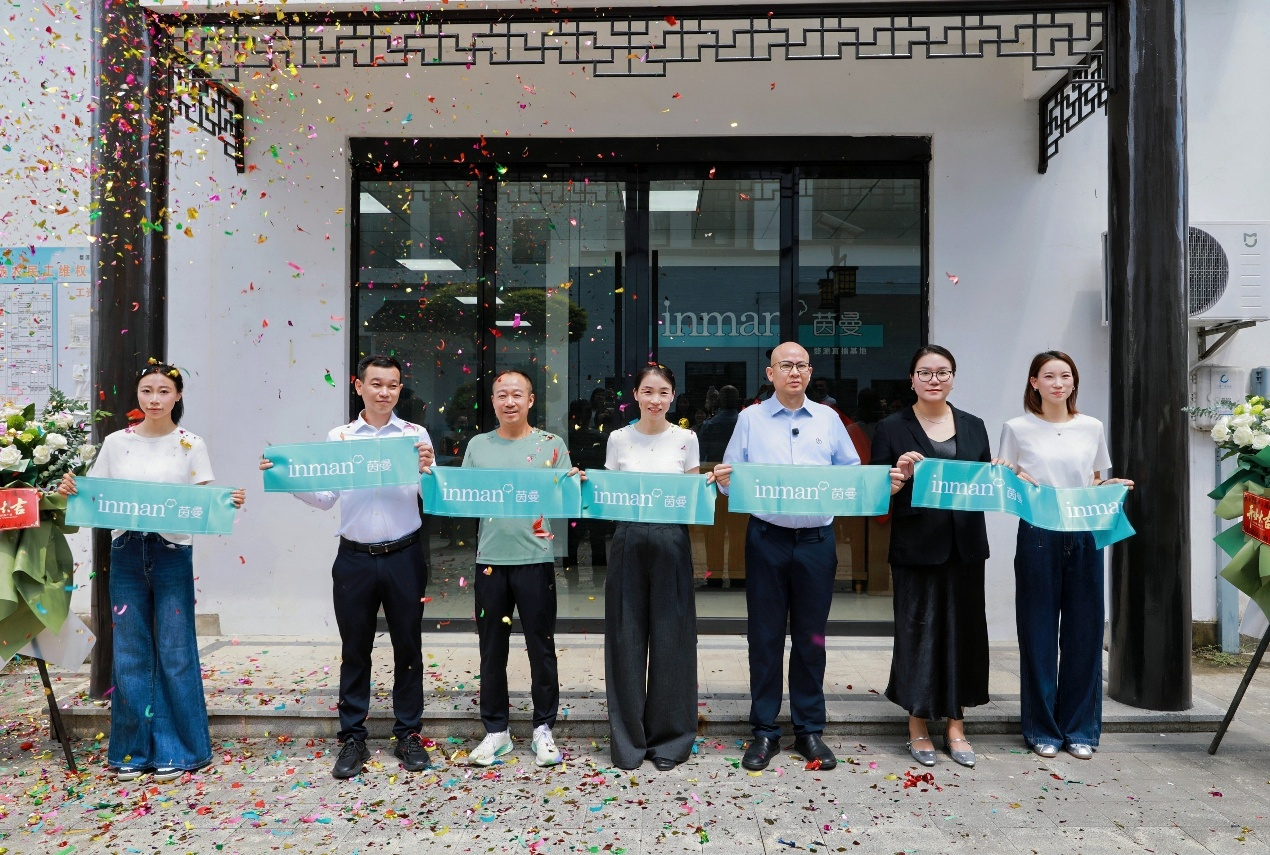
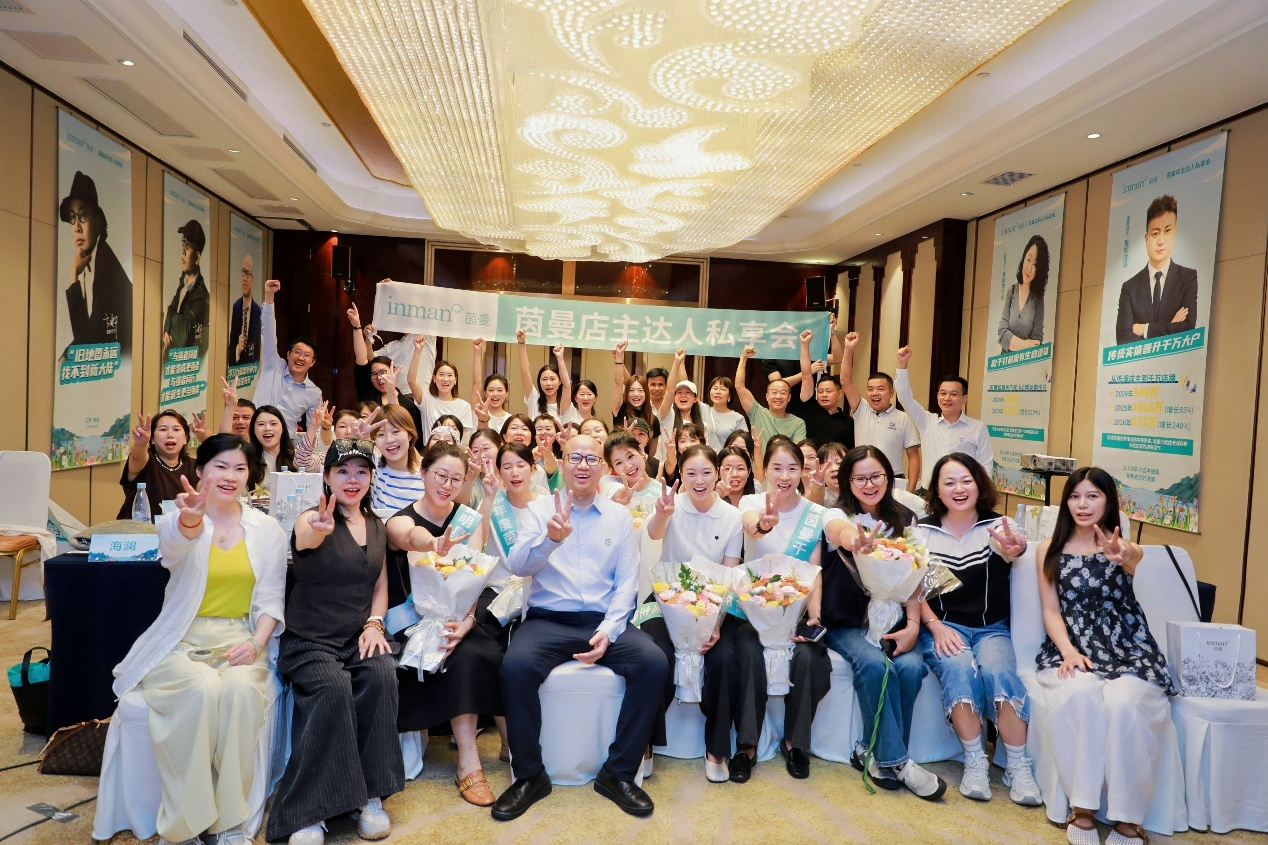
服装实体零售正处在全域转型关键周期,线下门店普遍遭遇客流下滑、库存高企、做直播缺方法缺人才的多重挑战。茵曼店主达人项目迎来标志性节点 —— 茵曼婺源直播基地正式揭幕,同期举办“茵曼店主达人私享会”,来自全国各地36位茵曼门店经营者奔赴婺源,实地参访基地、复盘店播实战案例,围绕实体门店IP打造、导购转主播、全域流量运营开展闭门交流研讨。

茵曼达人店主私享会上,茵曼创始人方建华与参会店主达人

茵曼创始人方建华出席揭幕与私享会现场。作为店主达人模式的战略推动者,他结合婺源店主的实战成长路径,剖析传统服装实体店转型的核心命题。婺源基地也由此成为茵曼打通线上线下全域融合的标杆示范。

个体突围催生基地样板:从零单到年销2000万

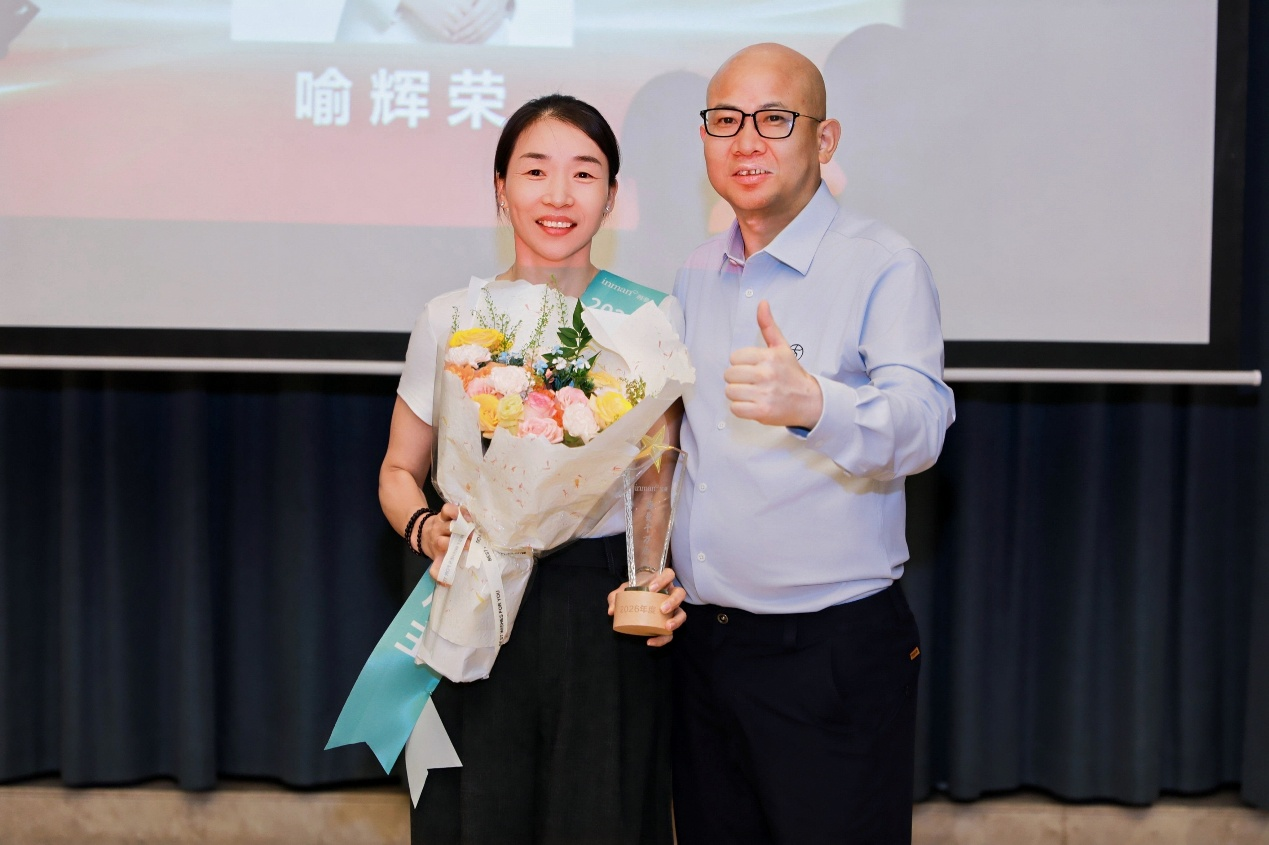
婺源直播基地的落地,源于茵曼店主喻辉荣(喻姐)的实战突围。拥有16年传统服装经营经验的她,曾深陷行业共性的库存困境:账面生意红火,但利润全部沉淀为积压货品。

2019年,喻姐加盟茵曼开设线下门店,零库存加盟模式、数字化中台、总部统一运营支持,帮她绕开传统服装最大风险。线下客流持续收缩,她报名茵曼店主达人项目试水店播。冷启动过程十分煎熬:首场直播在线仅3 人,连续28天零成交。家人多次劝她放弃,但她坚持训练,为适配镜头一个月减重21斤,把直播间每一位访客都当作到店顾客认真接待。

依托总部运营团队全流程陪跑,账号搭建、话术训练、选品排品、数据复盘逐项落地。开播第28天,直播间迎来第一笔2800元订单,后续持续开播单日销售额突破3 万元。2025年,茵曼婺源店主线上线下销售突破2000万,成为茵曼全国店主达人销冠,为婺源直播基地搭建打下扎实实战基础。

直播中,延续线下门店服务逻辑,坚持 “不卖货,交朋友”,不为成交盲目推销,站在消费者视角输出穿搭建议,沉淀大批高粘性铁粉。

茵曼婺源直播基地正式揭幕

谈及茵曼店主达人项目的感悟,喻姐表示:“做传统服装的时候,我是摸黑走路;选择茵曼之后,我才有了靠山。零库存模式、运营陪跑、完整供应链兜底,让我们实体店主不用一个人承担全部风险。茵曼店主达人项目,给了普通实体店主一条公平的出路。简单相信,跟对人,做对事,普通人一样可以逆风翻盘。”

跳出个体户困局:实体转型核心是搭台育人、团队共赢

在揭幕暨私享会现场,方建华针对服装实体转型痛点、婺源基地定位输出核心判断。

在他看来,很多服装店主入局店播容易陷入认知误区:老板个人all in直播,所有压力独自承担,业绩高度绑定单一个体。即便短期跑通销量,也很难规模化复制放大。实体店播的破局,不是把店主打造成超级网红,核心在于“找对人、分好钱、团队干”,把个体跑通的实战经验,沉淀为组织可复用的能力。

“小老板埋头做事,大老板懂得搭台育人;愿意成就别人,最终成就自己。” 方建华提出,婺源基地的千万级成果并非运气,是茵曼 “总部赋能 + 门店土壤 + 店主IP+ 人才孵化” 模式落地的实证样本。

私享会现场举行千万店主颁奖仪式

他强调,服装实体必须告别 “守店等客” 的旧思维,主动拥抱内容、IP与团队化经营。未来零售赛道的胜出者,未必是最擅长开店的人,而是懂造流量、会带团队、布局全域、能够穿越行业周期的经营者。

茵曼店主达人项目负责人在私享会上透露,下一阶段将持续打磨主播孵化标准化体系,沉淀导购转主播可落地方法论并对外输出,赋能更多服装实体经营者,批量打造店主达人标杆。

婺源直播基地没有高薪外聘成熟主播,就地挖掘门店导购内生潜力,建立老带新内部孵化机制,让本地从业者在家门口实现高薪。团队从最初3 人小店规模,扩张至7 人主播矩阵;2026年上半年基地销售同比实现翻番,多个账号稳定产出,破解店播行业 “强个人、难复制” 的痛点。

模式解密:茵曼店主达人打通线上线下闭环

区别于品牌中心化直播间、外部达人采买的传统打法,茵曼店主达人项目核心是激活加盟门店存量资产:店主、导购、线下门店场景、私域会员,落地 “一店一主播、千店万播” 全域战略。

整套模式形成完整的线上线下闭环:

第一,依托零库存供应链,门店无需大批量备货,总部统一履约发货,从源头化解库存顽疾;线下门店承担试穿体验、本地服务,直播承接公域流量成交。

第二,打通门店、店主IP、直播、私域会员体系,直播成交收益归属对应门店结算,实现全域经营闭环。

第三,总部运营陪跑助力门店自我造血。输出全套店播SOP,覆盖账号搭建、话术训练、排品策略、数据复盘,为零基础店主提供体系化培训,输出长期经营能力而非短期流量输血。

第四,以标杆样板完成人才复制输出。沉淀 “门店导购转型主播” 标准化孵化流程,将单个店主跑通的成功经验转化为可复制的团队方法论,实现从 “个体获利” 到 “团队共同成长”。

全国受邀店主达人参观茵曼婺源直播基地

以线下门店为土壤跑通店主IP模型,依托门店原生人力搭建主播梯队,总部输出供应链、系统、运营能力,线上线下互为放大器,降低实体店主转型试错成本。

行业启示:传统服装实体转型难在认知,卡在观望

对传统服装实体零售来说,直播早已不是营销加分项,而是门店的第二增长曲线。但行业普遍面临现实矛盾:不少经营者看到直播红利,却陷入两难。要么彻底抛弃线下根基all in纯线上直播,丢失多年沉淀的体验能力与用户资产;要么固守线下模式对直播望而却步;即便勇敢入局,也往往受困于库存压力、缺少系统方法论、人才难以批量复制等现实难题。

茵曼婺源店主的案例印证:传统服装实体转型,并不依赖网红天赋、巨额投放预算。依托品牌供应链底座、数字化中台与总部运营赋能,充分释放线下门店积累的服务能力与人脉资产,叠加内容直播获取增量流量,普通实体门店同样可以完成全域升级。

记者观察:茵曼婺源直播基地连同本次店主达人私享会的样板价值,不在于短期销量爆发,而是为传统服装实体零售提供可落地的转型参考。实体门店不必在线上、线下之间二选一,通过IP化店主、团队化人才孵化、品牌全链路赋能,线下门店存量资产可以转化为线上直播竞争力;线上新增流量同样可以反哺线下实体,真正实现线上线下双向增益。

注:文/龚作仁,文章来源:Laborer,本文为作者独立观点,不代表亿邦动力立场。

文章来源:Laborer

广告
微信
朋友圈

FAQ回顾

服装实体门店转型普遍面临哪些痛点?

服装实体门店转型普遍遭遇客流下滑、库存高企、开展直播缺方法缺人才的多重挑战,不少入局店播的经营者还容易陷入老板个人all in直播、业绩绑定单一个体、成功经验难以规模化复制的认知误区。

茵曼店主达人模式能为服装实体店主提供什么支持?

茵曼店主达人模式为门店提供零库存供应链、数字化中台、总部统一运营支持,输出全流程店播SOP与标准化主播孵化体系,帮助门店打通线上线下全域经营闭环,降低实体店主转型试错成本。

茵曼婺源直播基地取得了哪些实践成果?

茵曼婺源直播基地2025年线上线下销售额突破2000万,成为茵曼全国店主达人销冠;2026年上半年销售同比翻番,搭建起7人主播矩阵,破解店播行业“强个人、难复制”的痛点,是茵曼全域融合的标杆示范。

这么好看,分享一下?

朋友圈 分享

APP内打开

赞 +1
+1
微信好友 朋友圈 新浪微博 QQ空间
关闭
收藏成功
发送
/140 0