广告
加载中

红星美凯龙举办2026家居品牌全球出海大会 发布1+N平台生态出海模式

龚作仁 2026-09-07 10:21
龚作仁 2026/09/07 10:21

邦小白快读

EN
全文速览

本文核心是红星美凯龙联合两大展会举办2026家居品牌全球出海大会,发布全新出海模式,主要干货如下:

1.本次大会正式启动全球家居出海中心,宣告红星美凯龙正式开启出海业务,将其作为企业第二增长曲线,也标志中国家居行业从过往的单兵作战出海,正式迈入生态出海的全新阶段。

2. 当前行业数据显示,全球家居零售市场规模达8000亿美元,年增速约12%;2025年中国家具及其零部件出口额达4559亿元,跨境电商出口达4735.5亿元,行业正处于从产品出海向品牌出海转型的关键节点。

3. 针对中国家居品牌出海渠道堵点痛点,红星美凯龙发布1+N平台生态出海模式,1是海外国家1号店做品牌灯塔,N是链接本地资源搭建零售网络,为全行业搭建出海公共基础设施。

本次大会传递了中国家居品牌出海的最新趋势与可对接的资源,核心干货如下:

1. 当前中国家居行业正处于从产品出海转向品牌出海的关键窗口期,全球家居市场规模大增速快,中国出海出口规模持续攀升,布局出海已经成为品牌突破增长的重要方向。

2. 当前中国家居品牌出海的核心痛点是,产品已经具备出海竞争力,但渠道堵点未打通,品牌无法有效触达海外终端消费者,也始终缺乏渠道话语权,单打独斗出海成本高难度大。

3. 红星美凯龙推出1+N平台生态出海模式,落地了全球首个集多服务于一体的全球家居出海中心,可为品牌提供渠道对接、资源链接、综合服务支撑,品牌可以依托该生态平台,低成本对接海内外资源,实现品牌出海。

4. 目前该生态已经接入Shopee、Wayfair等十多个国家的海外渠道资源,可支持品牌多区域布局。

对于家居品类出海卖家,本次大会释放了明确的增量机会与可对接的支持资源,核心干货如下:

1. 当前全球家居零售市场规模达8000亿美元,年增速约12%,中国家居出口规模持续上涨,出海是明确的增量市场,正处于行业布局的关键窗口期,卖家入场机会多。

2. 当前卖家出海普遍面临渠道不通、触达难、缺话语权的痛点,红星美凯龙定位生态出海连接器,为全行业搭建了出海公共基础设施,推出1+N生态出海模式,卖家可以依托该平台对接海外本地头部渠道商、地产商、零售商,以及Shopee、Wayfair等头部跨境平台,直接解决渠道堵点问题。

3. 正式启用的全球家居出海中心,可为卖家提供市场洞察、渠道对接、合规咨询、品牌落地一站式服务,能为卖家出海提供全维度支撑,降低出海门槛与风险。

4. 行业专家提示,出海不能只关注市场扩张,还要走可持续融入路线,才能实现长期经营。

对于中国家居生产工厂,本次大会传递了明确的出海方向与可对接的商业机会,核心干货如下:

1. 当前全球家居市场需求旺盛,中国家居产品已经具备成熟的出海能力,工厂可以依托行业生态出海平台打开海外增长空间,摆脱以往仅做代工的低利润模式,打造自有品牌获得更高收益。

2. 中国家居出海已经进入生态出海新阶段,工厂不需要单独搭建海外渠道团队,可依托红星美凯龙的1+N模式,对接海外全渠道资源,大幅降低出海门槛与试错成本。

3. 行业明确提出未来要推动产业向新、向绿、向智升级,工厂未来的产品生产设计需要贴合绿色化、智能化的发展方向,匹配国内外市场的最新需求趋势,才能获得更多增长机会。

4. 红星美凯龙拥有多年供应链整合能力,加上母公司建发集团的全球资源布局,可以为工厂出海提供资源加持与渠道支撑,帮助工厂对接海外终端需求,反向优化生产设计。

对于家居出海相关服务商,本次大会明确了行业发展新趋势、核心痛点与创新方向,干货如下:

1. 当前中国家居出海已经从早期的产品出口,迈入品牌生态出海的全新阶段,市场对出海服务的需求,从单一的报关物流等基础服务,转向全链路综合生态服务,赛道发展空间广阔。

2. 当前家居品牌出海的核心痛点是:多数品牌具备产品出海能力,但渠道堵点未打通,无法有效触达海外终端消费者,缺乏渠道话语权,也没有一站式的综合出海服务支撑,这是服务商的核心机会点。

3. 红星美凯龙提出的1+N平台生态出海模式,定位为生态出海连接器,一端链接国内品牌、经销商、服务商,另一端链接海外合作方,打造行业出海公共基础设施,为各类出海服务商提供了新的合作方向与资源对接渠道。

4. 已经落地的全球家居出海中心,整合各方资源提供一站式出海服务,为各类出海服务商提供了稳定的落地场景,可实现合作共赢。

对于家居相关海内外平台商,本次大会传递了行业需求与平台发展的新方向,核心干货如下:

1. 当前中国大量家居品牌都有出海布局需求,但普遍存在缺海外渠道、缺配套综合服务的问题,对能够链接海内外各方资源的生态型合作平台有强烈需求,单一平台无法满足品牌全链路出海需求,开放共建是未来的方向。

2. 红星美凯龙打造的1+N生态出海模式,采取开放合作的思路,通过链接本地头部渠道商、线上头部平台共同搭建海外零售网络,这种开放共建的模式,为平台布局出海业务提供了参考。

3. 目前红星美凯龙的出海生态已经开放对接各类平台,Shopee、Wayfair等头部平台已经加入合作矩阵,平台可以通过加入该生态,获得大量优质中国家居品牌的招商资源,拓展自身品牌池。

4. 大会提示,出海平台需要助力品牌做好本地化布局,帮助品牌融入本地市场,规避单打独斗、水土不服的风险,走可持续发展路线才能长期获利。

对于家居产业研究者,本次大会透露出家居出海领域的最新产业动向与创新成果,核心干货如下:

1. 产业新动向:中国家居出海已经完成了从早期产品出海到品牌出海的过渡,本次大会启动全球家居出海中心,标志行业正式进入生态出海的全新阶段,从过去企业单兵作战,转为全行业抱团依托生态出海,这是中国家居出海产业的重大升级。

2. 创新商业模式:本次大会发布的1+N平台生态出海模式是行业重要创新,红星美凯龙定位生态出海连接器,不只是自身出海,更是为全行业打造出海公共基础设施,通过“一国一灯塔店+N个本地零售网络”的布局,链接海内外各方资源,解决行业长期存在的渠道痛点,是非常值得研究的新商业模式。

3. 当前行业新问题:中国家居产品已经具备全球竞争力,但始终面临渠道话语权缺失、品牌难以触达终端消费者的问题,需要全新的生态服务体系解决该痛点,这是未来产业研究的重要方向。

4. 与会专家提出,中国企业出海需要走生态友好、价值带动的可持续发展路线,才能真正融入全球市场实现长期发展,为产业出海研究提供了新的观点方向。

返回默认
声明:快读内容全程由AI生成,请注意甄别信息。如您发现问题,请发送邮件至 run@ebrun.com 。

我是 品牌商 卖家 工厂 服务商 平台商 研究者 帮我再读一遍。

Quick Summary

This article centers on Red Star Macalline's 2026 Global Home Brand Going Global Conference, which it co-hosted with two major industry expos, where the company launched an entirely new going-global model. Key takeaways are as follows:

1. The conference marked the official launch of the Global Home Going Global Center, announcing Red Star Macalline's formal entry into the overseas business as its second growth curve. It also signals that China's home furnishing industry has officially entered a new phase of ecosystem-based going-global, shifting from the previous scattered, individual-firm approach.

2. Industry data shows the global home retail market amounts to $800 billion in size with an annual growth rate of around 12%. In 2025, China's exports of furniture and furniture parts reached 455.9 billion yuan, while cross-border e-commerce exports of home products hit 473.55 billion yuan. The industry is now at a critical turning point, transitioning from exporting products to exporting brands.

3. To address the channel bottlenecks and pain points holding back Chinese home brands going global, Red Star Macalline introduced the 1+N platform ecosystem going-global model: "1" refers to a flagship "No.1 Store" in each target country that acts as a brand beacon, while "N" refers to a retail network built by connecting local resources. The platform will serve as shared public infrastructure for the entire industry to expand overseas.

The conference outlined the latest trends in Chinese home brands going global and available partnership resources, with key insights below:

1. China's home industry is currently in a critical window for transitioning from product exports to brand exports. The global home market is large and growing fast, and China's overall export volume continues to climb. Expanding overseas has become a core direction for brands seeking to unlock new growth.

2. The main pain point for Chinese home brands expanding overseas is that while their products are already competitive internationally, channel bottlenecks prevent them from effectively reaching overseas end consumers and gaining bargaining power in local markets. Going it alone also brings high costs and major operational challenges.

3. Red Star Macalline has launched the 1+N platform ecosystem going-global model and established the world's first integrated Global Home Going Global Center, which provides channel matching, resource connection and comprehensive support for brands. Through this ecosystem platform, brands can connect with domestic and overseas resources at low cost to achieve successful brand global expansion.

4. The ecosystem has already integrated overseas channel resources covering more than 10 countries, including partners such as Shopee and Wayfair, to support multi-regional expansion for brands.

For cross-border home category sellers, the conference revealed clear incremental opportunities and accessible support resources, with key takeaways as follows:

1. The global home retail market is currently valued at $800 billion, with an annual growth rate of approximately 12%, and China's home product export volume continues to rise. The overseas market is a clear source of incremental growth, and the industry is in a critical window for布局, meaning there are abundant entry opportunities for sellers.

2. Most sellers currently face pain points including limited channel access, difficulty reaching consumers and a lack of market bargaining power. Positioning itself as a connector for ecosystem-based going-global, Red Star Macalline has built public going-global infrastructure for the entire industry and launched the 1+N ecosystem going-global model. Sellers can use the platform to connect with leading local channel operators, real estate developers and retailers in overseas markets, as well as top cross-border platforms such as Shopee and Wayfair, directly solving channel bottlenecks.

3. The newly launched Global Home Going Global Center provides sellers with one-stop services including market intelligence, channel matching, compliance consulting and brand localization, delivering full-dimensional support to lower entry barriers and risks for overseas expansion.

4. Industry experts note that going global requires more than just market expansion; sustainable localization is required for long-term operations.

For Chinese home product manufacturers, the conference outlined clear going-global directions and accessible business opportunities, with key insights as follows:

1. Global demand for home products is currently strong, and Chinese home products already have mature capabilities to compete internationally. Manufacturers can leverage the industry's ecosystem going-global platform to unlock overseas growth, move beyond the low-margin original equipment manufacturing (OEM) model, and build higher-margin proprietary brands.

2. China's home industry has entered a new era of ecosystem-based going-global. Manufacturers do not need to build their own overseas channel teams in-house; they can leverage Red Star Macalline's 1+N model to access full-channel overseas resources, greatly lowering entry barriers and trial-and-error costs for global expansion.

3. The industry has clearly outlined a future upgrade direction focused on innovation, green production and smart manufacturing. To capture more growth opportunities, manufacturers need to align their product design and production with green and smart trends that match the latest demand in both domestic and overseas markets.

4. With years of supply chain integration experience and the global resource footprint of its parent company C&D Inc., Red Star Macalline can provide resource backup and channel support for manufacturers, helping them connect with overseas end demand to iteratively improve product design.

For service providers supporting the home going-global trend, the conference clarified new industry trends, core pain points and innovation directions, with key takeaways below:

1. China's home going-global movement has evolved from early-stage product exports to an entirely new phase of ecosystem-based brand expansion. Market demand for going-global services has shifted from basic services such as customs declaration and logistics to full-stack integrated ecosystem services, creating massive room for industry growth.

2. The core pain point for home brands expanding overseas is that while most already have competitive products for global markets, channel bottlenecks prevent them from effectively reaching end consumers and gaining channel bargaining power. There is also a lack of one-stop integrated going-global support, which represents a core opportunity for service providers.

3. The 1+N platform ecosystem going-global model proposed by Red Star Macalline positions the company as an ecosystem connector, linking domestic brands, distributors and service providers on one end with overseas partners on the other to build public going-global infrastructure for the industry. This creates new cooperation directions and resource connection channels for all types of going-global service providers.

4. The newly launched Global Home Going Global Center integrates resources from multiple parties to provide one-stop going-global services, offering a stable operational scenario for service providers to achieve win-win cooperation.

For domestic and overseas home-related platform players, the conference outlined industry demand and new directions for platform development, with key insights as follows:

1. A large number of Chinese home brands currently have demand for expanding overseas, but most lack access to overseas channels and comprehensive supporting services. There is strong demand for an ecosystem cooperation platform that can connect resources across China and global markets, as single platforms cannot meet the full-stack needs of brands going global. Open co-construction is the future direction.

2. The 1+N ecosystem going-global model built by Red Star Macalline adopts an open cooperation approach, building overseas retail networks by connecting leading local channel operators and top online platforms. This open co-construction model provides a useful reference for platforms looking to布局 their own going-global business.

3. Red Star Macalline's going-global ecosystem is now open for partnerships with all types of platforms, and leading platforms including Shopee and Wayfair have already joined the cooperation matrix. Platforms that join the ecosystem can gain access to a large pool of high-quality Chinese home brand merchants to expand their brand portfolio.

4. The conference noted that going-global platforms need to help brands with localization to help them integrate into local markets, avoid the risks of going it alone and poor localization adaptation, and achieve long-term profitability through sustainable development.

For home industry researchers, the conference revealed the latest industry developments and innovation outcomes in the home going-global space, with key takeaways as follows:

1. New industry development: China's home going-global movement has completed the transition from early-stage product exports to brand exports. The launch of the Global Home Going Global Center at the conference marks the industry's official entry into a new phase of ecosystem-based going-global, shifting from scattered individual firm expansion to industry-wide collective expansion via an open ecosystem. This represents a major upgrade for China's home going-global industry.

2. Innovative business model: The 1+N platform ecosystem going-global model launched at the conference is a major industry innovation. Red Star Macalline positions itself as an ecosystem connector; rather than only expanding its own business overseas, it builds public going-global infrastructure for the entire industry. Through its "one beacon store per country + N local retail networks" layout, it connects resources across China and global markets to solve the long-standing channel pain points of the industry, making it a new business model well worth in-depth research.

3. New industry problems: While Chinese home products are already globally competitive, the industry still faces structural issues including a lack of channel bargaining power and difficulty reaching end consumers. A new ecosystem service system is needed to address these pain points, which will be an important direction for future industry research.

4. Conference experts proposed that Chinese companies expanding overseas need to follow a sustainable development path focused on ecosystem collaboration and value creation to truly integrate into global markets and achieve long-term growth, which provides a new perspective for industry going-global research.

Disclaimer: The "Quick Summary" content is entirely generated by AI. Please exercise discretion when interpreting the information. For issues or corrections, please email run@ebrun.com .

I am a Brand Seller Factory Service Provider Marketplace Seller Researcher Read it again.

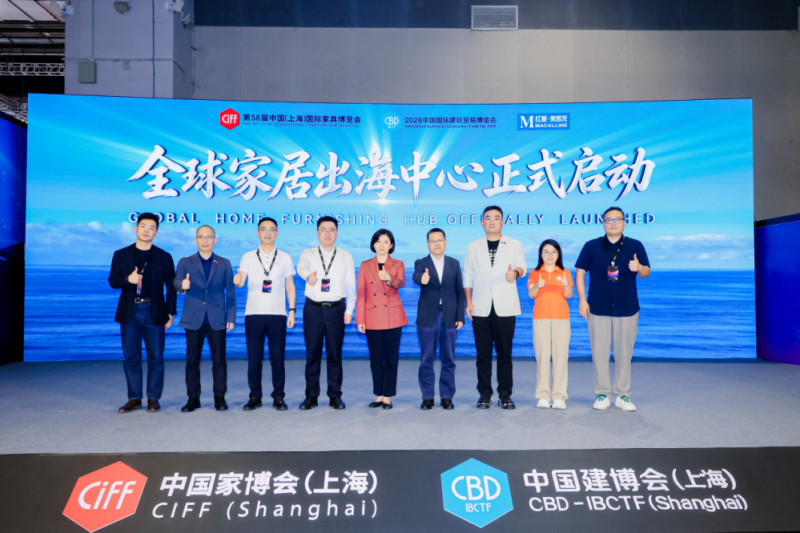
9月5日,由红星美凯龙联合中国家博会(上海)与中国建博会(上海)共同主办的“2026家居品牌全球出海大会”,在上海虹桥国家会展中心隆重举行。本届大会以“聚势全球,共赢未来”为主题,吸引了百余位家居品牌决策者、行业观察者及媒体代表参会,更有来自菲律宾、印尼、越南、哈萨克斯坦、马来西亚、泰国、乌克兰、土耳其、俄罗斯、阿联酋等十国的海外渠道商、跨境电商平台及合作方代表。现场,全球家居出海中心正式启动,标志着中国家居行业从“单兵作战”迈入“生态出海”新阶段,也宣告红星美凯龙正式出海,以此开辟第二增长曲线。

中国家居产业迈入生态出海新征程

当前,中国家居家电行业正站在从“产品出海”迈向“品牌出海”的关键节点。全球家居零售市场规模已达8000亿美元,年增速约12%;2025年中国家具及其零部件出口额达4559亿元,跨境电商出口达4735.5亿元。随着出口规模的攀升,出海竞争的焦点也在悄然转移。如何助力“中国制造”成长为“全球品牌”,成为本届大会聚焦的核心议题。

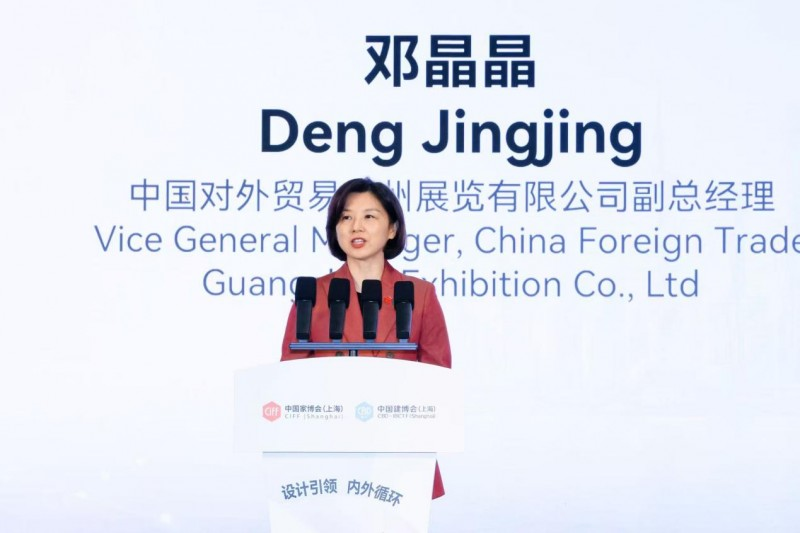
中国对外贸易中心集团有限公司旗下中贸展副总经理邓晶晶表示,未来,中贸展将做好三篇文章:一是赋能品牌出海,搭建产品出口、品牌培育、海外布局综合服务体系;二是推进展产融合,推动产业向新、向绿、向智升级;三是做强展会平台,深化资源链接,释放境内外、跨领域品牌展协同效能。

中国对外贸易广州展览有限公司副总经理邓晶晶

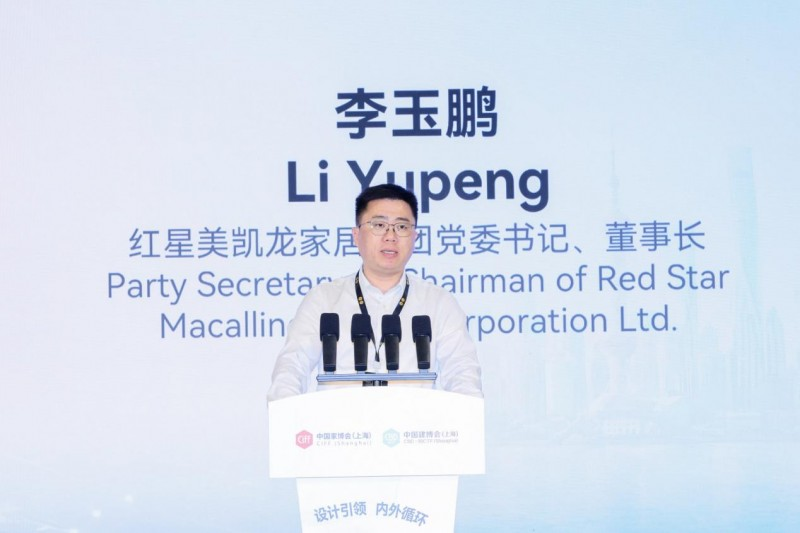
立足行业全球化布局的关键窗口期,红星美凯龙将全面启动出海新征程。红星美凯龙家居集团董事长李玉鹏现场表示:“今年出海业务已被写入红星美凯龙'十五五'战略,并正式确立为企业第二增长曲线。”他强调,红星美凯龙正致力于成为中国家居行业出海的"生态服务商",搭好平台,链接资源,助力行业生态出海,走出一条具有中国家居家电行业特色的出海之路。

红星美凯龙家居集团董事长李玉鹏

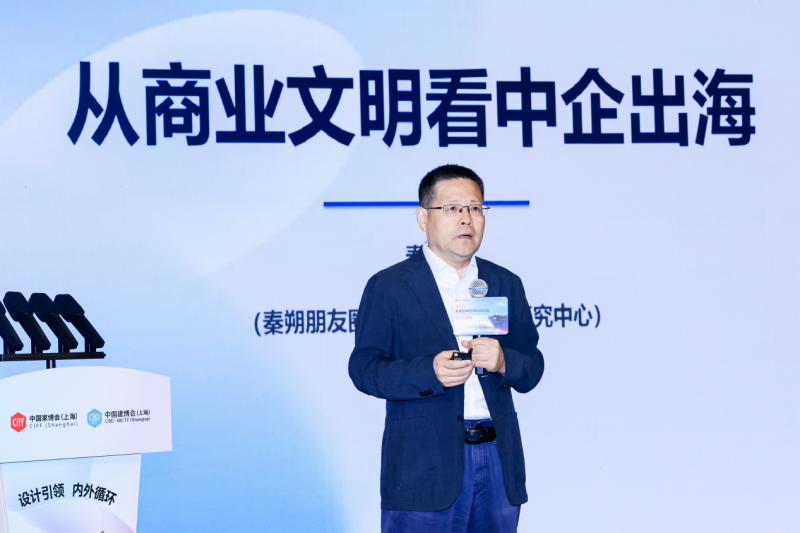
企业出海,表面是市场扩张,深层则是商业文明的延伸与对话。人文财经观察家、秦朔朋友圈发起人、中国商业文明研究中心联席主任秦朔表示,中国企业真正需要思考的,不只是如何走出去,更是如何走进去、走下去。他强调,出海企业需以生态友好型、价值带动型的可持续发展之路,真正融入全球市场。

人文财经观察家、秦朔朋友圈发起人、中国商业文明研究中心联席主任秦朔

定位“生态出海连接器”,红星美凯龙发布“1+N出海模式”

当下,中国家居家电品牌在海外市场面临的核心挑战在于,产品虽已具备出海能力,但渠道的堵点尚未彻底打通,品牌难以有效触达终端消费者,也始终缺乏渠道话语权。

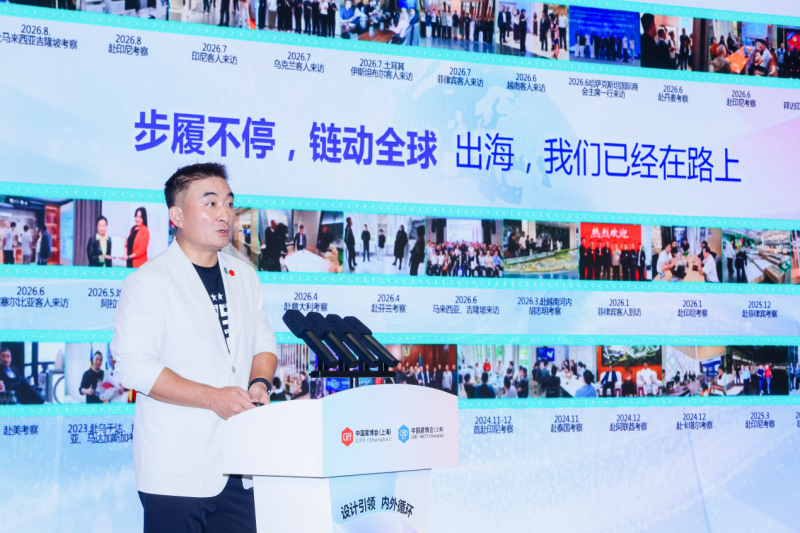
针对这一行业痛点,红星美凯龙家居集团执行总裁、上海中贸美凯龙副董事长朱家桂认为行业应当重构新主场,开启行业生态出海“新叙事”,并正式发布红星美凯龙“1+N平台生态出海模式”。其中,“1”为美凯龙海外家居Mall国家1号店,定位为当地国家市场制高点,打造“国家品牌灯塔”;“N”为美凯龙海外零售店网,通过链接本地头部渠道商、地产商、零售商的战略级共建,快速进入主流销售网络,同时孵化海外线上线下双线一体化的零售网络。

红星美凯龙家居集团执行总裁、上海中贸美凯龙副董事长朱家桂

“红星美凯龙不仅仅是自己出海,而是为整个家居家电行业,修一条通往全球市场的路”,朱家桂表示美凯龙的角色定位是“生态出海连接器”,一端连接国内的品牌方、经销商、服务商,另一端连接海外的合作方、代理商、服务商,提供渠道打通、资金赋能、服务支撑,为行业搭建出海的公共基础设施。

这一布局的背后,是红星美凯龙独有的产业资源与优势。一方面,遍布全国的零售网络、庞大的品牌库、多年积累的供应链整合能力、运营能力与品牌号召力让红星美凯龙具备了搭建行业出海平台的实力。同时,母公司建发集团完善的全球化布局与成熟运营体系,为出海战略提供了全方位的资源加持与渠道支撑。

目前,红星美凯龙已初步搭建起覆盖全渠道的海外"朋友圈"。从成熟渠道商、零售商到实力地产开发商,再到Shopee、Wayfair等头部线上平台,多元合作矩阵正为"1+N"出海模式的全球落地提供丰富的本地化支点。

大会现场,东南亚及拉美领航电商平台Shopee与全球知名家居电商平台Wayfair,就中国家居企业在东南亚及欧美市场的布局策略进行了深度剖析。其中Wayfair亚太区副总经理、招商负责人房坚在发言中表示:“如同红星美凯龙的出海坚持以品质立根基,Wayfair同样将品质视为立身之本,我们希望可以和红星美凯龙一起,帮助中国家居品牌实现品质出海。”

左:Shopee跨境生活品类负责人朱树艺

中:Wayfair亚太区副总经理、招商负责人房坚

右:MSC咨询合伙人兼业务执行董事李洋

联合展会搭建双平台桥梁,全球家居出海中心正式启用

从单枪匹马到生态出海,中国家居、家电行业将走出一条截然不同的出海新路径。红星美凯龙将携手中国家博会(上海)、中国建博会(上海),共同搭建全球出海平台,构建行业内外双循环的新格局。

会上,红星美凯龙联合中国家博会(上海)、中国建博会(上海)共同打造的全球家居出海中心正式落地启用。作为行业首个集市场洞察、渠道对接、合规咨询、品牌落地等于一体的出海服务平台,该中心旨在整合各方优质资源,助力国内家居家电品牌全球化。

红星美凯龙方面表示,公司将以海外市场拓展和全球尖货甄选为两大业务支撑,并携手中国家博会、建博会搭建双平台服务桥梁,推动行业实现“国内国外全球一体化、家居家电家装三家一体化及线上线下双线一体化”。

立足“家居产业生态服务商”的企业战略定位,未来红星美凯龙将从搭建国内渠道生态延伸至打通海外资源网络,以出海业务为抓手,持续提升平台整合能力,实现自身价值全面升级,助力更多中国家居家电品牌扬帆出海。

注:文/龚作仁,文章来源:Laborer,本文为作者独立观点,不代表亿邦动力立场。

文章来源:Laborer

广告
微信
朋友圈

FAQ回顾

红星美凯龙1+N平台生态出海模式是什么?

其中“1”为美凯龙海外家居Mall国家1号店,定位为当地国家市场制高点、国家品牌灯塔;“N”为美凯龙海外零售店网,通过链接本地头部渠道商共建进入主流销售网络,孵化线上线下一体化零售网络。

中国家居品牌出海当前面临的核心挑战有哪些?

当前中国家居品牌产品已具备出海能力,但渠道堵点尚未彻底打通,品牌难以有效触达终端消费者,也始终缺乏渠道话语权,正处于从产品出海向品牌出海转型的关键节点。

红星美凯龙出海业务的战略定位是什么?

红星美凯龙将出海业务写入“十五五”战略,确立为企业第二增长曲线,定位为中国家居行业出海生态服务商、生态出海连接器,为全行业搭建通往全球市场的公共基础设施。

全球家居出海中心能提供什么服务?

全球家居出海中心是行业首个集市场洞察、渠道对接、合规咨询、品牌落地等于一体的出海服务平台,由红星美凯龙联合中国家博会、中国建博会共同打造,旨在整合资源助力国内家居家电品牌全球化。

这么好看,分享一下?

朋友圈 分享

APP内打开

赞 +1
+1
微信好友 朋友圈 新浪微博 QQ空间
关闭
收藏成功
发送
/140 0