广告
加载中

宝尊上调2028年利润目标至7亿 电商服务商的“整盘生意”逻辑正在跑通

石磊 2026-09-04 16:06
石磊 2026/09/04 16:06

邦小白快读

EN
全文速览

本文核心介绍当前电商行业的新变化,以及头部电商服务商宝尊的最新经营成果和实践经验,核心干货如下:

1. 当前电商行业已经形成新共识:增长不能只看规模,还要兼顾利润,不管是平台还是品牌、服务商,都开始更关注经营效率、库存周转和投入回报,不再单纯追求成交额数字。

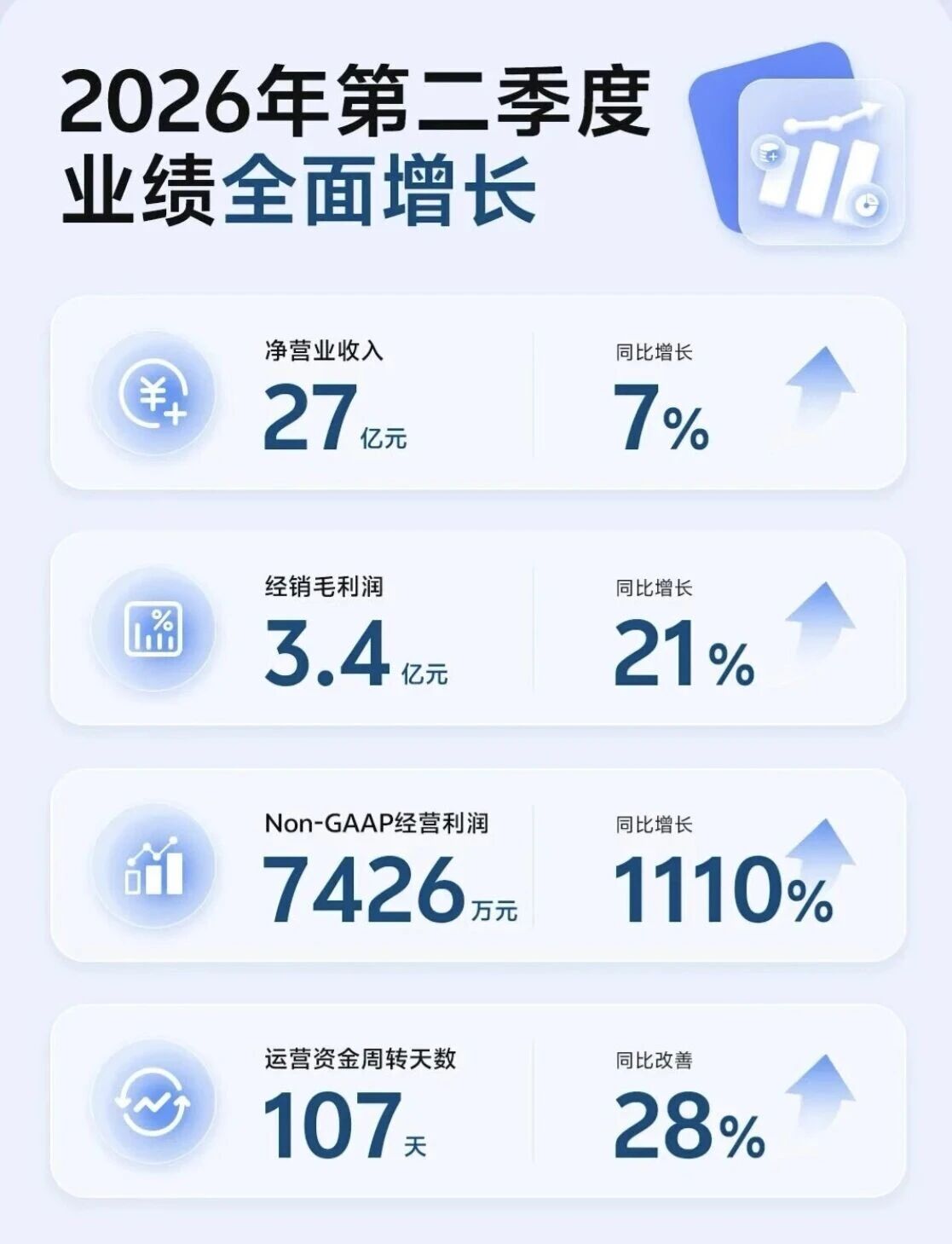
2. 宝尊最新经营成绩亮眼:2026年二季度宝尊总净收入同比增长7%至27亿元,非GAAP经营利润从去年同期的600万元增至7400万元,核心BEC业务非GAAP经营利润达1.07亿元,创2022年以来二季度新高,宝尊还将2028年非GAAP经营利润目标从5.5亿元上调至7亿元。

3. 宝尊的实践可做参考:通过主动调整业务结构、优化费用效率、延伸服务能力,实现了收入和利润的同步提升,给行业参与者提供了可借鉴的转型方向。

当前电商行业和品牌经营已经出现新的趋势,结合宝尊的实践,给品牌商带来的干货总结如下:

1. 行业和消费趋势变化:现在行业竞争从单纯拼规模转向拼利润,品牌经营的核心考核指标从单纯的销售增长,转向投放回报、正价销售和库存周转;消费者分散在货架平台、内容平台、私域、线下等多个渠道,品牌需要做好跨渠道的内容、会员、库存协同。

2. 服务商选择的新逻辑:品牌不需要只关注服务商的GMV规模和渠道覆盖,更需要服务商能深入品类,提供定制化的深度运营方案,品牌愿意为解决复杂经营问题的专业能力支付更高费用,不同品类有不同需求:奢侈品重品牌体验,运动户外重社群运营,服饰重库存节奏管理。

3. 可参考的实践案例:宝尊为国际知名运动品牌策划的女子夜跑直播,既实现了流量曝光,又完成了社群运营和品牌价值传递,值得品牌营销参考;GAP通过全渠道协同运营,实现全渠道同店销售增长超20%,坪效持续改善,证明全渠道经营的价值。

结合当前电商行业变化和宝尊的实践,给卖家梳理了行业机会、风险和可学习的干货如下:

1. 当前行业的整体变化:流量红利已经见顶,行业竞争逻辑从拼规模转向拼利润,卖家不能盲目为了扩大规模承接低利润业务,需要更关注投入产出比、库存周转和经营效率,不合理的规模反而会增加经营压力。

2. 可挖掘的市场机会:深度的品类运营和多渠道协同运营是新的机会点,消费者需求分散在各类渠道,卖家只要能深入理解品类,做好内容与商品的配合、跨渠道库存和会员协同,就能获得品牌方的持续投入,拿到更大的利润空间。

3. 需要注意的风险和可借鉴的经验:要主动收缩价格竞争激烈、利润空间有限的业务,把资源转移到差异化更大的品类;同时要优化自身费用效率,加快库存周转,提升盈利质量;尝试全渠道协同经营,打通线上线下流量和运营,打开新的增长空间。

结合当前电商行业的变化,给工厂带来产品需求、商业机会和数字化转型的相关干货如下:

1. 产品生产和设计的需求变化:当前标品类目价格竞争激烈,利润空间被不断压缩,而服饰等高差异化的非标品类目,有更大的利润空间,市场更看重商品企划、差异化设计开发能力,工厂可以调整产品方向,侧重差异化产品的研发和生产,匹配市场需求。

2. 可对接的商业机会:现在品牌端都在推进全渠道经营,需要更匹配线上线下全渠道需求的产品供给,工厂可以对接已经具备全链路经营能力的头部服务商,深度绑定品牌的全渠道经营,获得更稳定、利润空间更大的订单,拓展自身的生意边界。

3. 推进数字化转型的启示:数字化技术是提升经营效率、支撑业务协同的工具,最终要服务于产品开发和消费者需求,工厂推进数字化不能盲目追求技术概念,要围绕自身的生产、产品和客户需求落地,真正提升响应市场的效率。

本文以头部服务商宝尊为样本,梳理了电商服务行业的最新发展趋势、客户痛点和成熟解决方案,核心干货如下:

1. 行业发展新趋势:流量红利放缓后,电商服务行业的价值衡量标准已经改变,品牌方不再只看服务商的GMV规模、品牌数量和渠道覆盖,更看重服务商把收入转化为利润的能力,经营质量和利润成为新的行业价值尺度,头部玩家已经验证了新逻辑的可行性,获得资本市场的认可。

2. 当前品牌客户的核心痛点:品牌需要管理多渠道的商品、内容、库存、用户,传统只做单渠道基础执行的服务已经无法满足需求,品牌需要能解决复杂经营问题的深度服务,需要服务商深入不同品类提供定制化方案。

3. 可落地的转型解决方案:主动调整业务结构,收缩低利润的低效业务,聚焦优势高价值品类,提升高毛利服务收入的占比;同时拓展能力边界,从单一渠道执行延伸到品牌全链路经营,通过不同业务板块的协同积累全链路运营经验,持续提升自身盈利能力。

结合当前电商品牌和服务商的发展变化,给平台商梳理了行业需求、运营优化方向的相关干货如下:

1. 商家对平台的最新需求:当前商家的经营逻辑已经从追求规模转向追求利润,不再只要求平台提供流量和成交额,更需要平台支持商家做跨渠道的库存、会员协同,支持品牌做长期的内容运营和用户沉淀,帮助商家实现盈利,而不只是追求短期大促的成交额数据。

2. 平台竞争和运营的新方向:平台之间的竞争已经从单一节点的成交额竞争,延伸到用户留存、商家生态健康度和整体经营效率,平台需要引导商家关注经营质量,打造健康可持续的商家生态,类似抖音电商认证“钻石服务商”的做法,就是对优质深度服务商的认可,值得平台参考。

3. 招商和风险规避的方向:平台需要重点引入能提供深度全链路运营服务的服务商,帮助品牌解决经营问题,提升品牌在平台的留存和盈利,进而优化整个平台的经营生态,规避行业内只拼规模不赚利润的系统性风险,实现平台的长期健康发展。

本文以宝尊2026年二季度财报为研究样本,梳理了电商服务产业的新动向、新商业模式,核心干货如下:

1. 产业发展新动向:当前整个电商产业已经进入新的发展阶段,整体从规模优先转向利润优先,平台竞争从单一成交额比拼延伸到商家生态建设和经营效率提升,品牌端更关注投放回报、库存周转和长期利润,电商服务行业的衡量标准也随之改变,利润质量成为新的价值尺度,流量红利放缓不代表行业没有增长空间。

2. 新商业模式的实践:宝尊跑通了电商服务商的“整盘生意”新商业模式,突破了传统服务商只做单渠道执行服务的边界,通过BEC电商服务和自有品牌管理两大板块的协同,深入参与品牌商品、营销、渠道、库存的全链路决策,既提升了自身利润,也更好满足了品牌的需求。

3. 产业研究启示:该样本证明,电商服务商只有深度理解品类、实现全链路经营协同,才能获得长期增长,行业的奖励规则已经从规模转向经营质量,这为研究整个电商服务行业的转型提供了极具代表性的案例,也为行业后续发展指明了方向。

返回默认

声明:快读内容全程由AI生成,请注意甄别信息。如您发现问题,请发送邮件至 run@ebrun.com 。

我是 品牌商 卖家 工厂 服务商 平台商 研究者 帮我再读一遍。

Quick Summary

This article outlines new shifts in China's e-commerce industry, along with the latest operating results and practical insights from leading e-commerce service provider Baozun. Key takeaways are as follows:

1. A new industry consensus has emerged: growth can no longer prioritize scale alone, and profitability must be a core consideration. Platforms, brands, and service providers alike are now focusing more on operational efficiency, inventory turnover, and return on investment, instead of pursuing gross merchandise value (GMV) growth as a standalone goal.

2. Baozun delivered strong results in the second quarter of 2026: total net revenue grew 7% year-over-year to 2.7 billion yuan, while non-GAAP operating profit jumped to 74 million yuan from just 6 million yuan in the same period a year earlier. Non-GAAP operating profit for its core BEC e-commerce service business hit 107 million yuan, the highest second-quarter reading since 2022. The company has also raised its full-year 2028 non-GAAP operating profit target from 550 million yuan to 700 million yuan.

3. Baozun's strategy offers a replicable model for the industry: by proactively restructuring its business, optimizing cost efficiency, and expanding its service capabilities, the company has delivered simultaneous growth in both revenue and profitability, providing a actionable transformation roadmap for other industry players.

Against new trends in e-commerce and brand operations, this summary draws key takeaways for brands from Baozun's practical experience:

1. Shifts in industry and consumer trends: Industry competition has shifted from pure scale growth to profitability competition. For brands, core performance metrics have moved beyond just top-line sales growth to include return on ad spend, full-price sell-through rates, and inventory turnover. With consumers now spread across multiple touchpoints—traditional e-commerce platforms, social content platforms, private domains, and offline stores—brands must implement coordinated management of content, membership, and inventory across all channels.

2. A new framework for selecting service providers: Brands should no longer prioritize a service provider's GMV scale or channel coverage alone. Instead, they should prioritize providers with deep category expertise that can deliver customized, end-to-end operating solutions. Brands are now willing to pay a premium for specialized capabilities that solve complex operational challenges, and needs vary widely by category: luxury brands prioritize brand experience, outdoor and athletic brands focus on community management, and apparel brands require expertise in inventory pacing.

3. Actionable case studies: Baozun's women's night run livestream campaign for a leading global athletic brand delivered strong traffic exposure while successfully building community engagement and communicating brand value, offering a strong reference for brand marketing. GAP achieved more than 20% year-over-year growth in comparable same-store sales across all channels and sustained improvements in sales per square foot through omnichannel coordinated operations, demonstrating the tangible value of a holistic omnichannel strategy.

This summary outlines industry opportunities, risks, and actionable insights for sellers based on current industry shifts and Baozun's experience:

1. Broader industry changes: Traffic growth has plateaued, and industry competition has shifted from scale to profitability. Sellers should not pursue low-margin business purely to expand scale, as unsustainable growth only increases operational pressure. Instead, focus must shift to return on investment, inventory turnover, and operational efficiency.

2. Untapped market opportunities: Deep category operations and coordinated multi-channel management are the new growth drivers. With consumer demand fragmented across channels, sellers that build deep category expertise, align content strategy with product offerings, and coordinate inventory and membership across channels can secure long-term brand partnerships and larger profit margins.

3. Key risks to avoid and lessons to adopt: Proactively scale back operations in price-competitive, low-margin categories and reallocate resources to more differentiated segments. Optimize cost efficiency, speed up inventory turnover to improve profitability, and test omnichannel coordinated operations that integrate online and offline traffic and operations to unlock new growth.

This summary shares insights on product demand, business opportunities, and digital transformation for factories amid current e-commerce industry changes:

1. Shifts in product design and production demand: Cutthroat price competition in commodity categories has steadily compressed profit margins, while highly differentiated non-commodity categories such as apparel offer far larger margin upside. The market now prioritizes product planning and differentiated development capabilities, so factories can adjust their product focus to prioritize R&D and production of differentiated products to align with market demand.

2. Accessible new business opportunities: Brands are increasingly rolling out omnichannel operations, which requires product supply that fits both online and offline demand. Factories can partner with leading service providers that already have end-to-end operational capabilities, and deepen ties with brands' omnichannel businesses to secure more stable, higher-margin orders and expand their business scope.

3. Insights for digital transformation: Digital technology is a tool to improve operational efficiency and enable business collaboration, and ultimately exists to serve product development and consumer demand. Factories should not chase trendy technology concepts blindly; instead, digital transformation should be tailored to their own production, product, and customer needs to deliver actual improvements in market responsiveness.

Using leading e-commerce service provider Baozun as a case study, this article summarizes the latest industry trends, client pain points, and proven solutions for e-commerce service providers:

1. New industry trends: After traffic growth plateaued, the value metric for the e-commerce service industry has changed. Brands no longer evaluate service providers solely on GMV scale, number of brand clients, or channel coverage; they now prioritize the ability to convert revenue into profit. Operating quality and profitability have become the new industry standard for value, and leading players like Baozun have already validated this new model, earning recognition from capital markets.

2. Core pain points for brand clients: Brands now need to manage products, content, inventory, and users across multiple channels, and traditional single-channel basic execution services no longer meet demand. Brands now require deep, specialized services that solve complex operational challenges, and expect providers to develop customized solutions tailored to different categories.

3. Actionable transformation solutions: Proactively restructure the business by scaling back low-margin, inefficient operations, focusing on high-value core categories, and increasing the share of high-margin service revenue. At the same time, expand capabilities beyond single-channel execution to support brands' end-to-end operations, build full-stack operational experience through cross-business collaboration, and steadily improve long-term profitability.

Against current developments among e-commerce brands and service providers, this summary shares insights on industry demand and operational optimization for platform operators:

1. The latest merchant demands from platforms: Merchants have shifted their core priority from scale growth to profitability, and no longer only require traffic and GMV support from platforms. They now need platforms to support cross-channel coordination of inventory and membership, enable long-term content operations and user retention, and help merchants achieve sustainable profitability—rather than only focusing on short-term promotional GMV.

2. New directions for platform competition and operations: Competition between platforms has expanded from competing for promotional GMV to competing on user retention, the health of the merchant ecosystem, and overall operational efficiency. Platforms need to guide merchants to prioritize operating quality and build a healthy, sustainable merchant ecosystem. Douyin E-commerce's "Diamond Service Provider" certification program, which recognizes high-quality specialized service providers, is a strong example for other platforms to follow.

3. Directions for merchant recruitment and risk mitigation: Platforms should prioritize onboarding service providers that offer deep end-to-end operational capabilities, as these providers help brands solve operational challenges, improve brand retention and profitability on the platform, optimize the overall platform ecosystem, and mitigate the systemic risk of widespread scale-over-profit strategy across the industry, enabling long-term healthy growth for the platform.

Using Baozun's Q2 2026 earnings report as a research sample, this article outlines new trends and emerging business models in the e-commerce service industry:

1. New industry trends: The entire e-commerce sector has entered a new development stage, shifting industry-wide from scale-first to profit-first growth. Platform competition has expanded from competing on GMV to building healthy merchant ecosystems and improving overall operational efficiency. Brands now prioritize return on investment, inventory turnover, and long-term profitability, which has shifted the evaluation standard for the e-commerce service industry: profit quality is now the core value metric. Slowing traffic growth does not mean the industry has no room for further growth.

2. Validation of a new business model: Baozun has successfully scaled a new "end-to-end business management" model for e-commerce service providers, breaking the traditional boundary of single-channel execution services. Through coordination between its core BEC e-commerce service division and its in-house brand management division, Baozun participates deeply in brands' end-to-end decision-making for products, marketing, channels, and inventory, boosting its own profitability while better meeting brands' core needs.

3. Implications for industry research: This case study confirms that e-commerce service providers can only deliver long-term growth by building deep category expertise and achieving end-to-end operational coordination. The industry's reward framework has shifted from scale to operating quality, making this a highly representative case study for research on the broader transformation of the e-commerce service industry, and clarifying the direction for the industry's future development.

Disclaimer: The "Quick Summary" content is entirely generated by AI. Please exercise discretion when interpreting the information. For issues or corrections, please email run@ebrun.com .

I am a Brand Seller Factory Service Provider Marketplace Seller Researcher Read it again.

告别“唯规模论”,电商服务商正在重新定义什么叫“好收入”

文丨石磊 张从容      编辑丨石磊

【亿邦原创】今年电商行业一个明显的变化,是规模仍然重要,但规模已经不能单独解释增长。

对平台而言,竞争从单一节点的成交额,延伸至用户留存、商家生态和经营效率;对品牌而言,销售增长之外,投放回报、正价销售和库存周转被放到了更重要的位置。从618到新一轮大促筹备,行业正在形成一个更务实的共识:增长不仅要发生,也要留下利润。

这一变化同样作用于电商服务行业。当品牌开始计算每一笔投入的实际回报,服务商的价值也不再只由GMV、品牌数量和渠道覆盖决定。能否理解品类、协同商品与内容、管理库存,并将收入更有效地转化为利润,正在成为新的衡量标准。

宝尊电商8月27日发布的2026年第二季度财报,提供了一个具有代表性的样本。

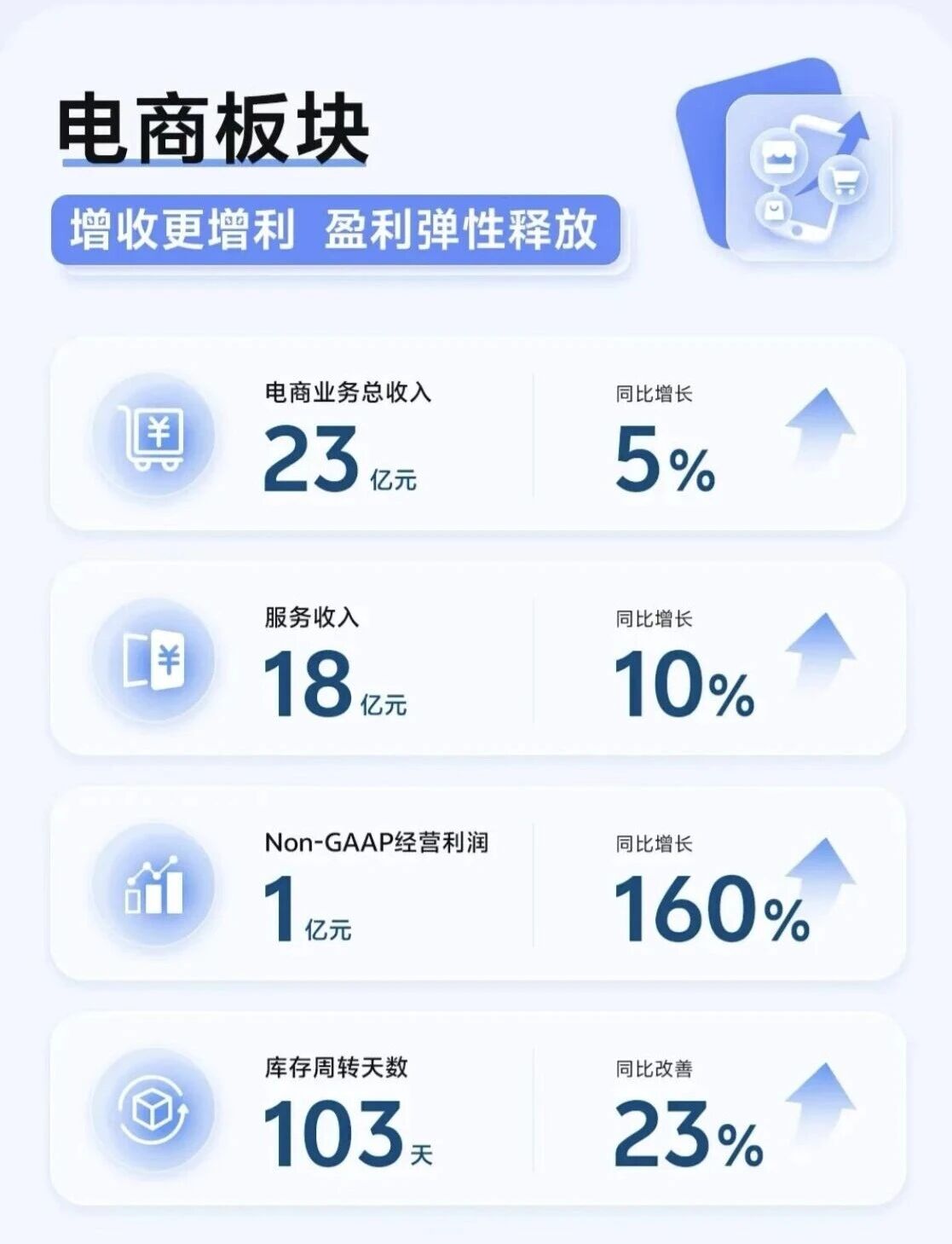
报告期内,集团总净收入同比增长7%至27亿元,非GAAP经营利润由去年同期的600万元增至7,400万元。其中,电商业务BEC收入同比增长5%至23亿元,非GAAP经营利润达到1.07亿元,创2022年以来二季度最高水平。

收入稳步增长,利润改善更加显著。相比单个季度的利润数字,更值得关注的是,这种变化已经表现出一定连续性:2026年第一季度,集团重新实现非GAAP经营盈利;进入第二季度,服务结构、费用效率和库存管理继续改善,利润进一步释放。

宝尊上一季度提出经营上“以质为先”。到了第二季度,这一方向开始获得更完整的财务支撑。

01

服务收入增长,电商服务正在重新定价

拆开BEC的收入结构,服务业务是本季度最值得关注的部分。

二季度,宝尊服务收入同比增长10%至18亿元,高于电商业务整体增速。公司继续深耕奢侈品、运动、户外等优势品类,并加强数字营销、内容创作和多平台运营能力。

这组数据背后,是品牌需求的变化。

消费者分散在货架平台、内容平台、直播、私域和线下门店,品牌需要管理的早已不只是一家网店。商品怎样与内容配合,投放如何承接后续转化,不同渠道的会员和库存如何协同,都在考验服务商的综合能力。

基础运营仍然不可或缺,但其价值越来越取决于能否进入具体的品类和经营场景。

奢侈品重视品牌表达和消费体验,运动户外需要连接产品功能、生活方式与社群文化,服饰则对上新节奏、尺码结构和库存管理更加敏感。不同品类没有一套通用的运营公式,服务商只有深入行业,才能将平台能力转化为适合品牌的经营方案。

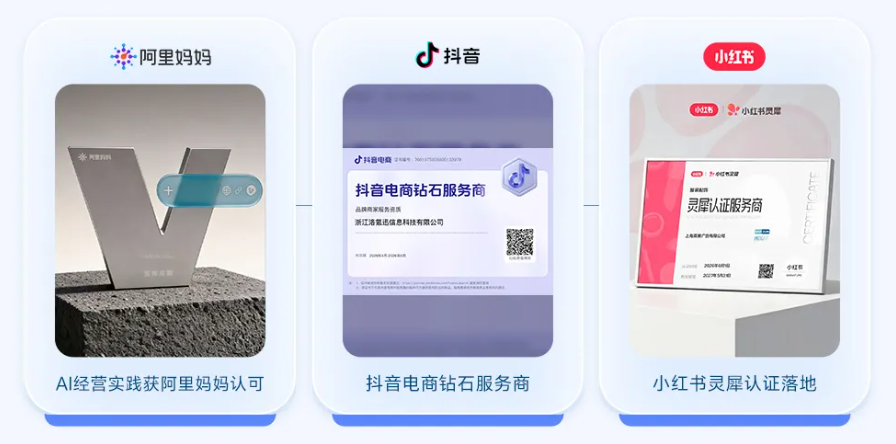
宝尊再次获得抖音电商“钻石服务商”认证,也从侧面反映了其在内容电商领域的积累。对品牌而言,抖音等内容平台既是销售渠道,也是品牌表达和消费者沟通的场域。直播和短视频不能只追求即时成交,还要与商品策略和长期用户运营衔接。

这种深度运营的能力在具体项目中得到了验证。例如,宝尊为某国际知名运动品牌策划的女子夜跑大型直播活动,不仅是一场赛事,更是赋能女性、构建社群的品牌盛事,通过直播吸引数百万观众线上参与,在放大品牌价值的同时创造了与目标受众深度共鸣的体验。

服务收入保持双位数增长,说明品牌对专业服务的需求并未减少,而是在向更深入的品类理解、内容经营和跨渠道协同迁移。

这也在改变电商服务的定价逻辑。品牌愿意持续投入的,不再只是完成基础执行的人力,而是能够解决复杂经营问题的专业能力。

02

从业务结构调整,看收入质量改善

服务业务增长之外,宝尊对经销业务的调整,同样反映了其对利润质量的重视。

二季度,宝尊经销收入同比下降10%至5.41亿元,主要是公司主动收缩美妆、家居等标品类目中利润空间有限、价格竞争激烈的业务。

对电商公司而言,争取收入是本能,放弃收入则更考验判断。

不同业务占用的资金、库存和运营资源并不相同。一些业务可以带来销售规模,却未必能够产生合理利润;一旦叠加价格竞争和库存波动,收入越大,经营压力反而可能越高。

宝尊没有继续追求这部分规模,而是将资源逐步转向服饰等更具差异化空间的领域。服饰等非标品并不只是货源和价格的竞争。商品企划、品牌授权、产品开发、供应链管理和库存判断,都可能成为服务商创造价值的环节。宝尊正在完善相关基础能力,并预计服饰经销业务从2027年起逐步贡献新的收入和利润增量。

这不是简单地从一个品类换到另一个品类,而是重新判断什么样的收入值得增长。

与业务结构调整同步,宝尊的运营指标也出现改善。在收入保持增长的同时,履约成本同比下降9%,管理及行政费用同比下降22%;集团库存周转天数由年初的132天缩短至110天。

服务收入增长、低回报业务主动调整、费用效率改善和库存加快周转,共同构成了本季度盈利质量提升的主要证据。

从第一季度恢复非GAAP经营盈利,到第二季度BEC非GAAP经营利润达到1.07亿元,宝尊的利润改善并非来自某个偶然项目或一次性因素,而是经营结构持续优化的结果。

对服务商而言,真正有价值的不是多接了多少业务,而是能否持续提高将收入转化为利润的能力。

03

从运营渠道,到理解整盘生意

电商服务能力继续向前延伸,还需要走出单一渠道的边界。

很多线上问题,已经无法只在线上解决。流量转化不理想,可能源于商品与消费者需求不匹配;促销效率下降,可能与库存结构和定价策略有关;线上增长遇到瓶颈,也可能需要重新考虑线下门店与数字渠道之间的关系。

宝尊的品牌管理业务,使公司能够更深入地参与商品、营销、渠道和库存决策。

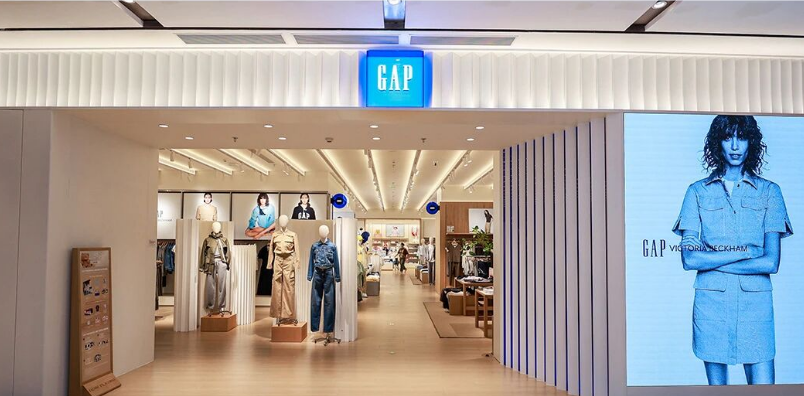
二季度,品牌管理业务收入同比增长22%至4.86亿元。作为核心品牌,GAP全渠道同店销售增长超过20%,女装、男装和童装均实现双位数增长,门店流量、销售转化和坪效继续改善。

经营一个品牌,与运营一家店铺的区别在于,所有环节最终都要在同一张利润表上相遇。

商品组合是否适应本地消费者,营销活动能否与货品配合,线上流量怎样与线下门店衔接,销售机会和库存风险如何平衡,这些问题很难被拆开解决。

GAP的经营实践,让宝尊对这些关系有了更直接的理解。这些经验也可以反过来丰富BEC服务外部品牌的方法。

BEC向品牌管理业务提供电商运营、数字营销、技术、物流和全渠道能力;品牌管理业务则补充商品、门店、库存和消费者运营经验。两个板块之间的协同价值,不只是相互导入资源,而是让宝尊能够从不同角度理解同一个品牌经营问题。

这种协同效应在财务上体现为品牌管理业务毛利率的显著提升,本季度达到56.1%,同比大幅提升383个基点,证明了其本土运营能力与品牌全球影响力结合的有效性。

技术与自动化也被放在这一体系中推进。管理层表示,公司近期在GAP电商运营中开展的相关试点取得初步成果,并计划在未来18个月逐步推广。现阶段,技术承担的是支持流程协同、数据分析和经营响应的角色,最终仍要服务于商品、内容、渠道和消费者运营。

对品牌客户而言,这种能力边界的拓展意味着,宝尊提供的不再只是某个渠道的执行服务,而是逐步进入品牌经营问题的核心环节。

04

利润质量,成为电商服务的新尺度

宝尊已经将2028年非GAAP经营利润目标由5.5亿元上调至7亿元。

这一目标并不由某一项业务或技术单独支撑。BEC盈利能力增强、服务收入增长、经销结构调整、品牌管理业务改善,以及两大业务之间逐步形成的协同,共同构成了中长期利润提升的基础。

具体来看,品牌管理业务的亏损正在持续收窄,本季度非GAAP经营亏损缩窄至3,300万元,其中GAP品牌的经营亏损同比改善超过40%。同时,公司坚持审慎的扩张策略,本季度新开设9家GAP门店,全年新开50家以上门店的目标正按计划推进。

这种向好的经营基本面,也迅速在资本市场得到了印证。财报发布后,花旗、中信里昂及招银国际等多家券商相继上调宝尊的投资评级、目标价及盈利预期,对其盈利能力的持续改善与中长期增长空间给予了更为积极的判断。

对整个电商服务行业而言,宝尊Q2财报的意义也不只是一家公司利润增长。

流量红利放缓,并不意味着品牌不再需要服务商。真正发生变化的是,品牌正在重新定义什么样的服务值得购买。

基础运营决定一家服务商能否进入牌桌;能否理解品类、协同商品与内容、连接线上与线下,并兼顾库存和利润,则决定它能在牌桌上坐多久。

二季度,宝尊集团收入增长7%,服务收入增长10%,BEC非GAAP经营利润达到1.07亿元。收入、服务业务和利润同步改善,说明其核心电商业务不仅保持增长,将业务转化为利润的能力也在增强。

规模依然重要,但规模背后的结构、效率和利润正变得更加重要。当行业不再只奖励成交数字,经营质量也就成为电商服务新的价值尺度。

本文首发于 亿邦动力 官方网站

文章来源:亿邦动力

广告
微信
朋友圈

FAQ回顾

宝尊2026年第二季度经营业绩怎么样?

2026年第二季度宝尊总净收入同比增长7%至27亿元,非GAAP经营利润由去年同期的600万元增至7400万元;其中电商业务BEC收入同比增长5%至23亿元,非GAAP经营利润达1.07亿元,创2022年以来二季度最高水平。

当前电商服务行业的价值衡量标准是什么?

当前电商服务行业不再以GMV、品牌数量和渠道覆盖为单一衡量标准,更看重服务商是否具备品类理解、商品与内容协同、库存管理能力,以及将收入有效转化为利润的经营质量。

宝尊上调后的2028年经营利润目标是多少?

宝尊已将2028年非GAAP经营利润目标由原先的5.5亿元上调至7亿元,该目标由BEC盈利能力增强、服务收入增长、业务结构优化、品牌管理与电商服务板块协同等多重因素共同支撑。

这么好看,分享一下?

朋友圈 分享

APP内打开

+1
+1
微信好友 朋友圈 新浪微博 QQ空间
关闭
收藏成功
发送
/140 0