广告
加载中

视源股份公益持项目获中国公益慈善最高政府奖——“中华慈善奖”表彰

龚作仁 2026-09-03 21:41
龚作仁 2026/09/03 21:41

邦小白快读

EN
全文速览

本文核心内容是视源股份旗下希沃联合官方发起的希沃教师数字化能力提升支持项目,获得中国公益慈善最高政府奖中华慈善奖,项目在教育公益领域具备标杆价值,核心干货信息如下

1. 项目核心进展:一期项目2022年启动,历时三年,实现160个国家乡村振兴重点帮扶县、72所协同提质师范院校全覆盖,已有37万名师范生及中小学教师受益,累计学习频次28.9万人次,生成精品微课33万余节,受益群体数字化备课突破2500万件次

2. 项目升级方向:二期项目已启动,聚焦AI助力教师教学素养提升,计划三年覆盖72所高师院校和500所县中,目前已完成125所县域高中的AI软硬件捐赠,后续将持续扩大受益范围,探索AI赋能教育新路径

本文为品牌开展公益建设、品牌营销提供了成熟可借鉴的标杆案例,核心干货如下

1. 品牌公益可紧扣国家战略布局:希沃锚定教育强国、乡村振兴、师范教育协同提质等国家战略,打造针对性教育公益项目,成功获得国家级权威认可,拿到中华慈善奖,有效强化了品牌在教育领域的专业定位,提升了品牌公信力

2. 可借鉴创新协同模式:希沃探索出政-社-企-校-地协同公益模式,企业发挥自身技术优势,对接各方资源,实现社会需求和自身优势精准匹配

3. 公益可反哺业务增长:希沃结合自身深耕教育的业务优势做公益,目前已经覆盖全国300万间教室,服务教师超1000万名,实现了社会效益和品牌增长的双赢

本文为教育赛道相关卖家提供了明确的方向指引和机会提示,核心干货如下

1. 政策与市场机会:当前国家高度重视教育优质均衡发展、教师数字化能力建设、AI赋能教育,紧扣国家战略方向的项目更容易获得官方资源支持,打开市场空间

2. 可借鉴创新合作模式:卖家可以参考政-社-企-校-地协同模式,对接政府、基金会、院校资源,发挥自身产品或技术优势,切入To B教育服务市场

3. 增长方向提示:AI+教师能力提升是明确的增量赛道,目前希沃已经落地19个AI课堂应用示范区,覆盖超1.2万所学校,验证了市场需求,卖家可提前布局相关产品和服务,抢占下沉县域市场

本文为教育硬件相关生产工厂提供了产品方向和商业机会参考,核心干货如下

1. 产品生产设计需求方向:当前教育领域对带AI边缘算力的智能硬件、智慧教室配套设备需求明确,随着全国性教师数字化能力提升项目推进,县域、乡村地区的相关硬件采购需求会持续增长

2. 明确的商业机会:工厂可以对接官方教育公益项目,参与相关硬件配套供应,既能扩大市场份额,也能借助官方项目提升品牌认可度

3. 数字化升级启示:工厂可结合教育场景的真实需求,推进产品的数字化、智能化升级,AI课堂分析、AI备课相关的智能硬件已经落地超4.8万间教室,市场空间广阔,工厂可结合自身产能布局相关产品线

本文为教育领域相关服务商梳理了行业发展趋势、客户痛点和可落地的解决方案,核心干货如下

1. 行业发展趋势:AI+教育是未来教育服务的核心增长方向,提升教师AI教学素养已经成为推进教育高质量发展的必然要求,相关的培训、技术服务需求会持续释放

2. 核心客户痛点:当前国内区域间教育资源不均衡,乡村和县域教师数字化能力不足,师范院校之间教研资源差距大,缺乏可落地的均衡化解决方案

3. 可复制的解决方案参考:服务商可借鉴硬件捐赠+系统培训双轮驱动模式,结合政-社-企-校-地多方协同模式,整合各方资源,通过智慧教室+研训平台的模式,实现优质教研资源跨区域共享,多个实践样本已经验证该模式的有效性

本文为教育类平台商梳理了市场需求、运营方向和风险规避要点,核心干货如下

1. 市场对平台的核心需求:当前需要平台能够承接教师数字化能力提升的培训需求,对接不同区域院校的教研资源共享需求,支撑AI赋能教师教学的各类应用,下沉县域市场的需求尤其旺盛

2. 可参考的运营经验:希沃打造了希沃学苑、希沃杏坛计划、教师社区等多元服务矩阵,已经承载超28.9万人次的专项课程学习,积累了大量用户资源和内容资源,验证了教师服务平台的运营可行性

3. 风险规避要点:平台运营需要紧扣国家教育发展战略方向,对接官方需求,避免偏离政策导向,同时要持续跟进AI技术升级平台服务,跟上行业发展节奏,提前布局下沉县域市场

本文为教育公益、AI+教育领域的研究者提供了新的研究样本和产业动向信息,核心干货如下

1. 产业新动向:当前教育公益已经从传统的硬件物资捐赠转向技术赋能教师能力成长,AI赋能教师素养提升成为新的发展方向,希沃项目已经完成一期落地,启动二期升级,印证了这一产业变化

2. 创新商业模式研究样本:项目探索出成熟可复制的政-社-企-校-地协同公益模式,构建了政府统筹主导、基金会资源整合、企业技术赋能、地方实践转化的新型合作生态,解决了传统公益资源对接不精准的问题,具备很高的研究价值

3. 政策落地启示:该项目验证了多方协同模式推进教育优质均衡的有效性,为后续教育公益相关政策落地、推进教育强国战略提供了可参考的实践样本

返回默认

声明:快读内容全程由AI生成,请注意甄别信息。如您发现问题,请发送邮件至 run@ebrun.com 。

我是 品牌商 卖家 工厂 服务商 平台商 研究者 帮我再读一遍。

Quick Summary

This article highlights the Seewo Teacher Digital Capability Enhancement Support Program, launched by Seewo, a subsidiary of CVTE, in partnership with official authorities, which recently won the China Charity Award, the highest government honor for philanthropy in China. The program has set a new benchmark in education-focused public welfare. Key takeaways are as follows:

1. Core progress of Phase 1: Launched in 2022, the three-year initiative has achieved full coverage across 160 key national counties for rural revitalization and 72 teacher development universities collaborating for educational improvement. To date, it has benefited 370,000 student teachers and K-12 teachers, with 289,000 accumulated learning sessions, over 330,000 high-quality micro-lessons created, and more than 25 million digital lesson preparation activities completed by beneficiaries.

2. Phase 2 upgrade: The second phase of the program is already underway, with a focus on using AI to improve teachers' instructional competence. It plans to cover 72 normal universities and 500 county-level high schools over three years. 125 county-level high schools have already received AI-enabled hardware and software donations. Going forward, the program will expand its reach and explore new paths for AI-powered education transformation.

This article presents a mature, replicable benchmark case for brands looking to build public welfare initiatives and strengthen brand marketing. Key insights are as follows:

1. Align brand philanthropy with national strategic priorities: By anchoring its project in national strategies including building a strong education system, rural revitalization, and collaborative improvement of normal education, Seewo developed a targeted education public welfare program that earned national-level authoritative recognition (the China Charity Award). This effectively reinforced Seewo's professional positioning in the education sector and boosted its brand credibility.

2. Leverage an innovative collaborative model: Seewo developed a multi-stakeholder public welfare model that brings together government, civil society, enterprises, schools and local authorities. The company leverages its own technological strengths to coordinate resources from all parties, creating a precise match between social needs and its core competencies.

3. Public welfare can drive business growth: By aligning its public welfare work with its long-standing business expertise in education, Seewo has achieved a win-win outcome for both social impact and brand growth. It currently serves 3 million classrooms and more than 10 million teachers across China.

This article offers clear directional guidance and opportunity insights for sellers in the education sector. Key takeaways are as follows:

1. Policy and market opportunities: China now prioritizes high-quality, equitable education development, building teachers' digital capabilities, and AI-enabled education. Projects aligned with national strategic priorities are far more likely to secure official resource support and unlock greater market space.

2. Adopt an innovative collaborative partnership model: Sellers can draw on the government-civil society-enterprise-school-local authority collaborative model, connect with resources from government agencies, foundations and academic institutions, and leverage their own product or technological strengths to enter the B2B education services market.

3. Clear growth direction: AI-enabled teacher capability building is a proven high-growth track. Seewo has already launched 19 AI classroom application demonstration zones covering more than 12,000 schools, validating market demand. Sellers can proactively develop relevant products and services to capture market share in underserved county-level regions.

This article provides references for product direction and business opportunities for factories producing educational hardware. Key insights are as follows:

1. Product design and development direction: There is clear market demand in the education sector for AI edge computing-enabled smart hardware and supporting smart classroom equipment. As national teacher digital capability improvement programs roll out, procurement demand for related hardware in county and rural regions will continue to grow.

2. Tangible business opportunities: Factories can partner with official education public welfare programs to participate as hardware suppliers. This not only expands market share, but also boosts brand recognition through association with official initiatives.

3. Inspiration for digital upgrading: Factories can advance digital and intelligent product upgrades aligned with real-world needs in education scenarios. AI classroom analysis and AI lesson preparation smart hardware are already deployed in more than 48,000 classrooms, indicating broad market potential. Factories can allocate production capacity to develop relevant product lines.

This article outlines industry growth trend, core client pain points and actionable solutions for education service providers. Key takeaways are as follows:

1. Industry growth trend: AI+education is the core growth direction for future education services. Improving teachers' AI instructional competence has become a necessity for advancing high-quality education development, which will continue to drive growing demand for related training and technical services.

2. Core client pain points: China currently faces uneven distribution of educational resources across regions. Teachers in rural and county areas lack sufficient digital capability, there are large gaps in teaching research resources between normal universities, and there is a shortage of implementable solutions to close these gaps.

3. Replicable solution framework: Service providers can adopt a dual-driver model of hardware donation plus systematic training, combined with the multi-stakeholder government-civil society-enterprise-school-local authority collaborative framework. By integrating resources from all parties and adopting a "smart classroom + research and training platform" model, providers can enable cross-regional sharing of high-quality teaching research resources. Multiple practical cases have already validated the effectiveness of this model.

This article sorts out market demand, operational directions and risk mitigation strategies for education platform operators. Key insights are as follows:

1. Core market demand for platforms: The market currently requires platforms to accommodate training needs for teacher digital capability improvement, support cross-regional sharing of teaching research resources between universities in different regions, and underpin various AI-enabled instructional applications. Demand is particularly strong in underserved county-level markets.

2. Proven operational experience: Seewo has built a diversified service matrix including Seewo Academy, the Seewo Xingtan Program and a teacher community, which has hosted more than 289,000 specialized course learning sessions and accumulated a large user base and content library. This validates the operational feasibility of teacher service platforms.

3. Risk mitigation: Platform operations must align with national education development strategies and address official demands to avoid deviating from policy guidance. Platforms also need to continuously upgrade services with advancing AI technology to keep pace with industry development, and proactively expand into underserved county-level markets.

This article provides new research samples and industry trend insights for researchers focused on education public welfare and AI+education. Key takeaways are as follows:

1. New industry trends: Education public welfare has evolved from traditional hardware and material donation to technology-enabled teacher capability development. AI-powered improvement of teacher competence has emerged as a new development direction. The completion of Seewo's Phase 1 program and launch of Phase 2 confirms this industry shift.

2. Research sample for innovative business models: The program developed a mature, replicable collaborative public welfare model involving government, civil society, enterprises, schools and local authorities. It builds a new cooperative ecosystem with government leadership, foundation-led resource integration, enterprise technological empowerment, and local implementation and transformation. This model addresses the inaccurate resource matching problem plaguing traditional public welfare, making it highly valuable for research.

3. Implications for policy implementation: The program validates the effectiveness of the multi-stakeholder collaborative model for advancing equitable high-quality education. It provides a practical reference for future implementation of education public welfare policies and the broader national strategy to build a strong education system.

Disclaimer: The "Quick Summary" content is entirely generated by AI. Please exercise discretion when interpreting the information. For issues or corrections, please email run@ebrun.com .

I am a Brand Seller Factory Service Provider Marketplace Seller Researcher Read it again.

9月1日,第十三届“中华慈善奖”表彰大会在人民大会堂举行。作为中国公益慈善最高政府奖,该奖对慈善活动中事迹突出、影响广泛的慈善项目、企业等进行表彰。“希沃教师数字化能力提升支持项目”凭借在助力打造新时代高水平教师队伍、推进教育优质均衡发展方面的突出成绩与标杆价值,入选“慈善项目和慈善信托”表彰名单。

据悉,“希沃教师数字化能力提升支持项目”于2022年11月启动,由教育部教师工作司、中国教育发展基金会与视源股份旗下希沃共同发起。一期项目历时三年,探索了新时代高水平教师队伍建设职前职后一体化、教学教研一体化,实现了对全国160个国家乡村振兴重点帮扶县的县级教师发展机构和72所协同提质计划高等师范院校的“两个全覆盖”。

这份荣誉不仅是对项目落地成果的权威肯定,更意味着 "政-社-企-校-地"(G-F-B-U-S)协同公益模式获得国家层面认可,对在“人工智能+”背景下探索创新教育公益具有标杆意义,为教师数字化能力赋能树立起创新实践范本。

锚定教育强国战略,公益新模式探索教师数字化能力赋能

强国必先强教,强教必先强师。提高学生的数字化素养和能力首先要提高教师的数字化水平和能力。而教师数字化能力是教育现代化的核心支撑,更是建设教育强国、缩小区域教育差距的关键抓手。

“希沃教师数字化能力提升支持项目”以“硬件捐赠+系统培训”双轮驱动模式,精准服务于国家乡村振兴与师范教育协同提质两大战略。

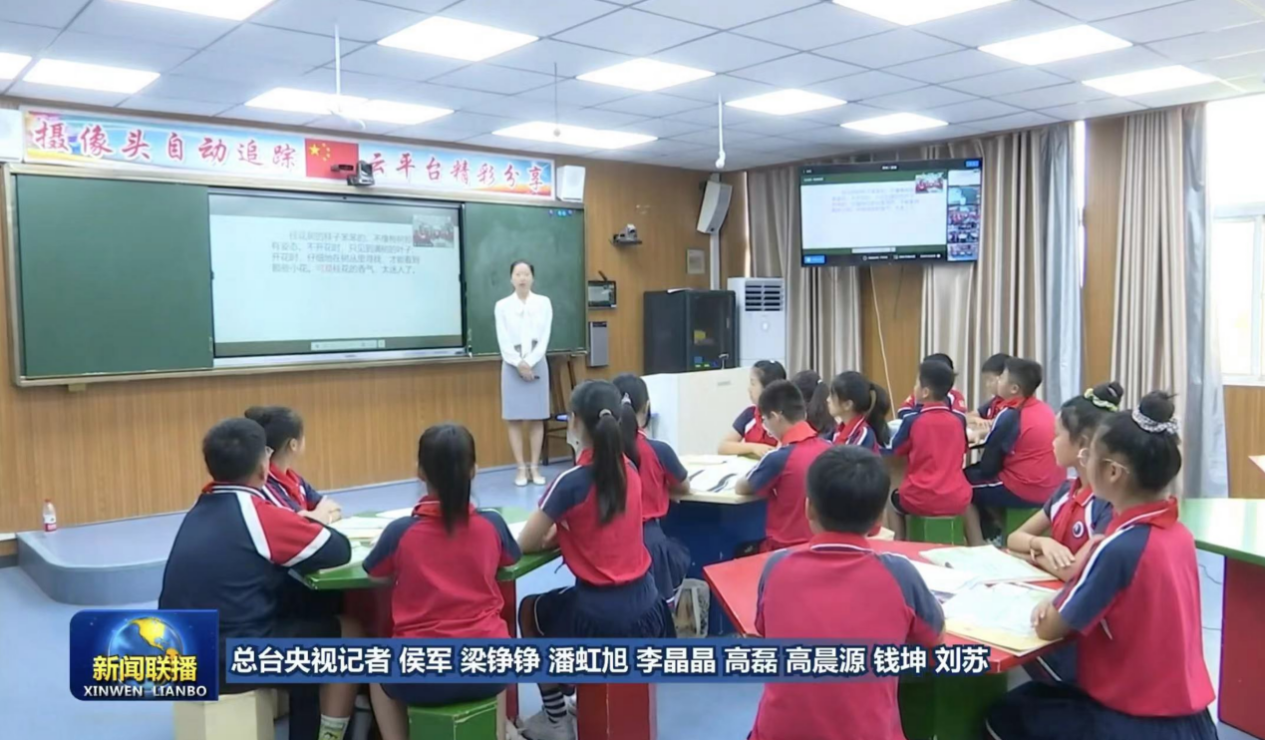
项目赋能师范教育协同提质计划重点支持院校及组团,在项目实施单位之一华南师范大学组团,通过智慧教室可以协同开展师范生教育实践、学科课程与教学论及教师教育课程教研、高校教师和中小学教师集体教研、组团院校工作研讨等各类活动。通过虚拟教研、“同上一节课”等活动,华南师范大学、忻州师范学院、周口师范学院、商丘师范学院及重点支持学院所在地的3所教育实践基地学校和3所县级教师发展机构能够共享教师专业发展课程和新课改案例,开展线上互动交流,实现优质资源同步共享与共建、共用。

2023年10月,《新闻联播》报道项目学校应用数字化技术远程授课画面

深耕教育17年,希沃与教师共同成长,打造教师专业发展平台,涵盖希沃杏坛计划、希沃学苑、教师社区等多元服务。在一期项目中,师范生和中小学教师已通过希沃学苑平台完成“教师数字化能力提升”专项课程学习,累计学习频次达28.9万人次、学习时长逾1.3万小时。依托项目信息化设备,受益群体数字化备课总量突破2500万件次,生成精品微课资源33万余节,已有37万名师范生及中小学教师由此受益。

创新多方协同模式 打造教育公益可复制标杆范式

该项目最核心的示范价值,在于探索形成成熟落地的"政-社-企-校-地"(G-F-B-U-S)协同公益模式,以服务国家战略为导向,构建"政府统筹主导、基金会资源整合、企业技术赋能、地方实践转化"的新型合作生态,以公益项目为抓手,实现社会资源与教育需求的精准对接,形成服务国家战略需求的创新性解决方案。

在该模式的具体实施过程中,各单位按照“一校一案”原则开展工作,通过“高师院校+县级教师发展机构+中小学”的方式进行协作。在一期项目实施的三年中,多个实施单位也探索出了各具特色的职后一体化与教学教研一体化实践样本。

例如,湖南师范大学创新性地实施了“1+3+1”帮扶机制,通过整合参与帮扶院校的优势资源,帮助被帮扶院校打造样板,进而辐射校内其他专业。华东师范大学借助项目建设教室设计了“同上一门课”、“线上线下混合式课程工作坊”、“师范生线上集体备课”三个项目,实现课程及教研跨校共建共享与交流研修。云南省彝良县通过项目开展教师常态化线上线下混合式研讨,数字技术赋能帮扶县教师教学教研一体化;自项目起累计生成希沃白板课件制作数超4.6万份。

抢抓AI+教育机遇,持续探索教育均衡可持续新路径

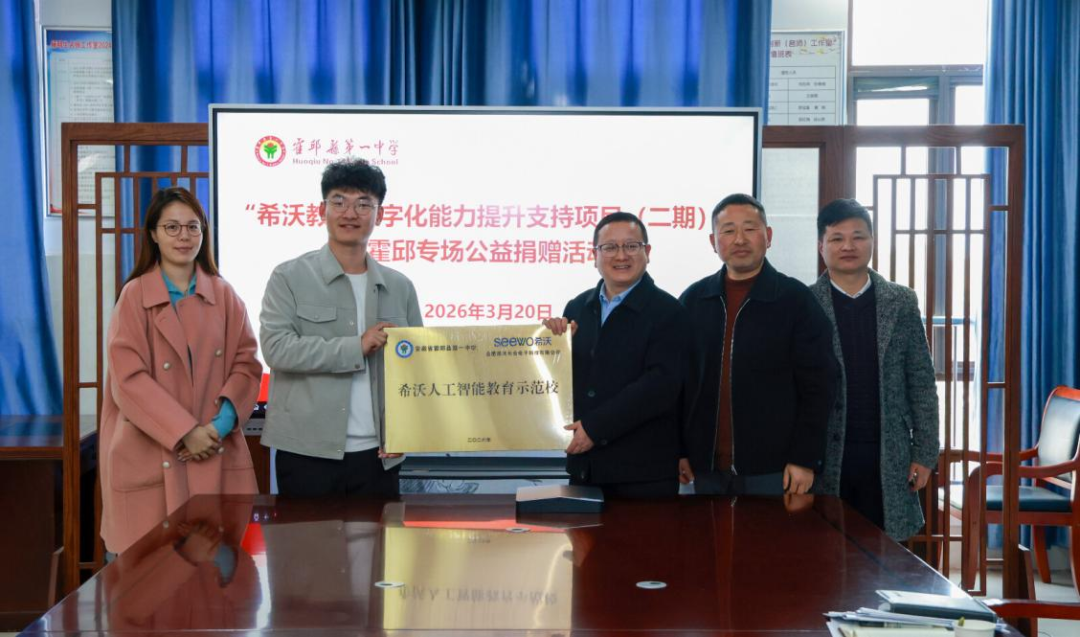
面向人工智能赋能教育的时代命题,提升教师AI教学素养已经成为推进教育高质量发展的必然要求。“希沃教师数字化能力提升”项目二期已于2025年底启动升级,项目继续由教育部教师工作司、中国教育发展基金会、希沃联合发起,以“AI助力教师教学素养和能力提升”为主题,将用3年时间向72所协同提质计划高师院校和全国500所县中捐赠AI相关系统及相应培训课程。

截至目前,已向125所县域高中捐赠人工智能软硬件系统及培训资源,助力县中教师和师范生应用数字化工具和AI提升教育、教学、教研的质量和效能,整体提升高中教学质量及师范生教学实践能力,持续深化“智慧教室+研训平台”的协同效应,扩大受益范围,探索AI技术赋能教师培训的新路径,助力构建“学习型社会”国家战略。

希沃教师数字化能力提升支持项目(二期)落地安徽省六安市霍邱县

据了解,秉持“科技向善”理念,希沃持续通过技术赋能教师发展,截至目前已覆盖全国300万间教室,服务教师用户超1000万名。从为教育工作者提供AI系统性赋能出发,打通算力、数据、终端设备和场景,锚定“教-学-管”过程中的真问题,为AI时代的教学改革,提供更多灵感和思路。截至2026年6月,希沃课堂智能反馈系统已建成19个重点应用示范区,覆盖超1.2万所学校、超过4.8万间具备AI边缘算力的智能教室,累计生成超过95万份专业课堂分析报告。

未来,希沃将继续紧扣国家教育发展方向,以数字与AI技术为抓手,持续迭代公益实践,为推动教育优质均衡发展、建设教育强国持续贡献力量。

注:文/龚作仁,文章来源:Laborer,本文为作者独立观点,不代表亿邦动力立场。

文章来源:Laborer

广告
微信
朋友圈

FAQ回顾

希沃教师数字化能力提升支持项目是什么?

该项目是由教育部教师工作司、中国教育发展基金会与视源股份旗下希沃共同发起的教育公益项目,2022年11月启动一期,聚焦提升教师数字化能力,实现160个国家乡村振兴重点帮扶县教师发展机构、72所协同提质高师院校全覆盖,已有37万名师范生及教师受益。

希沃教师数字化能力提升支持项目二期有哪些升级?

项目二期于2025年底启动升级,以"AI助力教师教学素养和能力提升"为主题,计划用3年时间向72所协同提质计划高师院校、全国500所县中捐赠AI相关系统及培训课程,目前已完成125所县域高中的相关资源捐赠。

教育公益项目助力教育优质均衡发展有哪些可借鉴的模式?

可采用政-社-企-校-地协同模式,以硬件捐赠加系统培训双轮驱动,通过智慧教室、研训平台实现优质教研资源跨区域共享,还可引入AI技术赋能教师培训,提升欠发达地区教师教学能力,缩小区域教育差距。

这么好看,分享一下?

朋友圈 分享

APP内打开

赞 +1
+1
微信好友 朋友圈 新浪微博 QQ空间
关闭
收藏成功
发送
/140 0