广告
加载中

持续夯实研发壁垒 逸仙电商Q2护肤业务增速超40% 收入占比突破7成

龚作仁 2026-09-02 19:18
龚作仁 2026/09/02 19:18

邦小白快读

EN
全文速览

本文核心围绕逸仙电商2026年第二季度业绩与战略布局展开,核心干货信息整理如下:

1. 核心业绩数据:逸仙电商Q2总营收11.4亿元,同比增长5.1%,已连续七个季度实现同比增长;护肤业务增速亮眼,同比增长40.4%,实现营收8.16亿元,占总营收比例升至71.5%,成为公司第一增长引擎,彩妆业务面临结构性压力,公司正主动调整资源优化业务结构。

2. 品牌&研发情况:旗下三大护肤品牌分别在杏仁酸、高端美白抗衰、高端卸妆等细分赛道拿下多个平台品类榜单头部位置,彩妆也有多个爆款入围头部榜单;Q2研发投入3725万元,累计研发投入超7.7亿元,研发费用率稳定超3%,累计申请专利282项,研发中心获评国家高新技术企业;还获得1.2亿美元可转债融资,资金用于研发与市场拓展。

本文针对美妆品牌的干货参考整理如下:

1. 当前行业消费趋势:国内美妆市场整体复苏,行业增速跑赢社会消费品零售大盘,但赛道分化明显,护肤赛道增长强劲,彩妆领域囤货型品类需求走弱,品牌可主动调整业务结构,聚焦高增长赛道配置资源。

2. 产品研发方向参考:当前美妆行业的核心竞争力已经转向研发投入与成分创新,持续高研发投入可转化为市场壁垒,逸仙电商连续四年保持研发费用率3%以上,累计投入超7.7亿元,收获多项权威认证,验证了研发驱动模式的可行性。

3. 品牌运营启示:可采用多品牌矩阵布局,每个品牌明确细分赛道定位,聚焦细分领域打造硬核爆品,抢占细分赛道头部位置,更容易获得持续增长。

本文给美妆卖家整理的干货内容如下:

1. 市场变化与机会提示:上半年国内化妆品行业整体同比增长6.3%,增速跑赢零售大盘,其中护肤赛道增速达到40.4%,是当前确定性较高的增长市场;彩妆赛道结构性分化明显,囤货型彩妆需求走弱,卖家可顺势调整品类结构。

2. 竞争趋势参考:当前美妆细分赛道头部效应突出,只要找准细分定位、打造出有产品力的爆品,就能抢占平台头部位置获得流量扶持,比如杏仁酸护肤、高端美白抗衰、高端卸妆等细分领域,仍有突围机会。

3. 可借鉴的运营策略:面对行业竞争加剧的环境,可主动收缩弱势业务资源,聚焦高增长品类,同时通过研发打造产品壁垒,持续优化营销效率与运营成本,可实现稳健增长,优质项目也更容易获得资本加持拓展市场。

本文给美妆工厂的干货参考如下:

1. 产品生产设计需求变化:当前美妆市场需求结构性倾斜,护肤业务整体增速远超彩妆,高端化、功效化是核心需求趋势,高端抗衰、功效护肤、细分功效单品的需求增长明显,彩妆领域更聚焦爆款单品,传统囤货型彩妆需求持续走弱,工厂可适配需求调整生产布局。

2. 商业合作机会:逸仙电商等头部品牌正在持续加大研发投入,推进多品牌布局,同时加快海内外市场拓展,新品迭代节奏加快,对能够适配功效护肤、高端美妆生产要求,具备一定技术配合能力的工厂,会释放更多长期合作订单。

3. 发展启示:头部品牌都在升级研发能力,对产品科技含量要求不断提升,工厂可跟随行业趋势推进自身技术升级,绑定头部品牌的研发需求,更好地承接品牌的产品迭代需求,打开长期增长空间。

本文给美妆行业服务商的干货总结如下:

1. 行业发展趋势:当前国内美妆行业整体稳步复苏,护肤赛道保持40%以上的高增速,绝大多数头部品牌都在推进战略转型,资源向护肤业务倾斜,整个行业从流量驱动转向研发驱动,行业整体向高质量方向升级。

2. 当前客户核心痛点:品牌转型过程中,需要搭建自身研发壁垒,完成新原料研发、新品备案、合规认证、消费者皮肤研究等多项专业工作,大部分品牌自身能力不全,需要专业服务商支持;同时品牌都在优化运营成本、提升营销效率,对精准高效的营销运营服务需求提升。

3. 市场机会方向:服务商可围绕品牌研发转型需求,拓展专利申请、合规备案、实验室认证、行业标准制定、消费者研究等相关服务;也可针对品牌打造细分爆品的需求,提供细分赛道研究、平台投放优化等服务,匹配品牌转型需求。

本文给美妆平台商的干货内容整理如下:

1. 品牌端的需求变化:当前头部美妆品牌都在调整业务结构,资源重点向护肤业务倾斜,尤其是定位清晰、研发过硬的功效护肤、高端护肤品牌,增长势头强劲,这类品牌需要平台匹配更多细分品类流量支持,帮助其打造爆品、抢占细分赛道头部位置。

2. 运营管理方向启示:当前美妆行业细分赛道头部效应越来越明显,大量品牌都在发力抢占细分品类TOP排名,平台可围绕细分赛道搭建专属运营体系,打造爆品成长通道,吸引更多优质品牌入驻。

3. 招商方向提示:可重点引入研发实力强、定位清晰的多品牌集团旗下护肤品牌,这类品牌增长动力足,能为平台带来更多营收增量;逸仙电商等头部企业完成融资后,会加速拓展海内外市场,有更多新业务合作空间,可重点对接。

本文给美妆产业研究者的干货内容如下:

1. 当前美妆产业新动向:国内美妆市场经过调整后展现出较强韧性,整体增速跑赢社会消费品零售大盘,产业结构性分化明显,护肤赛道已经取代彩妆成为头部企业的核心增长引擎,本土美妆产业已经完成从流量驱动向研发驱动的转型,头部品牌纷纷加大研发投入搭建核心壁垒。

2. 头部企业转型模式参考:逸仙电商作为起家于彩妆的头部美妆集团,成功完成战略转型,当前护肤业务营收占比突破七成,验证了锚定高增长护肤赛道、坚持研发投入、布局多品牌细分矩阵的转型模式可行性,为本土美妆集团转型提供了实际案例。

3. 产业资本动向:头部投资机构依然看好转型到位的本土美妆集团,愿意加注支持其长期布局,资本加持会进一步推动本土美妆品牌的研发升级与出海拓展,国货美妆仍然有较大的增长空间。

返回默认
声明:快读内容全程由AI生成,请注意甄别信息。如您发现问题,请发送邮件至 run@ebrun.com 。

我是 品牌商 卖家 工厂 服务商 平台商 研究者 帮我再读一遍。

Quick Summary

This article centers on Yatsen Holding’s Q2 2026 financial performance and strategic layout, with key takeaways as follows:

1. Core performance data: Yatsen Holding posted total revenue of 1.14 billion yuan in Q2, up 5.1% year-over-year, marking the seventh consecutive quarter of year-over-year growth. Its skincare business delivered standout growth of 40.4% year-over-year, generating 816 million yuan in revenue and accounting for 71.5% of total revenue, making it the company’s primary growth engine. The color cosmetics business is facing structural headwinds, and the company is proactively reallocating resources to optimize its business mix.

2. Brand and R&D updates: Yatsen’s three core skincare brands have secured top positions on category ranking lists across multiple platforms in niche segments including mandelic acid, high-end brightening and anti-aging, and premium cleansing. Several of its color cosmetics bestsellers have also earned top-10 spots. In Q2, R&D investment reached 37.25 million yuan, bringing cumulative R&D spending to more than 770 million yuan. R&D expenditure has consistently remained above 3% of revenue, and the company has filed 282 patent applications. Its R&D center is certified as a national high-tech enterprise. Yatsen also raised 120 million U.S. dollars via convertible bonds, with proceeds allocated to R&D and market expansion.

Key takeaways for beauty brands from this article are as follows:

1. Current consumer industry trends: China’s overall beauty market is recovering, with growth outpacing that of overall social retail sales, but the sector is seeing stark divergence between segments. The skincare category is growing strongly, while demand for stock-up color cosmetics products is weakening. Brands can proactively adjust their business structure and allocate resources to high-growth segments.

2. Guidance on R&D and product direction: Core competitive advantages in the current beauty industry have shifted to R&D investment and ingredient innovation. Sustained high R&D investment can be converted into market entry barriers. Yatsen Holding has kept R&D expenditure above 3% of revenue for four consecutive years, with cumulative investment exceeding 770 million yuan, and earned multiple authoritative certifications, validating the viability of its R&D-driven growth model.

3. Insights for brand operations: Brands can adopt a multi-brand portfolio strategy, with each brand positioned for a clear niche segment. Focusing on building strong bestsellers in niche areas and claiming top positions in these segments is a more reliable path to sustained growth.

Key insights for beauty sellers organized in this article are as follows:

1. Market changes and opportunity alerts: In the first half of 2026, China’s overall cosmetics industry grew 6.3% year-over-year, outpacing overall retail growth. The skincare segment posted 40.4% year-over-year growth, making it a high-certainty growth market today. The color cosmetics segment is marked by clear structural divergence, with weakening demand for stock-up color cosmetics. Sellers can adjust their category mix accordingly.

2. Competitive trend references: Niche beauty segments now feature strong winner-takes-most dynamics. Sellers that identify a clear niche positioning and build a high-quality bestseller can claim top platform positions and secure traffic support. Niche areas such as mandelic acid skincare, high-end brightening and anti-aging, and premium cleansing still offer opportunities for new entrants to break through.

3. Actionable operational strategies: Amid intensifying industry competition, proactively reallocating resources away from underperforming businesses to focus on high-growth categories, building product barriers via R&D, and continuously optimizing marketing efficiency and operational costs can deliver steady growth. High-quality projects are also more likely to secure capital support to expand market reach.

Key insights for beauty manufacturers from this article are as follows:

1. Shifts in product development and production demand: The beauty market is seeing a structural shift in demand, with overall skincare growth far outpacing that of color cosmetics. Premiumization and efficacy are the core demand trends, with demand growing strongly for high-end anti-aging products, efficacious skincare, and niche functional single products. For color cosmetics, demand is concentrated on hit single products, while demand for traditional stock-up color cosmetics continues to decline. Manufacturers can adjust their production footprint to align with these shifting demands.

2. Business collaboration opportunities: Leading brands including Yatsen Holding are continuously increasing R&D investment, advancing multi-brand layouts, and accelerating expansion into domestic and overseas markets. New product iteration cycles are shortening, which will generate more long-term cooperation orders for manufacturers that can meet production requirements for efficacious and premium beauty products and have matching technical capabilities.

3. Growth insights: As leading brands upgrade their R&D capabilities and raise requirements for product technology content, manufacturers can follow industry trends to upgrade their own technical capabilities, align with the R&D needs of leading brands, better support brands’ new product iteration needs, and unlock long-term growth potential.

Key takeaways for beauty industry service providers from this article are as follows:

1. Industry development trends: China’s overall beauty industry is recovering steadily, with the skincare segment maintaining high growth of over 40%. Most leading beauty brands are undergoing strategic transformation, reallocating resources to the skincare business. The entire industry is shifting from a growth model driven by traffic to one driven by R&D, and upgrading toward higher-quality development.

2. Core pain points of current clients: During their transformation, brands need to build their own R&D barriers and complete a range of professional work including new raw material development, new product registration, compliance certification, and consumer skin research. Most brands do not have full in-house capabilities for these tasks and require support from professional service providers. Meanwhile, brands are optimizing operational costs and improving marketing efficiency, leading to rising demand for precise and efficient marketing and operational services.

3. Directions for market opportunities: Service providers can expand related services to meet brands’ R&D transformation needs, including patent application, compliance registration, laboratory certification, industry standard setting, and consumer research. They can also offer services such as niche segment research and platform advertising optimization to support brands in building niche bestsellers, matching brands’ transformation needs.

Key takeaways for beauty e-commerce platforms organized in this article are as follows:

1. Shifting demand from brand clients: Leading beauty brands are currently adjusting their business structure, reallocating resources primarily to the skincare business. In particular, efficacious and premium skincare brands with clear positioning and strong R&D capabilities are seeing strong growth momentum. These brands require platforms to provide more targeted traffic support for niche categories to help them build bestsellers and claim top positions in niche segments.

2. Insights for operations and management: The winner-takes-most effect in niche beauty segments is becoming increasingly pronounced, and a large number of brands are competing for top positions in niche categories. Platforms can build dedicated operational frameworks around niche segments, create growth pipelines for bestsellers, and attract more high-quality brands to set up shop.

3. Guidance for merchant recruitment: Platforms can prioritize onboarding skincare brands owned by multi-brand groups with strong R&D capabilities and clear positioning. These brands have strong growth momentum and can bring more revenue incremental growth for platforms. After completing financing, leading players such as Yatsen Holding will accelerate expansion into domestic and overseas markets, creating more opportunities for new business cooperation, so platforms can prioritize outreach to these players.

Key takeaways for beauty industry researchers from this article are as follows:

1. New current trends in the beauty industry: After a period of adjustment, China’s beauty market has demonstrated strong resilience, with overall growth outpacing that of total social retail sales. The industry is seeing clear structural divergence: the skincare segment has replaced color cosmetics as the core growth engine for leading players, and domestic beauty industry as a whole has completed its transition from a traffic-driven model to a R&D-driven model, with leading brands ramping up R&D investment to build core competitive barriers.

2. Transformation model reference for leading enterprises: As a leading beauty group built initially on color cosmetics, Yatsen Holding has successfully completed its strategic transformation, with skincare now accounting for more than 70% of total revenue. This validates the viability of its transformation model: anchoring to the high-growth skincare segment, maintaining sustained R&D investment, and building a multi-brand matrix across niches, providing a practical case study for transformation of other domestic beauty groups.

3. Trends in industrial capital: Leading investment institutions remain bullish on well-transformed domestic beauty groups, and are willing to provide capital to support their long-term布局. Capital backing will further drive R&D upgrading and overseas expansion of domestic beauty brands, and Chinese beauty brands still have considerable room for future growth.

Disclaimer: The "Quick Summary" content is entirely generated by AI. Please exercise discretion when interpreting the information. For issues or corrections, please email run@ebrun.com .

I am a Brand Seller Factory Service Provider Marketplace Seller Researcher Read it again.

9月2日,逸仙电商(NYSE:YSG)发布2026年第二季度业绩报告。公告显示,公司第二季度营收增长至11.4亿元,较去年同期增长5.1%,连续七个季度实现同比增长。

其中,三大护肤品牌Galénic法国科兰黎、DR.WU达尔肤和EVE LOM伊芙珑增长强劲,助力护肤业务同比高增40.4%,实现营收8.16亿元。护肤版块营收占总营收的比例升至71.5%,营收贡献率创新高,成为增长主引擎。

对此,逸仙电商创始人、董事长兼CEO黄锦峰表示:“二季度国内美妆市场展现出较强韧性,市场增速有所修复,但行业竞争加剧,整体依旧面临挑战。在此背景下,公司业务仍处在战略转型的关键阶段。其中护肤业务保持强劲增长势头,单季营收贡献率达到70%以上。相比之下,彩妆业务在竞争中面临结构性逆风,我们会更主动地调整资源聚焦,积极优化公司的业务结构。展望未来,公司将持续调整产品组合和渠道运营,同时坚持研发投入,夯实创新产品储备,实现长期可持续增长。”

护肤营收增长超40% 强势领跑行业大盘

今年上半年,国内消费市场稳步复苏,化妆品行业整体展现出较强韧性,行业社会销售额同比增长6.3%,增速跑赢社会消费品零售大盘。在此背景下,逸仙电商凭借扎实的研发实力和精细化运营能力,护肤业务实现强势增长,同比提升40.4%,营收占比突破70%,成为公司的增长主引擎,充分验证了公司锚定护肤赛道的战略正确性,打开长期高质量成长空间。

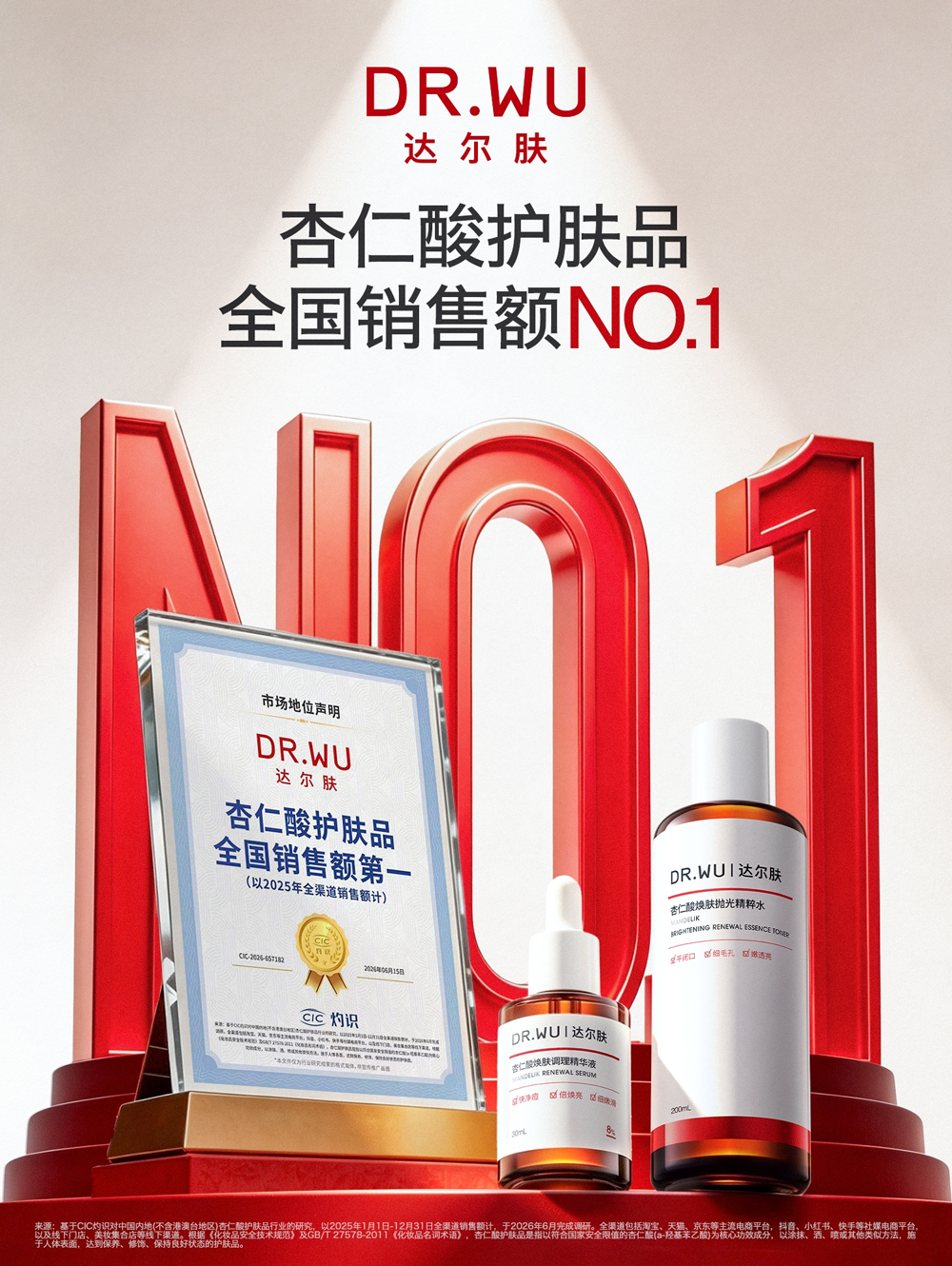
具体来看,旗下三大护肤品牌凭借清晰的品牌定位与硬核产品力,成为护肤业务高增长的核心驱动力。作为医研级功效护肤品牌,DR.WU达尔肤已建立长期稳固的杏仁酸细分赛道领先优势,据权威机构CIC灼识6月行业研究数据,按2025年全年中国内地全渠道销售额统计,DR.WU达尔肤杏仁酸护肤品斩获全国销售额第一;DR.WU达尔肤618期间斩获天猫美妆大盘增速NO.1;明星单品杏仁酸抛光水位居抖音爽肤水榜TOP3。Galénic法国科兰黎深耕高端美白抗衰赛道,增长势头强劲,618期间荣登天猫宝藏新品牌·国际美妆排行榜TOP1;旗下明星VC精华稳居抖音高端美白精华TOP1、荣登天猫高端美白精华TOP2;潜力爆品VB精华上榜天猫高端修护精华TOP8;爆品雪藻面霜荣登天猫高端面霜TOP10。EVE LOM伊芙珑的市场号召力也持续增强,明星单品洁颜霜蝉联天猫高端卸妆膏TOP1,洁颜霜套组荣获京东全价格带卸妆膏TOP1;琉金眼油蝉联抖音高端眼部精华油TOP1,登顶618眼部精华榜必买榜;新品眼膜涨势亮眼,跻身抖音全价格带眼膜好评榜TOP2。

DR.WU达尔肤杏仁酸护肤品斩获全国销售额第一

与此同时,根据行业数据统计,彩妆细分市场同样面临结构性分化,唇釉/眼影等囤货型彩妆走弱。在此背景下,逸仙电商主动优化彩妆业务产品组合,推动业务稳健发展,旗下品牌爆款矩阵强势出圈。完美日记千万级大单品矩阵持续扩容,Q2第三代「仿生膜」口红系列、「小蓝锁」蜜粉饼系列持续热卖,与「仿生膜」唇釉系列、精华素颜霜、三色眼影棒等共同构成品牌爆款矩阵;618期间,完美日记位列李佳琦直播间国货彩妆TOP3。小奥汀双头水眉笔占据天猫Q2季度染眉膏品类TOP1、抖音热力爆品榜TOP10;双效高光占据Q2抖音热力爆品榜TOP4、京东高光热卖榜TOP4。

逸仙电商首席财务官杨东皓表示:“2026年第二季度,我们实现了温和的营收增长,净营收同比增长5.1%。这一业绩主要得益于护肤品业务同比增幅达40.4%。展望未来,在市场环境瞬息万变的背景下,我们将持续专注于提升营销支出效率,并逐步优化运营成本结构。”

研发壁垒不断夯实 创新成果持续落地

当前,化妆品市场的结构性变革仍在持续深化,本土品牌在研发投入、成分创新上的积累也将持续转化为市场竞争力。逸仙电商以“世界级美妆创新先锋”为愿景,不断夯实科研驱动的可持续发展模式,坚持高研发投入,提升产品科技含量。

财报显示,2026年二季度公司研发投入3725万元,费用率稳定超3%,位居行业第一梯队。自2020年起,公司累计投入超7.7亿元用于研发创新,连续四年保持年度研发费用率3%以上。

持续加大的研发投入,已转化为实实在在的技术成果。研发专利层面,截至2026年6月30日,公司已在全球范围内申请专利282项,其中申请发明专利88项,授权发明专利73项。同时,已累计完成包括“双歧杆菌 /乳酸杆菌 /大豆籽提取物发酵产物滤液”、“长双歧杆菌婴儿亚种 / 乳糖发酵提取物滤液”、“长双歧杆菌婴儿亚种 / 乳糖发酵溶胞产物”3项化妆品新原料备案。此外,全球核心期刊论文发布层面,逸仙集团及合作基金项目累计发表学术论文55篇,其中包括SCI论文17篇。逸仙电商主导或参与制定国家标准/团体标准共11项。2026年上半年,逸仙电商累计完成203个普通化妆品备案凭证、262个化妆品出口备案、10个特殊化妆品注册证,为公司产品迭代升级、海内外市场拓展与业务规模化扩张打下坚实基础。

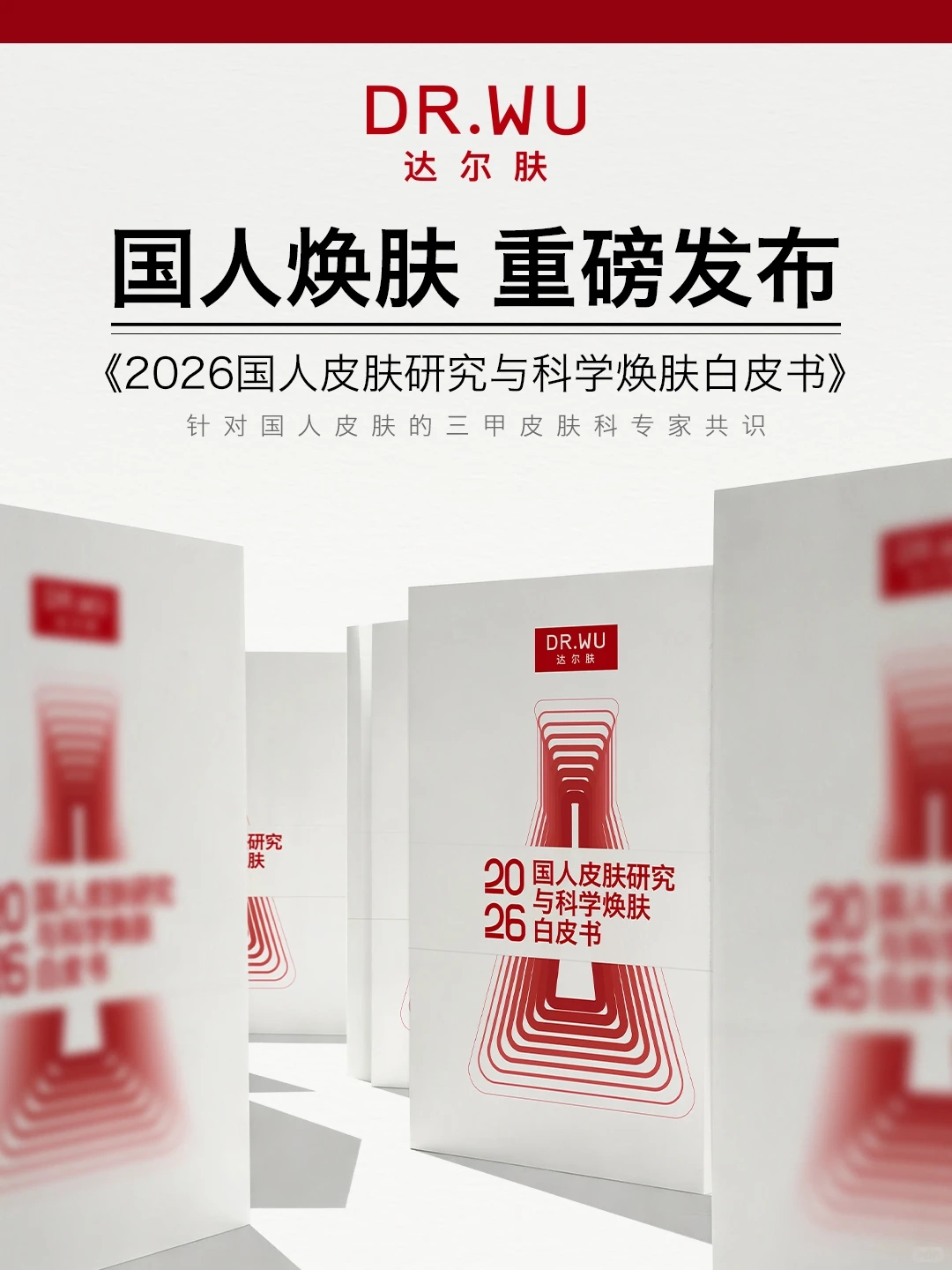
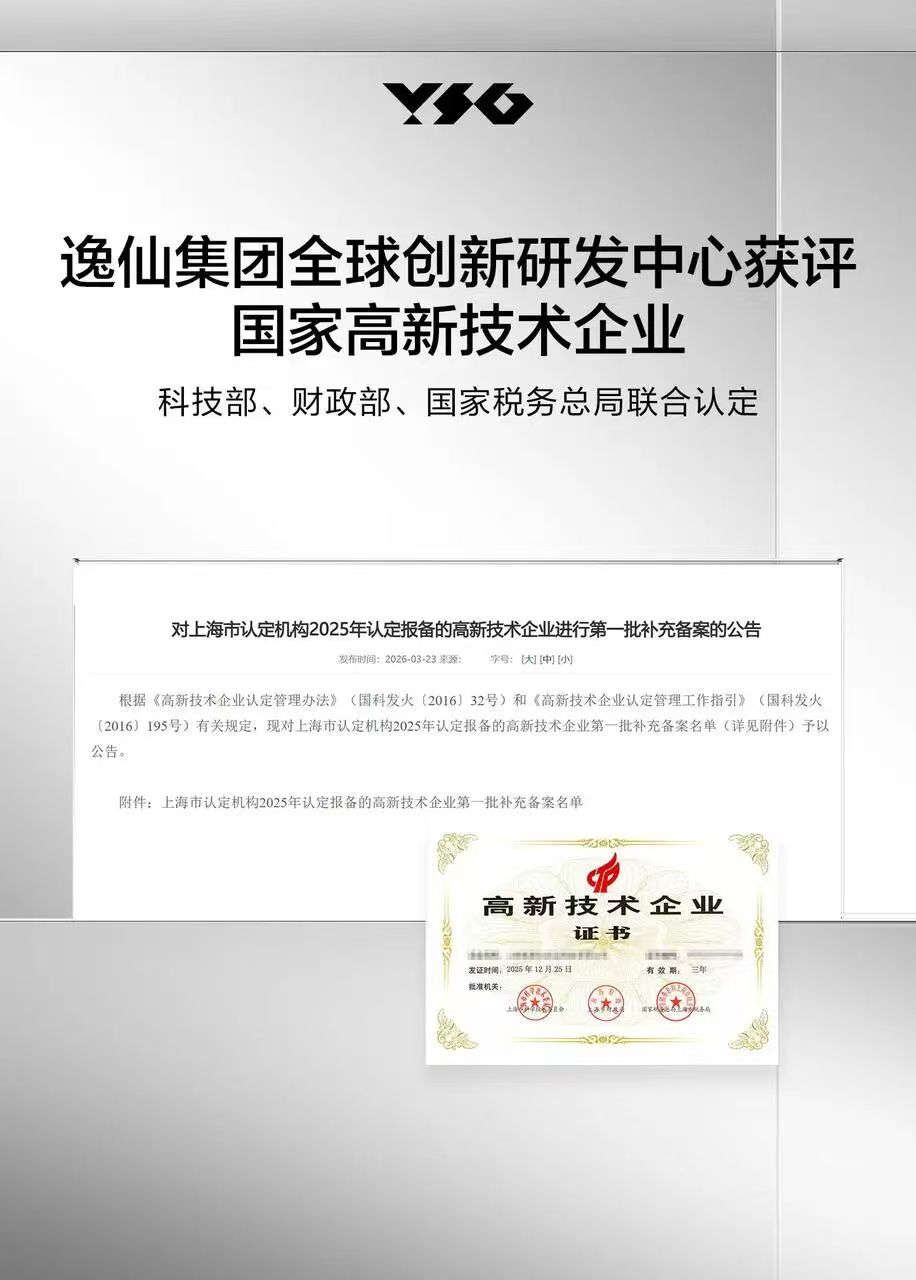
与此同时,研发实力持续收获行业与国际权威机构的认可。今年4月,DR.WU达尔肤重磅发布首个《2026国人皮肤研究与科学焕肤白皮书》,并在2026中国化妆品科学技术大会与行业专家共探科学焕肤新路径。此外,逸仙集团全球创新研发中心继斩获由中国合格评定国家认可委员会颁发的国家级CNAS实验室认证、入选由上海市经济和信息化委员会评定的上海市专精特新企业名单等多项荣誉后,再获由科技部、财政部、国家税务总局联合认定的国家高新技术企业称号,科研实力接连斩获权威认可。

DR.WU达尔肤重磅发布首个《2026国人皮肤研究与科学焕肤白皮书》

逸仙集团全球创新研发中心获评国家高新技术企业

值得一提的是,今年5月,逸仙电商1.2亿美元可转债首期发行落地,获得信宸资本及高瓴资本联袂加注,充分彰显出头部机构对企业长期发展价值与战略布局的坚定信心。据公告,相关募集资金将用于产品研发、全球供应链整合、海外市场拓展等方向,有望进一步推动公司业务持续增长,夯实核心竞争力。

机构观点认为,在护肤业务已然成长为公司增长主引擎的背景下,叠加融资持续落地,逸仙电商将进一步夯实研发创新力和全球供应链能力,完善多品牌矩阵布局,挖掘国内外市场增量,持续释放国货美妆的发展潜力。

注:文/龚作仁,文章来源:Laborer,本文为作者独立观点,不代表亿邦动力立场。

文章来源:Laborer

广告
微信
朋友圈

FAQ回顾

逸仙电商2026年第二季度业绩表现如何?

2026年第二季度逸仙电商营收11.4亿元,同比增长5.1%,连续七个季度实现同比增长。其中护肤业务营收8.16亿元,同比增长40.4%,占总营收比例达71.5%,成为核心增长引擎,季度研发投入3725万元,费用率稳定超3%。

逸仙电商旗下核心护肤品牌有哪些?

逸仙电商核心护肤品牌包括医研级功效护肤品牌DR.WU达尔肤、高端美白抗衰品牌Galénic法国科兰黎、高端护理品牌EVE LOM伊芙珑,三大品牌均有多个爆品位居天猫、抖音等平台相关品类销量前列。

逸仙电商的研发实力处于什么水平?

截至2026年6月,逸仙电商累计研发投入超7.7亿元,全球范围内申请专利282项,完成3项化妆品新原料备案,参与制定11项国家标准/团体标准,研发中心获评国家高新技术企业,研发实力位居行业第一梯队。

这么好看,分享一下?

朋友圈 分享

APP内打开

赞 +1
+1
微信好友 朋友圈 新浪微博 QQ空间
关闭
收藏成功
发送
/140 0