广告
加载中

阿里妈妈万相点睛:AI帮你找到“没想过会买”的人 双11就能用

郑雅 2026-09-02 18:01
郑雅 2026/09/02 18:01

邦小白快读

EN
全文速览

本文核心介绍了阿里妈妈推出的全新AI定向营销产品万相点睛,该产品双11就能正式使用,能帮助商家找到消费者认知之外的潜在需求,也能给普通消费者带来更好的购物体验,核心干货如下

1. 传统广告投放的弊端对消费者的影响:传统投放只会按照消费者已有的购买、浏览行为推同款商品,容易出现重复推送、推送不符合当下需求的商品等问题,社交平台上这类吐槽非常多,消费者体验很差。

2. 新AI投放的优势:新AI模式会推理消费者当下的潜在意图,比如消费者搜索演唱会时,会推送适配的穿搭商品;孕期买完待产包会后续推荐婴儿用品,能给消费者推荐更多符合当下潜在需求的商品,减少无效推送。

3. 目前该模式已经通过多个品牌验证效果突出,双11期间平台还会推出数十亿补贴,消费者也能获得更多符合需求的精准优惠。

本文介绍了阿里妈妈全新AI营销产品万相点睛,能帮助品牌解决存量市场下拓新难、获客成本高的痛点,创造生意增量,适合品牌在双11营销中使用,核心干货如下

1. 传统营销的核心痛点:传统定向靠商家经验预设人群标签,全行业品牌都在同一流量池抢客,导致人群包越抢越贵,获客成本持续攀升,且商家自身的洞察有天花板,找不到认知之外的潜在需求人群。

2. 万相点睛的新逻辑与效果:AI从商品特点和消费者意图推理出发,跨品类匹配商品和潜在需求,能帮品牌找到从未覆盖的新人群,已有多个成功案例:林氏家居新客成交占比达83%,蕉下新访客数提升39%,整体对比传统模式增量GMV占比超30%。

3. 产品优势与双11政策:产品嵌入现有投放体系,不需要重新学习,贯通从定向、创意生成到智能出价全链路,还能量化增量效果;双11有数十亿补贴,还有分层激励政策,头部品牌和中小品牌都能获得扶持。

本文给广大淘系卖家带来了全新的增长工具和双11最新扶持政策,能帮助卖家突破存量瓶颈,找到新的生意增量,核心干货如下

1. 新增长工具万相点睛的核心价值:解决了传统投放拓新到天花板的问题,打破了商家经验的局限,通过AI意图推理找到标签外的潜在需求人群,目前累计使用商家已经超15万,对比传统模式,增量GMV占比超30%,效果明确。

2. 产品使用门槛低:万相点睛已经嵌入万相台AI无界等现有产品体系,卖家不需要学习新的产品操作,只需要在现有投放计划中开启AI定向功能即可使用,还会提供可量化的结案指标,方便卖家评估投放效果。

3. 双11最新扶持政策:阿里妈妈推出数十亿补贴的无界智惠券,覆盖核心经营场景,能帮助卖家提升价格优势和转化效率;还有分层激励体系,头部品牌最高可获得55%效果券反哺,中小商家也有专属双11扶持计划。

4. 机会提示:卖家可以尽早布局,开启功能挖掘跨品类增量蓝海,避开传统流量池的高成本竞争。

本文关于AI营销的新变化,能给各类生产工厂带来新的商业机会和数字化转型的启示,核心干货如下

1. 产品生产与设计的新需求方向:现在消费者需求越来越碎片化、场景化,很多需求跨原有品类边界,比如电竞青年需要软布艺床改造电竞房,美妆爱好者需要舒适的人体工学椅,这些都是原有品类没有覆盖的新需求,工厂可以根据这些新场景调整产品设计和生产规划,开发适配新场景的产品,开拓新的市场空间。

2. 数字化转型的启示:工厂可以借助电商平台的AI能力挖掘用户潜在需求,改变以往靠经验判断市场需求的模式,通过AI的意图推理更精准捕捉消费新趋势,降低新品开发的盲目性,减少库存风险。

3. 新商业机会:工厂可以和品牌方合作开发适配新场景的新品,借助万相点睛的新人群投放能力推向市场,更容易获得新增量,当前双11有平台的流量和资金扶持,新品起量更容易。

本文披露了数字营销行业的最新发展动向,能帮助营销服务商把握行业趋势,优化针对客户的解决方案,核心干货如下

1. 当前品牌客户的核心痛点:存量市场竞争下,客户最核心的需求是突破拓新瓶颈,降低获客成本;传统定向模式下,所有商家都争抢相同标签的流量,推高获客成本,且商家自身对消费者的洞察有天花板,找不到认知外的增量需求,这是客户当前最普遍的痛点。

2. 行业发展新趋势:AI正在重构广告定向的底层逻辑,行业范式正在从延续20多年的协同过滤聚类人群,转变为基于AI世界知识理解的意图推理匹配,从找行为相似的人转变为找有潜在需求的人,这是未来数字营销的发展方向。

3. 可参考的解决方案:新的解决方案是形成从业务识别、人群发现、创意生成到智能投放、效果量化的全链路AI服务,同时嵌入现有产品体系降低客户使用门槛,解决客户从找人群到转化的全链路问题,还能量化增量效果,让客户清晰看到投入产出。

本文介绍了阿里妈妈在AI营销领域的最新做法,能给各类平台商的营销业务发展提供参考,核心干货如下

1. 当前商家对平台营销工具的核心需求:存量流量竞争的背景下,商家的核心需求从抢存量转向找新增量,传统基于标签的定向工具已经满足不了商家拓新需求,商家需要更智能、更低使用门槛的全链路营销服务,帮助自己挖掘潜在需求获得增长。

2. 阿里妈妈的最新实践:推出万相点睛AI定向功能,重构定向底层逻辑,从行为相似匹配转向意图推理匹配,帮助商家找到跨品类新人群;贯通从定向、创意到投放的全链路,嵌入现有产品体系,不需要商家重新学习,还提供可量化的增量效果指标;双11配套推出数十亿补贴和分层扶持政策,覆盖头部品牌和中小商家,满足不同规模商家的需求。

3. 运营启示:平台做营销服务要围绕商家创造增量的核心需求,利用AI能力挖掘潜在供需匹配机会,把行业从抢存量的内卷推向创造增量的新增长,同时要降低商家使用门槛,配套优惠激励政策,提升商家投放意愿和平台整体营收。

本文呈现了AI时代数字营销产业的最新变革动向,为相关研究者提供了新的产业案例和研究参考,核心干货如下

1. 产业新动向:存量电商发展阶段,数字广告的底层范式正在发生根本性变革,延续20多年的基于协同过滤的人群聚类模式,已经不适应新的市场环境,AI驱动的基于世界知识理解的意图推理匹配模式,正在成为新的发展方向,解决了传统模式的存量竞争问题。

2. 创新商业模式:万相点睛作为AI升级功能嵌入现有广告产品体系,不需要商家额外学习新工具,降低了使用门槛,通过帮助商家创造新增量获得收益,同时配套平台补贴和分层激励政策,形成了平台、商家、消费者三方共赢的商业模式,实现了从抢存量到创造增量的转变。

3. 研究参考:本文提供了多个真实品牌的实战案例和公开数据,验证了新模式的有效性,数据显示万相点睛带来的增量GMV占比超30%,多个品牌新客成交占比超过80%,为研究AI对电商产业的重构提供了真实的研究样本,也揭示了未来电商增长的新路径。

返回默认
声明:快读内容全程由AI生成,请注意甄别信息。如您发现问题,请发送邮件至 run@ebrun.com 。

我是 品牌商 卖家 工厂 服务商 平台商 研究者 帮我再读一遍。

Quick Summary

This article introduces Wanxiang Dianjing, Alimama’s new AI-powered targeted marketing product, which will be officially available during the upcoming Double 11 shopping festival. The product helps merchants identify latent consumer demands that go beyond existing user data, while also delivering a better shopping experience for general consumers. Key takeaways are as follows:

1. Impact of traditional ad targeting flaws on consumers: Traditional ad targeting only pushes similar products based on consumers’ past purchase and browsing behavior, leading to frequent issues such as repetitive推送 and mismatched recommendations that do not align with consumers’ current needs. Complaints about this problem are widespread across social media, resulting in very poor consumer experience.

2. Advantages of the new AI-powered targeting: The new AI model infers consumers’ current latent intentions. For example, it will recommend matching apparel when a consumer searches for concert information, or push baby products after a expectant mother purchases a labor and delivery bag. It recommends more products that fit consumers’ current latent needs, while reducing irrelevant, ineffective推送.

3. This model has already been verified by multiple brands to deliver outstanding performance. Alimama is also offering billions in subsidies during Double 11, allowing consumers to access more targeted discounts that fit their actual needs.

This article introduces Wanxiang Dianjing, Alimama’s new AI marketing product, which helps brands address the core pain points of difficulty in customer acquisition and rising customer acquisition costs in a saturated market, to unlock new business growth. It is ideal for brands to adopt for Double 11 marketing campaigns. Key takeaways are as follows:

1. Core pain points of traditional marketing: Traditional targeting relies on preset audience tags based on merchants’ experience. All brands compete for customers in the same limited traffic pool, driving up the cost of audience segments continuously. In addition, merchants’ own market insights have natural upper limits, leaving them unable to reach consumer groups with unrecognized latent demands.

2. The new logic and performance of Wanxiang Dianjing: Starting from product characteristics and consumer intent inference, the AI matches products with latent demands across categories, helping brands reach entirely new, previously unreached audience groups. Multiple brands have already achieved successful results: 83% of transactions for Linsy Home came from new customers, Jiao Under recorded a 39% increase in new visitors, and the overall incremental GMV from this model compared to traditional targeting exceeds 30%.

3. Product advantages and Double 11 policies: The product is embedded into Alimama’s existing投放 system, so brands do not need to learn new workflows. It covers the full end-to-end process from targeting and creative generation to AI-powered bidding, and can quantify incremental growth. For Double 11, Alimama offers billions in subsidies and a tiered incentive policy that supports both large leading brands and small-to-medium brands.

This article shares a new growth tool and the latest Double 11 support policies for Taobao ecosystem sellers, helping sellers break through saturation bottlenecks and unlock new business growth. Key takeaways are as follows:

1. Core value of the new growth tool Wanxiang Dianjing: It solves the problem of hitting the expansion ceiling in traditional投放, breaks through the limitations of merchants’ own experience, and identifies latent demand groups outside of standard tags via AI intent inference. More than 150,000 sellers have already used the tool, and incremental GMV compared to traditional models exceeds 30%, proving its reliable performance.

2. Low adoption barrier: Wanxiang Dianjing is already embedded into existing product ecosystems such as Wanxiangtai AI Unbound. Sellers do not need to learn new product operations; they only need to enable the AI targeting function in their existing投放 campaigns. It also provides quantifiable performance metrics in post-campaign reports, making it easy for sellers to evaluate投放 results.

3. Latest Double 11 support policies: Alimama has launched the "Unbound Smart Coupon" program with billions in subsidies, covering core business scenarios to help sellers improve price competitiveness and conversion efficiency. It also offers a tiered incentive system: leading brands can get up to 55% cashback in performance coupons, and small and medium-sized merchants also have access to dedicated Double 11 support plans.

4. Opportunity reminder: Sellers are advised to deploy early, enable the function to tap into cross-category incremental growth opportunities, and avoid high-cost competition in traditional crowded traffic pools.

This article covers new developments in AI-powered marketing, bringing new business opportunities and digital transformation insights for all types of manufacturing factories. Key takeaways are as follows:

1. New direction for product design and manufacturing: Consumer demand is becoming increasingly fragmented and scenario-specific, with many demands crossing existing category boundaries. For example, esports enthusiasts need soft fabric beds to fit their esports room setups, and beauty enthusiasts need comfortable ergonomic office chairs – these are all unmet new demands that do not fit existing category frameworks. Factories can adjust product design and production planning based on these new scenarios, develop products adapted to new needs, and open up new market space.

2. Insights for digital transformation: Factories can leverage the AI capabilities of e-commerce platforms to tap into latent user demand, moving beyond the traditional model of relying on experience to judge market demand. AI intent inference helps capture new consumption trends more accurately, reducing the blindness of new product development and lowering inventory risk.

3. New business opportunities: Factories can cooperate with brands to develop new products adapted to new scenarios, and use Wanxiang Dianjing’s ability to target new audience groups to bring these products to market, making it much easier to unlock new growth. With platform traffic and capital support available for Double 11, it is easier than ever to scale new products.

This article discloses the latest development trends in the digital marketing industry, helping marketing service providers grasp industry direction and optimize client solutions. Key takeaways are as follows:

1. Core pain points of current brand clients: In an increasingly saturated market, the most core demand for clients is breaking through customer expansion bottlenecks and reducing customer acquisition costs. Under the traditional targeting model, all merchants compete for traffic with the same pre-defined tags, which drives up customer acquisition costs. In addition, merchants have inherent limits to their consumer insights, and cannot identify incremental demand outside of their existing awareness – this is the most common pain point for clients today.

2. New industry development trends: AI is reshaping the underlying logic of ad targeting. The industry paradigm is shifting from collaborative filtering-based audience clustering, a model that has existed for over 20 years, to intent inference matching based on AI world knowledge understanding. The focus is changing from finding people with similar behavior to finding people with latent demand, and this is the future development direction of digital marketing.

3. Reference solution: The new solution builds a full end-to-end AI service covering business identification, audience discovery, creative generation, smart投放 and performance quantification. It is embedded into existing product systems to lower adoption barriers for clients, solves end-to-end problems from audience discovery to conversion, and quantifies incremental growth so clients can clearly see their return on investment.

This article introduces Alimama’s latest development in AI marketing, providing a useful reference for marketing business development for all types of platform operators. Key takeaways are as follows:

1. Core demands of merchants for platform marketing tools: Against the background of saturated traffic competition, merchants’ core demand has shifted from fighting for existing traffic to finding new incremental growth. Traditional tag-based targeting tools can no longer meet merchants’ expansion needs. Merchants need more intelligent, lower-barrier full end-to-end marketing services to help them tap into latent demand and drive growth.

2. Alimama’s latest practice: Alimama launched the Wanxiang Dianjing AI targeting function, which reshapes the underlying targeting logic. It shifts from behavior-based similarity matching to intent inference matching, helping merchants identify cross-category new audience groups. It covers the full end-to-end process from targeting and creative generation to投放, is embedded into existing product systems so merchants do not need to relearn workflows, and provides quantifiable incremental performance metrics. For Double 11, it has paired the launch with billions in subsidies and a tiered support policy covering both leading brands and small-to-medium merchants, meeting the needs of merchants of all sizes.

3. Operational insights: When building marketing services, platforms should center on merchants’ core demand for incremental growth, use AI capabilities to unlock latent supply-demand matching opportunities, and shift the industry from cutthroat competition for existing traffic to new growth through creating new demand. At the same time, platforms need to lower adoption barriers for merchants and pair the offering with preferential incentive policies, to boost merchants’ willingness to advertise and lift overall platform revenue.

This article presents the latest transformative trends in the digital marketing industry in the AI era, providing new industry cases and research references for relevant researchers. Key takeaways are as follows:

1. New industry trends: In the mature stage of e-commerce development, the underlying paradigm of digital advertising is undergoing fundamental change. The collaborative filtering-based audience clustering model that has lasted for more than 20 years no longer adapts to the new market environment. The AI-powered intent inference matching model based on world knowledge understanding is emerging as the new development direction, solving the problem of zero-sum competition for existing traffic that plagues traditional models.

2. Innovative business model: As an AI upgrade embedded into existing ad product systems, Wanxiang Dianjing eliminates the need for merchants to learn new tools, lowering adoption barriers. It generates revenue by helping merchants unlock new incremental growth, and pairs with platform subsidies and tiered incentive policies to form a win-win business model for platforms, merchants and consumers, enabling the shift from fighting for existing traffic to creating new incremental growth.

3. Research reference: This article provides real-world case studies and public data from multiple brands that verify the effectiveness of the new model. Data shows that incremental GMV from Wanxiang Dianjing exceeds 30%, and multiple brands recorded more than 80% of transactions from new customers. This provides a real research sample for studying how AI is reshaping the e-commerce industry, and reveals the new growth path for future e-commerce development.

Disclaimer: The "Quick Summary" content is entirely generated by AI. Please exercise discretion when interpreting the information. For issues or corrections, please email run@ebrun.com .

I am a Brand Seller Factory Service Provider Marketplace Seller Researcher Read it again.

撬动“意想不到”新人群的链路通了

文丨郑雅      编辑丨石磊

【亿邦原创】把布艺床卖给电竞青年,结果新客成交金额占比高达83%。这是林氏家居电商团队最近所经历的“Aha时刻”之一。

而带领林氏家居遇到这个惊喜的是阿里妈妈AI定向产品“万相点睛”。和以往投放只在“装修房子” “汰换需求”等主流标签人群里打转不同的是,万相点睛并没有从“谁在买家具”出发,而是基于商品本身思考:布艺床的使用场景还有哪些?

万相点睛在跨品类人群中捕捉到,一批来自电竞圈层的用户在搜索电竞房改造等内容——他们希望游戏过程中有一张能“随时瘫下来的软床”。而布艺床的材质和触感刚好满足“打造躺平放松的精神角落”这个消费场景。更重要的是,在此之前同行业品牌并没有对这类人群进行过投放,万相点睛为林氏家居找到了一片增量蓝海。

借助万相点睛找到“意想不到人群”的还有蕉下、艺颂等品牌。比如,蕉下把防晒口罩卖给了健身党、敏感肌人群,使得新客成交占比提升11%、新访客数提升39%;艺颂则是把人体工学椅卖给了美妆爱好者,新客点击率比常规计划高出37%。万相点睛通过AI对消费者意图的理解与推理,帮商家找到“正在产生需求的人”,进而获得生意增量。

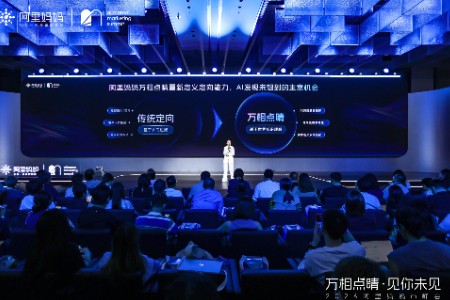
在9月2日以“万相点睛·见你未见”为主题的2026阿里妈妈m峰会上,阿里妈妈用一条清晰的路径证明,AI正在重构定向,万相点睛更是要让“发现新人群”和“创造新增量”同时实现。

阿里妈妈市场部及商业化运营中心品牌业务总经理虎豹

01

为什么能找到那些“意想不到”的人群增量?

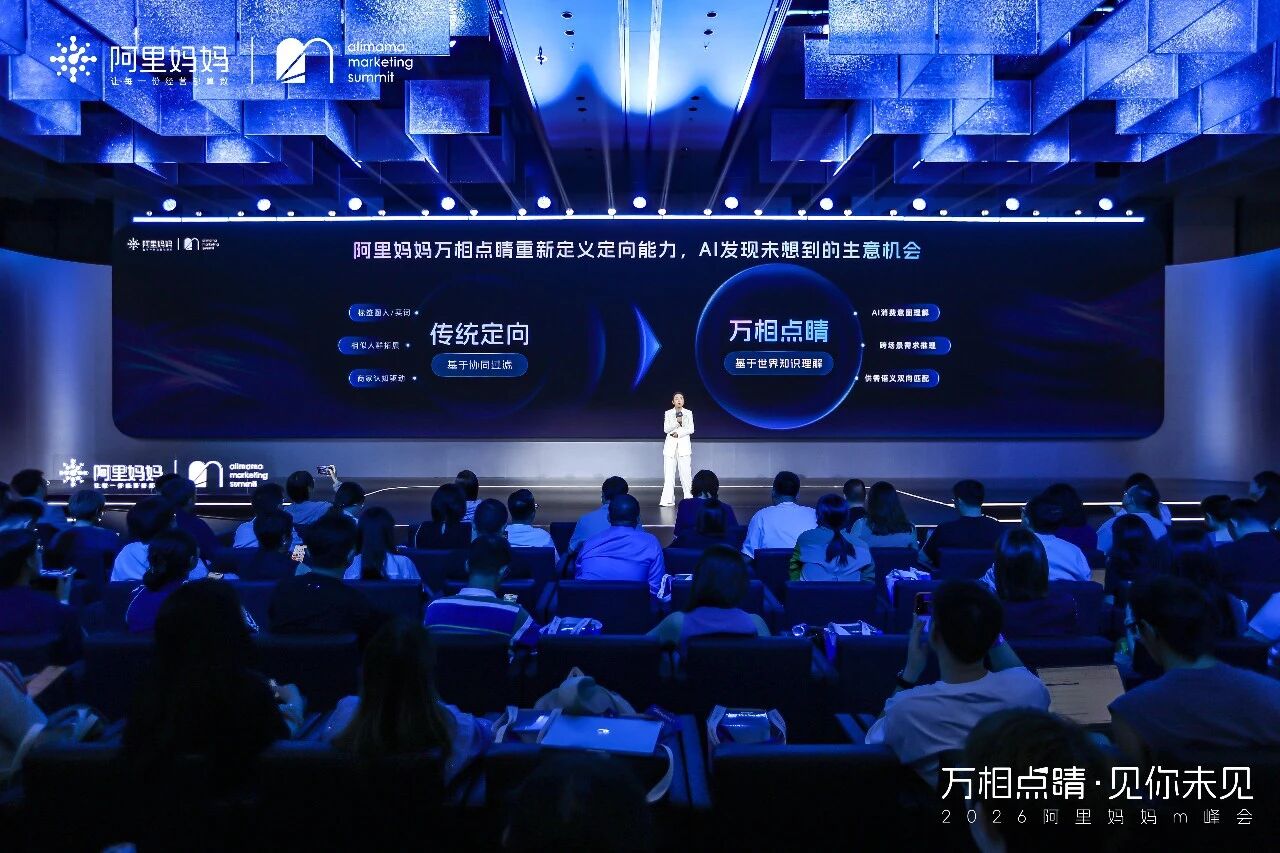
如果将锚定和找到目标消费者的过程统称为“定向”,那么传统定向的思路是,商家根据以往的投放经验来预设人群特点和标签,再通过广告系统在标签库里找到对应的人群。这种传统定向的底层逻辑为“人来定义人群”。

这套逻辑的局限很明确——商家对消费者的洞察存在天花板,系统只能在已知标签里打转;同品类商家都用相同逻辑投放,人群包越抢越贵。

比如美妆品类的商家,往往在美妆人群、88VIP、同行业消费人群等相同流量池里来回抢用户。

更深层的问题是,传统定向方法只能看到行为结果(点了什么、买了什么),看不到行为背后的意图(为什么点、为什么买)。商家的“买”和系统的“配”是两件分开的事,消费者一旦还没有表现出明确的品类兴趣,在标签体系里就是“不存在的人”。

在消费者端,这种逻辑同样带来了重复的体验。“我想买水杯,反反复复给我推同款同牌子” “但凡一个款式加了购物车,就开始疯狂推同款”——社交平台上这类吐槽屡见不鲜。

而万相点睛的底层逻辑完全不同:它不从标签出发,而是从对商品的理解和对消费者意图的推理出发,实时召回和匹配。从“找像商家已有客户的人”转变为“找到正在产生需求的人”。

阿里妈妈商业化产品中心效果产品总经理浅语表示:“过去20多年广告投放的底层范式是‘协同过滤’,即认为行为相似的人会买相似的东西,并据此对人群和商品进行聚类,相当于‘物以类聚,人以群分’。但在存量市场,这一模式容易导致商家争抢相同标签,进一步推高获客成本。”

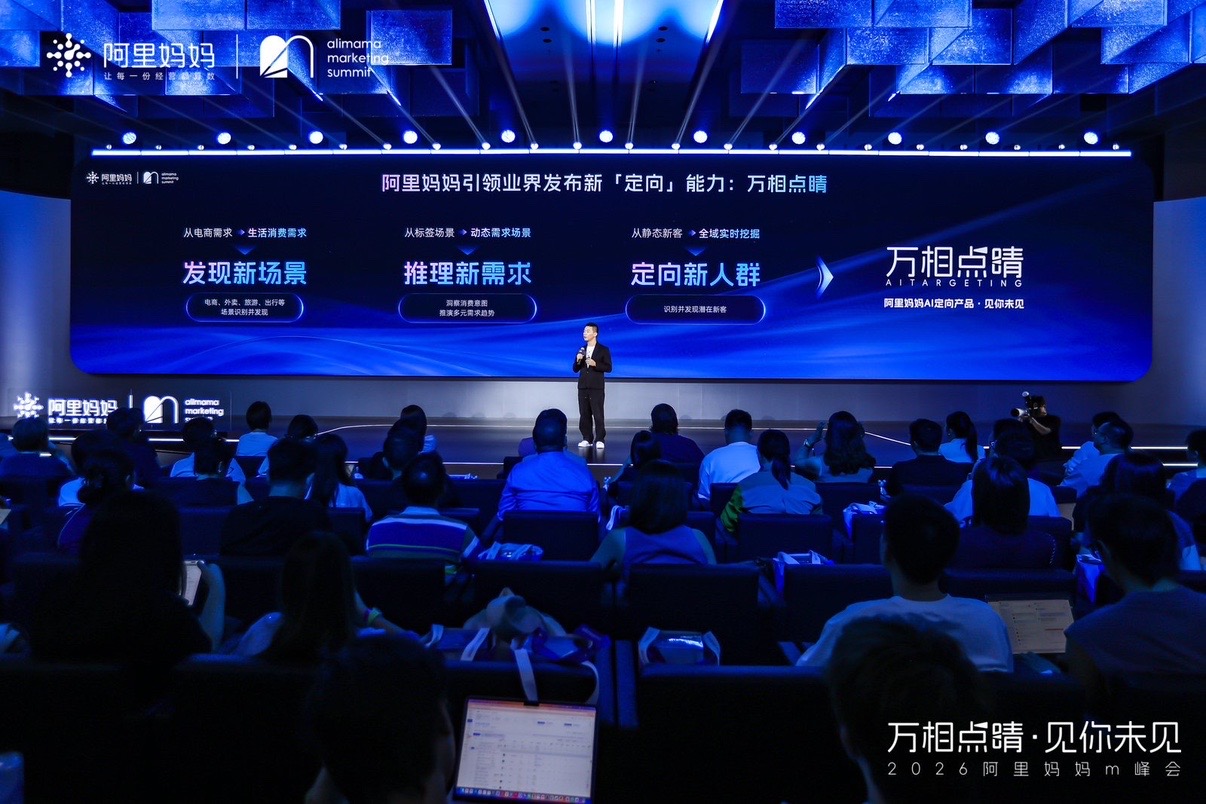
为了帮商家找到新的生意增长机会,阿里妈妈通过AI重构定向,推出“万相点睛”,为行业提供了一种新的投放逻辑:将“协同过滤”做法转变为让AI基于世界知识的理解对人和商品进行匹配。

“‘世界知识的理解’意味着通过AI的底层能力和工具,万相点睛一方面要深度理解商品卖点、产品功能;另一方面要深度了解消费者,要能理解消费者当下此刻最需要的消费情境是什么。基于对商品和消费情境的理解,我们用AI最高效地把这两侧端到端匹配起来,这样的话才能找到真正的增量。”浅语如是说。

简言之,基于AI定向能力,万相点睛的底层逻辑从“行为相似”变为了“意图推理”,可以帮商家找到“认知之外有需求的人”。正所谓“意图在哪里,成交就在哪里”。

例如,消费者孕期购买待产包后,系统可根据消费周期预判后续需求,适时推荐纸尿裤、婴儿床、食品、玩具等商品。又如,消费者搜索“演唱会”时,系统洞察其潜在穿搭需求,推荐百褶裙并配文“去见偶像当然要穿得美美哒!”,精准击中需求并促成下单。

也正是这种AI定向逻辑,万相点睛可以帮助商家发现并触达以往没想到的,标签之外的人群,最终形成供需侧的双向理解和推荐。

阿里妈妈商业化产品中心效果产品总经理浅语

02

AI重构定向后:从发现需求到促成成交

值得注意的是,在实际应用中,万相点睛还贯通了从定向到创意再到投放的全链路。

万相点睛会先理解商家的生意场景与目标来完成“业务识别”这一步,紧接着在“人群定向”步骤,会从消费者的生活阶段、场景与未被满足的诉求出发,通过推理帮商家发现新人群。

在发现需求、找到人之后,万相点睛则接入AIGC,为商家生成千人万面的差异化创意内容,准备好精准吸引目标人群的素材。最后,同样基于AI能力,系统会帮商家智能出价,促成成交。

在全链路中,万相点睛帮商家串联起“找到新人群”与“获得生意增量”中间的关键环节,为商家逐一解决了“谁可能需要我” “他为什么需要我” “应该如何与他沟通”等多重难题。

据介绍,万相点睛已经嵌入在万相台AI无界、品牌新力、品牌特秀、UD品牌等产品体系中,商家不需要学习新产品,只需要在现有的投放计划中开启AI定向能力即可。如今,林氏家居、赫莲娜、蕉下等品牌均在万相点睛的帮助下,突破了想象力的天花板,找到了“未曾想到”的新人群。

以蕉下为例,蕉下团队在此前的防晒口罩单品投放环节中,感受到人群触达范围已经到了天花板,但又不知道拓新方向在哪里。而在万相点睛的链路分析后,系统给出了让蕉下团队意想不到的拓新方向:健身人群。

万相点睛并没有直接圈选“防晒人群”,而是从热门趋势、短视频生态及蕉下防晒口罩的种草内容中,分析用户的使用场景,进一步发现骑行、瑜伽、健身房打卡等新场景。

发现新场景只是第一步。万相点睛进一步分析这些人群背后的消费动机、审美偏好和社会身份,洞察用户在新场景下的真实需求。由此,蕉下发现,运动场景中的消费者不仅需要防晒,还希望产品兼具颜值与功能性防护。

基于新场景和新需求,万相点睛再结合品牌历史投放数据、行业趋势等,为蕉下筛选高度匹配的新人群——经常关注健身Vlog、户外骑行打卡的“健身颜值党”,帮助品牌完成从发现新场景、洞察新需求到找到新人群的闭环。

数据显示,在蕉下投放的两个月内,AI人群带来的新客成交占比超过90%;新访客数提升39%。

蕉下官方旗舰店运营负责人表示:“AI人群最让我们惊喜的不是找到了更多人,而是找到了我们从没想到的人。过去投放基本靠经验,但AI帮我们精准锁定了敏感肌防护者、时尚搭配控、健身颜值党等新客群。他们与蕉下防晒口罩的产品心智天然吻合,这直接证明了:AI帮我们找到的不只是流量,而是真正的生意增量。”

值得注意的是,万相点睛会为商家提供两个核心结案指标:代表着“AI新发现人群带来多少成交额”的增量GMV占比,与代表“有多少新客/新访客是以前触达不到的”的新人群发现规模。也就是说,万相点睛不仅可以一并完成新人群和生意增量两个关键目标,还能让增量人群可量化、可评估。

03

万相点睛助力商家收获增量双11

在此次阿里妈妈m峰会上,阿里妈妈用万相点睛证明了,如何用新定向能力发现未想到的生意机会。平台也推出多重双11新机制,帮助商家获得更多新增量。

即将到来的双11中,万相点睛将成为商家在大促节点获取新人群、撬动成交增长的关键利器。据介绍,万相点睛在今年618节点正式上线、7月底全量铺开后,万相点睛x人群推广&关键词推广场景累计使用商家超15万;对比传统模式,万相点睛计划中的增量GMV占比超30%。

在日销与大促交织的经营节奏下,万相点睛为商家打通了一条区别于传统投放模式的全新增长路径。以AI重构定向,万相点睛从生活消费视角出发,帮品牌商家发现新场景。同时,其跳出传统标签圈选人群的固有框架,结合动态需求为商家持续挖掘新需求和新人群,让推广逻辑从 “抢存量” 转向 “创造增量”。

新机制方面,双11期间,阿里妈妈将出资数十亿补贴发放“无界智惠券”,AI会根据投放力度动态判定补贴档位,为商家面向消费者精准补贴促成成交。据悉,“无界智惠券”通过推广精准流量与营销智能降价,再向消费者精准投放的新范式,在今年618期间总引导成交金额已超180亿元。

此外,今年双11期间,“无界智惠券”已经全面覆盖了万相台AI无界关键词场景、人群场景、货品全站推广等核心经营场景,帮助商家提升价格优势,提高转化效率。

双11新政策上,阿里妈妈面向品牌商家推出“一客一策”激励体系。其中,Topbrand最高200万以上投放可获得55%效果券反哺,淘内信息流阶梯返最高500万以上可获13%流量反哺,手淘开屏“早锁多得”首批权益截止9月20日。同时,针对中小商家也推出“双11扶持计划”,通过密集的资金档位提供多重扶持。

流量竞争加剧的当下,无论是大促还是日销期间,“谁更能读懂消费者”是挖掘到新增量的关键。在万相点睛的加持下,每一笔成交都来自真实需求而非存量争夺,新的增量双11也随之令人期待。

亿邦持续追踪报道该情报,如想了解更多与本文相关信息,请扫码关注作者微信。

本文首发于 亿邦动力 官方网站

文章来源:亿邦动力

广告
微信
朋友圈

FAQ回顾

万相点睛是什么?有什么作用?

万相点睛是阿里妈妈推出的AI定向产品,底层逻辑从传统投放的“行为相似”变为“意图推理”,可跳出传统标签圈选人群的固有框架,帮商家挖掘认知外有真实需求的潜在新人群,实现生意增量,2024年双11期间即可投入使用。

万相点睛相比传统广告投放有什么优势?

传统广告投放基于预设人群标签匹配人群,易出现同品类商家争抢流量、获客成本高、无法触达无明确品类兴趣用户的问题;万相点睛基于AI对商品卖点、消费情境的理解匹配供需,可触达标签外有潜在需求的人群,还能提供可量化的增量GMV占比、新人群发现规模指标。

万相点睛的实际投放效果怎么样?

公开数据显示,万相点睛2024年7月底全量铺开后累计使用商家超15万,相比传统模式增量GMV占比超30%;合作案例中,林氏家居新客成交占比达83%,蕉下投放两个月AI人群带来的新客成交占比超90%,新访客数提升39%。

双11期间使用万相点睛有什么配套扶持政策?

双11期间阿里妈妈将出资数十亿发放“无界智惠券”,AI动态判定补贴档位精准补贴促成成交;同时推出“一客一策”激励体系,头部品牌最高可获55%效果券反哺,中小商家也可获得专属的双11扶持计划,多重档位资金扶持。

这么好看,分享一下?

朋友圈 分享

APP内打开

赞 +1
+1
微信好友 朋友圈 新浪微博 QQ空间
关闭
收藏成功
发送
/140 0