广告
加载中

告别免税红利 跨境电商全托管商家“分流转场”

韩笑 2026-09-01 16:32
韩笑 2026/09/01 16:32

邦小白快读

EN
全文速览

本文核心信息是欧美取消跨境小额包裹免税红利后,跨境电商全托管模式风光不再,大量全托管商家开启分流转场,给普通想要进入跨境行业的人带来这些实操参考。

1. 当前入场机会:小白现在入场Temu全托管基本没有生存空间,全托管模式依托免税红利的粗放增长时代已经结束,新手如果想要入场,可以优先考虑TikTok Shop的全托管,目前仍在扩张,定价空间足够对冲成本上涨。

2. 行业现有变化:各大平台都在调整策略,普遍收缩全托管、扩张半托管,流量也向半托管商品倾斜,低客单价商品利润大幅缩水,行业整体向中高客单价升级。

3. 现有可选择的方向:全托管商家转场主要有三条路径,分别是切换新模式、转新兴市场、换本土平台,普通人进入跨境可以参考这些方向避开红海。

欧美取消小额免税红利后,跨境电商行业格局和消费趋势发生重大变化,给品牌商带来这些参考信息。

1. 消费与定价趋势:欧美市场低价商品价格优势消失,消费者对低客单价商品的购买意愿大幅下降,平台整体商品结构升级,10美元以下商品大幅减少,20美元以上商品占比提升,品牌商可以调整产品定价带,布局中高客单价产品。

2. 渠道建设变化:全托管渠道红利消失,平台流量普遍向半托管模式倾斜,半托管模式给品牌商更多运营、定价自主权,品牌可以布局半托管模式,有产能和研发能力的品牌还可以对接Temu新拼姆项目,由平台包销专注产品即可。

3. 新增量机会:巴西已经恢复50美元以下进口商品免税政策,俄罗斯市场仍处于早期阶段供给不足竞争较小,大量本土平台也在开放招商吸引中国商家,品牌可以提前布局这些新市场挖掘增量。

欧美取消小额包裹免税政策后,全托管卖家面临明确的风险,同时也有清晰的转型机会可以参考。

1. 明确风险提示:全托管模式原本依托直发小包免税红利生存,政策变动后低客单价商品成本大幅上涨,利润直接清零甚至亏损,多数中小低客单卖家单量腰斩,备货节奏被打乱,很容易出现库存积压;此外合规要求提升,HS编码错报漏报容易导致包裹被扣退,退运成本远高于货值,当前小白入场Temu全托管已经没有生存空间。

2. 可选择的转型机会:共有三条成熟路径,一是模式升级,有供应链能力的卖家可以转半托管或Y2过渡模式,工贸一体卖家可以对接Temu新拼姆项目,平台买断库存包销,商家专注生产即可;二是市场转移,前往仍有免税红利的俄罗斯、巴西等新兴市场;三是切换平台,入驻给出扶持政策的海外本土平台,规避政策冲击。

欧美免税红利终结推动跨境电商行业模式迭代,给工厂带来了新的商业机会和发展启示。

1. 产品生产需求变化:原来全托管模式主打低价普货,政策变动后低客单价商品失去价格优势,行业整体向品质升级,对工厂的供应链能力、产品研发能力要求提升,只做低价低质普货的工厂订单会持续下滑。

2. 可对接的商业机会:多个头部平台推出了适配工厂的新模式,比如Temu的新拼姆自营品牌项目,平台负责定制需求、买断库存、包销,工厂只需要专注生产即可,非常适合有研发能力的工贸一体工厂;半托管模式的大规模扩张,也给稳定产能的工厂带来了更多稳定订单需求。

3. 转型启示:工厂需要尽快适配跨境电商新模式,要么依托产能优势对接平台包销项目,要么布局海外仓升级服务能力,同时需要提升合规意识,准确核对产品HS编码,避免清关被扣产生额外损失。

跨境电商行业因免税政策变动发生大规模转型,给服务商带来了新的行业趋势和业务机会,相关干货总结如下。

1. 行业发展趋势:原来依托免税红利的全托管模式红利消退,行业整体向半托管、本土发货模式转型,同时大量全托管商家开启转场,要么转新模式,要么转新兴市场,要么转本土平台,商家服务需求大幅增加。

2. 当前商家核心痛点:一是合规清关痛点,欧盟要求严格按HS编码清关,多数中小商家没有专业能力准确归类,很容易出现扣货退运,对HS编码归类、合规清关服务需求激增;二是海外仓配套痛点,半托管要求商家备货海外仓,多数中小卖家没有自有海外仓资源,对海外仓租赁、代运营服务需求大增;三是转场辅导痛点,商家转新兴市场和本土平台,需要入驻指导、本土化运营配套服务。

3. 服务商可以针对以上痛点,开发对应的合规、配套、辅导类解决方案,抓住本次行业转型的红利。

本次全托管行业转型,给不同发展阶段的平台带来了调整方向和经验参考,干货总结如下。

1. 商家核心需求变化:全托管退店商家的需求分层,中小卖家需要低门槛的转型过渡模式,有实力的商家需要更多运营定价自主权,还有大量商家需要对接有政策红利的新市场,平台需要根据不同商家的需求调整模式和招商方向。

2. 不同阶段平台的可行做法参考:已经完成初期起量的成熟平台,像Temu、速卖通、SHEIN都选择收缩全托管,加码半托管模式,通过流量倾斜引导商家转型,同时推出差异化模式满足不同商家需求,还推出包销项目对接优质工厂;处于扩张期的平台,像TikTok Shop仍可以依托全托管快速填充商品池,扩张市场覆盖。

3. 风险规避提示:平台不能长期依托目标国的免税红利做粗放增长,需要提前适配目标国政策调整模式结构,同时可以出台针对性扶持政策,吸引从欧美成熟市场转出的优质商家,补充自身商家资源。

欧美取消跨境小额包裹免税政策,引发了跨境电商行业的重大变革,出现了多个值得研究的产业新动向和新问题,总结如下。

1. 产业新动向:一是商业模式迭代,全托管模式的风口消退,半托管、Y2模式、本土发货模式成为新的行业主流;不同发展阶段的平台战略出现分化,成熟平台收缩全托管加码半托管,扩张期平台仍然加码全托管拓展市场,差异化战略格局显现。二是产业空间转移,大量商家从欧美成熟市场向仍有免税红利的俄罗斯、巴西等新兴市场转移,同时也大量向海外本土平台迁移。

2. 新出现的产业问题:政策红利消退后,原来粗放型的跨境电商增长难以为继,行业竞争转向供应链深度和产品能力,中小商家的生存空间被大幅压缩,产业逐步向头部工厂和大型贸易商集中;同时行业整体合规成本大幅上升,对全行业利润率的长期影响还需要持续观察。

3. 研究启示:跨境电商产业发展受目标国政策影响极大,产业发展不能长期依赖政策红利,培育核心产品和供应链能力才是长期增长的基础。

返回默认

声明:快读内容全程由AI生成,请注意甄别信息。如您发现问题,请发送邮件至 run@ebrun.com 。

我是 品牌商 卖家 工厂 服务商 平台商 研究者 帮我再读一遍。

Quick Summary

This article outlines key takeaways for aspiring cross-border e-commerce entrants following the elimination of the duty-free exemption for small cross-border packages in Europe and the U.S., which has ended the boom of the cross-border e-commerce full-fulfillment model and pushed a large number of full-fulfillment sellers to pivot to new channels.

1. Current entry opportunities: New entrants have almost no room for survival joining Temu's full-fulfillment model today, as the era of粗放 growth driven by duty-free exemptions is over. For new players, the preferred option is TikTok Shop's full-fulfillment program, which is still expanding and offers enough pricing headroom to offset rising costs.

2. Ongoing industry shifts: Major platforms are adjusting their strategies by generally scaling back full-fulfillment and expanding semi-fulfillment, with more traffic allocated to semi-fulfillment products. Low-priced goods have seen steep profit erosion, and the industry as a whole is upgrading toward mid-to-high price points.

3. Recommended strategic directions: Full-fulfillment sellers are currently pivoting via three main paths: switching to new operational models, expanding into emerging markets, or moving to local platforms. Aspiring cross-border entrants can reference these paths to avoid saturated red markets.

The elimination of the duty-free exemption for small cross-border packages in Europe and the U.S. has triggered major shifts in cross-border e-commerce industry dynamics and consumer trends, with the following key takeaways for brands.

1. Pricing and consumer trends: Low-priced goods have lost their price advantage in European and U.S. markets, and consumer demand for low-priced items has dropped sharply. Platforms are upgrading their overall product mix: products under $10 have declined sharply in share, while products above $20 account for a growing proportion of sales. Brands can adjust their price positioning to focus on mid-to-high-priced products.

2. Channel strategy shifts: The full-fulfillment channel boom has ended, and platforms are broadly shifting more traffic to the semi-fulfillment model, which offers brands greater autonomy over operations and pricing. Brands can prioritize building out semi-fulfillment channels. Brands with strong manufacturing capacity and R&D capabilities can also partner with Temu's new Pinmu program, which lets brands focus solely on product development while the platform handles all sales and distribution.

3. New growth opportunities: Brazil has restored its duty-free exemption for imported goods under $50, while the Russian market is still in an early stage with limited supply and low competition. A large number of local platforms are also actively opening up merchant recruitment to attract Chinese sellers. Brands can get a first-mover advantage by entering these new markets to unlock new growth.

After Europe and the U.S. eliminated the duty-free exemption for small cross-border packages, full-fulfillment sellers face clear risks, but also have defined transformation opportunities to pursue.

1. Key risk warnings: The full-fulfillment model was originally built on the duty-free exemption for direct-shipped small packages. After the policy change, low-priced goods have seen significant cost increases that have entirely erased profits or even turned into losses. Most small and medium-sized sellers of low-priced goods have seen order volumes halved, disrupted inventory planning, and high risk of excess inventory. In addition, compliance requirements have tightened: misreporting or underreporting HS codes often leads to seized or returned packages, and the cost of return shipping far exceeds the value of the goods. As noted, new entrants have no viable path to survival joining Temu's full-fulfillment model at present.

2. Available transformation paths: There are three established paths for sellers looking to pivot. First, model upgrade: Sellers with strong supply chain capabilities can shift to semi-fulfillment or Y2 transition models. Integrated manufacturing and trading sellers can partner with Temu's new Pinmu program, where the platform buys and holds inventory and handles all sales, leaving sellers to focus purely on production. Second, market expansion: Expand into emerging markets such as Russia and Brazil, which still offer duty-free exemptions. Third, platform switching: Move to overseas local platforms that offer supportive policies to avoid the impact of the new European and U.S. policies.

The end of the European and U.S. duty-free exemption is driving the iteration of cross-border e-commerce industry models, bringing new business opportunities and strategic insights for factories.

1. Shifting production demand: The full-fulfillment model previously focused on low-cost generic goods. After the policy change, low-priced goods have lost their competitive edge, and the industry as a whole is shifting toward higher-quality products. This raises requirements for factories' supply chain and R&D capabilities, and factories that only produce low-cost, low-quality generic goods will see continued order declines.

2. New business opportunities to tap: Multiple leading platforms have launched new models tailored for factories. For example, Temu's new Pinmu private brand program lets the platform handle demand development, purchase inventory, and manage all sales, leaving factories to focus entirely on production — an ideal fit for integrated manufacturing factories with R&D capabilities. The large-scale expansion of the semi-fulfillment model is also driving higher and more stable order demand for factories with consistent production capacity.

3. Insights for transformation: Factories need to adapt quickly to new cross-border e-commerce models. They can either leverage their production capacity to partner with platform underwriting programs, or build out their own overseas warehousing to upgrade service capabilities. Factories also need to improve compliance awareness, and accurately verify product HS codes to avoid additional costs from customs detention.

The large-scale industry transformation triggered by changes in duty-free policy has created new industry trends and business opportunities for cross-border service providers, with key insights summarized below.

1. Industry trends: The full-fulfillment boom built on duty-free exemptions has faded, and the industry as a whole is shifting toward semi-fulfillment and local fulfillment models. At the same time, a large wave of full-fulfillment sellers are pivoting, whether to new operational models, new emerging markets, or local platforms, which has driven a sharp increase in demand for third-party services.

2. Core pain points of current sellers: First, compliance and customs clearance: The EU requires strict adherence to HS code classification for customs clearance, and most small and medium-sized sellers lack the expertise to correctly classify products, leading to high risks of cargo seizure and returns. Demand for HS code classification and compliant customs clearance services has surged. Second, overseas warehousing support: Semi-fulfillment requires sellers to hold inventory in overseas warehouses, and most small and medium-sized sellers do not have their own overseas warehousing resources, so demand for overseas warehouse rental and third-party operations has grown sharply. Third, pivot support: Sellers entering emerging markets or local platforms need onboarding guidance and localized operation support services.

3. Service providers can develop targeted compliance, infrastructure, and consulting solutions for these pain points to capture the growth opportunities brought by this industry transformation.

The ongoing full-fulfillment industry transformation offers strategic direction and lessons for platforms at different development stages, with key insights summarized below.

1. Shifting core merchant demands: Merchants exiting full-fulfillment have segmented needs: small and medium-sized sellers need low-threshold transition models, while more established sellers demand greater autonomy over operations and pricing. A large share of sellers are also looking to access new markets with favorable policy incentives. Platforms need to adjust their operating models and recruitment strategies to meet the needs of different merchant groups.

2. Recommended actions for platforms at different stages: Mature platforms that have completed initial growth, including Temu, AliExpress, and SHEIN, are all scaling back full-fulfillment and doubling down on semi-fulfillment, using traffic allocation to guide seller transformation. They have also launched differentiated models to meet the needs of different sellers, and introduced underwriting programs to partner with high-quality factories. For expanding platforms such as TikTok Shop, full-fulfillment can still be used to rapidly build out product assortments and expand market reach.

3. Risk mitigation guidance: Platforms cannot rely on long-term粗放 growth built on the target market's duty-free exemptions. They need to proactively adjust their business model and structure to align with target market policies, and can introduce targeted incentive policies to attract high-quality sellers exiting mature European and U.S. markets to expand their own merchant base.

The elimination of the duty-free exemption for small cross-border packages in Europe and the U.S. has triggered major industry-wide changes in cross-border e-commerce, bringing multiple new industry trends and research questions worthy of academic and industry analysis, summarized below.

1. New industry trends: First, business model iteration: The full-fulfillment boom has faded, and semi-fulfillment, Y2 models, and local fulfillment have emerged as the new industry mainstream. Platforms at different development stages have adopted divergent strategies: mature platforms are scaling back full-fulfillment to prioritize semi-fulfillment, while growing platforms continue to expand full-fulfillment to capture market share, creating a clear landscape of differentiated strategies. Second, geographic industry shift: A large number of sellers are moving from mature European and U.S. markets to emerging markets that still offer duty-free exemptions, such as Russia and Brazil, while a large share are also migrating to overseas local platforms.

2. New emerging industry issues: After the end of policy-driven红利, the previous粗放 growth model of cross-border e-commerce is no longer viable. Competition is now shifting to deep supply chain capabilities and product competitiveness, squeezing the survival space of small and medium-sized sellers and gradually concentrating industry share with leading factories and large trading firms. At the same time, overall industry compliance costs have risen sharply, and the long-term impact on industry-wide profit margins requires continued observation.

3. Research insights: Cross-border e-commerce industry development is extremely sensitive to target market policy, and long-term industry growth cannot rely on policy红利. Cultivating core product capabilities and supply chain competitiveness is the foundation for sustainable long-term growth.

Disclaimer: The "Quick Summary" content is entirely generated by AI. Please exercise discretion when interpreting the information. For issues or corrections, please email run@ebrun.com .

I am a Brand Seller Factory Service Provider Marketplace Seller Researcher Read it again.

有人说,“全托管”已经完成了它的历史使命……

文丨韩笑    编辑丨何洋

【亿邦原创】“2026年的Temu全托管生意,小白入场已经没有活路了。”一位来自成都的Temu店群卖家表示。他们已从Temu全托管退店,转而布局半托管和Y2模式了。

注:全托管,指商家只负责供货,把货发至平台的国内集货仓,平台全权负责店铺运营、跨境物流、售后服务等环节。半托管,指商家自行备货至海外仓并负责本地履约与售后,平台负责流量导入、定价及销售运营。Y2,是Temu推出的半托管衍生模式,商家无需提前备货海外仓,从国内直发、出单后再发货,平台承担跨境物流全链路,卖家自主运营与定价。

话虽过于绝对,但也袒露出很大一部分跨境商家如今的生存境况。

从去年到今年,受美国取消800美元以下小额包裹免税、关税税率几经波动以及欧盟取消150欧元以下小包免税政策的冲击,跨境电商全托管模式几经波折,退店、转型成了商家口中频繁提及的关键词。

全托管依赖直发小包,以低价、轻小件为主,一旦失去免税红利,成本大涨便让这种模式摇摇欲坠。

据贸易运输集团基于中国海关数据的分析,2026年5月中国低价值跨境电商出口同比下滑7%,延续自2025年9月以来月度增速在-4%至-11%间波动的负增长趋势;2026年1-5月累计降幅达7.3%,其中,对欧盟低值出口累计降幅更是高达20.4%。

全托管商家的生意该如何继续?单量下降后,他们又会从哪里去找新增量?

政策“冲击波”下,全托管业务迎来“至暗时刻”?

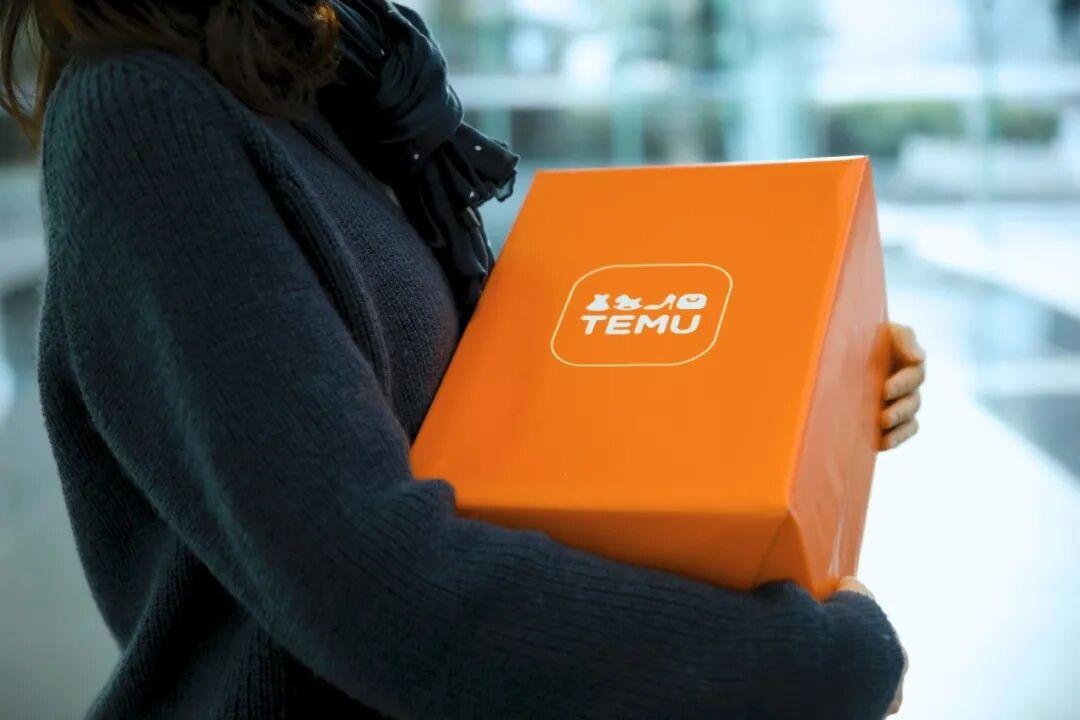
Temu海外消费者,大概会感受到这两年Temu上的商品正在变贵,10美元以下的商品大幅减少,20美元以上的则大幅增加。除了平台在不断丰富商品结构之外,美国、欧盟等市场取消免税政策也是导致涨价的一个不可忽视的原因。

图片

全托管模式下,走直发小包的商品,加上高税费后,上涨的成本自然会分摊一部分到消费者身上。或者改变供应链方式,原来供货到国内集运仓的,现在改为商家自行在海外备货、本土发货,物流成本上升,也会转移到终端售价上。

今年7月起,欧盟开始对150欧元以下的进口货件征收每个税号3欧元的固定关税。这一政策的落地,标志着持续了数年的小包免税红利彻底终结。而全托管模式,很大程度是建立在这块红利地基上的。

一个售价5欧元的手机壳、8欧元的厨房小工具,走免税通道时,除去物流成本和进货成本,仍有一定利润空间;一旦加上3欧元关税,税费加上物流成本比商品本身还贵,价格优势荡然无存。

“去年同期一天一百多单,现在一天十单不到。”一位在义乌做家居类目的Temu全托管商家这样形容今年的欧洲生意。他的产品客单价大多在10欧元以下,过去靠小包免税走量,利润虽薄但周转快;如今,相当于售价凭空涨了三成,“消费者不买账了,平台也不给流量了”。

打开Temu欧洲站,首页推荐的几乎都是本地仓发货的半托管商品。这位义乌商家表示,平台也在用流量倾斜的方式倒逼商家转型。全托管收缩、半托管扩张,Temu欧洲市场似乎正在经历一场“腾笼换鸟”。

相似的场景去年在美国市场上演过一次。2025年5月,美国正式取消对来自中国的800美元以下的小额包裹免税政策,整个行业的直发小包业务随即迎来巨大冲击。全托管无疑是重灾区。以Temu为例,其美国月活用户数迎来明显下滑,直到6月后才逐步复苏。同时,Temu也通过加码半托管以及在美国推出无需海外备货、从国内直发给消费者的Y2模式,来对冲全托管业务的下滑。2025年底,Y2模式也在欧洲市场上线。

图片

欧盟税改对于那些主打低价普货的中小卖家,冲击最为严重。某饰品类目的卖家算了一笔账:过去一条项链供货价8元人民币,售价5欧元,扣除物流费和平台佣金后,每单还能赚几毛钱;现在加上3欧元关税,售价至少要涨到8欧元才能保本。“但这个价位的饰品,在Temu上根本卖不动。”他无奈地说道。

比利润变薄更令人焦虑的是预期的崩塌。全托管商家的生存逻辑是快进快出、靠周转吃饭。货备到国内仓,平台卖多少补多少,资金占用可控。如今单量腰斩,备货节奏全乱了:备多了压库存,备少了平台不给流量,进退两难。不少商家开始将国内仓的货物打折处理,甚至直接弃货退店。

此外,关税复杂度也在倒逼商家提升合规意识。因为欧盟采取3欧元固定关税的政策,必须严格核对HS编码(即税号)。错报、漏报、低报都可能导致包裹被扣或者退运,所产生的退运费很可能比货值还高。

“以前十个包裹里可能有一两个被扣,现在一半都过不去。”一位做3C配件的商家抱怨道。他的产品涉及多个细分型号,HS编码稍有偏差就会被海关打回,“以前随便填个大类就行,现在必须一个一个核对”。

全托管攻守易势

全托管模式并非新生事物,只是Temu以这个名称把它推向了行业风口。

2022年9月Temu上线时,即以全托管模式开路。进入2023年,SHEIN、速卖通、TikTok Shop、Lazada、Shopee等平台纷纷跟进推出全托管模式,由于门槛低、对工厂和“小白”跨境玩家友好,能够高效组织供应链并打出性价比优势,全托管迅速成为跨境电商行业的一股风潮,一时间“家家做托管、户户谈全托”。

同样是全托管,各平台玩法也有差异:Temu的全托管是平台掌握定价、流量与运营权,商家本质是供货商;SHEIN的“代运营模式”,卖家发货至国内仓后由平台统配物流与尾程履约;速卖通则根据销售计划定向招商,商家可协商定价、参与感更强;TikTok Shop的全托管,平台负责上架、定价、物流售后等,但商家也可以参与内容运营,不管是拍摄短视频还是达人合作。

如果说2023年是全托管的“大踏步”之年,那么2024年后风向就已经慢慢发生变化——而不全是发生在小包免税政策取消之后。

2024年3月,Temu美国站推出半托管,面向能备货到海外的商家,短短两个月便在九大站点全面落地。半托管模式下,商家需要自行解决海外仓、发货和物流售后,平台则掌控定价和销售。对不少中小卖家来说,门槛陡然升高。但他们渐渐发现,本地备货的商品好像更容易获得流量倾斜,从全托管向半托管的转型似乎成为大势。而等到2025年美国关税新政落地,失去了免税红利,全托管第一次遭遇“生死大考”。

速卖通是2023年8月开始试运行半托管,2024年1月正式上线。到2024年2月,速卖通又推出海外托管模式。其半托管是物流履约环节完全交给平台;海外托管则是商家需要备货在海外仓并负责履约,经营环节交给平台。

后来,速卖通逐渐把战略重心转向海外托管,目前已覆盖全球30多个国家与地区。数据显示,2026年上半年新入驻商家超2万家,百万美金大卖数量翻倍,500万美金大卖同比增长567%。全托管在速卖通的版图里已经退居次要位置。

图片

SHEIN也跟上了全托转半托的浪潮。2024年5月,SHEIN半托管首发美国站。但与Temu的半托管相比,SHEIN给了商家更多空间——卖家提供供货价后,可以在平台协助下参与定价与运营,同时享有选品自主权。从2024年到2026年,SHEIN半托管不断扩展,目前已覆盖美国、加拿大、墨西哥、英国、德国、法国、意大利、西班牙、日本、澳大利亚、沙特、阿联酋及韩国等全球核心市场。

也有例外。不同于Temu、速卖通“全托退、半托进”,TikTok Shop却在持续加码全托管:去年新开了欧洲四国(德国、法国、意大利、西班牙)、墨西哥和日本市场;今年6月,又开放波兰、荷兰、比利时、捷克、奥地利、希腊、葡萄牙和匈牙利8国,形成覆盖全球16个国家的市场网络。今年8月,TikTok Shop还宣布升级“全托管优质好商计划”,要深入全国超20个重点产业带加大招商力度。

商家的体感也是如此,很多新入局全托管的商家会选择从TikTok Shop做起——内容电商渠道的定价尚可保有一定利润来对冲成本上涨。

一个退,一个进,背后是两家平台不同的阶段和逻辑。对Temu而言,全托管已经完成了拉新起量的历史使命,在关税压力和品质升级的双重驱动下,转向半托管和自营品牌(新拼姆)似乎是必然选择;而对TikTok Shop来说,全托管仍是快速扩张市场、填充商品池的重要抓手。

商家的三条“转场”路径

全托管的潮水退去,商家各寻出路。有人升级模式,有人换个市场重新开始,有人干脆换了赛道。一场关乎生存的“转场”正在上演。

1 从全托管切到半托管、Y2或者新拼姆

现在还能在全托管模式站稳脚跟的,大概率是两类企业:一是大型源头工厂,二是深度渗透产业带、具备供应链协同能力和组货能力的大型贸易商。只靠选品能力吃饭、没有供应链根基的小型贸易商,注定难以走远。

对于有工厂、有研发能力的工贸一体型卖家,Temu的自营品牌项目“新拼姆”提供了另一种可能性。平台直接定制产品、买断库存、负责包销,商家专注生产即可。

更多资质尚可的商家,转半托管或Y2模式也成为一种选择。半托管虽然需要自行备货海外仓、资金压力更大,但保留了一定的运营自主权和利润空间;Y2模式则介于全托管和半托管之间,从国内直接发货,无需提前备海外仓,成为一种过渡方案。

一位做时尚包袋的卖家就向亿邦动力表示,他们的全托管业务今年下滑非常严重——Temu和SHEIN的全托店都在考虑退店,速卖通全托管业务也几乎停滞。“所以我们把业务重点转到半托管了。”他说。

2 从北美、欧洲到拉美、俄罗斯

另一些商家则把目光投向了仍有政策红利的新兴市场。

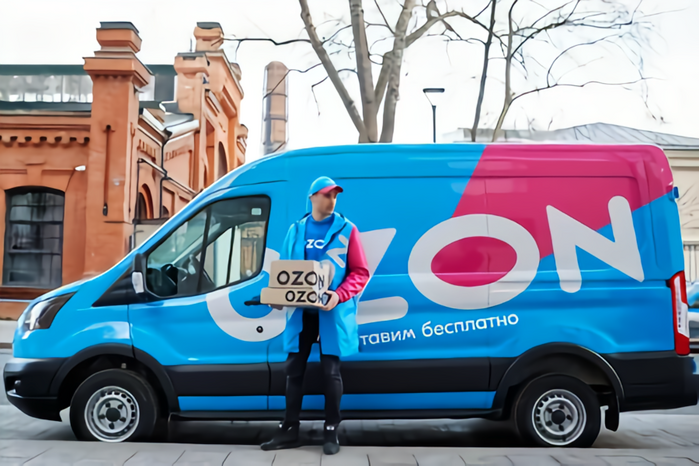
俄罗斯是最受关注的目的地之一。Ozon作为俄罗斯头部电商平台,也在大力吸纳中国卖家——今年4月,Ozon以“零保证金”等方式降低入驻门槛,目前平台活跃中国卖家占比已超20%。有业内人士透露,Ozon目前月新增卖家甚至达到4-5万个。对从欧美全托管退下来的商家来说,俄罗斯市场仍处于相对早期阶段,需要大量供给,竞争还没那么激烈。

图片

巴西则因为今年的政策转向,成为了新的“免税天堂”。2026年5月,巴西恢复对50美元及以下进口商品的免税政策,跨境网购迅速攀升。根据巴西“进口合规计划”(Remessa Conforme)的数据,2026年6月,巴西小额跨境购物金额达到约26亿雷亚尔,创下自2023年该计划实施以来的单月最高纪录,环比增长近37%。

3 从“跨境电商四小龙”到海外本土平台

还有一批商家选择了换到海外本土平台,欧洲的、拉美的都颇受青睐。

一家福建泉州的运动鞋卖家告诉亿邦动力,2023年他们从Temu全托管起步做跨境,后来陆续扩展至SHEIN、TikTok Shop、速卖通等平台。2025年11月,他们正式入驻拉美电商平台美客多,业务起势很快。今年看到北美、欧洲全托管业务大盘的萎缩,他更是庆幸提前转移了阵地。

海外本土电商平台们也趁势扩大招商。比如,欧洲本土时尚平台About You今年开始加速推进第三方卖家平台模式,明确指出为卖家提供规避政策冲击、快速切入欧洲市场的通道。中东欧电商平台eMAG也在加速吸纳中国卖家,2026年6月宣布到2028年要招募2万名中国卖家;波兰电商Allegro今年升级新卖家扶持计划,推出佣金最高全免、免费物流包裹及流量推广等政策,加码中国商家招商。

从模式转型到市场迁移,再到平台切换,全托管商家的迁徙路径各不相同,但背后的逻辑是一致的——免税红利驱动的粗放增长时代已经结束,接下来比拼的是供应链深度、产品能力和对新市场的适应速度。

亿邦持续追踪报道该情报,如想了解更多与本文相关信息,请扫码关注作者微信。

本文首发于 亿邦动力 官方网站

文章来源:亿邦动力

广告
微信
朋友圈

FAQ回顾

跨境电商全托管和半托管模式有什么区别?

全托管指商家仅负责供货至平台国内集货仓,平台全权负责店铺运营、跨境物流、售后服务等环节;半托管指商家自行备货至海外仓并负责本地履约与售后,平台负责流量导入、定价及销售运营,部分平台半托管还给予商家一定的定价、运营自主权。

欧美取消跨境小包免税政策对全托管商家有哪些影响?

欧美取消小额包裹免税政策后,依赖低价直发小包的全托管模式成本大幅上涨,价格优势丧失,单量出现明显下滑,部分中小商家利润倒挂甚至选择退店,主流跨境平台也通过流量倾斜倒逼商家向半托管等模式转型。

失去免税红利后跨境电商全托管商家有哪些转型路径?

全托管商家的转型路径主要有三类:一是升级经营模式,转型半托管、Y2模式或加入平台自营品牌项目;二是转向俄罗斯、巴西等仍有政策红利的新兴跨境市场;三是从主流跨境平台切换至美客多、eMAG等海外本土电商平台。

为什么TikTok Shop还在持续加码全托管模式?

全托管仍是TikTok Shop快速扩张全球市场、填充商品池的重要抓手,其内容电商渠道的商品定价可保有一定利润空间,能够对冲政策带来的成本上涨,也吸引了不少新入局的跨境商家选择TikTok Shop开展全托管业务。

这么好看,分享一下?

朋友圈 分享

APP内打开

赞 +1
+1
微信好友 朋友圈 新浪微博 QQ空间
关闭
收藏成功
发送
/140 0