广告
加载中

林清轩 2026年上半年营收净利双增!中期分红落地 三年规划锚定长期价值

龚作仁 2026-09-01 13:19
龚作仁 2026/09/01 13:19

邦小白快读

EN
全文速览

本文核心是国货高端护肤品牌林清轩2026年中期业绩及未来规划的干货信息,核心内容如下:

1.核心业绩与回报:上半年实现营收15亿元,同比增长42.6%,经调整净利润2.85亿元同比增42.1%,毛利率81.6%,延续上市后增长态势;公司推出2026-2028三年股东回报规划,每年现金分红不低于当年归母净利润的50%,上市后累计分红将达3.2亿元,还完成了近9500万港元的股份回购。

2.产品与渠道情况:采用1+4+N金字塔产品布局,核心山茶花精华油累计卖超7000万瓶,连续12年位居国内面部精华油零售额第一,目前已降低对单爆款的依赖,培育出小金珠精华水、美白精华油等新品,第二增长曲线清晰;线下有638家门店,线上全渠道发力,618全渠道GMV翻倍,活跃用户730万,复购率32.5%高于行业平均。

3.研发投入:上半年研发投入3400万元同比增88.8%,累计有103项专利,自研原料达5款,还牵头制定多项行业标准,技术实力突出。

林清轩这份中期业绩为国货高端护肤品牌的增长提供了可借鉴的实操经验,核心干货如下:

1.品牌战略层面:坚持走高端化、多品牌、全球化的长期路线,通过线下持续深耕高端购物中心渠道,强化品牌高端定位,夯实市场心智,兼顾短期增长和长期品牌价值。

2.产品运营层面:采用1+4+N金字塔产品布局,稳住旗舰爆款的基本盘,持续迭代核心产品,同时主动拓展新品类开拓细分赛道,逐步降低对单一爆款的依赖,成功培育第二增长曲线,切入千亿级美白赛道获得不错开局。

3.竞争壁垒搭建:持续加大研发投入,研发增速远高于营收增速,重点布局自研核心原料,推进产学研一体化,牵头参与制定多项行业标准,推动企业从营销驱动转向技术+标准双轮驱动,筑牢长期竞争壁垒。

4.渠道布局:走线上线下全渠道协同路线,实现双向赋能增长,效果显著。

本文为护肤赛道卖家披露了行业最新变化,以及可借鉴的运营经验和机会提示,核心干货如下:

1.行业机会:当前高端护肤赛道保持高速增长,成熟的精华油赛道依然有稳定增长空间,千亿规模的美白护肤赛道仍有新品牌切入的机会,全渠道布局的品牌仍能获得较快增长。

2.可借鉴的运营经验:产品端搭建阶梯式产品矩阵,稳住核心爆款基本盘的同时,逐步培育新品类,主动降低对单一爆款的依赖,避免增长波动;渠道端走线上线下全渠道协同路线,线下布局高端购物中心强化高端定位,线上多平台布局,抓住大促流量实现增长。

3.风险提示:过度依赖单一爆款会影响增长稳定性,需要提前布局新品类分散风险;当前行业竞争已经从营销比拼转向技术比拼,卖家需要重视研发投入,才能建立长期的竞争优势,单纯靠营销驱动很难持续增长。

本文对美妆生产工厂的经营调整、业务拓展有诸多参考干货,核心内容如下:

1.产品生产设计需求:当前高端护肤赛道保持高速增长,消费者需求越来越多元化,除了传统的抗皱修护精华油,美白功效护肤、功效型精华水等品类都有较大的市场需求,消费者对产品功效、技术的要求越来越高,要求工厂匹配更高水平的技术生产能力。

2.商业合作机会:林清轩正在推进多品牌、多品类扩张,加大自研原料、新技术的研发落地,在新原料开发、新技术成果转化、核心产品生产等方面都有对外合作的需求,上游工厂可以对接相关需求,切入高端国货护肤的供应链体系,获得稳定增长订单。

3.转型启示:当前美妆行业已经从过去的营销驱动转向技术+标准双轮驱动,上游生产工厂也需要跟进技术研发升级,积极参与行业相关标准制定,提升自身的技术实力和行业认可度,才能匹配头部高端品牌的合作需求,获得长期发展机会。

本文披露了高端护肤行业的最新发展趋势和品牌方的核心需求,对美妆相关服务商的业务拓展有诸多干货,核心内容如下:

1.行业发展趋势:当前国货高端护肤保持高速增长,行业发展逻辑已经发生变化,从过去的营销驱动逐步转向技术+标准双轮驱动,品牌方对研发、标准制定、技术成果转化的需求大幅提升,对全渠道运营的专业服务需求也在增长。

2.品牌方核心痛点:多数品牌面临核心原料、核心技术研发能力不足的问题,需要外部支持突破技术瓶颈,建立竞争壁垒;同时品牌布局多平台全渠道运营,需要专业的运营服务支持打爆新品,此外多数品牌有提升行业话语权的需求,缺乏参与制定行业标准的经验和资源。

3.业务机会:服务商可以针对性布局产学研研发合作服务、行业标准咨询服务、全渠道代运营服务、新品打爆营销服务等业务,对接头部国货高端品牌的增长需求,挖掘新的业务增长点。

本文披露了美妆品牌对平台的需求以及当前美妆行业平台运营的最新动态,对平台的招商运营有诸多参考干货,核心内容如下:

1.品牌方对平台的需求:当前高端美妆品牌普遍走全渠道多平台布局策略,需要平台提供适配的流量支持,针对大促、新品打爆推出配套的流量机制,帮助品牌实现增长,同时需要平台提供更贴合品牌高端定位的运营资源支持。

2.最新运营动态:当前高端国货品牌普遍采用线上线下协同的布局,线下靠高端购物中心强化定位,线上同时布局抖音、天猫、京东、微信等多个平台,其中抖音已经成为美妆新品打爆的核心阵地,不少国货新品已经拿下抖音类目榜单第一。

3.平台运营启示:平台可以针对性加大对高端国货护肤品牌的招商力度,推出对应的流量扶持政策,优化大促期间的流量分配机制,满足品牌新品打爆的需求,吸引更多优质高端国货品牌入驻,丰富平台品牌矩阵,提升平台在美妆赛道的竞争力。

本文展现了当前国货高端护肤产业的最新发展动向,对产业研究有诸多核心干货,内容如下:

1.产业增长新动向:当前国货高端护肤已经进入高质量增长阶段,头部品牌逐步摆脱过去依赖单一爆款的增长模式,通过产品结构优化主动降低对核心爆款的依赖,成功开拓多品类第二增长曲线,全渠道协同的增长模式已经成熟,线下门店依然是高端品牌强化定位的核心支撑。

2.产业竞争新特征:行业发展逻辑已经发生转变,从过去的营销驱动正式转向技术+标准双轮驱动,头部品牌纷纷加大研发投入,重点布局自研核心原料,推进产学研一体化,积极牵头参与制定各级行业标准,通过技术和标准建立竞争壁垒,这种模式已经获得行业权威认可。

3.企业战略新方向:当前头部国货高端品牌越来越重视长期价值,开始通过清晰稳定的分红回购政策,夯实资本市场估值基础,兼顾短期经营业绩和长期品牌价值,走高质量可持续增长路线,战略路径清晰,为整个行业提供了新的发展范本。

返回默认
声明:快读内容全程由AI生成,请注意甄别信息。如您发现问题,请发送邮件至 run@ebrun.com 。

我是 品牌商 卖家 工厂 服务商 平台商 研究者 帮我再读一遍。

Quick Summary

This article shares key insights from Chinese luxury skincare brand Forest Cabin's 2026 interim results and future growth plans. Key takeaways are as follows:

1. Core performance and shareholder returns: The brand generated 1.5 billion yuan in revenue in the first half of 2026, a 42.6% year-on-year increase, with adjusted net profit of 285 million yuan up 42.1% year-on-year and a gross margin of 81.6%, maintaining its post-IPO growth momentum. The company released a 2026-2028 three-year shareholder return plan, committing to annual cash dividends of no less than 50% of its attributable net profit, bringing cumulative dividends since its IPO to 320 million yuan. It has also completed share repurchases totaling nearly HK$95 million.

2. Product and channel performance: Forest Cabin uses a 1+4+N pyramid product structure. Its core camellia facial oil has sold over 70 million bottles cumulatively, ranking first in retail sales of domestic facial oils for 12 consecutive years. The brand has reduced its reliance on this single hit product and cultivated new growth drivers including its Golden Pearl Essence Water and whitening essence oil, establishing a clear second growth curve. It operates 638 offline stores and has a presence across all online channels; its 618 shopping festival GMV doubled year-on-year across all channels, it has 7.3 million active users, and its 32.5% repeat purchase rate outperforms the industry average.

3. R&D investment: R&D spending reached 34 million yuan in the first half, up 88.8% year-on-year. The brand holds 103 patents in total, has developed 5 proprietary raw materials in-house, and leads the formulation of multiple industry standards, demonstrating strong technical capabilities.

Forest Cabin’s interim results offer actionable, replicable experience for other Chinese domestic luxury skincare brands pursuing growth. Key insights are as follows:

1. Brand strategy: The brand adheres to a long-term strategy of premiumization, multi-brand development and globalization. It maintains a consistent presence in premium shopping malls through offline expansion to reinforce its high-end positioning and solidify market awareness, balancing short-term growth with long-term brand value.

2. Product operation: It adopts a 1+4+N pyramid product layout to stabilize the core business of its flagship hit product, while continuously iterating core offerings and proactively expanding into new categories and niche segments. This approach has gradually reduced its reliance on a single hit product, successfully cultivated a second growth curve, and achieved a strong start in the 1 trillion-yuan whitening skincare market.

3. Building competitive moats: Forest Cabin continuously increases R&D investment, with R&D growth far outpacing revenue growth. It prioritizes development of in-house core raw materials, advances industry-university-research integration, and leads the formulation of multiple industry standards. This has shifted the company from a marketing-driven model to a dual-driven model centered on technology and standards, cementing its long-term competitive advantages.

4. Channel layout: It pursues an omni-channel synergy strategy that integrates online and offline operations, delivering strong mutual empowerment and growth.

This article outlines the latest industry changes in the skincare sector, shares actionable operational experience and highlights growth opportunities for skincare sellers. Key takeaways are as follows:

1. Industry opportunities: The luxury skincare segment continues to grow at a high rate. The mature facial oil category still offers stable room for growth, the 1 trillion-yuan whitening skincare market remains open for new entrants, and brands with an omni-channel layout can still achieve relatively fast growth.

2. Actionable operational experience: On the product side, build a tiered product matrix to stabilize the core business of your flagship hit product, while gradually cultivating new categories and proactively reducing reliance on a single hit product to avoid growth volatility. On the channel side, pursue online-offline omni-channel synergy, layout in premium offline shopping malls to reinforce high-end positioning, build a presence across multiple online platforms, and capture promotion traffic to drive growth.

3. Risk warnings: Over-reliance on a single hit product undermines growth stability, so brands need to layout new categories in advance to diversify risk. Industry competition has shifted from a marketing race to a technology race, so sellers must prioritize R&D investment to build long-term competitive advantages; growth driven purely by marketing is difficult to sustain.

This article offers valuable references for beauty manufacturing factories to adjust operations and expand business. Key insights are as follows:

1. Product design and manufacturing requirements: The luxury skincare segment is growing rapidly, and consumer demand is increasingly diversified. Beyond traditional anti-aging and repairing facial oils, there is strong market demand for categories including effective whitening skincare and performance-focused essence water. Consumers are raising higher standards for product efficacy and technology, requiring factories to match this with higher-level technical and manufacturing capabilities.

2. Business cooperation opportunities: Forest Cabin is advancing multi-brand and multi-category expansion, and scaling up R&D and commercialization of in-house raw materials and new technologies. It has demand for external cooperation in new raw material development, new technology commercialization, and core product manufacturing. Upstream factories can align with these demands, enter the supply chain of premium Chinese skincare brands, and secure stable growing orders.

3. Transformation insights: The beauty industry has shifted from a marketing-driven model to a dual-driven model centered on technology and standards. Upstream manufacturing factories need to follow suit by upgrading their R&D capabilities, actively participate in formulating industry standards, and improve their own technical strength and industry recognition, in order to match the cooperation requirements of leading premium brands and capture long-term development opportunities.

This article outlines the latest development trends of the premium skincare industry and core demands of brand owners, offering valuable insights for beauty-related service providers to expand their business. Key takeaways are as follows:

1. Industry development trends: Domestic Chinese premium skincare is growing at a high speed, and the industry’s growth logic has changed: it is gradually shifting from a marketing-driven model to a dual-driven model centered on technology and standards. Brand owners are seeing sharply rising demand for R&D support, standard formulation, and technology commercialization, as well as growing demand for professional omni-channel operation services.

2. Core pain points for brand owners: Most brands lack sufficient in-house R&D capability for core raw materials and core technologies, and require external support to break through technical bottlenecks and build competitive moats. At the same time, as brands expand into multi-platform omni-channel operations, they need professional operation services to successfully launch new hit products. In addition, most brands want to increase their industry influence but lack the experience and resources to participate in industry standard formulation.

3. Business opportunities: Service providers can develop targeted offerings including industry-university-research R&D cooperation services, industry standard consulting services, omni-channel third-party operation services, and new product launch marketing services, to align with the growth demands of leading domestic premium skincare brands and tap into new business growth points.

This article outlines beauty brands’ demands for platforms and the latest trends in platform operations in the beauty industry, offering valuable references for platform investment attraction and operations. Key insights are as follows:

1. Brands’ demands for platforms: Most premium beauty brands now pursue an omni-channel, multi-platform layout strategy. They need platforms to provide tailored traffic support, launch matching traffic mechanisms for shopping promotions and new product launches to help drive growth, and also provide operational resources that align with the brands’ high-end positioning.

2. Latest operational trends: Most leading domestic premium brands adopt an online-offline integrated layout: they rely on premium offline shopping malls to reinforce their positioning, while maintaining a presence across multiple online platforms including Douyin, Tmall, JD.com and WeChat. Douyin has become the core channel for launching new beauty hits, and many new domestic products have already claimed the top spot on Douyin’s category ranking lists.

3. Insights for platform operations: Platforms can increase targeted investment attraction for domestic premium skincare brands, launch matching traffic support policies, optimize traffic allocation mechanisms during promotional periods to meet brands’ needs for launching new hits, attract more high-quality domestic premium brands to settle on the platform, enrich the platform’s brand matrix, and improve the platform’s competitiveness in the beauty segment.

This article presents the latest development trends of China’s domestic premium skincare industry, offering key insights for industrial research. Key takeaways are as follows:

1. New trends in industrial growth: Domestic premium skincare has entered a stage of high-quality growth. Leading brands are gradually moving away from the traditional growth model of relying on a single hit product, proactively reducing dependence on core hits through product structure optimization, and successfully opening up multi-category second growth curves. The omni-channel synergistic growth model has matured, and offline stores remain the core support for premium brands to reinforce their positioning.

2. New characteristics of industrial competition: The industry’s growth logic has shifted, officially moving from a marketing-driven model to a dual-driven model centered on technology and standards. Leading brands are rapidly increasing R&D investment, prioritizing development of in-house core raw materials, advancing industry-university-research integration, and actively leading participation in formulating industry standards at all levels to build competitive moats through technology and standard-setting. This model has already won authoritative industry recognition.

3. New strategic direction for enterprises: Leading domestic premium skincare brands are increasingly focused on long-term value. They are now solidifying their valuation foundation in the capital market through clear and stable dividend and repurchase policies, balancing short-term operating performance with long-term brand value, and pursuing high-quality sustainable growth. This clear strategic path provides a new development model for the entire industry.

Disclaimer: The "Quick Summary" content is entirely generated by AI. Please exercise discretion when interpreting the information. For issues or corrections, please email run@ebrun.com .

I am a Brand Seller Factory Service Provider Marketplace Seller Researcher Read it again.

8月31日,“国货高端护肤第一股”林清轩(2657.HK)发布2026年中期业绩。上半年公司实现营业收入15.00亿元,同比增长42.6%;经调整净利润2.85亿元,同比增长42.1%;毛利率81.6%,核心经营指标延续上市以来的稳步增长态势。

业绩会上,林清轩创始人、董事会主席兼总裁孙来春表示,公司将稳步落地长期品牌战略,以高端化夯实市场地位,以多品牌布局开拓细分赛道,以全球化拓展打开增长空间,兼顾短期经营与长期品牌价值,实现高质量可持续增长。

产品结构持续优化,全渠道打开增长空间

业绩增长的底层动力,来自产品与渠道的双向协同。依托 “1+4+N” 金字塔产品布局,林清轩一方面守住王牌旗舰品的基本盘,另一方面不断拓展新品类,覆盖更多人群与护肤场景。

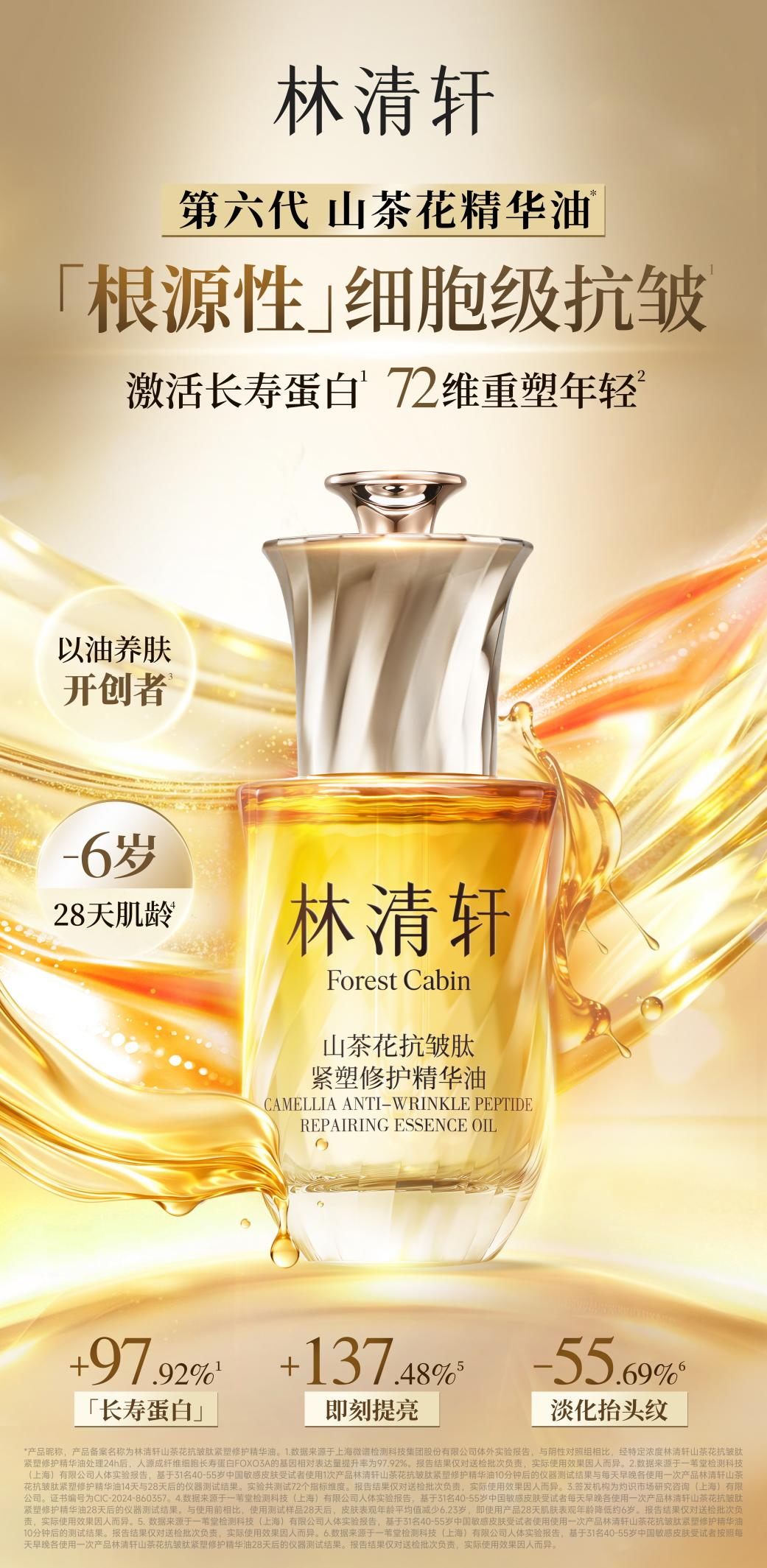
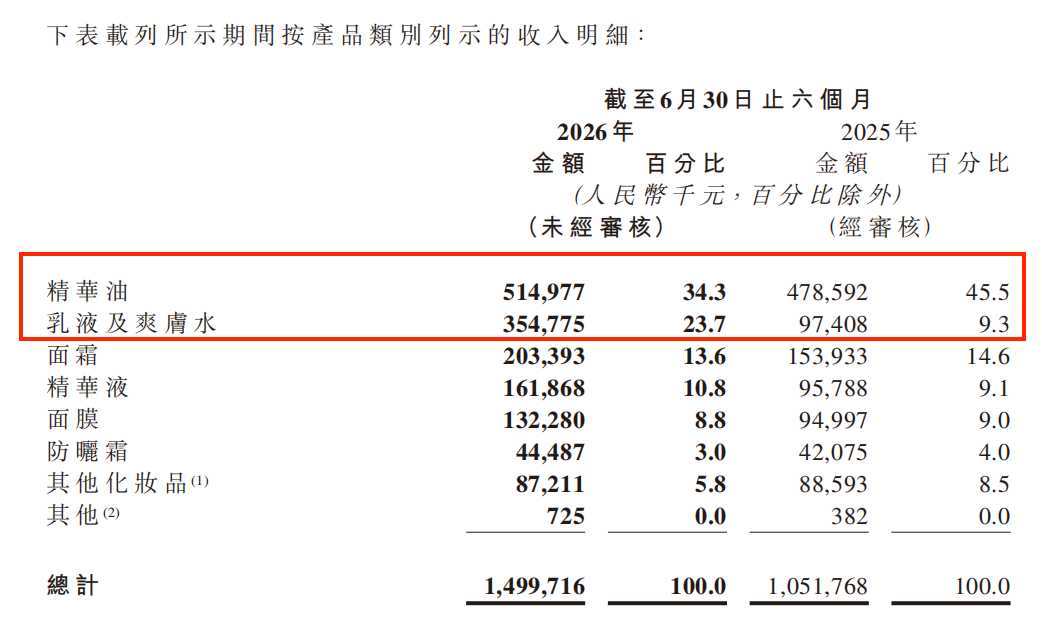
作为品牌核心支柱,截至今年6月份,山茶花抗皱修护精华油累计销量已突破7000万瓶,连续12年蝉联全国面部精华油零售额榜首。同时,上半年精华油品类营收贡献率较2025 H1的45.5%回落至34.3%,对单一爆款的依赖逐步缓解。第六代山茶花抗皱精华油已正式上市,持续巩固其在精华油赛道的竞争地位。

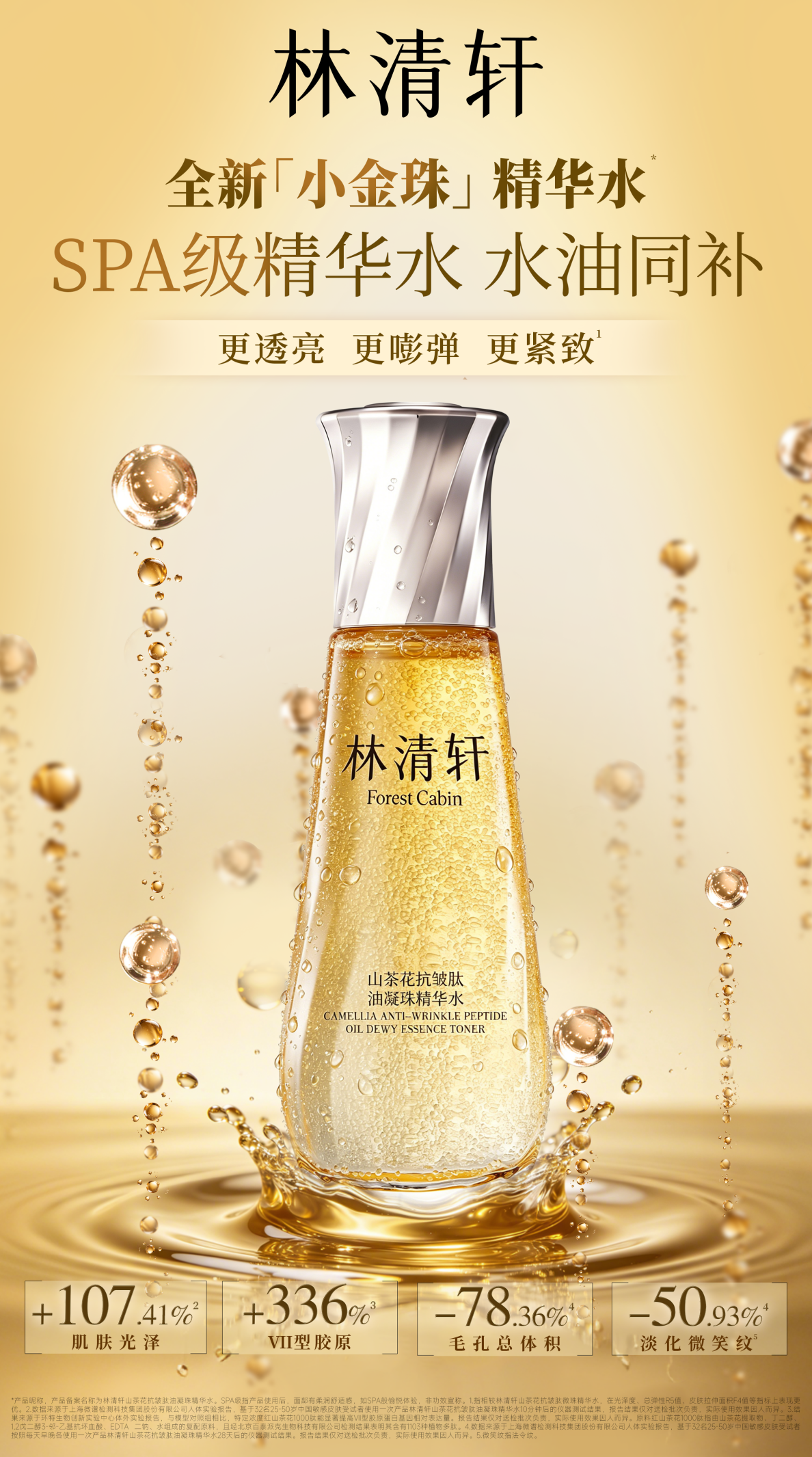
除精华油之外,公司第二增长曲线已清晰显现。“小金珠” 精华水自2025年上市后持续放量,1-6月和618期间拿下抖音平台化妆水榜单NO.1。今年5 月,品牌全新推出美白精华油,正式切入规模千亿级的美白护肤赛道,该新品在直播测试阶段便跻身平台美白品类前三,为后续增长注入全新动能。

渠道层面,林清轩线上线下协同效应持续释放。线下端,品牌持续深耕高端购物中心渠道,上半年线下渠道营收较去年同期提升约23%。截至报告期末,公司全国门店达638家,直营410家门店,持续强化品牌高端定位。

线上各大平台多点开花,618大促期间全渠道GMV同比增幅超100%,抖音、天猫、京东、微信等各大平台均实现大幅增长。品牌登顶抖音平台面部精华油类目、化妆水 / 爽肤水类目双TOP1,进一步巩固国货高端护肤赛道的竞争优势。截至2026年上半年,品牌活跃客户数达730万名,复购率维持在约32.5%,显著高于行业平均,用户底盘持续稳固。

加码科研创新,技术成果转化筑牢竞争壁垒

业绩稳步向上的背后,是林清轩对研发的持续高投入。2026年上半年,林清轩研发投入达3400万元,同比增长88.8%,增速显著高于收入增速。截至上半年末,林清轩累计获得103项专利,其中包含49项与核心成分、技术或山茶花配方相关的发明专利,覆盖清轩萃、山茶噬黑677等专利成分。

今年以来,公司在原料端取得多项突破性进展。3月,两大自研新原料“浙江红山茶花提取物”“浙江红山茶叶提取物”完成备案,至此,林清轩自研的浙江红茶花系化妆品新原料累计达到5 款,自研原料矩阵持续扩容。此外,公司牵头完成的 “浙江红山茶多维全价高值利用技术与产业化应用” 项目斩获中国商业联合会科学技术奖科技进步奖一等奖,产学研一体化成果获得行业权威认可。

技术成果转化方面,4月,公司正式发布历时四年打磨的平台型技术——“微流控悬油锁鲜技术”,同步推出山茶花油凝珠、红山茶花千肽、双PDRN(自研红山茶花PDRN+ 三文鱼PDRN)三大全新成分;同时牵头制定发布《以油养肤功效型油凝珠精华水技术规范》团体标准,推动行业由营销驱动,向 “技术 + 标准” 双轮驱动转型。公司同步布局PDRN促渗技术相关专利,并参编国内首个聚焦PDRN原料的团体标准。

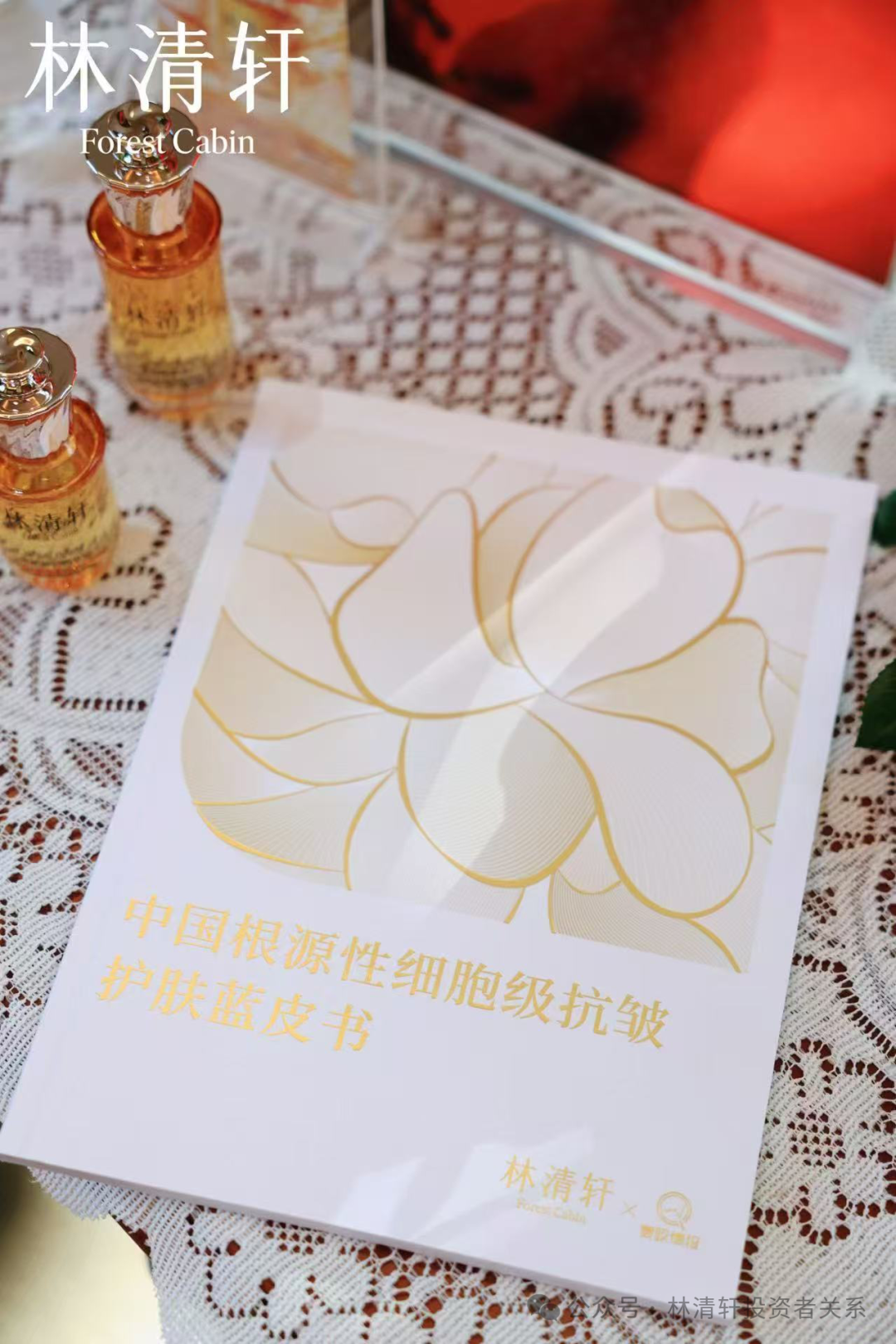
科研体系建设方面,2026年上半年,公司联合国家及行业主管部门、行业协会及头部企业,参与制定并发布13项国家标准、行业标准、团体标准,覆盖原料标准、产品标准、功效评价方法、测试方法、技术规范等多个核心领域。下半年,林清轩科研投入仍在持续加码。公司与上海交通大学共建的根源性细胞级抗皱研究平台正式揭牌,并荣膺IFSCC金级合作伙伴;还联合第三方机构发布国内首部聚焦 “根源性细胞级抗皱” 的《中国根源性细胞级抗皱护肤蓝皮书》,完整输出核心科研成果,科研综合实力实现跨越式提升。

分红回购齐发力!三年股东回报规划锚定长期价值

在交出稳健业绩的同时,林清轩同步披露中期分红方案。公告显示,公司拟派发中期股息每股人民币1.32元,现金分红总额预计达1.85亿元。叠加年内已派发的2025年度末期股息约1.35亿元,公司上市后累计分红总额将达3.20亿元。此外,公司7 月初启动股份回购计划,截至目前已累计回购189.92万股,回购金额约9493.11万港元。

与此同时,公司正式推出未来三年分红规划(2026-2028),以清晰稳定的分红预期,进一步夯实资本市场估值基础。规划明确,2026-2028年,公司每年度现金分红总额占当年归属于母公司股东净利润的比例不低于50%。

谈及未来发展,林清轩在业绩会上表示,公司将继续坚守高端美妆主业,坚持高端化、多品牌、全球化的发展主线,以产品创新、渠道深耕、品牌升级与组织提效为抓手,以稳健经营、高质量发展回报广大投资者的信任与支持。

注:文/龚作仁,文章来源:Laborer,本文为作者独立观点,不代表亿邦动力立场。

文章来源:Laborer

广告
微信
朋友圈

FAQ回顾

林清轩2026年上半年经营业绩怎么样?

2026年上半年林清轩实现营业收入15.00亿元,同比增长42.6%;经调整净利润2.85亿元,同比增长42.1%;毛利率81.6%,核心经营指标延续上市以来稳步增长态势,活跃客户数达730万名,复购率约32.5%,显著高于行业平均。

林清轩的核心竞争优势有哪些?

林清轩依托“1 4 N”金字塔产品布局,王牌山茶花抗皱修护精华油累计销量超7000万瓶,连续12年蝉联全国面部精华油零售额榜首;持续高投入研发,2026年上半年研发投入同比增长88.8%,累计获103项专利,牵头及参与制定13项各类行业标准。

林清轩未来三年的分红政策是什么?

林清轩2026-2028年三年股东回报规划明确,每年度现金分红总额占当年归属于母公司股东净利润的比例不低于50%,2026年上半年拟派发中期股息每股1.32元,叠加此前已派发的2025年度末期股息,上市后累计分红总额将达3.20亿元。

林清轩在护肤赛道有哪些产品布局?

林清轩核心产品山茶花抗皱修护精华油市场地位领先,第二增长曲线“小金珠”精华水位列抖音平台化妆水榜单第一,2026年5月推出美白精华油切入千亿级美白护肤赛道,产品覆盖多类人群与护肤场景,对单一爆款的依赖逐步缓解。

这么好看,分享一下?

朋友圈 分享

APP内打开

+1
+1
微信好友 朋友圈 新浪微博 QQ空间
关闭
收藏成功
发送
/140 0