





广告
加载中

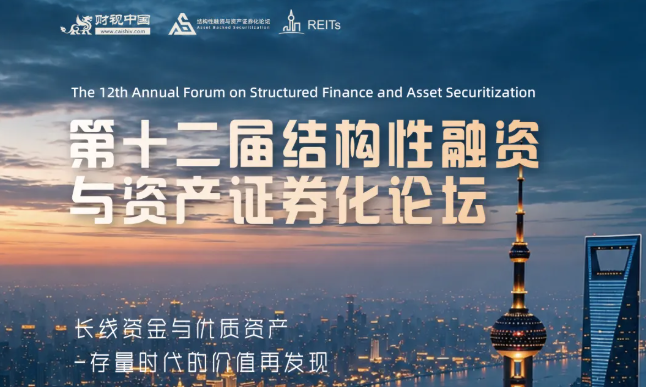
第十二届结构性融资与资产证券化论坛即将启幕

龚作仁 2026-08-31 14:37
龚作仁 2026/08/31 14:37

邦小白快读

EN
全文速览

本文核心是预告即将举办的第十二届结构性融资与资产证券化论坛,同时梳理了当前中国资管市场的最新发展情况,核心干货如下。

1. 当前资管行业发展背景:2026年中国资管市场进入存量深化的关键周期,受利率下行、优质资产供给少、长线资金配置需求上涨等因素影响,结构性融资与资产证券化已经成为盘活存量资产、连接资金端与资产端的核心枢纽,当前行业整体处于在规范中创新、在转型中升级的发展阶段。

2. 论坛相关核心信息:本次论坛由财视中国主办,9月17日在上海举办,主题为“长线资金与优质资产:存量时代的价值再发现”,设置主论坛、闭门会、分论坛三大板块,覆盖资产证券化核心赛道,汇聚全产业链核心机构,为参与者提供专业交流和资源对接的机会。

本文透露出存量时代实体品牌盘活存量资产、对接低成本资金的最新行业趋势与对接机会,核心干货如下。

1. 行业整体趋势:2026年资管市场进入存量深化周期,多重因素推动资产证券化行业快速发展,绿色ABS、持有型不动产ABS、供应链金融ABS等细分赛道持续扩容,品牌可以借助资产证券化盘活自身存量资产,对接多元化低成本资金。

2. 对接与参考机会:本次论坛汇聚了银行理财、保险资管、券商、信托等全产业链核心资金方,做新能源、不动产领域的品牌可以参与主论坛相关板块,了解长线资金配置逻辑,对接长期资金;做供应链相关的品牌可以参与分论坛,解决自身融资端遇到的合规、资产确权等问题,获取实践参考。

对于从事资产证券化相关业务的资产方卖家来说,本文梳理了当前行业的变化趋势,也释放了明确的业务机会与风险提示,核心干货如下。

1. 行业环境与机会:2026年资管行业进入存量深化周期,长线资金配置需求持续扩容,市场存在资产荒,不动产、新能源等领域有万亿级存量资产亟待盘活,资产证券化行业整体在规范中创新升级,面临较大的市场机遇。

2. 业务参考与风险提示:本次论坛设置多个针对性板块,从业者可以对接长线资金方,了解最新的监管要求与长线资金配置逻辑,调整自身资产打造方向;当前行业面临优质资产供给稀缺、合规监管要求提升等问题,从业者需要提前适配监管要求,打造符合长线资金需求的资产,才能抓住市场机会。

对于实体工厂来说,本文透露出供应链领域的融资新机遇,也指明了工厂发展的调整方向,核心干货如下。

1. 行业融资新机会:当前供应链金融与商业保理资产证券化是服务中小微企业、畅通产业链循环的重要金融工具,在政策支持与市场需求的双重驱动下快速发展,能够为实体工厂提供低成本、多元化的融资渠道,帮助工厂解决资金难题。

2. 交流与转型参考:本次论坛专门开设供应链金融与保理资产证券化分论坛,将围绕行业共性的合规监管、资产确权、数字化转型等课题展开讨论,工厂相关负责人可以参与交流,对接资金方,获取适合自身的融资解决方案;当前行业将数字化转型作为核心课题,工厂加快数字化建设,更有利于满足资产证券化的要求,顺利获得融资。

对于服务结构性融资与资产证券化行业的服务商来说,本文梳理了行业发展趋势与核心客户痛点,能为服务商调整业务方向提供参考,核心干货如下。

1. 行业发展趋势:2026年中国资管市场进入存量深化关键周期,利率中枢下行、优质资产稀缺、长线资金配置需求扩容多重因素推动下,结构性融资与资产证券化成为连接资金端与资产端的核心枢纽,绿色ABS、持有型不动产ABS、供应链金融ABS等多个细分赛道持续扩容,行业整体规模不断增长,市场空间持续扩大。

2. 客户需求与业务机会:当前行业核心痛点是长线资金缺匹配的优质资产,存量资产方缺低成本资金,供应链金融ABS领域还存在合规监管、资产确权、数字化转型等共性痛点,这些都是服务商可以切入的业务方向;本次论坛汇聚全产业链核心主体,服务商可以参与对接,挖掘客户需求,拓展业务合作。

对于布局结构性融资与资产证券化领域的平台商来说,本文梳理了行业各方需求与发展风向,能为平台招商、运营、风险规避提供参考,核心干货如下。

1. 行业核心需求:当前行业的核心矛盾是保险资管、银行理财等长线资金面临再投资压力,亟需久期匹配、收益稳定的优质资产,而不动产、新能源等领域的万亿存量资产亟待盘活,需要多元化低成本资金,供应链领域的市场主体还面临合规、资产确权、数字化转型等共性需求,平台可以围绕这些需求优化自身服务布局。

2. 运营与风险参考:当前绿色ABS、供应链ABS、持有型不动产ABS都是核心增长赛道,平台可以围绕这些赛道开展招商与运营,适配长线资金配置的新趋势;行业对合规管理的要求不断提升,平台需要重视合规建设,提前适配监管要求,规避合规风险。

对于研究资管与资产证券化领域的研究者来说,本文透露出存量时代资管行业的最新发展动向,梳理了核心研究方向,核心干货如下。

1. 产业发展新动向:2026年中国资管市场正式步入存量深化的关键周期,受利率中枢下行、优质资产供给稀缺、长线资金配置需求扩容多重因素影响,结构性融资与资产证券化已经成为盘活存量资产、打通资金端与资产端的核心枢纽,绿色ABS、持有型不动产ABS、供应链金融ABS等细分赛道都呈现快速扩容增长的态势,行业整体呈现规范中创新、转型中升级的新特征。

2. 核心研究方向:当前行业核心矛盾为长线资金的资产荒与存量资产的资金错配,供应链金融ABS领域还存在合规监管、资产确权、数字化转型等共性问题,这些都是重要的研究课题;本次论坛汇聚全产业链核心从业者,围绕核心命题开展深度讨论,研究者可以参与获取一线行业信息,推动相关领域研究深化。

返回默认
声明:快读内容全程由AI生成,请注意甄别信息。如您发现问题,请发送邮件至 run@ebrun.com 。

我是 品牌商 卖家 工厂 服务商 平台商 研究者 帮我再读一遍。

Quick Summary

This article centers on the announcement of the upcoming 12th Structured Financing and Securitization Forum, while outlining the latest developments in China's asset management market. Key takeaways are as follows:

1. Current industry development background: In 2026, China's asset management market has entered a critical cycle of deepening stock business. Driven by falling interest rates, limited supply of high-quality assets, and growing demand for long-term capital allocation, structured financing and asset securitization have become the core hub for unlocking existing assets and connecting capital providers with asset owners. The industry is currently at a stage of innovation within regulatory frameworks and upgrading amid transformation.

2. Core information about the forum: Hosted by Caishichina, the forum will be held in Shanghai on September 17 under the theme "Long-term Capital and High-quality Assets: Rediscovering Value in the Stock Era". It features three major sections: a main forum, closed-door sessions, and parallel sub-forums, covering all core asset securitization tracks and gathering key institutions across the industrial chain to provide participants with opportunities for professional exchange and business matchmaking.

This article outlines the latest industry trends and matchmaking opportunities for physical brands to unlock existing assets and access low-cost capital in the stock era. Key insights are as follows:

1. Overall industry trend: China's asset management market will enter a cycle of deepening stock business in 2026, and multiple factors are driving the rapid growth of the asset securitization sector. Segmented tracks including green ABS, holding real estate ABS, and supply chain finance ABS are continuing to expand. Brands can leverage asset securitization to unlock their own existing assets and access diversified low-cost capital.

2. Matchmaking and reference opportunities: The forum gathers core capital providers across the industrial chain including bank wealth management, insurance asset management, securities firms, and trust companies. Brands active in new energy and real estate can participate in relevant sections of the main forum to understand the allocation logic of long-term capital and connect with long-term investors. Brands engaged in supply chain-related business can join the sub-forum to address practical issues in financing such as compliance and asset confirmation, and gain actionable industry insights.

For asset-side sellers engaged in asset securitization-related business, this article sorts out current industry trends, and spells out clear business opportunities as well as risk warnings. Key takeaways are as follows:

1. Industry environment and opportunities: In 2026, the asset management industry enters a cycle of deepening stock business, with growing demand for long-term capital allocation and a widespread asset shortage in the market. There are trillions of yuan worth of existing assets waiting to be unlocked in sectors including real estate and new energy. The asset securitization industry as a whole is pursuing innovation amid standardization and upgrading amid transformation, facing considerable market opportunities.

2. Business reference and risk warnings: The forum has multiple targeted sections where practitioners can connect with long-term capital providers, learn the latest regulatory requirements and long-term capital allocation logic, and adjust their asset development strategies. Currently, the industry faces challenges including scarcity of high-quality assets and rising regulatory compliance requirements. Practitioners need to adapt to regulatory requirements in advance and develop assets that meet the needs of long-term capital to capture market opportunities.

For physical manufacturing factories, this article reveals new financing opportunities in the supply chain sector and points out adjustment directions for factory development. Key insights are as follows:

1. New industry financing opportunities: Today, supply chain finance and commercial factoring asset securitization are important financial tools to serve micro, small and medium-sized enterprises and smooth industrial chain circulation. Driven by both policy support and market demand, the sector is growing rapidly, and can provide physical factories with low-cost, diversified financing channels to help solve capital constraints.

2. References for exchange and transformation: The forum has a dedicated sub-forum for supply chain finance and factoring asset securitization, which will discuss common industry issues including compliance regulation, asset confirmation, and digital transformation. Relevant factory leaders can participate in exchanges, connect with capital providers, and obtain financing solutions tailored to their needs. At present, digital transformation is a core focus of the industry. Accelerating digital construction will help factories meet the requirements for asset securitization and secure financing more smoothly.

For service providers serving the structured financing and asset securitization industry, this article sorts out industry development trends and core client pain points, providing a reference for service providers to adjust their business direction. Key takeaways are as follows:

1. Industry development trends: In 2026, China's asset management market enters a critical cycle of deepening stock business. Against the backdrop of falling interest rate中枢, scarcity of high-quality assets, and expanding demand for long-term capital allocation, structured financing and asset securitization have become the core hub connecting capital and asset sides. Multiple segmented tracks including green ABS, holding real estate ABS, and supply chain finance ABS continue to expand, driving continuous growth in overall industry scale and market space.

2. Client demand and business opportunities: The core pain points currently facing the industry are that long-term capital lacks matching high-quality assets, and existing asset owners lack low-cost capital. The supply chain finance ABS sector also faces common pain points including compliance requirements, asset confirmation, and digital transformation. All these represent entry points for service providers to develop new business. The forum gathers core players across the entire industrial chain, and service providers can participate to connect with stakeholders, identify client demand, and expand business cooperation.

For platform operators布局 the structured financing and asset securitization sector, this article sorts out the demands of various industry participants and development trends, providing references for platform investment promotion, operation, and risk mitigation. Key takeaways are as follows:

1. Core industry demands: The core contradiction in the current industry is that long-term capital such as insurance asset management and bank wealth management faces reinvestment pressure and urgently needs high-quality assets with matching duration and stable returns, while trillions of yuan worth of existing assets in sectors such as real estate and new energy need to be unlocked and require diversified low-cost capital. Market entities in the supply chain space also have common demands around compliance, asset confirmation, and digital transformation. Platforms can optimize their service layout around these demands.

2. Operational and risk references: Green ABS, supply chain ABS, and holding real estate ABS are all core growth tracks at present. Platforms can carry out investment promotion and operations around these tracks to adapt to the new trend of long-term capital allocation. As industry compliance requirements continue to rise, platforms need to prioritize compliance development, adapt to regulatory requirements in advance, and mitigate compliance risks.

For researchers focused on asset management and asset securitization, this article reveals the latest development trends of the asset management industry in the stock era and sorts out core research directions. Key takeaways are as follows:

1. New industrial development trends: In 2026, China's asset management market has officially entered a critical cycle of deepening stock business. Influenced by falling interest rate中枢, limited supply of high-quality assets, and expanding demand for long-term capital allocation, structured financing and asset securitization have become the core hub for unlocking existing assets and connecting capital providers with asset owners. Segmented tracks including green ABS, holding real estate ABS, and supply chain finance ABS are all expanding rapidly, and the industry as a whole shows the new characteristic of innovation within regulation and upgrading amid transformation.

2. Core research directions: The core contradiction of the current industry is the asset shortage for long-term capital and capital mismatch for existing assets. The supply chain finance ABS sector also faces common issues including compliance regulation, asset confirmation, and digital transformation. All of these are important research topics. The forum gathers core practitioners across the entire industrial chain to hold in-depth discussions on core industry issues. Researchers can participate to obtain first-hand industry information and advance research in related fields.

Disclaimer: The "Quick Summary" content is entirely generated by AI. Please exercise discretion when interpreting the information. For issues or corrections, please email run@ebrun.com .

I am a Brand Seller Factory Service Provider Marketplace Seller Researcher Read it again.

2026年,中国资管市场步入存量深化的关键周期。利率中枢持续下行、优质资产供给稀缺、保险与理财等长线资金配置需求扩容,多重因素交织下,结构性融资与资产证券化正成为盘活存量资产、打通资金端与资产端的核心枢纽。从双碳目标下的绿色ABS持续扩容,到持有型不动产ABS的爆发式增长,再到供应链金融对实体经济的精准滴灌,资产证券化市场在规范中创新,在转型中升级。

在此背景下,由财视中国主办的“第十二届结构性融资与资产证券化论坛”将于9月17日在上海隆重启幕,本届论坛以 “长线资金与优质资产:存量时代的价值再发现” 为主题,汇聚银行理财、保险资管、券商、信托、产业方等全产业链核心力量共探行业新路径。

聚焦行业核心命题,打造全维度专业交流阵地

本届论坛紧扣市场发展主线,设置主论坛、分论坛两大板块,全面覆盖资产证券化市场核心赛道,为参会机构搭建深度对话与资源对接的专业平台。

主论坛精准聚焦当前市场核心矛盾:一边是保险资管、银行理财等长线资金面临持续再投资压力,亟需久期匹配、收益稳定的优质资产;另一边是不动产、新能源等领域万亿级存量资产亟待盘活,需要多元化、低成本的资金支持。论坛以“长线资金配置新周期”为核心切口,邀请头部保险资管、银行理财等领域资深专家发表主旨分享,深度解读2026年债券与ABS市场的结构升级趋势,剖析长线资金在资产荒背景下的配置逻辑与新周期机遇;同时围绕双碳长效机制下的新能源ABS赛道,探讨市场扩容路径、资产标准与资金配置策略,为绿色资产与长期资金的精准对接提供实践参考。

此外,论坛特别设置 “机构投资人闭门会”,聚焦“长券交易扩容”议题,邀请头部理财子公司、保险资管、信托等核心机构围绕长线资金固收配置新机遇展开深度交流,打造高规格同业对话平台。

作为服务中小微企业、畅通产业链循环的重要金融工具,商业保理资产证券化在政策支持与市场需求双重驱动下快速发展,同时也面临合规监管、资产确权、数字化转型等行业共性课题。本届论坛同步开设 “供应链金融与保理资产证券化分论坛”,聚焦行业痛点与发展趋势,打造垂直领域的专业交流阵地。

注:文/龚作仁,文章来源:Laborer,本文为作者独立观点,不代表亿邦动力立场。

文章来源:Laborer

广告
微信
朋友圈

FAQ回顾

结构性融资与资产证券化对资管行业有什么作用?

在利率中枢持续下行、优质资产供给稀缺、保险与理财等长线资金配置需求扩容的背景下,结构性融资与资产证券化是盘活存量资产、打通资金端与资产端的核心枢纽,可支撑绿色ABS扩容、持有型不动产ABS增长、供应链金融精准服务实体经济。

第十二届结构性融资与资产证券化论坛设置了哪些内容板块?

本届论坛设置主论坛、分论坛两大板块,主论坛聚焦长线资金配置新周期、新能源ABS赛道等核心议题,另设机构投资人闭门会围绕长券交易扩容展开深度交流,同步开设供应链金融与保理资产证券化分论坛,全面覆盖资产证券化市场核心赛道。

2026年中国资管行业存在哪些核心供需矛盾?

2026年中国资管市场步入存量深化关键周期,核心供需矛盾一方面是保险资管、银行理财等长线资金面临持续再投资压力,亟需久期匹配、收益稳定的优质资产,另一方面是不动产、新能源等领域万亿级存量资产亟待盘活,需要多元化、低成本的资金支持。

这么好看,分享一下?

朋友圈 分享

APP内打开

赞 +1
+1
微信好友 朋友圈 新浪微博 QQ空间
关闭
收藏成功
发送
/140 0

