





广告
加载中

官方仓、补贴与流量协同发力 女鞋卖家在东南亚跑出新曲线

龚作仁 2026-08-28 15:46
龚作仁 2026/08/28 15:46

邦小白快读

EN
全文速览

本文分享了Shopee平台女鞋卖家入驻官方仓后,实现订单大幅增长的实操经验,核心干货如下:

1. 选品贴合当地市场需求,主打简约百搭、覆盖通勤休闲多日常场景的基础鞋款,针对东南亚炎热气候优化透气细节,改造流行款弱化风格属性适配日常穿搭,不用一味追逐冷门新潮设计。

2. 入驻平台官方仓可获得成本减免、流量扶持、补贴等多重福利,降本后可腾挪出更多空间优化定价、增加广告投入,形成流量-转化的增长循环。

3. 后期要侧重优化库存管理,根据动销数据调整备货深度,核心款热门尺码提前囤货,慢销款控制库存,大促节点提前备货保障供应,稳定接住流量实现长效增长。

本文梳理了东南亚女鞋市场的最新消费趋势,以及女鞋品牌出海东南亚可借鉴的经营经验,核心内容如下:

1. 消费趋势:东南亚年轻消费群体庞大,线上购物习惯成熟,消费者除颜值潮流外,对舒适度、收货速度、性价比都有较高要求,简约百搭适配多日常场景的鞋款拥有更广阔的市场空间。

2. 产品研发方向:要贴合当地气候与穿搭习惯,侧重打磨基础款细节,针对炎热气候优化透气性能,改造经典流行款适配日常穿搭,提升产品的本地适配性。

3. 渠道经营策略:可入驻平台官方仓,享受操作费减免、流量扶持、补贴等政策,释放履约成本空间后优化定价,提升价格竞争力,配合库存优化接住流量,实现品牌稳定增长。

本文为计划出海或已经在东南亚做女鞋生意的卖家,梳理了市场机会与可复制的增长实操方法,核心内容如下:

1. 市场机会:东南亚女鞋线上市场增长空间大,消费者购物需求升级,简约日常款需求旺盛,卖家只要做好基础环节优化,就能把市场热度转化为自身订单。

2. 政策与增长红利:Shopee官方仓针对新卖家和VIP卖家有多重激励,可获得六个月操作费减免、流量扶持、运费补贴等福利,能有效降低履约成本,打开经营空间。

3. 实操要点:降本后可调整定价提升竞争力,增加广告投入,结合平台流量补贴形成增长闭环;后期要按动销数据优化备货,核心款热门尺码提前补货,大促前提前备足库存,避免缺货流失订单,实现长效稳定增长,案例中卖家入仓后订单增长187%。

本文为做女鞋生意、布局出海业务的工厂,梳理了市场需求与数字化转型的相关启示,核心内容如下:

1. 生产设计需求:东南亚市场偏好轻便舒适、简约百搭的日常款,要求适配当地炎热气候,需要增加透气设计,改造经典复古款适配通勤休闲场景,生产端要侧重基础款的细节打磨,不用一味追求小众独特的时尚设计。

2. 商业机会:东南亚女鞋线上消费增长快速,依托平台官方仓模式的卖家增长稳定,工厂可对接这类优质卖家,获得稳定的订单增长空间。

3. 数字化电商启示:工厂要贴合市场需求调整生产备货计划,参考卖家的动销数据安排产能,核心热门款提前安排生产,配合销售大节点备货,提升库存周转效率,借助平台的扶持政策降低相关运营成本,共同打开出海增长空间。

本文梳理了东南亚女鞋电商行业的发展趋势,以及出海卖家的核心痛点,可为相关服务商拓展业务提供参考,核心内容如下:

1. 行业发展趋势:东南亚女鞋电商交易日渐成熟,卖家对仓配履约、库存管理的综合服务要求越来越高,越来越多卖家选择依托平台官方仓开展经营,围绕女鞋卖家的配套服务需求持续增长。

2. 客户核心痛点:女鞋本身具备款式多、尺码分散的特点,出海卖家普遍面临履约成本高、库存管理难、热门款缺货流失订单、流量承接能力不足的问题,多数中小卖家没有足够能力独立优化仓配与库存体系。

3. 业务拓展方向:可联合平台推出针对女鞋卖家的仓配优惠方案,降低中小卖家入仓门槛;开发适配女鞋品类的动销库存分析工具,帮助卖家快速梳理不同款式、尺码的动销差异,优化备货效率,提升订单转化能力。

本文梳理了东南亚女电商卖家对平台的需求,以及官方仓模式的实践效果,可为平台招商运营提供参考,核心内容如下:

1. 商家核心需求:女鞋卖家出海东南亚,核心需求是降低履约成本,获得稳定的流量扶持,解决库存周转慢、热门款缺货流失订单的问题,帮助自身更好承接流量实现增长。

2. 现有可行实践:推出官方仓新卖家激励、VIP卖家激励计划,通过操作费减免、流量扶持、运费补贴等政策吸引卖家入仓,可有效帮助卖家降本,协同流量、补贴形成增长合力,案例中入仓卖家订单增长187%,验证了模式的有效性。

3. 后续运营方向:可针对女鞋款式多、尺码杂的特点,开发配套的库存管理工具,帮助卖家优化备货,在大促前引导卖家提前储备核心款库存,既提升卖家增长稳定性与留存,也能改善消费者收货体验,吸引更多卖家入驻。

本文展现了东南亚跨境女鞋电商产业的新动向,总结了新型跨境电商卖家的增长模式,可为产业研究提供典型样本,核心内容如下:

1. 产业新动向:东南亚跨境电商进入消费升级阶段,消费者从只关注价格和产品颜值,转向关注购物综合体验,对收货速度、产品舒适度、性价比都提出了要求;卖家的经营逻辑也从追逐偶然爆单,转向全链路精细化运营,仓配、库存等基础环节成为新的核心竞争力。

2. 新型增长商业模式:形成了平台官方仓+卖家精细化运营的协同增长模式,平台通过官方仓提供仓配、流量、补贴的多重扶持,卖家聚焦选品优化和库存管理,降本后调整定价、加大营销投入,逐步实现稳定增长,该模式帮助案例卖家实现了187%的订单增长。

3. 研究启示:当前跨境电商的增长不再依赖单一爆款打造,全链路基础环节的优化能释放更大增长空间,该模式可为更多非标品类目出海提供研究参考。

返回默认
声明:快读内容全程由AI生成,请注意甄别信息。如您发现问题,请发送邮件至 run@ebrun.com 。

我是 品牌商 卖家 工厂 服务商 平台商 研究者 帮我再读一遍。

Quick Summary

This article shares practical growth experience from a women's footwear seller on Shopee, who achieved substantial order growth after joining the platform's official warehouse program. Key actionable takeaways are as follows:

1. Curate product assortments aligned with local market demand: Prioritize versatile, minimalist basic styles that fit multiple daily scenarios including commuting and leisure. Optimize breathability details to suit Southeast Asia's hot climate, and adapt trending designs by toning down their niche styling to work for everyday outfits. Avoid blindly chasing niche, avant-garde designs.

2. Joining the platform's official warehouse unlocks multiple benefits including cost waivers, traffic support and subsidies. Lowered fulfillment costs free up budget to optimize pricing and increase ad spend, creating a self-reinforcing growth cycle of higher traffic driving higher conversion.

3. Prioritize inventory management optimization in the long term: Adjust stocking depth based on sales velocity data, pre-stock core styles in popular sizes, limit inventory for slow-moving styles, and prepare inventory ahead of major promotion events to secure supply. This allows sellers to consistently capitalize on traffic and achieve sustained long-term growth.

This article outlines the latest consumer trends in Southeast Asia's women's footwear market and actionable operational insights for women's footwear brands expanding into the region. Key takeaways are as follows:

1. Consumer trends: Southeast Asia has a large young consumer base with deeply established online shopping habits. Beyond aesthetic appeal and trendiness, consumers place high demands on comfort, delivery speed and value for money. Versatile, minimalist styles that fit multiple daily scenarios hold the broadest market potential.

2. Product R&D direction: Align designs with local climate and dressing habits, focus on refining details of basic styles, optimize breathability for hot climates, and adapt popular classic designs to everyday wear to improve local product fit.

3. Channel strategy: Joining the platform's official warehouse grants access to policies including fulfillment fee waivers, traffic support and subsidies. Freed-up fulfillment cost space allows brands to optimize pricing, boost price competitiveness, and capture traffic effectively with optimized inventory management to deliver consistent brand growth.

This article breaks down market opportunities and replicable growth tactics for sellers planning to enter or already operating in Southeast Asia's women's footwear market. Key insights are as follows:

1. Market opportunity: Southeast Asia's online women's footwear market offers substantial room for growth, as consumer demand continues to upgrade. Demand for simple, versatile everyday styles is booming, and sellers can convert overall market momentum into their own order growth by optimizing core operational basics.

2. Policy and growth dividends: Shopee's official warehouse offers multiple incentives for new and VIP sellers, including a six-month fulfillment fee waiver, traffic support and freight subsidies. These benefits effectively cut fulfillment costs and expand operational margins.

3. Practical operational tips: After reducing costs, adjust pricing to boost competitiveness and increase ad spend, forming a closed growth loop combined with platform traffic subsidies. Long term, optimize stocking based on sales velocity data, pre-restock core styles in popular sizes, and stock up ahead of major promotions to avoid order losses from stockouts and achieve sustained, stable growth. In the case study featured, the seller recorded 187% order growth after joining the official warehouse program.

This article outlines market demand and digital transformation insights for women's footwear factories building cross-border export businesses. Key takeaways are as follows:

1. Product design and manufacturing requirements: The Southeast Asian market favors lightweight, comfortable, versatile everyday styles adapted to the region's hot climate, requiring enhanced breathability design. Factories should refine details of basic styles and adapt classic retro designs to fit commuting and leisure scenarios, rather than focusing solely on niche, unique fashion designs.

2. Business opportunity: Online consumption of women's footwear is growing rapidly in Southeast Asia, and sellers operating through the platform's official warehouse model deliver consistent growth. Factories can partner with these high-quality sellers to secure steady order growth.

3. Digital e-commerce insights: Factories should adjust production and stocking plans to match market demand, allocate capacity based on sellers' sales velocity data, schedule production of core popular styles in advance, and prepare inventory aligned with major sales peaks to improve inventory turnover. Leveraging platform support policies to cut operating costs allows all parties to expand cross-border growth together.

This article summarizes development trends in Southeast Asia's women's footwear e-commerce industry and core pain points for cross-border sellers, offering a reference for relevant service providers looking to expand their business. Key insights are as follows:

1. Industry trends: As women's footwear e-commerce matures in Southeast Asia, sellers are increasingly demanding integrated services for warehousing, fulfillment and inventory management. A growing share of sellers operate via platform official warehouses, driving sustained growth in demand for supporting services tailored to women's footwear sellers.

2. Core customer pain points: Women's footwear is inherently characterized by wide style and size variation. Cross-border sellers commonly face high fulfillment costs, difficult inventory management, order loss from stockouts of popular styles, and limited capacity to capitalize on incoming traffic. Most small and medium-sized sellers lack the resources to independently optimize their warehousing, fulfillment and inventory systems.

3. Business expansion directions: Service providers can partner with platforms to launch discounted warehousing and fulfillment packages for women's footwear sellers, lowering the barrier to warehouse entry for small and medium-sized sellers. They can also develop sales velocity and inventory analysis tools tailored to the women's footwear category, helping sellers quickly identify sales differences across styles and sizes, improve stocking efficiency, and boost order conversion.

This article summarizes the needs of women's footwear e-commerce sellers operating in Southeast Asia and the performance of the official warehouse model, offering a reference for platform merchant recruitment and operations. Key insights are as follows:

1. Core merchant needs: For women's footwear sellers expanding into Southeast Asia, core needs include cutting fulfillment costs, accessing consistent traffic support, resolving slow inventory turnover and order loss from stockouts of popular styles, and getting support to better capture traffic and drive growth.

2. Proven existing practices: Launching official warehouse incentive programs for new sellers and VIP sellers, attracting sellers to join via policies including fulfillment fee waivers, traffic support and freight subsidies, effectively helps sellers reduce costs and combines traffic and subsidies to drive synergistic growth. The case study's 187% order growth for participating sellers validates the effectiveness of this model.

3. Future operational directions: Platforms can develop tailored inventory management tools to address the wide variation in women's footwear styles and sizes, helping sellers optimize stocking. Guiding sellers to pre-stock core styles ahead of major promotions improves sellers' growth stability and retention, while also enhancing the end consumer delivery experience and attracting more sellers to join the platform.

This article presents new developments in Southeast Asia's cross-border women's footwear e-commerce sector and summarizes a growth model for new-generation cross-border sellers, offering a representative case study for industry research. Key insights are as follows:

1. New industry developments: Southeast Asia's cross-border e-commerce sector has entered a phase of consumer upgrading. Consumers have shifted from focusing solely on price and product aesthetics to prioritizing the overall shopping experience, raising expectations for delivery speed, product comfort and value for money. Sellers have also shifted their operational logic from chasing occasional viral bestsellers to full-funnel refined operations, with foundational links such as warehousing, fulfillment and inventory management emerging as the new core competitive advantage.

2. The new growth business model: A collaborative growth model has formed combining platform official warehouses with seller-side refined operations. Platforms provide multi-faceted support for warehousing, traffic and subsidies via official warehouses, while sellers focus on product assortment optimization and inventory management. After cutting costs, sellers adjust pricing and increase marketing investment to deliver sustained steady growth. This model delivered 187% order growth for the case study seller.

3. Research implications: Today's cross-border e-commerce growth no longer relies on creating single viral bestsellers. Optimizing foundational links across the full value chain unlocks far greater growth potential, and this model offers a research reference for cross-border expansion of many other non-standard product categories.

Disclaimer: The "Quick Summary" content is entirely generated by AI. Please exercise discretion when interpreting the information. For issues or corrections, please email run@ebrun.com .

I am a Brand Seller Factory Service Provider Marketplace Seller Researcher Read it again.

在东南亚,女鞋正在成为一个越来越讲究“综合体验”的生意。年轻消费群体庞大、日常穿搭场景丰富,加上线上购物习惯日渐成熟,让当地消费者买鞋的选择变得更多,也更加挑剔。颜值和潮流感依然重要,但舒适度、价格乃至收货速度,都在影响最终的购买决定。尤其是简约百搭、能够覆盖通勤与休闲等日常场景的鞋款,正在承接更广泛的消费需求。

对卖家来说,女鞋款式多、上新快,对价格又相对敏感,从选品、备货到履约、流量,任何一个环节都可能影响最终的经营效率。真正的考验,是如何在这些环节之间找到更好的平衡,把市场本身的热度变成店铺能够接住的订单。

一家Shopee平台上的女鞋卖家,最近一年订单曲线的变化,提供了一个颇具代表性的样本。2025年10月入驻Shopee官方仓后,店铺单量开始提速。截至今年6月,仓内订单较入仓初期增长187%。回看店铺走势,整条订单曲线清晰分为两轮成长节奏,从初期的稳步放量,到后期的加速突破,依托官方仓的多重加持,跑出了属于自己的增长路径。

仓配降本破冰,流量补贴双轮驱动增长

对一家已经拥有一定订单基础的女鞋店铺来说,继续往上走,并不一定意味着寻找新的爆款。有时候,变化来自一些更基础的经营环节——一双鞋以什么成本送到消费者手中,商品还能不能留出更有竞争力的定价空间,又有多少预算可以投入流量。

入驻Shopee官方仓后,团队首先感受到的变化来自成本端。通过参与官方仓新卖家激励计划,店铺获得六个月操作费减免,原本需要持续承担的履约支出随之下降。成本空间释放后,团队在经营上的选择也变得更多:不必只盯着如何压缩支出,而是能够把更多精力重新放回商品本身。

长期经营东南亚市场,让团队对当地消费者的穿鞋偏好有了一套自己的判断。炎热的气候和高频的日常出行,让轻便、舒适、容易搭配的鞋款更容易成为消费者反复穿着的选择。比起一味追逐时尚设计,团队更愿意把功夫花在基础款的细节上,让一双鞋真正适合当地消费者的日常生活。

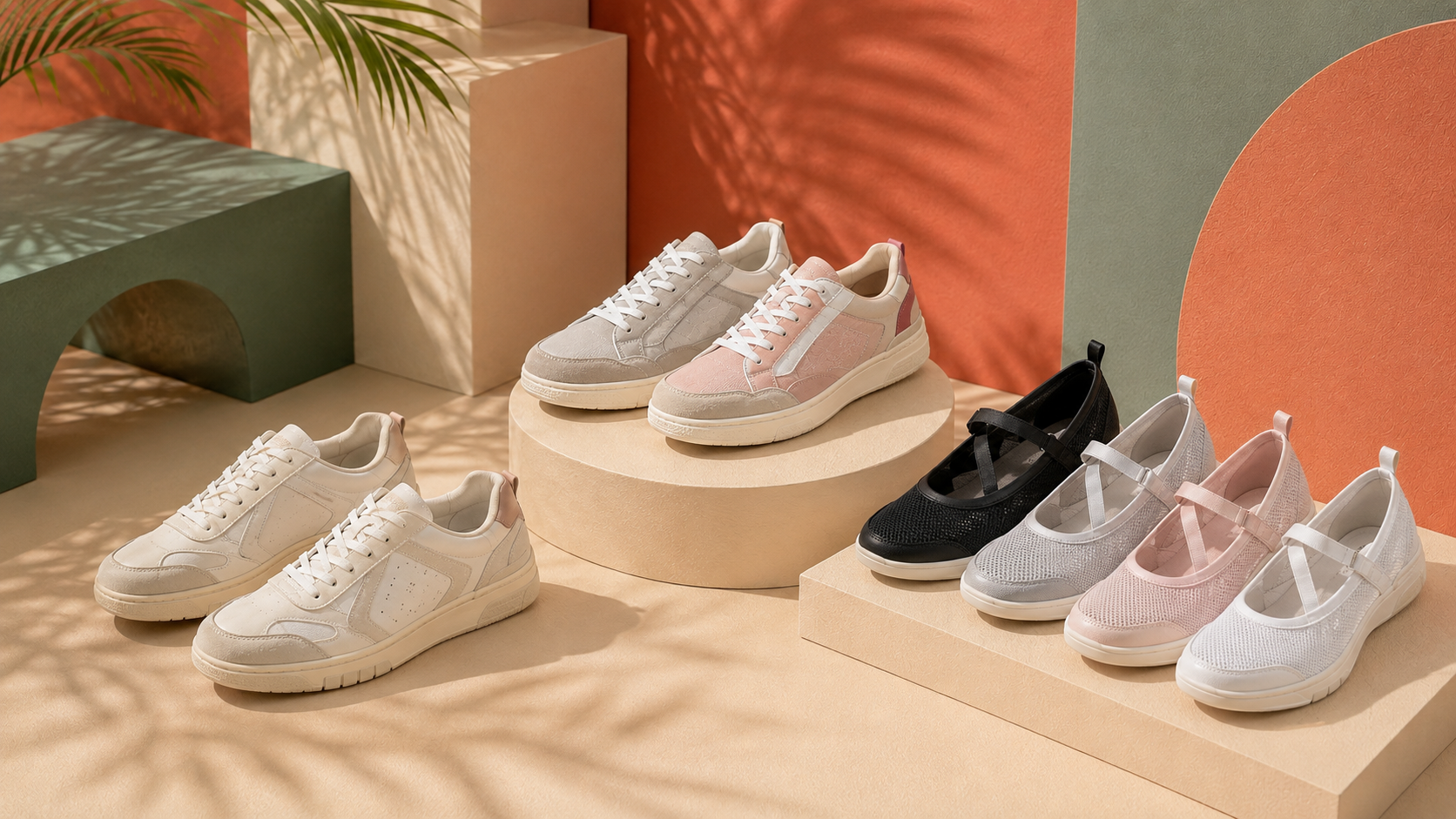
店铺的一款休闲鞋就是如此,以简洁百搭色系为主,并针对东南亚炎热的气候,在鞋面加入多处透气孔,在保持清爽外观的同时兼顾日常穿着的透气需求。另一款玛丽珍鞋则体现了团队对流行趋势的另一种理解:保留标志性的搭带和复古鞋型,却选择更容易搭配的黑白基础色,并以圆润鞋头和平底轮廓弱化传统玛丽珍鞋的正式感,让它更自然地融入通勤、休闲等日常穿搭,也成为了店铺出单的主力款。

货品基础稳定后,履约端释放出来的成本空间也传导到经营的其他环节。团队重新梳理产品定价,在保持利润空间的同时增强同类商品中的价格竞争力,并逐步增加广告投入。与此同时,备货至官方仓的商品还能获得相应的流量扶持,让原本分散的曝光进一步集中到核心商品上。

随着曝光增加,平台优惠券补贴又进一步降低了消费者的实际购买门槛。价格、广告、平台流量与优惠资源开始形成配合,店铺订单也由此前的相对平稳,进入第一轮持续爬坡。

“入仓之后最明显的变化,其实是经营空间变大了。履约成本降下来,我们才有余地重新考虑价格、广告和备货怎么分配。以前更多是等订单,现在可以更主动地安排自己的经营节奏。”店铺运营负责人Lora表示。

突破短期红利,深耕备货履约实现长效增量

随着商品曝光和订单逐渐增加,团队很快发现,新的问题已经从“怎么获得更多流量”,变成了“怎么持续接住这些流量”。女鞋款式多、尺码分散,一旦核心款或热门尺码缺货,即使商品获得了曝光,也很难真正转化为订单。库存开始成为影响店铺继续放量的新变量。

“流量起来以后,最怕的其实是没货。曝光和补贴把消费者带进来了,如果热门款、热门尺码接不住,机会很快就过去了。”Lora表示。

因此,在前期经营逐渐跑顺后,团队开始把更多精力放到“怎么把库存备得更准”。团队根据一段时间积累下来的销售表现,逐渐摸清不同款式、颜色和尺码的动销差异:已经被市场验证的主力鞋款加深库存,热门颜色和重点尺码提前补货,而对于销售节奏相对较慢的SKU,则更加谨慎地控制备货深度。相比把库存平均分散在所有商品上,团队开始让更多货跟着真实需求走。

与此同时,店铺也参与了官方仓VIP卖家激励项目,结合曝光、补贴、运费减免等资源安排销售节奏。对团队而言,这些平台资源的价值也不再只是带来更多流量,而是能够与库存规划形成配合——在重点营销节点到来之前提前准备核心商品,让流量高峰出现时,店铺有足够的货可以承接。

备货做深之后,官方仓的作用也从前期的“降成本”,进一步延伸到了“稳供给”。核心款和热门尺码的库存更加充足,缺货造成的订单波动随之减少;大促或平台资源带来集中流量时,提前备在当地的商品也能够更稳定地承接订单,并通过本地化履约更快送到消费者手中。

而当备货与销售节奏更加“合拍”,店铺订单曲线也迎来了第二次变化。与前期依靠价格和流量打开订单空间不同,这一次的提速更多来自经营基本盘变得更加稳定:消费者看到商品时有货可选,下单之后又能更快收到,前端获得的流量因此能够被更充分地转化和留住。

回看过去几个月的变化,Lora并不把店铺订单的提升归因于某一个爆款或某一次大促。在她看来,女鞋本就是一门需要慢慢打磨的生意:“没有哪个动作做完,订单就一下子起来了。更多时候,是成本省一点、价格调一点、库存备得准一点,几个环节慢慢顺起来,生意自然也就往前走了。”

随着Shopee 9.9大促临近,新一轮消费需求与平台流量即将集中释放。对于Lora和团队而言,比起等待一次偶然的爆单,他们已经开始为即将到来的流量高峰准备更充足的核心款库存,让前期跑出来的热销商品能够稳稳接住需求。对这家女鞋店铺而言,即将到来的9.9,或许正是下一段增长曲线的起点。

注:文/龚作仁,文章来源:Laborer,本文为作者独立观点,不代表亿邦动力立场。

文章来源:Laborer

广告
微信
朋友圈

FAQ回顾

东南亚女鞋市场消费者偏好什么样的鞋款?

东南亚当地消费者选购女鞋时除关注颜值潮流感外,还重视舒适度、价格及收货速度,其中简约百搭、可覆盖通勤休闲等日常场景的轻便透气款需求更广泛,适配炎热气候的透气鞋、基础色休闲款玛丽珍鞋都是热销品类。

入驻Shopee官方仓的女鞋卖家可获得哪些扶持?

入驻Shopee官方仓的新卖家可享六个月操作费减免,备货至官方仓的商品可获得平台流量扶持,还可参与官方仓VIP卖家激励项目,享受曝光、补贴、运费减免等资源,有效降低履约成本提升经营空间。

东南亚女鞋卖家实现长效经营增长的核心是什么?

东南亚女鞋卖家实现长效增长需多环节协同优化,结合当地消费偏好打磨商品,依托官方仓降本的同时精准规划库存保障热门款及尺码供给,联动平台流量、补贴资源提升转化,稳定经营基本盘带动订单持续增长。

这么好看,分享一下?

朋友圈 分享

APP内打开

+1
+1
微信好友 朋友圈 新浪微博 QQ空间
关闭
收藏成功
发送
/140 0

