广告
加载中

当减钠进入日常生活 松鲜鲜如何把健康议题变成一场产业实践

烨楠 2026-08-28 08:49
烨楠 2026/08/28 08:49

邦小白快读

EN
全文速览

本文围绕科学减钠这个健康议题,给普通读者带来了认知纠正和实操层面的干货,具体如下:

1.认知层面:要纠正减盐就是减钠的错误认知,钠不仅来自食盐,还藏在酱油、鸡精、蚝油等日常调味品中,属于隐形钠。我国人均钠摄入量是《中国膳食指南》推荐值的2倍,普遍超标,长期高钠摄入会增加高血压、心脑血管疾病、肾病等多种健康风险,需要格外关注总钠摄入。

2.实操层面:普通人群不需要每天精确计算钠摄入,可以通过选择真减钠调味品简化减钠操作,优先选择能替代多种含钠调味品的产品,减少叠加摄入;判断真减钠要看配料表的含钠成分和营养成分表的钠含量,避开减盐后额外添加含钠增味剂的伪减钠产品。

本文给布局调味品赛道的品牌商带来了消费趋势、产品研发和品牌营销多方面的干货,具体如下:

1.消费趋势层面:当前健康已经成为调味品消费的核心需求,行业竞争逻辑发生变化,除了传统的价格、品牌、渠道竞争,健康属性、研发能力、技术积累已经成为新的核心竞争变量,真减钠调味品是潜力巨大的增量赛道。

2.产品研发层面:品牌要抓住消费者既需要健康又不愿意牺牲风味的需求,攻克“减钠不减咸鲜”的核心难题,可以从原料、配方、工艺入手创新,比如采用天然原料发酵产生咸味、靶向脱盐技术,同时可联合顶级科研团队深化技术研发,验证产品效果。

3.品牌营销层面:可以将公共健康议题转化为品牌价值,通过联合专家、行业伙伴、权威媒体举办行业活动、发布白皮书、发起倡议,既完成消费者认知教育,也能树立负责任的品牌形象。

本文给调味品卖家带来了减钠赛道的机会提示、选品参考等干货,具体如下:

1.市场机会层面:当前消费者健康意识不断提升,科学减钠已经从认知逐渐变成消费行动,真减钠调味品是新的增长蓝海,头部品牌已经验证了市场需求,松鲜鲜相关产品连续多年销量第一,进驻超20万家终端,说明市场接受度很高,卖家入局能获得增长红利。

2.选品注意要点:要注意辨别真减钠和伪减钠产品,部分产品只是减少食盐添加,却额外添加谷氨酸钠等含钠增味剂,整体钠含量并没有明显降低,这类产品无法获得消费者长期认可,要优先选择有核心技术支撑、获得行业权威认证的真减钠产品。

3.需求适配要点:普通消费者不愿意增加生活成本和决策成本,更偏好简单易用的减钠产品,选品时可优先贴合这类需求,提升动销。

本文给调味品生产工厂带来了产品升级方向和商业机会等干货,具体如下:

1.产品生产设计需求:当前消费者对调味品的健康要求越来越高,核心需求是真减钠且不损失风味,工厂不能再用兑水稀释减盐、减盐后加含钠增味剂的假减钠方案,需要围绕原料、配方、工艺做真正的技术创新,开发天然减钠原料、应用新型脱盐技术,实现减钠不减鲜。

2.商业机会:健康调味是调味品行业新的增长曲线,除了复合调味料,酱油、鸡精等高频刚需调味品都有很大的减钠升级空间,不仅可以布局家庭端市场,还可以拓展餐饮端的减钠产品需求,市场空间十分广阔。

3.发展启示:工厂可以主动对接科研机构开展减钠技术联合研发,提升自身技术壁垒,也可以参与行业共同减钠行动,参与行业标准共建,提升自身在行业内的影响力,抓住健康转型的红利。

本文给调味品相关服务商带来了行业趋势、客户痛点和业务方向的干货,具体如下:

1.行业发展趋势:当前科学减钠已经从单一企业的产品探索,发展成为全行业共同推进的产业行动,在健康中国的政策推动和消费者健康需求升级下,减钠已经成为调味品行业明确的发展方向,上下游相关服务商都会迎来新的业务增量。

2.客户核心痛点:调味品生产企业当前最核心的痛点就是技术痛点,传统的减钠方法无法兼顾风味和健康,无法满足消费者需求,急需成熟的减钠技术、合格的天然减钠原料来支撑产品创新;此外企业也需要推动消费者认知升级,需要行业资源对接、科普内容支持。

3.解决方案方向:服务商可以围绕减钠赛道布局业务,给企业提供减钠技术研发咨询、天然减钠原料供应、生产工艺升级改造等配套服务,也可以对接行业、科研、媒体资源,帮助品牌举办行业活动,匹配企业多方面的需求。

本文给调味品相关平台商带来了招商、运营和风险规避的干货,具体如下:

1.行业需求变化:当下消费者健康意识提升,对真减钠调味品的需求越来越旺盛,越来越多消费者开始主动查看配料表和营养成分表中的钠含量,同时调味品品牌也在加速布局减钠赛道,急需平台对接流量和消费者,供需两端都有新的需求。

2.平台运营和招商方向:平台可以抓住减钠赛道的红利,调整招商和运营布局,重点引入拥有核心减钠技术、产品合规的真减钠调味品品牌,还可以开设健康减钠专区,做好消费者引导,贴合消费趋势提升平台的交易额和用户满意度。

3.风险规避要点:平台需要加强对减钠产品的审核,甄别伪减钠产品,对那些宣传减钠但实际通过添加含钠增味剂降咸味,整体钠含量并未达标的产品要加强管理,避免误导消费者,同时要督促商家按照国家要求清楚标示钠含量,保障平台合规发展。

本文给产业研究者提供了调味品行业转型的鲜活案例,相关干货如下:

1.产业新动向:当前健康中国政策推动下,公共健康议题正在转化为产业创新动力,减钠已经从喊了多年的公共健康口号变成落地的消费品和全行业共同行动,调味品行业的竞争逻辑发生变化,从传统的价格、渠道、品牌竞争,转为加入健康属性、研发能力、技术积累的新竞争,产业升级方向明确。

2.产业新问题:过去我国减盐行动落地难,本质存在两个核心问题,一是消费者认知偏差,只关注食盐减钠忽略隐形钠,二是产业端存在技术瓶颈,无法解决减钠和风味的矛盾,同时市场上还存在伪减钠的劣币驱逐良币问题,需要行业和监管共同解决。

3.研究方向启示:本文提供了多个值得研究的方向,包括新品牌如何切入成熟红海赛道开创细分品类的商业模式,企业如何将公共健康议题转化为产业实践和品牌价值的路径,以及多主体协同推动全民健康饮食行动的机制,都有很高的研究价值。

返回默认
声明:快读内容全程由AI生成,请注意甄别信息。如您发现问题,请发送邮件至 run@ebrun.com 。

我是 品牌商 卖家 工厂 服务商 平台商 研究者 帮我再读一遍。

Quick Summary

This article addresses the public health topic of scientific sodium reduction, correcting common misconceptions and offering actionable practical guidance for general readers:

1. Correcting misconceptions: Many people mistakenly equate salt reduction with sodium reduction. In fact, sodium does not only come from table salt—"invisible sodium" is also hidden in common condiments like soy sauce, chicken bouillon, and oyster sauce. On average, Chinese people consume twice the daily sodium intake recommended by the Chinese Dietary Guidelines, meaning overconsumption is widespread. Long-term high sodium intake increases the risk of hypertension, cardiovascular and cerebrovascular diseases, kidney disease and other health conditions, so monitoring total daily sodium intake is critical.

2. Practical guidance: Most people do not need to precisely calculate sodium intake every day. Instead, they can simplify the process by choosing genuinely low-sodium condiments, and prioritize products that can replace multiple high-sodium condiments to avoid cumulative sodium intake. To identify authentic low-sodium products, consumers should check sodium-containing ingredients on the ingredient list and the total sodium content on the nutrition facts panel, and avoid "fake low-sodium" products that add sodium-containing flavor enhancers after reducing salt.

This article shares key insights on consumer trends, product development, and brand marketing for brands looking to enter the condiment sector:

1. Consumer trends: Health has become a core demand in condiment consumption, reshaping the industry's competitive landscape. In addition to traditional competition around price, brand recognition, and distribution channels, health attributes, R&D capabilities, and technical expertise have emerged as new core competitive factors. Authentic low-sodium condiments represent a high-potential growth track in the industry.

2. Product development: Brands need to address consumers' dual demand for health without sacrificing flavor, and solve the core challenge of reducing sodium while retaining salty and umami notes. Innovation can be pursued through raw material selection, formula adjustment, and processing technology—for example, generating natural saltiness from fermented natural ingredients, or applying targeted desalination technology. Brands can also partner with top research institutions to advance technical development and validate product performance.

3. Brand marketing: Brands can translate the public health topic of sodium reduction into brand value. By partnering with experts, industry peers, and authoritative media to host industry events, publish white papers, and launch public initiatives, brands can educate consumers while building a reputation as a responsible industry player.

This article provides guidance on market opportunities and product selection for condiment sellers:

1. Market opportunity: As consumer health awareness rises, scientific sodium reduction has gradually shifted from public awareness to consumer action, and authentic low-sodium condiments have become a new blue ocean for growth. Leading brands have already validated market demand: for example, Songxianxian's low-sodium products have held the top sales position for consecutive years and are stocked in more than 200,000 retail terminals, proving strong market acceptance. Early entry into this segment can capture significant growth dividends.

2. Product selection tips: Sellers need to distinguish between authentic low-sodium products and fake alternatives. Some products only reduce added salt, but compensate by adding sodium-containing flavor enhancers such as monosodium glutamate, resulting in no meaningful reduction in total sodium content. These products cannot win long-term consumer trust. Sellers should prioritize authentic low-sodium products backed by core technology and authoritative industry certification.

3. Matching consumer demand: Most consumers are unwilling to take on extra costs or decision-making complexity, and prefer simple, easy-to-use low-sodium products. Prioritizing products aligned with this demand will help drive sales.

This article shares insights on product upgrading directions and business opportunities for condiment manufacturers:

1. Product design requirements: As consumer demand for healthy condiments rises, the core market need is for authentic sodium reduction without compromising flavor. Manufacturers can no longer rely on "fake sodium reduction" tactics such as dilution or adding sodium-containing flavor enhancers after cutting salt. Instead, they need to deliver genuine technological innovation around raw materials, formulas, and processing: developing natural low-sodium ingredients and applying new desalination technologies to achieve sodium reduction without losing umami.

2. Business opportunities: Healthy condiments represent the industry's new growth curve. Beyond compound seasonings, high-frequency staple products such as soy sauce and chicken bouillon have enormous room for sodium reduction upgrades. In addition to the household market, manufacturers can also tap into growing demand for low-sodium products from the food service sector, creating a very broad total addressable market.

3. Strategic takeaways: Manufacturers can proactively partner with research institutions for joint sodium reduction technology development to build technical barriers. They can also participate in cross-industry sodium reduction initiatives and contribute to the development of industry standards, boosting their industry influence while capturing dividends from the health-focused industry transformation.

This article outlines industry trends, client pain points, and new business directions for condiment-related service providers:

1. Industry trends: Scientific sodium reduction has evolved from product exploration by individual companies to a collective industry-wide movement. Driven by the "Healthy China" national policy and rising consumer demand for healthier products, sodium reduction has become a clear development direction for the entire condiment industry, bringing new business growth opportunities for upstream and downstream service providers.

2. Core client pain points: The biggest challenge condiment manufacturers face today is technical: traditional sodium reduction methods cannot balance flavor retention and health benefits to meet consumer demand. Manufacturers urgently need mature sodium reduction technologies and qualified natural low-sodium ingredients to support product innovation. In addition, they need support for consumer education, as well as access to industry resources and science communication content.

3. Business directions: Service providers can build new business lines focused on the sodium reduction track. They can offer supporting services including sodium reduction R&D consulting, supply of natural low-sodium raw materials, and production process upgrading. They can also connect brands with industry, research, and media resources, and support brands in hosting industry events, to meet brands' diverse needs.

This article shares insights on merchant recruitment, platform operations, and risk management for condiment e-commerce and retail platforms:

1. Shifting industry demand: Rising consumer health awareness has driven growing demand for authentic low-sodium condiments, with more consumers now actively checking sodium content on ingredient and nutrition labels. At the same time, condiment brands are accelerating their布局 in the sodium reduction track and need platforms to connect them with target consumers, creating new demand on both the supply and demand sides.

2. Recruitment and operation priorities: Platforms can capitalize on the sodium reduction growth opportunity by adjusting their recruitment and operation strategies. They should prioritize onboarding authentic low-sodium condiment brands with core sodium reduction technology and compliant products, and can create dedicated healthy sodium reduction sections to guide consumers. This alignment with consumer trends will boost platform GMV and improve user satisfaction.

3. Risk management: Platforms need to strengthen screening of low-sodium products to identify fake low-sodium offerings. They should strictly manage products that market themselves as low-sodium but add sodium-containing flavor enhancers to compensate for reduced salt, resulting in no meaningful reduction in total sodium content, to avoid misleading consumers. Platforms should also require merchants to clearly label sodium content in compliance with national regulations to ensure the platform operates within regulatory requirements.

This article provides a vivid case study of industry transformation for industry researchers, with the following key insights:

1. New industry trends: Driven by the Healthy China policy, public health topics are now becoming a driving force for industrial innovation. Sodium reduction has evolved from a long-standing public health slogan into actual consumer products and a collective industry-wide movement. The competitive logic of the condiment industry has shifted: traditional competition centered on price, distribution, and brand has been expanded to include new core factors including health attributes, R&D capabilities, and technical expertise, with a clear direction for industrial upgrading.

2. Unresolved industry challenges: China's past sodium reduction efforts have struggled to scale due to two core issues. First, consumers have widespread cognitive bias, focusing only on sodium from salt while overlooking invisible sodium from other sources. Second, the industry faces technical bottlenecks that have made it difficult to resolve the tradeoff between sodium reduction and flavor. In addition, the market suffers from a "bad money drives out good" dynamic driven by fake low-sodium products, which requires joint action from the industry and regulators to address.

3. Future research directions: This article highlights multiple high-value research directions, including how new brands can carve out a new niche in a mature, crowded market, how companies can translate public health topics into industrial practice and brand value, and the mechanisms for multi-stakeholder collaboration to promote healthy public dietary habits.

Disclaimer: The "Quick Summary" content is entirely generated by AI. Please exercise discretion when interpreting the information. For issues or corrections, please email run@ebrun.com .

I am a Brand Seller Factory Service Provider Marketplace Seller Researcher Read it again.

你以为少放盐就健康了?

实际上,减盐本质其实是要减钠。长期的高钠摄入会显著推高高血压、脑卒中、心梗等心脑血管疾病风险。

更棘手的是,钠不只藏在盐里——酱油、鸡精、蚝油等日常调味品,同样是钠的主要来源。

而传统调味品要想“够咸够鲜”,钠含量很难降下来。这个看似无解的矛盾,恰恰是“减钠”喊了多年却难以落地的根本原因。

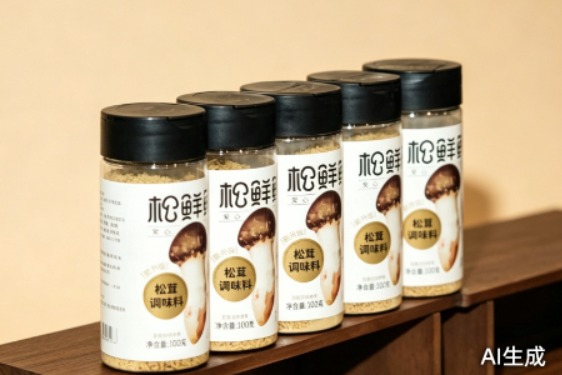
松鲜鲜的出现,带着“松茸鲜”这一新品类,开辟了调味品中“减钠不减咸”的先河,第一次把“科学减钠”从公共健康口号转化为进入家庭厨房的消费品。

为推动全民科学减钠从共识走向行动,8月26日,松鲜鲜联合公共卫生领域和营养学领域专家、行业伙伴及权威媒体,共同举办“健康中国·科学减钠大会”,发布《中国居民首部科学减钠白皮书》,并联合行业力量发出食品行业科学减钠倡议。

松鲜鲜,作为调味品里的新势力角色,为什么要持续推动这样的减钠倡议与讨论?

我们仍要带着这个问题回到中国人的厨房来看看。

01 从减盐到减钠,是一场深刻的认知转变

中国人对“少吃盐”并不陌生。

“少吃盐”已经是普遍健康常识,却鲜少有人意识到“只是减盐”不等于“减钠”。如果说食盐是明面上的钠,那么酱油、鸡精、蚝油、酱料等调味品中谷氨酸钠、呈味核苷酸二钠等含钠添加剂,就是藏在暗处的“隐形钠摄入”。

这意味着,即使炒菜时少放一勺盐,但如果同时使用多种含钠调味品,总钠摄入仍然值得关注。此前的一项科研调查,更揭示了我国调味品中高钠含量的事实:在2015—2017年一项对中英两国零售商销售的上千种调味品调查中发现,中国各种调味品含钠量是同类英国产品的4.4倍。

《中国膳食指南》建议成年人每天钠摄入少于2000毫克。但据中国营养学会与中国天气共同发布的全国成年人钠摄入量分布地图,我国人均钠摄入为膳食指南推荐值的2倍,钠摄入普遍超标。

我国“三减三健”减盐行动此前已推行多年,居民食盐摄入量虽有小幅回落,但整体仍然大幅高于世卫组织推荐标准。究其根本,正在于认知问题。

这也是中国健康饮食普及中,需要从只关注食盐走向关注总钠的重要原因。

高钠饮食存在多种健康隐患。长期高钠摄入会导致血压升高,也会增加发生心血管疾病的风险,还可引起人体内钠水潴留,导致高容量血症,并加快慢性肾脏疾病的发展。

而引导居民认知从“减盐”走向“减钠”,并不是让居民吃得越来越淡,而是让人们在保持正常饮食体验的同时,更加科学有效地管理总钠摄入。

在“健康中国2030”的背景下,国家卫健委也对产业创新提出了更多鼓励,并要求预包装食品须标示钠含量,引导消费者正确选择钠含量少的预包装食品。

这也把问题引向了食品工业:真正降低日常饮食中的钠,需要食品工业认真思考原料、配方和调味技术。

02 在食品工业里,松鲜鲜解决了“减钠不减味”难题

如果减钠不能以牺牲味道为代价,食品企业应该怎么办?

松鲜鲜进入调味品行业时,面对的是一个已经非常成熟的市场。传统调味品有稳定的消费习惯,也有成熟的品牌格局。

松鲜鲜选择的入口,是松茸调味。再往更深一层看,是“健康调味”。松鲜鲜从松茸调味切入成熟的调味品市场,其背后真正寻找的,是健康调味的新解法。

松鲜鲜创始人易子涵已经持续15年从事健康食品研发,品牌形成的一条产品原则是:以家人吃的标准做健康食品。

过去调味品创新,经常围绕“更鲜”或“更方便”。而近年来,当健康成为新的消费关注点,品牌必须同时兼顾两个指标:风味和健康。

松鲜鲜由此逐渐形成了自己的减钠产品逻辑:不让产品牺牲口味来换健康,而是通过原料、配方和工艺,让“减钠不减咸鲜”变成现实。

最初的松鲜鲜松茸调味料,采用高山松茸复配10种果蔬,以及减钠食品原料玉米酱粉,其中玉米酱粉可发酵产生咸味肽,让人感知到咸味却不增加钠摄入。松鲜鲜松茸调味料可以在家庭烹饪中替代盐、鸡精、味精等多种调味品,减少多种含钠调味品叠加使用的场景。

而真正进入中国家庭日常调味体系,还绕不开酱油。于是,松鲜鲜的减钠路径继续向高频调味品延伸。

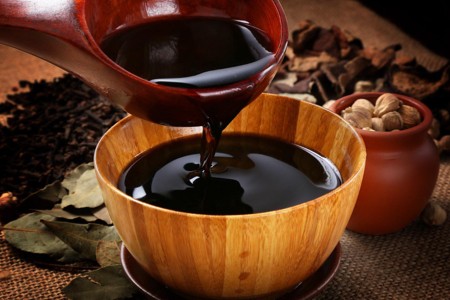
减钠松茸一品鲜酱油,采用电渗析靶向脱盐技术,非兑水稀释,实现真减钠39%。并且生产过程中不额外添加化学提鲜剂,保留酱油独特酱香;减钠松茸有机酱油(喷喷酱油)配料表干净,减钠54%,喷一下仅约8mg钠,帮助消费者更直观、更精准控制用量控制钠摄入。

普通家庭不可能每天精确计算所有食物的钠摄入量。因此健康调味品真正的价值,就是让消费者在不明显增加生活成本和决策成本的情况下,获得更简单的健康选择。

此外,松鲜鲜也在尝试把这种产品经验继续向科研体系推进并验证。

2026年,松鲜鲜与江南大学陈坚院士团队正式成立“减钠调味科学与技术联合研究中心”,系统性地推进天然减钠原料开发、减钠酿造工艺及风味补偿研究。

北京工商大学食品与健康学院在《中国调味品》发表的论文显示,在适口状态下,以松茸调味料替代部分食盐和味精进行调味,钠摄入可降低约45%—55%。

这些技术积累,转化为市场认可。松鲜鲜松茸调味料已经连续5年全国销量第一,松茸酱油全国销量第一,进驻全国终端超20万家,并多次荣获美食界“奥斯卡奖”——比利时布鲁塞尔国际风味评鉴所颁发的ITI国际美味奖章等行业荣誉与认证。

健康调味,其实是一道实实在在的产品题。消费者最终购买的,不只是“减钠”这个概念,而是一瓶既能满足味觉、又能提供健康价值的调味品。松鲜鲜引领了食品工业里“减钠不减味”的新时代,而它还在持续推动行业的进化。

03 从开创一个品类,到推动行业共同行动

8月26日的"健康中国·科学减钠大会",是松鲜鲜从"产品提供者"走向"行业推动者"的转折点。

大会发布的《中国居民减钠倡议——基于钠过量摄入健康风险的科学证据》(中国居民科学减钠白皮书),系统回应了公众关注的减钠问题,并提出一个共识性的认知纠偏:减钠不等于只减食用盐,食用盐只是钠的来源之一,酱油、鸡精、蚝油、酱料及其他含钠配料同样需要关注。

市场上部分减盐调味品在降低食盐用量的同时,为弥补风味而额外添加谷氨酸钠、呈味核苷酸二钠等含钠增味剂,可能导致产品整体钠含量并未显著降低。白皮书强调,判断产品是否真正减钠,应关注配料表中的含钠成分和营养成分表中标示的钠含量。

中国疾病预防控制中心首席专家、医学博士、博士生导师丁钢强在会上指出,国民健康事关人人、人人有责,减钠不是单纯的饮食习惯问题,而是一项需要政府、行业、科研和公众共同参与的系统行动,食品企业更应在其中承担起应有的责任。

大会上,松鲜鲜CEO王嘉联合安琪酵母、伊品生物、百兴集团、莱茵生物、韩国CJ集团等食品行业同僚,共同发出食品行业减钠倡议,表达对推广科学减钠、推动健康饮食和产业协同的共同意愿,标志着减钠议题正在从单一企业、单一产品的探索,迈向食品行业伙伴的共同行动。

从创立至今,松鲜鲜持续付出不懈努力,推动行业的共同减钠行动。今年4月21日,在松鲜鲜×金桂花新质餐饮指南「飨」主题品鉴交流会上,金桂花上榜餐厅主厨齐聚,共探高端餐饮减钠路径。松鲜鲜还与“中国松茸之乡”雅江县在松茸产品研发、源产地保护、文化传播等领域达成深度战略合作。

科学减钠,从政府政策、科研机构、食品企业再到消费者选择,逐渐从健康认知变成真正的社会行动。在这一过程中,松鲜鲜的角色由此发生转变:从健康调味产品提供者,到减钠技术实践者,再到科学减钠行业议题的推动者和标准共建参与者。

食品行业的竞争导向也发生了一些变化。过去,调味品主要在价格、品牌和渠道中竞争。而当下,健康属性、研发能力和技术积累亦成为新的重要变量。

更有意义的变化,是让消费者知道钠不只来自盐、会主动看配料成分表,也拥有越来越多经过产品创新后可以选择的减钠方案。

而减钠,当然也不会成为一种新的健康焦虑。“科学减钠”倡议真正要做的,就是让居民的健康饮食习惯变得更加清晰简单。

科学减钠,最终应该是一件普通的事。

普通到消费者买一瓶调味料时,会自然看一眼配料表和营养成分表;做一道菜时,不再只计算放了多少盐,而开始意识到多种调味品叠加后的总钠;也普通到食品企业在开发一款新品时,会主动思考味道之外的健康价值。

从这个意义上说,松鲜鲜真正想推动的,不只是消费者厨房里拥有一瓶少钠的调味料,而是让“科学减钠”成为中国家庭理解健康饮食的一种新常识。

注:文/烨楠,文章来源:创业最前线(公众号ID:chuangyezuiqianxian),本文为作者独立观点,不代表亿邦动力立场。

文章来源:创业最前线

广告
微信
朋友圈

FAQ回顾

科学减钠和日常说的减盐有什么区别?

减盐不等于减钠,食用盐是钠的显性来源,酱油、鸡精、蚝油等调味品中的谷氨酸钠、呈味核苷酸二钠等含钠添加剂是隐形钠来源。科学减钠需要关注饮食总钠摄入,判断产品是否真正减钠,需查看配料表中的含钠成分和营养成分表中标示的钠含量。

松鲜鲜的减钠调味品有什么核心优势?

松鲜鲜减钠调味品以“减钠不减咸鲜”为核心逻辑,松茸调味料采用高山松茸复配果蔬、玉米酱粉,可替代多种高钠调味品;减钠酱油采用电渗析靶向脱盐技术,最高减钠54%,不额外添加化学提鲜剂,兼顾风味与健康。

我国居民当前钠摄入现状是什么样的?

《中国膳食指南》建议成年人每天钠摄入少于2000毫克,我国人均钠摄入为推荐值的2倍,普遍超标。此前推行多年的“三减三健”减盐行动虽让居民食盐摄入量小幅回落,但整体仍大幅高于世卫组织推荐标准。

长期高钠摄入会带来哪些健康风险?

长期高钠摄入会显著推高高血压、脑卒中、心梗等心脑血管疾病的发病风险,还会引起人体内钠水潴留导致高容量血症,加快慢性肾脏疾病的发展,科学控制钠摄入可有效降低相关疾病发生概率。

这么好看,分享一下?

朋友圈 分享

APP内打开

赞 +1
+1
微信好友 朋友圈 新浪微博 QQ空间
关闭
收藏成功
发送
/140 0