





广告
加载中

驰援西藏吉隆 阿里巴巴追加1000万元捐款

龚作仁 2026-08-27 20:52
龚作仁 2026/08/27 20:52

邦小白快读

EN
全文速览

本文主要介绍阿里巴巴驰援西藏吉隆口岸灾区的具体行动,核心干货信息如下

1.灾害背景:8月26日,尼泊尔一侧发生大规模泥石流,洪流进入我国西藏日喀则吉隆县吉隆口岸,造成重大人员伤亡和失联。

2.物资驰援进展:灾害发生后阿里第一时间启动应急响应,第一批2900箱食品、饮用水已于26日晚运抵吉隆镇;第二批5000箱方便食品27日从日喀则发出,预计当日21点送达;由公益宝贝爱心商家支持的雨衣雨鞋,27日也从拉萨装车发往灾区。

3.捐款安排:8月27日阿里巴巴追加1000万元捐款,用于灾区紧急救援、过渡安置及重建,将精准投向群众救助、基础设施抢修、次生灾害防范等领域,后续会配合官方做好重建工作。

本文的案例能给品牌开展公益行动、塑造社会责任形象提供不少参考干货,具体如下

1.响应节奏参考:突发灾害发生后,第一时间启动响应,先调配急需物资解决灾区燃眉之急,再追加定向捐款,动作分层清晰,能快速获得公众认可。

2.资源整合参考:品牌可以联动自身生态合作伙伴共同参与公益,本次阿里联动平台上的公益宝贝爱心商家共同提供救援物资,既放大了公益效果,也让参与商家获得了曝光。

3.资金使用参考:捐款需要明确投向,围绕灾区核心刚需领域使用资金,做到公开透明,契合公众对公益项目的期待,能有效提升品牌的社会好感度。

对于平台卖家而言,本文能带来参与公益、对接平台资源、应对公共事件的参考干货,具体如下

1.公益参与机会:卖家可以参与平台官方的公益项目,比如文中的公益宝贝项目,借助平台的影响力共同开展公益行动,在承担社会责任的同时,提升自身品牌在消费者心中的好感度。

2.突发公共事件应对参考:遇到突发灾害类公共事件时,跟随平台统一安排及时响应,能更高效地匹配灾区需求,获得更好的公益效果,也能借助官方渠道获得更多曝光。

3.从阿里的应急响应机制可以学习到,应对突发公共事件要分步骤推进,优先保障核心刚需,再根据需求补充资源,保证行动落地。

对于生产型工厂而言,本文能带来对接公益资源、抓住公益机会、完善自身应急机制的干货启示,具体如下

1.商业与公益结合机会:工厂可以依托大型电商平台的公益渠道,参与救灾等各类社会公益活动,借助平台的调配和运输能力,把自身产品输送到需求场景,提升工厂的社会知名度和美誉度。

2.应急机制建设参考:阿里巴巴成熟快速的灾害应急响应机制,给工厂搭建自身突发公共事件应对机制提供了参考,遇到突发情况要第一时间启动响应,分批次调配资源满足核心需求。

3.灾区救灾的物资需求也给工厂指明了捐赠方向,灾区需要大量生活物资、防护类物资,相关工厂可以针对性储备或提供对应产品,精准支援灾区。

对于各类服务提供商而言,本文能带来行业参与公益救灾的趋势、痛点解决等方面的干货,具体如下

1.核心痛点总结:突发灾害发生后,最突出的痛点是急需物资的快速统筹调配,救援需求分散且紧急,单一主体很难快速满足所有需求,需要整合多方资源才能高效推进救援。

2.业务方向参考:公益领域服务商可以对接大型互联网平台和各类生产企业、商家,搭建资源对接桥梁,整合不同主体的资金、物资资源,精准匹配灾区的各类需求,发挥自身的链接价值。

3.服务方向参考:当前救灾需求越来越精准,不管是物资还是资金都投向核心刚需领域,服务商在对接救灾需求时,也要围绕受灾群众救助、基础设施抢修、次生灾害防范这些核心领域匹配资源,提升服务精准度。

对于各类平台而言,本文以阿里为例,给出了平台应对突发公共灾害、开展公益行动、运营社会责任品牌的干货参考,具体如下

1.应急机制建设:平台需要提前建立完善的突发灾害应急响应机制,在灾情发生后第一时间启动响应,快速调集资源满足灾区刚需,这不仅能体现平台的社会责任,还能有效提升平台的公众认可度。

2.生态资源整合:平台可以联动自身生态内的商家共同参与公益行动,比如本次阿里依托公益宝贝项目动员爱心商家提供救援物资,既整合了生态资源放大救灾效果,也增强了平台商家的凝聚力。

3.响应闭环打造:救灾行动不仅要做好初期的物资和资金支援,还要根据灾区实际需求精准投放资源,后续配合官方做好长期灾后重建工作,形成完整的救灾响应闭环,提升行动效果。

对于产业和公益领域研究者而言,本文记录了互联网平台参与灾害救援的最新案例,反映了产业公益的新动向,干货如下

1.产业参与救灾的新动向:当前国内互联网头部平台已经成为突发灾害救援中不可或缺的民间补充力量,这类平台具备响应速度快、资源整合能力强、物流网络完善的优势,能在灾害发生后第一时间补充官方救援的需求缺口。

2.公益救灾的新模式:互联网平台依托自身生态体系,探索出了平台牵头、生态内商家广泛参与的公益救灾新模式,比如本次阿里通过阿里公益平台、公益宝贝项目,快速动员爱心商家参与提供救援物资,降低了商家参与公益的门槛,提升了救灾效率。

3.当前企业公益救灾已经从笼统捐赠走向精准投放,捐款和物资都会根据灾区实际需求投向具体核心领域,这种新的公益模式也为相关研究提供了新的样本。

返回默认
声明:快读内容全程由AI生成,请注意甄别信息。如您发现问题,请发送邮件至 run@ebrun.com 。

我是 品牌商 卖家 工厂 服务商 平台商 研究者 帮我再读一遍。

Quick Summary

This article outlines the specific actions Alibaba has taken to support disaster relief at the Kyirong Port in Tibet, China. Key details are as follows:

1. Disaster background: On August 26, large-scale mudslides occurring on the Nepalese side of the border swept into Kyirong Port, Kyirong County, Xigaze, Tibet, China, causing substantial casualties and missing persons.

2. Relief supplies delivery: Alibaba activated its emergency response immediately after the disaster. The first batch of 2,900 boxes of food and drinking water arrived in Kyirong Town on the night of August 26. A second batch of 5,000 boxes of instant food departed Xigaze on August 27 and was expected to arrive by 9 PM the same day. Raincoats and rain boots donated by charity-focused merchants participating in the "Common Good" public welfare program were loaded and shipped from Lhasa to the disaster area on August 27 as well.

3. Donation arrangement: On August 27, Alibaba made an additional 10 million yuan donation designated for emergency rescue, temporary relocation and post-disaster reconstruction. The funds will be allocated specifically to civilian relief, infrastructure repairs, secondary disaster prevention and other key areas. Alibaba will continue to coordinate with official authorities to support long-term reconstruction work.

This case offers actionable insights for brands looking to run public welfare initiatives and build a positive social responsibility image. Key takeaways are as follows:

1. Response timing reference: In the wake of a sudden disaster, activate your response immediately. First allocate urgently needed supplies to address the most pressing needs in the disaster area, then make targeted additional donations. This phased, clear approach wins rapid public recognition.

2. Ecosystem collaboration reference: Brands can partner with their ecosystem stakeholders to participate in public welfare initiatives. In this case, Alibaba collaborated with participating "Common Good" merchants on its platform to contribute relief supplies, which amplified the impact of the public welfare effort while giving exposure to the participating merchants.

3. Fund usage reference: Donations should have clear, specific allocation targets focused on the core urgent needs of the disaster area. Transparent allocation aligns with public expectations for public welfare projects and effectively boosts a brand's positive social reputation.

For platform sellers, this article provides useful reference on participating in public welfare, leveraging platform resources, and responding to public emergencies. Key insights are as follows:

1. Public welfare participation opportunities: Sellers can join official platform-led public welfare programs, such as the "Common Good" program mentioned in this article. This allows sellers to carry out public welfare initiatives leveraging the platform's influence, fulfill social responsibility, and improve consumers' perception of their own brand.

2. Response guidance for sudden public emergencies: When disaster-related public emergencies occur, following the unified coordination of the platform to respond in a timely way allows for more efficient matching of disaster area needs, delivers better public welfare outcomes, and generates more exposure through official channels.

3. Alibaba's emergency response framework demonstrates that responding to sudden public emergencies should proceed in phases: prioritize meeting core urgent needs first, then supplement additional resources based on evolving demand to ensure actions deliver tangible results.

For manufacturing factories, this article offers valuable insights on accessing public welfare resources, seizing public welfare opportunities, and improving in-house emergency response mechanisms. Key takeaways are as follows:

1. Opportunities to integrate business and public welfare: Factories can participate in disaster relief and other social public welfare initiatives through the public welfare channels of large e-commerce platforms. Leveraging the platforms' resource allocation and logistics capabilities, factories can deliver their products directly to where they are needed, and improve their social reputation and brand awareness.

2. Reference for building emergency response mechanisms: Alibaba's mature and rapid disaster emergency response framework offers a model for factories to build their own sudden public emergency response mechanisms. The core lesson is to activate response immediately when an incident occurs, and allocate resources in batches to meet core needs.

3. The demand for relief supplies in disaster areas also points to clear donation directions for factories. Disaster areas require large volumes of daily necessities and protective supplies. Relevant factories can reserve or donate these targeted products to deliver precise support to affected areas.

For all types of service providers, this article offers insights into industry trends in public welfare disaster relief and solutions to core pain points. Key takeaways are as follows:

1. Core pain point summary: After a sudden disaster, the most prominent challenge is the rapid coordination and allocation of urgently needed supplies. Relief demands are scattered and urgent, and no single actor can meet all needs quickly. Efficient relief requires integrating resources from multiple stakeholders.

2. Business direction reference: Public welfare service providers can act as a connecting bridge between large internet platforms, manufacturers and merchants, integrating capital and material resources from different parties to precisely match the diverse needs of disaster areas, and leverage their unique value as intermediaries.

3. Service positioning reference: Modern disaster relief demands are increasingly targeted, with both materials and funds directed toward core urgent needs. When matching relief demands, service providers should also align their resource matching around core areas including civilian relief, infrastructure repairs, and secondary disaster prevention to improve the precision of their services.

For platform operators, this article uses Alibaba's case to offer actionable reference for responding to sudden public disasters, running public welfare initiatives, and building a social responsibility-focused brand. Key insights are as follows:

1. Building emergency response mechanisms: Platforms should pre-establish a complete emergency response mechanism for sudden disasters. Activating response immediately after a disaster strikes and rapidly mobilizing resources to meet the urgent needs of the affected area not only demonstrates the platform's social responsibility, but also effectively improves public recognition of the platform.

2. Integrating ecosystem resources: Platforms can mobilize merchants within their own ecosystem to participate in public welfare initiatives together. In this case, Alibaba leveraged its "Common Good" program to mobilize participating merchants to contribute relief supplies, which integrated ecosystem resources to amplify disaster relief impact while strengthening cohesion among platform merchants.

3. Building a complete response cycle: Disaster relief requires more than just initial supplies and funding support. Platforms need to allocate resources precisely based on actual on-the-ground needs, and continue cooperating with official authorities for long-term post-disaster reconstruction to form a complete disaster relief response cycle and improve overall impact.

For industry and public welfare researchers, this article documents a new case of internet platform participation in disaster relief, reflecting emerging trends in corporate-led public welfare. Key insights are as follows:

1. New trends in industry participation in disaster relief: Leading Chinese internet platforms have become an indispensable non-governmental complementary force in sudden disaster relief. These platforms hold advantages in rapid response, strong resource integration capabilities, and comprehensive logistics networks, allowing them to fill gaps in official rescue efforts immediately after a disaster strikes.

2. A new model for public welfare disaster relief: Leveraging their own ecosystem, internet platforms have developed a new public welfare disaster relief model led by the platform, with broad participation from ecosystem merchants. In this case, Alibaba quickly mobilized participating merchants to contribute relief supplies through its public welfare platform and the "Common Good" program, which lowers the barrier for merchant participation in public welfare and improves disaster relief efficiency.

3. Modern corporate disaster relief has shifted from generalized donations to targeted allocation, with donations and supplies directed to specific core areas based on actual on-the-ground needs. This new public welfare model provides a fresh case study for related academic and industry research.

Disclaimer: The "Quick Summary" content is entirely generated by AI. Please exercise discretion when interpreting the information. For issues or corrections, please email run@ebrun.com .

I am a Brand Seller Factory Service Provider Marketplace Seller Researcher Read it again.

8月27日,阿里巴巴宣布追加1000万元捐款,用于西藏日喀则市吉隆县吉隆口岸灾区的紧急救援、过渡安置及灾后重建工作。昨日灾害发生后,阿里巴巴已第一时间紧急调运两批生活物资驰援一线。

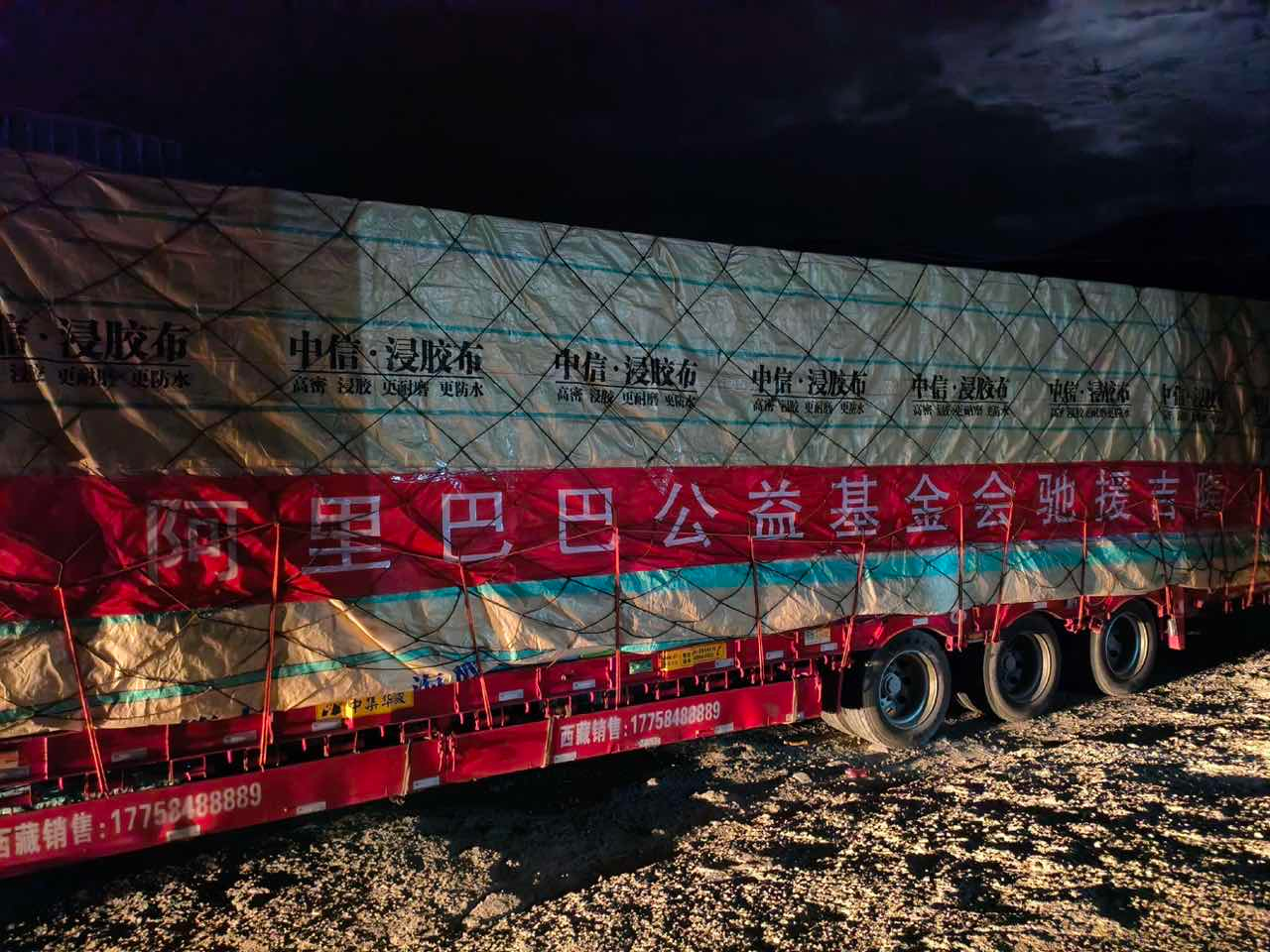
8月26日上午10时30分许,因尼泊尔一侧发生大规模泥石流灾害,洪流进入我国境内,造成吉隆口岸重大人员伤亡与失联。获悉灾情后,阿里巴巴第一时间启动灾害应急响应机制。第一批紧急筹集的2900箱食品、饮用水等急需生活物资,已于8月26日晚运抵吉隆镇。第二批5000箱方便食品今日从日喀则发往灾区,预计21点送到。

8月27日,由阿里巴巴公益平台及公益宝贝爱心商家支持的雨衣、雨鞋,也已装车从拉萨起运发往日喀则市吉隆县。

阿里巴巴公益表示,此次追加的1000万元捐款,将根据灾区实际需求,精准投向受灾群众救助、基础设施抢修及次生灾害防范等关键领域。后续,会全力以赴配合国家做好救灾和灾后重建工作,尽最大努力帮助灾区早日恢复正常生产生活秩序。

注:文/龚作仁,文章来源:Laborer,本文为作者独立观点,不代表亿邦动力立场。

文章来源:Laborer

广告
微信
朋友圈

FAQ回顾

阿里巴巴为西藏吉隆灾区提供了哪些援助?

西藏吉隆口岸受灾后,阿里巴巴第一时间启动灾害应急响应,已调运两批共7900箱食品、饮用水等生活物资驰援一线,另有雨衣、雨鞋从拉萨发运;8月27日追加1000万元捐款,用于受灾群众救助、基础设施抢修等领域。

西藏吉隆口岸本次灾情是怎么发生的?

8月26日上午10时30分许,尼泊尔一侧发生大规模泥石流灾害,洪流进入我国境内,造成西藏日喀则市吉隆县吉隆口岸出现重大人员伤亡与失联情况。

阿里巴巴给西藏吉隆灾区的1000万元捐款用途是什么?

该笔捐款将根据西藏吉隆灾区实际需求,精准投向受灾群众救助、基础设施抢修、次生灾害防范等关键领域,后续阿里巴巴也会配合相关部门做好救灾及灾后重建工作。

这么好看,分享一下?

朋友圈 分享

APP内打开

赞 +1
+1
微信好友 朋友圈 新浪微博 QQ空间
关闭
收藏成功
发送
/140 0

