广告
加载中

Payful × J.P. Morgan | 深化数字支付合作 共建跨境支付新基建!

龚作仁 2026-08-25 10:12
龚作仁 2026/08/25 10:12

邦小白快读

EN
全文速览

本文核心内容是金融科技企业Payful和全球顶级金融机构J.P.摩根深化Kinexys数字支付合作,双方从原有支付通道合作升级到共建跨境支付新基建,核心干货信息如下:

1. 双方本次合作围绕跨境支付效率提升、客户资金账户管理优化、小币种及新兴区域市场拓展三大核心方向展开,将探索更高效的合规跨境支付链路,优化企业客户资金体验,研究不同监管环境下的本地化方案。

2. 本次合作是传统金融机构与金融科技企业的深度融合,后续双方会从单点场景试点逐步拓展到多区域、多币种、多业务线落地,推动中国商户与新兴市场之间的全球金融基础设施双向延伸,未来会持续推动跨境支付体系创新升级。

本次Payful与J.P.摩根的合作升级,对开展跨境业务的品牌商有多方面利好,相关干货内容如下:

1. 合作将在合规前提下优化跨境支付链路,缩短资金到账周期,降低中间流转成本,能帮助品牌商提升资金周转效率,减少跨境支付的相关成本消耗。

2. 本次合作重点拓展小币种及新兴区域市场,针对不同区域的监管环境打造本地化支付方案,能匹配品牌商拓展新兴市场的业务需求,解决品牌商出海新兴市场遇到的支付基础设施不完善、小币种收付不便的痛点。

3. 依托J.P.摩根的合规架构和全球清算能力,新的跨境支付资金管理体系合规性和安全性更高,能降低品牌商跨境资金管理的合规风险,助力品牌商全球化布局。

本次跨境支付领域的合作升级,给跨境卖家带来了新的市场机会和风险提示,核心干货如下:

1. 效率层面,合作优化后跨境支付链路更高效,资金到账速度提升、中间成本降低,能直接改善卖家的资金周转效率,缓解卖家备货出海的资金压力。

2. 市场机会层面,本次合作重点布局新兴区域市场和小币种支付业务,会完善新兴市场的支付配套基础设施,想要拓展新兴市场蓝海的卖家可以获得更适配的支付服务,解决拓展新市场的支付痛点。

3. 风险层面,新合作体系以合规和风险控制为基础,依托头部机构的合规能力,能降低卖家跨境收款的合规风险,卖家可后续关注双方试点落地动态,提前布局新兴市场业务抢占先机。

本次合作给出海工厂带来了新的商业机会和数字化转型启示,核心干货内容如下:

1. 商业机会层面,当前新兴市场出口需求增长,但是配套跨境支付基础设施不完善,本次合作针对性完善新兴市场和小币种的支付服务,能帮助出海工厂更便捷地开展新兴市场业务,提升回款效率、降低回款风险,减少工厂出海的支付相关阻碍,帮助工厂拓展全球订单。

2. 数字化转型启示层面,工厂推进电商化和数字化出海,离不开配套的跨境支付基础设施支持,支付端的效率升级会直接带动跨境订单的流转效率,工厂布局出海业务时可以依托成熟的支付服务解决合规和资金痛点。

3. 工厂出海可以借助传统金融机构+金融科技企业的合作服务,发挥双方优势,降低自身出海的合规和运营成本,少走弯路。

本次合作透露出跨境支付服务行业的发展趋势和客户痛点,给出了可行的解决方案方向,核心干货如下:

1. 行业发展趋势方面,当前全球客户对跨境资金管理的效率、合规性、系统韧性都提出了更高要求,新兴市场的支付需求持续释放,但是本地金融基础设施不完善,存在较大的市场缺口,行业整体从基础支付通道服务向底层资金管理服务升级。

2. 客户核心痛点方面,当前行业普遍存在跨境支付链路长、到账慢、中间成本高,新兴市场小币种收付不便,合规要求难满足,客户资金体验不佳的问题。

3. 解决方案方向,传统金融机构与金融科技企业深度协同是可行路径,传统机构输出合规、清算能力,科技公司输出本地化和商户服务能力,能打造更适配市场需求的服务,共同搭建跨境支付新基建。

本次合作给跨境相关平台商透露出行业需求变化和发展方向,核心干货内容如下:

1. 需求变化方面,当前市场对跨境支付的需求已经从基础的通道服务升级为一站式底层资金管理服务,客户对新兴市场拓展、小币种收付、合规安全的需求越来越高,平台商需要针对性升级自身的服务能力。

2. 发展模式方面,平台商可以参考传统金融机构+金融科技平台的合作模式,实现优势互补,弥补自身在合规架构、全球清算或者本地化运营方面的短板,提升整体服务能力。

3. 业务布局方面,平台商可以提前布局新兴市场赛道,对接中国商户出海新兴市场的需求,挖掘新的增长点,同时需要始终把合规和风险控制放在业务核心,规避不同区域的监管风险,实现稳健发展。

本次合作为跨境支付产业研究提供了新的样本和方向,核心研究相关干货如下:

1. 产业新动向方面,当前跨境支付产业正迎来升级变革,随着全球贸易的发展,市场对跨境支付新基建的需求不断提升,新兴市场支付需求快速释放,但是原有配套基础设施无法满足需求,产业整体从支付通道服务向资金管理体系服务升级。

2. 商业模式创新方面,本次合作探索出传统大型金融机构与金融科技企业深度融合的新商业模式,双方发挥各自优势形成战略协同,J.P.摩根输出合规架构、全球清算基础设施、机构客户资源,Payful输出本地化运营经验、商户服务能力、多币种收付技术,合作层次从业务层面下沉到基础设施层面。

3. 该模式为跨境支付产业升级、传统金融与科技融合提供了新的探索方向,具有较高的研究价值。

返回默认

声明:快读内容全程由AI生成,请注意甄别信息。如您发现问题,请发送邮件至 run@ebrun.com 。

我是 品牌商 卖家 工厂 服务商 平台商 研究者 帮我再读一遍。

Quick Summary

This article covers the deepened partnership between fintech firm Payful and top global financial institution J.P. Morgan on Kinexys digital payments. The collaboration has been elevated from the original payment corridor partnership to the joint development of new cross-border payment infrastructure. Key takeaways are as follows:

1. The partnership focuses on three core priorities: improving cross-border payment efficiency, optimizing client capital and account management, and expanding operations in small currencies and emerging regional markets. The two sides will explore more efficient compliant cross-border payment corridors, enhance the capital experience for corporate clients, and develop localized solutions tailored to different regulatory environments.

2. This collaboration represents deep integration between traditional financial institutions and fintech firms. Moving forward, the partnership will scale gradually from single-scene pilots to multi-region, multi-currency and multi-business rollouts, extending global financial infrastructure both ways to connect Chinese merchants and emerging markets, and will continue driving innovation and upgrading of the cross-border payment system going forward.

The upgraded partnership between Payful and J.P. Morgan brings multiple benefits to brands with cross-border operations. Key insights are as follows:

1. The collaboration will optimize cross-border payment corridors under a compliant framework, shorten fund settlement cycles and reduce intermediate transit costs, helping brands improve capital turnover efficiency and cut costs associated with cross-border payments.

2. A core focus of the partnership is expanding into small currencies and emerging markets, and building localized payment solutions adapted to regional regulatory requirements. This aligns with brands' needs to expand into emerging markets, and addresses common pain points for brands expanding into these regions, including inadequate local payment infrastructure and inconvenient small-currency payment processing.

3. Backed by J.P. Morgan's compliance framework and global clearing capabilities, the new cross-border capital management system delivers stronger compliance and security. This reduces compliance risks for brands managing cross-border capital and supports brands' global expansion strategies.

This upgraded cross-border payment partnership brings new market opportunities and risk mitigation for cross-border sellers. Key takeaways are as follows:

1. On the efficiency front, the optimized cross-border payment corridor is more efficient, with faster fund settlement and lower intermediary costs. This directly improves sellers' capital turnover efficiency and eases cash flow pressure for inventory preparation for overseas expansion.

2. In terms of market opportunities, the partnership prioritizes building out emerging market coverage and small-currency payment services, which will improve supporting payment infrastructure in these regions. Sellers looking to enter high-growth emerging markets will gain access to better adapted payment services that solve key pain points for new market expansion.

3. For risk management, the new partnership framework is built on compliance and risk control. Leveraging the leading institution's compliance capabilities reduces compliance risks for sellers receiving cross-border payments. Sellers are advised to follow the pilot progress closely and prepare early to capture first-mover advantages in emerging market expansion.

This partnership brings new business opportunities and insights for digital transformation for export-focused factories. Key takeaways are as follows:

1. In terms of business opportunities, export demand from emerging markets is growing today, but supporting cross-border payment infrastructure in these regions remains underdeveloped. This partnership specifically improves payment services for emerging markets and small currencies, enabling factories expanding overseas to conduct emerging market business more conveniently, boost collection efficiency, reduce collection risks, cut payment-related barriers to overseas expansion, and help secure more global orders.

2. For digital transformation insights, factories' e-commerce and digital overseas expansion rely on supporting cross-border payment infrastructure. Efficiency upgrades at the payment end directly drive faster processing of cross-border orders. When building out overseas business, factories can leverage mature payment services to solve compliance and capital pain points.

3. Factories expanding overseas can leverage the joint services model of traditional financial institutions plus fintech firms, which combines the complementary strengths of both parties. This helps reduce factories' own compliance and operating costs for overseas expansion and avoids common missteps.

This partnership reveals key development trends and customer pain points in the cross-border payment service industry, and outlines a viable solution direction. Key insights are as follows:

1. For industry development trends, global clients today are raising higher requirements for the efficiency, compliance and system resilience of cross-border capital management. Payment demand in emerging markets continues to grow, but inadequate local financial infrastructure leaves a significant market gap. The industry as a whole is shifting from basic payment corridor services to underlying capital management services.

2. For core customer pain points, the industry currently faces widespread challenges including long cross-border payment corridors, slow settlement, high intermediary costs, inconvenient small-currency processing in emerging markets, difficulty meeting compliance requirements, and poor capital experience for clients.

3. For solution direction, deep collaboration between traditional financial institutions and fintech firms is a viable path. Traditional institutions contribute compliance and clearing capabilities, while tech firms contribute localized operations and merchant service capabilities. This combined model allows the two sides to build services that better match market demand and jointly develop new cross-border payment infrastructure.

This partnership reveals shifting industry demand and development directions for cross-border platform operators. Key insights are as follows:

1. For shifting demand, market demand for cross-border payment has already evolved from basic corridor services to one-stop underlying capital management services. Client demand for emerging market expansion, small-currency processing and compliant, secure services is growing rapidly, and platforms need to upgrade their service capabilities to match these needs.

2. For development models, platforms can draw on the traditional financial institution + fintech platform partnership model to leverage complementary strengths, fill gaps in their own compliance frameworks, global clearing capabilities or localized operations, and improve overall service capacity.

3. For business layout, platforms can prepare early for the emerging market track, align with the demand of Chinese merchants expanding into emerging markets to unlock new growth, and must always prioritize compliance and risk control in core operations to mitigate regulatory risks across different regions and achieve steady growth.

This partnership provides new research samples and directions for cross-border payment industry research. Key research insights are as follows:

1. For new industry trends, the cross-border payment industry is currently undergoing upgrading and transformation. With the growth of global trade, market demand for new cross-border payment infrastructure continues to rise, and payment demand in emerging markets is expanding rapidly, but existing supporting infrastructure cannot meet this demand. The industry as a whole is upgrading from payment corridor services to comprehensive capital management system services.

2. For business model innovation, this partnership explores a new business model of deep integration between large traditional financial institutions and fintech firms, with both sides leveraging their respective strengths to form strategic collaboration. J.P. Morgan contributes its compliance framework, global clearing infrastructure and institutional client resources, while Payful contributes its localized operational experience, merchant service capabilities and multi-currency payment technology. The collaboration has moved beyond business-level cooperation to focus on joint infrastructure development.

3. This model offers a new exploration direction for cross-border industry upgrading and the integration of traditional finance and technology, and carries high research value.

Disclaimer: The "Quick Summary" content is entirely generated by AI. Please exercise discretion when interpreting the information. For issues or corrections, please email run@ebrun.com .

I am a Brand Seller Factory Service Provider Marketplace Seller Researcher Read it again.

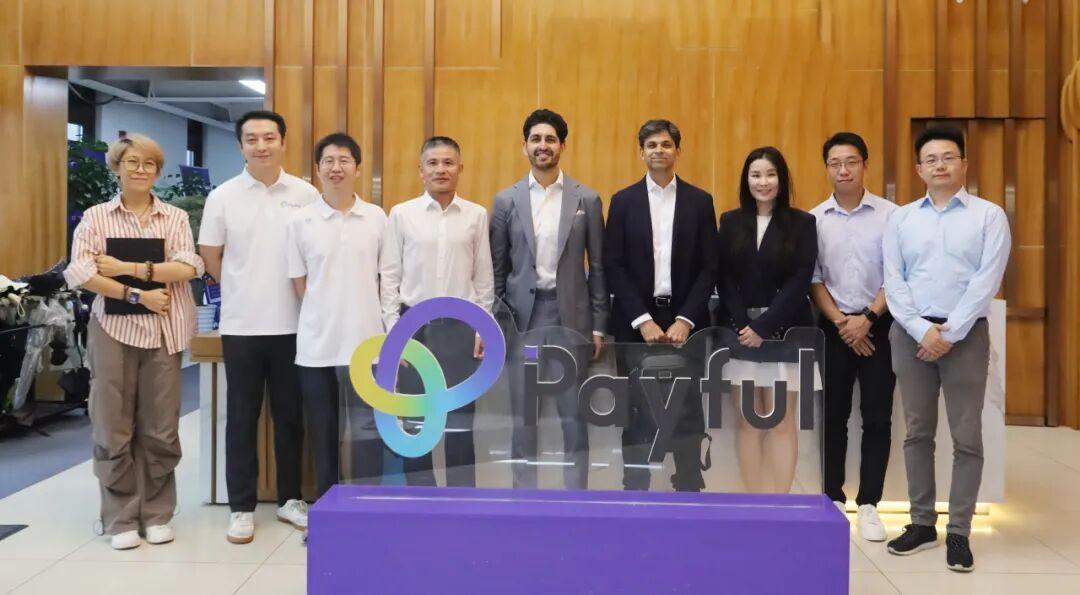
近日,全球领先的金融服务机构J.P.Morgan代表团到访Payful总部。

图片

双方围绕跨境支付效率提升、客户资金账户管理优化、小币种及新兴区域市场拓展等核心议题展开了深入交流。

Payful× J.P.Morgan,深化Kinexys数字支付合作

会议期间,双方不仅回顾了既有合作的进展与成果,还就Kinexys Digital Payments在更多业务场景下的应用可能性进行了深入探讨,核心方向包括:

1.跨境资金流转效率提升 — 在合规前提下探索更高效的跨境支付链路,缩短资金到账周期,降低中间成本。

2.机构与企业客户资金体验优化 — 结合Payful的商户服务经验与J.P.Morgan的机构级能力,为客户打造更流畅的资金使用体验。

3.多区域落地路径探索 — 针对不同区域的业务模式与监管环境,研究Kinexys的本地化应用方案。

图片

J.P. Morgan表示:面对全球客户对跨境资金管理效率、合规性与系统韧性的更高要求,J.P.Morgan将持续深化Kinexys数字支付网络在跨境清算、机构结算与多币种资金调拨等核心场景的能力建设。

下一阶段,J.P.Morgan将依托在合规架构、机构客户网络与全球清算基础设施方面的深厚积累,与Payful在新兴市场场景拓展、商户服务与本地化运营方面的实战经验形成战略协同,将双方合作从"支付通道"层面前移至更底层的"资金管理体系"层面,共同探索面向下一轮全球贸易周期的跨境支付新基建。

Payful表示:在新兴市场支付需求持续释放、本地金融基础设施仍有较大完善空间的背景下,Payful将充分发挥在多币种收付、多平台商户服务、跨境合规与本地化清算等方面的能力沉淀,与J.P.Morgan围绕新兴区域市场的业务结构、监管要求与潜在合作模式展开更系统、更深入的对接。

下一阶段,Payful将与J.P.Morgan一起,在稳健合规的前提下,从单点场景试点逐步走向多区域、多币种、多业务线的协同落地,推动全球金融基础设施能力在中国商户与新兴市场之间的双向延伸。

此次会谈不仅是双方合作关系的进一步深化,更意味着传统金融机构与金融科技企业在业务层面的深度融合。

未来,Payful将与J.P.Morgan继续加强协同,紧跟全球支付体系与监管格局的变化趋势,以合规与风险控制为基石,结合前沿数字技术的高效特性,持续探索可持续发展的合作机会,共同推动跨境支付与资金管理体系的创新升级。

注:文/龚作仁,文章来源:Laborer,本文为作者独立观点,不代表亿邦动力立场。

文章来源:Laborer

广告
微信
朋友圈

FAQ回顾

Payful与J.P. Morgan的数字支付合作聚焦哪些方向?

双方合作主要聚焦三个核心方向:一是在合规前提下提升跨境资金流转效率,缩短到账周期、降低中间成本;二是结合双方能力优化机构与企业客户资金使用体验;三是探索Kinexys数字支付的多区域本地化应用方案,共同搭建跨境支付新基建。

Payful在跨境支付领域有哪些核心优势?

Payful在跨境支付领域拥有多币种收付、多平台商户服务、跨境合规与本地化清算等能力沉淀,在新兴市场场景拓展、商户服务与本地化运营方面拥有丰富的实战经验。

J.P. Morgan在跨境支付领域具备哪些核心能力?

J.P. Morgan拥有完善的合规架构、广泛的机构客户网络与成熟的全球清算基础设施,在跨境清算、机构结算与多币种资金调拨等核心场景具备专业的机构级服务能力。

当前跨境支付行业有哪些发展趋势?

当前全球客户对跨境资金管理效率、合规性与系统韧性的要求持续提升,新兴市场支付需求不断释放,传统金融机构正与金融科技企业深度融合,共同推动跨境支付与资金管理体系的创新升级。

这么好看,分享一下?

朋友圈 分享

APP内打开

+1
+1
微信好友 朋友圈 新浪微博 QQ空间
关闭
收藏成功
发送
/140 0