广告
加载中

当AI走进庭院:追觅割草机器人如何让生活更有温度?

龚作仁 2026-08-24 15:16
龚作仁 2026/08/24 15:16

邦小白快读

EN
全文速览

本文介绍了追觅推出的AI赋能割草机器人,能为庭院养护带来全新体验,核心干货如下:

1.核心功能优势:搭载OmniSense™3.0融合感知系统,拥有70米超远探测和360度全向感知能力,无需预埋边界线,可厘米级精准区分草坪、花坛与小径,开箱即可自动识别边界绘制地图,适配复杂地形与多区域管理;

2.自动化省心设计:电量不足会自动回充,充满后返回原位继续作业,遇到雨雪天气会自动返回充电站躲避,用户可实现全权委托,完全解放双手;

3.附加体验价值:支持用户个性化改装机身,可通过APP定制割草图案,能识别300余种庭院障碍物,可和宠物安全共处,还能作为家庭伙伴提供情感陪伴,满足用户多元需求。

本文分享了追觅切入户外智能庭院工具赛道的产品创新与营销思路,对各类消费品牌有较高参考价值,干货如下:

1.产品研发方向:追觅将自身在智能算法、运动控制、AI感知、智能制造领域的技术积累,迁移到传统庭院工具赛道,精准解决了传统割草产品布线烦琐、需要人工监督、安全隐患多的行业痛点;

2.价值创新逻辑:不堆砌冰冷参数,主打用户可感知的体验与软价值,成功打造出无感管家、社交载体、家庭伙伴三重价值,切中了当代用户对省心生活、个性化表达、情感陪伴的新消费需求;

3.品牌营销思路:借助用户自发的社交平台分享,放大产品的社交属性,形成口碑传播,低成本实现自然获客转化。

本文给庭院智能工具品类的卖家揭示了新的增长机会和运营方向,干货如下:

1.消费需求变化:当前用户不再满足于工具的基础割草功能,对产品的体验感、情感价值、社交属性有了更高要求,愿意为能提升生活品质、承载个性化表达的智能产品付费,客单价和溢价空间更高;

2.市场机会判断:AI赋能的户外智能园艺工具是新的增量赛道,传统庭院养护的痛点突出,智能替代的需求旺盛,目前赛道竞争还未饱和,有较大的增长空间;

3.可参考运营经验:可以参考追觅的产品思路,挖掘产品附加价值,鼓励用户创作分享内容,借助社交传播完成获客转化,降低获客成本。

本文给布局户外智能园艺工具的工厂提供了产品研发和数字化升级的方向参考,干货如下:

1.产品生产设计方向:当前用户需要便捷省心的智能产品,开发产品要围绕用户痛点,把AI技术融入产品功能,解决传统产品布线麻烦、需要人工盯守、安全性差的问题,开发自动识别边界、自动回充、天气感知避障等实用功能;

2.核心技术布局方向:要重视融合感知、AI避障这些核心技术的研发,这类技术能打造产品差异化竞争力,提升产品用户体验;

3.商业机会提示:当前AI已经从室内智能家居延伸到户外庭院场景,庭院智能工具是新的蓝海市场,工厂可以依托自身智能制造能力,布局相关品类,抓住消费升级的机会,推进数字化研发和生产,匹配智能产品的生产需求。

本文揭示了户外智能家居服务行业的发展趋势和用户痛点,给相关服务商提供了发展方向参考,干货如下:

1.行业发展趋势:AI+已经从室内智能家居延伸到了户外庭院场景,物理AI赋能户外工具成为新的行业增长点,智能庭院养护需求正在快速增长,带动配套服务需求释放;

2.客户核心痛点:传统庭院养护方案流程烦琐、安全性差,无法满足现代用户省心便捷的需求,同时现有服务无法匹配用户对产品个性化、社交属性、情感陪伴的新需求;

3.解决方案方向:服务商可以围绕智能庭院工具,拓展配套服务,比如定制化改装、个性化图案设计、产品维保、用户社区运营等,匹配用户新需求,挖掘新的营收增长点。

本文给主打智能家居、户外用品的电商平台揭示了品类发展方向和运营调整思路,干货如下:

1.品类需求判断:当前AI赋能的户外智能园艺工具已经展现出明确增长潜力,产品自带社交传播属性,用户接受度高,适合作为平台新的品类增长点进行重点布局;

2.招商方向参考:可以优先引入像追觅这类有核心技术积累的品牌,丰富平台智能品类的布局,满足中高端用户对品质智能庭院产品的需求,完善平台品类结构;

3.运营管理方向:可以出台相关扶持政策,鼓励品牌引导用户分享使用内容,发挥产品的社交属性,打造种草传播链路,同时要规范智能产品的售后配套服务标准,规避服务不到位带来的用户投诉风险,助力新品类健康成长。

本文呈现了AI赋能传统家居工具产业的新动向,给相关产业研究提供了新的案例样本,核心内容如下:

1.产业新动向:AI+的渗透已经从室内消费电子延伸到户外庭院场景,物理AI开始改造传统园艺工具品类,技术落地逻辑从过去的参数导向转向用户体验导向,真正把硬核技术转化为用户可感知的生活价值;

2.商业模式创新:打破了传统工具只提供功能价值的行业惯性,挖掘出产品的社交属性和情感价值,拓展了产品的价值维度,大幅提升了品类的溢价空间,给传统消费品升级提供了新思路;

3.研究启示:科技普惠的核心不是冰冷的参数堆砌,而是实现技术隐形化,融入日常场景解决用户真实痛点,创造软价值,这给后续AI落地实体消费品提供了新的研究方向。

返回默认
声明:快读内容全程由AI生成,请注意甄别信息。如您发现问题,请发送邮件至 run@ebrun.com 。

我是 品牌商 卖家 工厂 服务商 平台商 研究者 帮我再读一遍。

Quick Summary

This article introduces Dreame's new AI-powered robotic lawn mower, which delivers a brand-new experience for residential yard maintenance. Key highlights include:

1. Core functional strengths: Equipped with the OmniSense™ 3.0 integrated perception system, it features 70-meter ultra-long detection range and 360-degree omnidirectional sensing. It requires no pre-buried boundary wires, can distinguish between lawns, flower beds and paths with centimeter-level accuracy, and automatically identifies boundaries and maps the yard right out of the box, making it compatible with complex terrains and multi-zone management.

2. Hands-free automation: It automatically returns to the charging station when power runs low, and resumes mowing from where it left off after a full charge. It also automatically retreats to the charging station to shelter from rain and snow, enabling fully unattended operation and complete hands-free convenience.

3. Added value for users: It supports personalized body modification, allows users to create custom mowing patterns via a mobile app. It can identify more than 300 types of common yard obstacles, coexist safely with household pets, and even serve as an engaging family companion to meet diverse user needs.

This article shares product innovation and marketing strategies behind Dreame's entry into the smart outdoor yard tool segment, offering valuable takeaways for all consumer brands. Key insights are as follows:

1. Product R&D direction: Dreame transferred its existing technical expertise in smart algorithms, motion control, AI perception and intelligent manufacturing to the traditional yard tool sector, and directly addressed core industry pain points of conventional mowing products: complicated boundary wiring, requirement for manual supervision, and high safety risks.

2. Value innovation logic: Instead of stacking technical specifications, the brand focuses on user-perceptible experience and soft value, successfully building three layers of value: an "invisible yard manager", a social carrier, and a family companion. This perfectly caters to modern consumers' new demands for low-effort daily life, personalized expression, and emotional connection.

3. Brand marketing approach: It leverages users' spontaneous social media sharing to amplify the product's inherent social attributes, driving organic word-of-mouth communication and achieving low-cost natural customer acquisition and conversion.

This article outlines new growth opportunities and operational directions for sellers in the smart yard tool category. Key takeaways include:

1. Shifting consumer demand: Modern consumers are no longer satisfied with the basic mowing function of yard tools. They now demand better user experience, emotional value and social attributes, and are willing to pay a premium for smart products that improve quality of life and enable personalized expression, creating higher average order values and greater profit margins.

2. Market opportunity assessment: AI-enabled smart outdoor gardening tools are an emerging high-growth incremental segment. Traditional yard maintenance solutions have prominent pain points, and demand for smart replacements is strong. The segment is not yet saturated, leaving substantial room for growth.

3. Actionable operational takeaways: Sellers can follow Dreame's product strategy to identify and highlight additional product value, encourage users to create and share content, and acquire and convert customers through social communication to lower customer acquisition costs.

This article provides guidance on product R&D and digital upgrading for manufacturers planning to enter the smart outdoor gardening tool space. Key insights are as follows:

1. Product design and development direction: Modern consumers want convenient, low-maintenance smart products. New product development should center on solving user pain points, integrate AI technology into core functions, address traditional products' pain points such as complicated wiring, requirement for manual supervision, and poor safety, and build practical features including automatic boundary identification, auto recharging, weather awareness and obstacle avoidance.

2. Core technology R&D focus: Manufacturers should prioritize R&D of core technologies such as integrated perception and AI obstacle avoidance. These technologies create differentiated competitive advantages and improve end-user experience.

3. Commercial opportunity note: AI adoption has extended from indoor smart home devices to outdoor yard scenarios, and smart yard tools are a new blue-ocean market. Manufacturers can leverage their existing intelligent manufacturing capabilities to enter this category, capitalize on the consumer upgrade trend, and advance digital R&D and production to meet the manufacturing requirements of smart products.

This article analyzes development trends and user pain points in the outdoor smart home service industry, and provides strategic guidance for relevant service providers. Key findings are as follows:

1. Industry development trend: AI integration has expanded from indoor smart homes to outdoor yard spaces, and AI-enabled physical outdoor tools have become a new industry growth driver. Demand for smart yard maintenance is growing rapidly, driving the release of demand for supporting services.

2. Core customer pain points: Traditional yard maintenance solutions are cumbersome, have poor safety performance, and cannot meet modern users' demand for convenience. Meanwhile, existing services fail to match users' new demands for product personalization, social attributes and emotional companionship.

3. Solution direction: Service providers can expand supporting services centered on smart yard tools, such as custom modification, personalized pattern design, product maintenance, and user community operation, to match new user demands and unlock new revenue growth points.

This article outlines category development direction and operational adjustment strategies for e-commerce platforms focusing on smart home and outdoor products. Key insights are as follows:

1. Category demand assessment: AI-enabled smart outdoor gardening tools have demonstrated clear growth potential, with inherent social communication attributes and high user acceptance, making them ideal as a new high-priority growth category for platforms to develop.

2. Sourcing and brand recruitment guidance: Platforms should prioritize onboarding technology-driven brands like Dreame to enrich their smart product portfolio, meet mid-to-high-end users' demand for high-quality smart yard products, and improve overall category structure.

3. Operational management direction: Platforms can introduce supporting incentive policies to encourage brands to guide users to share usage content, leverage the product's social attributes to build an organic content marketing funnel, and standardize after-sales service requirements for smart products to reduce user complaint risks from insufficient service and support the healthy growth of the new category.

This article presents the new trend of AI empowering traditional home hardware, and provides a fresh case study for relevant industry research. Core content is as follows:

1. New industry trend: AI integration has extended from indoor consumer electronics to outdoor yard scenarios, and physical AI is now transforming the traditional gardening tool category. Technology commercialization has shifted from a historical specification-focused approach to a user experience-focused model, successfully turning hard-core technology into tangible lifestyle value that users can directly perceive.

2. Business model innovation: It breaks the industry norm that traditional tools only deliver functional value, uncovers the product's social attributes and emotional value, expands the product's value dimensions, and significantly increases the category's profit margins, offering a new path for the upgrade of traditional consumer goods.

3. Research implications: The core of tech democratization is not the stacking of cold technical specifications, but embedding technology invisibly into daily scenarios to solve real user pain points and create soft value. This provides a new research direction for the future application of AI in physical consumer goods.

Disclaimer: The "Quick Summary" content is entirely generated by AI. Please exercise discretion when interpreting the information. For issues or corrections, please email run@ebrun.com .

I am a Brand Seller Factory Service Provider Marketplace Seller Researcher Read it again.

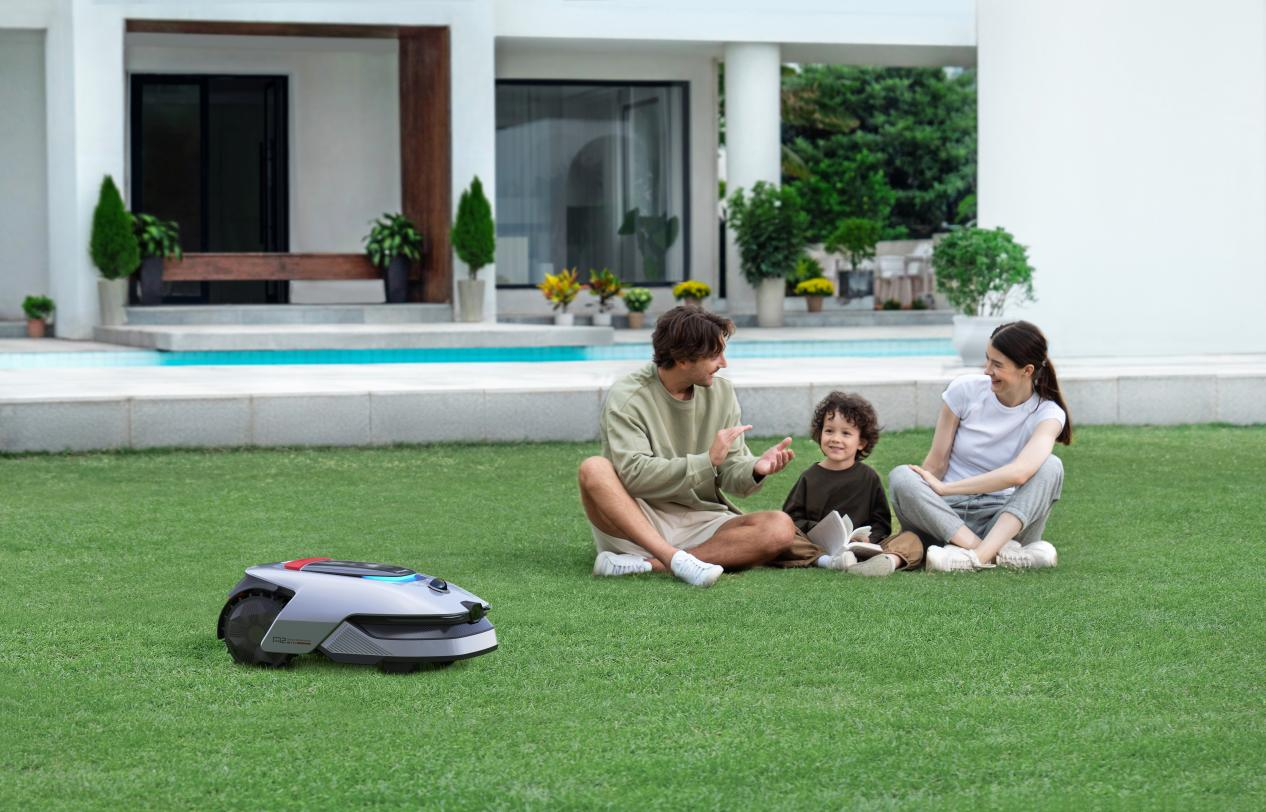
当“人工智能+”的浪潮从室内席卷至户外,庭院这片曾经被传统工具占据的空间,正迎来一场由物理AI引领的智能突围。追觅将其在智能算法、运动控制、AI感知、智能制造等层面的积累注入其割草机器人之上,试图回答一个问题:AI赋能的庭院机器人,究竟能为现代生活带来什么?

答案并非冰冷的参数,而是藏在那些真实用户分享的生活片段里。从精心装扮的机器人到与宠物和谐共处的温馨画面,追觅割草机器人正为用户创造一种融合了无感关怀、社交属性与情感陪伴的全新价值。

无感关怀:从“割草工具”到“庭院管家”

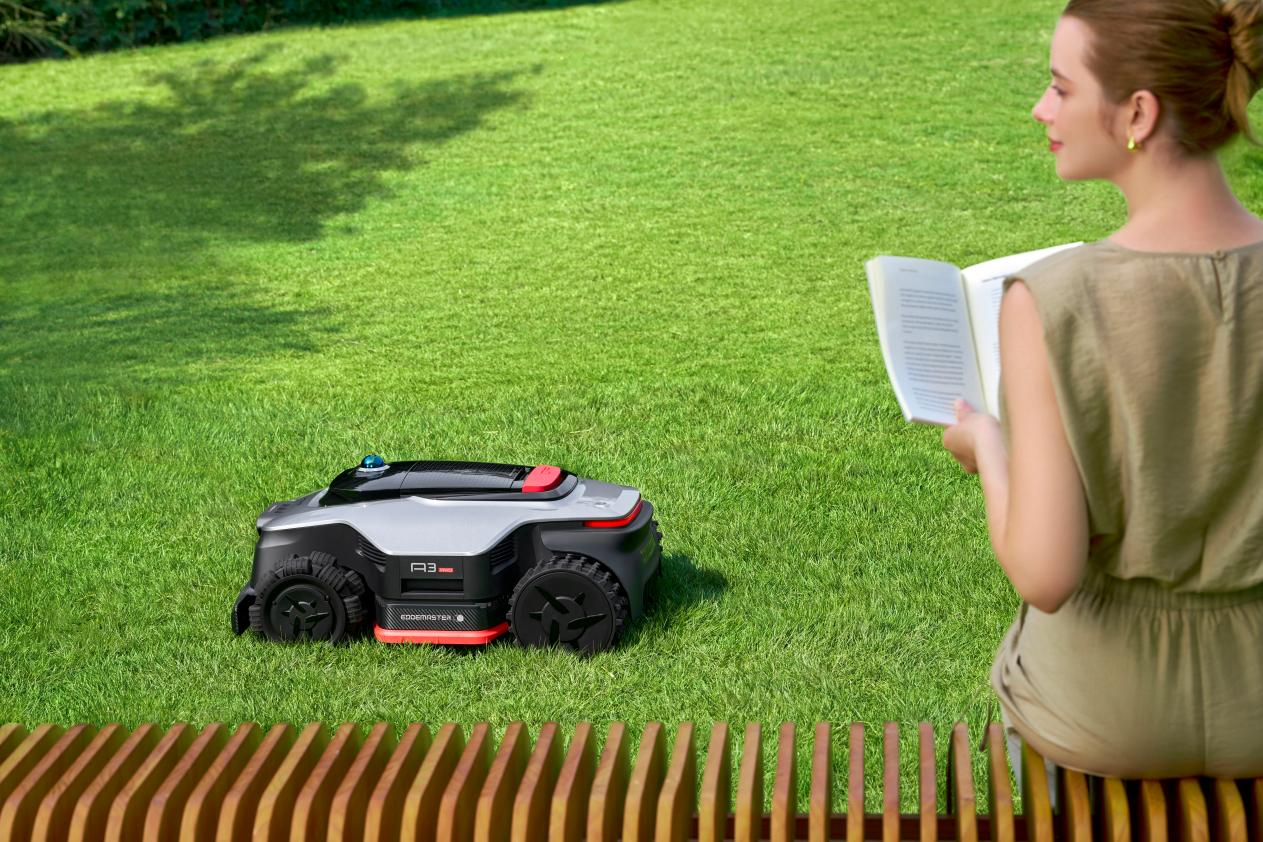
传统的庭院养护,往往意味着烦琐的布线工程、持续的现场监督以及对安全隐患的无尽担忧。而追觅割草机器人的核心价值在于利用AI将复杂的技术隐形,为用户带来真正 “省心、放心、安心”的无感体验。

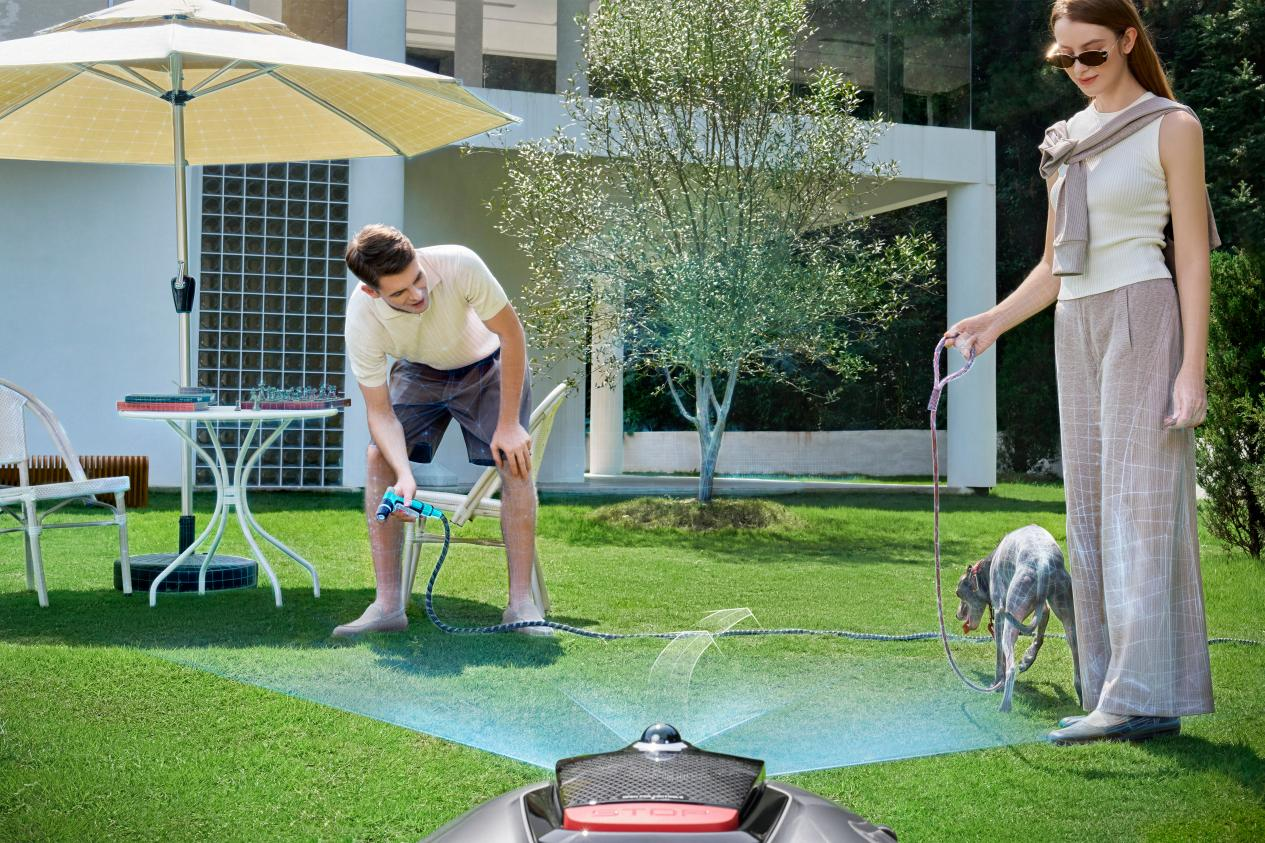
这一切的底气,源自其搭载的OmniSense™3.0融合感知系统。这套系统融合了3D激光雷达与AI视觉,赋予了机器人70米超远探测距离与360°全向感知能力。它摆脱了对预埋边界线的依赖,像一位经验丰富的园丁,能厘米级精准区分草坪、花坛与小径。用户分享的那些“复杂庭院自如穿行”场景,正是这项技术带来的直接红利。更值得一提的是其AI赋能的自动边界设定功能。对用户而言,这意味着告别了部署过程 —— 无需费力规划,开箱即可自主识别草坪边缘、绘制庭院地图。无论是复杂地形还是多区域管理,都能实现“无边界”自由。

而真正的“无感关怀”,更体现在它对细节的周全考量。当电量不足时,它会自动回充并在充满电后返回原位继续割草作业,确保任务完整;遇到雨雪等极端天气,机器人会自主返回充电站躲避,待天气转好再继续工作。这种“全权委托”的信任感,正是AI技术赋予现代生活的最大自由。

社交属性:从“私人工具”到“社区谈资”

当一件硬核科技产品开始被用户赋予个性,它便超越工具本身,成为一种社交货币。在追觅割草机器人的用户群体中,这种蜕变正在真实发生。

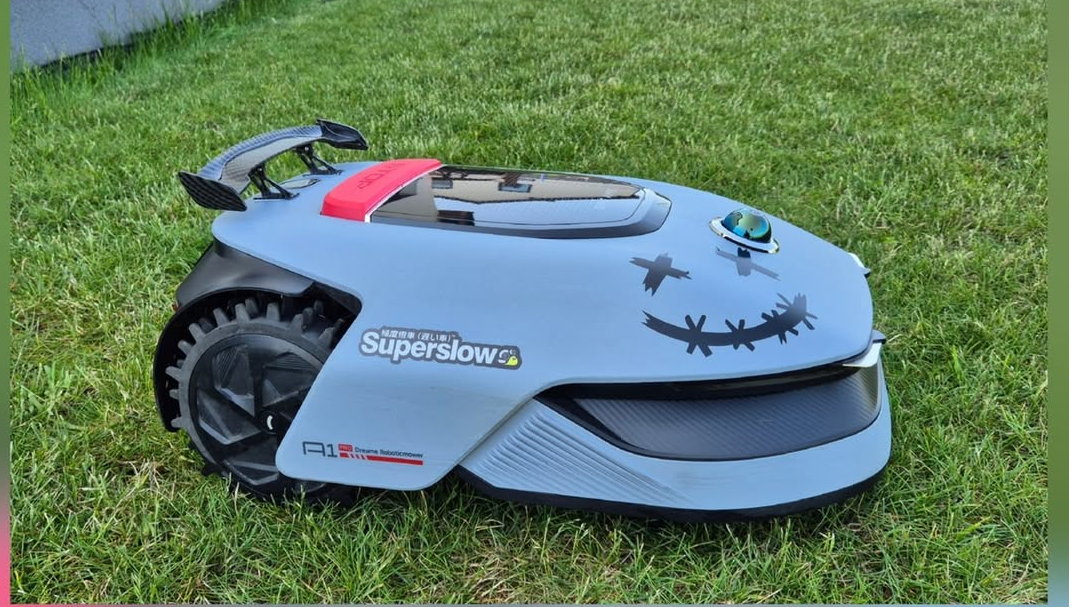
在用户的社交媒体分享中,我们总能看到令人惊喜的“二创”:原本充满科技美感的机身被贴上了个性化的潮酷贴纸,甚至被硬核玩家加装了尾翼,化身草坪上的“微型赛车”。这种充满乐趣的个性化装扮,不仅印证了产品本身极高的颜值,更折射出用户将其视为“庭院新宠”或个性表达载体的心理认同。

而定制割草图案功能,则将这种社交属性推向了新的高度。通过Dreamehome App,用户可以像绘制庭院艺术画一样,在草坪上打理出专属的心形、字母或创意图腾。这早已超越了传统割草范畴,变成了一场充满仪式感的庭院创作。正如许多用户分享的,当邻居们为这片与众不同的草坪驻足赞叹,甚至因此被“种草”也购入一台时,这台机器人便成功打破了现代邻里的社交壁垒,成为连接社区、引发美好话题的“社交中心”。

陪伴与情绪价值:从“冰冷机器”到“家庭伙伴”

科技的最高境界,是让人感觉不到科技的存在,只感受到温暖。追觅割草机器人通过其强大的安全性能和拟人化的交互,为用户提供了独特的情绪价值。

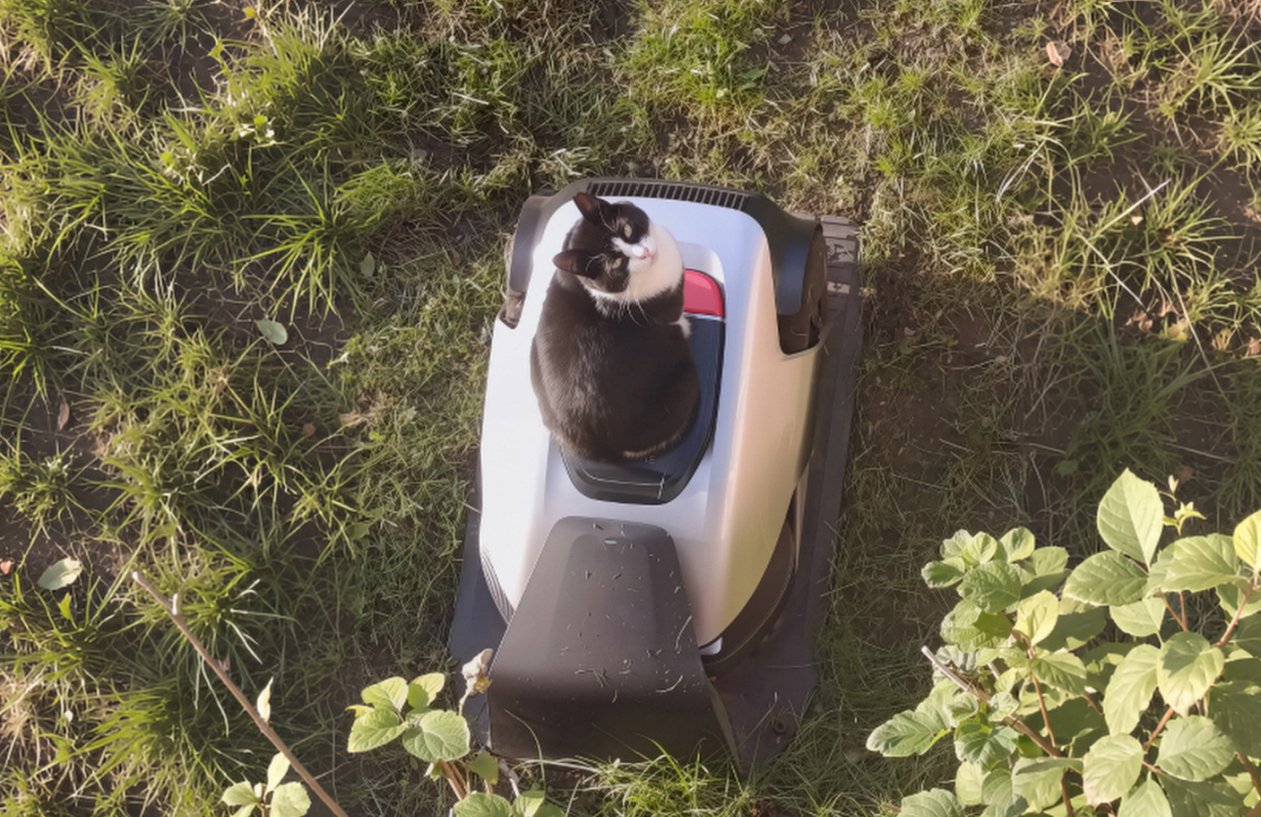
其AI赋能的3D全向避障能力,能够识别包括猫、狗在内的300余种庭院障碍物。在用户的分享中,我们可以看到猫咪安然坐在割草机器人上搭“顺风车”,或是机器人与院子里的小动物们和平共处的画面。这些美好的瞬间生动诠释了它带来的安全感 —— 不再是一个需要被隔离的危险机器,而是一个懂得避让、可以信赖的家庭伙伴。

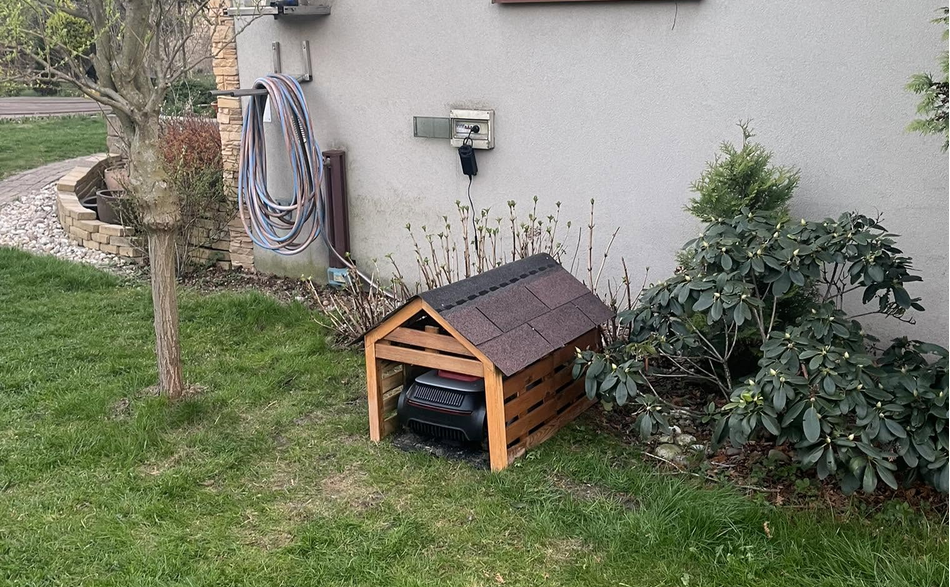
此外,用户为割草机器人搭建专属“车库”的行为,更是情感投射的极致体现。无论是简约的金属棚,还是温馨的木质小屋,这些“家”的设立,体现了用户主动为这位“家庭成员”赋予的身份和归属。它在工作时是勤劳的园丁,在休息时是庭院里一个安静的守护者。这种陪伴感,在日复一日的相处中让庭院生活多了一份安心与期待。

从解放双手的智能管家,到激发创意的社交明星,再到默默陪伴的家庭成员,追觅割草机器人通过物理AI的深度应用,将硬核技术转化为柔软的生活体验。它证明了:真正的科技普惠,从来不在于冰冷参数的堆砌,而在于它如何悄无声息地融入日常,让生活变得更美好、更有趣、更有温度。

注:文/龚作仁,文章来源:Laborer,本文为作者独立观点,不代表亿邦动力立场。

文章来源:Laborer

广告
微信
朋友圈

FAQ回顾

追觅割草机器人搭载的感知系统有什么特点?

追觅割草机器人搭载OmniSense™3.0融合感知系统,融合3D激光雷达与AI视觉,具备70米超远探测距离与360°全向感知能力,无需预埋边界线,可厘米级精准区分草坪、花坛与小径,能在复杂庭院场景中自如穿行。

使用追觅割草机器人需要提前做复杂部署吗?

追觅割草机器人搭载AI赋能的自动边界设定功能,无需用户进行预埋边界线等繁琐部署,开箱即可自主识别草坪边缘、绘制庭院地图,不管是复杂地形还是多区域管理场景,都能实现"无边界"自由作业。

追觅割草机器人相比传统割草工具有什么优势?

传统庭院割草需要完成繁琐布线、持续现场监督,还存在各类安全隐患,追觅割草机器人可实现自动作业、低电量自动回充、极端天气自主躲避,能为用户带来省心、放心、安心的无感庭院养护体验。

追觅割草机器人能提供哪些情绪价值?

追觅割草机器人具备AI 3D全向避障能力,可识别300余种庭院障碍物,能与宠物等和平共处,还支持个性化装扮、定制割草图案,兼具社交属性与陪伴属性,被不少用户视为家庭伙伴。

这么好看,分享一下?

朋友圈 分享

APP内打开

赞 +1
+1
微信好友 朋友圈 新浪微博 QQ空间
关闭
收藏成功
发送
/140 0