





广告
加载中

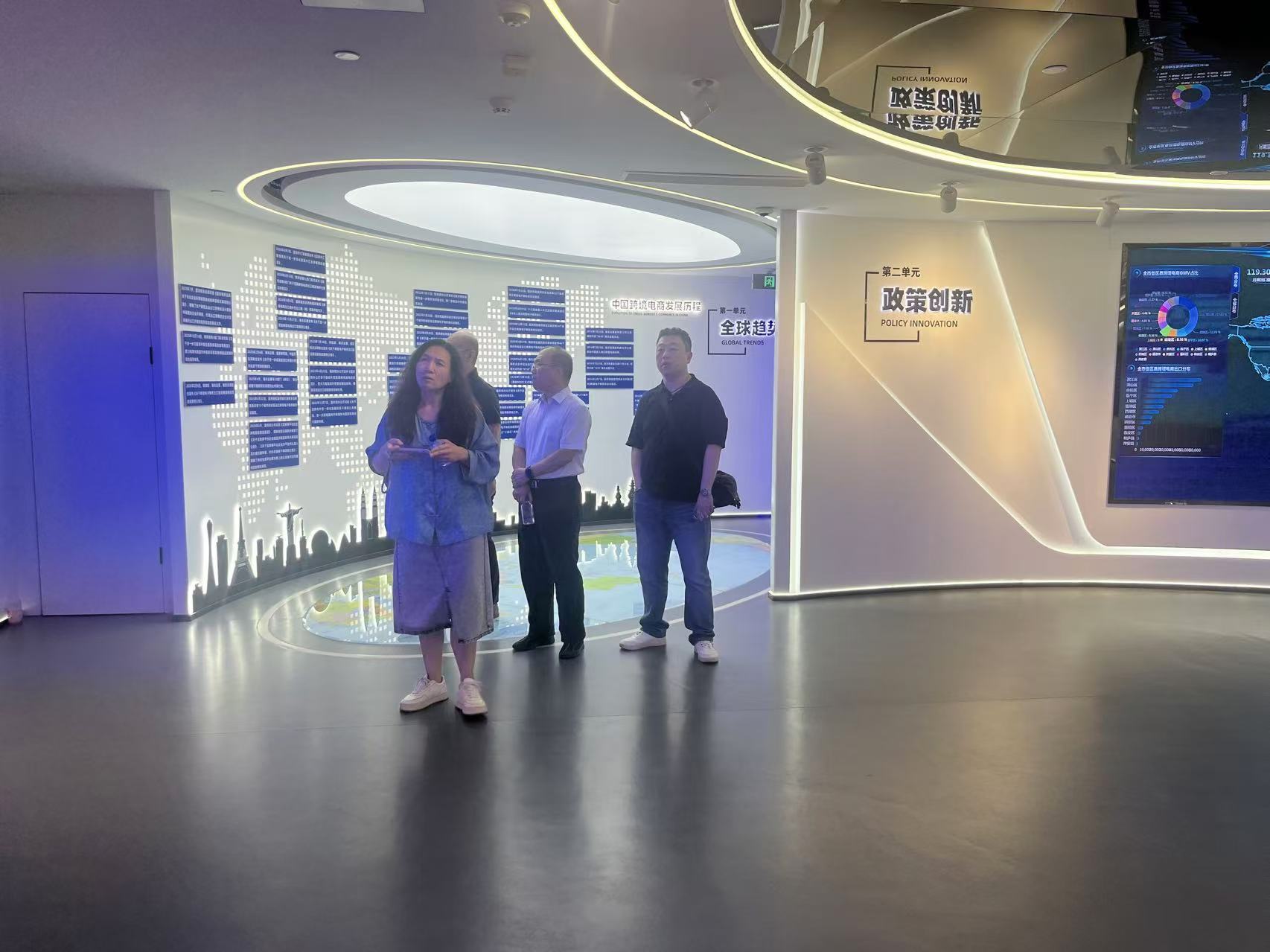
中国国际经济交流中心 来访全球跨境电商知识服务中心

亿邦动力 2026-08-22 16:45
亿邦动力 2026/08/22 16:45

邦小白快读

EN
全文速览

本文核心内容是杭州举办美国本地化服务赋能跨境电商高质量发展专题分享会,为跨境电商从业者提供了多方面实操干货,具体如下:

1. 活动基本信息清晰,该活动于4月21日在杭州全球跨境电商知识服务中心举办,核心目的是提升跨境电商企业的新平台开拓能力与国际化合规经营能力,推动全行业高质量发展。

2. 活动分享内容贴合从业者实际需求,本次活动邀请美国本地平台及服务领域专家,围绕新平台入驻、税务合规、知识产权保护、库存资源化利用等从业者关注的核心问题,结合实际案例与落地经验做系统解析,能够帮助从业者解决实际经营问题。

3. 介绍了国内首个跨境电商城市产业知识公共服务平台,该平台可长期为从业者提供行业知识与实践经验支持。

本次专题分享会为布局美国市场的跨境品牌商提供了多维度实用支持,贴合品牌出海的核心需求,具体干货如下:

1. 针对品牌出海美国的核心痛点提供解决方案,围绕新平台入驻、税务合规、知识产权保护等品牌布局美国市场的关键环节,专家结合落地案例做实务解析,帮助品牌商明晰合规要求,保护自有品牌知识产权,规避经营风险。

2. 助力品牌商拓展增长空间,分享内容可帮助品牌商优化经营结构,掌握多平台布局的实操经验,进一步打开美国市场的增长渠道。

3. 品牌商可依托本次活动承办单位全球跨境电商知识服务中心,长期获取跨境电商发展的知识理论与实践经验,持续支撑品牌的国际化布局,把握行业发展趋势。

本次分享会为想要开拓美国市场的跨境卖家输出了诸多贴合实际经营的干货,涵盖机会、风险、经验多个层面,具体如下:

1. 明确了美国市场的增长机会,当前卖家可通过多平台布局拓展增长空间,活动针对新平台入驻提供了一线实操经验,帮助卖家快速切入美国新平台,降低试错成本。

2. 梳理了美国市场经营的核心风险与应对方法,针对卖家最容易踩坑的税务合规、知识产权保护两大领域,专家结合实际案例做解析,帮助卖家提前规避风险,避免不必要的经营损失。

3. 分享了库存资源化利用的落地经验,帮助卖家优化库存管理,提升资金利用率,同时卖家可依托公共知识服务中心持续获取最新行业信息,把握市场变化机会。

本次分享会为想要布局跨境电商出海的工厂,提供了转型方向与商业机会相关的干货,具体内容如下:

1. 指明了工厂跨境转型的发展方向,当前跨境电商已经进入高质量发展阶段,工厂想要开拓美国市场,必须提升新平台开拓能力与合规经营能力,才能抓住市场红利实现增长。

2. 解决了工厂出海的核心环节问题,本次分享围绕新平台入驻、合规运营、库存管理等工厂出海初期面临的核心问题,输出了落地经验,帮助想要做自有品牌出海的工厂少走弯路,快速切入美国市场。

3. 工厂可依托全球跨境电商知识服务中心的公共资源,获取推进数字化转型和电商化运营的专业经验,优化自身经营结构,抓住跨境出海的商业机会,拓展新的增长曲线。

本次分享会为跨境电商领域的服务商传递了行业趋势、客户痛点与可参考的解决方案,干货内容如下:

1. 明确了行业发展的新趋势,当前国内跨境电商企业加速开拓美国市场,对美国本地化专业服务的需求持续增长,这是服务商业务增长的新赛道,可提前布局挖掘市场机会。

2. 梳理了客户的核心痛点,当前跨境企业开拓美国市场,核心痛点集中在新平台入驻流程不清晰、本地税务合规不熟悉、品牌知识产权保护不到位、库存利用率偏低四个方面,这些都是服务商可切入的核心需求点。

3. 本次分享的专家结合实际案例总结的落地解决方案,可为服务商服务客户提供参考,同时服务商还可与全球跨境电商知识服务中心合作,依托公共平台对接客户,拓展自身业务规模。

本次分享会对布局中国卖家资源的跨境平台,尤其是美国本地平台,传递了多项有价值的信息,核心干货如下:

1. 明晰了中国卖家对平台的核心需求,大量中国跨境卖家有拓展美国多平台布局的需求,也面临着合规、运营层面的诸多痛点,平台想要吸引中国卖家,必须配套本地化服务能力,解决卖家的实际问题,才能提升招商效果。

2. 提供了有效的招商参考模式,本次活动组织美国本地平台专家近距离对接中国卖家,面对面分享经验,是非常高效的招商方式,可提升平台在国内卖家群体中的认知度,精准对接意向客户。

3. 平台商可与国内的跨境电商公共知识服务平台合作,依托公共平台的资源对接能力,开展招商、运营知识输出,降低对接成本,同时规避信息差带来的合作风险,提升开发中国卖家市场的效率。

本次分享会透露出中国跨境电商产业的诸多新动向、新商业模式,对产业研究有较高的参考价值,核心内容如下:

1. 呈现了产业发展的新动向,中国跨境电商已经从规模扩张的高速发展阶段转向高质量发展阶段,企业的需求从做流量转向合规化、本地化布局,美国本地化服务已经成为当前跨境电商出海的核心需求,是产业发展的新方向。

2. 呈现了创新的产业公共服务商业模式,国内首个跨境电商城市产业知识公共服务平台,由地方政府、行业机构联合打造,形成了产业打卡地、创新观察哨、跨境会客厅三位一体的公共服务功能,这种官产学研结合的公共服务模式,为产业公共服务体系建设提供了新的研究样本。

3. 提出了产业发展的新问题,当前中国企业出海美国,依然在合规、知识产权、库存运营等方面存在大量需要解决的问题,为产业研究提供了新的课题方向。

返回默认
声明:快读内容全程由AI生成,请注意甄别信息。如您发现问题,请发送邮件至 run@ebrun.com 。

我是 品牌商 卖家 工厂 服务商 平台商 研究者 帮我再读一遍。

Quick Summary

This article covers a thematic seminar on US localization services enabling high-quality cross-border e-commerce development held in Hangzhou, which delivered actionable practical insights for cross-border e-commerce practitioners. Key takeaways are as follows:

1. Hosted on April 21 at the Hangzhou Global Cross-Border E-Commerce Knowledge Service Center, the event was designed to improve cross-border e-commerce companies’ capabilities in exploring new platforms and operating in compliance with international rules, so as to drive high-quality development across the industry.

2. The sharing content was tailored to practitioners’ actual needs. Experts from local US platforms and the service industry gave systematic analysis of core concerns including onboarding for new platforms, tax compliance, intellectual property protection, and inventory resource utilization, combining real cases and on-the-ground experience to help practitioners solve practical operational problems.

3. The event also introduced China’s first public knowledge service platform for cross-border e-commerce urban industries, which will provide long-term support to practitioners with industry knowledge and hands-on experience.

This thematic seminar provides multi-dimensional practical support for cross-border brands entering the US market, aligned with the core needs of brands going global. Key insights are as follows:

1. It offers solutions to core pain points for US market expansion. Experts analyzed key links of US market entry including new platform onboarding, tax compliance, and intellectual property protection with on-the-ground cases, helping brands clarify compliance requirements, protect their own IP, and mitigate operational risks.

2. It helps brands unlock new growth: the shared insights enable brands to optimize their operational structure, master practical experience in multi-platform layout, and further expand growth channels in the US market.

3. Brands can access long-term support in cross-border e-commerce theory and practical experience from the event host, the Global Cross-Border E-Commerce Knowledge Service Center, to sustain their international expansion and keep up with industry trends.

This seminar delivers a wealth of practice-focused insights for cross-border sellers looking to enter the US market, covering opportunities, risks and experience. Key takeaways are as follows:

1. It clarifies growth opportunities in the US market: sellers can expand growth through multi-platform layout, and the event shared first-hand practical experience on new platform onboarding to help sellers quickly enter new US markets and cut trial-and-error costs.

2. It outlines core risks of operating in the US and corresponding countermeasures. Experts analyzed the two most common pitfalls for sellers—tax compliance and intellectual property protection—with real cases to help sellers avoid risks in advance and prevent unnecessary operational losses.

3. It shares actionable experience in turning inventory into usable resources, helping sellers optimize inventory management and improve capital utilization. Sellers can also access the latest industry updates through the public knowledge service center to capitalize on market changes.

This seminar provides actionable insights on transformation directions and business opportunities for factories looking to enter cross-border e-commerce and go global. Key takeaways are as follows:

1. It points out the development direction for cross-border transformation of factories. Cross-border e-commerce has now entered a stage of high-quality development; to tap the US market and capture growth dividends, factories must improve their capabilities in new platform exploration and compliant operations.

2. It solves core problems factories face in the early stage of going global, delivering on-the-ground experience for core issues including new platform onboarding, compliant operations, and inventory management, to help factories building their own brands avoid detours and enter the US market quickly.

3. Factories can access professional experience in digital transformation and e-commerce operations through public resources from the Global Cross-Border E-Commerce Knowledge Service Center, optimize their operational structure, capture cross-border business opportunities, and unlock new growth curves.

This seminar shares insights on industry trends, client pain points and reference solutions for cross-border e-commerce service providers. Key takeaways are as follows:

1. It clarifies new industry trends: domestic Chinese cross-border e-commerce companies are accelerating their US market expansion, driving sustained growth in demand for US-localized professional services. This is a new growth track for service providers, who can布局 ahead to tap market opportunities.

2. It outlines core client pain points: for Chinese cross-border companies entering the US, core pain points are unclear new platform onboarding procedures, unfamiliarity with local tax compliance rules, inadequate IP protection, and low inventory utilization—all are core demand areas service providers can target.

3. The actionable solutions summarized by experts from real cases can serve as a reference for service providers when serving clients. Service providers can also partner with the Global Cross-Border E-Commerce Knowledge Service Center to connect with clients through the public platform and expand their business scale.

This seminar delivers multiple valuable insights for cross-border platforms targeting Chinese sellers, especially US-local platforms. Key takeaways are as follows:

1. It clarifies Chinese sellers’ core demands for platforms: a large number of Chinese cross-border sellers want to expand multi-platform layout in the US, while facing multiple pain points in compliance and operations. To attract Chinese sellers, platforms must build localized service capabilities to solve sellers’ practical problems and improve recruitment results.

2. It provides an effective reference recruitment model: organizing in-person connections between US local platform experts and Chinese sellers for face-to-face experience sharing is a highly efficient recruitment approach that can boost platforms’ brand recognition among domestic sellers and connect them accurately with意向 clients.

3. Platforms can partner with China’s public cross-border e-commerce knowledge service platform to leverage the public platform’s resource matching capabilities for seller recruitment and operational knowledge sharing. This reduces connection costs, mitigates cooperation risks caused by information asymmetry, and improves the efficiency of developing the Chinese seller market.

This seminar reveals multiple new trends and innovative business models in China’s cross-border e-commerce industry, with high reference value for industrial research. Key insights are as follows:

1. It presents new industry development trends: China’s cross-border e-commerce has shifted from a high-speed growth phase focused on scale expansion to a high-quality development phase. Corporate demand has shifted from chasing traffic to compliant, localized layout, and US-localized services have become a core demand for cross-border e-commerce going global, representing a new direction for industry development.

2. It presents an innovative public service business model for the industry: China’s first public knowledge service platform for cross-border e-commerce urban industries is co-developed by local governments and industry institutions, integrating three core public service functions: industry gathering space, innovation observation post, and cross-border networking hub. This government-industry-university-research integrated public service model provides a new research sample for building industrial public service systems.

3. It identifies new unaddressed issues for industry development: Chinese companies entering the US still face a large number of unsolved problems in compliance, intellectual property, inventory operations and other areas, which provide new research topics for industrial research.

Disclaimer: The "Quick Summary" content is entirely generated by AI. Please exercise discretion when interpreting the information. For issues or corrections, please email run@ebrun.com .

I am a Brand Seller Factory Service Provider Marketplace Seller Researcher Read it again.

6月1日,中国国际经济交流中心来访杭州全球跨境电商知识服务中心。在展厅,讲解员向来访专家介绍了跨境电商行业发展形势、中国跨境电商的发展历程,分享了杭州跨境电商综试区的创新政策、模式。


全球跨境电商知识服务中心由杭州跨境电商综试区、萧山区人民政府、萧山经济技术开发区、杭州信息港小镇、亿邦动力联合建设运营。中心作为跨境电商行业首个城市产业知识公共服务平台,已经形成了产业打卡地、创新观察哨、跨境会客厅三位一体的产业知识公共服务功能。中心将以促进跨境电商产业高质量发展为首要任务,立足杭州、服务全国、沟通世界,为全球跨境电商高质量发展持续输出有效的知识理论和实践经验。

本文首发于 亿邦动力 官方网站

文章来源:亿邦动力

广告
微信
朋友圈

FAQ回顾

跨境电商企业拓展美国市场需要关注哪些核心环节?

跨境卖家拓展美国市场需重点关注新平台入驻、税务合规、知识产权保护及库存资源化利用等核心环节,可借助美国本地领域专家的落地经验与案例指导优化经营结构,拓展多平台增长空间。

全球跨境电商知识服务中心有什么功能?

全球跨境电商知识服务中心是跨境电商行业首个城市产业知识公共服务平台,已形成产业打卡地、创新观察哨、跨境会客厅三位一体的产业知识公共服务功能,可为跨境电商发展输出知识理论和实践经验。

全球跨境电商知识服务中心由哪些单位建设运营?

全球跨境电商知识服务中心由杭州跨境电商综试区、萧山区人民政府、萧山经济技术开发区、杭州信息港小镇、亿邦动力联合建设运营,以促进跨境电商产业高质量发展为首要任务。

这么好看,分享一下?

朋友圈 分享

APP内打开

赞 +1
+1
微信好友 朋友圈 新浪微博 QQ空间
关闭
收藏成功
发送
/140 0

