广告
加载中

当方形传感器成为共识 大疆Osmo 360 II再探全景上限

龚作仁 2026-08-19 16:29
龚作仁 2026/08/19 16:29

邦小白快读

EN
全文速览

本文介绍了大疆最新发布的第二代全景相机Osmo 360 II的核心信息,普通消费者可以从中了解产品核心优势,判断是否符合自身需求。

1. 这款产品解决了过去全景相机“画面糊”“后期复杂”两大核心痛点,搭载行业已经达成共识的方形传感器,是经过三代技术打磨的产品,原生支持8K/60fps全景拍摄,达到14.5级动态范围,整机仅183克,轻量化设计,还支持用户自行更换镜片,耐磨抗造,适配运动场景需求。

2. 体验上新增了多项智能功能,主角跟随可自动锁定人物完成运镜构图,音频高光可自动标记精彩片段,搭配AI创意模板,拍完就能一键出片,大幅降低后期难度,不用花费大量时间调整剪辑。

3. 适合旅行记录、骑行运动等多个场景,可以完整记录整个现场,不会遗漏想要的画面,填补了普通相机没法同时记录拍摄者和场景的缺口。

本文展现了大疆在全景相机赛道的产品研发思路和品牌布局,可供消费电子品牌参考学习。

1. 产品研发层面,大疆从用户访谈出发,抓住了全景相机“糊”“后期难”两大卡死品类大众化的核心问题,没有走行业将就通用供应链的老路,敢于投入资源定制方形传感器、专用影像芯片,从底层器件层面解决问题,同时在参数设计上保持克制,不为好看的数字牺牲实际体验,在动态范围和拼接效果之间找到平衡点。

2. 品类布局层面,大疆没有追求用全景替代现有产品,而是将全景相机和原有Pocket、Action等产品做成互补的场景拼图,覆盖不同场景的用户需求,形成完整的产品矩阵。

3. 行业布局层面,大疆不局限于争夺现有小众市场的份额,而是推动行业解决核心痛点,共同做大整个全景品类市场,目前大疆线上市场销量占比已经达到56%,印证了这一思路的成功。

本文透露了全景相机赛道的最新发展变化,给卖家带来了明确的市场机会和经营参考。

1. 市场层面,方形传感器已经成为全景相机的行业共识,全景赛道从小众逐步走向大众化,暑期出行季是需求旺季,2026年暑期大疆Osmo 360线上销量占比已经达到56%,龙头品牌已经跑出,赛道整体增长潜力可观,值得卖家重点关注。

2. 消费需求层面,用户不再满足于凑合的参数和复杂的后期操作,更看重清晰画质和便捷出片体验,骑行等垂类场景已经成为全景相机的刚需场景,用户对耐磨、可换镜片、轻量化这些细节体验的要求越来越高。

3. 经营机会层面,卖家可以重点布局全景相机整机以及面向旅行、骑行等垂类场景的配套周边产品,选品时要主打“高清晰度”“便捷出片”这些核心卖点,跟进头部品牌的技术标准,抓住品类大众化的增长红利。

本文展现了消费级影像设备的产品设计趋势和市场机会,给影像设备相关工厂提供了不少参考方向。

1. 产品生产设计需求层面,全景相机已经从原来沿用手机通用器件的阶段,转向定制化底层器件的发展阶段,方形传感器成为行业统一标准,专用定制影像芯片成为新的核心需求,同时对镜头材质、减重工艺、结构设计都提出了新要求,玻塑混合非球面镜片、超硬金刚膜、可更换镜片结构都成为新的主流设计方向。

2. 商业机会层面,全景赛道正从小众走向大众化,市场需求持续释放,骑行等垂类需求增长明显,相关核心器件的生产订单会随之增长,工厂可以提前布局适配方形传感器、定制影像芯片的生产线,跟进新的设计要求,提前抢占订单。

3. 发展启示层面,工厂可以主动对接品牌方的创新需求,围绕用户痛点参与研发创新,不要局限于配套传统通用器件,围绕新的品类标准提前布局产能,抓住品类增长带来的红利。

本文梳理了全景相机行业的发展脉络和最新趋势,曝光了行业和用户的核心痛点,给影像相关服务商提供了发展参考。

1. 行业发展趋势层面,全景相机正在从小众品类走向大众化,方形传感器已经成为行业默认标准,技术路线已经清晰,当前行业正从标准制定阶段转向释放技术潜力阶段,对影像算法、智能后期剪辑服务、配套配件服务的需求都在持续提升,市场空间逐步扩大。

2. 核心痛点层面,C端用户的核心痛点是全景画面清晰度不足、后期剪辑复杂耗时,品牌端的核心痛点是原有通用器件无法满足新的用户需求,定制化器件研发风险高、周期长。

3. 业务方向层面,服务商可以针对全景相机开发更轻量化的智能剪辑工具,对接品牌方的定制化器件研发需求,还可以开发针对骑行、旅行等垂类场景的配套配件,比如适配的固定支架、自拍杆等,抓住品类增长带来的服务机会。

本文展现了全景相机赛道的最新发展情况,给数码类电商平台的招商和运营提供了明确参考方向。

1. 市场需求层面,全景相机正在从小众品类走向大众化,暑期出行等节点需求集中释放,骑行、旅行等场景需求明确,目前已经诞生了市占率超过50%的龙头品牌,赛道整体增长潜力大,是平台值得重点布局的增量品类。

2. 运营管理层面,平台可以在出行旺季推出全景相机专属促销活动,针对骑行爱好者、旅行用户等垂直人群做精准推送,打造全景相机专属专题专区,匹配用户的选购需求,同时可以引导商家突出“高清晰”“便捷出片”这些核心卖点,匹配用户核心需求。

3. 招商和风险规避层面,平台可以重点引入龙头品牌的新品,同时引入相关配套配件产品,完善品类供给,也可以关注跟进方形传感器新标准的新兴品牌,丰富品类布局,还要逐步清退不符合新标准、体验差的老旧产品,规避老产品带来的用户差评风险。

本文展现了全景相机产业的最新发展动向,给消费电子产业研究提供了典型案例和新的研究方向。

1. 产业新动向层面,全景相机产业结束了长期沿用通用供应链凑合发展的阶段,方形传感器成为行业新的默认标准,头部企业大疆凭借十二年全栈影像技术积累,通过三代技术逐步迭代,从定义行业标准到释放技术潜力,推动整个品类从小众走向大众化,目前大疆线上市占率已经达到56%,产业格局初步稳定。

2. 研发创新路径层面,头部企业没有从争夺现有小众市场份额出发,而是敢于投入资源解决品类的核心痛点,做大整个市场蛋糕,依靠全栈技术积累逐步推进产品升级,不靠堆砌参数,而是围绕用户体验做平衡优化,这种创新路径给小众消费电子品类破圈提供了新的样本。

3. 研究启示层面,本文验证了一个结论:小众品类的破圈不在于持续的外观微创新,而在于解决核心用户痛点,推动底层技术标准升级,才能带动整个品类增长,这对研究消费电子品类创新规律、后发企业领跑赛道的路径都有重要的参考价值。

返回默认

声明:快读内容全程由AI生成,请注意甄别信息。如您发现问题,请发送邮件至 run@ebrun.com 。

我是 品牌商 卖家 工厂 服务商 平台商 研究者 帮我再读一遍。

Quick Summary

This article introduces core details of DJI's newly released second-generation panoramic camera, the Osmo 360 II. It helps general consumers understand the product's key advantages and assess whether it meets their needs.

1. The Osmo 360 II addresses two long-standing pain points of panoramic cameras: blurry footage and complicated post-processing. Equipped with an industry-standard square image sensor, it is the result of three generations of product refinement. It natively supports 8K/60fps panoramic shooting, delivers a 14.5-stop dynamic range, weighs only 183 grams for a lightweight design, and allows users to replace lenses on their own. Its durable, scratch-resistant build is optimized for action sports scenarios.

2. It adds multiple new intelligent features to improve user experience: ActiveTrack automatically locks onto subjects to adjust framing; Audio Highlight automatically marks exciting clips; paired with AI creative templates, it enables one-click finished output after shooting, drastically cutting down post-production work and eliminating the need to spend hours on editing and adjustments.

3. It is ideal for travel recording, cycling and many other scenarios, capturing complete on-site footage without missing any desired content, and fills the gap left by standard cameras that cannot simultaneously record the photographer and their surrounding environment.

This article outlines DJI's product R&D strategy and brand positioning in the panoramic camera segment, offering valuable insights for consumer electronics brands.

1. On the product R&D front: Drawing insights from user interviews, DJI identified "blurry output" and "difficult post-processing" as two core issues blocking the mass adoption of panoramic cameras. Rather than relying on off-the-shelf general supply chains like most industry players, DJI invested heavily in custom-developed square sensors and dedicated imaging chips to solve the problem at the fundamental hardware level. Meanwhile, it took a measured approach to spec design, refusing to sacrifice real-world user experience for flashy benchmark numbers, and struck a careful balance between dynamic range and stitching quality.

2. On product portfolio strategy: DJI does not aim to replace existing product lines with panoramic cameras. Instead, it positions panoramic cameras as a complementary offering alongside its existing Pocket and Action series to build a full-scene product portfolio covering the needs of different use cases.

3. On industry positioning: Rather than just competing for share in the existing niche market, DJI is focused on solving the core pain points holding the segment back to expand the overall panoramic camera market. The strategy has already proven successful, with DJI holding a 56% share of online sales in the category.

This article breaks down the latest developments in the panoramic camera segment, outlining clear market opportunities and operational guidance for sellers.

1. From a market perspective: Square sensors have become the industry consensus for panoramic cameras, and the segment is gradually shifting from a niche category to the mass market. The summer travel season brings peak demand, and DJI Osmo 360 already held a 56% share of online sales by the 2026 summer travel season. With a clear leading brand already emerging, the segment offers strong overall growth potential and deserves sellers' focused attention.

2. From a consumer demand perspective: Users are no longer satisfied with mediocre specs and complicated post-processing. They prioritize clear image quality and effortless output. Vertical use cases such as cycling have become core demand scenarios for panoramic cameras, and users are increasingly demanding better experience details such as durability, replaceable lenses and lightweight design.

3. From a business opportunity perspective: Sellers can prioritize stocking panoramic cameras and complementary accessories targeted at vertical scenarios such as travel and cycling. When selecting products, highlight core selling points including "high-definition output" and "effortless one-click editing," align with the technical standards set by the leading brand, and capture the growth dividend brought by the category's mass-market expansion.

This article outlines product design trends and market opportunities for consumer imaging devices, offering actionable guidance for factories operating in the imaging space.

1. On product and design requirements: Panoramic cameras have moved beyond the era of repurposing general-purpose smartphone components, and are shifting toward custom-developed fundamental hardware. Square sensors have become the unified industry standard, and custom dedicated imaging chips have emerged as a new core requirement. The category also brings new demands for lens materials, weight-reduction processes and structural design: glass-plastic hybrid aspherical lenses, ultra-hard diamond coatings and replaceable lens structures are all becoming mainstream design directions.

2. On business opportunities: The panoramic segment is transitioning from niche to mass market, with demand continuing to grow and vertical needs such as cycling expanding rapidly. This will drive a corresponding increase in production orders for core components. Factories can prepare in advance by setting up production lines adapted for square sensors and custom imaging chips, align with new design requirements, and position themselves early to capture orders.

3. Key takeaways: Factories can proactively partner with brands to meet their innovation needs, participate in R&D centered on solving user pain points, move beyond supplying traditional general-purpose components, and prepare production capacity in line with new category standards to capture the dividend from category growth.

This article sorts out the development history and latest trends of the panoramic camera industry, identifies core pain points for both the industry and end users, and provides development guidance for imaging-related service providers.

1. On industry development trends: Panoramic cameras are evolving from a niche category to a mass-market product. Square sensors are now the de facto industry standard, and the technical development path is clear. The industry is shifting from the standard-setting phase to unlocking technological potential, driving steadily growing demand for imaging algorithms, intelligent post-editing services and supporting accessories, with market space expanding gradually.

2. On core industry pain points: For end consumers, the top pain points are low panoramic image clarity and time-consuming, complicated post-editing. For brands, the core challenges are that existing general-purpose components cannot meet new user demands, and custom component development carries high risk and long lead times.

3. On business direction: Service providers can develop lightweight intelligent editing tools specifically for panoramic content, partner with brands to meet their custom component R&D needs, and develop supporting accessories for vertical scenarios such as cycling and travel, such as compatible mounting brackets and selfie sticks, to capture service opportunities brought by category growth.

This article outlines the latest developments in the panoramic camera segment, providing clear guidance for digital e-commerce platforms on sourcing and operations.

1. On market demand: Panoramic cameras are transitioning from a niche category to mass market, with concentrated demand peaking during key events such as the summer travel season, and clear demand for use cases including cycling and travel. A leading brand with over 50% market share has already emerged, and the segment offers strong overall growth potential, making it a high-priority incremental category for platforms to focus on.

2. On operations management: Platforms can launch exclusive promotions for panoramic cameras during travel peak seasons, deliver targeted marketing to vertical groups such as cycling enthusiasts and travel lovers, build dedicated feature sections for panoramic cameras to match user shopping needs, and guide merchants to highlight core selling points such as "high definition" and "effortless output" to align with core user demands.

3. On merchant sourcing and risk mitigation: Platforms can prioritize sourcing new products from the leading brand, along with related complementary accessories to complete category offerings. They can also onboard emerging brands that align with the new square sensor standard to diversify category布局, and phase out older, sub-par products that do not meet the new standard to avoid the risk of user negative reviews.

This article presents the latest developments in the panoramic camera industry, providing a typical case study and new research directions for consumer electronics industry research.

1. On new industry trends: The panoramic camera industry has ended its long period of incremental development relying on general supply chains, and square sensors have become the new de facto industry standard. Leading player DJI, drawing on 12 years of full-stack imaging technology experience and three generations of iterative product development, has defined the new industry standard and unlocked its technological potential, driving the entire category from niche to mass market. DJI currently holds 56% of the online market, and the industry structure has initially stabilized.

2. On R&D and innovation paths: Rather than focusing on competing for share in the existing small niche market, the leading player invested heavily to solve core pain points limiting the category, growing the overall market pie. It leveraged full-stack technical expertise to roll out incremental product upgrades, avoided spec chasing, and optimized for balanced user experience. This innovation path provides a new template for niche consumer electronics categories to break into the mass market.

3. On research implications: This article validates a key conclusion: the breakthrough of a niche category does not depend on continuous incremental cosmetic innovation. Instead, it requires solving core user pain points and driving upgrades to fundamental technical standards to drive overall category growth. This conclusion has significant reference value for research on innovation rules in consumer electronics categories, and the path for latecomers to take the lead in a new segment.

Disclaimer: The "Quick Summary" content is entirely generated by AI. Please exercise discretion when interpreting the information. For issues or corrections, please email run@ebrun.com .

I am a Brand Seller Factory Service Provider Marketplace Seller Researcher Read it again.

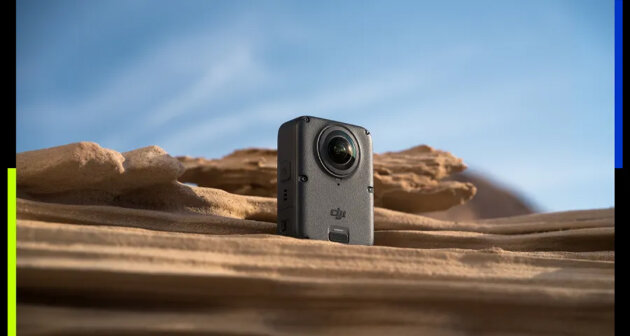
8月13日晚,大疆发布第二代全景相机Osmo 360 II。

一年前,初代Osmo 360带着行业首创的方形传感器入场,把全景视频第一次带进原生8K。一年后,Osmo 360 II把这套底层能力向前推了一大步:一颗为8K/60fps而生的全新影像平台,一条被整体升级的影像链路,以及一整套让“拍完就能出片”的智能玩法。

这不是一次常规的参数升级。如果说初代回答的是“大疆能不能做一台旗舰全景相机”,那么当方形传感器开始被越来越多厂商采用、成为这个品类新的默认值时,Osmo 360 II要回答的,是一个更难的问题:一个拥有完整影像技术栈的公司,能把全景这条长期小众的赛道,带到多高的位置。

一枚方形传感器 改写了一个赛道的默认值

全景相机的魅力从不难理解:普通相机只能记录镜头前方,全景相机能把你所在的整个世界一起收进来。但很长一段时间里,它始终是个小众品类——不少人买回去拍了几次,又因为“不好用”把它闲置。

大疆在立项前做过大量用户访谈,结论集中在两点:一是拍出来糊,尤其后期重新构图之后看不清;二是后期太复杂,拍的时候很爽,回家却要一帧一帧地调视角,慢得让人失去耐心。

“糊”和“难”,把全景挡在了主流之外。

糊的根子,在底层器件。大疆手持影像负责人解释,市面上绝大多数全景相机沿用的是为手机、相机设计的4:3矩形传感器,而全景成像用到的只是中间能内接的那个圆形区域,两侧近四分之一的面积既不参与成像,又白白占去体积、功耗和成本。芯片同样是沿用手机方案,而手机芯片的规格顶格大约是4K/120fps,换算成全景的吞吐量正好是8K/30fps。

于是,为了把这点吞吐榨干,行业凑出了5.7K/60fps这样一个奇怪的分辨率——它不是谁的错,而是整个品类长期“将就”通用供应链的产物,且多年无人去改。对多数厂商来说,这几乎是唯一划算的选择:为一个尚且小众的品类专门定制器件,意味着数倍的研发周期与人力、资金投入,还要承担几乎没有前例可循的风险。在一个以快速迭代为常态的硬件市场里,这笔账很难算得过来。

大疆的做法,是回到成像的物理本质:既然全景用到的是一个圆,就没必要迁就一块两侧留白的矩形。三年前,大疆在行业首创了一颗等效1英寸全景影像的方形传感器,把浪费的两侧删掉、让圆形像场完整内切,使传感器的有效利用率提升约四分之一;并重新分配像素,把高度方向从3K切到4K,最终做到双镜头原生4K+4K=8K、无需上采样,同时保住2.4μm的大像素。初代Osmo 360由此把全景从“拍得全”推到“拍得清”。

一个更耐人寻味的变化发生在之后:这颗当初“费力不讨好”的方形传感器,开始被行业跟进。

谈及如何看待同行采用同样的思路,大疆手持影像负责人并没有把它讲成一场胜负。他更愿意谈的是另一件事——在一个还很小的市场里争夺份额,意义有限;真正决定这个品类能不能长大的,是有没有人去解决“糊”和“难”这两个根本问题。

“如果没人站出来去攻这些根本问题,只是出些外观件、情绪件,永远在原有盘子里打转,对整个大盘不会有什么推进。”

这也回应了一个常被误读的问题:把画质和性能的上限往上推,究竟是为了满足少数发烧友,还是为了让更多人用得舒服?在大疆看来,答案恰恰是后者。全景之所以走不进大众,正是因为“糊”和“难”;而要让画面在后期重新构图后依然清晰,就必须有更高的原生分辨率打底;要让人拍完不必埋头剪一小时,就必须有足够的算力去承载智能取景和自动成片。

上限不被推高,大众化就无从谈起——“我们做设计的时候,产品和参数不会放在第一页。”他说,比起某一项数字更漂亮,他更在意一套方案能不能真正改变用户的体验。

领跑者的底气 来自一条走了十二年的路

大疆能在一个自己“迟到”的品类里迅速领跑标准,并非偶然。把时间拉长会发现,全景只是它十二年影像积累最新的一个出海口。

从灵眸Osmo到今天,大疆的手持影像走着两条并行的路。一条深耕专业:从初代如影,到能稳稳承载电影机的如影2,再到把电影级增稳下放到微单的如影S与DJI RS,直到高度一体化的如影4D——大疆用这条线,第一次从一个“工具的提供者”,变成了“工作流的领跑者”。这套增稳技术的分量,有两个来自行业高处的注脚:如影系列在2024年拿到艾美奖,又在2025年拿到奥斯卡科学与技术奖。

另一条则拥抱大众:2015年,灵眸Osmo开创了一体化手持云台相机品类,Osmo Pocket把旗舰影像塞进口袋,Osmo Action首创运动相机正面屏,让自拍与监看变得便捷。

这些积累并没有各自停留在自己的产品线里。当大疆决定做全景时,可以直接调用的,是一整套已经被反复验证过的影像能力。

具体到全景,大疆的路径并非从零起步。“大疆对全景影像的探索,是一条一脉相承的技术积累。”大疆新闻发言人这样概括——从无人机上的拼接算法,到初代首创方形CMOS,再到Avata 360验证拼接的稳定,每一步,都在为今天的Osmo 360 II打地基。

最早的全景拼接算法,其实是在无人机上磨出来的。无人机拍摄的全景照片,要在高空、大风、机身持续移动的条件下,把多帧画面拼成一张完整的天地,对算法稳定性的要求极高——全景真正的地基,是在天上打下的。

随后,这套能力被迁移到手持形态,配合方形传感器,成就了初代Osmo 360。

而全景无人机Avata 360的出现,又把算法送回天上做了一轮极限检验:穿越机钻洞、钻墙、钻窗的画面里,远近景拼接的破绽格外容易暴露,把这些在飞行强度下逐一攻克,也就为地面的高速场景提前备好了方案。

更重要的是,它能在低速、中速、高速之间真实还原各种运动状态,为算法提供了地面场景难以覆盖的完整样本。

这样算下来,Osmo 360 II虽然是Osmo 360系列的第二代产品,身上却已经是第三代全景影像技术了——先有无人机上打下的算法地基,再有初代Osmo 360与全景无人机Avata 360两轮打磨,传感器画质、拼接算法与智能体验这三条线,到这一代才第一次被同时用满。

Osmo 360 II的升级 从更高的参数,到体验的质变

如果说大疆用初代全景相机把标准立了起来,Osmo 360 II要证明的,就是这套标准的潜力究竟能被释放到什么程度。

升级从影像平台开始。Osmo 360 II搭载了一颗为全景专门打造的新一代影像平台,从设计之初就是奔着8K/60fps去的。行业里也有靠多颗芯片叠加算力的做法,但那往往是因为单颗算力不足、只能拼凑;而这颗芯片一开始就把全景的需求整体考虑了进去,省去了多颗之间协同、抢资源的麻烦。

为什么非要做到8K/60fps?一个务实的理由是:这是一条别人没有动力走的路。

“对消费级影像设备来说,能拍4K/120fps就已经很高了,要额外做到8K/60fps,得付出很大的芯片面积代价,投入产出不划算。”大疆手持影像负责人说,“但如果大疆不去做,可能业内少有厂商会往这个方向走。”

而60fps之于50fps,也远不只是多了10帧——如今手机、平板、电脑大多是60Hz或120Hz高刷,播放50帧素材时,系统每5帧就要补1帧,画面会有一种隐隐的卡顿;被高刷“喂”惯了的眼睛,对这点格外敏感。

8K/60fps,让全景影像第一次在主流屏幕上“顺”了起来。算力抬上去之后,一连串能力跟着水涨船高:慢动作从上一代的4K/100fps提到240fps,静止延时从8K做到16K,时空凝固与HDR照片也都因为算力富余而更从容。

另一处需要反复权衡的,是14.5级动态范围的取舍。传感器本身的DCG上限约为13.5档;Osmo 360 II之所以能把全景HDR推到14.5级,靠的是让前后两颗镜头独立曝光——拍摄者举着自拍杆,一面要保住自己的人脸曝光,另一面可能对着高光的天空,两面各取合适的曝光,画面的层次才能同时留住。难点在于,曝光差一旦拉大,后期拼接时重叠区域的亮度和色彩就容易“接不上”。

“14.5这个数字,不是随便定的——不是15、16、17,而是我们在动态范围和拼接可融合之间反复权衡后,找到的那个平衡点。”他回忆,直到发布前一个月,团队还在反复测试不同的曝光组合,寻找那个既能把动态范围拉开、又不会让画面拼不干净的临界点。这是一种颇为克制的选择:不为一个更好看的数字,牺牲画面拼得干净这件更要紧的事。

细节上的打磨同样不少。镜头外镀的二代超硬金刚膜,能经受住2000次钢丝绒摩擦测试;并且从这一代起,用户可以自行更换镜片,不必再寄回门店——对经常磕碰镜头的骑行、滑雪用户来说,这是个实在的改变。

重量则是另一处不显眼的功夫。全景相机大多架在自拍杆上,机身每重一克,都会被杠杆放大;不少运动用户还喜欢把它固定在头盔或下巴上,重心一高就容易坠头、挡视线。为了把一颗要覆盖这么大像场的镜头做轻,团队大量采用玻塑混合非球面镜片,在保证解析力的前提下,实现整体的轻量化;再配上矮胖的机身造型压低重心,最终把整机做到183克。

这些“用满”指向同一件事:当方形传感器成为共识,真正拉开差距的不再是谁拥有它,而是谁能把它的潜力释放到极致。

不怕漏拍,也不用运镜 当专业内容开始大众化

全景相机与生俱来的一个特点是,它记录的不是一个被预设好的画面,而是一整个现场。镜头方向不必在按下录制前就想好,构图可以留到事后再定——这本是全景尤为迷人的地方,却也一直是它极其容易被劝退的地方。

大疆手持影像负责人有一个尖锐的判断:全景之所以长期做不过运动相机和口袋相机,恰恰因为它太依赖“盲拍”——拍的时候把所有活儿都甩给后期,而后期成了纯粹的负担。“平常大家希望剪15分钟就出片,全景一搞就是半小时、一小时。”

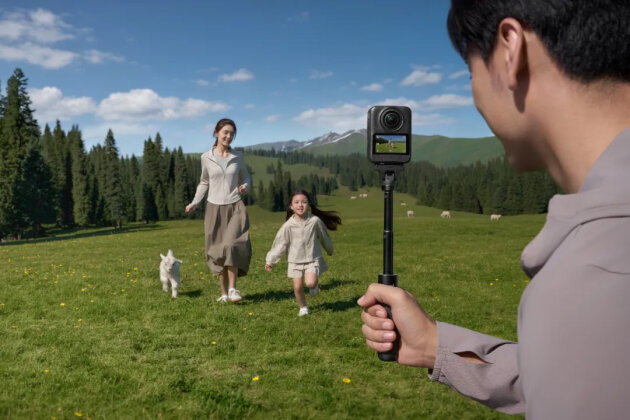
Osmo 360 II的解法,是让相机把取景和运镜该干的活儿先干掉。新增的“主角跟随”模式下按下录制,相机会自动在360°画面里锁定人脸,连同运镜与构图一起记进素材;若注册过人脸,它会优先跟住“我”。拍完连上App,一键就能导出一段始终跟着主角的平面视频,不必再一帧帧滑动挑选。

而它并没有因此丢掉全景的可能性——整个360°空间依旧被完整记录,想要前拍、左拍、右拍的视角,后期再花一点点精力去取即可。除此之外,音频高光功能可以通过识别笑声、欢呼声等声音线索,自动为素材打标,直接定位素材里的高光场景;AI创意模板也让素材导入后可以快速套出成片。这些玩法让后期变得更轻,把过去需要经验和时间才能完成的剪辑,压缩成几步操作。

“相当于拥有一个360度的跟拍导演。”在大疆手持影像负责人看来,这才是这台相机真正想做的事:更专业的拍摄能力负责把现场完整、清晰地留住,更丰富的后期玩法负责把成片这件事变简单——那些工具性的活儿,交给相机。

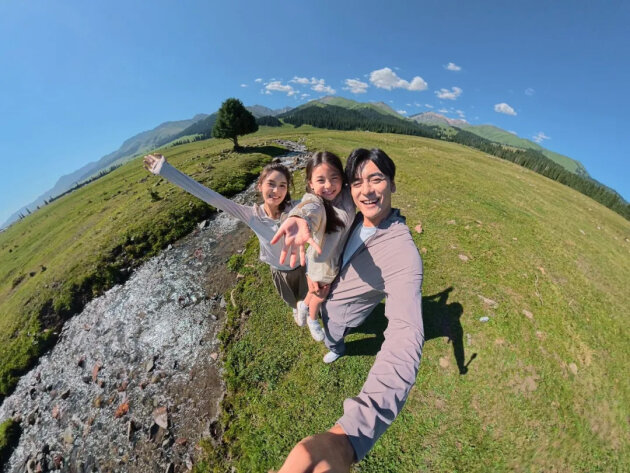
支撑这个判断的,是一些很具体的用户瞬间。大疆团队在用户访谈里反复听到同一类故事:一个人出门旅行,一路帮同伴拍了个遍,回来发朋友圈才发现,晒的全是风景和别人,唯独少了自己。“经常是发朋友圈的时候才发现,就差一个我。”而有了全景,拍别人的同一刻,另一面一定同时留下了“我自己”的样子。

团队还讲过一个更动人的场景:过生日时,大家都在拍寿星,而当寿星把相机接过来,他对面其实站满了来祝福的朋友——把视角转到对面,就留住了“这个年岁里,可能再也没法重新聚齐”的那群人。所谓“每一面,都是大场面”,说的正是这件事:被记录下来的不只是镜头对准的那个人,还有他身后的整个现场。

值得一提的是,大疆并不想用一台全景相机去替代所有设备。在它的设想里,Pocket、Action与全景更像针对不同场景的互补拼图:去出游也许是Pocket配Osmo 360,去运动也许是Osmo 360配Action,各产品各司其职,体验反而更好。

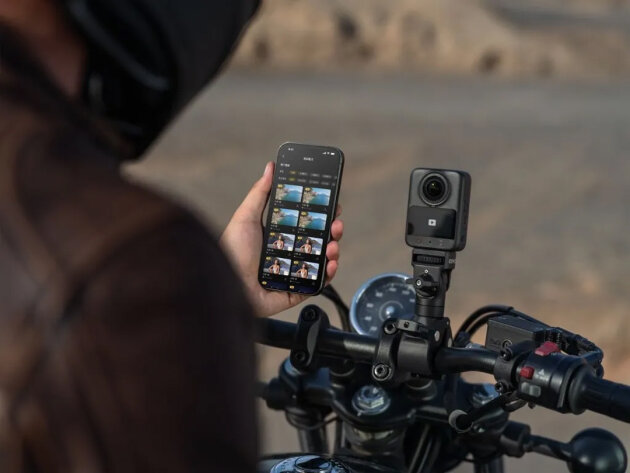
而在一些垂直人群里,这种“把整个现场都记下来”的能力已经近乎刚需——摩托车骑行就是全景相机极大的细分垂类,骑行时双手不能离把,沿途的风景、路况乃至突发状况,都没办法用手机随手记下;而一台全景相机可以把整段路程连同前后左右一并留存,既是记录,也是一份行车凭证。身为摩友的产品经理去线下活动时发现,几乎每辆车上都挂着一个。

这种体感也能从市场数据中得到印证。暑期出行季往往是全景相机全年需求最旺的窗口,出游、骑行等高频场景集中释放,具有代表性;洛图科技(RUNTO)数据显示,2026年暑期出行季(第29-32周),大疆Osmo 360在线上市场的销量占比约为56%。

从“重新定义形态”到“领跑影像上限”,大疆用三代技术,把方形传感器这件事讲完了一个完整的循环:2025年,Osmo 360把标准立起来,全景无人机Avata 360又把它带上天空;如今,当标准成为共识之后,Osmo 360 II则进一步回答“谁能发挥到极致”。

但在大疆看来,这条线并没有终点。全景仍有大量值得解决的问题,而问题越多,恰恰意味着可做的事越多。

这也是“探索上限”的真正含义:它不是为了一个更漂亮的数字,而是为了让更多人愿意举起这台相机。当旗舰画质、便携与一整套生态,连同“让每个人都能轻松拍出大场面”的野心,被装进一台183克的全景相机里,那个最初的问题也就有了方向——一个拥有完整影像技术栈的公司来做全景,究竟会把这个品类带到哪里?答案还没有边界,而探索仍在继续。

注:文/龚作仁,文章来源:Laborer,本文为作者独立观点,不代表亿邦动力立场。

文章来源:Laborer

广告
微信
朋友圈

FAQ回顾

大疆Osmo 360 II有哪些核心升级?

Osmo 360 II搭载专为8K/60fps打造的新一代影像平台,支持14.5级动态范围,慢动作、延时摄影参数均有提升;新增主角跟随、音频高光、AI创意模板等智能玩法,降低后期剪辑门槛;镜头支持用户自行更换,整机重量仅183克,使用更便携。

全景相机采用方形传感器有什么优势?

传统矩形传感器用于全景成像时仅中间圆形区域有效,近四分之一面积被浪费还占用功耗与成本。方形传感器可让圆形像场完整内切,有效利用率提升约四分之一,可实现双镜头原生8K成像,大幅提升全景拍摄清晰度,目前已成为行业共识。

大疆Osmo 360系列全景相机市场表现如何?

根据洛图科技数据,2026年暑期出行季(第29-32周),大疆Osmo 360在线上全景相机市场的销量占比约为56%,在骑行、出游等高频场景受到用户广泛欢迎。

全景相机适合哪些场景使用?

全景相机适合出游记录、滑雪/骑行等运动拍摄、亲友聚会纪念等场景,可360度记录完整现场,无需提前调整镜头方向,后期可自由调整构图,还可作为骑行等场景的行车凭证使用。

这么好看,分享一下?

朋友圈 分享

APP内打开

+1
+1
微信好友 朋友圈 新浪微博 QQ空间
关闭
收藏成功
发送
/140 0