广告
加载中

机载AI走向行业生产力:大疆机载AI创新挑战大赛获奖名单揭晓

龚作仁 2026-08-19 16:24
龚作仁 2026/08/19 16:24

邦小白快读

EN
全文速览

本文主要介绍了大疆主办的2026机载AI行业应用创新挑战大赛的获奖结果,梳理了当前机载AI和低空经济的发展现状,核心干货如下:

1. 本次大赛历时三个月,面向全球各类开发者开放征集,经过多轮评审共选出15个获奖方案,覆盖交通、电力、农业、生态环保、应急救援等数十个行业细分场景,印证了机载AI已经从技术概念落地为行业生产力,低空经济正式进入算力驱动的AI发展新阶段。

2. 大疆为机载AI开发者提供了完整的开发支持,包括轻量高算力的妙算3硬件、端云协同开发架构,还有配套开发白皮书、开发者社区技术服务,同时提出数据保护三不原则,全方位保障开发者的数据安全和创新收益。

3. 目前我国低空经济规模已经达到1.5万亿元,预计2035年将突破3.5万亿元,配合新修订施行的民用航空法,行业正处于政策红利释放的快速发展期,未来增长空间广阔。

本文为布局低空经济与机载AI领域的品牌商提供了多维度的行业参考干货,核心内容如下:

1. 行业发展趋势方面,当前低空经济已经进入AI驱动的升级阶段,无人机从单纯的数据采集工具进化为智能决策终端,深度融入各行各业的常态化作业,2025年国内市场规模已达1.5万亿元,2035年预计突破3.5万亿元,叠加新民航法施行的政策红利,行业增长空间巨大。

2. 产品研发方向方面,行业用户更需求贴合细分场景的定制化AI方案,要求具备“感知-认知-决策-处置”全链路智能化能力,通用型AI方案已经无法满足差异化的一线作业痛点。

3. 品牌生态建设方面,大疆采用深度开放的生态路线,开放技术底座和算力资源,拉低开发门槛,同时通过明确数据保护规则保障开发者收益,这种共建共享的生态思路值得品牌商参考。

本文为想要布局机载AI与低空经济领域的卖家整理了相关机会、风险和实操参考,核心干货如下:

1. 政策与市场机会方面,新修订的《中华人民共和国民用航空法》已经于今年7月1日施行,低空经济进入政策红利释放的关键窗口期,AI能力已经成为行业差异化竞争的核心,市场对落地的机载AI方案需求旺盛,增长空间十分广阔。

2. 需求变化方面,从农业、交通、电力等通用场景到桥梁巡检、大气污染溯源等细分场景,都存在对定制化全链路智能方案的需求缺口,一线从业者开发的方案更适配真实痛点。

3. 实操参考方面,卖家可以依托大疆开放的算力平台、配套开发支持降低开发门槛,将自身行业经验转化为落地方案,优质项目还可获得生态认证绿色通道等权益;数据安全是核心风险,可以参考大疆数据保护三不原则,保障自身的创新收益。

本文为想要切入低空经济赛道的工厂提供了产品方向、商业机会和数字化转型的参考干货,核心内容如下:

1. 产品生产和设计需求方面,机载AI对硬件的核心需求是高算力、小型轻量化,比如大赛核心硬件妙算3,实现了100TOPS算力仅120克重量,可适配主流无人机飞行平台,这是相关硬件产品的核心研发方向。

2. 商业机会方面,当前各个行业细分场景对机载AI方案的需求缺口极大,从电力缺陷识别、桥梁裂缝检测到农业作物清点、应急搜救都有未被满足的需求,工厂可结合自身制造能力对接场景需求,也可为生态提供适配的硬件产品。

3. 数字化转型启示方面,工厂不需要从零搭建AI技术底座,可以依托开放平台提供的算力、开发文档和技术支持,降低数字化转型门槛,将自身积累的行业经验转化为智能化产品,推进企业的数字化升级,切入万亿级低空经济赛道。

本文为服务低空经济领域的服务商梳理了行业趋势、客户痛点和可落地的解决方案参考,核心干货如下:

1. 行业发展趋势方面,机载AI已经完成了从技术概念到行业生产力的落地,无人机正式从数据采集工具升级为智能决策终端,是推动低空经济高质量发展的核心引擎,随着政策红利释放,未来行业对机载AI服务的需求会持续增长。

2. 客户核心痛点方面,不同行业甚至同一行业的不同细分场景,都存在差异化的作业痛点,通用型标准化AI方案无法适配一线作业流程,客户迫切需要贴合真实需求的定制化智能方案,解决传统作业效率低、误差大的问题。

3. 业务布局参考方面,当前主流技术方向是端侧高算力+云端智能协同的架构,服务商可以依托大疆开放的平台、配套开发资料和技术支持降低开发门槛,针对客户需求打造全链路智能化方案,同时可参考数据保护三不原则,保障客户数据安全,建立信任基础。

本文为布局低空经济生态的平台商提供了生态建设、运营管理和风险规避的参考干货,核心内容如下:

1. 市场需求方面,开发者对平台的核心需求是低门槛的技术底座、完善的开发配套支持,行业客户需要可复制、适配细分场景的AI方案,所有参与者对数据安全都有极高的要求。

2. 平台运营可借鉴的做法方面,平台可采用深度开放的底层逻辑,开放自身算力底座和开发环境,发布配套的开发文档白皮书,配套开发者社区和技术支持,拉低不同技术背景开发者的入场门槛;还可以通过举办创新赛事的方式,发掘全球范围内的优质项目和方案,对优质项目给予生态认证绿色通道等权益,吸引开发者入驻。

3. 风险规避方面,平台需要将数据安全放在核心位置,明确数据保护规则,可参考大疆提出的数据保护三不原则,从规则层面保障开发者和客户的数据安全与创新收益,建立行业信任基础,规避数据安全相关的合规风险。

本文为研究低空经济和机载AI产业的研究者提供了最新的产业动态和研究参考,核心干货如下:

1. 产业新动向方面,当前机载AI已经完成从技术概念到行业生产力的落地,低空经济正式进入算力驱动的AI发展阶段,无人机实现了从数据采集工具到智能决策终端的转型,行业正处于新民航法施行后,政策红利释放与基础设施建设并行的关键窗口期。

2. 新商业模式方面,当前行业已经形成了“开放平台+一线开发者定制”的创新商业模式,由平台方提供技术底座、算力硬件和开发支持,由熟悉一线业务流程的开发者负责定制适配细分场景的AI方案,实现技术底座与行业认知的结合,解决了通用方案不适配痛点的老问题。

3. 产业新问题与研究方向方面,数据安全已经成为影响产业创新的核心问题,需要明确规则保障开发者的创新收益;政策层面,新民航法已经释放了制度红利,后续还需要进一步完善低空基础设施建设,支持开放生态发展,推动机载AI技术持续落地,带动万亿低空经济高质量发展。

返回默认
声明:快读内容全程由AI生成,请注意甄别信息。如您发现问题,请发送邮件至 run@ebrun.com 。

我是 品牌商 卖家 工厂 服务商 平台商 研究者 帮我再读一遍。

Quick Summary

This article presents the award results of DJI-hosted 2026 Onboard AI Industry Application Innovation Challenge, and outlines the current development status of onboard AI and the low-altitude economy. Key takeaways are as follows:

1. Held over three months and open to global developers, the competition selected 15 winning solutions after multiple rounds of review, covering dozens of industry scenarios including transportation, power, agriculture, ecological conservation, and emergency rescue. The outcome confirms that onboard AI has evolved from a technical concept to tangible industry productivity, marking that the low-altitude economy has officially entered a new development phase driven by AI computing power.

2. DJI provides comprehensive development support for onboard AI developers, including the lightweight high-computing Manifold 3 hardware, an edge-cloud collaborative development architecture, supporting development whitepapers, and technical services via its developer community. It also introduced the "Three No's" data protection principle to fully safeguard developers' data security and innovation returns.

3. China's low-altitude economy already has a market size of 1.5 trillion yuan, which is projected to exceed 3.5 trillion yuan by 2035. Coupled with the implementation of the newly revised Civil Aviation Law, the industry is currently in a period of rapid growth driven by policy dividends, with broad room for future expansion.

This article provides multi-dimensional industry insights for brands looking to enter the low-altitude economy and onboard AI sectors. Key takeaways are as follows:

1. In terms of industry development trends, the low-altitude economy has now entered an AI-driven upgrading phase. Drones have evolved from pure data collection tools to intelligent decision-making terminals that are deeply integrated into routine operations across various industries. China's domestic market size reached 1.5 trillion yuan in 2025 and is projected to exceed 3.5 trillion yuan by 2035. Combined with policy dividends from the implementation of the new Civil Aviation Law, the industry offers enormous growth potential.

2. For product R&D directions, industry users increasingly demand customized AI solutions tailored to specific segmented scenarios, with full-link intelligent capabilities covering "perception, cognition, decision-making and execution". General-purpose AI solutions can no longer address the differentiated pain points of frontline operations.

3. For brand ecosystem building, DJI adopts a deeply open ecosystem strategy by opening up its technical base and computing resources to lower development barriers, while protecting developers' returns through clear data protection rules. This co-creation and sharing approach offers valuable reference for brands.

This article summarizes opportunities, risks and practical guidance for sellers looking to enter the onboard AI and low-altitude economy sectors. Key takeaways are as follows:

1. In terms of policy and market opportunities, the newly revised Civil Aviation Law of the People's Republic of China came into effect on July 1 this year, bringing the low-altitude economy into a critical window of policy dividend release. AI capability has become the core of differentiated competition in the industry, and market demand for deployable onboard AI solutions is strong with broad growth space.

2. In terms of changing demand, there is an unmet gap for customized full-link intelligent solutions ranging from general scenarios such as agriculture, transportation and power to specialized scenarios such as bridge inspection and air pollution source tracing. Solutions developed by frontline industry practitioners are better aligned with real on-ground pain points.

3. For practical guidance, sellers can leverage DJI's open computing platform and supporting development resources to lower development barriers, and convert their industry experience into deployable solutions. High-quality projects can also access benefits such as green channels for ecosystem certification. Data security is a core risk, and sellers can reference DJI's "Three No's" data protection principle to safeguard their innovation returns.

This article provides reference on product direction, business opportunities and digital transformation for manufacturers looking to enter the low-altitude economy track. Key takeaways are as follows:

1. In terms of product design and manufacturing requirements, the core hardware demands for onboard AI are high computing power, small size and light weight. For example, Manifold 3, the core hardware for the challenge, delivers 100TOPS of computing power at a weight of only 120 grams, and is compatible with mainstream drone flight platforms, defining the core R&D direction for related hardware products.

2. In terms of business opportunities, there is currently a huge unmet demand for onboard AI solutions across a wide range of industry segmented scenarios, from power defect identification and bridge crack detection to crop counting and emergency search and rescue. Manufacturers can align their production capabilities with scenario demands, or supply compatible hardware products for the ecosystem.

3. For digital transformation insights, manufacturers do not need to build an AI technology base from scratch. They can leverage the computing power, development documentation and technical support provided by open platforms to lower the barrier to digital transformation, convert their accumulated industry experience into intelligent products, advance enterprise digital upgrading, and enter the trillion-yuan low-altitude economy track.

This article outlines industry trends, customer pain points and deployable solution references for service providers operating in the low-altitude economy sector. Key takeaways are as follows:

1. In terms of industry development trends, onboard AI has completed its transition from a technical concept to real industry productivity, and drones have officially upgraded from data collection tools to intelligent decision-making terminals, becoming the core engine driving high-quality development of the low-altitude economy. With the release of policy dividends, industry demand for onboard AI services will continue to grow in the future.

2. Regarding core customer pain points, different industries and even different segmented scenarios within the same industry have distinct operational pain points. General-purpose standardized AI solutions cannot adapt to frontline operational workflows, and customers urgently need customized intelligent solutions tailored to real needs to solve the problems of low efficiency and high error rates in traditional operations.

3. For business layout references, the current mainstream technical direction is an architecture combining high edge-side computing power and cloud intelligent collaboration. Service providers can leverage DJI's open platform, supporting development materials and technical support to lower development barriers, build full-link intelligent solutions tailored to customer needs, and reference the "Three No's" data protection principle to safeguard customer data security and build a foundation of trust.

This article provides reference on ecosystem building, operation management and risk mitigation for platform operators building a low-altitude economy ecosystem. Key takeaways are as follows:

1. In terms of market demand, developers' core requirements for platforms are a low-barrier technology base and complete development supporting resources, while industry customers need replicable AI solutions adapted to segmented scenarios. All participants place extremely high demands on data security.

2. For replicable platform operation practices, platforms can adopt a deeply open underlying logic by opening up their computing base and development environment, releasing supporting development documentation and whitepapers, and offering developer communities and technical support to lower entry barriers for developers with different technical backgrounds. Platforms can also host innovation competitions to discover high-quality projects and solutions from around the world, and offer benefits such as ecosystem certification green channels to outstanding projects to attract developers to join.

3. For risk mitigation, platforms need to prioritize data security and establish clear data protection rules. They can reference DJI's "Three No's" data protection principle to safeguard the data security and innovation returns of both developers and customers at the rule level, build industry trust, and avoid compliance risks related to data security.

This article provides the latest industry updates and research references for researchers studying the low-altitude economy and onboard AI industry. Key takeaways are as follows:

1. Regarding new industry trends, onboard AI has now completed its transition from a technical concept to industry productivity, and the low-altitude economy has officially entered a development phase driven by AI computing power. Drones have completed the transformation from data collection tools to intelligent decision-making terminals, and the industry is currently in a critical window where policy dividends are being released and infrastructure construction is progressing following the implementation of the new Civil Aviation Law.

2. In terms of new business models, the industry has formed an innovative "open platform + frontline developer customization" business model: platform providers provide the technology base, computing hardware and development support, while developers familiar with frontline business processes create customized AI solutions adapted to segmented scenarios. This model combines the technical base with industry expertise to solve the long-standing problem that general-purpose solutions fail to match on-ground pain points.

3. Regarding new industry issues and research directions, data security has become a core issue affecting industry innovation, and clear rules are needed to protect developers' innovation returns. On the policy side, while the new Civil Aviation Law has unlocked institutional dividends, further improvements to low-altitude infrastructure are needed to support the development of open ecosystems, facilitate the continuous deployment of onboard AI technology, and drive the high-quality development of the trillion-yuan low-altitude economy.

Disclaimer: The "Quick Summary" content is entirely generated by AI. Please exercise discretion when interpreting the information. For issues or corrections, please email run@ebrun.com .

I am a Brand Seller Factory Service Provider Marketplace Seller Researcher Read it again.

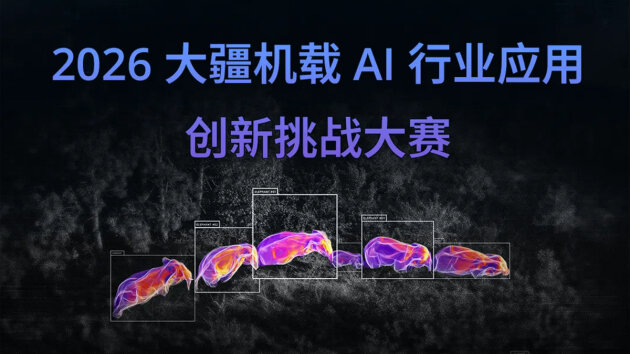
近日,由DJI大疆创新发起并承办的“2026大疆机载AI行业应用创新挑战大赛”正式揭晓获奖名单。参赛作品涵盖交通、电力、农业、生态环保、应急救援等场景,大赛历时三个月投稿征集与多轮评审筛选,15项来自全球的行业应用方案脱颖而出,分获“最佳机载智能模型奖”与“行业智能化示范奖”。

从识别路面违停,到清点农田作物,追溯大气污染源头,参赛作品见证了机载AI正从“技术概念”走向“行业生产力”, 低空经济正加速迈入算力驱动的“AI时刻”。

从“采集数据”到“理解世界”:一场全球参与的机载AI行业赛事

“以往,我们关注如何更精准地采集数据。现在,我们要让飞行平台理解它所看到的世界。”大赛官网的这句开篇导语,正是这场赛事的核心理念。自2026年初启动以来,大赛围绕机载智能算法、妙算3 及云端智能算法展开,面向全球企事业单位、高校科研院所、开发者团队及个人开放,要求参赛方案须基于DJI Matrice 4系列、Matrice 4D系列、机场3(含Matrice 4D系列)、Matrice 400或妙算3 平台开发,并包含可部署于无人机端或妙算3 平台的机载AI算法。

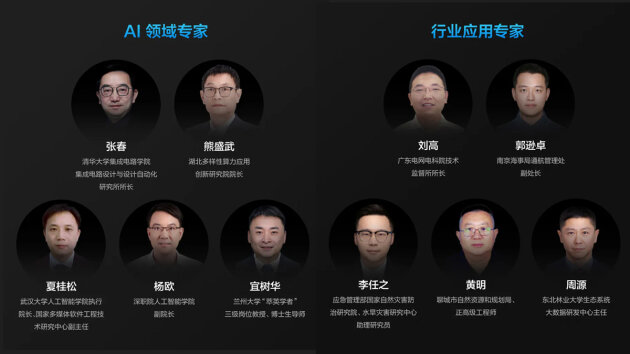
大赛的评审阵容由10名来自AI应用及无人机行业应用领域的专家组成,涵盖高校、科研机构、民航、自然资源、应急管理、电力等领域。其中包括清华大学集成电路学院集成电路设计与设计自动化研究所所长张春、武汉大学人工智能学院执行院长夏桂松、深圳职业技术大学人工智能学院院长杨欧、广东电网公司电力科学研究院技术监督所所长刘高等。

经过投稿征集和多轮评审,最终产生“最佳机载智能模型奖”5项、“行业智能化示范奖”10项。获奖方案既覆盖农业、交通、电力、生态保护等高频行业场景,也有延伸至桥梁、公共安全、水域巡检等更加细分的作业需求,为机载AI的行业应用提供了可复制的“参考答案”。

五项“最佳机载智能模型奖”,聚焦高价值刚需场景

在本届大赛最高奖项“最佳机载智能模型奖”的5 个获奖项目中,交通巡检、电力运维、生态保护、城市治理等赛道均有代表性方案胜出,且普遍呈现出“感知 - 认知 - 决策 - 处置”全链路智能化的特征。

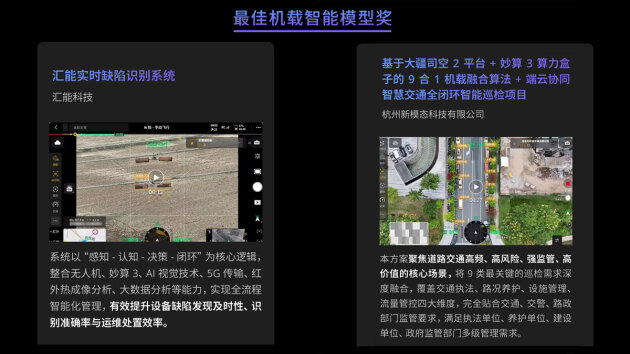
汇能科技的“汇能实时缺陷识别系统” 应用于电力运维场景,以“感知—认知—决策—闭环”为核心逻辑,整合无人机、妙算3、AI视觉、5G传输、红外热成像与大数据分析,实现电力设备全流程智能化管理,显著提升缺陷发现的及时性与识别准确率。

杭州新模态科技有限公司的“基于大疆司空2 平台 + 妙算3 算力盒子的9 合1 机载融合算法 + 端云协同智慧交通全闭环智能巡检项目”,将9 类巡检需求深度融合,覆盖交通执法、路况养护、设施管理、流量管控四大维度,面向交通、交警、路政等部门的多级监管与作业需求。

中科北纬的“自然保护地自动化生态监测与管护方案” 则聚焦禁牧过牧管控、鸟类栖息地监测、旗舰兽类保护三大场景;城安智联的“机载多类模型与AI智能体一体化协同作业方案” 在大疆机场3 +Matrice 4TD的自动航线作业中,实现违停识别、飞控调整、近距离抓拍、证据回传和工单闭环;奥视苍穹的“消防通道违停智能检测” 能大面积完成地面消防通道巡查并实现实时预警。

十项“行业智能化示范奖”,勾勒智能作业新范式

10项“行业智能化示范奖”进一步延展了机载AI的应用边界。

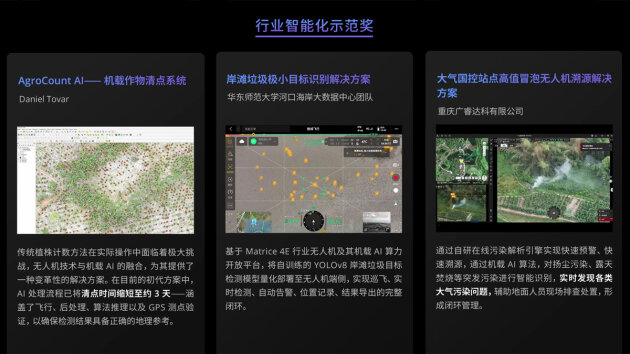
在农业领域,Daniel Tovar的“AgroCount AI机载作物清点系统”将传统植株清点时间缩短至约3 天,覆盖飞行、后处理、算法推理与GPS测点验证全流程;兰州大学草上飞团队的“经纬牧瞳”,以无人机+AI打造高寒草地放牧监测系统,为政府监管、保险核验、生态预警与科研提供多重价值。

在生态环保领域,华东师范大学河口海岸大数据中心团队的“岸滩垃圾极小目标识别”,将自训练的YOLOv8模型量化部署至Matrice 4E端侧,实现巡飞、实时检测、自动告警、位置记录、结果导出的完整闭环;重庆广睿达科的“大气国控站点高值冒泡溯源方案”,通过机载AI智能识别扬尘、露天焚烧等突发污染,实时发现各类大气污染问题,辅助现场排查处置。

在基础设施领域,武汉孪创的“点云芯盒”依托妙算3 与Matrice 400实现点云数据采集、解算到应用的全流程闭环;尚特杰的“光伏智能AI巡检方案”以红外+可见光双通道覆盖掉串、二极管故障、热斑、翻落、碎裂五类缺陷;桥检大师的“桥梁精细裂缝AI识别”可识别优于0.1毫米的细小裂缝,助力市政管养“快检快处”。

在公共安全与应急领域,深圳市公益救援志愿者联合会的“多算法融合无人机搜救目标检测系统”,以“AI初筛+人工确认”升级搜救作业链;天巡智鉴的“电动车头盔实时检测告警系统”秒级识别未佩戴头盔并同步高清抓拍取证;木牛河图算法团队的“无人机巡检算法方案”对水域钓鱼人员、火灾隐患、蓝藻等异常目标自动识别、定位与告警。

深度开放定制AI场景,全面释放各领域作业潜能

获奖方案之所以能精准命中行业的差异化痛点,背后是大疆一套“深度开放”的底层逻辑——将模型开发和行业场景适配的空间交给开发者,让熟悉一线业务的人能够围绕真实需求定制AI能力。

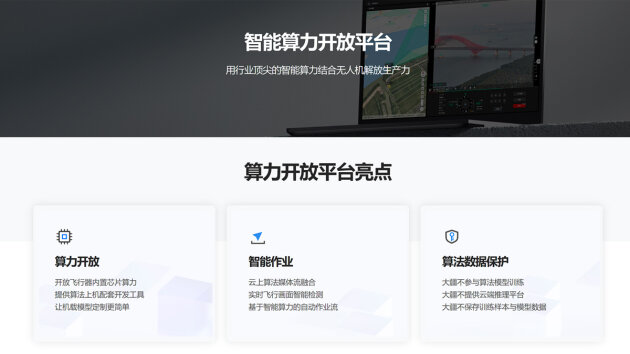
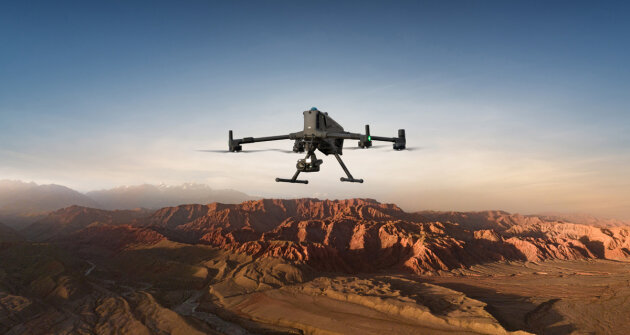
作为大赛的核心硬件平台,妙算3 将100 TOPS的澎湃算力装进重量仅约120克的轻小机身中,且可挂载至Matrice 400及 Matrice 4系列飞行平台,将充沛算力应用于飞行、云台和相机控制。开发者利用其便捷的开发环境,为能源巡检、公共安全等场景开发高性能端侧应用。

与此同时,大疆构建了“端—云”协同链路,基于司空2 的高清、低延迟媒体流通道,无人机直播可与自建云端推理服务快速打通,实现远程实时查看检测结果与自动告警。端侧算力+云端智能的互补,进一步拓展了复杂场景下的智能化作业能力。

开赛期间,大疆同步发布《大疆机载智能算法开发白皮书》《妙算3 机载智能算法开发白皮书》等配套文档,结合开发者社区、技术支持等服务,让不同技术背景的团队都能快速上手机载AI的开发。

只有深耕业务一线的团队,才能定制最贴合需求的AI作业方案。纵观获奖团队,既有深耕电力运维一线的行业科技企业,也有扎根河口海岸研究的高校科研团队,还有奋战在搜救一线的公益组织。他们最清楚现场的作业流程、真实的痛点难点,以及一线的效率诉求。当开放的算力平台拉低了技术门槛,行业经验便能快速转化为AI能力与落地方案。

当技术底座与行业认知实现双向奔赴,机载AI不再是脱离现场的 “通用标准件”,而是适配每一个细分场景的 “定制化工具”, 进一步释放不同领域的作业潜能。

机载AI驱动成产业升级,赋能万亿低空经济高质量发展

中国民航局数据显示,2025年我国低空经济市场规模已达1.5万亿元,预计2035年市场规模有望突破3.5万亿元。在这一进程中,AI能力正成为差异化竞争的核心分水岭,无人机从“数据采集工具”进化为“智能决策终端”,深度融入城市治理、能源运维、应急救援、生态保护等各行各业的常态化作业流程。

大疆始终以开放的算力与平台,来推动低空经济生态的共建共享。本次赛事的获奖方案将收录于《机载算力方案手册》并面向全量客户展示,同时享受生态认证绿色通道等相关权益。安全与信任是开放的基石,大疆在其智能算力开放平台以及《大疆机载智能算法开发白皮书》中也明确提出数据保护的“三不原则”承诺——不参与算法模型训练、不提供云端推理平台、不保存训练样本与模型数据,从根本上保障开发者的数据安全与创新收益。

新修订的《中华人民共和国民用航空法》已于今年7月1日开始施行,低空经济进入政策红利释放与基础设施建设并行的关键窗口期。机载AI已不再局限于赛场内的技术比拼,并成为低空经济从“能飞”迈向“慧飞”的核心引擎,持续为低空经济的高质量发展注入新动能。

注:文/龚作仁,文章来源:Laborer,本文为作者独立观点,不代表亿邦动力立场。

文章来源:Laborer

广告
微信
朋友圈

FAQ回顾

机载AI可以应用在哪些行业场景?

机载AI可广泛应用于交通巡检、电力运维、农业生产、生态环保、应急救援、城市治理、基础设施巡检、公共安全等领域,可实现缺陷识别、作物清点、污染溯源、目标搜救、裂缝检测等智能化作业,大幅提升各行业作业效率。

大疆妙算3有什么核心性能优势?

大疆妙算3机身重量仅约120克,搭载100TOPS澎湃算力,可挂载至Matrice 400及Matrice 4系列飞行平台,适配飞控、云台、相机控制等能力,支持开发者便捷开发能源巡检、公共安全等场景的高性能端侧AI应用。

我国低空经济市场规模发展情况如何?

根据中国民航局数据,2025年我国低空经济市场规模已达1.5万亿元,预计2035年市场规模有望突破3.5万亿元,机载AI技术将成为低空经济从“能飞”向“慧飞”发展的核心引擎。

大疆机载AI开发的数据安全保障措施有哪些?

大疆明确提出数据保护“三不原则”:不参与算法模型训练、不提供云端推理平台、不保存训练样本与模型数据,从根本上保障开发者的数据安全与创新收益。

这么好看,分享一下?

朋友圈 分享

APP内打开

赞 +1
+1
微信好友 朋友圈 新浪微博 QQ空间
关闭
收藏成功
发送
/140 0