广告
加载中

亚马逊全球开店发布“华北产业带联合赋能计划” 两年培育逾50家亿级标杆新卖家

亿邦动力 2026-08-13 11:06
亿邦动力 2026/08/13 11:06

邦小白快读

EN
全文速览

本文核心信息是亚马逊全球开店在青岛召开的卖家大会上,正式发布了“华北产业带联合赋能计划”,有明确的落地安排和目标,同时点明了当前华北卖家出海的核心问题,干货信息清晰。

1. 核心目标:未来两年亚马逊将围绕华北十大特色产业带,孵化500家出海品牌卖家,培育超过50家亿级标杆新卖家,此前亚马逊已经和山东省商务厅合作,带动山东数百个代工品牌完成出海转型,验证了模式可行性。

2. 当前华北卖家出海普遍面临三大挑战:产品具备竞争力但没有品牌影响力,无法沉淀用户信任;站点布局过度集中,抗风险能力弱;各类运营工具没有系统化跑通,拉低了运营效率和销售表现。

3. 计划围绕标杆培育、分类支持、区域特色合作三个方向推进,为卖家提供全链路的出海支持。

本文针对想要出海的华北品牌商,释放了明确的扶持政策,点明了品牌出海的方向和可获得的支持,契合品牌商多维度的需求。

1. 基础优势明确:华北多个细分产业带已经在全球形成竞争优势,胶州假发占全球高端真人发市场40%以上份额,天津武清地毯出口占全国四成,产业基础扎实,品牌出海有产品支撑。

2. 可获得系统化品牌化支持:亚马逊针对品牌出海提供从趋势洞察、路径规划到合规保障、专属激励的全链路支持,还构建了三层服务网络,提供常态化培训、服务商陪跑优惠,解决品牌商缺出海方法的核心痛点。

3. 分类支持适配不同品类品牌:工业品品牌可解决大件物流售后痛点,还能对接全球超1100万企业机构买家;消费品品牌可根据发展阶段匹配对应流量入口和运营支持,还可拓展多站点降低经营风险。

本文针对华北跨境出海卖家,明确了最新的官方扶持政策,点出了当前存在的问题和未来的增长机会,有较强的指导意义。

1. 最新扶持政策:亚马逊推出“华北产业带联合赋能计划”,未来两年将培育50家亿级标杆新卖家,为卖家提供三层服务协作网络:亚马逊专班提供常态化培训和实操方案,SPN服务商提供陪跑服务和优惠,数字化渠道可随时对接所需资源,全链路覆盖开店到运营全流程。

2. 现存问题与风险提示:当前多数华北卖家存在三个核心问题,没有品牌沉淀用户信任、站点布局单一抗风险差、运营工具没有打通拉低效率,卖家需要针对性优化,提前布局多站点分散风险。

3. 不同类型卖家都有匹配的成长机会,工业品卖家可解决大件出海痛点,对接海量B端买家,消费品卖家可匹配对应流量和运营服务,路径清晰。

本文为华北想要转型出海的制造工厂,明确了商业机会和落地支持方向,对工厂推进电商转型和数字化有较强启示。

1. 出海基础与机会明确:华北是我国重要的生产制造基地,多个细分类目已经占据全球较高市场份额,产品具备核心竞争力,完全有能力做全球品牌,目前缺的只是系统化出海方法,本次赋能计划正好匹配了这个需求。

2. 不同类型工厂可获得针对性支持:工程机械等大件品类工厂,可获得一站式物流、海外仓、售后解决方案,破解大件出海痛点;紧固件等工业品工厂,可获得场景化选品指导,帮助优化产品组合发掘整体需求;消费品类工厂可根据发展阶段获得差异化的成长通道。

3. 对工厂转型的启示:计划通过构建三层服务网络,帮助工厂对接物流、合规、ERP、代运营等各类资源,还可通过数字化渠道随时对接,降低了工厂对接资源的门槛,有助于工厂推进数字化和电商转型。

本文为跨境出海相关服务商,明确了华北产业带出海的行业发展趋势,点出了客户痛点和新的合作机会,有较高参考价值。

1. 行业发展趋势清晰:当前华北产业带跨境电商出海进入加速期,大量传统制造企业有品牌化出海转型的需求,本次计划未来两年将孵化500家出海品牌卖家,培育50家亿级标杆卖家,将带来大量新增客户需求,市场空间充足。

2. 客户核心痛点明确:当前出海企业普遍缺品牌运营能力、缺多站点布局经验、缺全链路运营工具整合能力,不同类型企业痛点不同:大件工业品缺物流售后解决方案,中小消费品缺运营资源和流量对接,服务商可针对性开发解决方案。

3. 明确的合作机会:亚马逊本次计划组建了SPN服务商网络产业带专项小组,涵盖物流、海外仓、金融、代运营等多类型服务商,加入专项小组可获得稳定客源,还可通过SPN服务商小程序直接对接企业需求,获得精准流量。

本文介绍了亚马逊全球开店针对产业带出海的最新做法,可供各类出海平台参考,明确了企业对平台的核心需求,可优化平台自身的招商和运营管理。

1. 企业对平台的核心需求:传统制造企业有品牌出海转型的意愿,但普遍缺乏系统化的出海方法和全链路资源支持,不同品类、不同发展阶段的企业需求差异较大,需要平台提供分层分类的针对性支持。

2. 可参考的最新运营做法:亚马逊采用“领头羊带动集群”的模式,先培育标杆卖家,再带动整个产业带规模化出海;同时构建三层服务协作网络,整合平台自有团队和第三方服务商资源,为企业提供常态化培训和陪跑服务,覆盖全流程需求。

3. 招商拓展可参考的模式:可以联动地方政府开展合作,结合地方产业特色落地专项服务,亚马逊和山东省商务厅合作,已经实现全省16市全覆盖,触达超两万家企业,同时针对不同区域的优势产业推出专项加速项目,提升招商效率。

本文呈现了当前跨境电商推动国内产业带品牌出海的最新动向,提供了一手案例和创新模式,对产业研究有较高价值。

1. 产业新动向:当前跨境电商平台已经从提供开店渠道,转向深度介入区域产业带的品牌出海转型,针对华北产业带推出系统化的联合赋能计划,探索出“政府政策引导+平台本地化服务”的联合模式,该模式已经在山东验证可行性,累计触达60多个产业带超两万家企业,带动上千家企业转型。

2. 产业发展出现的新问题:华北制造企业出海转型过程中,普遍面临三大共性问题:从代工转向品牌的过程中,缺乏品牌运营能力,无法沉淀用户信任;站点布局过度集中,抗风险能力弱;各类运营工具没有系统化打通,运营效率偏低。

3. 创新商业模式:本次计划推出的“标杆培育带动集群+分类分层支持”的赋能模式,针对不同品类、不同发展阶段的企业提供差异化支持,整合平台和第三方服务商资源构建全链路服务网络,是产业带出海的新探索,具备较高研究价值。

返回默认

声明:快读内容全程由AI生成,请注意甄别信息。如您发现问题,请发送邮件至 run@ebrun.com 。

我是 品牌商 卖家 工厂 服务商 平台商 研究者 帮我再读一遍。

Quick Summary

This article covers the key announcement from Amazon Global Selling’s seller conference held in Qingdao: the official launch of the "North China Industrial Belt Joint Empowerment Program", which comes with clear implementation arrangements and defined goals. It also outlines the core challenges North China sellers face when going global, with clear, actionable takeaways.

1. Core goals: Over the next two years, Amazon will incubate 500 cross-border brand sellers and cultivate more than 50 benchmark new sellers with annual sales exceeding RMB 100 million, focusing on 10 leading specialty industrial belts in North China. Amazon has already partnered with Shandong Provincial Department of Commerce to help hundreds of original equipment manufacturers (OEMs) in Shandong complete their go-global transformation, verifying the model’s feasibility.

2. Three common challenges for North China sellers going global: While their products are competitive, they lack brand influence to build long-term customer trust; over-concentrated market footprints leave them vulnerable to risks; and disjointed operations tools drag down operational efficiency and sales performance.

3. The program will advance along three core tracks: benchmark seller cultivation, category-specific support, and region-tailored cooperation, delivering end-to-end support for sellers expanding overseas.

This article releases clear support policies for North China-based brands planning to expand overseas, outlines clear directions for brand globalization and the support brands can access, aligned with the multi-faceted needs of brand owners.

1. Solid foundational advantages: Multiple niche industrial belts in North China have already built global competitive edges. Jiaozhou wigs account for over 40% of the global high-end human hair market, and carpets from Wuqing, Tianjin make up 40% of China’s total carpet exports. This solid industrial foundation provides strong product support for brands going global.

2. Access to systematic branding support: Amazon provides end-to-end support for brand globalization ranging from trend insight and expansion path planning to compliance assurance and exclusive incentives. It has also built a three-tier service network that offers regular training and discounted onboarding support from service providers, addressing brands’ core pain point of lacking professional go-global expertise.

3. Category-specific support tailored to different brands: Industrial goods brands get solutions to address the pain points of large-item logistics and after-sales service, plus access to more than 11 million global business and institutional buyers. Consumer goods brands can get matched with traffic access and operational support aligned with their development stage, and expand to multiple marketplaces to reduce operational risk.

This article clarifies the latest official support policies for cross-border sellers based in North China, points out current pain points and future growth opportunities, and delivers strong actionable guidance.

1. Latest support policy: Amazon has launched the "North China Industrial Belt Joint Empowerment Program", which will cultivate 50 benchmark new sellers with annual sales exceeding RMB 100 million over two years. The program offers a three-tier collaborative service network covering the entire process from store opening to operations: Amazon’s dedicated team provides regular training and practical operation plans, SPN service providers offer discounted on-site guidance, and digital channels enable on-demand access to required resources.

2. Warning on current problems and risks: Most North China sellers currently face three core issues: lack of brand equity to build customer trust, over-concentrated marketplace footprint that leaves them vulnerable to risks, and disconnected operational tools that drag down efficiency. Sellers need targeted optimization and proactively expand to multiple marketplaces to diversify risk.

3. Tailored growth opportunities for all types of sellers: Industrial goods sellers get solutions to large-item go-global pain points and access to a massive pool of B2B buyers, while consumer goods sellers get matched with tailored traffic and operational support, with clear growth paths.

This article clarifies business opportunities and actionable support directions for manufacturing factories in North China looking to transform via cross-border expansion, and delivers strong insights for factories advancing e-commerce and digital transformation.

1. Clear go-global foundation and opportunities: North China is a major production and manufacturing base in China, with multiple niche categories already holding large global market shares and solid product competitiveness. Local factories are fully capable of building global brands, and only lack systematic go-global expertise – a gap this empowerment program is designed to fill.

2. Targeted support for different types of factories: Factories producing large items such as construction machinery get one-stop logistics, overseas warehouse and after-sales solutions to solve long-standing pain points for large-item cross-border expansion. Factories producing industrial goods such as fasteners get scenario-based product selection guidance to help optimize product portfolios and unlock holistic demand. Consumer goods factories get differentiated growth pathways aligned with their development stage.

3. Insights for factory transformation: Through the three-tier service network, the program helps factories connect with resources including logistics, compliance, ERP and third-party operation services, accessible anytime via digital channels. This lowers the barrier for factories to access required resources and supports their push for digital and e-commerce transformation.

This article clarifies industry trends for cross-border expansion of North China’s industrial belts for cross-border service providers, points out client pain points and new cooperation opportunities, and delivers high reference value.

1. Clear industry trends: Cross-border e-commerce expansion for North China’s industrial belts is entering an acceleration phase, with large numbers of traditional manufacturing enterprises seeking to transform into global branded players. The program will incubate 500 cross-border brand sellers and cultivate 50 benchmark sellers with annual sales exceeding RMB 100 million over two years, which will drive substantial new client demand and create ample market space.

2. Clear core client pain points: Current cross-border enterprises generally lack brand operation capabilities, multi-marketplace expansion experience, and capabilities to integrate end-to-end operational tools. Pain points vary by enterprise type: large industrial goods lack logistics and after-sales solutions, while small and medium consumer goods brands lack operational resources and traffic access, creating room for service providers to develop targeted solutions.

3. Defined cooperation opportunities: Amazon has established a dedicated industrial belt working group within its SPN service provider network, covering service categories including logistics, overseas warehouses, finance, and third-party operations. Members of the working group gain access to a steady stream of qualified clients, and can connect directly with enterprise demands via the SPN service provider mini-program to capture high-intent leads.

This article introduces Amazon Global Selling’s latest initiative for industrial belt cross-border expansion, which serves as a reference for cross-border platforms. It clarifies core demands enterprises have for platforms and can help platforms optimize their own merchant recruitment and operation management.

1. Core demands enterprises have for platforms: Traditional manufacturing enterprises have strong willingness to transform into global brands, but generally lack systematic go-global expertise and end-to-end resource support. Demands vary significantly by enterprise category and development stage, requiring platforms to deliver tiered, category-specific targeted support.

2. Referenceable new operation practices: Amazon adopts a "leader drives cluster" model, where it first cultivates benchmark sellers, then drives scaled expansion across the entire industrial belt. It also builds a three-tier collaborative service network that integrates the platform’s in-house team and third-party service provider resources to deliver regular training and on-site guidance, covering full-process enterprise demands.

3. Referenceable merchant acquisition models: Platforms can partner with local governments to deliver category-tailored specialized services aligned with local industrial strengths. Amazon’s existing partnership with Shandong Provincial Department of Commerce already covers all 16 cities in the province, reaching more than 20,000 enterprises, and launches dedicated acceleration programs for region-specific advantaged industries to improve merchant acquisition efficiency.

This article presents the latest developments in cross-border e-commerce-driven brand globalization for China’s domestic industrial belts, provides first-hand case data and an innovative model, and delivers high value for industrial research.

1. New industrial developments: Cross-border e-commerce platforms have evolved beyond merely providing store entry channels, to engaging deeply in the branded go-global transformation of regional industrial belts. The systematic joint empowerment program launched for North China’s industrial belts explores a "government policy guidance + platform localized service" collaboration model, which has already been verified feasible in Shandong. To date, the model has reached more than 20,000 enterprises across 60+ industrial belts, and has supported the transformation of more than 1,000 enterprises.

2. Emerging new industrial problems: North China manufacturing enterprises generally face three common pain points during their go-global transformation: when shifting from OEM to branded operations, they lack brand operation capabilities to build customer trust; they have over-concentrated marketplace footprints that leave them with weak risk resistance; and disjointed operational tools lead to low operational efficiency.

3. Innovative business model: The program’s empowerment model of "benchmark cultivation drives cluster growth + tiered category-specific support" delivers differentiated support for enterprises of different categories and development stages, and integrates platform and third-party service provider resources to build an end-to-end service network. This is a new exploration for industrial belt globalization and carries high research value.

Disclaimer: The "Quick Summary" content is entirely generated by AI. Please exercise discretion when interpreting the information. For issues or corrections, please email run@ebrun.com .

I am a Brand Seller Factory Service Provider Marketplace Seller Researcher Read it again.

【亿邦原创】日前,2026亚马逊全球开店华北区域卖家大会在青岛召开。大会上,亚马逊全球开店正式发布“华北产业带联合赋能计划”。未来两年,亚马逊全球开店将围绕青岛假发、济宁工程机械、北京智能硬件、天津武清地毯、邯郸紧固件等十大产业带,孵化500家出海品牌卖家,培育逾50家亿级标杆新卖家。

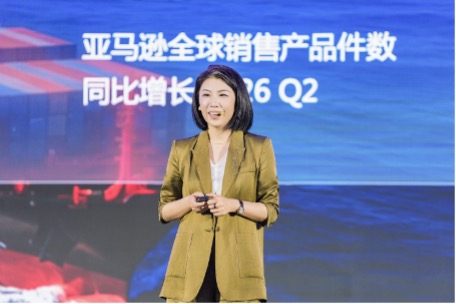
对于发布该计划的初衷,亚马逊中国副总裁、亚马逊全球开店新卖家拓展、新兴市场及企业购业务负责人宋晓俊表示:“华北的产业图谱覆盖了从消费品到工业品的广泛品类,过去两年,通过与山东省商务厅的合作,我们带动山东数百个品牌完成了从代工到品牌出海的转变。这证明华北制造企业完全具备做全球品牌的能力,缺的是一套系统化的方法和支持。此次发布‘华北产业带联合赋能计划’,正是要把这一经验向更广区域系统延伸,让更多华北制造企业以品牌主体的身份走向全球。”

大会上,宋晓俊还指出了华北卖家需要跨越的三个挑战:

1.产品做得好,但顾客记不住你是谁。从制造走向品牌,本质上,就是把一次次交易沉淀为顾客对品牌的长期信任。

2.布局站点单一。北美是很好的起点,日本、欧洲、拉美、中东、澳大利亚同样有需求,多一个站点就多一个机会,也多一份韧性。

3.“工具箱”没有完全跑通。物流,选品,流量,品牌工具——不少卖家只是知道有,而成功卖家已经把工具跑通了,所以效率和销售表现差别就出来了。

事实上,华北是我国重要的生产制造基地,从占全球高端真人发市场40%以上份额的胶州假发,到出口量占全国四成的天津武清地毯,再到以潍坊、济宁为代表的农机工程机械集群,各个细分类目都在成为跨境电商出口新的增长点。

2024年,亚马逊全球开店与山东省商务厅签署三年合作备忘录(MOU)。目前,双方通过100余场培训,已触达60多个产业带的超两万家企业,实现全省16市全覆盖,带动上千家企业转型跨境电商,同步带动本地跨境电商服务网络建设。双方合作将政府政策引导与亚马逊本地化服务有机结合,推动跨境电商在北方区域加速拓展。

具体而言,此次发布的“华北产业带联合赋能计划”计划围绕三个方向推进:

1.在每个产业带识别并培育标杆卖家,以“领头羊带动集群”模式驱动规模化出海

据悉,依托“标杆新卖家孵化计划”,亚马逊将围绕趋势洞察、路径规划、全程运营、合规保障、行业资源与专属激励六个维度,为卖家提供专属的全链路系统化支持,帮助其率先走通完整出海路径。

亚马逊将构建三层服务协作网络:一是组建由亚马逊各业务团队组成的产业带服务专班,围绕开店流程、冷启动、广告投放、物流库存管理、AI工具应用等环节,以每月两次的频率为重点产业带提供常态化培训和咨询,并针对各优势类目制作出海解决方案和实操指导手册;二是组建亚马逊SPN服务商网络产业带专项小组,涵盖物流、海外仓、金融、代运营、ERP、产品合规等类型服务商,为产业带企业提供系统化、模块化的陪跑式培训和服务优惠包;三是通过亚马逊SPN服务商网络小程序等数字化渠道,让企业可随时按需对接所需类型的服务商资源。

2.针对工业品与消费品产业带分类提供支持,推动华北跨境电商B端跃升与品牌化双轨并进

面向华北工程机械等大中型机械品类(微型挖掘机、滑移装载机、电动叉车等),将通过亚马逊的物流解决方案和第三方服务商破解头程物流、海外仓布局、尾程配送及售后维修等大件商品出海痛点,提供一站式解决方案。

面向邯郸紧固件等工业品产业带,将以“场景化选品”为核心方法,按家居基础维修、家具组装改造、户外庭院工程、汽摩工具维修、B端企业批量采购等细分使用场景提供选品指导,推动企业基于产业带丰富SKU聚焦特定场景进行产品组合优化,充分发掘客户的整体需求。

同时,依托亚马逊企业购帮助工业品企业直接对接全球超1100万企业及机构买家。面向假睫毛、箱包、毛巾、滑雪手套等高性价比消费品产业带,依据产品特点和企业发展阶段提供差异化成长通道:为价格带适配的产品对接亚马逊Haul超值购流量入口,为尚处于认知阶段的企业对接亚马逊卖家采购和SPN服务商代运营服务,为有B2B基础的企业提供亚马逊企业购加速器服务。

3.深入华北各地,以特色优势带动产业带出海提速

在山东,持续做深106个产业带工作站服务枢纽机制。在北京,包括推进“中关村科学城·亚马逊出海加速营”,加速智能硬件等科创成果海外商业化验证;在天津,聚焦优势产业,如地毯、自行车、医疗器械,推动品牌化出海进程;在河北,与邯郸、沧州、廊坊、保定、邢台、衡水等城市探索深入合作模式,结合各地物流枢纽、工业品直播、临空经济等特色优势推动产业带出海。

文章来源:亿邦动力

广告
微信
朋友圈

FAQ回顾

华北产业带联合赋能计划是什么?

该计划由亚马逊全球开店发布,未来两年将围绕青岛假发、济宁工程机械等十大华北特色产业带,孵化500家出海品牌卖家,培育逾50家亿级标杆新卖家,从标杆培育、分类支持、区域落地三大方向推进,助力华北制造企业出海。

华北制造企业出海普遍面临哪些挑战?

华北制造企业出海主要面临三大挑战:一是产品品质过硬但缺乏品牌认知,难以沉淀用户长期信任;二是站点布局单一,仅布局北美等少数站点抗风险能力弱;三是未跑通物流、选品、流量、品牌等运营工具,运营效率偏低。

亚马逊全球开店为工业品产业带出海提供哪些支持?

针对工程机械等大件工业品,将提供头程物流、海外仓布局、尾程配送及售后的一站式解决方案;针对紧固件等工业品,将提供场景化选品指导,同时依托亚马逊企业购对接全球超1100万企业及机构买家。

亚马逊全球开店和山东商务厅的合作有哪些成果?

2024年双方签署三年合作备忘录以来,已通过100余场培训触达60多个产业带超两万家企业,覆盖山东全省16市,带动上千家企业转型跨境电商,同步推动本地跨境电商服务网络建设。

这么好看,分享一下?

朋友圈 分享

APP内打开

赞 +1
+1
微信好友 朋友圈 新浪微博 QQ空间
关闭
收藏成功
发送
/140 0