广告
加载中

中国高端面膜产业白皮书重磅首发!

新锐品牌研学社 2026-08-07 16:31
新锐品牌研学社 2026/08/07 16:31

邦小白快读

EN
全文速览

本文核心内容是贝豪联合品观、OIB.CHINA、英敏特,在中国化妆品大会上发布了《2026中国高端面膜产业白皮书》,梳理了面膜行业现状和破局方向,核心干货如下

1. 当前中国面膜市场已经结束十年高速扩张,进入存量竞争阶段,面临品类定位、消费者选择、行业竞争、技术价值四重迷失,行业长期陷入低价内卷,价值感持续走低。

2. 面膜是国货品牌的优势赛道,亚太是全球面膜核心市场,中国占比27%位居第一,45%消费者偏好国货面膜,高端面膜细分市场增速达15.3%,主流平台中高端价位面膜销售占比超60%,高端化已经具备成熟市场基础。

3. 高端面膜的核心是高价值而非高价,好的高端面膜需要同时满足护肤功效、使用体验、情绪价值、审美表达四重需求,科技是价值基础,文化表达是获得消费者认同的核心。

本文针对面膜品牌梳理了行业趋势、研发方向和破局框架,核心干货如下

1. 消费趋势层面:面膜高端化已经是正在发生的现实,消费者需求从单一功效升级为功效+体验+情绪的复合需求,功能上抗衰淡纹需求持续上升,情绪层面看重使用仪式感和品牌文化理念;目前30-45岁女性高端面膜消费占比达31.7%,主流平台中高端价位面膜销售占比超60%,高端化市场基础已经成型。

2. 产品研发与定位层面:无需将面膜仅定位为引流赠品,面膜是无需搭配即可独立使用的品类,容易建立品牌认知和用户粘性,适合打造独立高端品牌;高端面膜要遵循科技内核×文化表达的标准,科技端聚焦膜材、配方核心创新,文化端通过价值表达构建消费者认同。

3. 竞争层面:要避开低价同质化竞争,转向价值竞争,重构品牌的面膜品类价值,才能破局存量困境。

本文为面膜卖家梳理了市场趋势、机会方向和风险提示,核心干货如下

1. 市场增长机会:当前面膜市场整体陷入存量低价内卷,但高端细分赛道是全新增长机会,高端面膜细分市场增速达15.3%,天猫、抖音等主流平台中高端价位面膜销售占比已经超过60%,消费者已经接受并愿意为国货高端面膜买单,增长空间充足。

2. 消费需求变化:消费者需求已经从只关注基础功效,转变为追求功效、体验、情绪、审美的复合价值,除补水保湿外,对抗衰修护、好肤感、安全性的要求持续提升,同时看重使用仪式感和品牌文化认同。

3. 路径与风险提示:要避开低价竞争的内卷陷阱,不要把高端简单等同于高价,要按照科技内核×文化表达的标准打造可感知的高价值产品;长期将面膜作为引流赠品的定位会拉低品牌心智价值,需要尽早调整布局高端赛道。

本文为面膜生产工厂梳理了生产需求、商业机会和转型方向,核心干货如下

1. 产品生产与设计需求:高端面膜对生产的要求已经从交付成品升级为交付价值标准,核心要求聚焦功效、体验、安全三重升级,膜材不再只是精华液的容器,需要和配方协同放大功效,消费者对膜布肤感、抗菌安全性、功效性的要求持续提升。

2. 商业机会:当前全行业都面临高端化转型需求,工厂可以跳出传统代工厂的定位,向高端面膜价值提供者转型,除产品生产外,还可以从膜材技术、配方研发、视觉设计、定制化迭代等维度,为品牌提供高端化系统性解决方案,分享产业升级红利。

3. 转型参考:可以参考贝豪的转型路径,一方面持续投入技术研发,不断迭代膜材和配方强化科技内核;另一方面布局文化表达,通过打造工业文旅、面膜艺术馆等方式,提升自身价值高度,向产业生态构建者转型。

本文为美妆面膜相关服务商梳理了行业趋势、客户痛点和解决方案方向,核心干货如下

1. 行业发展趋势:中国面膜市场已经从高速扩张进入存量竞争阶段,高端化是未来核心增长方向,高端细分市场增速达15.3%,是行业主要增长引擎,全行业都面临价值重构的需求,为服务商带来大量相关服务机会。

2. 客户核心痛点:当前面膜品牌普遍面临四重价值迷失,不确定面膜是否值得深耕,说不清高端面膜的价值,找不到高端化落地路径,同时内部决策缺少统一事实依据,内耗严重,难以跳出低价同质化竞争的困局。

3. 解决方案方向:服务商可以围绕白皮书提出的科技内核×文化表达的价值标准,开发对应服务产品,比如为品牌提供研发检测、品牌策划、设计营销、决策咨询等服务,帮助品牌对齐内部认知,梳理高端化转型路径,降低决策内耗。

本文为美妆平台梳理了行业需求、平台运营方向和风向规避要点,核心干货如下

1. 行业需求:面膜是国货主导的大护肤品类,高端化转型已经成为行业共识,消费者对中高端面膜的需求持续增长,目前天猫、抖音两大平台中高端面膜销售占比已经超过60%,平台需要适配行业趋势调整运营策略。

2. 平台可落地做法:招商层面,加大对走价值创新路线的高端国货面膜品牌的招商引入,重点扶持高端面膜品类;运营层面,围绕高端面膜的价值标准搭建对应的流量和推广体系,帮助品牌向消费者传递产品价值,解决消费者选择困惑。

3. 风向规避:避免长期依靠低价面膜引流的运营思路,长期低价竞争会拉低整个面膜品类在平台的价值感,影响平台营收结构和消费者体验,引导品牌走价值竞争路线,才能推动面膜品类实现良性增长。

本文为化妆品产业研究者提供了面膜产业的最新动向、核心问题和新商业模式参考,核心干货如下

1. 产业新动向:中国面膜产业已经结束十年高速增长,进入存量竞争阶段,高端化是未来核心发展方向,目前高端细分市场增速达15.3%,国货品牌已经占据面膜市场主导地位,面膜是少数国货可以和国际品牌正面抗衡的赛道,具备广阔的高端化发展空间。

2. 产业核心新问题:当前面膜产业面临系统性的价值困局,存在品类定位迷失、消费者选择迷失、行业竞争迷失、技术价值迷失四重困境,整个品类的价值逻辑断裂,长期低价竞争导致品类价值持续走低,亟需重构全行业的价值坐标系。

3. 新商业模式观察:供应链端已经出现创新转型方向,传统面膜代工厂正在从产品提供者向高端面膜产业生态构建者转型,从交付产品转向交付高端面膜价值标准,为品牌提供全链条高端化解决方案,这种新模式对产业升级的影响值得深入研究。

返回默认
声明:快读内容全程由AI生成,请注意甄别信息。如您发现问题,请发送邮件至 run@ebrun.com 。

我是 品牌商 卖家 工厂 服务商 平台商 研究者 帮我再读一遍。

Quick Summary

This article covers the 2026 White Paper on China's High-End Facial Mask Industry, co-released by Beihao, PinGuan, OIB.CHINA and Mintel at the China Cosmetics Conference, which outlines the current status of China's facial mask industry and pathways for breaking out of its current predicament. Key takeaways are as follows:

1. After a decade of rapid expansion, China's facial mask market has entered a stage of stock competition, facing four major "confusions": unclear category positioning, fragmented consumer choices, cutthroat industry competition, and underrecognized technological value. The industry has long been trapped in low-price competition that has steadily eroded the perceived value of the category.

2. Facial masks are a strong competitive track for domestic Chinese brands. The Asia-Pacific region is the world's core facial mask market, with China accounting for 27% of the global market, ranking first globally. 45% of consumers prefer domestic facial mask brands; the high-end mask segment grows at an annual rate of 15.3%, and mid-to-high-priced masks account for over 60% of total sales on major mainstream platforms. This means the market foundation for high-end development is already mature.

3. The core of high-end facial masks lies in high value rather than a high price tag. A truly good high-end mask needs to meet four demands simultaneously: skincare efficacy, sensory experience, emotional value, and aesthetic expression. Technology forms the value foundation, while cultural expression is the core to win consumer recognition.

This article outlines industry trends, R&D directions and breakthrough frameworks for facial mask brands. Key takeaways are as follows:

1. In terms of consumer trends: The high-end transition of facial masks is already underway. Consumer demand has upgraded from single efficacy to a composite demand that combines efficacy, experience and emotion. For functionality, demand for anti-aging and wrinkle reduction continues to rise, while consumers increasingly value ritualistic usage experiences and aligned brand cultural values on the emotional side. Currently, women aged 30–45 account for 31.7% of total high-end mask consumption, and mid-to-high-priced masks make up more than 60% of sales on mainstream platforms, proving that the market foundation for high-end development is already established.

2. In terms of product R&D and positioning: Brands do not need to position masks only as引流 gifts. Masks are a standalone category that requires no matching products, making it easy to build brand awareness and user loyalty—ideal for developing independent high-end brands. High-end masks should follow the standard of "technological core × cultural expression": technology teams should focus on core innovation in mask materials and formulas, while brand teams should build consumer recognition through clear value expression.

3. In terms of competition: Brands need to move away from low-price homogeneous competition to value-based competition, and restructure the category value of masks for their brands to break out of the stock competition predicament.

This article sorts out market trends, growth opportunities and risk warnings for facial mask sellers. Key takeaways are as follows:

1. In terms of market growth opportunities: While the overall facial mask market is trapped in low-price stock competition, the high-end segment is an entirely new growth opportunity. The high-end mask segment grows at 15.3% annually, and mid-to-high-priced masks already account for over 60% of total sales on mainstream platforms including Tmall and Douyin. Consumers have already accepted and are willing to pay for domestic high-end masks, leaving abundant room for growth.

2. In terms of shifting consumer demand: Consumer demand has shifted from focusing only on basic efficacy to pursuing composite value covering efficacy, experience, emotion and aesthetics. Beyond basic hydration, demand for anti-aging and repair, comfortable texture, and safety is rising steadily, while consumers also increasingly value ritualistic usage and alignment with a brand's cultural identity.

3. In terms of path selection and risk warnings: Sellers should avoid the trap of low-price competition, and do not equate high-end simply with high price. They need to build products with perceptible high value following the "technological core × cultural expression" standard. Long-term positioning of masks as引流 gifts will dilute brand perceived value, so sellers should adjust layouts and enter the high-end track as early as possible.

This article sorts out production demands, business opportunities and transformation directions for facial mask manufacturing factories. Key takeaways are as follows:

1. In terms of product manufacturing and design demands: Requirements for high-end mask manufacturing have upgraded from delivering finished products to delivering value standards, with core upgrades focused on efficacy, experience and safety. Mask fabrics are no longer just carriers for serum—they need to work synergistically with formulas to amplify efficacy. Consumers are increasingly demanding better texture, antibacterial safety, and efficacy from mask materials.

2. In terms of business opportunities: The entire industry is currently undergoing a high-end transformation. Factories can move beyond the traditional OEM positioning to transform into high-end mask value providers. Beyond product manufacturing, they can offer brands systematic high-end transformation solutions covering mask material technology, formula R&D, visual design, customized iteration and other dimensions, to share the dividends from industrial upgrading.

3. In terms of transformation reference: Factories can follow Beihao's transformation path: on one hand, continuously invest in R&D, and iterate on mask materials and formulas to strengthen the technological core; on the other hand, lay out cultural expression, for example through developing industrial cultural tourism and building a facial mask art museum, to elevate their own value positioning and transform into an industrial ecosystem builder.

This article sorts out industry trends, client pain points and solution directions for beauty and facial mask-related service providers. Key takeaways are as follows:

1. In terms of industry development trends: China's facial mask market has shifted from rapid expansion to stock competition, and high-end development is the core growth direction going forward. The high-end segment grows at 15.3% annually and is the main growth engine for the industry. The entire industry has a demand for value restructuring, which brings massive relevant service opportunities for service providers.

2. In terms of core client pain points: Most facial mask brands currently face four layers of value confusion: they are uncertain whether masks are worth deep cultivation, cannot clearly articulate the value of high-end masks, lack clear pathways to implement high-end transformation, and have no unified factual basis for internal decision-making, leading to heavy internal friction and making it difficult to escape the low-price homogeneous competition trap.

3. In terms of solution directions: Service providers can develop corresponding service products around the "technological core × cultural expression" value standard proposed in the white paper, for example providing R&D testing, brand planning, design marketing, and strategic consulting services for brands. This helps brands align internal cognition, map out high-end transformation paths, and reduce decision-making friction.

This article sorts out industry demands, platform operation directions and risk avoidance points for beauty e-commerce platforms. Key takeaways are as follows:

1. In terms of industry demand: Facial masks are a large skincare category dominated by domestic Chinese brands, and high-end transformation has become an industry-wide consensus. Consumer demand for mid-to-high-end masks continues to grow, and mid-to-high-priced masks already account for over 60% of total sales on Tmall and Douyin, China's two major mainstream platforms. Platforms need to adjust operation strategies to align with industry trends.

2. In terms of actionable platform practices: For merchant recruitment, platforms should increase recruitment of high-end domestic facial mask brands that follow a value innovation route, and prioritize support for the high-end mask category. For operations, platforms should build matching traffic and promotion systems around the value standards for high-end masks, helping brands convey product value to consumers and resolve consumer choice confusion.

3. In terms of risk avoidance: Platforms should avoid the long-term operation strategy of relying on low-price masks for user引流. Sustained low-price competition erodes the perceived value of the entire mask category on the platform, hurting the platform's revenue structure and consumer experience. Guiding brands to pursue value-based competition is the only way to drive healthy growth for the mask category.

This article provides the latest industry developments, core issues and new business model references for cosmetic industry researchers. Key takeaways are as follows:

1. In terms of new industry developments: China's facial mask industry has ended a decade of rapid growth and entered a stock competition stage, with high-end development as the core development direction going forward. The high-end segment currently grows at 15.3% annually, and domestic brands already hold a dominant position in the market. Facial masks are one of the few tracks where domestic Chinese brands can compete head-to-head with international brands, with broad space for high-end development.

2. In terms of new core industry issues: The facial mask industry currently faces a systemic value predicament, with four layers of confusion: unclear category positioning, fragmented consumer choices, cutthroat industry competition, and underrecognized technological value. The value logic of the entire category is broken, and long-term low-price competition has continuously pulled down category value, so there is an urgent need to restructure the value coordinate system for the entire industry.

3. In terms of new business model observation: A new innovation and transformation direction has emerged on the supply chain side: traditional mask OEMs are transforming from product providers to high-end mask industry ecosystem builders, shifting from delivering products to delivering high-end mask value standards, and offering full-chain high-end transformation solutions for brands. The impact of this new model on industrial upgrading deserves in-depth research.

Disclaimer: The "Quick Summary" content is entirely generated by AI. Please exercise discretion when interpreting the information. For issues or corrections, please email run@ebrun.com .

I am a Brand Seller Factory Service Provider Marketplace Seller Researcher Read it again.

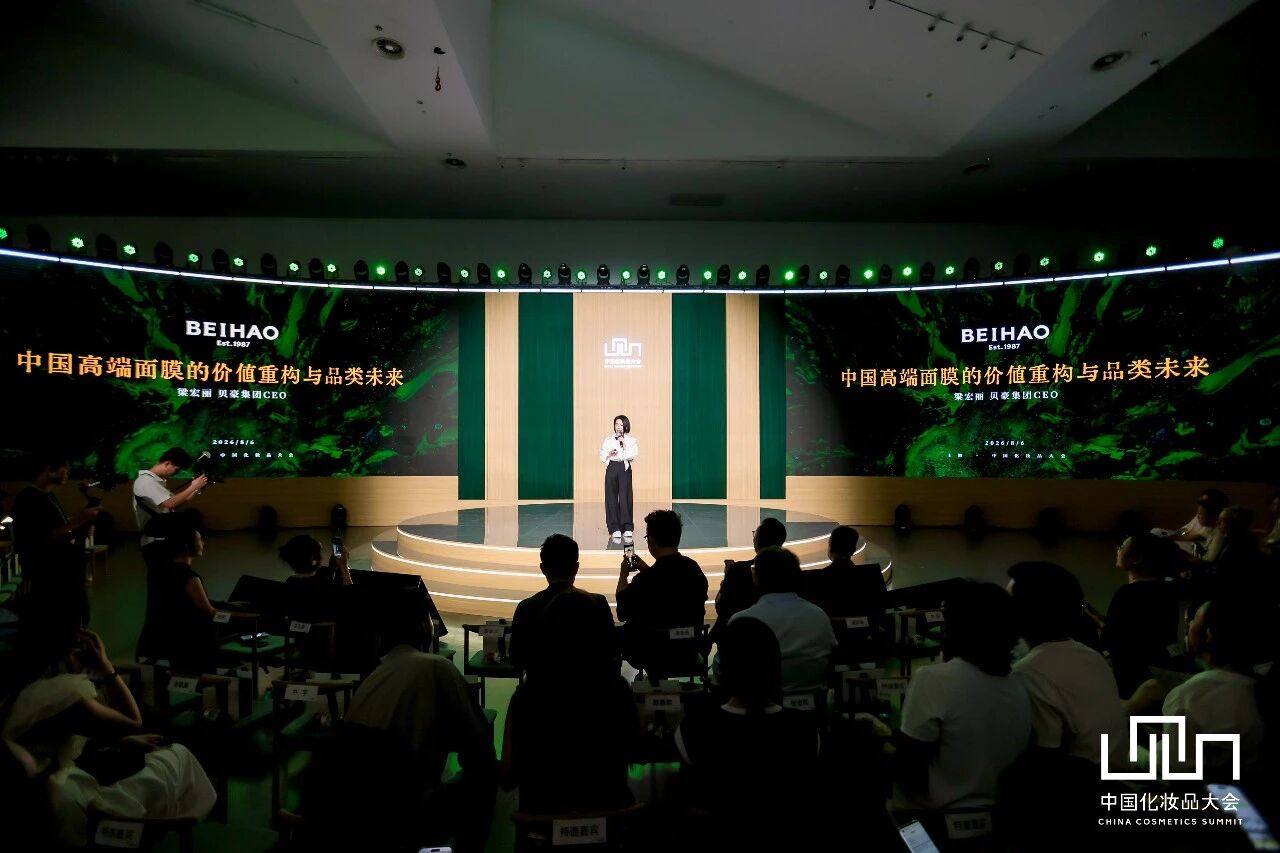
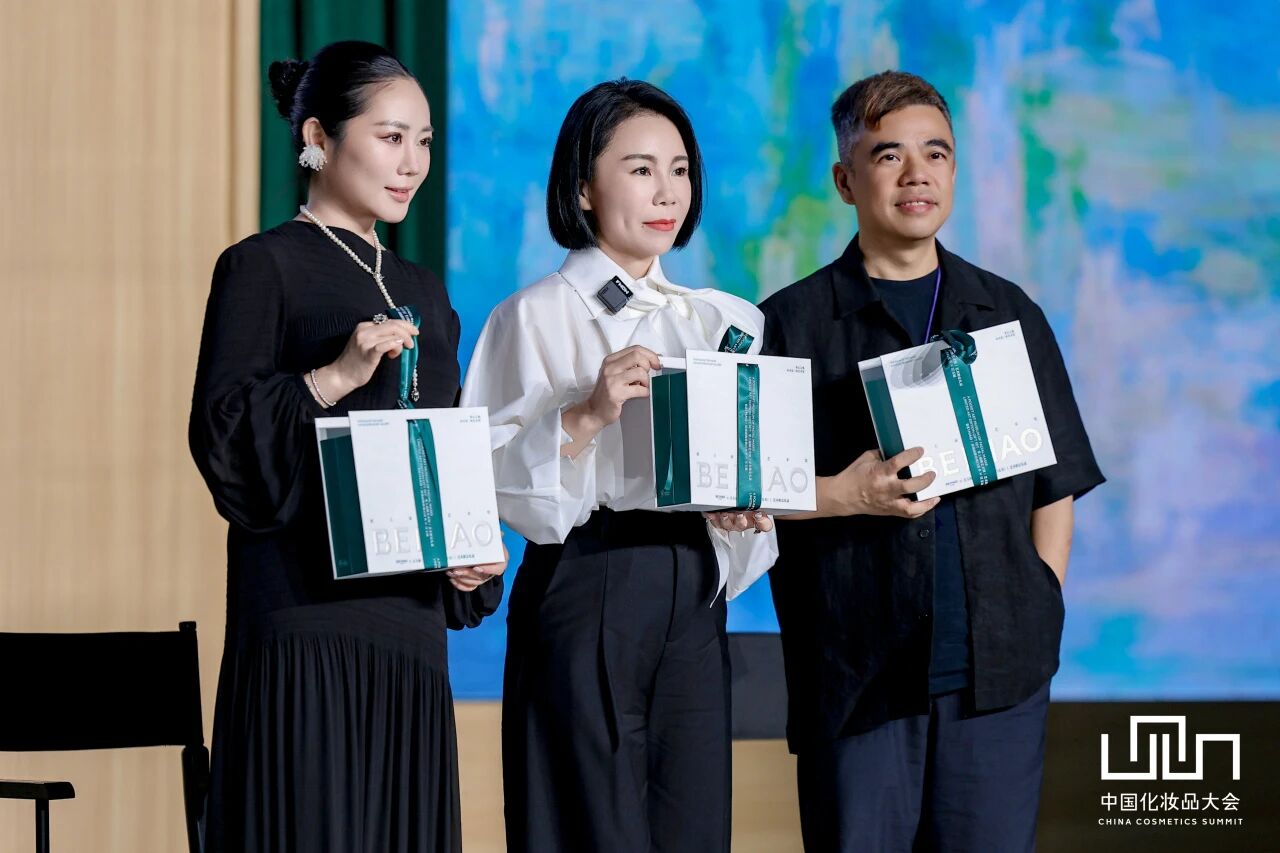
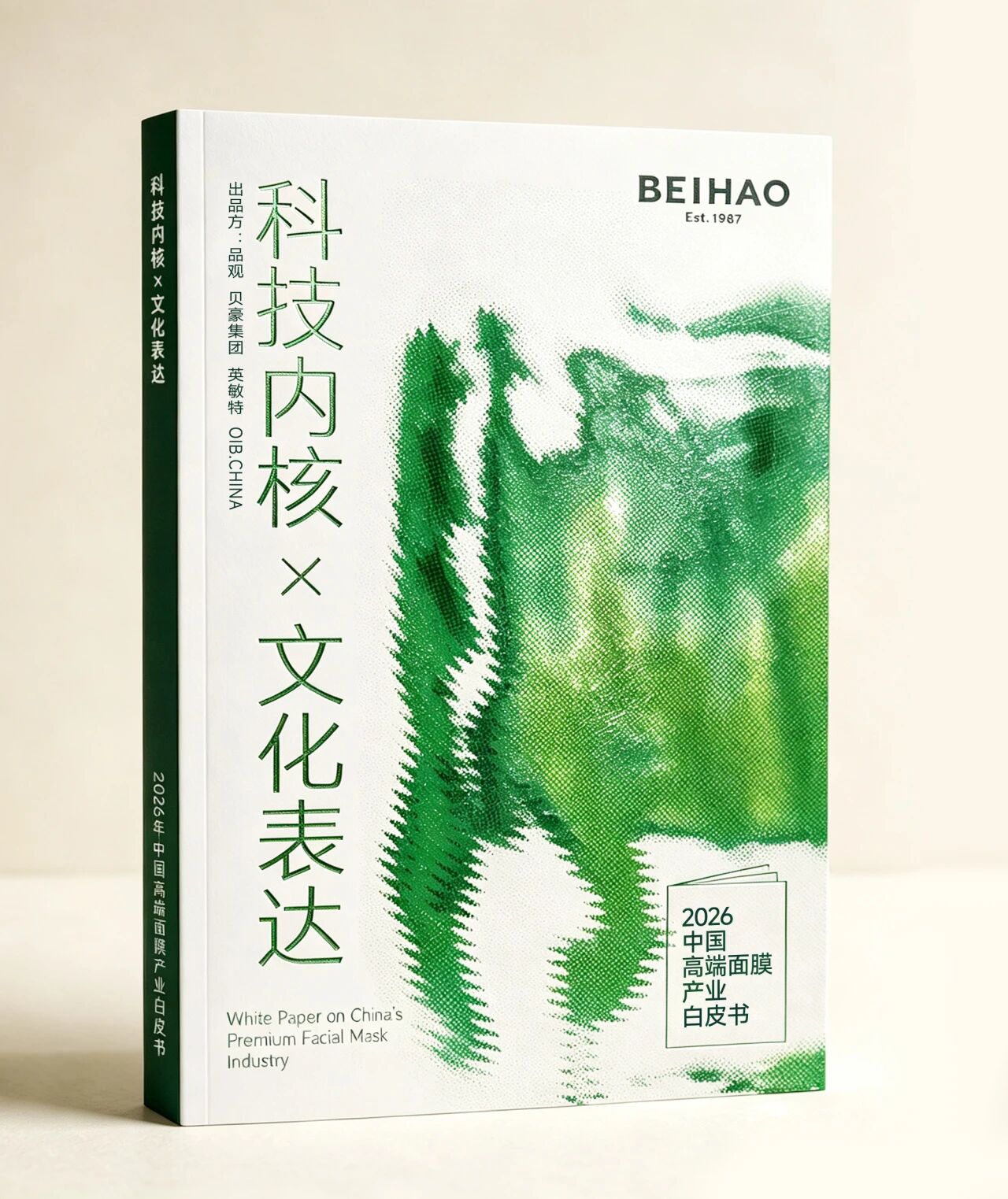
8月6日,在中国化妆品大会上,贝豪联合品观、OIB.CHINA、英敏特共同发布《科技内核×文化表达——2026中国高端面膜产业白皮书》(下称《白皮书》)。这场发布,对面膜品类的意义远不止于一份报告,更是一次价值坐标系的重建。

中国面膜市场走过十年高速扩张期,经历了整体放缓、继而持续负增长的过程,如今已进入存量竞争阶段。品类价值的迷失,成为面膜品类发展受阻的核心因素。而重构价值,正是破局的关键。

来自供应链、科研机构、行业媒体、品牌管理者以及众多行业从业者齐聚这场大会。他们中的许多人带着同一个困惑:面膜这个品类,还能不能做出真正的品牌价值?

白皮书里,或许有他们等待已久的答案。《白皮书》的价值,正在于为高端面膜画出了一条清晰的路标。

01

品牌迷茫之源,面膜陷入四重迷失

面膜品类走到今天,品牌对它的态度复杂而矛盾。一边是庞大的市场体量和国货主导的品类优势,一边是持续走低的价值感和日渐模糊的定位。要不要深耕?如何做出高端感?方向在哪?这些问题正在消耗品牌的信心。

迷茫一:面膜品类还值得深耕吗?

面膜是体量最大的护肤品类之一,却鲜有品牌将其打造成“代表品类”。多数品牌对面膜的定位是“引流品”或“赠品”,而非核心价值产品。即便是市占率较高的品牌,也常犹豫:深耕面膜,会不会拉低品牌心智?

迷茫二:怎样才算高端面膜?

9.9元的面膜和99元的面膜,区别到底在哪?膜布?精华?还是品牌溢价?品牌方都很难向消费者讲清楚“为什么你的面膜更贵”。行业缺少一套判断面膜价值高低的清晰标准。

迷茫三:如何提升面膜品类价值?

膜材、成分、概念高度同质化,品牌陷入“不知道往哪个方向创新”的困境。想做价值提升,却找不到可参照的路径和可依据的框架。

品牌的迷茫并非没有来由。《白皮书》指出,面膜品类正面临四重价值迷失的叠加困境:

一是品类定位迷失,面膜从利润品沦为引流品,在消费者心智中的地位持续走低;

二是消费者选择迷失,劣质产品与概念炒作频发,信任基础被侵蚀;

三是行业竞争迷失,竞争长期聚焦“低价”而非“价值”;

四是技术价值迷失,膜材、配方等核心创新长期被忽视。

这四重迷失交织在一起,面膜的价值困局已不只是某个环节的问题,而是一整套逻辑的断裂。

白皮书回应了品牌的这三个核心困惑。它不是提供一份标准答案,而是为品牌提供一套重新理解面膜价值的思考框架。有了这个框架,每个品牌都可以找到属于自己的破局路径。

02

定锚、参照、共识,白皮书的三重实用价值

1、价值定锚:回答“如何看待面膜品类”的战略判断

中国面膜行业的高端化走到今天,缺的不是意愿,是方向。面对品牌的第一个迷茫,面膜品类还值不值得深耕,答案是肯定的。

面膜是亚洲专属品类,是中国品牌的独有优势品类,是能赢的赛道。

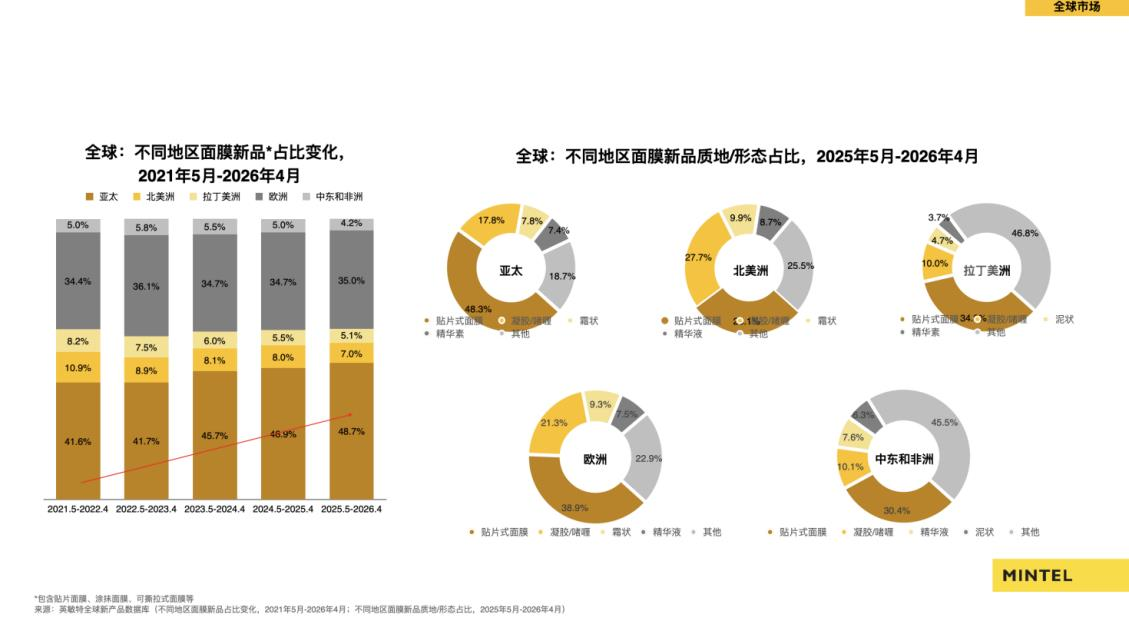
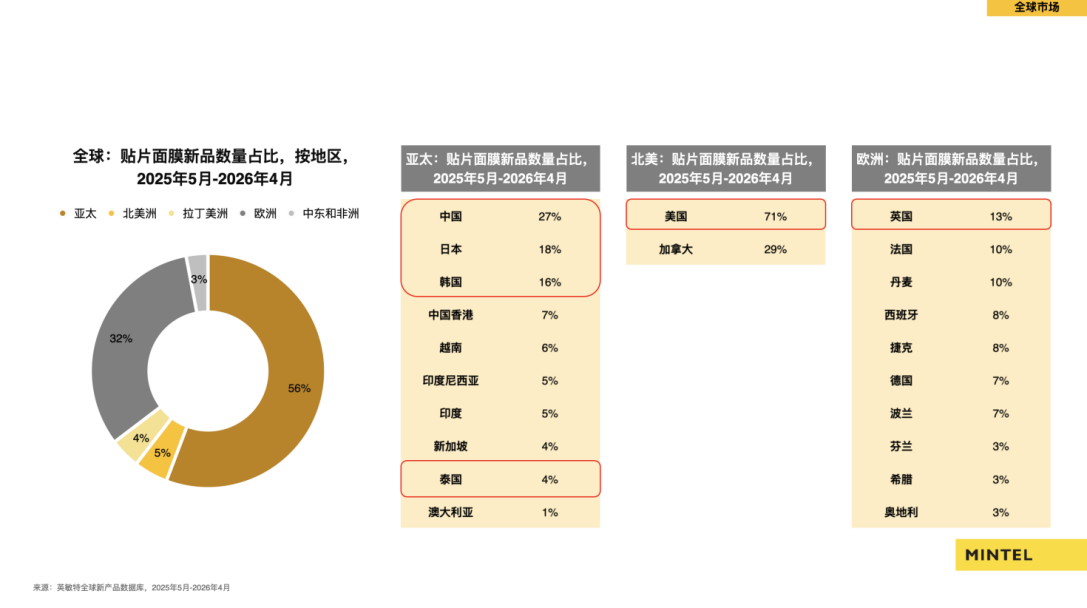
据《白皮书》数据:亚太地区是全球面膜的核心市场,而中国又占据亚太首位。近五年亚太面膜新品占比从41.6%增长至48.7%,贴片面膜占亚太新品比例高达48.3%,中国在其中以27%的占比位居第一。

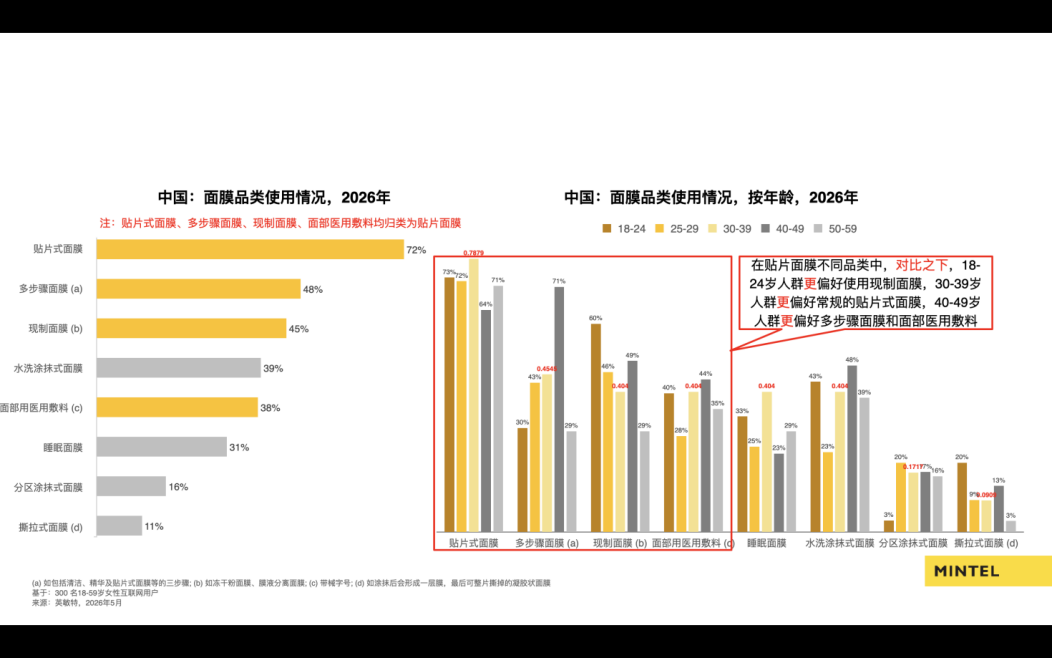
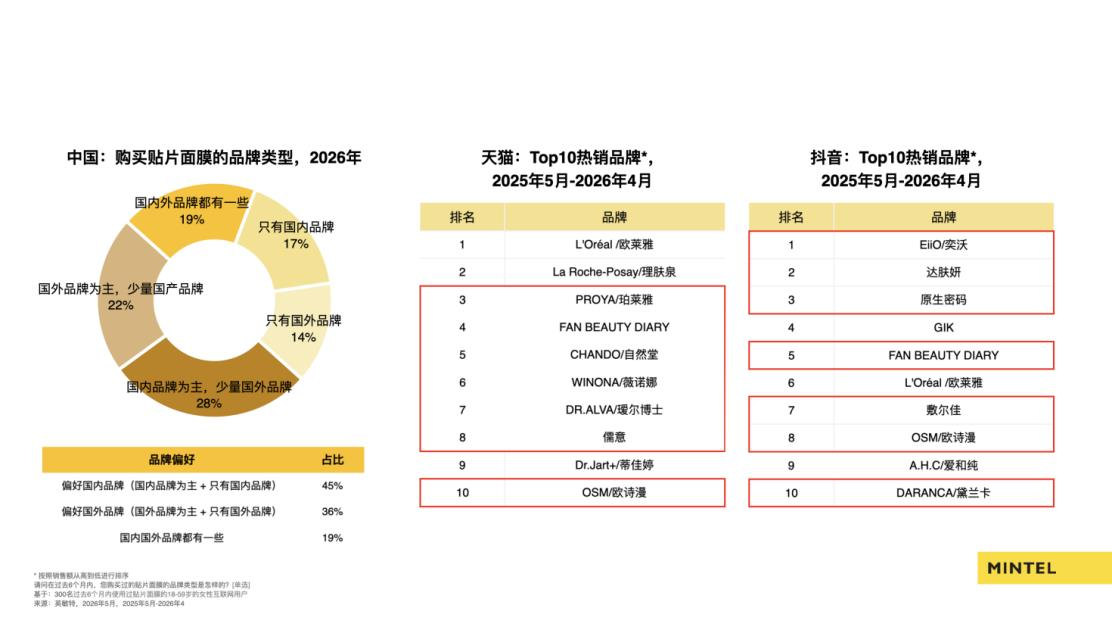
更关键的是,中国贴片面膜市场由国货主导:45%的消费者偏好国产品牌,天猫、抖音两大平台TOP10的热销贴片面膜中,国货均占7席。

数据的背后,是面膜品类的战略价值正逐步走向行业共识。

OIB.CHINA总经理吴志刚曾指出,面膜是少数能让国货品牌与国际品牌正面抗衡甚至主导话语权的赛道。

OIB.CHINA总经理 吴志刚

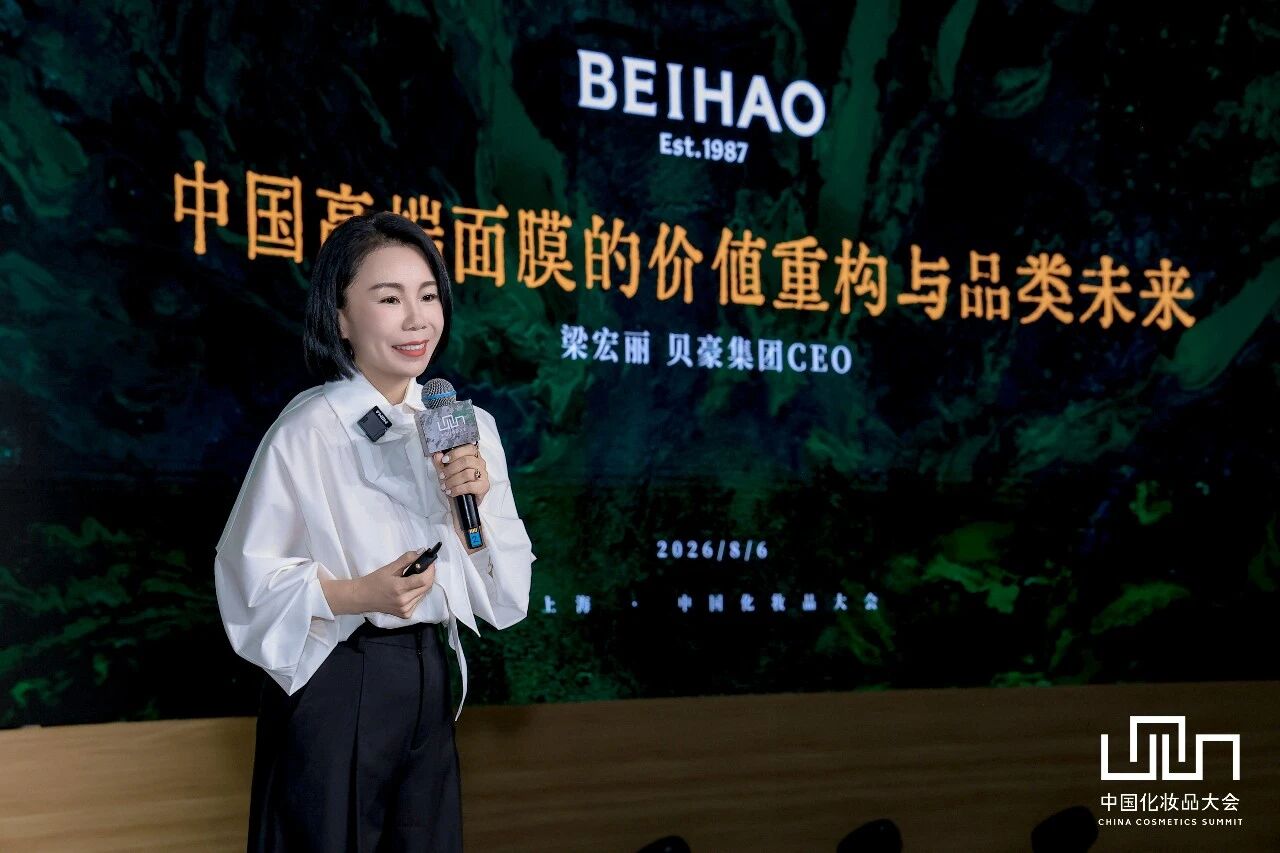
贝豪CEO梁宏丽更看到面膜在中国美妆全球化发展中的重要作用:面膜是中国美妆走向全球的核心赛道。

贝豪CEO梁宏丽

共识之上,机会何在?两个方面值得关注。

其一,面膜品类的单品逻辑,为成就独立高端面膜品牌提供了可能。 与需要连带购买的护肤品类不同,面膜无需搭配即可独立满足消费需求,加上使用场景高度仪式化、体验感强,品牌认知和用户粘性更容易建立,这为单品类成就高端品牌创造了天然条件。

其二,国货面膜高端化的市场基础已经成型。 《白皮书》数据提示,2025年国货品牌整体市场份额达57.38%,连续五年稳步提升。具体到面膜赛道,高端细分市场增速达15.3%,30-45岁女性高端面膜消费占比已提升至31.7%,天猫、抖音中高端及以上价位贴片面膜销售占比均已超过60%。数据表明,消费者不仅接受国货,也愿意为国货面膜的高端化买单。

当足够多的品牌认同同一套价值标准,“高端面膜”就不再是一个自说自话的概念,而是一条有路径的清晰赛道。这份白皮书要做的,是让迷茫的品牌看到方向,让摇摆的品牌坚定信心。

2、决策参考:提供“高端面膜怎么做”的判断维度

“高端”二字在面膜品类中常被简单等同于高价,这是品类升级的最大误区。当一个品牌说不清“我为什么贵”,消费者便只能以价格论高低。面膜的高端化,本质是构建可感知的高价值,而非标一个高价格。

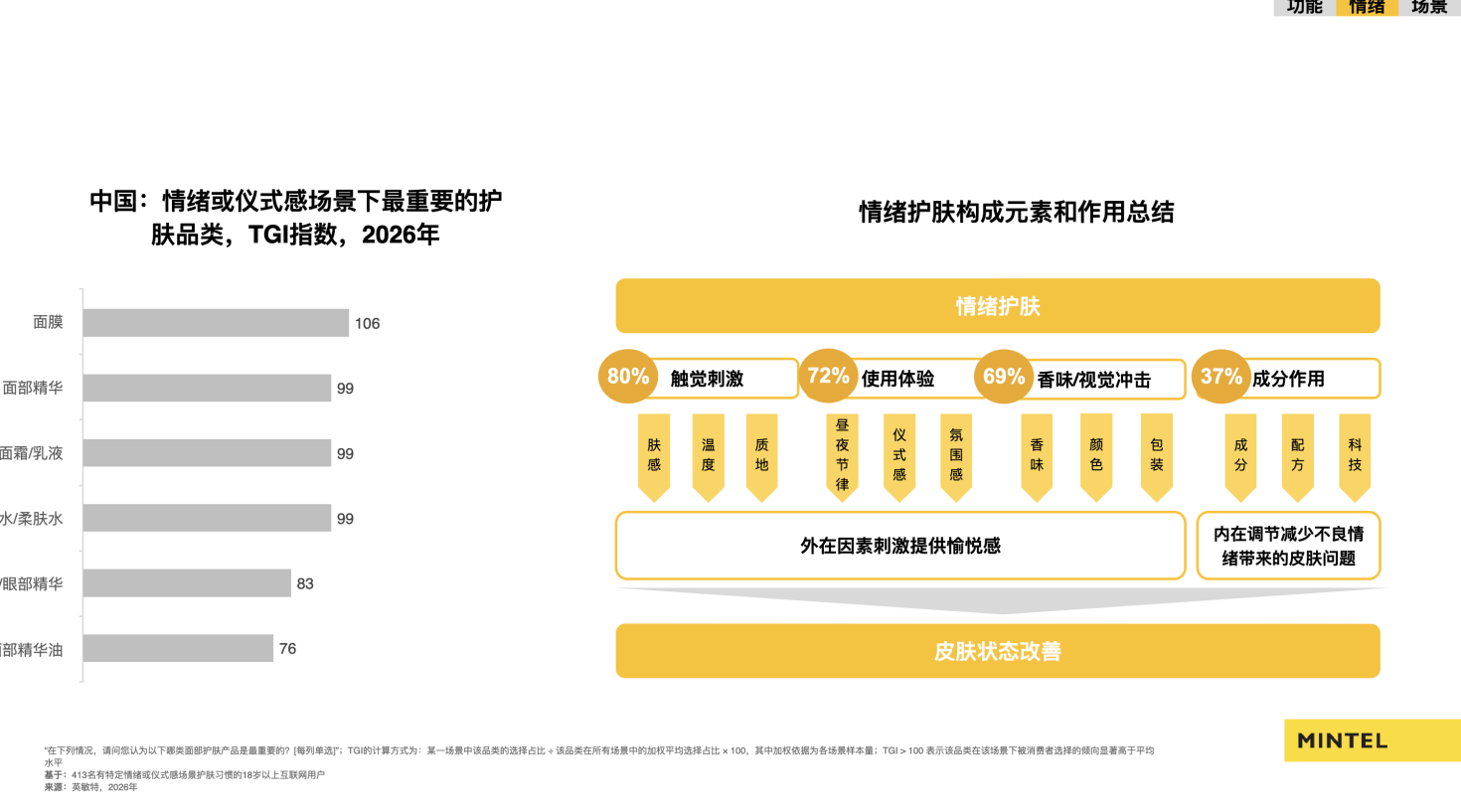
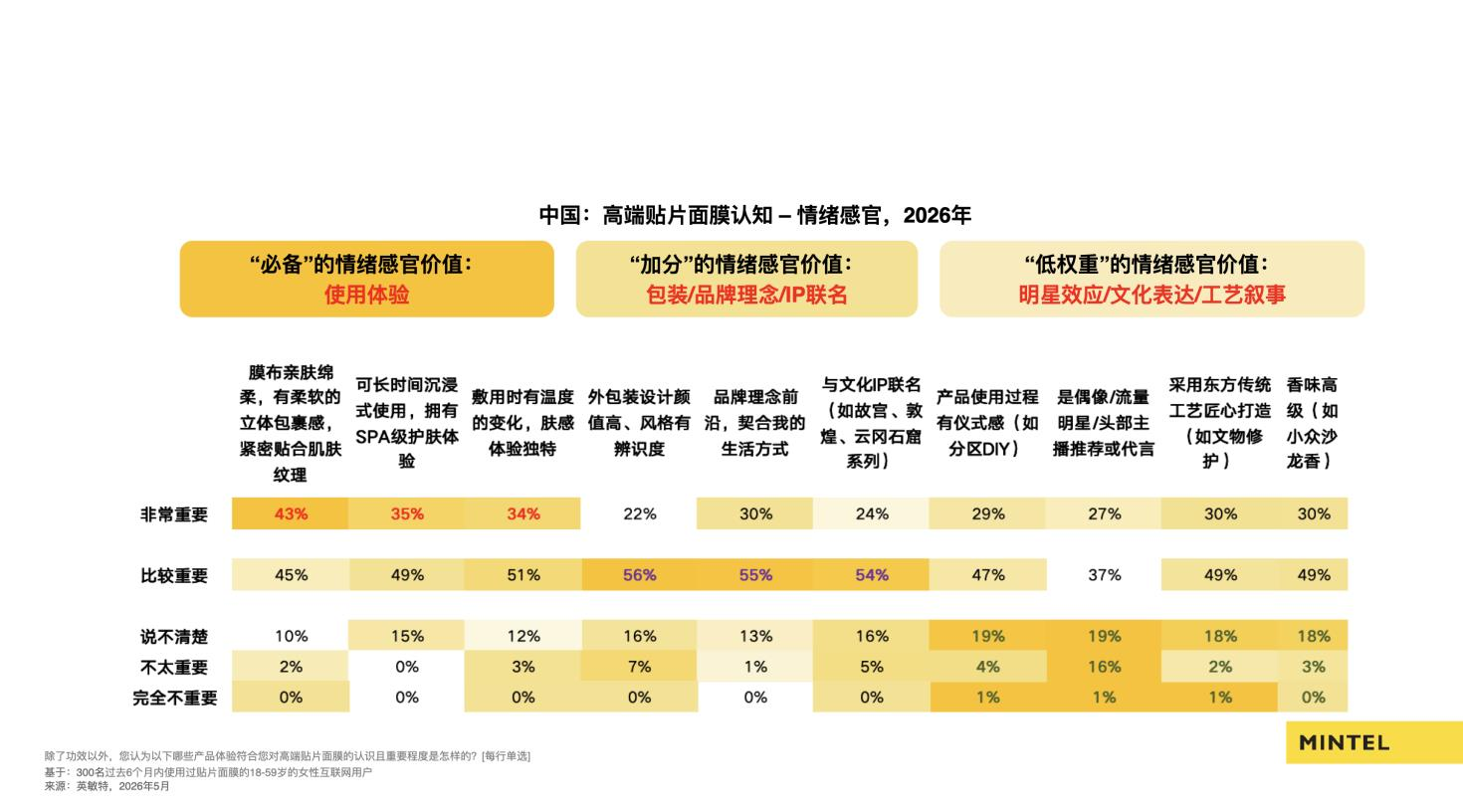
《白皮书》揭示了一个关键变化:消费者对面膜的期待,已从单一的功效满足,拓展为对体验过程和情绪价值的双重诉求。她们不仅想要“敷完变好”,还渴望“敷得舒服”,甚至追求“敷的过程让我觉得自己被认真对待”。

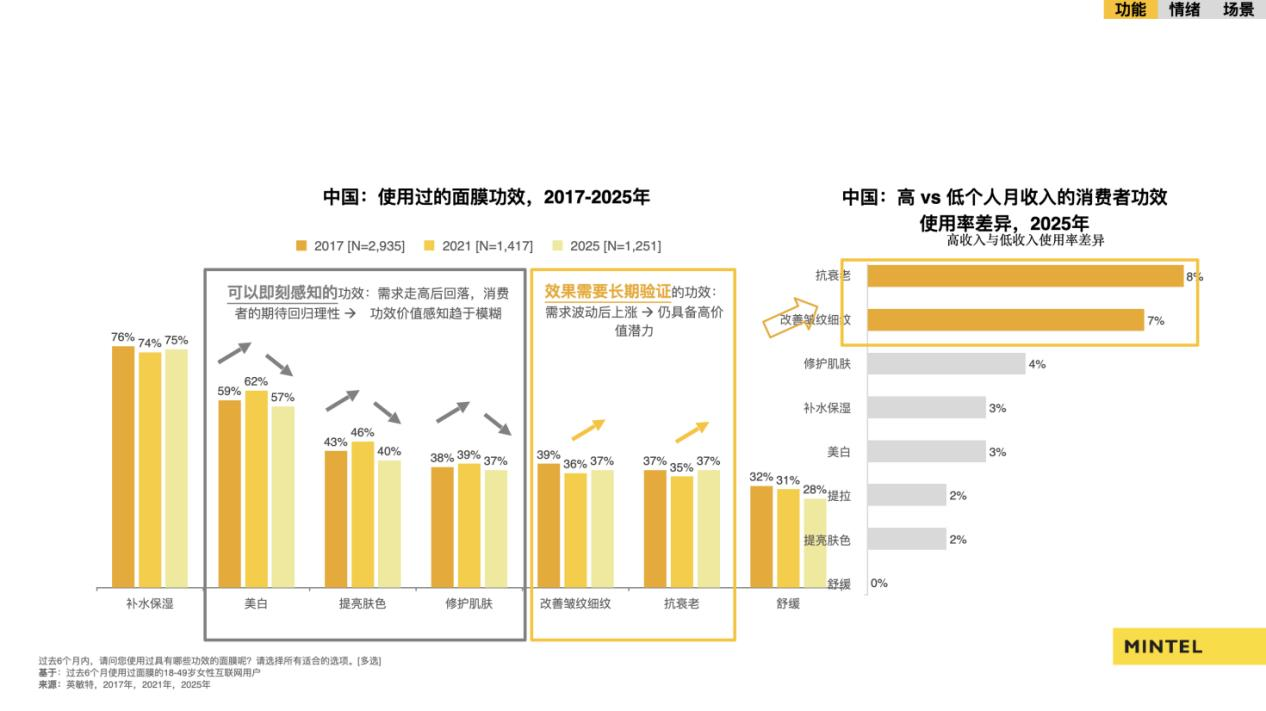
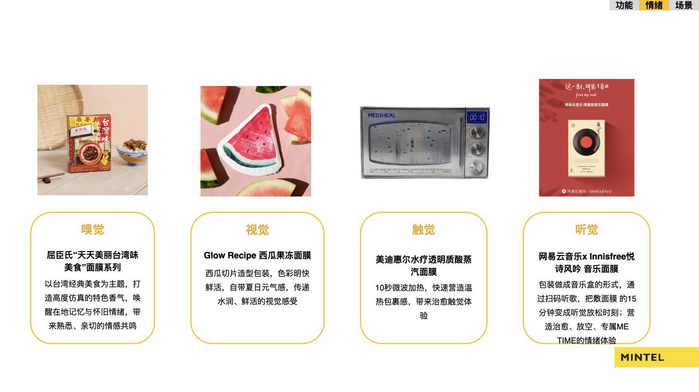
这背后是两种需求的并行:功能上,补水保湿是基础,抗衰淡纹的价值在上升;情绪上,面膜的仪式感、沉浸感,甚至包装和品牌理念,正在成为购买决策中的重要理由。

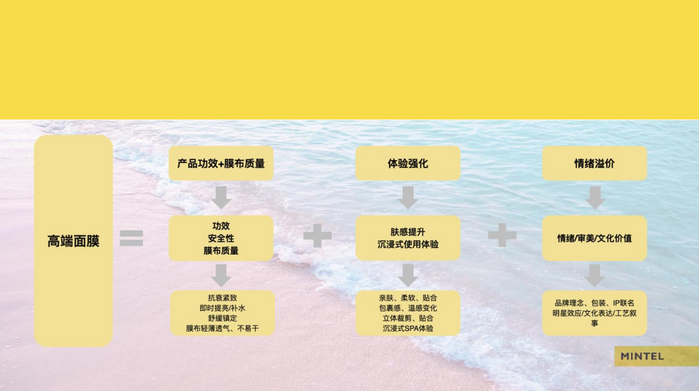
基于此,《白皮书》为行业提供了一套可落地的判断维度。它明确界定:高端面膜不是高价,而是高价值。

其价值构成应从传统的“功效导向”升级为“护肤×体验×情绪×审美”的复合体系。在这个新坐标系中,科技内核是提升功效与体验的基石,文化表达则是输出情绪、构建认同的核心路径。这套“科技内核×文化表达”的双维标准,帮助品牌在产品定义阶段就锚定价值方向。

当全行业对“什么是高端面膜”有了统一的坐标系,品牌的投入便不再试错,消费者的选择便不再困惑。这不仅是共识,更是面膜品类走向高端的起点。

3、沟通工具:让“基于事实做决策”成为组织共识

在组织中,最大的效率损耗往往不是资源不足,而是决策链条上每个人对“方向是否正确”的不确定。产品团队说“消费者需要这个”,市场团队说“那个方向更对”,渠道团队说“落地有难度”,各方都有自己的依据,却缺乏一个共同的事实底座去对齐判断。

白皮书的价值,在于从真实市场洞察出发,为品牌内部提供了一套共通的事实基础。

消费者的购买行为,明确了高端面膜的必然发展趋势。高端面膜的消费需求切实增长的数据,足看清:高端面膜不是未来概念,而是正在发生的现实。

而消费者的需求变化,推导出高端面膜的价值标准,为行业提供了方向。消费者对膜布肤感、使用体验的要求持续攀升,对抗衰、修护等深度功效的需求不断增长,这些变化指向一个清晰的价值方向:高端面膜必须建立在可感知的功效和可验证的体验之上。

同时也为企业对如何塑造高端面膜价值提供了框架性的思考。功效需求的演变到体验偏好的量化,从使用场景的细分化到品牌认知的情感化,白皮书为品牌提供了系统性的参照体系,涵盖产品功效、体验设计、文化表达等多个维度,让“如何塑造高端面膜价值”有了可落地的思考框架。

当产品、营销、渠道各职能团队以及产业链上下游面对同一组消费者数据时,沟通便不再是各自立场,而是基于共同的事实。这才是沟通工具最本质的意义:降低内耗,提升效率,加速决策。

03

一份白皮书,一场价值共识的集结

白皮书之所以对品牌方有切实的参考意义,在于它集结了多重角色的思考与论证。

品观从产业视角捕捉到了面膜品类价值走低的行业痛点,战略机构OIB洞察了面膜品类价值迷失的根本因素与高端化的框架逻辑,英敏特用消费者数据验证了趋势与标准,而贝豪则用39年深耕面膜领域的实践给出了可供参照的范本,产业链不同角色以各自的方式参与,才有了这份可供品牌方参照的价值标准。

从这个意义上说,高端面膜的崛起,从来不是某一家企业的独角戏,而是整个产业的协奏曲。供应链端口在品质高度、技术深度上持续投入,品牌端在文化厚度上不断积累,产业链上下游形成合力,品类的高端化才不是空中楼阁。

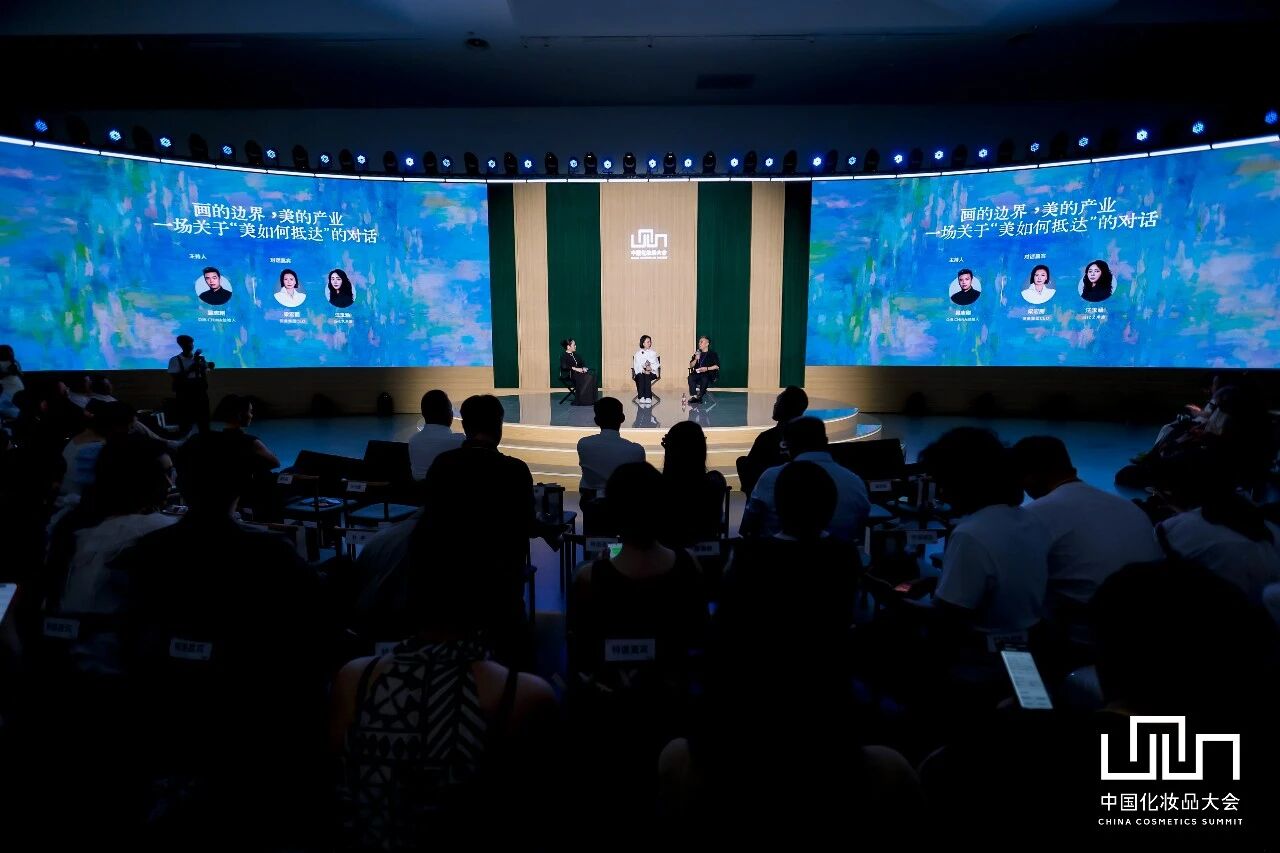
高端面膜价值专题论坛,现场探讨“美如何抵达”

回到一个核心问题:高端面膜的价值标准,到底怎么落地?

作为“高端面膜价值创造者”,贝豪的实践恰恰为这个问题提供了参照。

现代面贴膜的进阶路径,核心在于膜材创新与精华液创新的协同驱动。而贝豪近二十年的膜材迭代,始终在回答同一个问题:膜布不只是“精华液的容器”,两者如何共同作用放大功效?

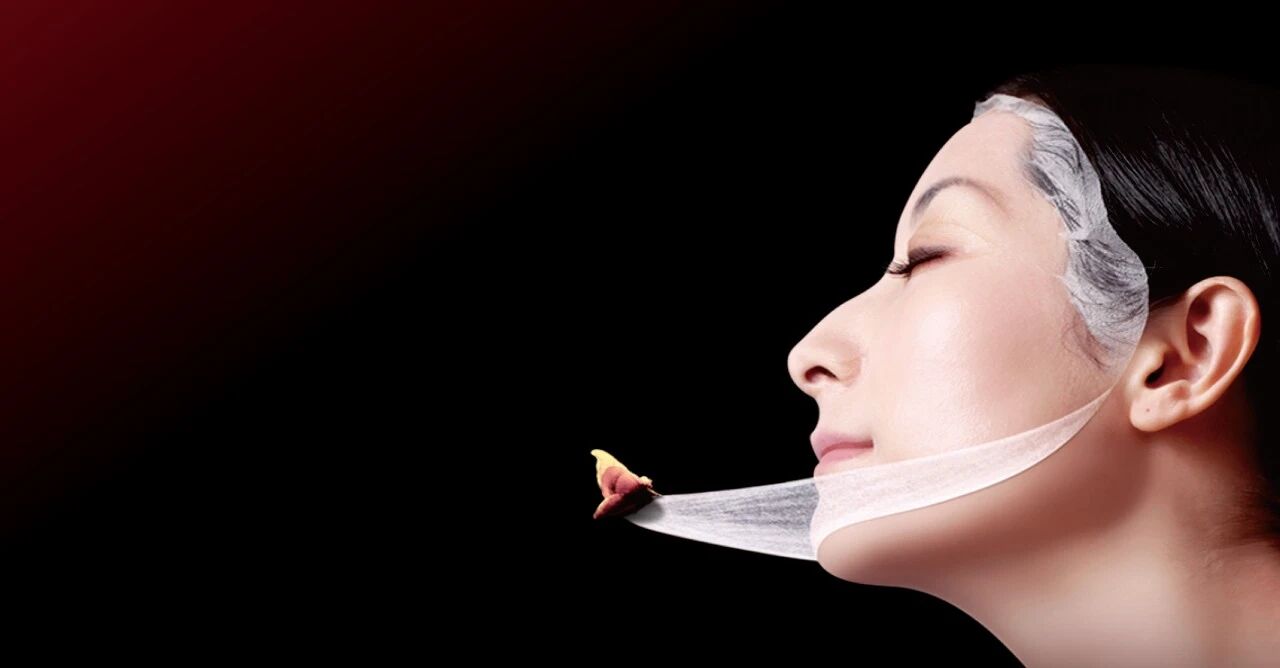
贝豪蚕丝面膜

从2008年全球首创隐形蚕丝面膜,到2014年备长炭赋予膜布吸附净化功能,再到2016年提拉紧致V脸面膜实现0防腐剂、大马士革玫瑰花水面膜以花水替代纯水;2020年将铂金融入纤维打造功效型膜布,2023年7A铂可拉面膜实现7A级抗菌,再到2026年,贝豪重塑面膜高端价值的又一重要成果——双芯超氧膜诞生。

双芯超氧膜在原料选择与配方设计上,采用了“抗氧化之王”铂金,跨越“成分添加”,实现膜布基底自生抗氧力。全球首创双芯抗氧面膜结构,实现功能成分更高效的触肤利用率,让吸附功效与抗氧功效“织”在一起,高阶功效一片见效,由此告别只有单面有效的面膜时代。

贝豪双芯超氧膜

贝豪膜布的每一次突破都落在更强的功效、更好的体验、更高的安全性上。这些方向,也恰恰是高端面膜科技价值的核心标准。

科技解决了“面膜能做什么”,而文化回答的是“面膜意味着什么”。

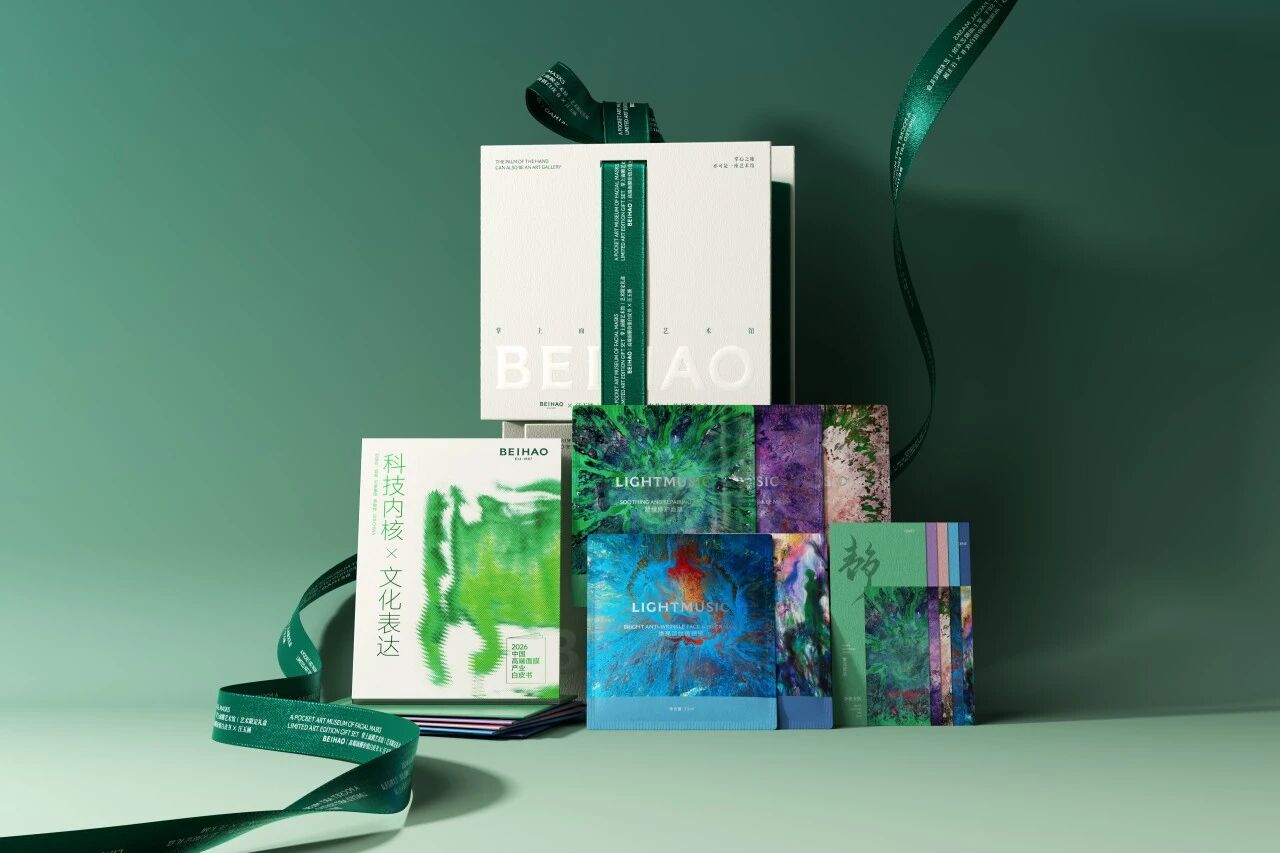
贝豪掌上面膜艺术馆 | 艺术限定礼盒(高端面膜价值白皮书✖️汪玉涵 联名款)

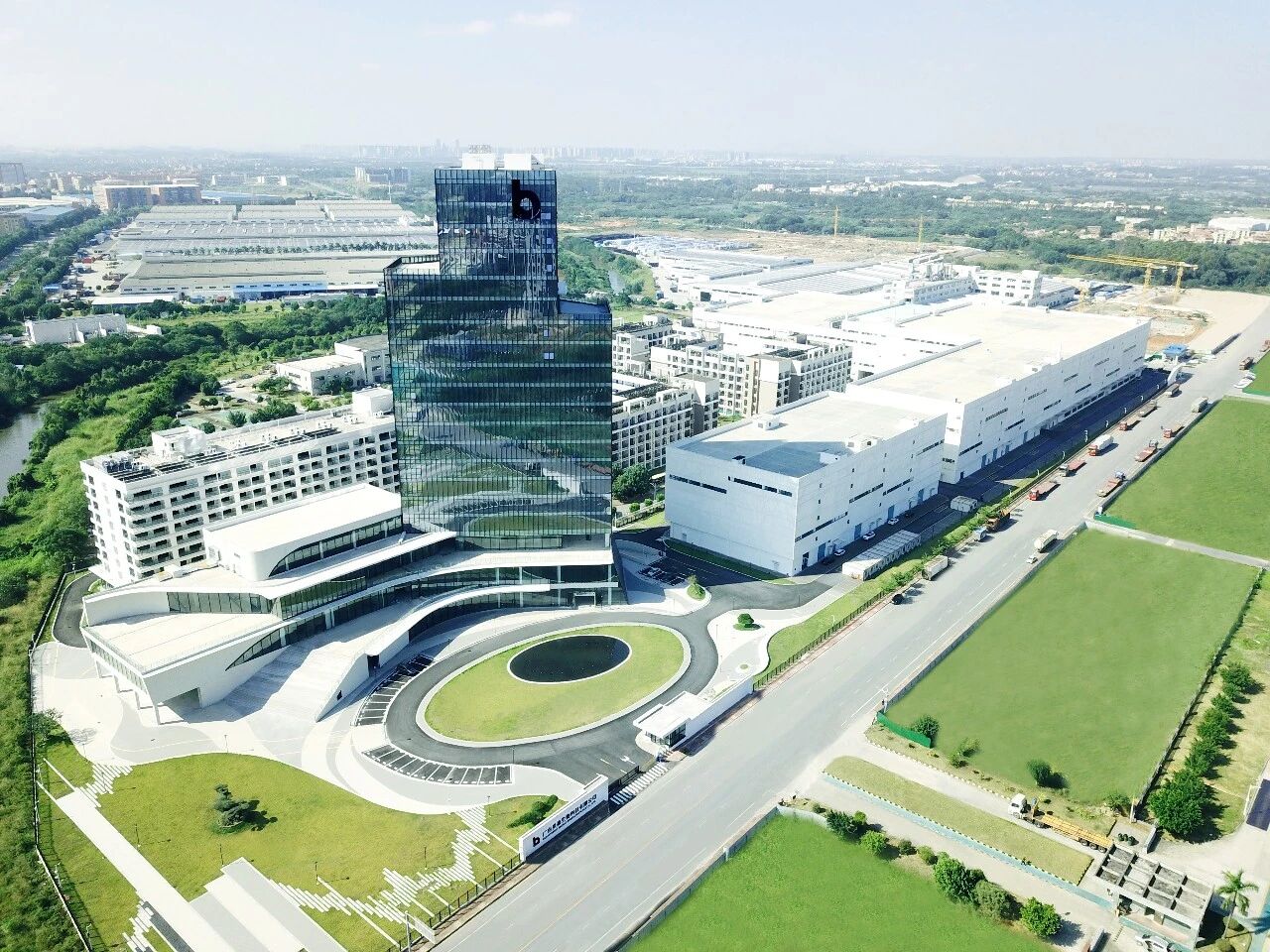
人文共情层面,贝豪将美妆制造与工业文旅融合,投资超10亿元打造贝豪健康美学文化艺术园,成为行业领先的“产学研游一体”现代创意美学工厂。

园区承载探索世界优质原料和聚焦全球美学文化两大重要功能,旨在打破对传统生产企业的认知,实现企业价值的良性循环,为中国美妆真正走向高端赋能,为中国品牌与世界接轨创造桥梁。

贝豪健康美学文化艺术园

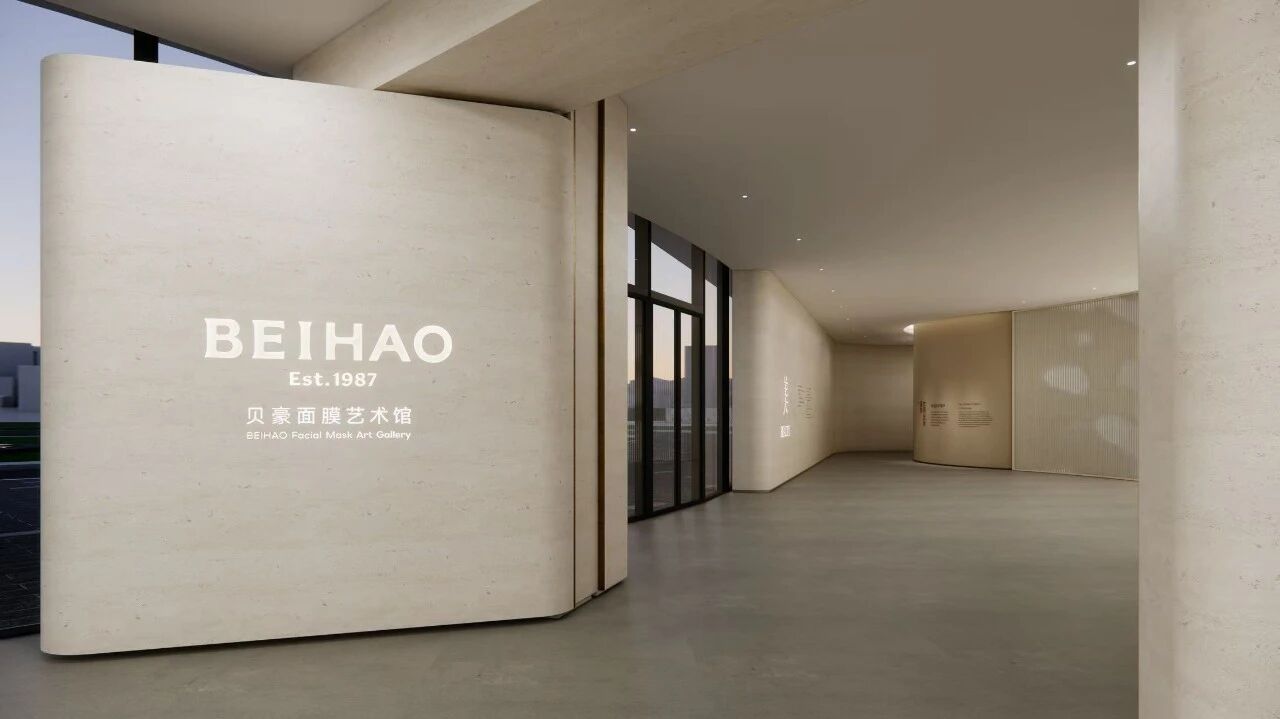
园内1000㎡贝豪面膜艺术馆,集展览、潮玩、创作体验于一体,将面膜从快消品升维为可感知的文化载体,向高端用户传递更具共情力的价值表达。

体验创新层面,贝豪的每一次膜材革新都伴随使用体验的升级,也见证着消费习惯的变迁,这种变迁本身就是面膜文化的演进。从蚕丝面膜的轻薄服帖,到双芯超氧膜的双面有效,贝豪始终以技术创新回应消费者对舒适感与功效感的双重期待,通过征服感官来征服心智,不断提升高端面膜的体验门槛。

贝豪面膜艺术馆

从“高端面膜价值创造者”的定位出发,贝豪的角色正从行业引领者向高端面膜产业生态构建者转变。

当“科技内核×文化表达”的价值模型被验证可行之后,它不再满足于做好一款面膜或成为顶级的供应链企业。从膜布技术、配方研发到视觉设计、定制化迭代,贝豪提供的是超越产品交付的系统性解决方案,这正是“高端面膜价值创造者”与传统代工厂的本质区别:前者交付价值标准,后者交付产品本身。 如今,贝豪正帮助不同渠道、不同定位的品牌,以价值创新突破内卷困局,找到属于自己的高端化发展方向。

联合多方发布《白皮书》、建立高端面膜价值标准,也是贝豪从行业引领者走向产业生态构建者的关键一步。当品类的价值坐标系被重新锚定,每一家躬身入局的品牌都能在清晰的路径中找到自己的位置,整个面膜产业才能从低价的泥潭中拔足,迈向真正的良性增长。

04

结语

行业等待这一份面膜价值标准,太久了。

过去十年,面膜品类的规模增长并未换来价值认同。品牌在“做不做”、“怎么做”之间反复摇摆,消费者在“9.9元”与“99元”之间困惑选择。行业缺的不是产能,不是市场,而是一套帮助面膜高端化发展的价值体系。

如今,《白皮书》给出了方向、框架和参照。当越来越多的品牌在这套价值标准上找到自己的答案,面膜品类的“高端化”才不只是行业的期待,而是消费者货架上的真实选择。

注:文/新锐品牌研学社,文章来源:亿邦动力,本文为作者独立观点,不代表亿邦动力立场。

文章来源:亿邦动力

广告
微信
朋友圈

FAQ回顾

高端面膜的价值构成是什么?

高端面膜并非简单等同于高价,而是具备可感知的高价值。其价值构成已从传统的功效导向,升级为“护肤×体验×情绪×审美”的复合体系,其中科技内核是提升功效与体验的核心基石,文化表达是输出情绪价值、构建消费者认同的核心路径。

中国面膜行业当前处于什么发展阶段?

中国面膜市场经历过十年高速扩张期、整体放缓及持续负增长阶段,目前已进入存量竞争阶段,品类价值迷失是发展受阻的核心因素。当前高端面膜细分市场增速达15.3%,30-45岁女性高端面膜消费占比已提升至31.7%,高端化是重要发展方向。

高端面膜赛道值得品牌深耕吗?

值得。面膜是亚洲专属品类,是中国品牌具备独有优势的赛道,中国贴片面膜市场由国货主导,45%的消费者偏好国产品牌,天猫、抖音热销贴片面膜TOP10中国货均占7席,消费者愿意为国货面膜的高端化买单,具备清晰的发展空间。

贝豪在高端面膜产业中扮演什么角色?

贝豪定位为高端面膜价值创造者,已从行业引领者向高端面膜产业生态构建者转变,不仅深耕膜材与精华液协同创新,还提供覆盖膜布技术、配方研发、视觉设计等环节的系统性解决方案,助力品牌突破内卷找到高端化路径。

这么好看,分享一下?

朋友圈 分享

APP内打开

赞 +1
+1
微信好友 朋友圈 新浪微博 QQ空间
关闭
收藏成功
发送
/140 0