





广告
加载中

8个月3轮融资数亿 正奇未来押注短途出行机器人

马蹄社 2026-07-28 09:36
马蹄社 2026/07/28 09:36

邦小白快读

EN
全文速览

本文核心介绍了聚焦短途出行机器人的物理AI公司正奇未来的发展情况,核心干货信息如下

1. 最新进展:正奇未来在8个月内完成数亿元人民币天使系列融资,投资方涵盖头部财务投资机构、一线车圈产业资本、高端消费资本,其中线性资本连投两轮,资金将用于技术研发、首款产品量产、线上线下渠道搭建。

2. 技术与模式:公司走“技术+产品”双驱动路线,模仿特斯拉形成“产品→数据→模型→产品”的自我强化闭环,核心技术是自研的世界模型与运动执行平台,解决了行业长期存在的室内外感知割裂问题,壁垒突出。

3. 产品与前景:首款产品QUORRA X5已经获得海外十多个国家订单,通过车规级极寒验证,年内将登陆国内电商平台,而全球短途出行赛道年复合增长率可达26%以上,2035年市场规模有望突破2万亿美元,增长潜力巨大。

本文披露的短途出行机器人赛道信息与正奇未来的发展路径,对布局相关领域的品牌商有诸多参考干货,具体如下

1. 消费趋势判断:全球短途出行交通工具保有量超过20亿台,叠加AI智能化改造、乘用车跨品类替代、亚非拉市场增长三大增量,行业年复合增长率可达26%以上,2035年市场规模有望突破2万亿美元,赛道增长空间广阔。

2. 产品研发参考:正奇未来走“技术+产品”双驱动路线,核心打造“大脑”(世界模型)与“身体”(运动执行平台)协同进化的闭环,靠真实场景数据持续迭代产品,这种研发思路可作为同领域品牌的参考。

3. 渠道布局参考:正奇未来计划搭建国内京东天猫旗舰店+海外DTC线上渠道,同时铺设全球十多个国家和国内多省市的线下体验网点,这种线上线下结合+优先出海的布局模式值得同类品牌参考。

本文给关注短途出行智能领域的卖家带来了明确的赛道机会与行业参考信息,干货如下

1. 赛道机会提示:当前全球短途出行智能化赛道增长明确,年复合增长率超26%,2035年市场规模有望突破2万亿美元,而目前仅有正奇未来在积累生活空间非结构化短途出行数据,赛道竞争烈度低,新入局者有较多增长机会。

2. 合作与布局机会:正奇未来年内将在京东、天猫开设官方旗舰店,同时铺设国内线下体验销售网点,有意向的卖家可对接相关合作机会,也可跟随赛道风向提前布局智能化短途出行相关品类。

3. 可借鉴商业模式:正奇未来采用“产品→数据→模型→产品”的自我强化增长飞轮,靠产品落地获取数据反向迭代技术,这种模式非常适合布局出海短途出行智能产品的卖家学习参考。

对于布局短途出行相关领域的工厂,本文披露了明确的产品需求、商业机会与转型启示,干货如下

1. 产品生产设计需求:当前短途出行智能化改造是核心趋势,正奇未来首款量产产品QUORRA X5要求符合车规级品质,可适应-35℃极寒这类极端环境,同时定位为全球最小智驾舱,对小型化、可靠性设计有较高要求,工厂可针对性调整自身生产与设计能力。

2. 明确商业机会:正奇未来首款产品已经获得海外十多个国家和地区的商业订单,即将开启国内线上线下渠道布局,量产需求明确,相关核心零部件、代工领域的工厂可对接合作机会,获得稳定订单。

3. 数字化转型启示:正奇未来靠产品获取真实场景数据反向迭代技术和产品,工厂可参考这种数据驱动的发展思路,推进自身数字化生产改造,更快对接电商渠道的市场需求,提升响应速度。

对于服务智能出行机器人领域的服务商,本文披露了行业发展趋势、客户核心痛点与未来服务方向,干货如下

1. 行业发展趋势:短途出行机器人赛道即将进入高速增长期,全球市场年复合增长率超26%,2035年市场规模有望突破2万亿美元,物理AI结合智能短途出行是明确的增长方向,未来相关服务需求会持续快速攀升。

2. 行业核心痛点:此前短途出行移动机器人行业长期存在室内外场景感知割裂的问题,没有可落地的一体化导航解决方案,同时纯算法公司或纯硬件组装公司都无法形成闭环壁垒,市场需要软硬件协同的一体化解决方案。

3. 服务商机会:当前头部赛道玩家正在推进产品量产、线上线下渠道搭建与出海布局,服务商可围绕短途出行机器人的供应链管理、线上运营、线下场景拓展、出海服务等方向调整业务,匹配客户核心需求。

对于电商平台、智能出行领域相关平台商,本文披露了行业玩家需求、招商方向与风险规避思路,干货如下

1. 行业商家需求:正奇未来作为短途出行机器人赛道的头部玩家,明确提出要入驻京东、天猫开设官方旗舰店,同时需要铺设线下体验网点,说明该赛道品牌对头部电商平台的官方流量渠道有明确需求,也需要平台提供线下场景资源支持。

2. 平台招商机会:短途出行智能化赛道增长潜力大,正奇未来已经实现首发量产即拿海外订单,属于高潜力优质项目,平台可针对性引入这类新赛道头部品牌,丰富平台品类结构,抓住新的增长机会。

3. 风向规避思路:该赛道目前仍处于发展初期,数据积累形成的闭环壁垒是品牌核心竞争力,平台引入相关品牌时,可重点考察品牌的技术闭环与数据积累能力,避开低壁垒的纯硬件组装或纯算法项目。

对于研究智能出行、物理AI产业的研究者,本文披露了大量产业新动向、创新商业模式与资本动态,干货如下

1. 产业新动向:当前物理AI已经开始切入Door-to-Door短途出行机器人场景,业内目前仅有正奇未来在积累生活空间非结构化环境的短途出行数据,业内出现了首个原生面向D2D移动任务的世界模型,突破了行业长期存在的室内外感知割裂问题,是重要的技术新方向。

2. 创新商业模式:正奇未来采用类似特斯拉的增长飞轮模式,走“产品→数据→模型→产品”的自我强化路线,终局定位为所有生活空间移动机器人的空间智能底座,既不是纯硬件公司也不是纯算法公司,是一种全新的产业定位模式。

3. 资本动向:该赛道已经获得一线财务资本、车圈产业资本、高端消费资本的集体认可,8个月内完成数亿元融资,说明资本对该赛道的前景高度看好,可作为产业研究的核心新兴方向。

返回默认
声明:快读内容全程由AI生成,请注意甄别信息。如您发现问题,请发送邮件至 run@ebrun.com 。

我是 品牌商 卖家 工厂 服务商 平台商 研究者 帮我再读一遍。

Quick Summary

This article outlines the development of Zhengqi Future (ZQ Future), a physical AI company focused on short-distance travel robots. Key takeaways are as follows:

1. **Latest Updates**: The company has completed hundreds of millions of RMB in angel round financing over 8 months. Investors include leading financial institutions, top-tier automotive industry capital, and high-end consumer capital, with Linear Capital leading two consecutive rounds of investment. Funds will be allocated to R&D, mass production of its first product, and building omnichannel online and offline distribution.

2. **Technology and Business Model**: ZQ Future follows a dual "technology + product" driven strategy, replicating Tesla's self-reinforcing closed loop of "product → data → model → product". Its core technologies are a self-developed world model and motion execution platform, which solve the long-standing industry problem of disconnected indoor-outdoor perception, creating strong market barriers.

3. **Product and Growth Outlook**: Its first product, the QUORRA X5, has already secured orders from more than 10 overseas markets and passed automotive-grade extreme cold testing. It will launch on Chinese e-commerce platforms within this year. The global short-distance travel market is projected to grow at a compound annual growth rate (CAGR) of over 26%, reaching more than $2 trillion by 2035, indicating enormous growth potential.

This article offers valuable insights for brands looking to enter the short-distance travel robot sector, drawn from ZQ Future's development path and industry dynamics:

1. **Consumer Trend Assessment**: Global short-distance travel vehicle ownership exceeds 2 billion units. Driven by three key growth catalysts—AI-enabled upgrading, cross-category substitution for passenger cars, and expanding demand across Africa, Asia, and Latin America—the industry will grow at a CAGR of over 26% and exceed $2 trillion by 2035, representing massive untapped market space.

2. **R&D Reference**: ZQ Future's dual "technology + product" strategy builds a co-evolution closed loop between its "brain" (world model) and "body" (motion execution platform), continuously iterating products using real-world scenario data. This R&D framework serves as a useful reference for peer brands.

3. **Go-to-Market Reference**: ZQ Future plans to launch official flagship stores on Tmall and JD.com, build direct-to-consumer (DTC) online channels for overseas markets, and roll out offline experience outlets across more than 10 countries and multiple Chinese provinces and cities. This omnichannel go-to-market model, prioritizing global expansion, is a valuable blueprint for peer brands.

For sellers focused on the intelligent short-distance travel sector, this article outlines clear market opportunities and industry insights:

1. **Market Opportunity Alert**: The global intelligent short-distance travel market is set for clear, robust growth, with a CAGR of over 26% and a projected $2 trillion market size by 2035. Currently, ZQ Future is the only player accumulating non-structured short-distance travel data across living spaces, meaning low competitive intensity and abundant growth opportunities for new entrants.

2. **Partnership and Layout Opportunities**: ZQ Future will launch official flagship stores on JD.com and Tmall and roll out offline sales and experience outlets across China this year. Interested sellers can pursue partnership opportunities, or proactively position themselves in intelligent short-distance travel categories aligned with this growing sector trend.

3. **Actionable Business Model Insights**: ZQ Future operates a self-reinforcing growth flywheel of "product → data → model → product", using product launches to collect data that iterates on technology in return. This framework is particularly useful for sellers focusing on cross-border intelligent short-distance travel products.

For factories active in the short-distance travel sector, this article outlines clear product requirements, business opportunities, and transformation insights:

1. **Product Design and Manufacturing Requirements**: AI-enabled upgrading is the core industry trend. ZQ Future's first mass-produced product, the QUORRA X5, meets automotive-grade quality standards, operates reliably in extreme cold as low as -35°C, and is positioned as the world's smallest intelligent driving cabin. It requires high standards for miniaturization and reliability, so factories can adjust their design and manufacturing capabilities to align with this demand.

2. **Clear Business Opportunities**: The QUORRA X5 has already secured commercial orders from more than 10 overseas countries and regions, and ZQ Future is about to roll out domestic online and offline distribution, creating clear mass production demand. Factories focused on core components and contract manufacturing can pursue partnership opportunities to secure stable order flow.

3. **Digital Transformation Insights**: ZQ Future uses real-world product data to iteratively improve technology and products. Factories can adopt this data-driven development approach to advance digital manufacturing transformation, respond faster to e-commerce market demand, and improve market responsiveness.

For service providers serving the intelligent travel robot sector, this article outlines industry trends, core client pain points, and future service directions:

1. **Industry Growth Trends**: The short-distance travel robot sector is entering a period of rapid growth, with a global CAGR of over 26% and a projected $2 trillion market size by 2035. The combination of physical AI and intelligent short-distance travel is a clear growth direction, and related service demand will continue to rise rapidly in the coming years.

2. **Core Industry Pain Points**: The sector has long struggled with disconnected perception between indoor and outdoor scenarios, with no actionable integrated navigation solution available. Additionally, neither pure algorithm companies nor pure hardware assembly firms can build sustainable closed-loop barriers, creating market demand for integrated software-hardware solutions.

3. **New Service Opportunities**: Leading players in the sector are currently advancing product mass production, omnichannel distribution, and global expansion. Service providers can adjust their business to align with core client needs, focusing on supply chain management, online operations, offline scenario expansion, and cross-border expansion services for short-distance travel robot players.

For e-commerce platforms and other platform operators in the intelligent travel space, this article outlines player demand, sourcing opportunities, and risk mitigation strategies:

1. **Brand Demand from the Sector**: As a leading player in the short-distance travel robot sector, ZQ Future has明确 announced plans to open official flagship stores on JD.com and Tmall, and needs support to build out offline experience outlets. This demonstrates that leading brands in this sector have clear demand for official traffic channels on top-tier e-commerce platforms, and also require platforms to provide offline scenario resource support.

2. **Sourcing Opportunities for Platforms**: The intelligent short-distance travel sector has enormous growth potential, and ZQ Future has already secured overseas orders ahead of its first mass production launch, making it a high-potential quality project. Platforms can proactively source leading brands from this emerging sector to enrich their product categories and capture new growth opportunities.

3. **Risk Mitigation Guidance**: The sector is still in an early development stage, and closed-loop barriers built through data accumulation are a brand's core competitiveness. When onboarding related brands, platforms should prioritize evaluating a brand's technical closed-loop and data accumulation capabilities, and avoid low-barrier pure hardware assembly or pure algorithm projects.

For researchers studying intelligent travel and physical AI, this article shares extensive new industry trends, innovative business models, and capital dynamics:

1. **New Industry Developments**: Physical AI has begun to enter the door-to-door (D2D) short-distance travel robot space. ZQ Future is currently the only industry player accumulating short-distance travel data in unstructured living environments, and has developed the industry's first world model natively built for D2D mobility tasks. The model solves the long-standing industry problem of disconnected indoor-outdoor perception, representing an important new technical direction.

2. **Innovative Business Model**: ZQ Future adopts a Tesla-like growth flywheel model, following the self-reinforcing path of "product → data → model → product". Its end-game positioning is to serve as a spatial intelligence base for all mobile robots operating in living spaces, making it neither a pure hardware company nor a pure algorithm firm, and representing an entirely new industry positioning model.

3. **Updated Capital Dynamics**: The sector has received widespread backing from leading financial investors, automotive industry capital, and high-end consumer capital, completing hundreds of millions of RMB in financing over 8 months. This indicates strong investor confidence in the sector's prospects, and confirms it as a core emerging research direction for industry analysis.

Disclaimer: The "Quick Summary" content is entirely generated by AI. Please exercise discretion when interpreting the information. For issues or corrections, please email run@ebrun.com .

I am a Brand Seller Factory Service Provider Marketplace Seller Researcher Read it again.

【马蹄社原创】日前,物理AI公司「正奇未来」宣布,在8个月内已完成数亿元人民币天使系列融资(含Pre-A轮),投资方包括鼎晖VGC投资、线性资本等头部财务机构,上汽集团恒旭资本、宁德时代系柏睿资本、比亚迪系正轩投资等一线车圈产业资本,以及周大福投资等高端消费产业资本,其中线性资本连投两轮。

这笔资金将用于四个方向:QUORRA DoorMind世界模型与QUORRA FLAT运动执行平台的研发迭代;首款机器人产品QUORRA X5的量产制造;京东、天猫旗舰店及海外DTC线上渠道搭建,以及覆盖全球十多个国家与国内多省市的线下体验网点铺设。

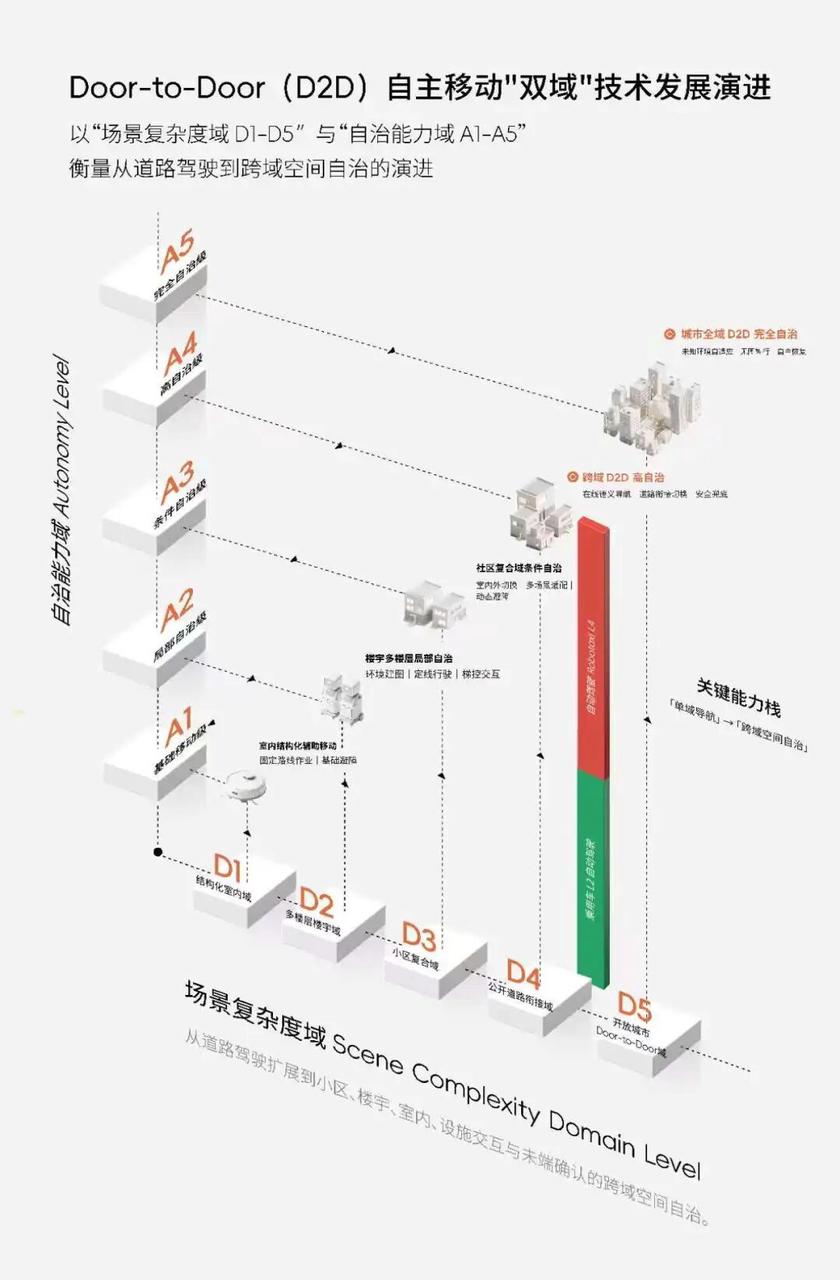
正奇未来(马蹄社成员企业)成立于北京和上海,聚焦Door-to-Door(D2D)移动任务场景,是一家“技术+产品”双驱动的物理AI公司。其核心路径与特斯拉高度相似,以终端产品为入口获取真实场景数据,再用数据持续迭代模型,更强的模型反哺产品体验,形成“产品→数据→模型→产品”的自我强化闭环。

公司的核心壁垒来自“大脑”与“身体”的协同进化。自研QUORRA DoorMind是业内首个原生面向Door-to-Door移动任务的世界模型,首次实现室内外场景的连续感知与统一理解,突破了行业长期以来的感知割裂问题。它不止检测障碍物,更融合视觉、语言与环境信息,能理解空间的语义与规则,在无高精地图的情况下完成室内外一体化导航。

QUORRA FLAT运动执行平台则是让决策落地的“身体”:四轮独立驱动与转向、自适应主动悬架构成全域线控底盘,结合RLHF技术实现底盘动力学的自主进化。两者并非简单的指令-执行关系——FLAT持续学习每一次移动的物理反馈并回流至DoorMind,共同优化从感知到执行的全闭环。这就是公司区别于单纯算法公司或硬件组装公司的护城河。

目前,正奇未来被认为是唯一正在获取生活空间内非结构化环境短途出行数据的物理AI公司。其首款量产产品QUORRA X5被称为史上最小智驾舱,已获得海外十多个国家和地区的商业订单,首发即量产、量产即出海。该产品已通过内蒙古海拉尔 -35℃ 极寒环境的车规级验证,年内将在天猫、京东开设旗舰店,并在国内多省市铺设线下销售网络。

相关研报显示,全球短途出行交通工具保有量超过20亿台,叠加AI智能化改造、乘用车跨品类替代、亚非拉市场加速三大增量,行业年复合增长率有望达到26% 以上,到2035年全球市场规模有望突破2万亿美元。

线性资本合伙人曾颖哲表示:“正奇未来站在一个稀缺的交汇点上:中国智驾产业链外溢带来的成本可行性、Door-to-Door真实生活空间这座尚未被开采的'数据油田',以及一支把'说到做到'刻进节点里的团队。我们相信,随着产品、数据、模型的飞轮转起来,公司的壁垒将进一步得到加深。”

正奇未来创始人吴书林表示:“当这个飞轮积累的数据足够深、模型足够泛化时,正奇未来将成为物理世界移动智能领域最具护城河的公司之一——不是因为某一款产品或某一个模型,而是因为产品、数据、模型三者咬合形成的飞轮,每多转一圈,壁垒就加深一层。”

正奇未来的终局定位不是一家硬件公司,也不是一家纯模型公司。公司明确将目标设定为“下一代物理AI的基础设施——一个所有生活空间移动机器人都绕不开的空间智能底座”。(马蹄社原创/2026年7月28日)

关于正奇未来

正奇未来(FREEGO)是一家聚焦Door-to-Door(D2D)移动任务场景的物理AI公司,以QUORRA DoorMind世界模型为核心技术引擎,通过短途出行机器人产品QUORRA X5进入真实用户场景,构建“产品→数据→模型”增长飞轮。创始人吴书林曾任百度IDG智能驾驶业务副总裁、华为业务总经理。公司在上海、北京设有研发与运营中心。

文章来源:马蹄社

广告
微信
朋友圈

FAQ回顾

正奇未来是一家什么公司?

正奇未来是聚焦Door-to-Door(D2D)移动任务场景的物理AI公司,核心技术为QUORRA DoorMind世界模型与QUORRA FLAT运动执行平台,主打短途出行机器人产品,8个月内已完成数亿元天使系列融资,获多家头部机构投资。

短途出行机器人行业的发展前景如何?

全球短途出行交通工具保有量超过20亿台,叠加AI智能化改造、乘用车跨品类替代、亚非拉市场加速三大增量,行业年复合增长率有望达到26%以上,到2035年全球市场规模有望突破2万亿美元。

正奇未来QUORRA X5有哪些特点?

QUORRA X5是正奇未来首款量产短途出行机器人,被称为史上最小智驾舱,已通过内蒙古海拉尔-35℃极寒环境的车规级验证,已获得海外十多个国家和地区的商业订单,首发即量产、量产即出海。

正奇未来的核心竞争壁垒是什么?

正奇未来核心壁垒来自“大脑”与“身体”的协同进化,自研QUORRA DoorMind世界模型可实现室内外场景连续感知与统一理解,QUORRA FLAT运动执行平台可实现底盘动力学自主进化,二者形成感知到执行的全闭环。

这么好看,分享一下?

朋友圈 分享

APP内打开

赞 +1
+1
微信好友 朋友圈 新浪微博 QQ空间
关闭
收藏成功
发送
/140 0

