广告
加载中

分级扣佣 推流改向…抖音达人生态新变革

廖紫琳 2026-07-24 10:52
廖紫琳 2026/07/24 10:52

邦小白快读

EN
全文速览

本文核心是2023年7月抖音电商对达人生态推出分级扣佣、推流改向两大变革,给普通想做抖音带货的用户整理实操干货如下:

1. 核心新规规则:扣佣改为五级分档,A级到D级费率依次为10%、10%、10%、20%、40%,平台每月更新评级,评级越高费率越优惠,合规优质达人满足开播、投稿等要求还可享受1%-10%的费率返还,理论上可免交技术服务费。评级由合规经营、结算健康度、内容能力、带货能力五个维度决定。

2. 推流规则全新调整:新算法权重排序为收藏率>复访率>铁粉互动>停留>完播>点赞,不再追求瞬时流量,更偏向有长期价值的长尾干货内容,纯博眼球、走套路骗流量的玩法已经失效,目前百粉千粉的中小账号已经开始吃到流量红利。

3. 长期经营方向:只有合规经营、做好内容、提升带货结算效率、选靠谱合作商品,才能在新生态中长期存活。

抖音达人生态的新变革,重构了品牌和达人的合作逻辑,给品牌商带来了多方面的影响,核心干货如下:

1. 达人合作逻辑生变:新规下达人评级和结算健康度挂钩,带货退货退款率高会拉低达人评级,增加达人成本,因此达人会主动避开销量低、退货率高的小品牌,更倾向合作口碑好、质量稳定的成熟品牌;同时品牌商选达人也开始将达人经营评级作为核心参考指标,低评级达人很难拿到品牌的合作和投流支持。

2. 佣金合作模式优化:平台将最低挂链佣金提高至5%,推行“日常佣金+投流佣金”的双佣金模式,品牌可根据自身需求选择,不仅能规避阴阳合同带来的退费难、补播难等风险,整体合作成本还有望下降。

3. 未来合作趋势:平台新规倒逼达人重视带货质量,品牌只要产品质量过关、退货率控制达标,就能更容易拿到优质达人资源,劣质低质产品会逐渐被市场出清。

本次抖音达人生态调整,给带货卖家带来了新的机会与风险,核心干货整理如下:

1. 核心政策解读:本次调整主要涉及三方面规则变化:一是分级动态扣佣,按五个指标每月评定达人等级,费率从10%到40%不等,合规优质达人可享受费率返还甚至全额减免;二是佣金规则调整,最低挂链佣金提至5%,推出双佣金模式适配不同合作需求;三是推流机制改向,流量向优质长尾内容倾斜,套路内容流量失效。

2. 市场机会提示:新规下平台流量开始向百粉、千粉的中小账号倾斜,中小卖家可以尝试和新兴中小达人合作,降低合作成本;如果卖家产品质量好、退货率低,会更受达人欢迎,更容易拿到优质合作资源。

3. 风险提示:如果你的产品结算率不达标、退货退款率高,会连累合作达人评级下降,会导致越来越多达人不愿意接你的产品,卖家需要尽快优化产品、控制售后,避免失去达人合作渠道。

抖音达人生态的新变革,对布局抖音电商的生产工厂带来了诸多启发,核心干货如下:

1. 产品生产要求生变:新规对不同品类、不同价位段商品的结算率提出了明确要求,价位越低对结算率要求越高,比如100元以下男装视频带货结算率要求达到55%,结算率不达标会影响达人评级,因此工厂必须严控产品品质,降低退货退款率,才能获得达人合作机会。

2. 新的商业机会:本次调整后平台流量开始向中小达人倾斜,工厂可以跳过中间机构直接对接中小达人,降低合作佣金成本;同时品质过硬、有长期价值的产品更容易获得平台持续流量,工厂可以依托优质产品打造自有爆款,打造自有线上渠道。

3. 数字化电商转型启示:平台现在更看重合规经营、内容质量和实际结算GMV,工厂做抖音电商不能只靠博眼球的套路流量,要绑定合规优质达人,做好产品售后,走长期经营路线,才能适配新生态的要求,获得稳定增长。

抖音达人生态的本次变革,明确了行业新发展趋势,也给服务商指明了新的服务方向,核心干货如下:

1. 行业发展新趋势:抖音本次改革的核心目标是打造高质量、百花争艳的达人生态,不再追求达人数量,转而提升整体经营质量;流量分配从过去向头部达人集中,转向扶持中小优质达人,流量规则从追求瞬时流量,转向鼓励有长期价值的内容,整个行业从野蛮生长转向规范化发展。

2. 客户的核心痛点:达人端,中小达人原本的套路化内容玩法失效,评级低导致费率更高,还拿不到商家合作投流,不知道如何适配新规则;商家端,原本存在的阴阳合同、低佣金带来的售后风险,以及达人投流成本过高的问题始终没有得到解决。

3. 新的服务方向:服务商可以为达人提供合规经营规划服务,帮助达人优化内容质量、提升结算率,进而提升评级降低费率;同时可以帮商家匹配对应评级的合适达人,适配双佣金合作模式,帮助商家控制合作成本,降低售后风险。

抖音对达人生态的本次改革,为其他电商平台优化达播生态提供了可参考的经验,核心干货整理如下:

1. 传统达播生态的普遍问题:原统一扣佣模式存在公平性缺陷,合规高投入达人和违规低质达人扣费一致,容易出现劣币驱逐良币的问题;达人合作领域存在阴阳合同、低佣金带来的售后风险,流量过度集中头部,内容多为套路化博眼球,收割式带货严重影响平台商誉。

2. 可参考的改革做法:抖音采用分级动态评级扣佣模式,将达人切身利益和商家商品售后质量绑定,倒逼达人选择优质商品,合规经营;推出双佣金模式,满足商家和达人不同的投流需求,解决双方在投流成本上的分歧;调整推流权重,向长期价值内容倾斜,扶持中小达人,打造百花争艳的生态格局。

3. 需要规避的认知风险:改革过程中容易出现“平台要放弃达播转做店播”的误解,平台需要明确达播店播都要发展的定位,通过改革提升生态质量,避免误解影响平台招商和生态稳定。

本次抖音达人生态变革,展现了内容电商产业发展的新动向,为产业研究提供了全新样本,核心干货如下:

1. 产业发展新动向:抖音电商已经结束了早期的原生野蛮生长阶段,进入规范化高质量发展的新阶段,平台明确了达播和店播并非二选一,而是同步发展的战略,针对早期发展积累的收费不合理、产出不稳定、流量集中等问题,开始从顶层设计层面重构达人生态。

2. 模式创新的核心方向:本次改革推出了分级动态扣佣模式,替代传统统一费率,解决了劣币驱逐良币的行业痛点;通过结算健康度指标,将达人利益与商品质量、售后深度绑定,解决了行业长期存在的收割式带货、一锤子买卖问题;创新双佣金模式,平衡了商家和达人在投流成本上的分歧,调整推流权重重构了流量分发逻辑。

3. 值得深入研究的新问题:本次改革是平台主导的达人生态利益再分配,改革后达人格局的变化、中小达人的崛起空间、品牌商家与达人合作模式的长期演变,都是内容电商领域值得持续追踪研究的新课题。

返回默认
声明:快读内容全程由AI生成,请注意甄别信息。如您发现问题,请发送邮件至 run@ebrun.com 。

我是 品牌商 卖家 工厂 服务商 平台商 研究者 帮我再读一遍。

Quick Summary

This article centers on two major changes Douyin E-commerce rolled out for its creator ecosystem in July 2023: tiered commission deduction and an adjusted traffic distribution algorithm. It shares practical takeaways for users looking to start selling products via Douyin creators:

1. Core new rules: Commission rates are now split into five tiers, standing at 10% for Grade A, 10% for Grade B, 10% for Grade C, 20% for Grade D, and 40% for Grade E. The platform updates creator ratings monthly, with higher-rated creators enjoying more favorable rates. Compliant high-quality creators that meet requirements for regular streaming and content posting can also get 1% to 10% of their commission refunded, theoretically allowing them to pay zero technical service fees. Ratings are determined across five dimensions: compliance operation, settlement health, content capability, and sales performance.

2. Fully adjusted traffic distribution rules: The new algorithm prioritizes metrics in the following order of weight: save rate > return visitor rate > interaction from core followers > watch time > completion rate > like rate. Instead of chasing short-term peak traffic, the platform now favors long-tail, high-value content. Attention-grabbing clickbait and manipulative traffic tactics no longer work, and small to mid-sized accounts with just hundreds or thousands of followers have already started gaining from the new traffic dividend.

3. Long-term operation guidance: Only creators that operate compliantly, deliver high-quality content, improve sales settlement efficiency, and partner with reliable products will be able to thrive in the new ecosystem long-term.

Douyin’s changes to its creator ecosystem have reshaped how brands and creators collaborate, bringing multi-faceted impacts for brands. Key takeaways are as follows:

1. Shifts in collaboration logic: Under the new rules, creator ratings are tied to settlement health. High return and refund rates will lower a creator’s rating and increase their operating costs. As a result, creators are now actively avoiding small brands with low sales and high return rates, and prefer partnering with established brands with good reputations and stable product quality. At the same time, brands have started using creator ratings as a core reference when selecting partners, making it much harder for low-rated creators to secure brand collaborations and traffic support.

2. Optimized commission collaboration models: The platform raised the minimum link commission to 5% and launched a dual commission model of "regular commission + traffic commission", which brands can adapt to their own needs. This not only avoids risks such as difficult refunds and re-broadcasting caused by shadow contracts, but also is expected to lower overall collaboration costs for brands.

3. Future collaboration trends: The new rules force creators to prioritize sales quality. As long as brands deliver qualified product quality and keep return rates within required limits, they will find it much easier to access high-quality creator resources, while low-quality products will gradually be pushed out of the market.

Douyin’s latest adjustment to its creator ecosystem brings new opportunities and risks for selling sellers. Key takeaways are summarized below:

1. Core policy breakdown: The adjustment covers three main rule changes: First, dynamic tiered commission deduction, where creators are rated monthly based on five indicators, with commission rates ranging from 10% to 40%, and compliant high-quality creators can qualify for commission refunds or even full exemptions. Second, adjusted commission rules: the minimum link commission has been raised to 5%, and a dual commission model is offered to fit different collaboration needs. Third, a shifted traffic distribution mechanism, where traffic is now directed to high-quality long-tail content, while manipulative clickbait content no longer gets traffic.

2. Market opportunity notes: Under the new rules, platform traffic is shifting toward small and mid-sized accounts with hundreds or thousands of followers. Small and mid-sized sellers can experiment with partnering with emerging small and mid-sized creators to cut collaboration costs. If a seller’s products have good quality and low return rates, they will be more popular among creators and gain easier access to high-quality collaboration resources.

3. Risk warning: If your products have unqualified settlement rates and high return/refund rates, it will drag down the ratings of collaborating creators, leading to fewer and fewer creators willing to work with you. Sellers should optimize product offerings and control after-sales issues as soon as possible to avoid losing access to creator collaboration channels.

The recent changes to Douyin’s creator ecosystem offer key insights for manufacturing factories that have built a presence on Douyin E-commerce. Core takeaways are below:

1. Changed requirements for product manufacturing: The new rules set clear requirements for settlement rates across different product categories and price points, with higher settlement rate requirements for lower-priced goods. For example, men’s apparel priced under 100 yuan requires a 55% settlement rate for creator-led sales. Unqualified settlement rates harm creator ratings, so factories must strictly control product quality and reduce return and refund rates to secure creator collaboration opportunities.

2. New business opportunities: Following the adjustment, platform traffic is shifting toward small and mid-sized creators. Factories can connect directly with small and mid-sized creators, skipping middleman agencies, to cut commission costs. Meanwhile, high-quality products with long-term value are more likely to gain sustained traffic from the platform, allowing factories to build their own hit products and proprietary online channels.

3. Insights for digital e-commerce transformation: The platform now prioritizes compliant operation, content quality, and actual settled GMV. For factories building a Douyin E-commerce business, relying solely on attention-grabbing traffic tricks is no longer viable. To adapt to the new ecosystem and achieve steady growth, factories need to partner with compliant high-quality creators, deliver solid after-sales service, and pursue a long-term operation strategy.

This overhaul of Douyin’s creator ecosystem clarifies new industry development trends and points out new service directions for service providers. Key takeaways are as follows:

1. New industry development trends: The core goal of Douyin’s reform is to build a high-quality, diverse creator ecosystem. Instead of focusing on growing creator numbers, the platform now aims to improve overall operation quality. Traffic distribution has shifted from concentrating on top-tier creators to supporting high-quality small and mid-sized creators, and traffic rules have moved from prioritizing short-term peak traffic to encouraging long-term valuable content. The entire industry is shifting from unregulated rapid growth to standardized development.

2. Core pain points for clients: On the creator side, small and mid-sized creators’ old manipulative content tactics no longer work, while low ratings mean higher commission rates and no access to brand collaborations or traffic support, leaving many unsure how to adapt to the new rules. On the brand side, long-standing issues including shadow contracts, after-sales risks from ultra-low commissions, and excessively high creator traffic costs have yet to be resolved.

3. New service directions: Service providers can offer compliant operation planning services for creators, helping them optimize content quality, improve settlement rates, boost their ratings, and lower commission costs. They can also help brands match with appropriately rated creators, adapt to the dual commission model, control collaboration costs, and reduce after-sales risks.

Douyin’s reform of its creator ecosystem offers valuable reference for other e-commerce platforms looking to optimize their own creator-led live sales ecosystem. Key takeaways are summarized below:

1. Common problems in traditional creator-led sales ecosystems: The original uniform commission model has fairness flaws: compliant creators that invest heavily pay the same fees as non-compliant low-quality creators, which easily leads to a "bad money drives out good" dynamic. The creator collaboration space is plagued by shadow contracts and after-sales risks from low commissions, traffic is overly concentrated on top creators, most content is clickbait and manipulative, and predatory "收割式" sales severely damage platform reputation.

2. Replicable reform practices: Douyin adopted a dynamic tiered rating and commission model, which ties creators’ direct interests to the after-sales quality of merchants’ products, forcing creators to choose high-quality goods and operate compliantly. It launched a dual commission model to meet the different traffic needs of merchants and creators, resolving disagreements over traffic costs between the two parties. It also adjusted traffic weight to prioritize long-term valuable content, support small and mid-sized creators, and build a diverse, vibrant ecosystem.

3. Cognitive risks to avoid: Reforms can easily trigger the misunderstanding that "platforms are abandoning creator sales to focus on store-led sales". Platforms need to clarify their positioning that both creator sales and store-led sales will be developed, and use reform to improve ecosystem quality, to avoid misunderstandings harming platform merchant recruitment and ecosystem stability.

Douyin’s recent overhaul of its creator ecosystem reveals new trends in the content e-commerce industry and provides an entirely new sample for industrial research. Core takeaways are as follows:

1. New industrial development trends: Douyin E-commerce has exited its early stage of unregulated rapid growth and entered a new phase of standardized, high-quality development. The platform has made clear that creator sales and store-led sales are not an either-or proposition, but rather will be developed in parallel. To address issues accumulated during early development, including unreasonable fee structures, unstable output, and over-concentrated traffic, it has begun to restructure the creator ecosystem from a top-level design perspective.

2. Core direction of model innovation: This reform introduced a dynamic tiered commission model to replace the traditional uniform rate, solving the long-standing industry pain point of "bad money driving out good". Through the settlement health indicator, it deeply ties creators’ interests to product quality and after-sales service, addressing persistent industry problems such as predatory one-off sales. The innovative dual commission model balances disagreements over traffic costs between merchants and creators, and adjusted traffic weights have completely reshaped the traffic distribution logic.

3. New questions worth in-depth research: This reform is a platform-led redistribution of interests within the creator ecosystem. Post-reform changes in the creator landscape, growth space for small and mid-sized creators, and the long-term evolution of collaboration models between brands and creators are all new topics that warrant continued tracking and research in the content e-commerce space.

Disclaimer: The "Quick Summary" content is entirely generated by AI. Please exercise discretion when interpreting the information. For issues or corrections, please email run@ebrun.com .

I am a Brand Seller Factory Service Provider Marketplace Seller Researcher Read it again.

【亿邦原创】今年7月,很多抖音达人的职业生涯发生了重要变化。

有达人告诉亿邦动力,抖音电商向带货达人“阶梯式”收取技术服务费的新政已经正式启动,从“统一费率10%”升级为“按经营评级适用费率”,最高扣除佣金的40%。平台每月给每位达人定等级,达人评级越高,技术服务费率越优惠。

不止如此,抖音达人们还面临着平台“暗调”流量分配机制的重大挑战。

多位达人透露,进入二季度后,抖音的推流规则发生了明显的转向。“原本高热度的视频变得无人问津,平时至少每天几百单的挂车视频却‘一天卖不出几单’”。新的推流规则下,也有人反馈,部分有百粉、千粉的小账号开始爆单,尝到了红利。

面对平台的种种变局,抖音达人们的经营处境如何?全新机制的红利究竟会流向哪一方?又有哪些从业者将面临市场出清?

五级分档,受影响的不仅是费率

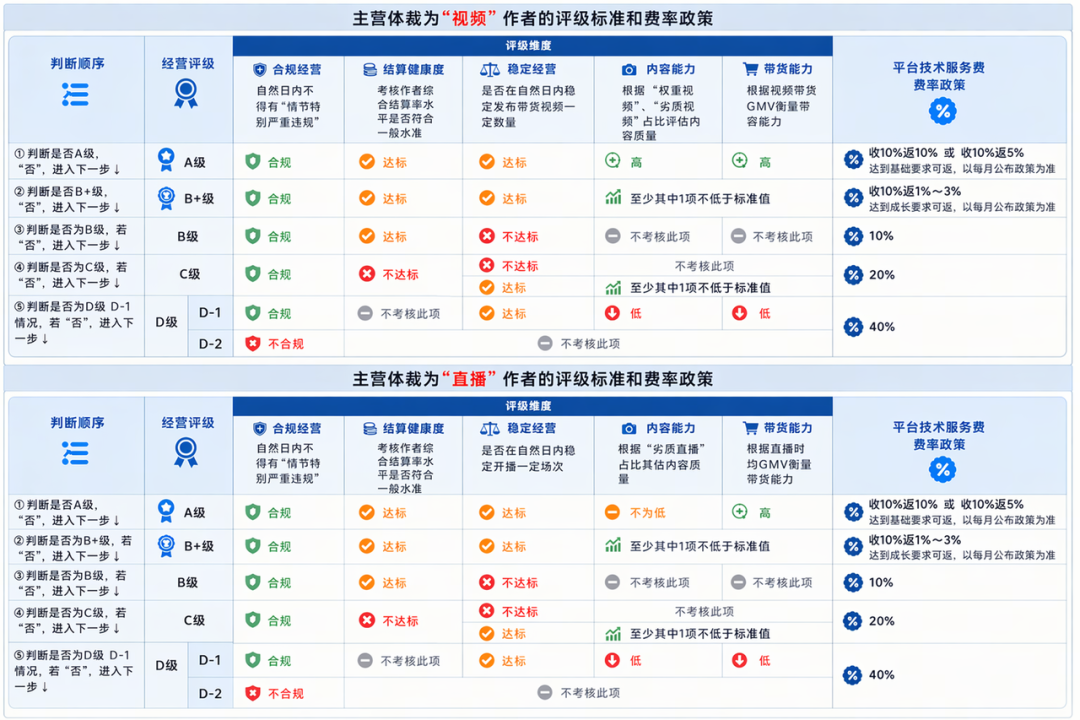
在新的费率规则下,所有抖音达人被分成五档,A级、B+级、B级、C级、D级,费率依次对应10%、10%、10%、20%和40%。

对经营表现好的达人,平台还有费率返还政策:达人在达到一定的基础要求后,比如开播场次多、有效投稿数量多、完成平台激励任务等,平台可返还1%-10%的扣点。理论上来说,有达人能够最终豁免向平台缴纳技术服务费。

图片

如上图,评级由五个标准综合决定。其中,合规经营和结算健康度以达人所有账号内容进行计算,后三个指标衡量主要经营的内容体裁所产生的数据表现,即主做直播带货的达人,平台就只看有关他的直播数据。

一位了解平台规则的达人告诉亿邦动力,前两项指标相对容易达到标准,只要没有刷单、不当获利等严重违规,电商直播、视频能稳定开播或投稿即可,而另外三项会更有难度一些。

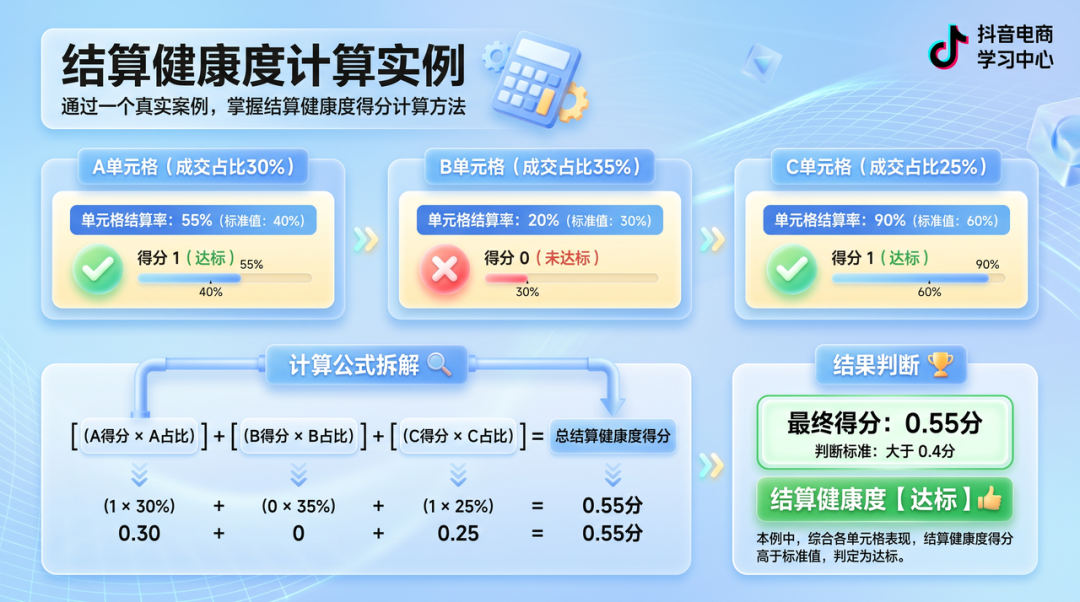
比如已经感受到压力的女装品类。按照新规,无论是视频达人还是直播达人,高价位段(600元以上)的商品订单结算率要达到20%以上,中价位段(100-600元)的结算率要高于25%,100元以下的订单结算率要在35%以上。而男装品类的要求略有不同,每个价位段视频达人的结算率都比直播达人更严格,以100以内的男装订单为例,视频结算率要求为55%,直播结算率为35%。

图片

值得关注的是,“结算健康度”这一新指标,影响的不止是达人的收益,长期来看,还有达人的“选择”。

“以后小商家的货更没人带了。反正我现在看到小商家,销量低的我不带,怕被连累。只能说一定要选(和自己咖位)差不多的品牌。”一位来自辽宁的百货达人如是说道。

“以前达人带货效果不好,顶多只是佣金收得少,或者和商家扯皮。但是现在不理想的合作会让自己的账号受影响,会倒逼达人们更加爱惜自己的羽毛。”在一位行业人士看来,今后,达人会越来越挑品牌,退货率高、退款率高、商品质量差的商家,将越来越难找到合作达人。

再来看“内容能力”和“带货能力”,前者主要看“被评为好看视频的数量/发生直播违规处罚的劣质直播数量”,后者是看“稿均结算GMV或者时均结算GMV”。

一般来说,L4达人(月结算额100-300万元,基本算做成熟稳定达人),每条视频带来2.6万元以上结算产出,或直播时均产出7.5万元以上,可以算作带货能力高;4600元至26000万元视频产出,或直播时均产出5500元至75000元算作中等水平。

达人挑商家,商家其实也在挑达人。以往商家选达人,会看粉丝量、历史GMV和报价,现在经营评级也会成为合作观察点。

一位新手美妆达人7月的经营评级是C,不仅技术服务费对应20%,是之前的2倍,“而且这样,商家怎么还愿意给我投流?不出单,评级是C,商家还不投流。”她说。

不过也有行业观察者看到了乐观的一面。“过去统一10% 费率存在公平性缺陷,合规的高投入达人和搬运违规的达人扣费一致,劣币驱逐良币,现在从统一10%改为五档分级制,每月更新,我感觉挺好的。”

一改到底,推流机制也变了

除了分级扣点外,在交易发生之前的合作环节、流量分发环节,抖音电商也早有改革意图。

平台找到的切入点,同样离钱很近——佣金。从去年开始推行的“达人双佣金合作(日常佣金率+投流佣金率)”新模式,到今年“提高最低挂链佣金至5%”,每一步动作都牵动着所有达人的利益。

乍一看,许多中小商家的净利也就几个百分点,最低挂链佣金提高至5%会牵动商家的生死变局,但其实,平台意在规避达人合作中的风险行为:一是“线上1%佣金率+线下合同结算”,这种阴阳合同会带来的达人推诿退费、补播要求难落实等问题;二是低佣金带来的售后风险,可能会让商家和平台的商誉迅速贬值。

而推行“双佣金”模式的背景是,越来越多达人与商家合作时,要求商家把投流费打包进综合佣金里,导致不少商家有怨言。而MCN机构也表示,达播费比逐渐走高,必须投流才能达成目标成绩,双方皆有苦衷。

于是平台给出了解法,开启“达人双佣金合作”新模式,同时生效“日常佣金率”和“投流佣金率”。支持达人设置两种佣金,采用日常佣金率则商家无需投流,使用更低的投流佣金率则商家自主投流。算一笔总账,对商家来说,合作达人的成本支出,或许还有下降的可能。

继佣金之后,改变“推流规则”也是平台的一大杀手锏,从流量分发上重塑达人生态。

今年上半年,抖音电商算法权重进行了新一轮升级,据达人们反馈,新的权重排序为“收藏率>复访率>铁粉互动>停留>完播>点赞”。

“我有一条小爆款视频,之前一直每天稳定五六百佣金,但是突然变成一百多、甚至几十块的佣金了。”根据食品达人小粒子的经验,一个视频只跑了300万播放量是不可能“收割完毕”的,毕竟不是小众需求品,“这说明不是我一个人的问题,是平台规则改了”。

“以前视频发布半天,基本就可以定‘生死’,知道这条内容跑不跑得起来,但现在的流量算法,是不再追求瞬时流量,用户愿意反复看、存内容才会给持续流量。”有MCN机构的人士感慨称,这个逻辑的本质是,靠套路的内容走不通了,拉长比赛时长的目的,是让真正优质的内容有机会跑出来。

总结下来就是,点赞的权重大幅下降,收藏和复访成为撬动大流量池的关键指标,因为收藏代表内容具备长期复用价值,符合平台“价值留人”的导向。平台正通过一系列考核指标的变化,从整体上让长尾、干货、高价值内容获得更多倾斜,纯靠博眼球、短平快骗完播率的玩法正在失效。

重塑达播,抖音想要的是什么?

近一两年来,抖音电商对于达人生态的整合从未停歇。频繁的改革,甚至都会让业内有一种“平台是否要放弃达播,转向店播”的错觉。

而与之形成鲜明对比的是,店播发展如日中天,其背后离不开抖音对店播的流量倾斜。

抖音集团副总裁李亮还曾公开表示,“对于抖音电商而言,店播是主流,平台上开启店播的中小商家数量远超依托达人直播带货的商家。很多人误以为达人直播是电商直播的主流,这是一个误区。”

不过时至今日,抖音电商对于“达播or店播”的问题,有了更为清晰的答案——这并不是一个选择题,而是全都要。

对于达播生态,平台在做的不是“舍弃”,而是“重塑”——过往原生和野蛮的发展方式,并不能匹配长期稳定的发展,诸如收费不合理、产出不稳定且依赖投流、流量过于集中等问题,亟待平台从顶层设计上去解决。前述的多项新变化、新模式,都是平台给出的解决方案。

有行业人士指出,抖音电商所设想的良性达人生态,在格局上不会是“一家独大”,而是“百花争艳”。就像业内大家常说的那样“流水的主播,铁打的抖音”。而在目标追求上,现阶段不是求数量,而是求质量。这体现在,平台开始重点关注内容质量、实际结算GMV(剔除退货退款)、复访率等更有长期经营价值的数据指标。

不论是积累了一定优势的头部主播,还是对调整感知更明显的中小达人,平台都通过上述一系列变化为其指明了方向:

明确底线,禁止刷数据、擦边内容、私下导流等常见违规行为,要求AI生成内容必须标注等;

提升质量,短视频和直播都拒绝无营养流水账和套路内容;

严控售后风险,通过达人每月动态分级,把达人切身利益与商家商品长期绑定在一起,避免出现“收割式带货”或者“一锤子买卖”,给平台消费者带来不良购物体验。

每一次改革和调整,也是一次利益的再分配。对于大多数达人来说,在游戏规则制定者面前,都必须顺应平台导向,跟着平台的旗帜前进。所以未来,只有做好内容,提高带货效率,做到稳定和合规经营,才能长久地在抖音电商这一生态中“活得滋润、实现长期主义”。

亿邦持续追踪报道该情报,如想了解更多与本文相关信息,请扫码关注作者微信。

文章来源:亿邦动力

广告
微信
朋友圈

FAQ回顾

抖音电商达人分级扣佣规则是怎样的?

抖音电商将达人分为A、B、B、C、D五档,对应技术服务费率分别为10%、10%、10%、20%、40%,评级越高费率越优惠。若达人满足开播场次、有效投稿量、完成平台激励任务等要求,还可享受1%-10%的扣点返还,最高可豁免服务费。

抖音电商新推流规则有什么变化?

2024年上半年抖音电商升级算法权重,新权重排序为收藏率>复访率>铁粉互动>停留>完播>点赞,点赞权重大幅下降,收藏、复访成为撬动大流量池的核心指标,长尾、干货类高价值内容可获得更多流量倾斜。

抖音电商达人评级的评价标准有哪些?

抖音达人评级由五项标准综合决定,其中合规经营、结算健康度统计全账号数据,剩余三项指标对应主经营体裁数据核算:主做直播的达人仅考核直播相关数据,主做短视频的达人仅考核短视频内容、带货相关数据。

抖音电商调整达人生态规则的目的是什么?

抖音电商调整规则意在重塑达播生态,淘汰套路内容、收割式带货等野蛮发展模式,引导达人合规经营、提升内容质量,降低售后风险,构建百花争艳的良性达人生态,保障平台长期稳定发展。

这么好看,分享一下?

朋友圈 分享

APP内打开

赞 +1
+1
微信好友 朋友圈 新浪微博 QQ空间
关闭
收藏成功
发送
/140 0