



广告
加载中

亚马逊美区新规来袭 不合规产品将被强制下架

RL 2026-07-09 09:07
RL 2026/07/09 09:07

邦小白快读

EN
全文速览

本文核心披露了亚马逊美加站最新实施的锂电家电合规新规,整理核心重点和实操干货如下

1.新规已正式实施,要求针对可充电锂电池供电的家用家电完成TIC直接验证,2026年8月30日起未完成验证的产品将被强制下架,当前距离截止不足两个月,需要相关从业者尽快开展自查

2.明确梳理了新规的管控产品范围、豁免范围,以及不同类型材料需要对应的认证标准,方便从业者核对自家产品是否符合要求

3.整理了两种合规办理路径,同时提醒从业者务必备齐所有材料,确保报告信息与Listing完全一致,提前预留足够审核周期,不要临期操作,合规是长期经营的基础

本次亚马逊新规对出海美加市场的锂电家电品牌商影响深远,核心干货整理如下

1.品牌商首先要对照新规梳理全品类产品,确认哪些属于管控范围、哪些属于豁免范围,针对管控产品要立即启动合规准备工作,提前预留出足够的认证审核周期

2.新规核心变化是审核力度升级,关闭卖家自行上传报告通道,必须由亚马逊认可的TIC机构直接上传报告,彻底堵死伪造报告漏洞,品牌商需要确保所有认证报告真实合规,所有信息和前台Listing完全一致,避免因细节问题被打回

3.从最新Prime Day数据可以看到,亚马逊大盘仍在放量,多个中国出海品牌实现了高速增长,平台红利依然存在,合规是品牌长期扎根市场的护身符,品牌商需要把合规放在战略优先级

针对做亚马逊美加站的锂电家电卖家,本次新规的核心干货整理如下

1.政策核心要求:本次TIC直接验证新规已正式实施,2026年8月30日未完成验证的不合规产品将被强制下架,当前距离截止不足两个月,卖家需要第一时间逐一核对自家产品是否属于新规管控范围

2.新规核心变化与材料要求:本次新规关闭卖家自行上传报告通道,必须由亚马逊认可的TIC机构直接上传,审核力度空前,卖家需要备齐对应标准的UL/CSA认证、UN38.3运输测试报告,一年内的ISO17025实验室出具的合规报告、COI保险证明等,所有信息必须和Listing完全一致

3.提供了两种合规路径选择,一是直接委托TIC机构出报告,沟通成本低效率高;二是先拿ISO17025报告再提交TIC评估,是多数卖家的选择,提醒卖家尽快安排检测,不要临期操作,目前亚马逊仍有增长红利,合规是持续经营的前提

本次亚马逊新规对生产锂电家用家电的出口工厂,核心干货整理如下

1.产品生产端要求:新规明确了美加市场对锂电家电的合规认证标准,工厂在接出口订单、开展产品设计生产时,就要提前把对应认证要求纳入生产标准,针对不同品类匹配对应认证要求,从源头避免成品不合规的损失

2.生产管理要求:新规要求认证报告的产品信息必须和上市Listing信息完全一致,工厂在生产环节就要做好型号、参数、标识的标准化管理,和品牌方客户确认好所有信息后再批量生产,避免信息不符影响产品上架

3.商业机会方面:当前亚马逊出海大盘仍在持续放量,多个中国锂电家电品牌实现高速增长,工厂可以抓住品牌出海的增长机会,调整产能布局,提前布局符合合规要求的锂电家电产能,获取更多出海订单,同时要持续跟进平台合规要求变化,及时调整生产标准

针对跨境电商合规服务领域的服务商,本次新规暴露的行业信息与干货整理如下

1.行业发展趋势:亚马逊对跨境产品的合规审核门槛持续升级,本次新规要求必须由平台认可的TIC机构直接上传认证报告,关闭了卖家自行上传的通道,意味着锂电家电品类的合规服务需求会大幅增长,正规资质的TIC机构会获得更多市场机会

2.客户核心痛点:多数卖家对新规要求不熟悉,容易出现报告信息不符、流程错误导致审核延误,还有大量卖家未提前准备认证,临期合规需求突出,卖家对高效便捷的合规服务需求强烈

3.服务商可以针对性优化服务方案,一方面推出全程代办的TIC认证服务,减少卖家沟通成本,另一方面针对已有实验室报告的卖家推出快速评估通道,同时可以配套推出合规自查咨询服务,帮助卖家提前核对信息,提升审核通过率,抓住本次市场增长机会

针对各类跨境电商平台,本次亚马逊新规带来的干货启示整理如下

1.当前跨境出海的锂电家电品类增长快速,合规风险是平台运营管理的核心风险,亚马逊收紧合规审核,反映出主流跨境平台对产品合规、产品安全的要求会越来越高,平台需要及时跟进不同品类的合规要求,更新平台规则

2.本次新规采用的由认可第三方机构直接上传认证报告的审核模式,能够有效堵死伪造报告、不合规产品入关的漏洞,大幅提升审核真实性,这种审核机制值得其他平台借鉴优化自身的合规管理体系

3.平台在招商和运营过程中,要提前向卖家明确合规要求,做好规则宣传,提醒卖家提前准备预留审核周期,本次新规实施后亚马逊大盘仍然保持增长,说明严格的合规管控不会影响平台增长,反而能出清不合规商家,吸引优质品牌卖家,推动平台长期健康发展

针对跨境电商产业研究者,本次新规带来的研究参考干货整理如下

1.产业新动向:本次亚马逊新规反映出欧美主流跨境平台对中国出海产品的合规门槛正在持续升级,监管从宽泛的要求转向细分品类的强制验证,审核机制从卖家自主提交转向第三方机构直传,合规已经成为跨境出海的核心入门门槛,中小不合规卖家会逐步被出清,行业集中度会进一步提升

2.新规也反映出当前平台对产品安全、市场规范的重视程度不断提升,对中国出海产业来说,合规能力已经成为核心竞争力,过去依靠灰色清关、低成本不合规产品抢占市场的模式已经不可持续

3.最新Prime Day的数据显示,亚马逊平台仍然有可观的增长红利,多个中国品牌实现了翻倍增长,说明品牌化、合规化出海的商业模式仍然具备很大的增长空间,为研究中国出海产业发展趋势提供了最新的案例支撑

返回默认
声明:快读内容全程由AI生成,请注意甄别信息。如您发现问题,请发送邮件至 run@ebrun.com 。

我是 品牌商 卖家 工厂 服务商 平台商 研究者 帮我再读一遍。

Quick Summary

This article discloses Amazon's newly implemented lithium-ion home appliance compliance regulations for its US and Canadian marketplaces, and summarizes key takeaways and practical guidance below:

1. The new regulation is already in effect, requiring TIC (Testing and Inspection Certification) direct verification for home appliances powered by rechargeable lithium-ion batteries. Starting August 30, 2026, products that have not completed verification will be forcibly delisted. With less than two months left until the deadline, relevant industry players need to conduct self-inspections as soon as possible.

2. The article clarifies the scope of regulated products, exempted products, and the corresponding certification standards for different product types, making it easy for practitioners to check whether their products meet requirements.

3. It outlines two compliance pathways, and reminds practitioners to prepare all required documents, ensure full consistency between report information and product listings, reserve sufficient review time in advance, and avoid last-minute arrangements, as compliance forms the foundation for long-term business operations.

Amazon's new regulation has far-reaching impacts on lithium-ion home appliance brands exporting to the US and Canadian markets. Key takeaways are summarized below:

1. Brands should first conduct a full product line review against the new regulation to confirm which products fall under regulated scope and which are exempted, and immediately launch compliance preparation for regulated products, reserving sufficient time for certification review in advance.

2. The core change brought by the new regulation is tightened oversight: Amazon has closed the seller self-upload channel for test reports, and now requires that reports be uploaded directly by TIC bodies recognized by Amazon, closing loopholes that allowed falsified reports. Brands must ensure all certification reports are authentic and compliant, with full consistency between all information and public listing details, to avoid rejection due to minor inconsistencies.

3. Data from the latest Prime Day shows that Amazon's overall market continues to grow, with multiple Chinese export brands achieving high-speed growth, and platform opportunities remain. Compliance is the foundation for long-term market presence, and brands should prioritize compliance at a strategic level.

For lithium-ion home appliance sellers operating on Amazon's US and Canadian marketplaces, key takeaways from the new regulation are summarized below:

1. Core policy requirement: The new TIC direct verification rule is already in effect. Unverified non-compliant products will be forcibly delisted starting August 30, 2026. With less than two months left until the deadline, sellers need to immediately check product by product whether their SKUs fall under the regulated scope.

2. Core changes and document requirements: The new rule closes the seller self-upload channel, requiring reports to be uploaded directly by Amazon-recognized TIC bodies, with unprecedentedly strict review. Sellers need to prepare corresponding UL/CSA certification, UN38.3 transport test reports, compliance reports issued by an ISO 17025 accredited laboratory within the past 12 months, COI insurance certificates and other documents, with all information fully matching listing details.

3. Two compliance pathways are available: The first is to directly commission a TIC body to issue a report, which offers lower communication costs and higher efficiency; the second is to obtain an ISO 17025 report first before submitting it to TIC for assessment, which is the choice of most sellers. Sellers are reminded to arrange testing as soon as possible and avoid last-minute arrangements. Amazon still offers strong growth opportunities, and compliance is a prerequisite for sustainable operations.

For export factories producing lithium-ion home appliances, key takeaways from Amazon's new regulation are summarized below:

1. Product manufacturing requirements: The new regulation clarifies the compliance certification standards for lithium-ion home appliances in the US and Canadian markets. When receiving export orders and conducting product design and manufacturing, factories should incorporate corresponding certification requirements into production standards upfront, match appropriate certification requirements to different product categories, and avoid losses from non-compliant finished products at the source.

2. Production management requirements: The new regulation requires full consistency between product information on certification reports and listing details. Factories should implement standardized management of product models, parameters, and labeling during production, confirm all information with brand clients before mass production, and avoid product delisting issues caused by information inconsistencies.

3. Business opportunities: Amazon's overall cross-border export market continues to expand, with multiple Chinese lithium-ion home appliance brands achieving rapid growth. Factories can capitalize on the growth opportunities of brand export, adjust capacity layout, and build up capacity for compliant lithium-ion home appliances in advance to win more export orders, while continuously tracking changes in platform compliance requirements and adjusting production standards in a timely manner.

For service providers in the cross-border e-commerce compliance industry, key industry insights and takeaways from the new regulation are summarized below:

1. Industry development trend: Amazon continues to raise compliance review thresholds for cross-border products. This new regulation requires that certification reports be uploaded directly by platform-recognized TIC bodies, closing the seller self-upload channel, which means demand for compliant compliance services for the lithium-ion home appliance category will surge, and TIC bodies with formal qualifications will capture greater market opportunities.

2. Core pain points of clients: Most sellers are unfamiliar with new regulatory requirements, and review delays often occur due to inconsistent report information and procedural errors. A large number of sellers have not prepared certification in advance, leading to strong urgent last-minute compliance demand, and sellers have strong demand for efficient, convenient compliance services.

3. Service providers can optimize their service offerings accordingly: On one hand, they can launch end-to-end TIC certification agency services to reduce sellers' communication costs; on the other hand, they can open fast assessment channels for sellers that already hold laboratory reports. They can also add complementary compliance self-inspection consulting services to help sellers verify information in advance and improve review approval rates, to capitalize on this market growth opportunity.

For cross-border e-commerce platforms of all types, key takeaways and insights from Amazon's new regulation are summarized below:

1. The lithium-ion home appliance category is growing rapidly in cross-border export, and compliance risk is a core risk for platform operations and management. Amazon's tightened compliance review reflects that mainstream cross-border platforms will continue to raise requirements for product compliance and safety, and platforms need to keep up with compliance requirements for different categories and update platform rules accordingly.

2. The new audit model adopted in this regulation—where recognized third-party bodies directly upload certification reports—effectively closes loopholes for falsified reports and non-compliant products entering the market, greatly improving the authenticity of reviews. This audit mechanism is worthy of reference for other platforms to optimize their own compliance management systems.

3. During merchant recruitment and daily operations, platforms should clarify compliance requirements to sellers in advance, communicate rules effectively, and remind sellers to prepare early and reserve sufficient review time. Amazon's overall market continued to grow after this regulation took effect, showing that strict compliance management does not hurt platform growth. Instead, it clears out non-compliant merchants, attracts high-quality brand sellers, and drives long-term healthy development of the platform.

For researchers focused on the cross-border e-commerce industry, key research insights from the new regulation are summarized below:

1. New industry trends: Amazon's new regulation reflects that compliance thresholds for Chinese export products on mainstream European and American cross-border platforms are continuing to rise. Regulation has shifted from broad general requirements to mandatory verification for specific segmented categories, and the audit mechanism has shifted from seller self-submission to direct submission by third-party institutions. Compliance has become a core entry barrier for cross-border export; small non-compliant sellers will gradually be cleared out of the market, and industry concentration will further increase.

2. The new regulation also reflects that platforms are placing increasing emphasis on product safety and market规范. For China's cross-border export industry, compliance capability has become a core competitiveness. The old business model of seizing market share through gray customs clearance and low-cost non-compliant products is no longer sustainable.

3. Data from the latest Prime Day shows that Amazon still offers considerable growth opportunities, with multiple Chinese brands achieving doubling growth, indicating that the branded, compliant cross-border export business model still has large room for growth, providing the latest case support for research into China's cross-border export industry development trends.

Disclaimer: The "Quick Summary" content is entirely generated by AI. Please exercise discretion when interpreting the information. For issues or corrections, please email run@ebrun.com .

I am a Brand Seller Factory Service Provider Marketplace Seller Researcher Read it again.

7月刚过一周,亚马逊的“合规门槛”再次升级。

亚马逊美加站针对锂电池及含锂电池产品的TIC Direct Validation(DV,直接验证)机制已正式实施。到了2026年8月30日,未完成相关验证的产品将被强制下架。

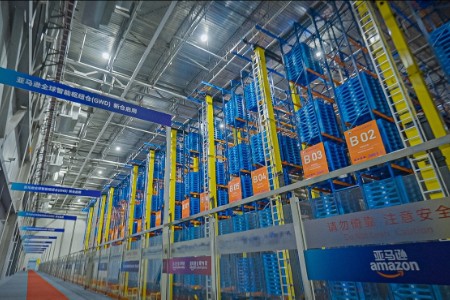
来源:亚马逊全球开店

当前距全面强制清理不合规产品已经不足两个月,建议相关卖家逐一核对自己所售产品是否属于新规管控范围。

01

这次查什么?

主要就是查用锂电池(能反复充电的那种)的家电,不管是锂离子、聚合物还是磷酸铁锂的,都在范围内。

管控产品定义

本次政策所指“锂电池家用电器”,特指以锂离子(Li-Ion)、锂聚合物(LiPo)及磷酸铁锂(LiFePO?)等可充电锂电池为主要供电来源的家用设备。

2. 重点管控产品清单(包括但不限于)

清洁电器: 无线吸尘器、洗地机、地板擦洗机、蒸汽清洁机;

厨房电器: 搅拌机、榨汁机、食品加工机、切片机、绞肉机、研磨机、电动刀具、奶泡器、电动盐胡椒研磨器;

环境电器: 空气净化器、加湿器、除湿机、台式/车库/露营/露台锂电风扇;

个护电器: 卷发梳、卷发器、直发器、锂电吹风机等美发造型设备。

3. 豁免范围(不受本次新政约束)

采用镍氢(NiMH)、镍镉(NiCd)等二次电池供电的电器;

采用一次性干电池或仅支持交流电直插供电的电器;

重型商用设备、电动工具及园林草坪器械;

手机、平板电脑、播放器、音箱等消费类数码电子产品(3C);

时钟、遥控器、体重秤、食物秤等小型低功率家电。

请务必自查并备妥以下对应的UL(美国)及CSA(加拿大)强制性认证报告:

锂电配件通用要求(美加均需)

充电器(四选一):UL1012/ UL1310/ UL60335-2-29/ UL62368-1(加站对应CSA C22.2 No.107.1/ No.223/ No.60335-2-29/ No.62368-1)

内置锂电池(三选一):UL1642/UL2054/UL(CSA)C22.2 No.62133-2

*强制附加:所有含锂电产品须提供UN38.3锂电池运输测试报告

(注:以上合规标准仅供参考,如有变动请以平台最新通知为准)

02

平台对报告真实性

审核力度达到了新高度

需要注意的是,这次TIC-DV新规最大的变化,就是关闭了卖家自行上传报告的通道。

卖家必须找亚马逊认可的TIC机构(如SGS、UL、Intertek等),由他们审核卖家的报告无误后,直接由机构端上传至亚马逊系统。

这意味着,平台对报告真实性的审核力度达到了前所未有的高度。彻底堵死了灰色清关和伪造报告的漏洞。

请卖家务必备齐以下文件,以确保审核顺利进行:

核心合规报告:请确保自己的检测报告出自ISO/IEC 17025资质实验室,且出具时间在一年内,报告中需清晰载明产品对相关标准的符合性声明。

基础产品信息:涵盖具体的型号、部件号及生产/品牌方信息。

保险证明文件:即COI凭证,需经由卖家后台的保险验证通道完成提交。

卖家需要提前检查报告上的型号、参数、包装标识,必须和你前台Listing的详情完全一致,哪怕一个空格不对都可能被打回。

根据卖家反馈,在应对类似的合规要求时,通常有两种路径可供选择:

第一种是直接委托TIC(第三方检测认证)机构出具报告

其优势在于流程衔接顺畅,能大幅减少卖家与认证机构之间的沟通成本,避免因不熟悉申报流程而导致的延误,保障合规进度高效推进。

第二种方案则是先获取ISO17025实验室报告,再提交TIC机构评估。

这也是多数卖家的优先选择。具体流程为:先由具备资质的ISO17025实验室出具检测报告;随后,卖家整理好产品样品、检测报告及ASIN链接,填写TIC验证申请表并附上TRF号;最后将全套材料提交至TIC机构进行最终评估。

不管选择何种方案,对于尚未取得合规报告的产品,应尽快安排送样检测,务必预留出充足的审核周期,切忌临期操作。

来源:亚马逊全球开店服务号

在刚过去的2026 Prime Day,众多中国卖家在成熟站点与新兴站点均实现增长突破——PGM美国站销售额同比增187%,Aiper欧洲站增200%,JOYIN欧洲全站增71%,石头科技欧洲多站点扫地机器人品类榜单登顶......

数据证明亚马逊大盘仍在放量,平台红利依旧可观;但绝对不能在合规问题上掉以轻心,这才是长久留在牌桌上的“护身符”。

注:文/RL,文章来源:卖家之家(公众号ID:maijiazhijia),本文为作者独立观点,不代表亿邦动力立场。

文章来源:卖家之家

广告
微信
朋友圈

FAQ回顾

亚马逊美加站锂电池家电新规管控哪些产品?

本次新规管控以锂离子、锂聚合物、磷酸铁锂等可充电锂电池为主要供电来源的家用设备,覆盖清洁、厨房、环境、个护四大类家电,采用镍氢/镍镉电池、干电池、交流电直插供电的电器、3C数码、小型低功率家电等可豁免。

亚马逊美加站锂电池产品合规需要哪些认证材料?

需提供对应UL(美国)及CSA(加拿大)强制性认证报告,含符合要求的充电器、内置锂电池检测报告,强制附加UN38.3锂电池运输测试报告,报告需出自ISO/IEC 17025资质实验室且出具时间在1年内,还需提交COI保险凭证。

亚马逊TIC DV新规对报告审核有什么新要求?

本次新规关闭卖家自行上传报告通道,卖家需委托亚马逊认可的TIC机构(如SGS、UL、Intertek等)审核报告后由机构端直接上传至亚马逊系统,报告信息需和前台Listing详情完全一致,杜绝伪造报告漏洞。

锂电池家电卖家应对亚马逊新规有哪些合规路径?

共有两种合规路径,一是直接委托TIC机构出具报告,流程顺畅可减少沟通成本,保障合规进度;二是先获取ISO17025实验室报告,再提交TIC机构评估,是多数卖家的优先选择,建议预留充足审核周期。

这么好看,分享一下?

朋友圈 分享

APP内打开

+1
+1
微信好友 朋友圈 新浪微博 QQ空间
关闭
收藏成功
发送
/140 0