广告
加载中

7.79亿!杭州百亿巨头吞下“少女风顶流” 冲击港股IPO

天下网商 2026-06-30 11:01
天下网商 2026/06/30 11:01

邦小白快读

EN
全文速览

本文核心内容是国内美妆头部企业珀莱雅控股少女风彩妆品牌花知晓的标志性行业事件,干货总结如下:

1. 事件核心:珀莱雅通过收购增持,最终以51%的持股成为花知晓第一大股东,花费3.51亿元增持12.55%股权。花知晓年营收超17亿元,成为珀莱雅旗下第二个超十亿级子品牌,此次并购也为珀莱雅冲击港股二次上市积累筹码。

2. 双方背景:珀莱雅是国货美妆唯一突破百亿营收的上市企业,主品牌靠早C晚A占据精华护肤市场,目前主品牌增长遇瓶颈,2025年首次出现营收利润双降。花知晓由90后创立,主打百元内极繁少女风,精准命中15-25岁Z世代,2025年营收17.26亿元,净利率16.2%,是彩妆赛道少有的盈利品牌。

3. 双方各取所需,同时也都要承担整合风险、用户认同变化、出海不确定性等风险,此次收购是珀莱雅从卖爆品向建集团转型的关键一步。

此次珀莱雅收购花知晓是美妆行业洗牌整合阶段的标志性事件,能给美妆品牌商带来多方面干货参考:

1. 行业趋势:2025年国内全渠道美妆交易额破1.1万亿元,国货份额升至57.37%,但同年有2.69万个品牌退出市场,行业头部集中趋势明显,集团化多品牌布局已经不是可选项,而是头部品牌的生存必需。

2. 并购策略参考:珀莱雅对标欧莱雅全矩阵布局的思路,但走出了本土特色玩法:不一次性吞并成熟大牌,选择在品牌成长初期入股,后续逐步增持控股,同时保留创始团队和品牌原有话语权,既低成本锁定优质资产,又避免稀释品牌灵魂,还能依靠自身体系赋能被投品牌。

3. 消费与竞争启示:审美基因和亚文化共鸣是颜值彩妆难以复制的核心竞争力,小众细分赛道也能跑出高盈利品牌;同时要警惕并购后的整合风险,品牌调性被均质化稀释会直接导致品牌没落,高溢价收购要提前预判标的增长不确定性带来的财务压力。

此次并购事件释放了多个美妆行业的新信号,能给美妆卖家带来不少机会和风险提示,干货总结如下:

1. 当前行业投融资环境:近两年美妆行业投融资遇冷,今年国内近30起投融资事件中,品牌端仅占两成,资本越来越偏向上游源头和技术创新,拥有强市场认知、自我造血能力的细分品牌稀缺性更高,更易获得资本关注。

2. 机会提示:小众细分赛道只要精准命中圈层需求,就能获得确定性的高增长和高利润,花知晓做少女风彩妆就做到年营收17亿、净利率16.2%,说明Z世代个性化审美赛道还有足够增长空间。新锐品牌如果有清晰定位和增长潜力,可以对接头部集团的投资,借助头部的供应链、渠道、资源突破自身增长瓶颈,比如花知晓就能借助珀莱雅的资源推进出海。

3. 风险提示:品牌被收购后一定要保持自身定位和团队独立性,一旦调性被稀释就会流失原有用户,甚至被边缘化,同时布局海外市场要提前预判不确定性,避免增速不及预期影响自身估值。

此次并购事件反映了美妆行业的最新需求变化,能给美妆工厂带来不少商业机会和转型启示,干货总结如下:

1. 产品生产设计需求变化:现在美妆用户除了产品功能,对审美风格、亚文化共鸣的需求越来越高,Z世代愿意为符合自身圈层审美的产品支付溢价,花知晓的极繁少女风彩妆能获得高盈利,就印证了这一点。工厂在生产设计端需要调整方向,匹配品牌年轻化、个性化的审美需求,提升定制化生产能力。

2. 商业机会:当前美妆行业头部集团化整合加速,头部品牌都在布局多品牌矩阵,覆盖不同年龄、不同圈层的用户,对供应链整合的需求大幅提升,工厂可以对接头部集团的多品牌供应链需求,获得更稳定、规模更大的订单。

3. 数字化转型启示:行业品牌分化加剧,只有定位清晰、盈利能力强的品牌能存活,工厂要贴近品牌和用户的需求变化升级自身能力,可以依托头部品牌的资源,推进自身的数字化改造,适配多品牌小批量、多风格的生产需求,提升自身竞争力。

此次并购事件反映了美妆行业的发展新趋势,也暴露了行业玩家的核心痛点,能给美妆服务商指明业务方向,干货总结如下:

1. 行业发展趋势:当前国货美妆已经进入头部集团化整合的新阶段,过去依靠单爆品增长的本土头部企业,都开始向多品牌全矩阵的集团公司转型,资本也越来越青睐有清晰定位、自我造血能力的细分品牌,行业整体结构在重塑。

2. 客户核心痛点:一方面,头部集团需要补充不同圈层的品牌资产,同时要解决原有主品牌增长瓶颈、新收购品牌整合难的问题;另一方面,新锐细分品牌虽然增长快,但在供应链整合、线下渠道拓展、出海资源方面存在明显瓶颈,限制了增长空间。

3. 解决方案方向:服务商可以针对两类客户开发针对性服务:针对头部集团,可以推出品牌整合运营服务,帮助平衡集团标准化管理和品牌独特调性保留的矛盾,降低整合风险;针对新锐品牌,可以提供资本对接、供应链优化、出海咨询、渠道拓展等服务,帮助新锐品牌突破增长瓶颈,抓住细分赛道的增长机会。

此次珀莱雅控股花知晓的事件,能给美妆平台的招商、运营带来不少启示,干货总结如下:

1. 品牌和用户需求变化:目前平台上年轻用户对本土细分风格品牌的关注度越来越高,数据显示花知晓在平台的搜索量已经超过国际大牌香奈儿,说明本土小众品牌已经拥有足够的用户基础,平台招商要加大对这类有精准圈层定位、盈利能力强的细分品牌的引入。

2. 平台业务机会:当前头部国货美妆集团正在推进多品牌布局,不少头部企业还在筹备二次上市,对平台的资源支持、运营服务有更高的需求,平台可以针对头部集团的多品牌发展需求,推出定制化的运营服务,深化和头部集团的合作。

3. 风险规避方向:要关注品牌并购后的整合风险,品牌被收购后如果调性发生变化,很容易引发原有用户流失,平台可以提前做好流量运营的调整预案;同时当前资本向美妆上游技术端集中,品牌端投融资占比仅两成,平台要调整招商结构,避免过度引入缺乏盈利能力的新品牌,规避行业波动带来的风险。

此次并购是国货美妆整合阶段的标志性事件,对研究中国美妆产业发展有重要价值,干货总结如下:

1. 产业新动向:当前国货美妆市场份额已经提升至57.37%,行业洗牌整合加速,头部企业已经从单爆品增长战略,转向多品牌全矩阵的集团化发展战略,并购已经成为头部企业构建竞争护城河的核心路径。珀莱雅探索出了差异化的本土并购路径:对标欧莱雅多矩阵战略,但不直接收购成熟大牌,采用早期入股、逐步增持的模式,保留创始团队独立性,依托自身中后台体系赋能,比国际巨头的并购模式更灵活务实。

2. 新问题:当前国货头部品牌普遍存在主品牌核心爆款红利消退、增长乏力的问题,同时并购新品牌存在整合风险,品牌调性容易被均质化稀释,高溢价押注新兴品牌增长也存在财务不确定性,这些都是行业需要解决的新问题。

3. 研究启示:此次并购是本土美妆企业从单品竞争向集团化竞争跃迁的典型案例,反映了中国美妆产业升级的方向,也为研究本土企业对标国际巨头、探索本土化发展路径提供了优质样本,为后续产业政策制定、行业发展研究提供了现实参考。

返回默认
声明:快读内容全程由AI生成,请注意甄别信息。如您发现问题,请发送邮件至 run@ebrun.com 。

我是 品牌商 卖家 工厂 服务商 平台商 研究者 帮我再读一遍。

Quick Summary

This article centers on a landmark industry event: top domestic Chinese beauty company Proya has taken a controlling stake in the youth-focused color cosmetics brand Flower Knows. Key takeaways are as follows:

1. Core details of the transaction: Proya became Flower Knows' largest shareholder with a 51% stake after a series of acquisition and stake increase deals, paying RMB 351 million for an additional 12.55% stake. With annual revenue exceeding RMB 1.7 billion, Flower Knows has become Proya's second sub-brand with over RMB 1 billion in annual revenue, and this acquisition strengthens Proya's position ahead of its planned secondary listing on the Hong Kong Stock Exchange.

2. Background of both parties: Proya is the only billion-revenue domestic Chinese beauty listed company, with its core brand dominating the essence skincare market through its popular "Morning Vitamin C, Night Retinol" product line. Its core brand has recently hit growth bottlenecks, marking the first year of simultaneous revenue and profit decline in 2025. Flower Knows, founded by a post-90s entrepreneur, focuses on "maximalist girlish aesthetics" priced under RMB 100, and has resonated strongly with Gen Z consumers aged 15-25. It posted RMB 1.726 billion in revenue and a 16.2% net profit margin in 2025, making it one of the few profitable players in the color cosmetics space.

3. The deal meets both parties' strategic needs, but both sides face risks including integration challenges, shifting consumer认同, and outbound expansion uncertainty. This acquisition is a critical step in Proya's transformation from a single hit-product brand to a multi-brand beauty group.

Proya's acquisition of Flower Knows is a landmark deal amid the ongoing consolidation of China's beauty industry, offering valuable insights for beauty brand owners:

1. Industry trends: China's total omnichannel beauty transaction volume exceeded RMB 1.1 trillion in 2025, with domestic brands capturing a 57.37% market share. However, 26,900 beauty brands exited the market the same year, indicating a clear trend of accelerating industry concentration. Building a multi-brand group portfolio is no longer optional—it has become a necessity for top brands to survive.

2. M&A strategy takeaways: While Proya follows L'Oréal's multi-brand portfolio playbook, it has developed a localized approach: instead of acquiring large, mature brands outright, it takes an early stake in growing brands, then increases its holding gradually, while retaining the founding team and preserving the brand's independent decision-making power. This approach locks in high-quality assets at a lower cost, avoids diluting the brand's unique identity, and allows Proya to leverage its existing operational infrastructure to empower the acquired brand.

3. Consumer and competitive insights: Aesthetic identity and subcultural resonance are core hard-to-replicate competitive advantages for aesthetic-focused color cosmetics; high-profit brands can emerge even in niche, segmented markets. At the same time, brand owners should watch for post-acquisition integration risks—homogenization and dilution of a brand's unique positioning directly leads to brand decline, and acquirers must pre-emptively assess the financial pressure from uncertain growth of high-premium acquisition targets.

This acquisition sends multiple new signals for China's beauty industry, offering opportunity and risk insights for beauty sellers:

1. Current industry investment and financing landscape: The beauty sector has seen a financing cool-down over the past two years. Among nearly 30 domestic investment deals this year, only 20% went to end brands. Capital is increasingly focused on upstream supply chain and technological innovation, and segmented brands with strong market recognition and independent profitability have become much rarer and more attractive to investors.

2. Opportunity notes: Niche segmented markets can deliver strong, profitable growth if they accurately target the needs of a specific consumer group. Flower Knows' RMB 1.7 billion annual revenue and 16.2% net margin in girlish color cosmetics proves there is still ample growth room in Gen Z's personalized aesthetic segment. Emerging brands with clear positioning and growth potential can seek investment from leading groups to break through growth bottlenecks via access to the acquirer's supply chain, channel, and resource advantages—for example, Flower Knows will now leverage Proya's resources to accelerate its global expansion.

3. Risk notes: Brands must maintain their independent positioning and team autonomy after acquisition. Dilution of brand positioning will lead to churn among core users and even marginalization. Companies planning outbound expansion should pre-assess market uncertainties to avoid growth misses that hurt valuation.

This acquisition reflects shifting demand in China's beauty industry, offering new business opportunities and transformation insights for beauty manufacturers:

1. Shifting product design and production needs: Today's consumers increasingly value aesthetic style and subcultural resonance beyond core product functionality. Gen Z consumers are willing to pay a premium for products that align with their community's aesthetic, as proven by Flower Knows' strong profitability with its maximalist girlish positioning. Manufacturers need to adjust their production and design strategy to match young brands' demand for personalized aesthetics, and build up customized production capabilities.

2. Business opportunities: Leading beauty groups are accelerating consolidation and building multi-brand portfolios to serve consumers across different age groups and communities, which has sharply increased demand for integrated supply chain services. Manufacturers can partner with leading groups to serve their multi-brand supply chain needs, securing larger, more stable order volume.

3. Digital transformation insights: Growing industry polarization means only clearly positioned, profitable brands will survive. Manufacturers need to upgrade their capabilities to keep up with shifting brand and consumer demand, and can leverage resources from leading beauty groups to advance digital transformation, adapt to the multi-brand, small-batch, multi-style production requirements, and improve overall competitiveness.

This acquisition reflects new industry trends and exposes core pain points for industry players, pointing out clear business directions for beauty service providers:

1. New industry trends: Domestic Chinese beauty has entered a new phase of consolidation led by leading groups. Domestic top players that previously grew relying on single hit products are now transforming into multi-brand, full-portfolio groups. Capital is increasingly favoring clearly positioned, profitable segmented brands, and the entire industry structure is being reshaped.

2. Core customer pain points: On one hand, leading groups need to add new brand assets targeting different consumer communities, while also addressing growth bottlenecks of their core brands and post-acquisition integration challenges. On the other hand, fast-growing emerging segmented brands face clear bottlenecks in supply chain integration, offline channel expansion, and global expansion resources that limit their growth.

3. Solution directions: Service providers can develop tailored services for two customer groups: For leading groups, they can offer dedicated brand integration and operation services to help balance standardized group management and preservation of each brand's unique positioning, reducing integration risk. For emerging brands, they can provide capital connection, supply chain optimization, global expansion consulting, and channel expansion services to help emerging brands break growth bottlenecks and capture growth opportunities in niche segmented markets.

Proya's controlling stake in Flower Knows offers valuable insights for beauty platform recruitment and operations:

1. Shifting brand and consumer demand: Young platform users are paying increasing attention to domestic niche brands with unique stylistic positioning. Data shows Flower Knows' search volume on major platforms already surpasses that of luxury international giant Chanel, proving that domestic niche brands already have a solid user base. Platforms should increase recruitment of segmented brands with clear community positioning and strong profitability.

2. New business opportunities: Leading domestic Chinese beauty groups are now rolling out multi-brand layouts, and many are preparing for secondary public listings. These groups have higher demand for platform resources and operational support. Platforms can develop customized operation services tailored to the multi-brand development needs of leading groups to deepen cooperation.

3. Risk mitigation: Platforms should pay close attention to post-acquisition integration risks. If an acquired brand changes its core positioning, it is very likely to trigger core user churn, and platforms should prepare adjustment plans for traffic operation in advance. At the same time, as capital increasingly flows to upstream technology segments and only 20% of beauty investment goes to end brands, platforms should adjust their recruitment structure to avoid over-recruiting unprofitable new brands and mitigate risks from industry volatility.

This acquisition is a landmark event in the consolidation phase of China's domestic beauty industry, holding significant value for research on the development of China's beauty sector:

1. New industry trends: Domestic brands now hold a 57.37% share of China's beauty market, and industry consolidation is accelerating. Leading players have shifted from a single hit-product growth strategy to a multi-brand, full-portfolio group development strategy, and M&A has become the core path for leading players to build competitive moats. Proya has developed a differentiated localized M&A model: while it follows L'Oréal's multi-brand strategy, it does not acquire mature large brands outright. Instead, it takes an early stake and increases holding gradually, retains founding team autonomy, and leverages its own back-end infrastructure to empower the acquired brand—making this approach more flexible and pragmatic than international giants' traditional M&A model.

2. Emerging industry challenges: Most leading domestic beauty brands now face the issue of maturing core hit products fading out and slowing growth. At the same time, post-acquisition integration carries risks: brand positioning is prone to homogenization and dilution, and high-premium bets on emerging brands also bring financial uncertainty. All these are new challenges the industry must address.

3. Research implications: This acquisition is a representative case of domestic beauty players transitioning from single-product competition to group-level competition, reflecting the direction of China's beauty industry upgrading. It also provides a high-quality sample for research on how local players adapt international group strategies to develop localized growth paths, and offers practical reference for future industrial policy making and industry development research.

Disclaimer: The "Quick Summary" content is entirely generated by AI. Please exercise discretion when interpreting the information. For issues or corrections, please email run@ebrun.com .

I am a Brand Seller Factory Service Provider Marketplace Seller Researcher Read it again.

花知晓卖的是未来,珀莱雅买的是时间。

文|章航英

美妆行业在经历2025年市场洗牌与结构重塑后,在今年上半年迎来一桩极具标志意义的并购。5月21日,国内美妆“一哥”珀莱雅以3.51亿元收购花知晓12.55%股权,加上此前入股持有的38.45%,珀莱雅持股比例达到51%,正式坐上了花知晓第一大股东的位置。

至此,这个靠“少女心”起家、年营收已超17亿元的国货彩妆品牌,成为珀莱雅旗下第二个“超十亿级”的子品牌,为其冲击港股二次上市积累了更多筹码。

近两年,美妆行业投融资普遍遇冷。据《化妆品观察》报道,今年以来,国内美妆领域已发生近30起投融资事件,但品牌端获得的投融资仅为两成左右。资本越来越集中于上游产业端源头和技术创新。

在此背景下,花知晓这样具有强市场认知及自我造血能力的品牌具备稀缺性。此前在行业会议上,天猫相关负责人透露,花知晓在平台的搜索量甚至超过了国际大牌香奈儿。

收购消息一出,市场的反应不一。有人说,珀莱雅补齐了彩妆版图的品牌矩阵;也有人说,高溢价追投,这是买品牌,还是买焦虑?

两种声音背后,指向的是两个问题,这是一场值得的投资还是冒险的“联姻”?花知晓并入珀莱雅,双方各自得到了什么,又将失去什么?

“稳健学霸”和“花样少女”的牵手

猛地一看,珀莱雅与花知晓是两种截然不同的品牌风格。

珀莱雅的主品牌盘踞护肤赛道,用“早C晚A”打透了精华市场,目标用户是注重成分、追求科学护肤的都市女性,她们消费的客单价不低,要的是“花钱买确定性”的安全感。

它的商业故事里,“情怀”得靠后站,靠系统打磨出经得起数据验证的标准化产品是核心,成长路径是通过强大的中后台能力,为不同定位的品牌注入确定性的增长动力。

花知晓不是这个画风。

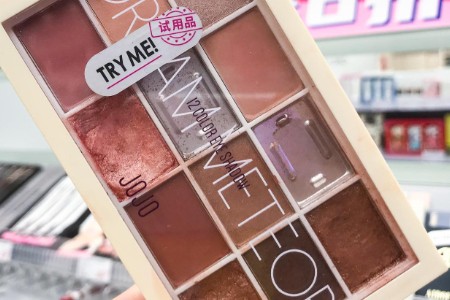
它由两位90后男生创立,带着资深Coser(动漫角色扮演者)的审美洞察,最开始对标的是动漫里走出来的少女审美:亮粉色腮红盘、镶着珠片的眼影,打开就像拆礼物。主打百元内,用“极繁主义”风格精准命中了15至25岁的“Z世代”。

市场已经验证了,小众的赛道也具有确定性成长空间和高利润回报。花知晓2020年销售额突破亿元,到2025年营收达到17.26亿元,净利润2.80亿元,净利率16.2%,这在竞争惨烈的国货彩妆赛道里,已经是极少数能盈利的玩家。

两个品牌的基因,是系统和尖刀的对垒,也是理性和感性的碰撞。表面上风格迥异,但从资本的视角看,或许高度契合。

自己内部难以孵化的稀缺资产,往往才值得花大价钱买。珀莱雅试过自己做年轻化。旗下的原色波塔(INSBAHA)瞄准新锐年轻彩妆,2025年营收增幅125.38%,营收体量为2.56亿元。

功能性护肤可以靠成分党口碑滚雪球,但颜值彩妆靠的是审美基因和亚文化共鸣,这或许是组织能力买不来、砸钱也堆不出的东西。花知晓把“少女心”做成了一种可复制的产品语言,这才是珀莱雅愿意支付溢价的真正原因。

况且,对已经跨过百亿营收关口的珀莱雅而言,它的标准化流程和组织结构可能会带来惯性,花知晓能为其注入“跳脱体系”的灵性、以及创新的更多可能性。

从生意层面,珀莱雅旗下已有主打专业妆效、针对都市白领的彩棠,以及走酷飒路线的原色波塔,而花知晓切入热爱浪漫美学的年轻圈层。二者气质的差异,反而构建了更完整的用户生命周期覆盖。

欧莱雅的“中国学徒”

珀莱雅在“买买买”这条路上早已不是新手。从2019年收购彩棠,到2025年参股、2026年控股花知晓,稳步推进。

珀莱雅这步棋,对标的是国际巨头的“高阶玩法”。比如欧莱雅拥有从顶奢(赫莲娜)、高端(兰蔻)、大众(巴黎欧莱雅)到药妆(理肤泉和修丽可)及香水的全矩阵品牌,覆盖几乎所有细分市场,背后则是从研发、专利、供应链到全渠道管控的完整链条支撑。

这种“用资金换时间、换专利、换渠道”的打法,是美妆集团建立护城河的最短路径。

珀莱雅可能是国货美妆里学欧莱雅战略最彻底的玩家。但深层来看,虽然在战略上“跟牌”欧莱雅,它在操盘策略上走出了自己的节奏。

与欧莱雅不同的是,它不追求一次性吞并成熟大牌,而是倾向于在品牌成长初期通过战略投资建立联系,再视发展情况增持至控股。这种打法既能以较低成本锁定优质资产,又为后续整合留出缓冲空间,体现出灵活与务实的风格。

珀莱雅在行业内的位置,决定了其并不是单纯的财务投资,而是能靠多年搭建的体系为品牌进行深度赋能。被收购品牌,比如彩棠的唐毅、花知晓的杨子枫,通常会保留创始团队和审美话语权。这样一来,既能防止品牌灵魂被稀释,也能降低被投企业的运营成本。

中国化妆品行业走向集团化整合,是这个周期的确定性判断。

2025年,全渠道美妆交易额破1.1万亿元,国货份额升至57.37%,但同年有2.69万个品牌退出市场——蛋糕在涨,但吃到蛋糕的人在减少。对活下来的头部而言,多品牌协同不再是选项,而是必须作答的生存题。

能否撑起百亿巨头的野心

这笔交易,两边都有真实需求,但也各自承担着不小的风险。

对珀莱雅来说,最贵的不是收购成本,而是整合成本。花知晓的生命力来自审美基因和团队对年轻文化敏感度,这极难标准化移植。

风险的另一面,花知晓的用户对其“独立品牌”的身份认同存在固有依恋。“珀莱雅系”的标签被贴上,可能会让少女心的滤镜少了些许最初的光芒。欧莱雅收购的美即、小护士是前车之鉴,美即被收购后,从面膜第一品牌逐步边缘化,小护士如今几乎退出市场。买进来的国货品牌,进了大集团反而一步步没落,品牌调性被均质化稀释殆尽。

对花知晓来说,加入珀莱雅充满诱惑:供应链整合、线下渠道、全球化资源。2025年,花知晓海外营收突破2亿元,出海的窗口已经打开,但资源瓶颈正在压制其增长的天花板。这时候背靠一个有百亿营收的上市平台,比单打独斗强多了。

但花知晓目前的估值建立在高速增长的预期上,高溢价收购意味着市场对它的出海潜力押了重注。但海外市场的不确定性远超国内,如果增速放缓,这笔溢价就会变成压在并表报表上的一块石头。

如果用一句话来概括这场交易,大概是:花知晓卖的是未来,珀莱雅买的是时间。

2025财年,珀莱雅以105.97亿元营收稳居国货美妆榜首,是唯一突破百亿的上市企业。这份“断层领先”,让它坐稳了国货美妆的头把交椅,同时喊出“2035年进入全球化妆品行业前十”的野心。

但一路高歌猛进后,珀莱雅基本盘已经显现了疲态。

2025年,公司总营收105.97亿元,同比下滑1.68%;净利润14.98亿元,同比下滑3.50%。这是上市以来首次营收利润双降,也是1988年出生的“二代"侯亚孟接班后的第一份成绩单。

拆开来看,主品牌珀莱雅营收76.89亿元,同比下降10.39%,核心单品增长遭遇挑战。反而是几个年轻子品牌表现生猛——洗护品牌Off&Relax增幅102.19%,头皮护理品牌惊时增幅441.66%,原色波塔增幅125.38%。

美妆市场热点瞬息万变。“早C晚A”的红利在消退,成分护肤的配方不是秘密,跟进者蜂拥而至,流量成本日益高涨,珀莱雅的护城河越来越难守。

短期来看,收购花知晓,从财务角度看是立竿见影的。并表之后,集团营收会有实质性的增量修复。

但不能忽略的事实是,花知晓能提供增量,但无法解决主品牌的增长压力。

从控股花知晓到冲刺港交所二次上市,珀莱雅最近的一系列动作指向同一个信号,它正在从一家“卖爆品的公司”向一家“建系统的集团公司”跃迁。

主品牌能否重回增长,当然重要;但对此刻的珀莱雅而言,更关键的命题是,能否在护肤、彩妆、洗护、甚至全球化的版图上,拼出一整套足以抵御市场波动风险的系统。相比于“快”,“稳”才是这个百亿美妆巨头重仓的方向。

注:文/天下网商,文章来源:天下网商(公众号ID:txws_txws),本文为作者独立观点,不代表亿邦动力立场。

文章来源:天下网商

广告
微信
朋友圈

这么好看,分享一下?

朋友圈 分享

APP内打开

赞 +1
+1
微信好友 朋友圈 新浪微博 QQ空间
关闭
收藏成功
发送
/140 0