广告
加载中

中年男人撑起的比音勒芬 想靠年轻人赚300亿

刘萍 2026-06-29 15:27
刘萍 2026/06/29 15:27

邦小白快读

EN
全文速览

本文核心介绍了国内高端高尔夫服饰品牌比音勒芬的发展现状与转型布局,核心干货如下:

1. 比音勒芬起家于高尔夫服饰赛道,瞄准中年高净值男性客群,靠机场高铁站高端门店布局+国家队赛事绑定树立高端定位,连续13年营收净利双增长,毛利率常年维持78%,远高于始祖鸟母公司亚玛芬体育的58%,但近年遭遇增长瓶颈,利润两年累计缩水约40%,存货周转天数高达352天,陷入库存清仓稀释品牌调性的恶性循环。

2. 比音勒芬尝试年轻化转型,推出流量明星代言、拓展户外产品线、加码抖音等内容电商、换90后少帅接班等动作,但受原有基本盘约束,不敢彻底讨好年轻人,转型仅停留在表面包装,未触及品牌基因重构,目前仍有七八成销售额来自老客。

3. 当前比音勒芬押注高端露营赛道,拿下日本Snow Peak中国经营权,目标十年做到50亿营收,助力集团冲击2033年300亿总营收目标,但此前多次并购海外品牌整合失败亏损,本次跨界运营难度不小。

比音勒芬的转型案例,能给各类服饰品牌提供很多参考经验和教训,核心干货如下:

1. 当前消费趋势变化清晰:原来依托高尔夫圈层的“老登经济”退潮,轻户外风潮兴起,新中产的身份穿搭标签已经从传统高端商务服饰换成高端户外品牌,原有定位的成熟品牌必须应对客群老化的挑战。

2. 品牌转型需要避开的坑:比音勒芬因为舍不得丢掉贡献七八成营收的老客基本盘,只敢做表面年轻化,定价高于对标品牌拉夫劳伦,却得不到年轻人的价值认同,还一度把营销费用率推高到近47%,透支品牌势能,这个教训值得所有转型品牌警惕。

3. 新赛道布局的参考:比音勒芬选择露营细分赛道切入户外,避开了和安踏系头部户外品牌的正面对抗,还能借助Snow Peak的高端品牌标签互补客群,不过之前多次并购整合失败的案例也提醒,跨品类布局不止是买品牌开门店,核心要构建匹配的圈层文化,运营难度远高于预期。

本文披露了服饰行业的最新变化,能给各类服饰卖家提供机会提示和风险参考,核心干货如下:

1. 当前明确的增长市场机会:国内户外运动消费已经突破1万亿元规模,高端露营细分赛道还没有被头部品牌完全垄断,且客群同时覆盖中青年群体,和传统高端服饰客群天然互补,适合卖家切入布局。

2. 转型过程的风险提示:传统高端服饰卖家普遍面临客群老化问题,如果转型时受原有基本盘绑定,不敢打破原有定位,只做表层的营销包装,不仅很难真正拿到年轻客群,还会推高营销成本挤压利润,比音勒芬营销费用一度涨至营收的46.8%就是典型案例。

3. 可借鉴经验和警示:比音勒芬早年靠高端场景布局+顶级赛事绑定树立高端定位的方法,值得做高端服饰的卖家学习;而比音勒芬多次并购海外品牌却因整合不力持续亏损,最终清算运营主体的案例,也提醒卖家跨界并购不能只看重品牌标的,要提前匹配好运营能力。

比音勒芬的转型发展,能给服饰生产加工及自有品牌工厂带来很多干货参考,核心内容如下:

1. 产品生产和设计需求的变化:当下高端服饰消费者的需求已经从传统商务高尔夫服饰,转向符合轻户外风潮的机能风产品,高端产品除了品质要求,还需要契合山系美学等新潮流审美,匹配消费者的圈层身份认同需求,工厂需要对应调整设计和生产方向。

2. 潜在的商业合作机会:比音勒芬拿下Snow Peak中国经营权后,计划到2026年底开出11家门店,目标十年做到50亿营收,后续会衍生出大量高端户外服饰、露营周边装备的生产订单,符合高端生产标准的工厂有机会获得合作空间。

3. 做自有品牌的启示:比音勒芬2025年线上营收同比增长71.49%,占比从6.57%跃升至10.47%,可见年轻人聚集的线上渠道尤其是内容电商,是传统高端品牌转型的核心阵地,做自有品牌的工厂要重视线上渠道布局,抓住内容平台的流量机会。

从比音勒芬的转型过程,能看出国内服饰行业的新趋势和品牌客户的核心痛点,给各类服饰服务商提供干货参考,核心内容如下:

1. 行业发展趋势清晰:传统高端商务服饰品牌普遍面临客群老化、增长乏力的问题,几乎所有头部成熟品牌都在推进年轻化转型,布局高端细分户外赛道,高端户外赛道会迎来持续的品牌服务需求增长。

2. 当前品牌客户的核心痛点:传统高端品牌转型的核心矛盾是,既想抓住年轻客群布局第二增长曲线,又怕得罪贡献大部分营收的老客,不敢彻底重构品牌基因,同时跨界并购新品牌后,普遍缺乏跨品类运营能力,比音勒芬多次并购整合亏损就是典型,这个痛点非常普遍。

3. 对应可落地的服务方向:服务商可以针对这类痛点,推出传统品牌年轻化定位咨询、新收购品牌本土化运营外包、内容电商代运营、户外圈层用户运营等针对性服务,帮助传统品牌解决转型中运营能力不足的问题,抓住行业增长机会。

比音勒芬的转型和布局,能给服饰平台的招商、运营管理带来很多启示,核心干货如下:

1. 品牌商家对平台的需求变化:传统高端服饰品牌正在加速线上转型,尤其看重抖音等内容电商平台,比音勒芬2025年电商服务费同比增长106.90%,可见品牌对内容平台的运营服务、流量投放的需求在大幅提升,平台可以针对性优化服务能力。

2. 平台招商的新方向:高端露营是当前增长最快的细分赛道之一,比音勒芬引入Snow Peak后会加速在国内拓店,这类自带高端调性的细分户外品牌是优质招商资源,平台可以针对性推出倾斜性招商政策,吸引这类品牌入驻。

3. 运营管理的风险规避:传统高端品牌转型过程中,营销投放波动大,还普遍存在高库存问题,比音勒芬存货周转天数高达352天,容易引发经营风险,平台一方面可以推出针对性的库存消化营销活动帮扶品牌,另一方面也要做好风险预判,规避潜在的合作风险。

比音勒芬的转型案例,反映了国内高端服饰产业的最新动向和待解问题,对产业研究有较高参考价值,核心干货如下:

1. 产业新动向:国内传统依托小众精英运动发展起来的高端服饰品牌,在消费浪潮变迁下,已经集体开启年轻化转型,纷纷布局户外细分赛道,头部品牌普遍选择通过并购海外成熟品牌快速切入新赛道,试图搭建多品牌矩阵打造第二增长曲线,冲击更高营收目标。

2. 产业暴露的新问题:传统高端品牌普遍存在路径依赖问题,受原有客群结构和商业模式绑定,很难彻底完成品牌基因的系统性重构,大多采取两头兼顾的保守策略,导致转型浮于表面,难以真正破局;同时国内服饰企业普遍缺乏多品牌、跨品类整合运营能力,多次并购都出现持续亏损,这个能力缺口非常突出。

3. 商业模式研究的新方向:高端服饰的溢价核心已经从原来的商务身份符号,转向户外生活方式的圈层认同,商业模式需要从原来卖产品做渠道,转向构建完整的生活方式文化圈层,这对传统高端服饰的运营逻辑提出了全新挑战,值得深入研究。

返回默认
声明:快读内容全程由AI生成,请注意甄别信息。如您发现问题,请发送邮件至 run@ebrun.com 。

我是 品牌商 卖家 工厂 服务商 平台商 研究者 帮我再读一遍。

Quick Summary

This article introduces the current development and transformation strategy of domestic premium golf apparel brand Biemlfdlkk, with key takeaways as follows:

1. Starting out in the golf apparel segment, Biemlfdlkk targets high-net-worth middle-aged male consumers. It built its premium positioning through high-end store networks in airports and high-speed rail stations, plus sponsorship of national team sports events. It has achieved 13 consecutive years of double-digit growth in both revenue and net profit, with a gross margin that has long held at 78%—far higher than the 58% gross margin of Amer Sports, parent company of Arc'teryx. However, the brand has hit a growth bottleneck in recent years: its total profit has shrunk by around 40% over two years, and its inventory turnover days have reached 352, trapping it in a vicious cycle where discount clearance to clear inventory erodes its premium brand image.

2. Biemlfdlkk has attempted a youth-oriented transformation, taking steps such as signing A-list celebrity endorsements, expanding outdoor product lines, ramping up presence on content e-commerce platforms like Douyin, and appointing a post-1990s new generation leader to take over operations. But constrained by its existing core customer base, the company has hesitated to fully cater to younger consumers, so the transformation has stayed at the level of superficial marketing and has not reconstructed the brand's core identity. Currently, 70-80% of its sales still come from long-time existing customers.

3. Biemlfdlkk is now betting heavily on the premium glamping/camping segment, having acquired the Chinese operating rights for Japanese brand Snow Peak. It targets 5 billion yuan in revenue for Snow Peak within 10 years, to help the group hit its total revenue target of 30 billion yuan by 2033. However, the brand has a history of failed, money-losing integrations of previous overseas acquisitions, so this cross-sector expansion faces significant operational challenges.

Biemlfdlkk's transformation case offers valuable lessons and insights for apparel brands of all types, with key takeaways as follows:

1. Shifts in consumer trends are clear: The "old-money economy" centered on traditional golf circles is ebbing, while the lightweight outdoor trend is on the rise. The identity apparel label for the new middle class has shifted from traditional premium business wear to high-end outdoor brands. Established brands with legacy positioning must address the challenge of an aging customer base.

2. A key pitfall to avoid in brand transformation: Because Biemlfdlkk was unwilling to abandon its legacy core customer base that generates 70-80% of its revenue, it only pursued superficial youth-oriented adjustments. It priced its products higher than comparable brand Ralph Lauren, but failed to win value recognition from young consumers, and at one point pushed its marketing expense ratio to nearly 47%, draining brand momentum. This lesson is a critical warning for all brands undergoing transformation.

3. A reference for new segment expansion: Biemlfdlkk entered the outdoor space through the narrow camping segment, avoiding head-to-head competition with leading outdoor brands under the Anta group, and leveraging Snow Peak's premium positioning to complement its existing customer base. However, its history of failed acquisition integrations also serves as a reminder that cross-category expansion is not just about acquiring a brand and opening stores—the core challenge is building a matching cultural ecosystem for the target consumer circle, which is far more difficult than expected.

This article outlines the latest changes in the apparel industry, offering opportunity alerts and risk references for apparel sellers of all types, with key takeaways as follows:

1. Clear growth market opportunities: China's outdoor sport consumption has already exceeded 1 trillion yuan, and the high-end camping segment has not yet been fully monopolized by leading brands. Its customer base covers both young and middle-aged consumers, and naturally complements the customer base of traditional premium apparel, making it a strong segment for sellers to enter.

2. Risk warnings for transformation: Traditional premium apparel sellers commonly face the problem of an aging customer base. If transformation is constrained by the existing core business, and brands hesitate to break their legacy positioning and only make superficial marketing changes, they will not only fail to attract young consumers but also push up marketing costs and squeeze margins. Biemlfdlkk's experience, where marketing expenses once rose to 46.8% of revenue, is a典型 example.

3. Lessons and warnings: Biemlfdlkk's early strategy of building premium positioning through high-end in-person location placement and top-tier sports sponsorship is a valuable model for sellers building premium apparel brands. Meanwhile, its experience of multiple overseas acquisitions that ended up in persistent losses and eventual liquidation of operating entities due to poor integration reminds sellers that cross-border acquisitions should not only focus on the brand asset itself—operators must align their operational capabilities with the new business in advance.

Biemlfdlkk's transformation and development offers valuable insights for apparel manufacturers, processors, and factories building their own brands, with key takeaways as follows:

1. Shifts in product design and production demand: Today's premium apparel consumers have shifted demand from traditional business golf wear to technical-style products aligned with the lightweight outdoor trend. Besides high quality, premium products need to fit new aesthetic trends such as mountain-style aesthetics, and meet consumers' demand for circle-based identity recognition. Factories need to adjust their design and production strategies accordingly.

2. Potential business cooperation opportunities: After acquiring the Chinese operating rights for Snow Peak, Biemlfdlkk plans to open 11 stores by the end of 2026, and targets 5 billion yuan in revenue for the brand within 10 years. This will generate substantial production orders for premium outdoor apparel and camping-related equipment, creating cooperation opportunities for factories that meet high-end production standards.

3. Insights for factories building own brands: In 2025, Biemlfdlkk's online revenue grew 71.49% year-over-year, and its online share jumped from 6.57% to 10.47%. This shows that online channels popular with young consumers, especially content e-commerce, are the core阵地 for traditional premium brands' transformation. Factories building their own brands should prioritize online channel布局 and seize traffic opportunities on content platforms.

Biemlfdlkk's transformation process reveals new trends in China's apparel industry and core pain points for brand clients, offering insights for apparel service providers of all types, with key takeaways as follows:

1. Clear industry development trends: Traditional premium business apparel brands generally face the problems of aging customer bases and slowing growth. Nearly all leading established brands are pursuing youth-oriented transformation and布局ing premium niche outdoor segments, which will drive sustained growth in demand for brand services in the high-end outdoor space.

2. Core pain points for current brand clients: The central contradiction for traditional premium brands' transformation is that they want to capture young consumers and build a second growth curve, but fear alienating their existing core customers who generate the majority of revenue, so they hesitate to fully reconstruct their brand genes. Additionally, after cross-sector acquisitions of new brands, most lack cross-category operational capabilities, as demonstrated by Biemlfdlkk's repeated money-losing acquisition integrations. This pain point is widespread across the industry.

3. Actionable service directions to address this: Service providers can develop targeted offerings to solve these pain points, including youth positioning consulting for traditional brands, localized operation outsourcing for newly acquired brands, content e-commerce operation agency, and outdoor community user management. These services can help traditional brands address operational capability gaps during transformation and capitalize on industry growth opportunities.

Biemlfdlkk's transformation and expansion offers many insights for merchant acquisition and operation management at apparel platforms, with key takeaways as follows:

1. Changing brand demands on platforms: Traditional premium apparel brands are accelerating their online transformation, and place particular priority on content e-commerce platforms such as Douyin. In 2025, Biemlfdlkk's e-commerce service fees grew 106.90% year-over-year, showing that brands' demand for operational services and ad traffic placement on content platforms has increased sharply. Platforms can optimize their service capabilities to match this demand.

2. New directions for platform merchant acquisition: High-end camping is one of the fastest growing niche segments today. After introducing Snow Peak, Biemlfdlkk will accelerate domestic store expansion, and such niche outdoor brands with built-in premium positioning are high-quality merchant acquisition targets. Platforms can launch preferential merchant acquisition policies to attract this type of brand.

3. Risk mitigation for operation management: During transformation, traditional premium brands face large volatility in marketing spending and commonly struggle with high inventory issues. Biemlfdlkk's inventory turnover days reach 352, creating significant operational risk. Platforms can launch targeted marketing campaigns to help brands clear inventory, while also conducting advance risk assessments to avoid potential cooperation risks.

Biemlfdlkk's transformation case reflects the latest developments and unresolved issues in China's premium apparel industry, offering high reference value for industry research, with key takeaways as follows:

1. New industry developments: Domestic premium apparel brands that originally grew out of niche elite sports are collectively undergoing youth-oriented transformation amid shifting consumer tides, and are rushing to布局 niche outdoor segments. Leading brands commonly choose to quickly enter new segments by acquiring established overseas brands, attempting to build multi-brand portfolios, create second growth curves, and hit higher revenue targets.

2. New emerging industry problems: Traditional premium brands generally suffer from path dependence. Constrained by their legacy customer structure and business model, it is difficult for them to fully complete systematic reconstruction of their brand identity. Most adopt a conservative strategy of trying to please both old and new customers, leaving transformation superficial and making real breakthroughs hard to achieve. At the same time, Chinese apparel firms generally lack the capability for multi-brand, cross-category integration and operation, with repeated acquisitions resulting in sustained losses, making this capability gap a very prominent issue.

3. New directions for business model research: The core source of premium pricing for high-end apparel has shifted from being a symbol of business status to circle-based identification with an outdoor lifestyle. Business models need to evolve from selling products through channels to building a complete cultural ecosystem around a lifestyle. This poses an entirely new challenge to the operational logic of traditional premium apparel brands, and deserves in-depth research.

Disclaimer: The "Quick Summary" content is entirely generated by AI. Please exercise discretion when interpreting the information. For issues or corrections, please email run@ebrun.com .

I am a Brand Seller Factory Service Provider Marketplace Seller Researcher Read it again.

比音勒芬的算盘是,既想借户外赛道赢得年轻人,又想守住中年人。两头兼顾的野心,注定了其转型之路左右拉扯。

作者 | 刘萍

编辑 | 杜仲

来源 | 观潮新消费(ID:TideSight)

近日,比音勒芬与日本户外品牌SnowPeak,Inc.,以及韩国GAMSUNG达成战略合作。签约完成后,比音勒芬将主导SnowPeak在中国的经营,包括SnowPeak日本线服饰、露营装备、咖啡及韩国线服饰等核心板块。

签约仪式现场,比音勒芬董事长谢秉政提出要用十年时间将SnowPeak中国业务做到50亿元规模,相当于“再造一个比音勒芬”。

今年是比音勒芬上市十周年。十年前登陆资本市场时,其凭借“衣中茅台”在中国高尔夫服饰赛道风光无限;十年后,“老登经济”退潮,其主品牌增长疲软,新兴户外品牌跨界围堵。

比音勒芬比任何时候都更需要找到一个能和年轻人对话的新故事,SnowPeak所在的露营赛道,正是它选中的那个支点。

但比音勒芬的算盘是,既想借户外赛道赢得年轻人,又想守住中年人。两头兼顾的野心,注定了其转型之路左右拉扯。

“中国版拉夫劳伦”的中年危机

“衣中茅台”“中国版拉夫劳伦”“中年男人的衣柜”……这些标签叠加起来,既勾勒出比音勒芬在消费者心中的画像,也折射出品牌的发展印记。

2003年,温州商人谢秉政成立了比音勒芬服饰股份有限公司,比音勒芬(Biemlfdlkk)的名称取自一名法国设计师的名字,品牌logo与拉夫劳伦的马球男士图案有些类似,只不过换成了挥杆高尔夫的绅士形象。

正如拉夫劳伦投射出创始人对马球运动所代表的精英生活方式的向往,谢秉政则希望将比音勒芬打造成中国高端高尔夫运动的服饰标杆,这份“舶来感”曾让许多消费者误以为其是法国品牌。

比音勒芬的成立背景,也与中国高尔夫运动的发展密切相关。随着经济快速发展,高尔夫球场的建设节奏明显加快,2004年国家一度调控球场建设,2011年后建设逐渐规范化,高尔夫运动步入正轨。

高尔夫属于高门槛的小众精英运动,圈层内消费者价格敏感度偏低,更看重品质、稀缺感与品牌内涵,愿意为符合身份的产品支付溢价。在消费心理层面,高尔夫服饰超越了基础穿搭功能,成为彰显生活质量的社交符号。

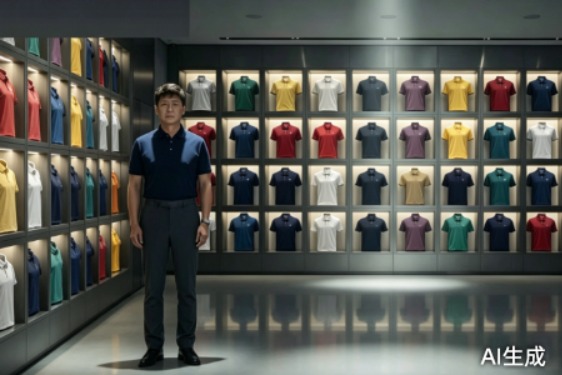
为触达目标客群,比音勒芬把门店开在高端商务人士经常出入的机场和高铁站,同时借力官方体育资源,以国家队合作资质为自身高端定位“盖章”。

放眼全球,高端服饰品牌的调性塑造往往离不开顶级赛事的长期绑定,拉夫劳伦便是典型。其多年赞助温布尔登网球锦标赛、奥运会等顶级赛事,依托皇室成员、顶流明星的穿搭曝光,逐步树立起高端优雅的品牌形象。

2013年,比音勒芬击败多家国际运动大牌,签约成为中国国家高尔夫球队的合作伙伴。随着国家队在国际赛事中屡获佳绩,品牌的形象认知大幅提升,并在后续多年的财报中兑现为可观的商业回报。

浙商证券曾给比音勒芬做过用户画像:40岁以上的中年男性,多为中小企业主、公务员以及大型国企、事业单位的中高层管理者,可支配月收入在3万元左右。比音勒芬在财报中也指出,其目标客户群为中产及以上收入人群,热衷于休闲时尚、低调奢华的消费人群。

摸着拉夫劳伦过河,比音勒芬赌对了。

2011年至2023年,比音勒芬连续13年实现营收净利双增长,并保持着高达78%左右的毛利率。作为对比,目前始祖鸟母公司亚玛芬体育的毛利率约58%。

然而,依赖时代红利的商业模式,难以抵御消费变迁带来的冲击,比音勒芬越来越卖不动了。

2023年是比音勒芬的历史利润高点,归母净利润达9.11亿元。此后两年连续下行,到2025年已累计缩水约40%;毛利率为75.09% ,同比下降1.92个百分点。

库存周转指标进一步放大经营压力,2025年公司存货周转天数高达352天。服饰换季属性较强,如果款式过时,品牌通常需要依靠打折清仓,频繁打折又会不断稀释品牌高端定位,形成利润与调性双向受损的恶性循环。

而比音勒芬对标的拉夫劳伦,却在这个周期里走出了相反的曲线。

2026财年,拉夫劳伦净营收为81.15亿美元(约551.98亿元人民币),同比增长14.6%。亚洲市场增长尤为强劲,其中中国区Q4销售额飙升51%,成为拉动全球增长的核心引擎,背后离不开“拉夫劳伦女孩”爆火的助推。

渠道改革,就是年轻化?

比音勒芬的核心客群依然忠诚,但也在老去,而品牌长期与新生代消费者脱节。为此,谢秉政喊出“不拥抱年轻化的品牌是没有未来的”。

随之而来的,是比音勒芬聚焦明星代言、产品迭代、渠道重构三大动作,努力撕掉“中年男装”标签。

2024年12月,比音勒芬邀请丁禹兮出任“先锋代言人”,2025年5月官宣胡一天、李兰迪担任品牌大使,试图借助流量明星的影响力撬动Z世代消费市场。

明星能带来注意力,产品才能留住客流。比音勒芬将产品系列从原来的3个拓展为4个:Golf系列专注运动服饰,Premium系列针对精英男装,Trendy系列专做联名产品,新增的Motion系列则主攻年轻人喜好的户外活力风格。

渠道端亦加速转身。谢秉政曾表示,将持续加码线上渠道。除了淘宝、京东等传统货架电商,抖音等内容电商的增长尤为强劲,“年轻化的主力就在这里”。

2025年5月,谢秉政之子谢邕正式接任总经理。这位“90后”少帅的上任既被外界视作二代接班的信号,也意味着比音勒芬将一位更懂Z世代语境的决策者推向了台前。官方表态中,谢邕的履新将“加速集团年轻化与国际化战略的实现”。

管理层换血的战略导向,在线上线下渠道结构变化中得到直观印证。2025年,比音勒芬线上渠道实现营收4.51亿元,同比增长71.49%,占总营收比例从6.57%跃升至10.47%。

线下渠道则明显分化,截至2025年末,比音勒芬门店总数为1400家 。直营销售营收仅同比增长6.89%至27.45亿元,占总营收的比例约63.63%;加盟销售营收10.89亿元,同比下降4.44%,其他销售营收2923万元,同比下降14.86%。

线上高歌猛进与线下加盟萎缩的并行,反映了比音勒芬渠道迭代的深层变革,但任何结构性转身都必然伴随着成本。

2024年,比音勒芬的营销费用率飙升至40%以上。2025年,比音勒芬销售费用合计20.19亿元,同比增长25.20%,占全年营收比例接近46.80%。其中,广告与宣传费3.03亿元,增长54.86%;电商服务费同比增长106.90%。

高端服饰的溢价根基在于品牌稀缺性、质感沉淀与圈层口碑,过度依赖营销轰炸,容易透支品牌势能,这种单纯“烧钱换规模”的发展模式难以长久维系。

为缓解盈利压力,品牌主动收缩营销投放力度。2026年第一季度,比音勒芬的营销费用率回落到35.4%,其盈利端随即迎来修复,净利润同比增长16.54%至3.86亿元。

比音勒芬年轻化转型的最大桎梏,是战略决心比渠道更难。

谢秉政曾表示,年轻化的意思,一是让品牌原有客群穿着产品时显得更年轻,二是要让现在的年轻人知道这个品牌,对品牌有好感。这意味着,比音勒芬并不急着转化年轻人,而是在等年轻人变老。

这份不愿彻底向新生代妥协的保守心态,体现在定价体系对品牌高端的坚守。在比音勒芬的淘宝官方店,男性短袖POLO衫大部分产品定价在1680-2380元,千元以下产品定价是680-980元,而拉夫劳伦男性短袖POLO衫基本在千元以下,700元上下为主流价格带。

但在年轻人看来,论品牌影响力、设计审美、潮流调性等方面,比音勒芬并不及后者。当品牌溢价无法用认同感支撑,价格便成了劝退因素。

比音勒芬整个商业模式,都建立在“中年高净值男性”客群之上。这也让其不敢一味讨好年轻人,因为基本盘不能丢,让核心客群失去归属感。

据2025年度股东大会数据,比音勒芬线下VIP客户中,80、90后占比已超50%,线上比例则达到70%以上。

VIP纳新数据反映的是会员数量结构,而非消费金额结构。考虑到比音勒芬客单价高、复购周期长,一个新注册的90后会员的消费额,可能比不过一个消费了十年的70后老客户。

真正为比音勒芬掏出真金白银的,仍是那群老客户。2025年6月谢秉政坦言,原来的VIP客群占了七八成的销售份额。

这种“数量在变、金额未变”的错位,暴露了比音勒芬的“中年焦虑”。既想抓住代表未来的年轻人,又不愿得罪正在贡献的中年高净值客群。

年轻化是一个关于品牌基因、审美体系、价值认同的系统性重构。而 比音勒芬 所谓的转型, 更像是在旧有的品牌框架上,贴了一层 “年轻化”的包装纸 。

押注户外,想再造下个比音勒芬

既然比音勒芬想“两头兼顾”,户外领域或许是合适的平衡点。

年轻人偏好 “轻户外”,热衷露营、徒步、城市骑行等低门槛活动,视其为释放压力、获取松弛感的方式。中年男性则热衷徒步、登山、骑行,将其作为摆脱职场压力、寻求内心宁静及健康管理的手段。

消费趋势的转向已经反映在中产穿搭风潮更迭中。过去比音勒芬堪称中产男性的穿搭模板,如今户外品牌“一只鸟、两棵树、三条路”——始祖鸟、可隆、迪桑特,晋升为“男中产三宝”、“体制内三宝” 、“新中产穿搭”。

服饰消费从来不是单纯的着装选择,而是身份标签、圈层审美与时代潮流的外在表达。“新中产穿搭”的走红,不只是功能服饰对商务休闲的品类替代,也在重新定义高阶衣着的身份象征。

在这场户外浪潮中,迪桑特可能是比音勒芬最直接的竞争对手,其旗下拥有G-ARC专业竞技系列 、PRO专业大师系列 、FIELD果岭精英系列 和S-CORE多场景时尚系列 四大高尔夫球产品线。

魔镜洞察数据显示,2022年12月至2024年6月,高尔夫服饰品类在淘宝/天猫电商平台销售额超过5000万元,其中迪桑特高尔夫以接近100%的增速位列销售额同比增速第一。截至2025年5月,迪桑特高尔夫在全国逾40个城市拥有 超过138家门店。

在这种竞争态势下,引入Snow Peak成为比音勒芬切入高端运动户外赛道的关键布局。

作为“精致露营”概念的鼻祖,Snow Peak凭借高定价在国内市场收获“露营界爱马仕”的称号,一只钛杯售价数百元,品牌溢价极高,其产品矩阵还覆盖帐篷、篝火台、机能裤等。

更重要的价值是客群的互补。Snow Peak所代表的“山系美学”聚焦于30-45岁的新锐中产、资深户外爱好者,这批人恰恰是比音勒芬渴望捕获的下一代消费者。

目前,Snow Peak已在上海前滩太古里、广州聚龙湾太古里、重庆万象城、厦门万象城开设旗舰中心。据谢邕透露,到2026年底,比音勒芬计划在国内开出11家Snow Peak门店。

这项户外业务布局,承载着集团长期增长的期许。2023年,比音勒芬曾提出到2033年整体营收超过300亿元,其中主品牌贡献150亿元,眼下主品牌增长动能却在走弱。

时至2026年,比音勒芬对300亿目标“保持乐观,尤其Snow Peak的加入让集团充满信心。”这句话既是表态,也是押注。

从行业大盘来看,户外赛道的确具备充足增长空间。北京体育大学体育休闲与旅游学院、中国体育发展研究院等机构发布的报告显示,2025年我国户外运动消费人次超8亿,户外运动消费总额超1万亿元。

但品牌最终能瓜分多少市场份额,取决于赛道选择、品牌根基与运营逻辑。目前国内主流户外服装品牌大多来自安踏系,比音勒芬聚焦露营细分赛道,某种程度避免了与安踏的正面对抗。

收购容易整合难,比音勒芬深有体会。2023年4月,公司宣布分别以5700万欧元、3800万欧元的价格(合计约7亿元),收购国际奢侈男装品牌CERRUTI1881和KENT&CURWEN的全球商标所有权,2024年又引入美国运动恢复鞋品牌OOFOS,试图依靠外延并购快速丰富品牌矩阵。

大手笔并购未能如期带来增长。负责运作收购品牌的子公司广州厚德载物在2023年、2024年分别亏损4421.64万元、8117.54万元,2025年上半年亏损3707.59万元。2025年12月,比音勒芬宣布解散并清算注销该子公司。

目前,KENT&CURWEN已重新定位为英伦学院风,从只做男装扩展为男女装兼顾,市场反应“趋势比较好”;CERRUTI1881和OOFOS处于市场培养期,前景尚不明朗。

比音勒芬布局高端露营户外赛道,等于踏入一片陌生的新战场,与主品牌的高尔夫商务基因之间隔着鸿沟,运营难度无疑会更大。

高端户外生意,不只是打造高价单品、布局高端门店,其核心命题是构建完整的文化圈层,让品牌深度嵌入用户的户外生活方式。

注:文/刘萍,文章来源:观潮新消费(公众号ID:TideSight),本文为作者独立观点,不代表亿邦动力立场。

文章来源:观潮新消费

广告
微信
朋友圈

这么好看,分享一下?

朋友圈 分享

APP内打开

+1
+1
微信好友 朋友圈 新浪微博 QQ空间
关闭
收藏成功
发送
/140 0