广告
加载中

越南电商市场:前三季度Shopee稳居第一 TikTok Shop份额跃升至41%

王昱 2025-11-02 00:56
王昱 2025/11/02 00:56

邦小白快读

EN
全文速览

越南电商市场前三季度表现强劲。

1. 总销售额达3059万亿越南盾(约116.2亿美元),同比增长34.4%,消费者月均支出升至12.9亿美元。

2. 第三季度GMV同比增长22.3%至39.4亿美元,增长动力包括需求回升、促销活动和直播投入。

平台竞争加剧。

1. Shopee以56%市场份额领先,TikTok Shop份额升至41%,差距快速缩小(6月58% vs 39%)。

2. Lazada份额仅3%但保持高订单价值和增长。

未来预测和机会。

1. 第四季度规模预计达40亿美元,同比增长15%,节日消费和促销为主因。

2. 热门商品品类为时尚、美妆、家居用品和食品杂货,平台将加大直播销售和物流投入。

品牌可利用电商平台增长和消费趋势。

1. 消费者支出增加至月均12.9亿美元,显示用户购买力提升。

2. 平台如TikTok Shop在直播购物和短视频营销投入大,品牌可参与合作提升触达。

品类偏好引导产品研发。

1. 热门品类包括时尚、美妆、家居和食品杂货,反映当前消费趋势。

2. 节日消费预测推动品牌开发相关产品。

渠道建设机会。

1. Shopee强化社交媒体合作扩大品牌曝光。

2. 平台政策如免运费和物流强化支持品牌渠道拓展。

市场增长带来可把握机会。

1. 前三季度销售额增长34.4%,Q4预测增长15%,节日促销提供销售高点。

2. TikTok Shop卖家生态建设加速,合规项目推进,可学习其卖家支持模式。

最新商业模式和风险应对。

1. 直播带货成为主流增长动力,平台加大投入,卖家可参与获取流量。

2. TikTok Shop份额上升显示短视频销售机会,卖家需关注竞争风险。

扶持政策利用。

1. 平台计划扩大免运费和强化物流,解决旺季履约问题。

2. 热门品类如时尚和食品杂货指导卖家库存策略。

产品需求聚焦热门品类。

1. 未来热销类包括时尚、美妆、家居用品和食品杂货,工厂可针对这些领域调整生产设计。

2. 消费者支出增加,需求回升推动规模化生产机会。

数字化和电商机会启示。

1. 平台驱动直播购物模式,工厂可开发适销产品支持电商化。

2. GMV增长34.4%,物流投入强化显示供应链数字化需求。

行业趋势和新技术应用。

1. 直播销售和短视频技术投入成为增长关键。

2. GMV同比增长22.3%,消费需求回升驱动服务扩展。

客户痛点解决方案。

1. 平台加强物流以解决旺季履约效率问题,服务商可提供配套支持。

2. 卖家生态建设和合规项目推进带来合作机会如技术服务。

平台需求和最新做法。

1. Shopee保持领先但面临TikTok压力,策略包括社交媒体合作。

2. TikTok Shop份额升至41%,卖家生态建设加速。

招商运营和风向规避。

1. 平台计划加大直播销售和免运费政策吸引卖家。

2. Lazada稳健表现显示忠实用户群体招商潜力,风险在竞争加剧。

产业动向和新问题。

1. GMV增长22.3%,主要由需求回升和直播电商驱动。

2. TikTok Shop份额跃升显示短视频商业模式创新。

政策法规建议。

1. 平台推进合规与税务项目,政策启示加强行业规范。

2. 物流投入和节日消费预测提供商业模式可持续性分析素材。

返回默认
声明:快读内容全程由AI生成,请注意甄别信息。如您发现问题,请发送邮件至 run@ebrun.com 。

我是 品牌商 卖家 工厂 服务商 平台商 研究者 帮我再读一遍。

Quick Summary

Vietnam's e-commerce market demonstrated robust performance in the first three quarters.

1. Total sales reached 3,059 trillion VND (approximately $11.62 billion), a 34.4% year-on-year increase, with average monthly consumer spending rising to $129 million.

2. Third-quarter GMV grew 22.3% year-on-year to $3.94 billion, driven by recovering demand, promotional campaigns, and increased investment in live streaming.

Platform competition intensified.

1. Shopee leads with 56% market share, while TikTok Shop's share climbed to 41%, rapidly narrowing the gap (compared to 58% vs. 39% in June).

2. Lazada holds only 3% market share but maintains high average order value and growth.

Outlook and opportunities.

1. The fourth quarter is projected to reach $4 billion in scale, a 15% year-on-year increase, primarily fueled by holiday spending and promotions.

2. Top-performing categories include fashion, beauty, home goods, and groceries, with platforms increasing investments in live commerce and logistics.

Brands can leverage e-commerce platform growth and consumer trends.

1. Rising consumer spending, averaging $129 million monthly, indicates enhanced purchasing power.

2. Platforms like TikTok Shop are heavily investing in live shopping and short-video marketing, offering brands collaboration opportunities to expand reach.

Category preferences guide product development.

1. Popular segments—fashion, beauty, home goods, and groceries—reflect current consumption trends.

2. Anticipated holiday spending encourages brands to develop seasonally relevant products.

Channel expansion opportunities.

1. Shopee is strengthening social media partnerships to boost brand visibility.

2. Platform policies, such as free shipping and enhanced logistics, support brand channel growth.

Market growth presents actionable opportunities.

1. Sales surged 34.4% in the first three quarters, with Q4 forecasted to grow 15%; holiday promotions offer peak sales periods.

2. TikTok Shop is accelerating seller ecosystem development and compliance programs, providing a model for seller support.

Emerging business models and risk management.

1. Live commerce is a key growth driver; sellers can participate to capture platform-driven traffic.

2. TikTok Shop's rising market share highlights short-video sales potential, though competition requires vigilance.

Leveraging platform support policies.

1. Plans to expand free shipping and strengthen logistics address peak-season fulfillment challenges.

2. Trending categories like fashion and groceries inform inventory strategies.

Product demand centers on high-growth categories.

1. Future best-sellers include fashion, beauty, home goods, and groceries; factories can adapt production and design accordingly.

2. Increased consumer spending and demand recovery create opportunities for scaled manufacturing.

Digital and e-commerce insights.

1. Platform-driven live shopping models encourage factories to develop e-commerce-friendly products.

2. A 34.4% GMV rise and logistics investments highlight supply chain digitization needs.

Industry trends and technology applications.

1. Live streaming and short-video tech investments are critical to growth.

2. A 22.3% GMV increase and recovering demand drive service expansion opportunities.

Addressing client pain points.

1. Platforms are boosting logistics to improve peak-season efficiency, creating demand for complementary services.

2. Seller ecosystem development and compliance initiatives open partnerships in areas like technical support.

Platform dynamics and strategic responses.

1. Shopee remains dominant but faces pressure from TikTok Shop, countering with social media collaborations.

2. TikTok Shop's share rose to 41%, accelerating seller ecosystem growth.

Merchant acquisition and risk mitigation.

1. Platforms plan to increase live commerce investments and free shipping to attract sellers.

2. Lazada's steady performance indicates loyal user base potential, though competition poses risks.

Industry shifts and emerging issues.

1. GMV growth of 22.3% was driven by demand recovery and live commerce expansion.

2. TikTok Shop's market share surge reflects innovation in short-video business models.

Policy and regulatory implications.

1. Platform-led compliance and tax initiatives highlight needs for stronger industry regulation.

2. Logistics investments and holiday spending forecasts provide material for sustainable business model analysis.

Disclaimer: The "Quick Summary" content is entirely generated by AI. Please exercise discretion when interpreting the information. For issues or corrections, please email run@ebrun.com .

I am a Brand Seller Factory Service Provider Marketplace Seller Researcher Read it again.

【亿邦原创】11月2日消息,据越南媒体援引Metric最新数据显示,2025年1月至9月期间,越南四大电商平台——Shopee、TikTok Shop、Lazada和Tiki——的总销售额达到3059万亿越南盾(约合116.2亿美元),同比增长34.4%。

数据显示,今年前三季度,越南消费者平均每月在上述四个平台上的支出约12.9亿美元,较去年的10亿美元(当时Sendo仍被纳入行业统计)显著增加。

Metric指出,2025年第三季度,越南电商市场的总商品交易额(GMV)同比增长22.3%,达到1036万亿越南盾(约合39.4亿美元)。增长主要得益于消费者需求回升、大型促销活动、运费补贴以及平台在短视频和直播购物方面的持续投入。

在市场份额方面,Shopee以56% 的份额继续领跑,而TikTok Shop的市场份额跃升至41%。截至今年6月,Metric的数据显示Shopee占比为58%,TikTok Shop则为39%。这意味着第三季度TikTok Shop与Shopee之间的差距正在快速缩小。

为巩固领先地位,Shopee加强了与社交媒体平台的合作,以扩大触达范围;而TikTok Shop则加快了卖家生态建设,提升用户参与度。自6月以来,TikTok Shop还在越南各地推进合规与税务相关项目,并持续推动直播带货模式。

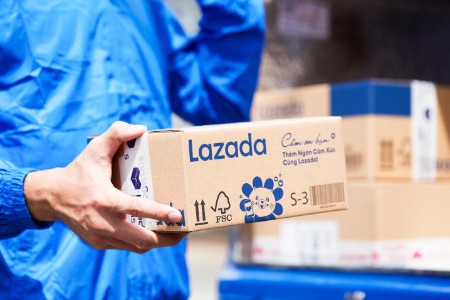
虽然Lazada的市场份额仅为3%,但其仍凭借忠实用户群维持稳健表现。Metric指出,Lazada在过去九个月中录得 最高的平均订单价值,并在该指标上实现了 最强劲的增长。

展望第四季度,Metric预计越南电商市场规模将达到1050万亿越南盾(约合40亿美元),同比增长约15%。节日消费热潮及大型促销活动预计将成为主要增长动力。最受欢迎的商品品类将包括 时尚、美妆、家居用品及食品杂货。

Metric还表示,为延续增长势头,各大平台计划 加大直播销售投入、扩大免运费政策覆盖范围,并强化物流能力,以确保旺季期间的高效履约和良好消费体验。

亿邦持续追踪报道该情报,如想了解更多与本文相关信息,请扫码关注作者微信。

文章来源:亿邦动力

广告
微信
朋友圈

FAQ回顾

2025年前三季度越南电商市场总销售额是多少?

2025年1月至9月越南四大电商平台总销售额为3059万亿越南盾(约116.2亿美元),同比增长34.4%,消费者月均支出约12.9亿美元。

Shopee和TikTok Shop在越南的市场份额如何?

Shopee以56%市场份额保持第一,TikTok Shop份额跃升至41%,两者差距快速缩小。Lazada份额为3%但拥有最高平均订单价值。

越南电商市场第四季度增长动力有哪些?

预计第四季度规模达1050万亿越南盾(约40亿美元),增长15%,主要动力为节日消费和促销活动,热门品类包括时尚、美妆、家居和食品杂货。

这么好看,分享一下?

朋友圈 分享

APP内打开

赞 +1
+1
微信好友 朋友圈 新浪微博 QQ空间
关闭
收藏成功
发送
/140 0