广告
加载中

连连国际副总裁钟义:数智化支付如何赋能中国品牌拥抱全球化浪潮?

亿邦动力 2024-09-27 15:23
亿邦动力 2024/09/27 15:23

邦小白快读

EN
全文速览

本文是连连国际副总裁钟义在2024“丝路电商日”活动上的演讲整理,核心分享了中国品牌出海的机会和数智化支付的支持干货,主要重点信息如下

1. 当前出海机会方向:一带一路沿线、拉美、东南亚、中东、东欧等新兴市场电商渗透率低,叠加RCEP、一带一路、金砖合作等政策加持,具备很高的增长潜力,是出海创业、拓展业务的优质目的地。

2. 可用的支付服务支持:连连国际围绕出海资金收、付、兑、管理四个核心环节布局,目前已经合作全球超100家电商平台的180个站点,支持130多个币种付款,持有全球60多张支付牌照,支持50种主流货币7*24小时实时汇兑,今年还全面下调服务费率帮助出海从业者降本。

3. 连连的本地化布局已经覆盖东南亚、中东,对接当地主流平台和金融机构,支持线上线下全场景支付需求。

本文为中国出海品牌梳理了新兴市场趋势和可利用的支付支持干货,核心内容如下

1. 出海消费与市场趋势:当前中国跨境电商整体增速远高于其他行业,丝路沿线、拉美、东南亚、中东等新兴市场电商渗透率低,增长空间大,叠加国内多重政策利好,是品牌出海布局的优质方向。

2. 渠道建设支持:连连国际已经在东南亚、中东完成本地化布局,和当地主流线上平台Shopee、Lazada、亚马逊、TikTok Shop、Noon等达成官方合作,同时支持线下实体渠道支付,还可对接B2B贸易结算,品牌可依托其支付网络快速触达新兴市场用户。

3. 成本与合规支持:连连国际今年全面下调服务费率,可帮助品牌降低出海支付成本,提升价格竞争力;同时依托全球60多张本地支付牌照,可解决不同地区监管带来的资金流转痛点,保障资金链路合规顺畅。

本文为出海卖家梳理了最新的市场机会、政策利好和可用支付支持,干货内容如下

1. 新增量市场机会:当前一带一路沿线、拉美、东南亚、中东、东欧等地区电商渗透率还处于较低水平,叠加RCEP生效、一带一路政策加持、金砖国家合作深化等多重政策利好,是卖家挖掘新增量的核心方向。

2. 支付端的降本扶持:连连国际今年全面下调了跨境支付服务费率,直接降低卖家出海的运营成本,帮助卖家提升利润空间。

3. 合作机会与服务支持:连连已经在东南亚、中东完成本地化团队布局,和全球超100家电商平台180个站点达成官方合作,可提供覆盖收、付、兑、资金管理全链条的合规支付服务,支持130多个币种付款、50种货币7*24小时汇兑,能解决卖家资金流转的各类痛点,卖家可对接合作获取服务。

本文为想要拓展出海业务的工厂梳理了市场机会和数字化出海的相关启示,干货内容如下

1. 新兴市场商业机会:当前丝路沿线、拉美、东南亚、中东、东欧等新兴市场电商渗透率低,叠加国内RCEP、一带一路等政策加持,整体增长空间大,工厂无论是做B2B贸易还是打造自有C端品牌出海,都能获得更多增长机会。

2. 适配多场景的支付支持:连连国际已经在东南亚、中东等新兴市场完成本地化布局,不仅支持线上跨境电商的支付需求,还可服务当地线下实体经济,针对中东等线下贸易为主的市场,还可对接当地银行金融机构支持B2B贸易的币种结算和资金往来,能满足工厂不同场景的出海资金需求。

3. 数字化出海启示:工厂出海需要重视合规问题,要选择持有本地支付牌照的专业支付合作伙伴,依托成熟的全球支付网络解决资金收兑、管理的痛点,降低出海合规成本,实现整体降本增效。

本文为跨境相关服务商梳理了行业发展趋势、客户痛点和可行的解决方案方向,干货内容如下

1. 行业发展趋势:当前中国跨境电商整体发展速度远高于国内多数行业,出海需求持续爆发,商家出海的目的地逐渐转向丝路沿线、东南亚、中东等新兴市场,本地化的合规支付服务需求大幅增长,行业迎来新的发展机会。

2. 客户核心痛点:出海商家、平台普遍面临不同国家和地区监管政策差异大、资金流转链路长、合规风险高、汇兑成本高、回款不顺畅等痛点,需要服务商提供针对性的解决方案。

3. 行业解决方案参考方向:服务商可提前在高潜力新兴市场做本地化布局,获取当地的支付牌照与合规资质,搭建覆盖收、付、兑、资金管理全链条的全球服务网络,适配线上线下不同场景的需求,同时通过降费让利帮助客户降本增效,提升自身的市场竞争力。

本文为跨境相关平台梳理了当前市场需求、可参考的运营布局经验和风向前瞻,干货内容如下

1. 当前市场核心需求:出海商家对合规、低成本的本地化支付服务需求强烈,传统支付服务存在监管适配难、资金流转风险高、综合成本高等问题,无法满足商家拓展新兴市场的需求,平台需要针对性优化服务能力。

2. 可参考的最新布局做法:围绕新兴市场的增长机会,提前布局东南亚、中东等电商渗透率较低的增量市场,落地本地服务团队,主动获取当地合规牌照资质,对接当地主流平台、金融机构达成合作,搭建覆盖线上线下全场景的服务网络。

3. 运营风向提示:合规是平台开展跨境业务的核心前提,必须满足不同地区的监管要求;同时平台需要面向合作商家降本增效,通过下调费率等方式吸引商家,还要保持开放态度对接各类出海企业,拓展自身业务边界。

本文为跨境产业研究者提供了跨境电商和跨境支付领域的最新产业动向、新问题和创新商业模式,干货内容如下

1. 产业最新动向:当前中国跨境电商保持远高于其他行业的增长速度,中国品牌出海的目的地已经从传统成熟市场转向一带一路沿线、拉美、东南亚、中东等新兴市场,政策层面RCEP实施、一带一路建设、金砖国家合作深化等多重利好加持,整个产业迎来新的增长周期。

2. 产业新问题:出海品牌和商家在拓展新兴市场过程中,面临新兴市场监管规则差异大、本地支付基础设施不完善、资金流转合规风险高、综合支付成本高等新的痛点问题,需要产业链给出解决方案。

3. 创新商业模式:跨境支付企业打造的数智化全链条支付模式,围绕出海商家资金需求,覆盖资金收、付、兑、管理全环节,通过本地化布局获取牌照、搭建全球支付网络,适配线上线下不同场景,同时降费帮助商家降本增效,为赋能中国品牌出海提供了可参考的创新商业模式。

返回默认

声明:快读内容全程由AI生成,请注意甄别信息。如您发现问题,请发送邮件至 run@ebrun.com 。

我是 品牌商 卖家 工厂 服务商 平台商 研究者 帮我再读一遍。

Quick Summary

This article is a compiled version of a speech delivered by Zhong Yi, Vice President of LianLian Global, at the 2024 "Silk Road E-Commerce Day" event. It shares key insights into cross-border expansion opportunities for Chinese brands and actionable guidance on digital intelligent payment support. The key takeaways are as follows:

1. Current high-potential expansion destinations: Emerging markets including regions along the Belt and Road, Latin America, Southeast Asia, the Middle East, and Eastern Europe still have low e-commerce penetration. Backed by policy initiatives such as RCEP, the Belt and Road Initiative, and BRICS cooperation, these markets boast strong growth potential and are ideal destinations for cross-border startups and business expansion.

2. Available payment service support: LianLian Global has built a full-suite service covering the four core links of cross-border capital flow: collection, payment, foreign exchange conversion and capital management. To date, it has partnered with 180 sites across more than 100 global e-commerce platforms, supports payments in over 130 currencies, and holds more than 60 payment licenses worldwide. It also offers 7/24 real-time foreign exchange settlement for 50 major currencies. In 2024, the company has fully lowered its service fees to help cross-border operators cut costs.

3. Localized coverage: LianLian Global has completed localized layout in Southeast Asia and the Middle East, with partnerships with local leading platforms and financial institutions to support payment needs across all online and offline scenarios.

This article sorts out emerging market trends and actionable payment support insights for Chinese brands going global. Core content is as follows:

1. Cross-border consumption and market trends: China's overall cross-border e-commerce growth far outpaces that of other industries. Emerging markets including regions along the Silk Road, Latin America, Southeast Asia, and the Middle East have low e-commerce penetration and large room for growth. Combined with multiple favorable domestic policies, these markets are high-priority destinations for brands to expand their global footprint.

2. Channel expansion support: LianLian Global has completed localized layout in Southeast Asia and the Middle East, and established official partnerships with leading local online platforms including Shopee, Lazada, Amazon, TikTok Shop, and Noon. It also supports payments for offline physical channels and B2B trade settlement, allowing brands to quickly reach consumers in emerging markets via its global payment network.

3. Cost and compliance support: LianLian Global has fully cut its service fees this year to help brands reduce cross-border payment costs and improve price competitiveness. Meanwhile, backed by more than 60 local payment licenses globally, it solves capital flow pain points caused by regional regulatory differences to ensure compliant and smooth capital movement.

This article sorts out the latest market opportunities, policy incentives and available payment support for cross-border sellers. Key insights are as follows:

1. New volume opportunities in emerging markets: Regions along the Belt and Road, Latin America, Southeast Asia, the Middle East, and Eastern Europe currently still have low e-commerce penetration. Supported by multiple policy incentives including the entry into force of RCEP, the Belt and Road Initiative, and deepened BRICS cooperation, these markets are core destinations for sellers to tap into new growth.

2. Cost-reduction support on the payment end: LianLian Global has fully lowered its cross-border payment service fees this year, directly reducing sellers' operating costs for cross-border expansion and helping increase profit margins.

3. Partnership and service support: LianLian Global has established localized teams in Southeast Asia and the Middle East, and formed official partnerships with 180 sites across more than 100 global e-commerce platforms. It provides compliant full-chain payment services covering collection, payment, foreign exchange conversion and capital management, supports payments in over 130 currencies and 7/24 foreign exchange settlement for 50 currencies. It can solve all kinds of capital flow pain points for sellers, who can access its services via official partnerships.

This article sorts out market opportunities and insights on digital cross-border expansion for factories looking to grow their global business. Key takeaways are as follows:

1. Business opportunities in emerging markets: Emerging markets along the Silk Road, Latin America, Southeast Asia, the Middle East, and Eastern Europe currently have low e-commerce penetration. Backed by China's favorable policies including RCEP and the Belt and Road Initiative, these markets offer large overall growth space. Whether factories pursue B2B trade or build their own C-end brands for cross-border expansion, they can access substantial new growth opportunities.

2. Multi-scenario adapted payment support: LianLian Global has completed localized layout in emerging markets including Southeast Asia and the Middle East. It not only supports payment needs for online cross-border e-commerce, but also serves local offline real economy. For markets dominated by offline trade such as the Middle East, it partners with local banks and financial institutions to support currency settlement and capital flow for B2B trade, and can meet factories' capital needs across different cross-border scenarios.

3. Insights on digital cross-border expansion: Factories need to prioritize compliance when going global, and should choose professional payment partners that hold local payment licenses. Leveraging a mature global payment network helps solve pain points in capital collection, conversion and management, cut compliance costs for cross-border expansion, and achieve overall cost reduction and efficiency improvement.

This article sorts out industry development trends, customer pain points and actionable solution directions for cross-border service providers. Key insights are as follows:

1. Industry development trends: China's overall cross-border e-commerce growth far outpaces most domestic industries, and cross-border expansion demand continues to surge. Merchants are increasingly shifting their expansion destinations to emerging markets along the Silk Road, Southeast Asia, the Middle East and other regions, leading to a sharp increase in demand for localized compliant payment services. The industry is embracing new growth opportunities.

2. Core customer pain points: Cross-border merchants and platforms generally face pain points including large regulatory differences across countries and regions, long capital flow chains, high compliance risks, high foreign exchange costs, and delayed回款. They need service providers to deliver targeted solutions.

3. Reference solution directions for the industry: Service providers can complete localized layout in high-potential emerging markets in advance, obtain local payment licenses and compliance qualifications, build a global service network covering the full chain of collection, payment, foreign exchange conversion and capital management to adapt to needs across different online and offline scenarios. Meanwhile, cutting fees to pass on benefits helps customers reduce costs and improve efficiency, and enhances service providers' own market competitiveness.

This article sorts out current market demand, actionable layout experience and forward-looking guidance for cross-border platforms. Key insights are as follows:

1. Core current market demand: Cross-border merchants have strong demand for compliant, low-cost localized payment services. Traditional payment services suffer from poor regulatory adaptation, high capital flow risk, high comprehensive costs and other problems, and cannot meet merchants' needs to expand into emerging markets. Platforms need to optimize their service capabilities accordingly.

2. Reference for latest layout practices: To capitalize on growth opportunities in emerging markets, platforms should complete layout in advance in high-potential low-penetration markets such as Southeast Asia and the Middle East, set up local service teams, proactively obtain local compliance licenses and qualifications, partner with leading local platforms and financial institutions, and build a full-scenario service network covering both online and offline channels.

3. Operational guidance: Compliance is the core prerequisite for platforms to operate cross-border businesses, and platforms must meet regulatory requirements in different regions. Meanwhile, platforms need to help partner merchants reduce costs and improve efficiency, attract merchants by cutting service fees, and maintain an open attitude to partner with all types of cross-border enterprises to expand their own business boundaries.

This article provides the latest industrial trends, new problems and innovative business models in cross-border e-commerce and cross-border payment for industry researchers. Key insights are as follows:

1. Latest industrial trends: China's cross-border e-commerce currently maintains a growth rate far higher than other industries. Chinese brands have shifted their cross-border expansion destinations from traditional mature markets to emerging markets including regions along the Belt and Road, Latin America, Southeast Asia, and the Middle East. Backed by multiple policy incentives including the implementation of RCEP, the Belt and Road construction, and deepened BRICS cooperation, the entire industry is entering a new growth cycle.

2. New industrial problems: When expanding into emerging markets, cross-border brands and merchants face new pain points including large differences in regulatory rules across emerging markets, underdeveloped local payment infrastructure, high compliance risks for capital flow, and high comprehensive payment costs, which require solutions from the whole industrial chain.

3. Innovative business model: Digital intelligent full-chain payment models built by cross-border payment companies cover all core links of capital demand for cross-border merchants: collection, payment, foreign exchange conversion and management. Via localized layout to obtain licenses and build a global payment network, these models adapt to different online and offline scenarios. Meanwhile, cutting service fees helps merchants reduce costs and improve efficiency, providing a reference innovative business model for empowering Chinese brands to go global.

Disclaimer: The "Quick Summary" content is entirely generated by AI. Please exercise discretion when interpreting the information. For issues or corrections, please email run@ebrun.com .

I am a Brand Seller Factory Service Provider Marketplace Seller Researcher Read it again.

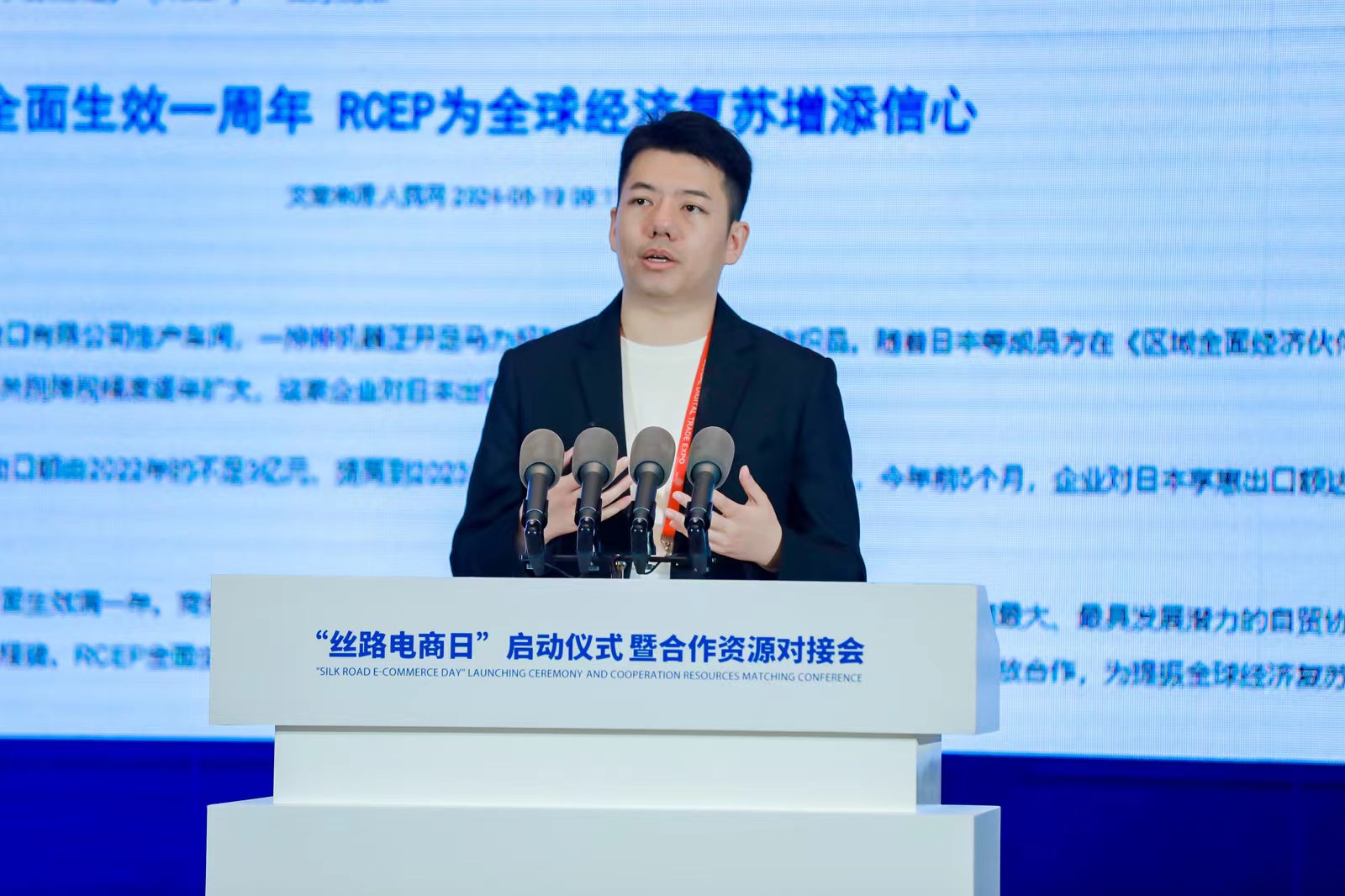
【亿邦原创】9月25日,2024“丝路电商日”启动仪式暨“丝路电商”合作资源对接会在杭州数贸会期间举行。会上,连连国际副总裁钟义发表了题为《数智化支付赋能中国品牌拥抱全球化浪潮》的演讲。他指出,连连国际(LianLian Global,连连数字旗下品牌)作为一家跨境支付公司,主要围绕资金的“收”、“付”、“兑”、“管理”四个方面服务于来自不同国家的平台、服务类企业、电商类企业。同时,围绕出海商家关注的新兴市场,连连国际也做了很多积极的布局,包括过去几年在东南亚、中东等地区的投入。

(温馨提示:本文为速记初审稿,在不影响原意的基础上,由亿邦动力编辑整理。)

以下为钟义演讲实录:

大家好,非常荣幸能有这样的一个机会在这个舞台上为大家做一些简单的介绍。我来自连连国际,我们是一家做跨境支付的公司,一家服务型企业。

我们从过去几年的数据可以看到,中国的跨境电商发展速度是非常快的,远远高于其他很多行业。在这样一个发展速度下,我们经常说,有了一个好的环境和一个好的背景,到底去哪些国家或者地区做跨境电商才能让我们的企业——无论工厂还是卖家,能够抓住机会乘胜而上呢?

像丝路地区的国家、“一带一路”沿线国家,拉美、东南亚、中东、东欧,都给予了我们非常多的增长机会,因为他们的电商渗透率还非常低。与此同时,我们国家在相关政策、法律法规上以及对外协作上给我们创造了更多的条件,包括RCEP的正式实施,包括“一带一路”政策的加持等。像金砖国家的相关合作机制,包括跟巴西等国互换合作条约的加持,都给到我们更多好的方向和指引。

作为一家服务型的企业,我们跟出海商家所思考的点很多时候都是一样的。比如,围绕我们的战略方向,我们也在这些有发展前景、有机遇的地区去做积极的布局,包括过去几年我们更加积极的布局了东南亚、中东等新兴市场。

我和我们的团队一起,半年时间里,在东亚、东南亚快速走过了超过10个国家,我们也在泰国、越南、新加坡等地部署了更多的团队,去更好地服务当地市场。

例如,在印尼、泰国、越南这些地方,我们不仅仅是在服务跨境电商这个领域,同时也走到了当地、走到了线下,去服务更多的当地实体经济领域;与很多的合作伙伴,包括在中国境内的支付宝、微信,一起去服务中国人在海外的消费。大家如果去在泰国这样的国家,去线下麦当劳或者免税店购物时,使用微信、支付宝的时候就会在屏幕上看到连连的界面。同时,在线上领域,我们也跟当地的主流平台,像Shopee、Lazada、亚马逊、TikTok Shop等建立了官方的合作。

在中东地区,我们也与亚马逊、Noon、Dubuy等平台建立了官方的合作。与此同时,当我们看到中东地区在基础设施上还没有那么完善的时候,传统的线下贸易依然是贸易的主流,因此我们也跟当地的银行和金融机构合作,为当地B2B业务进行币种结算和跨境资金的往来。

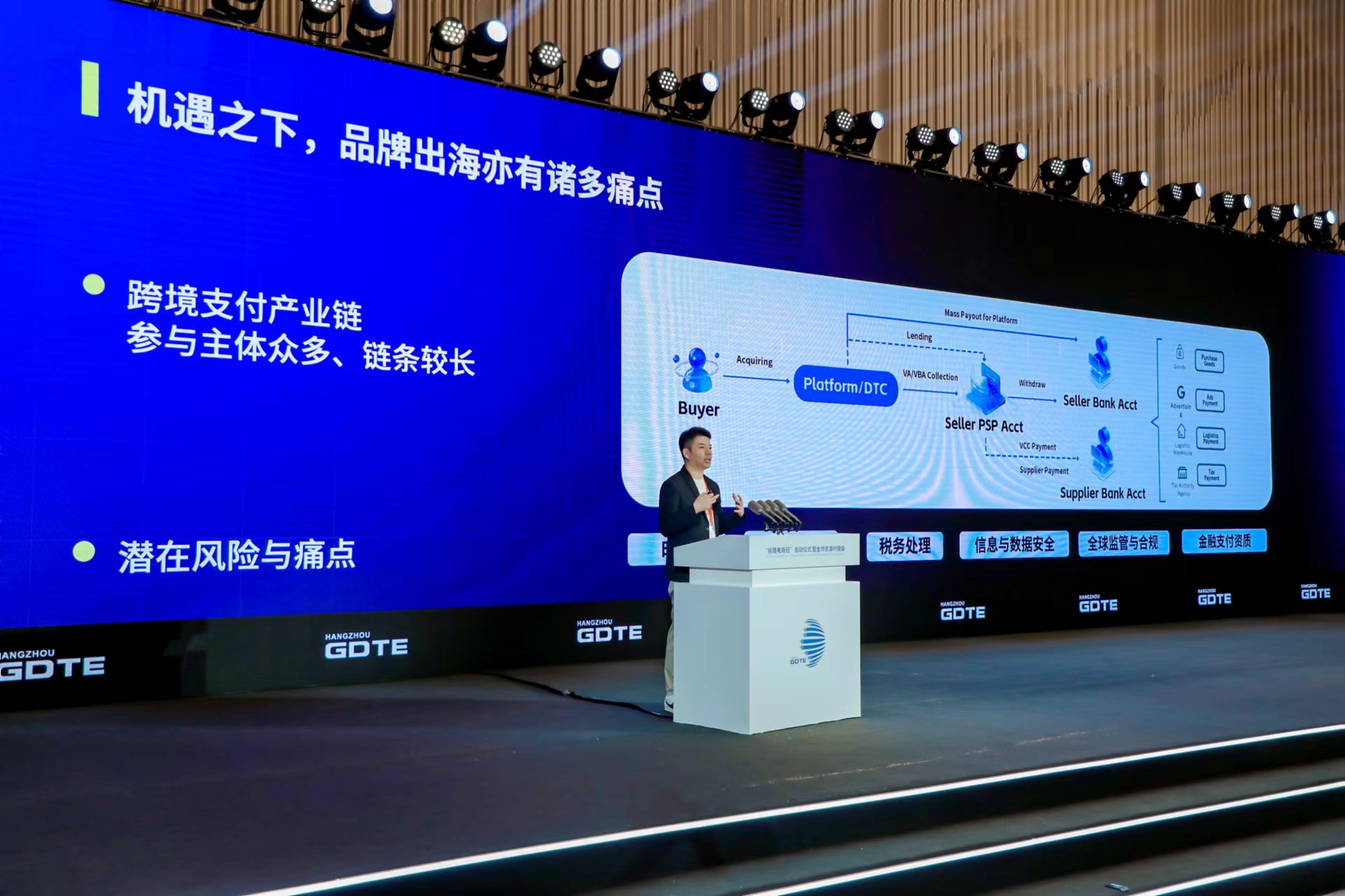
这幅图是我们和电商平台、独立网站合作的资金链路图,画面的左边,一个消费者在电商平台或者DTC独立站进行下单后,商家进行了交易订单的处理,连连根据客户的指令,依托牌照能力和全球支付金融网络帮助客户完成资金流转。

整个过程当中,因为国家地区、监管政策、处理效率等问题,可能在服务的过程当中,商户也好,电商平台也好,都面临着许多资金处理上的挑战。正因如此,我们也在全球多个国家与地区,去获取到当地的支付牌照以及资质,在满足法规的要求下,优化了整条支付链路中可能会碰到的风险与痛点,力争以最合规、最完善的方式去当地建立基础设施,帮助所有的平台以及相关合作伙伴、商户,完成整个资金链路的回款。

作为支付公司,我们现在做的主要是四件事:一个资金的“收”,然后“付”,然后“兑”,然后“管理”。

“收”,可能会比较好理解,目前我们已经与全球超过一百家电商平台、180个站点进行了官方合作,进行电商平台的资金回款。

付款,目前我们已经支持全球超过130个币种,针对不同国家或者不同地区、不同场景,无论是在物流,还是在广告、MCN等领域,都帮出海商户向一些服务合作伙伴去进行相应的付款。

因为拥有了全球60多张支付牌照与资质,以及与当地的一些金融机构合作,我们建立了全球性支付服务网络,能够帮助出海企业在全球主流市场进行资金的往来,同时进行资金的相应管理,进行7×24小时的汇兑管理服务。目前,我们支持超过50种主流货币兑现,都是在我们平台上进行7×24小时的实时报价为大家服务。

最后,也是响应行业号召,我们也帮助很多出海企业去降本增效。比如,今年全面降低了连连服务客户的价格费率,让大家能更好的、更简单的、更低成本的做出海、做跨境电商这件事。

以上就是我今天的分享。同样想说的是是,连连也是一家总部在杭州的企业,非常高兴大家来到杭州,我们秉承开放创新的态度,期待与各个来自不同国家的平台、服务类企业、电商类企业,产生更多的合作。

再次感谢大家!


关于会议:

2024“丝路电商日”保留了去年的“一展、两活动”,“一展”就是丝路电商展,“两活动”是丝路电商走进杭城、丝路云品推荐周。在此基础上,还将举办两场对接会,一个是“丝路电商”合作资源对接会,另一个是中亚国际创新数字贸易对接会。此外,还将首次在“丝路云品”推荐周设立主宾国产品专区和金砖国家专区,届时还将与泰国国际直播电商博览会云互动,共同推介“丝路云品”好物。

文章来源:亿邦动力

广告
微信
朋友圈

FAQ回顾

连连国际主要提供哪些跨境支付服务?

连连国际主要围绕资金的'收、付、兑、管'四个核心环节提供服务,包括与全球超100家电商平台合作收款、支持130多种货币付款、50多种主流货币7×24小时汇兑以及全球资金管理。

连连国际在哪些新兴市场进行了布局?

连连国际重点布局东南亚、中东等新兴市场,在泰国、越南、新加坡等地部署本地团队,并与Shopee、Lazada、亚马逊、Noon等区域主流平台建立官方合作,同时拓展线下B2B金融服务。

跨境支付如何帮助中国企业降本增效?

通过持有全球60多张支付牌照优化资金链路,连连国际2024年全面降低服务费率,提供合规高效的跨境资金流转方案,帮助出海企业降低运营成本。

这么好看,分享一下?

朋友圈 分享

APP内打开

赞 +1
+1
微信好友 朋友圈 新浪微博 QQ空间
关闭
收藏成功
发送
/140 0