广告
加载中

杭州市商务局局长王永芳:杭州新电商发展的探索与实践

亿邦动力 2024-09-25 19:03
亿邦动力 2024/09/25 19:03

邦小白快读

EN
全文速览

本文是杭州市商务局局长在2024丝路电商日分享的杭州新电商发展成果与实践经验,普通读者可从中了解杭州电商发展的核心干货。

1. 核心发展成果:2023年杭州网络零售额达12321.9亿元,规模居全省第一;电商产业增加值2307亿元,同比增长13%,占GDP比重达11.5%,增幅超同期GDP7.4个百分点,是杭州经济增长的核心引擎。

2. 五大核心实践:杭州已经构建起完善的电商发展政策体系,打造了全国领先的直播电商生态,落地了覆盖全场景的数字生活消费服务,打下了全国领先的跨境电商发展基础,还创新了电商国际合作模式,诞生了遥望X27线上线下融合新消费综合体这类创新项目,能直观感受国内电商发展的最新形态。

本文披露了杭州电商发展的最新趋势与政策红利,能为品牌商的战略布局提供多维度参考。

1. 消费趋势参考:当前杭州已经形成多层次多场景的数字化消费格局,线上线下深度融合成为主流消费形态,数字生活消费需求旺盛,国货IP、老字号文创、实体品牌数字化转型都有广阔市场空间,品牌可匹配需求调整产品布局。

2. 渠道建设机会:杭州拥有全国最成熟的直播电商生态,集聚超1万家直播相关企业,国内8家头部MCN有5家总部落在杭州,同时集聚了全国三分之二的跨境电商零售进出口平台,品牌可对接杭州的直播供应链、跨境渠道拓展销路。

3. 政策红利:杭州出台了多项扶持新电商、直播+实体的政策,品牌布局新渠道可申请政策扶持,降低转型成本。

本文分享的杭州电商发展动向与政策,能给各类卖家提供明确的机会指引与经验参考。

1. 政策红利清晰:杭州从十四五电商发展规划,到新电商高质量发展、提振消费、跨境电商便利化,出台了近百项扶持政策,累计推出跨境电商便利化措施280条,卖家落地杭州发展可享受多重政策补贴与便利。

2. 增长机会明确:国内市场可依托杭州成熟的直播生态、MCN机构资源布局直播带货,还可复制杭州直播共富、线上线下融合的模式拓展销路;跨境出口方向,杭州作为全国首个跨境电商综试区,有完善的平台、收款、物流配套,2023年杭州跨境出口占外贸比重提升至10.7%,增长空间巨大。

3. 可借鉴经验丰富,杭州的直播赋能实体、24小时全天候直播综合体等模式都值得参考学习。

杭州新电商的发展实践,能给实体工厂的转型、业务拓展提供清晰的方向启示。

1. 产品生产设计方向:当前消费端数字化渗透率极高,直播电商、新消费场景对国货品、老字号文创产品、高性价比性价比实体产品的需求旺盛,工厂可结合这类需求调整产品设计与生产方向,适配新渠道的消费需求。

2. 商业机会充足:杭州出台专门政策鼓励制造业企业开展直播+业务,支持工厂对接直播供应链体系,工厂可直接通过直播触达C端消费者,砍掉中间环节提升利润;同时可依托杭州完善的跨境电商配套,拓展出口销路,打开海外市场。

3. 转型启示明确:杭州的实践证明,电商和实体经济深度融合可以有效赋能增效,工厂主动推进数字化转型、接入电商新渠道,能获得比传统渠道更快的增长,是未来实体工厂发展的重要方向。

杭州新电商的发展实践,披露了电商服务行业的最新趋势与需求,能给各类服务商提供业务布局参考。

1. 行业发展趋势清晰:当前电商业态多元化发展,直播电商、跨境电商、线上线下融合新零售保持高速增长,市场空间广阔,杭州仅直播相关企业就超过1万家,跨境电商卖家达到6.3万家,对各类配套服务的需求持续增长。

2. 核心客户需求明确:不同主体对服务的需求差异清晰,国内商家需要直播供应链、数字化场景搭建服务,跨境卖家需要合规、收款、物流、海外仓服务,直播行业已经开始应用数字人、元宇宙等新技术,对相关技术服务的需求快速上升。

3. 国际业务机会充足:当前丝路电商、电商国际合作快速发展,全球电商人才培养、跨境基础设施建设都存在大量服务缺口,服务商可对接相关国际合作项目,拓展海外业务空间。

杭州新电商的发展探索,能给平台商的运营、招商、战略布局提供诸多参考。

1. 市场需求清晰:各类商家对完善的产业生态、合规标准、政策配套的需求强烈,平台落地产业集群完善的杭州,可共享成熟的供应链、人才资源,降低运营成本。

2. 战略方向参考:当前直播电商、跨境电商、线上线下融合消费是行业主流方向,杭州已经摸索出成熟的发展路径,平台可对标杭州经验,优化自身业务布局,比如完善直播生态服务、拓展跨境业务板块、打造线上线下融合的消费场景。

3. 招商与风险规避参考:杭州有大量优质的直播供应链、实体品牌、跨境卖家资源,还有丝路电商合作对接会这类官方对接平台,平台可借助这类活动开展招商,对接全球资源;同时可参考杭州的标准规则建设经验,完善平台合规体系,规避运营风险。

本文分享的杭州新电商发展探索与实践,是国内电商产业发展的典型样本,对电商领域研究有重要的参考价值。

1. 产业新动向明确:当前国内电商已经全面融入内需体系建设,对消除地方垄断、建设全国统一大市场有明显推动作用,直播电商、跨境电商已经成为拉动经济、外贸增长的核心动力,国际层面电商合作已经从业务合作延伸到产教融合、标准输出层面,eWTP已经落地12个国家和地区,产生了不少新的合作模式。

2. 政策创新启示可参考:杭州形成了从顶层规划到细分领域配套扶持的完整政策体系,还牵头参与制定了69项跨境电商、海外仓相关标准,这套政策创新路径为其他地区发展电商产业提供了可复制的样本。

3. 创新商业模式丰富:诞生了直播赋能实体、直播共富工坊、线上线下融合24小时商业综合体等多种创新商业模式,值得深入研究总结。

返回默认

声明:快读内容全程由AI生成,请注意甄别信息。如您发现问题,请发送邮件至 run@ebrun.com 。

我是 品牌商 卖家 工厂 服务商 平台商 研究者 帮我再读一遍。

Quick Summary

This article shares Hangzhou's development achievements and practical experience in the new e-commerce sector by the Director of the Hangzhou Municipal Bureau of Commerce at the 2024 Silk Road E-Commerce Day. General readers can access core insights about Hangzhou's e-commerce development from the content.

1. Core development achievements: In 2023, Hangzhou's online retail sales reached 1.23219 trillion yuan, ranking first in Zhejiang Province in scale. The added value of the e-commerce industry hit 230.7 billion yuan, a year-on-year increase of 13%, accounting for 11.5% of the city's GDP. Its growth rate outpaced that of Hangzhou's overall GDP by 7.4 percentage points, making e-commerce the core engine of the city's economic growth.

2. Five core practices: Hangzhou has established a complete policy framework for e-commerce development, built a nationally leading live-streaming e-commerce ecosystem, rolled out full-scenario digital consumer services, laid a leading foundation for cross-border e-commerce development across the country, and innovated models for international e-commerce cooperation. Innovative projects such as Yaowang X27, an online-offline integrated new consumption complex, have emerged here, allowing readers to get a first-hand look at the latest form of domestic e-commerce development.

This article discloses the latest trends and policy dividends of e-commerce development in Hangzhou, providing multi-dimensional reference for brand owners' strategic layout.

1. Consumer trend insights: Hangzhou has formed a multi-layered, multi-scenario digital consumption landscape, where deep online-offline integration has become the mainstream consumption pattern, and demand for digital lifestyle consumption remains strong. There is broad market space for domestic Chinese IPs, cultural creative products from time-honored brands, and digital transformation of physical brands, enabling brands to adjust their product layout to match market demand.

2. Channel expansion opportunities: Hangzhou boasts China's most mature live-streaming e-commerce ecosystem, hosting more than 10,000 live-streaming related enterprises. Five of China's top 8 MCN institutions are headquartered in Hangzhou, and the city also gathers two-thirds of China's cross-border e-commerce retail import and export platforms. Brands can expand their sales reach by connecting with Hangzhou's live-streaming supply chain and cross-border channels.

3. Policy dividends: Hangzhou has introduced multiple supporting policies for new e-commerce and "live-streaming plus brick-and-mortar" development. Brands can apply for policy support when laying out new channels to reduce transformation costs.

The e-commerce development trends and policies shared in this article provide clear opportunity guidance and experience reference for sellers of all types.

1. Clear policy benefits: From the 14th Five-Year E-commerce Development Plan to policies supporting high-quality new e-commerce development, consumption stimulation and cross-border e-commerce facilitation, Hangzhou has rolled out nearly 100 supporting policies and launched a total of 280 cross-border e-commerce facilitation measures. Sellers that set up operations in Hangzhou can enjoy multiple policy subsidies and convenience.

2. Defined growth opportunities: For the domestic market, sellers can leverage Hangzhou's mature live-streaming ecosystem and MCN resources to布局 live-streaming sales, and replicate Hangzhou's models of "live-streaming for common prosperity" and online-offline integration to expand sales channels. For cross-border exports, as China's first comprehensive pilot zone for cross-border e-commerce, Hangzhou has complete supporting infrastructure covering platforms, payment and logistics. In 2023, cross-border exports accounted for 10.7% of Hangzhou's total foreign trade, indicating enormous room for growth.

3. Abundant actionable experience: Models such as live-streaming empowerment for physical businesses and 24/7 live-streaming complexes are valuable references for sellers.

Hangzhou's practical experience in new e-commerce development provides clear directional insights for physical factories' transformation and business expansion.

1. Product design and production direction: Digital penetration is now extremely high on the consumer end. Live-streaming e-commerce and new consumption scenarios see strong demand for domestic goods, cultural creative products from time-honored brands, and cost-effective physical products. Factories can adjust their product design and production orientation to align with these demands and adapt to consumption needs of new channels.

2. Ample business opportunities: Hangzhou has introduced targeted policies to encourage manufacturing enterprises to develop "live-streaming plus" business and support factories to connect with the live-streaming supply chain system. Factories can reach end consumers directly via live-streaming, cutting out intermediate links to boost profit margins. They can also leverage Hangzhou's complete cross-border e-commerce infrastructure to expand export sales and enter overseas markets.

3. Clear transformation insights: Hangzhou's practice proves that deep integration of e-commerce and the real economy can effectively drive empowerment and efficiency improvement. Proactive digital transformation and access to new e-commerce channels can deliver faster growth than traditional channels, which is an important development direction for physical factories going forward.

Hangzhou's practice in new e-commerce development reveals the latest trends and demand in the e-commerce service industry, providing reference for business layout for all types of service providers.

1. Clear industry development trends: E-commerce business models are diversifying, with live-streaming e-commerce, cross-border e-commerce and online-offline integrated new retail maintaining rapid growth and broad market space. Hangzhou alone has more than 10,000 live-streaming related enterprises and 63,000 cross-border e-commerce sellers, driving sustained growth in demand for various supporting services.

2. Clear core customer demands: Different market players have distinct service needs. Domestic merchants require live-streaming supply chain and digital scenario building services, while cross-border sellers need compliance, payment, logistics and overseas warehouse services. The live-streaming industry has already begun adopting new technologies such as digital humans and the metaverse, leading to rapid growth in demand for related technical services.

3. Abundant international business opportunities: With the rapid development of Silk Road e-commerce and international e-commerce cooperation, there is a large service gap in global e-commerce talent development and cross-border infrastructure construction. Service providers can partner with relevant international cooperation projects to expand their overseas business footprint.

Hangzhou's exploration in new e-commerce development provides multiple references for platform operators' operations, merchant recruitment and strategic layout.

1. Clear market demand: Merchants of all types have strong demand for complete industrial ecosystems, compliance standards and policy support. If platforms locate their operations in Hangzhou, where industrial clusters are well-developed, they can share access to mature supply chains and talent resources to reduce operating costs.

2. Strategic direction reference: Live-streaming e-commerce, cross-border e-commerce and online-offline integrated consumption are now the mainstream directions of the industry, and Hangzhou has already worked out a mature development path. Platforms can benchmark against Hangzhou's experience to optimize their own business layout, for example by improving live-streaming ecosystem services, expanding cross-border business segments, and building online-offline integrated consumption scenarios.

3. Reference for merchant recruitment and risk mitigation: Hangzhou has abundant high-quality resources in live-streaming supply chains, physical brands and cross-border sellers, as well as official matching platforms such as the Silk Road E-Commerce Cooperation Fair. Platforms can leverage these events for merchant recruitment and connect with global resources. They can also reference Hangzhou's experience in standard and rule development to improve their platform compliance system and mitigate operational risks.

The exploration and practice of new e-commerce development in Hangzhou shared in this article serve as a typical sample of China's e-commerce industry development, with important reference value for e-commerce research.

1. Clear new industry trends: Domestic e-commerce has now been fully integrated into the construction of China's domestic demand system, and plays a notable role in eliminating local monopolies and promoting the development of a unified national market. Live-streaming e-commerce and cross-border e-commerce have become core drivers of economic and foreign trade growth. At the international level, e-commerce cooperation has expanded from business cooperation to industry-education integration and standard export. To date, eWTP has been implemented in 12 countries and regions, giving rise to many new cooperation models.

2. Reference for policy innovation inspiration: Hangzhou has built a complete policy system ranging from top-level planning to supporting policies for segmented fields, and has led the development of 69 standards related to cross-border e-commerce and overseas warehouses. This policy innovation path provides a replicable sample for other regions developing their e-commerce industries.

3. Diversified innovative business models: A variety of innovative business models have emerged in Hangzhou, including live-streaming empowerment for physical businesses, live-streaming common prosperity workshops, and 24-hour online-offline integrated commercial complexes, all of which deserve in-depth research and summary.

Disclaimer: The "Quick Summary" content is entirely generated by AI. Please exercise discretion when interpreting the information. For issues or corrections, please email run@ebrun.com .

I am a Brand Seller Factory Service Provider Marketplace Seller Researcher Read it again.

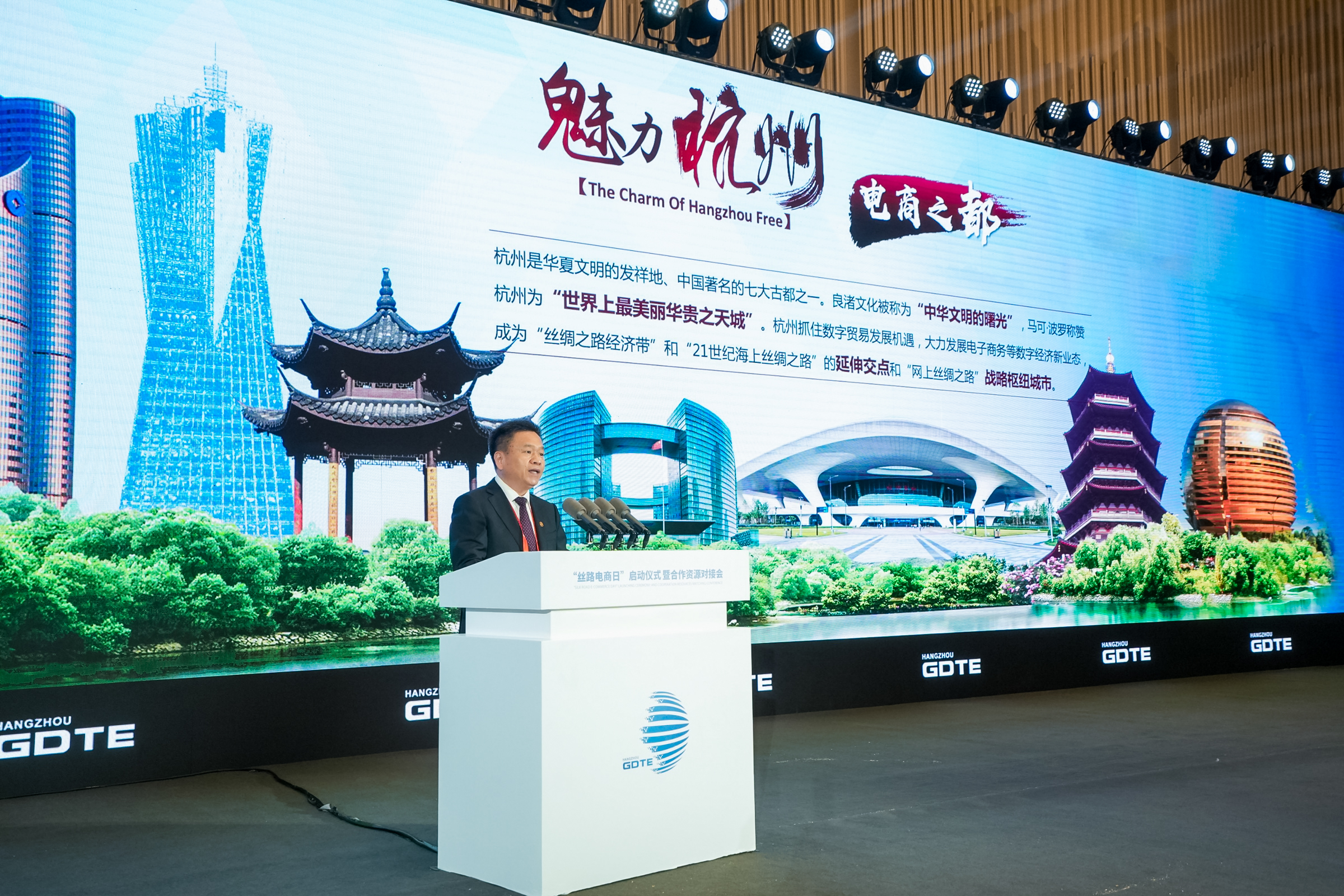
【亿邦原创】9月25日,2024“丝路电商日”启动仪式暨“丝路电商”合作资源对接会在杭州数贸会期间举行。会上,杭州市商务局局长王永芳带来主题分享了杭州新电商发展的探索与实践。他指出,杭州电子商务发展这几年来再上新台阶:2023年杭州网络零售额12321.9亿元以上,规模总量持续保持全省首位;2023年电子商务产业增加值达到2307亿元,同比增长13.0%,占GDP比重达到11.5%,超同期GDP增幅7.4个百分点。

“实践表明,杭州电子商务正全面融入内需体系建设,在社会经济各领域不断渗透,形成多层次多场景的数字化消费场景,成为全面促进新型消费的重要力量。”王永芳谈道。

他还在会上分享了杭州电商产业发展的五方面经验:一是持续完善电子商务政策体系;二是“直播电商第一城”提质增效;三是依托电商丰富数字生活场景;四是跨境电商发展基础雄厚;五是电商国际合作模式创新。

以下为王永芳演讲实录:

各位领导,各位来宾,女士们,先生们,大家好!

很高兴和大家相聚在第三届全球数字贸易博览会。在此,我谨代表杭州市商务局向“丝路电商”资源对接会的召开表示热烈的祝贺!对各位嘉宾的到来表示诚挚的欢迎!向长期以来关心支持数字贸易发展的各界人士表示由衷的感谢!

杭州是中国的七大古都之一。良渚文化被称为“中华文明的曙光”,马可·波罗称赞杭州为“世界上最美丽华贵之天城”。杭州抓住数字贸易发展这一历史机遇,大力发展电子商务等数字经济新业态,成为“丝绸之路经济带”和“21世纪海上丝绸之路”的延伸交点和“网上丝绸之路”战略枢纽城市。

杭州作为我国电子商务之都,电子商务发展这几年来再上新台阶:2023年,杭州网络零售规模稳步增长,全年实现网络零售额12321.9亿元以上,规模总量持续保持全省首位;电子商务行业已成为推动杭州经济高质量发展的强劲引擎,2023年全市电子商务产业增加值达到2307亿元,同比增长13.0%,占GDP比重达到11.5%,超同期GDP增幅7.4个百分点以上。

实践表明,杭州电子商务正全面融入内需体系建设,在社会经济各领域不断渗透,已经形成多层次、多场景的数字化消费场景,成为全面促进新型消费的重要力量。

从杭州到全国,从交易平台到服务配套,已形成全面覆盖的电商运作网络,全国的市场主体在其中共享同类的交易设施,共用同一套标准规则,对消除地方性垄断,形成全国统一大市场也有明显的贡献。

在大力支持电子商务行业发展过程中,杭州涌现出一批优秀的电商企业,形成了一批创新的产业发展模式,也总结出多项电商产业发展经验:

一、持续完善电子商务政策体系。

杭州重视电商发展顶层设计。2021年,杭州市印发《杭州市电子商务发展“十四五”规划》,从市场主体、融合发展、要素资源、营商环境、普惠发展、支撑体系等方面全面谋划了杭州电子商务发展图景。同时,杭州出台相关政策推动新模式新业态发展。先后出台《关于促进杭州市新电商高质量发展的若干意见》《关于促进杭州市新电商高质量发展的若干意见政策实施细则》《杭州市数字经济创新提质‘一号发展工程’业态模式创新攻坚行动方案》《提振消费社零系列扶持政策》等政策促进新电商健康快速发展并取得良好成效。

此外,跨境电商政策持续创新。累计出台落实跨境电商相关便利化政策37项共280条,促进跨境电商发展政策措施97项共608条,组织、参与编写跨境电商和海外仓相关国家、行业、团体标准69项。

二、“直播电商第一城”提质增效。

从直播平台到MCN机构,从头部主播到供应链企业,杭州市直播电商产业生态已经集聚有超过1万家相关企业。头部平台淘宝直播在杭州成长壮大,国内8家头部MCN机构,有5家总部设在杭州。

直播电商是杭州经济发展的重要风景线:

一是为创新创业提供沃土。直播电商的蓬勃发展,吸引了大量年轻人才扎根杭州。杭州主播数量连续多年实现“万级增长”,数字人、元宇宙等直播电商领域的新技术应用,更是吸引了一批海内外高层次人才落户,全市直播电商从业人员已达100万人;

二是为实体经济赋能增效。2023年,杭州市限额以上批发零售业中,通过互联网实现的商品零售额达2099亿元,占限上零售比重超45%。杭州出台直播电商“一石三鸟”政策,聚焦引育供应链企业、赋能实体产业,鼓励制造业企业开展“直播+”业务,进一步放大直播电商作用,同步拉动消费、社零、工业增加值,挖掘更多产业融合的潜力;

三是为共同富裕提供助力。开展电商直播式“共富工坊”推荐活动,已完成245个电商直播式“共富工坊”的创建培育,“大下姜直播共富工坊”等31家工坊被纳入省典型案例,总数位居全省首位。

三、依托电商丰富数字生活场景。

杭州将电子商务和数字化几乎融入到生活中的每个消费场景,不断充实人民群众的幸福感和获得感。餐饮、出行、购物、娱乐、文旅、便民服务、医疗等生活场景都在与电子商务的结合中提高了便捷性、丰富度和体验感,并涌现出诸如阳光厨房、智能出行、智慧商圈等数字生活服务新场景。2022年1月份,杭州市荣获首批省数字生活新服务先行市。

在线上线下深度融合方面,杭州市形成了一批创新驱动的数字消费场景。例如,临平区遥望X27主题公园成为24小时不间断营业的“线上+线下”新消费商业综合体。遥望X27主题公园融合遥望科技多年积累的线上流量优势,以全球首创的跨界明星店铺集群为主要依托,集合多元功能化的开放式空间,引入国货IP店、老字号文创店等多种元素,通过举办各类活动,打造丰富的动态场景,构建星店潮流荟聚地,形成一个IP集合体,每家商铺既是实体店铺也是直播间,最多可同时进行近350场直播。

四、跨境电商发展基础雄厚。

杭州是我国第一个跨境电子商务综合试验区。杭州集聚了全国三分之二跨境电商零售进出口平台,服务全国70万卖家,带动全国跨境电商上下游就业650万人。杭州第三方跨境收款机构服务了全国七成跨境电商企业。2023年杭州跨境电商出口占全市外贸整体出口比重从2022年的3.4%提升至2023年的10.7%,对杭州市外贸出口增长贡献度达165.5%,杭州跨境电商卖家数由不足百家增长到2023年的6.3万家,规模以上的跨境电商交易额1045家,省级以上跨境电商品牌81个。

五、电商国际合作模式创新。

支持企业推进eWTP(电子世界贸易平台)建设,先后落地马来西亚、泰国、墨西哥、比利时等12个国家和地区,在墨西哥、柬埔寨复制“淘宝村模式”,帮助当地特色产品销往全球;在比利时列日、泰国曼谷等地建设e-Hub,完善全球物流基础设施。支持浙江工商大学、对外经济贸易大学、塔什干威斯敏斯特国际大学、格鲁吉亚大学共同提出发起成立“全球电商教育发展联盟”的倡议,以支撑全球电商产业的高速增长和创新发展。支持浙江外国语学院发起“丝路电商产教融合共同体”,来自俄罗斯、巴西、阿根廷等7个国家的12所高校、10个企业和4个行业组织,成为“共同体”的首批创始成员单位。

女士们,先生们!电子商务在杭州已充分展现了其蓬勃生机和活力,平台电商、社区电商、直播电商、跨境电商等各类电商业态在杭州不断涌现。未来,杭州将积极发挥电商发展优势,努力推动政企高校联动,不断创新电商国际合作新模式,携手相关国家共享电商发展新机遇。

最后,再次预祝丝路电商资源对接会圆满成功,祝各位来宾在杭州工作顺利、万事如意!谢谢大家!


关于会议:

2024“丝路电商日”保留了去年的“一展、两活动”,“一展”就是丝路电商展,“两活动”是丝路电商走进杭城、丝路云品推荐周。在此基础上,还将举办两场对接会,一个是“丝路电商”合作资源对接会,另一个是中亚国际创新数字贸易对接会。此外,还将首次在“丝路云品”推荐周设立主宾国产品专区和金砖国家专区,届时还将与泰国国际直播电商博览会云互动,共同推介“丝路云品”好物。

文章来源:亿邦动力

广告
微信
朋友圈

FAQ回顾

杭州市2023年电子商务产业的主要经济数据有哪些?

2023年杭州网络零售额达12321.9亿元,规模居全省首位;电子商务产业增加值2307亿元,同比增长13.0%,占GDP比重达11.5%,超过同期GDP增幅7.4个百分点。

杭州作为“直播电商第一城”有哪些具体表现?

杭州集聚超1万家直播相关企业,国内8家头部MCN机构有5家总部在杭。直播电商从业人员达100万人,2023年通过互联网实现的商品零售额占限上零售比重超45%。

杭州在跨境电商发展方面取得了哪些成就?

杭州是我国首个跨境电子商务综合试验区,集聚全国三分之二跨境电商平台,服务70万卖家。2023年跨境电商出口占全市外贸出口比重达10.7%,卖家数增长至6.3万家。

这么好看,分享一下?

朋友圈 分享

APP内打开

赞 +1
+1
微信好友 朋友圈 新浪微博 QQ空间
关闭
收藏成功
发送
/140 0